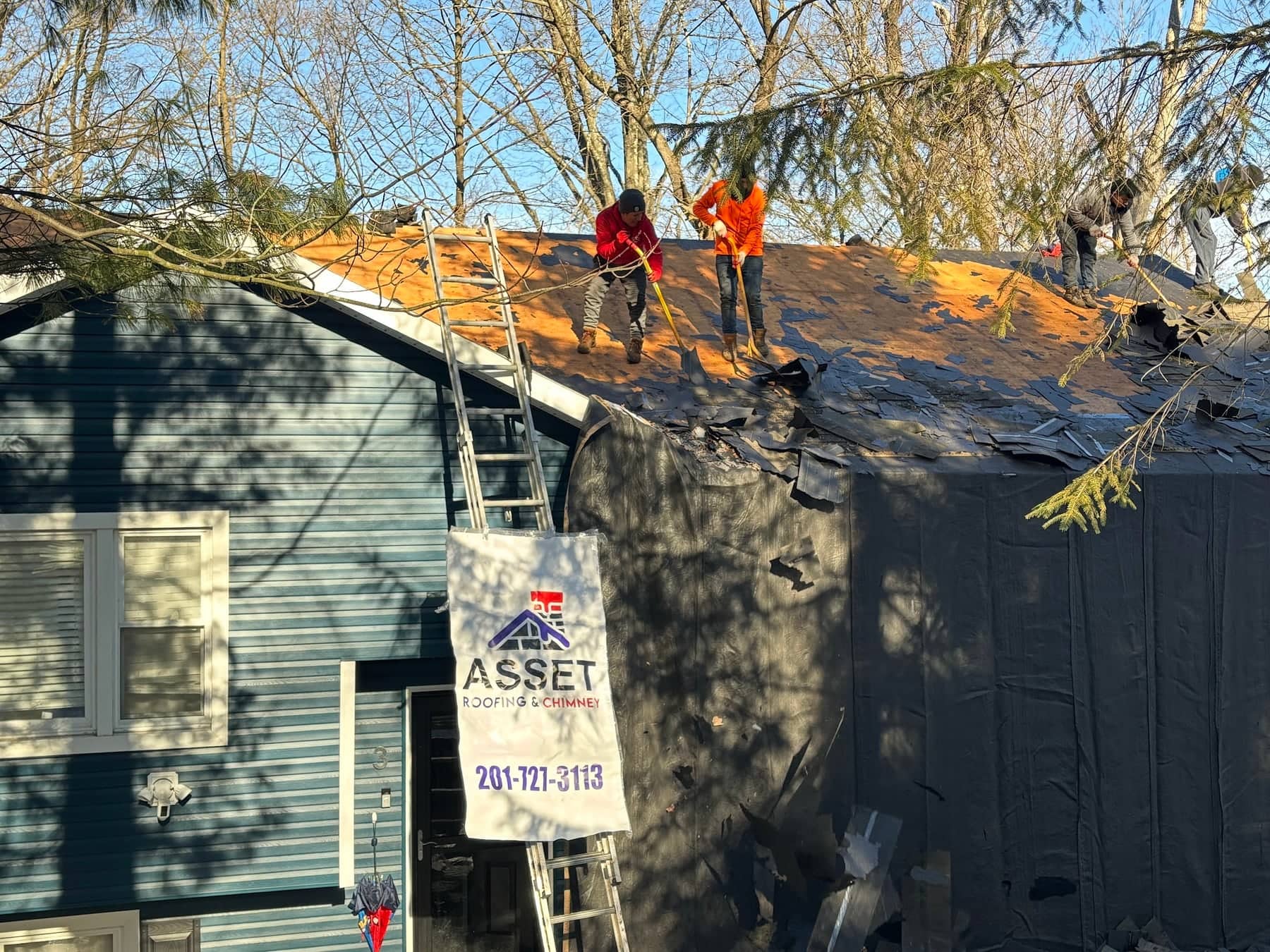
Roof Replacement for Garfield homes and buildings
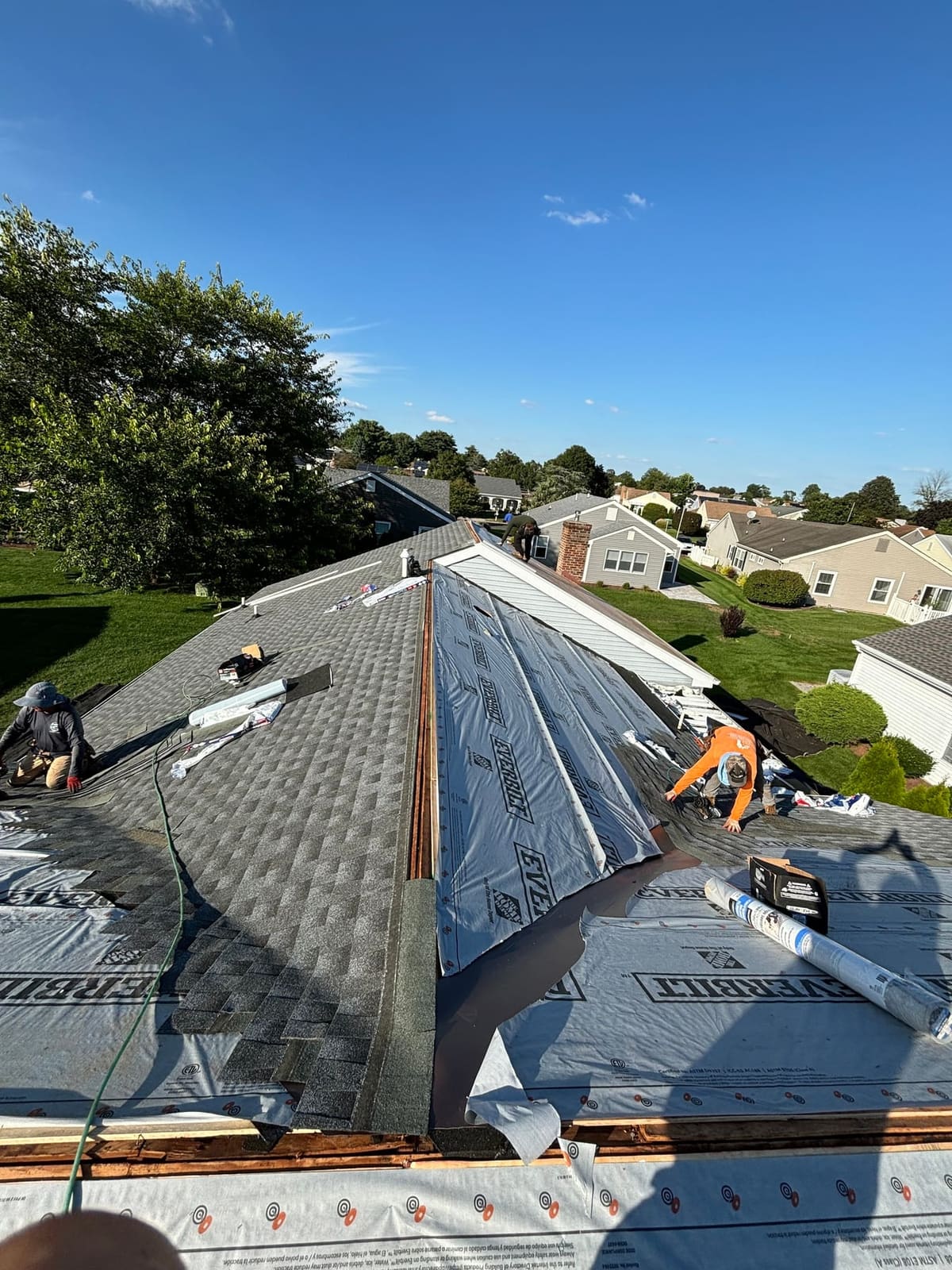
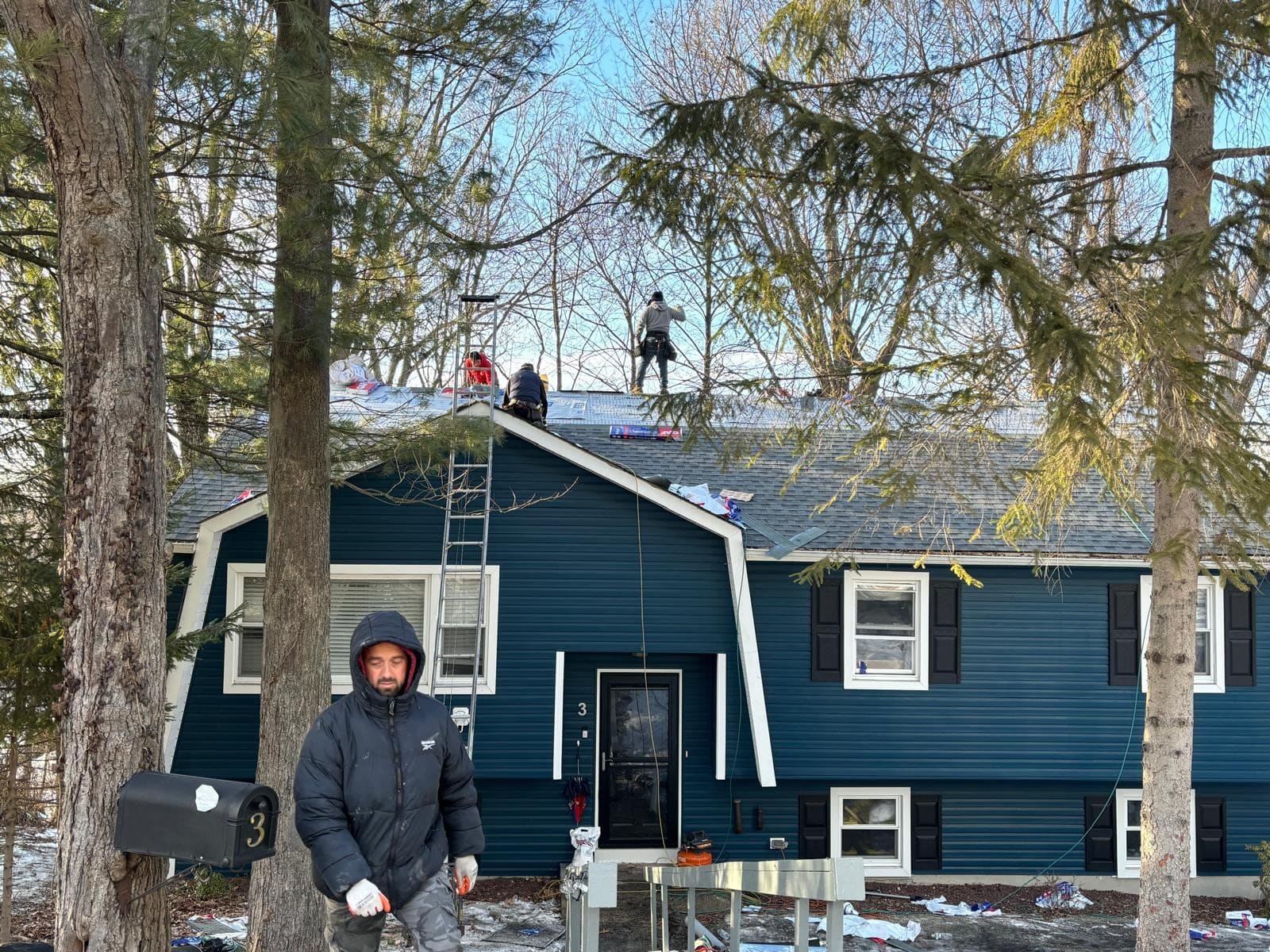
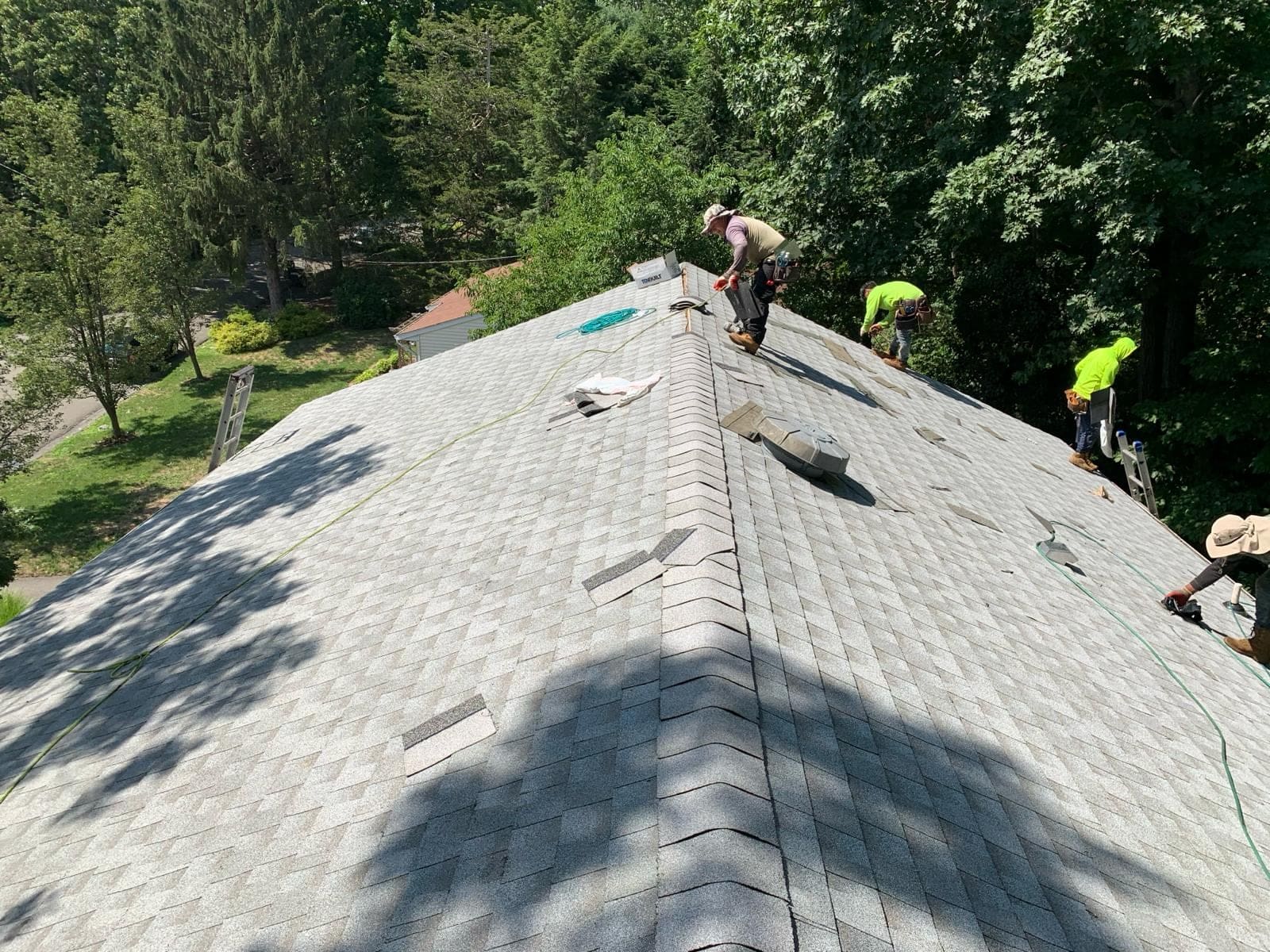
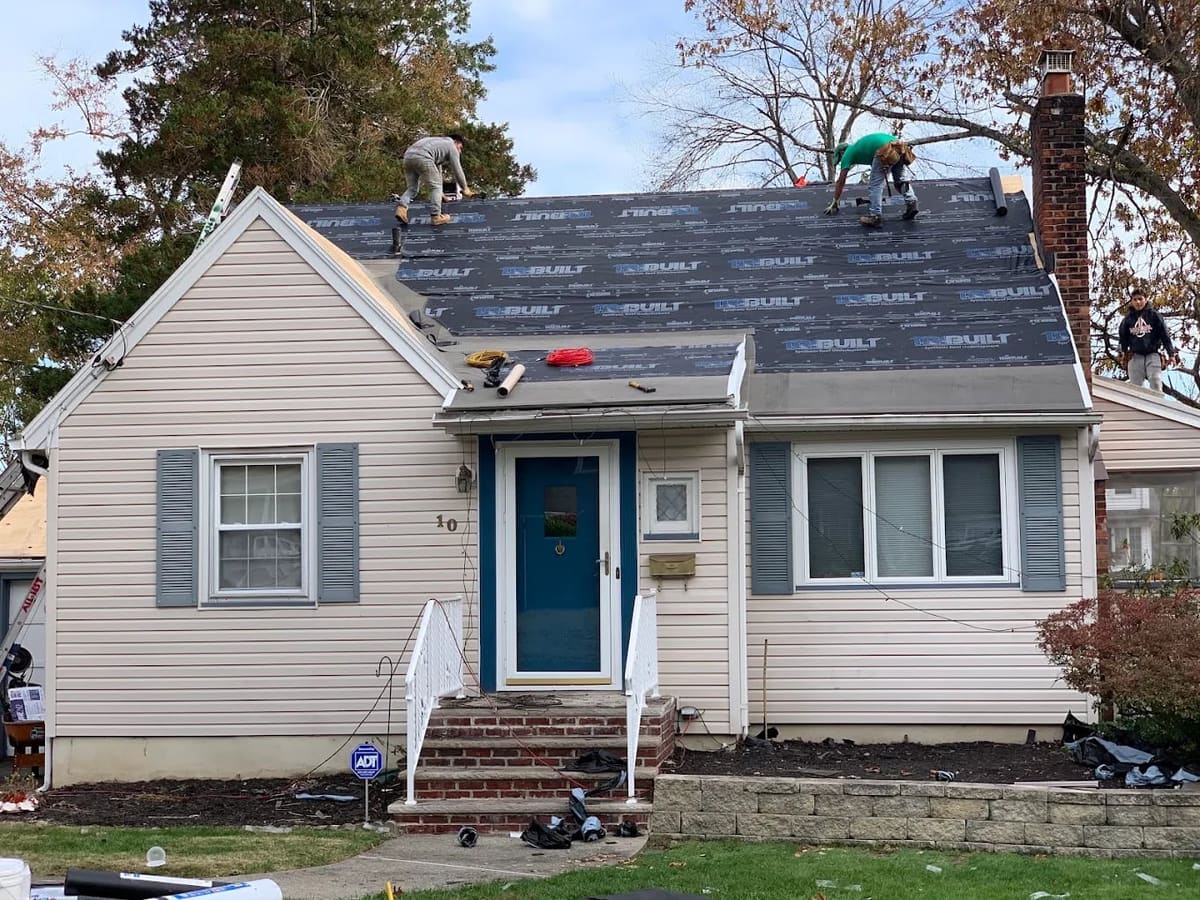
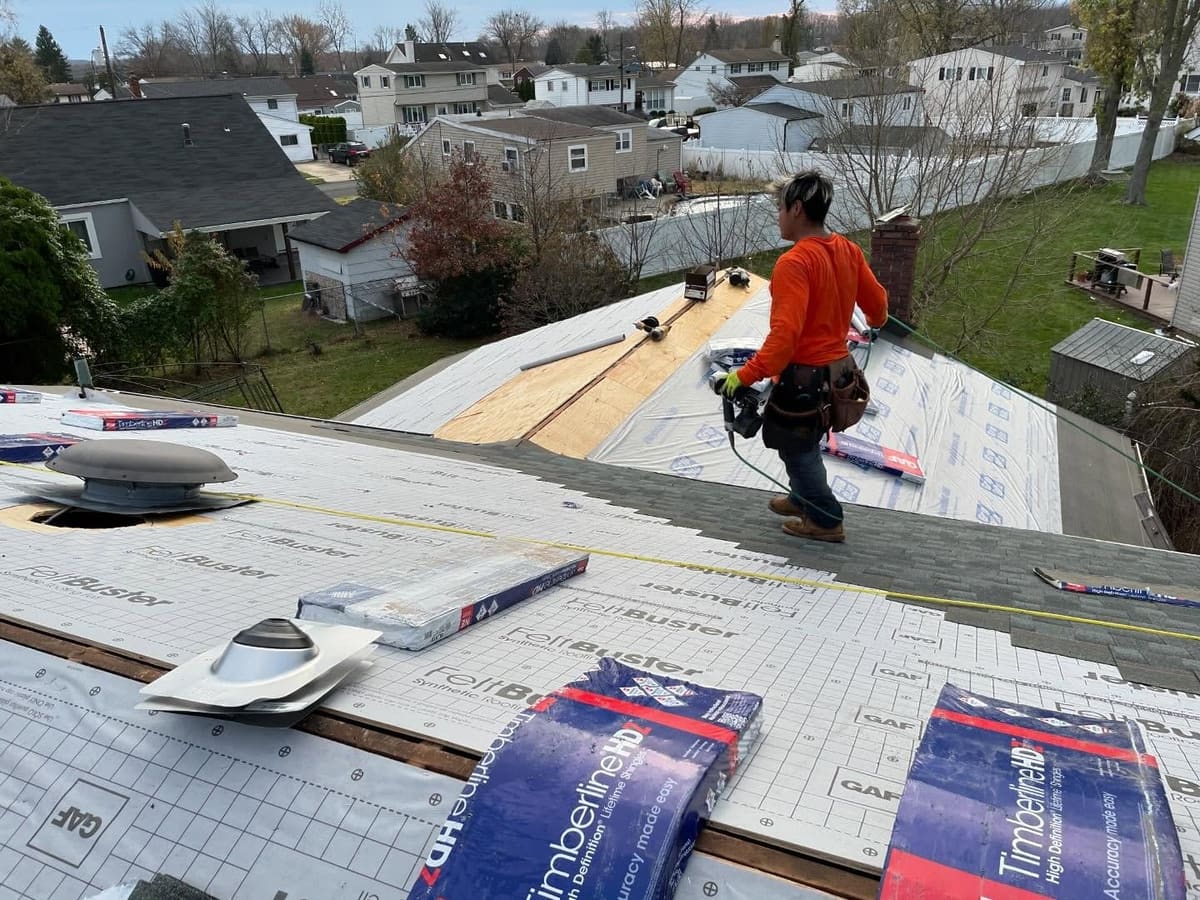
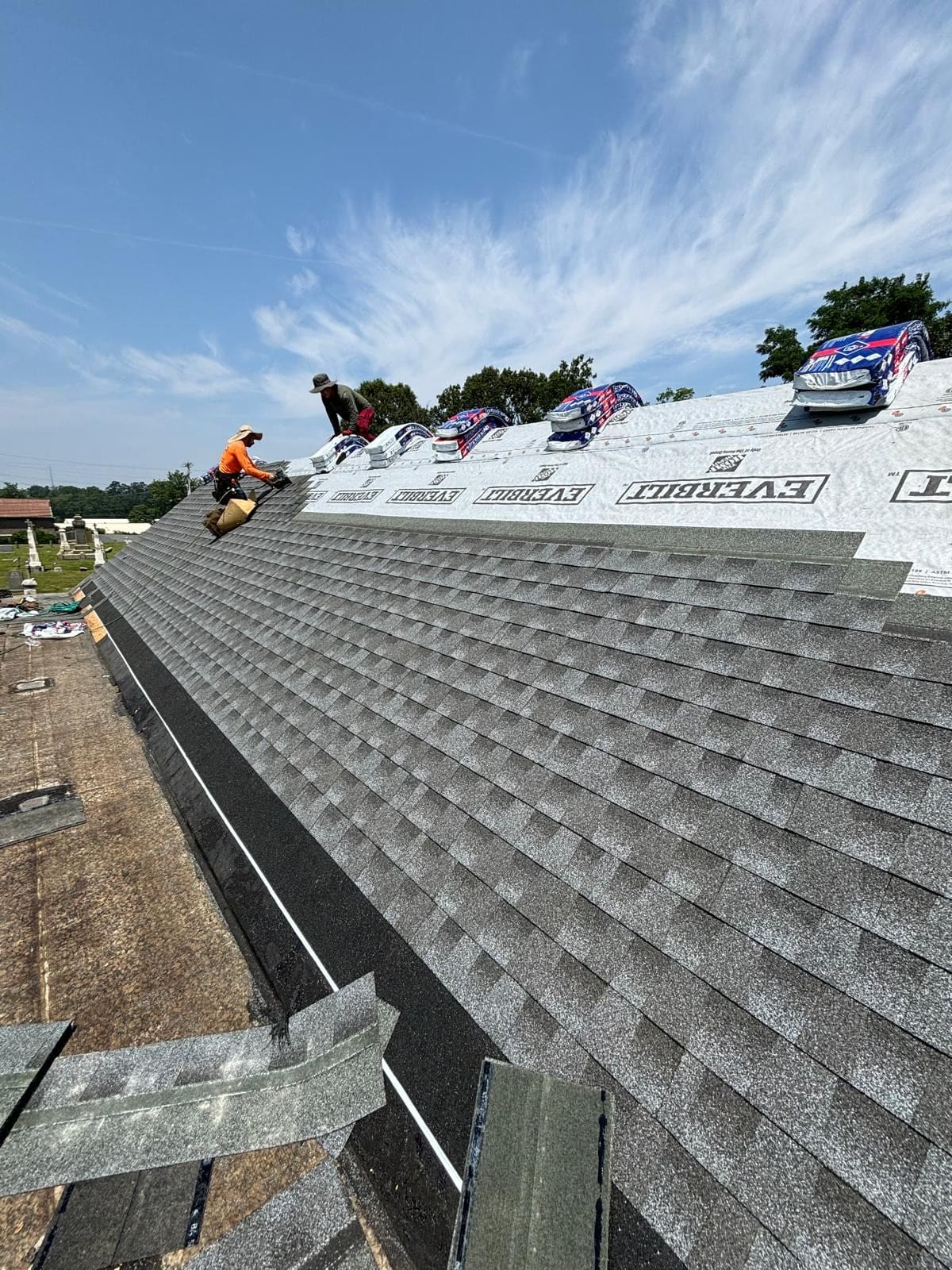
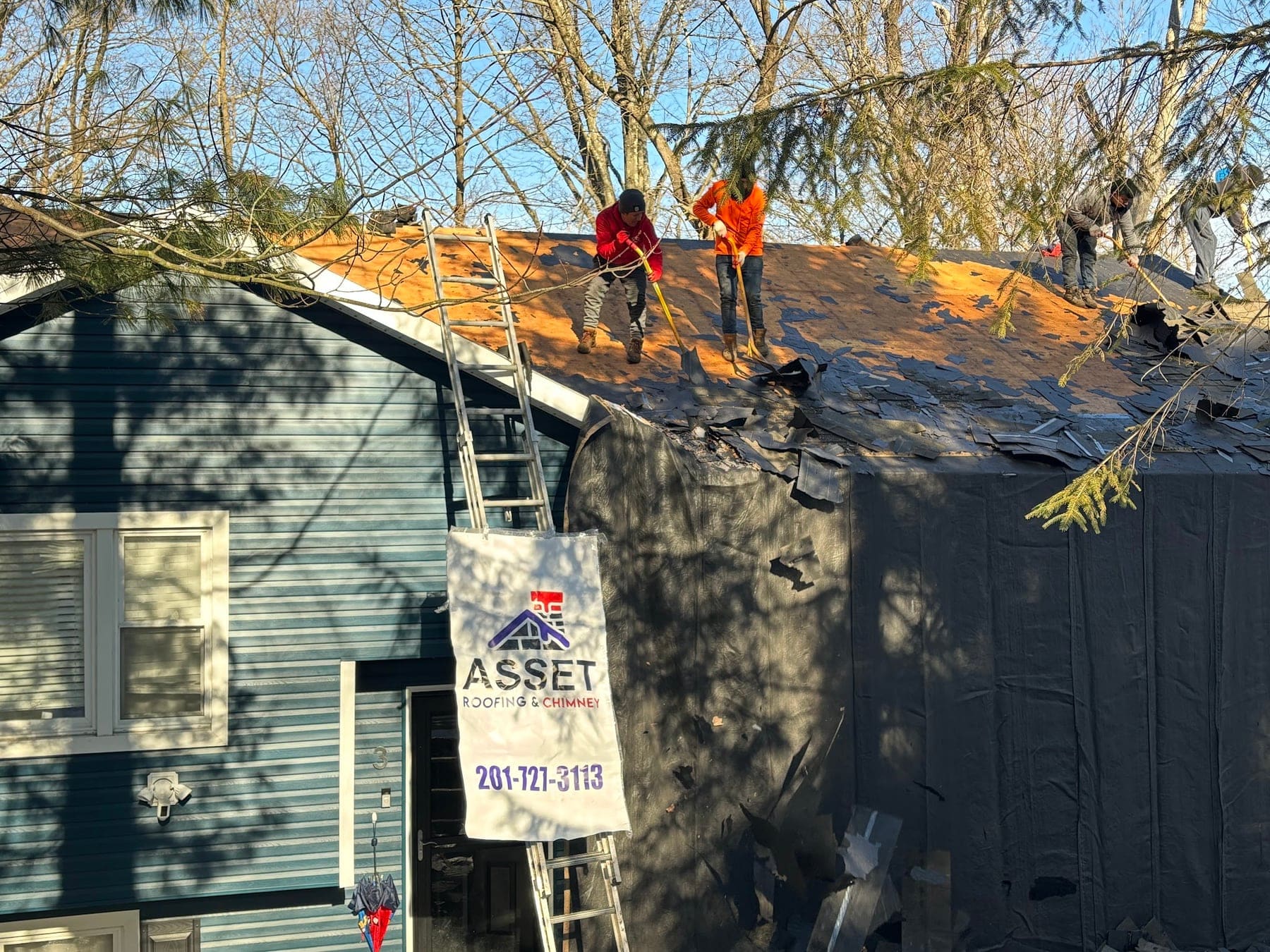
Replacing a roof in Garfield usually means dealing with history. Many houses have two layers of shingle on the front slopes, board sheathing underneath, and a rear low-slope section with its own patchwork of roll roofing or older membranes. We tear off to the deck, replace rotted boards, overlay where the sheathing gaps are too wide, and install new underlayment, ice-and-water barrier and architectural shingles on the pitched sections and a new membrane on the flat sections.
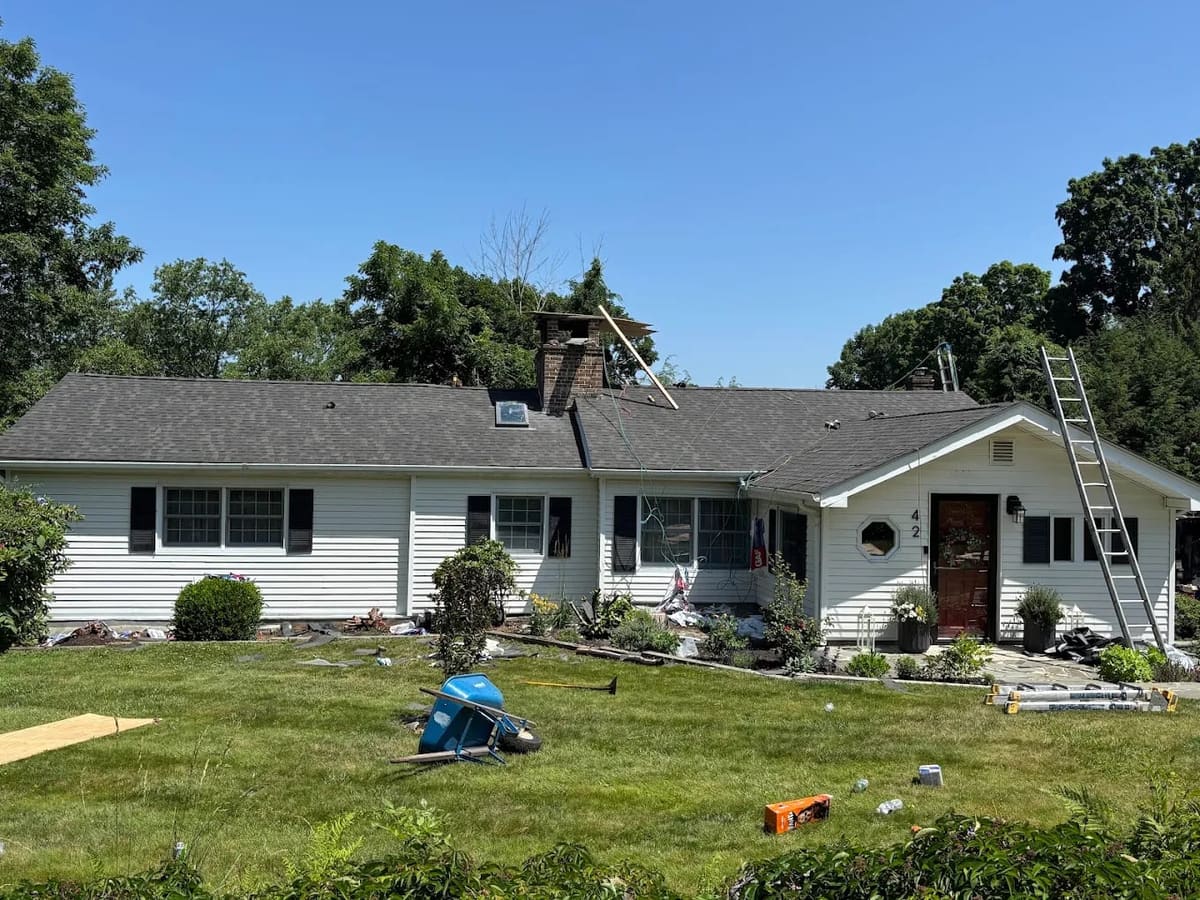
Tight lots shape the logistics. Houses are close to each other and to the street, so we plan dumpster placement, protect neighboring siding and windows, and keep walkways clear. On two-family homes we keep the building weather-tight every evening so both units stay dry.
Permits are typically required for a full roof replacement; check with the city's building department, and we can advise on what is usually needed. For commercial buildings, replacement is an opportunity to correct drainage and properly close old penetrations.
Garfield housing
Garfield's housing is old and dense. Much of it was built before 1950: frame two-family and three-family houses, many with low-slope or flat rear roofs and pitched front sections, single-family homes on narrow lots, and small apartment buildings. Former mill and factory buildings, warehouses and commercial blocks with flat roofs stand along the river and main corridors, some converted to other uses.
Weather & exposure
Low-lying parts of the city along the Passaic and Saddle rivers have a history of flooding, and the blocks near the water deal with high ground moisture and damp basements even in normal years. Houses are close together, so roofs drain onto neighbors and alleys, and gutters on tight lots are easily overwhelmed in heavy rain. Freeze-thaw works steadily on the many old brick chimneys and foundation walls.
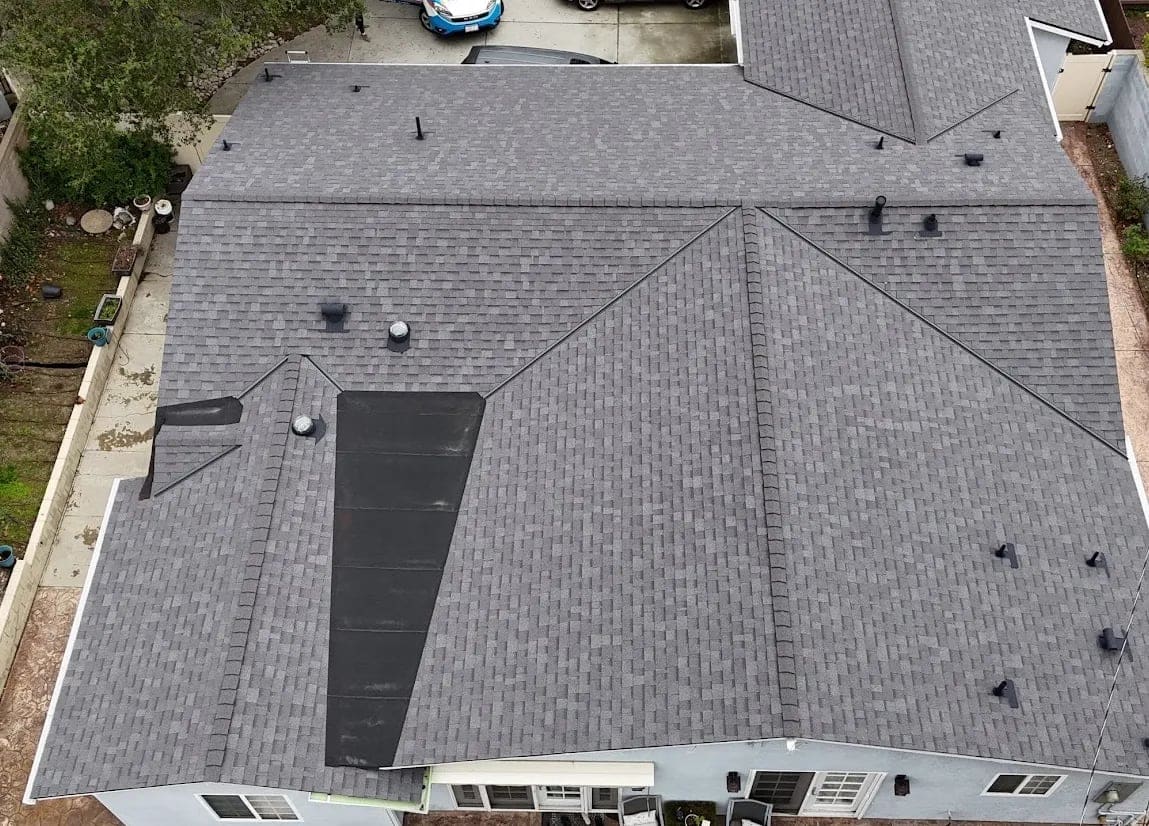
When replacement is the right call in Garfield
A Garfield roof is ready for replacement when the shingles are brittle across the roof, when there are two layers already, or when leaks keep coming back at several points. Age alone is not the deciding factor. We inspect and tell you honestly whether a targeted repair or a partial replacement of the rear section still makes sense.
Architectural asphalt shingles are the standard choice for the pitched sections, and modern single-ply or modified bitumen membranes for low-slope sections and commercial roofs.