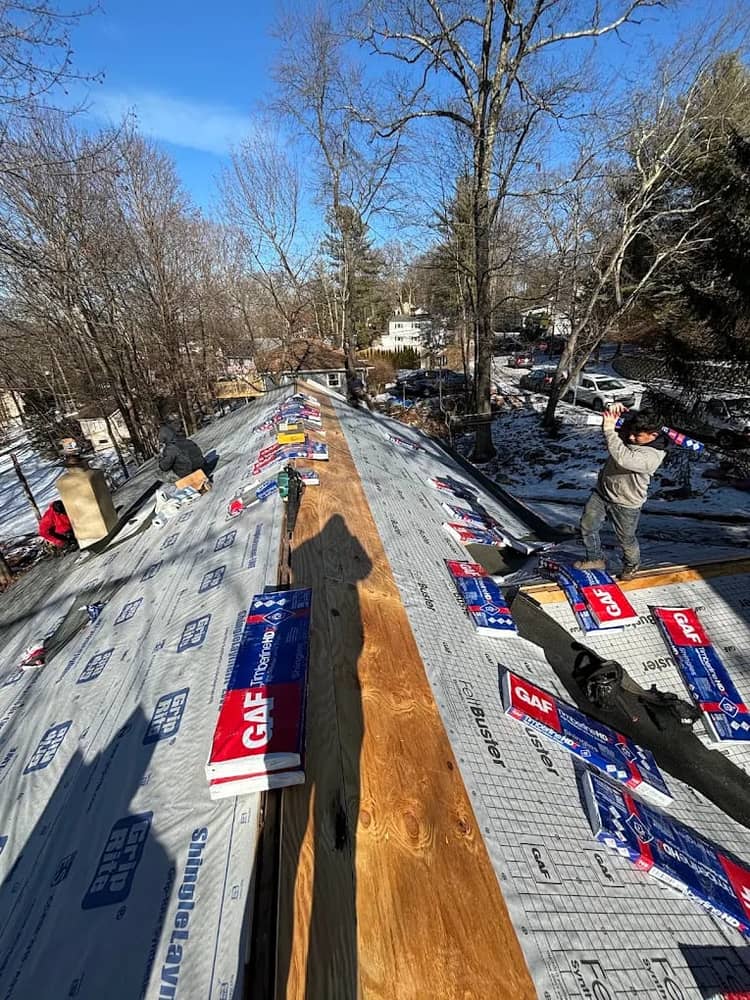
Roof Repair for Northvale homes and buildings
In Northvale's industrial district, roof repairs are commercial flat-roof work on one- and two-story buildings: open seams, blistered membrane, failed flashing at walls and curbs, clogged drains and aging roof hatches. Many of these roofs have been patched repeatedly, and a good repair starts with understanding what is already there.
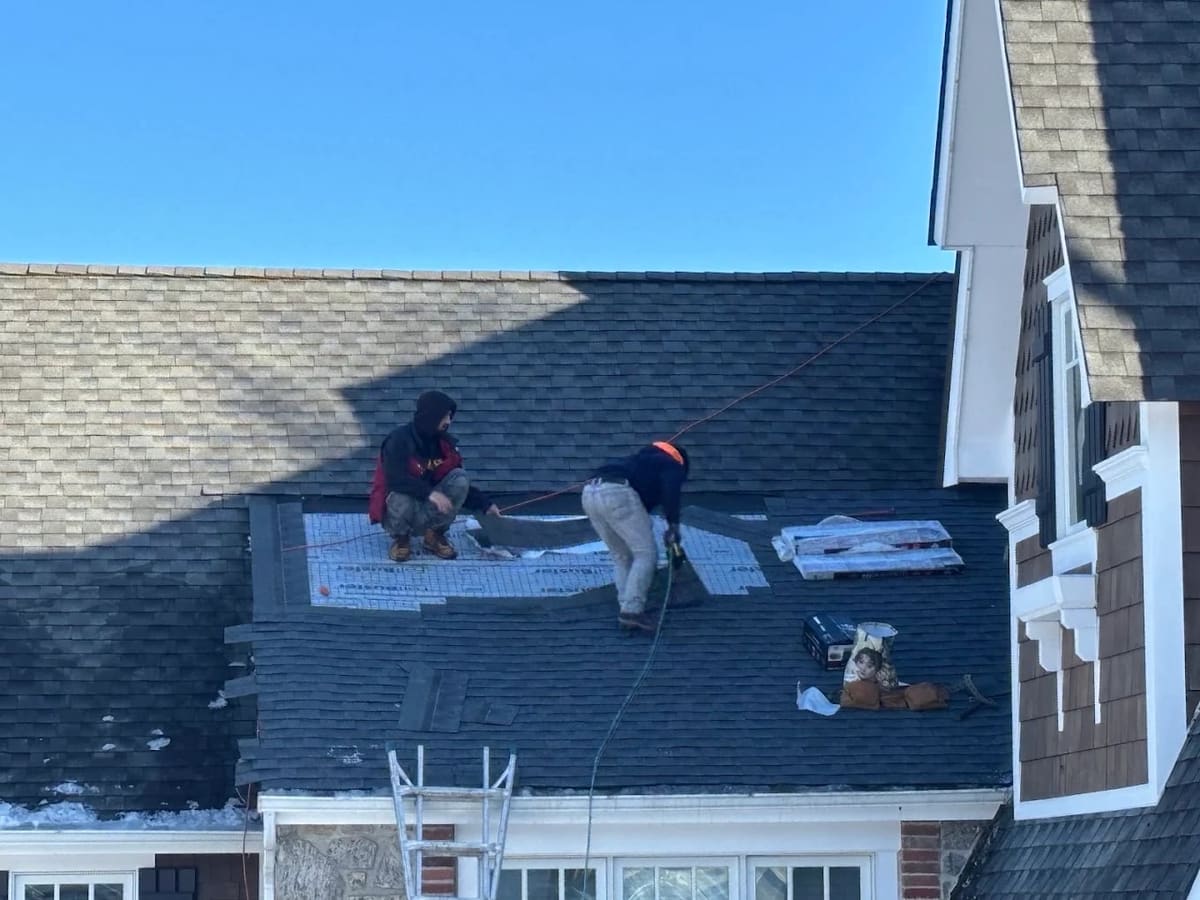
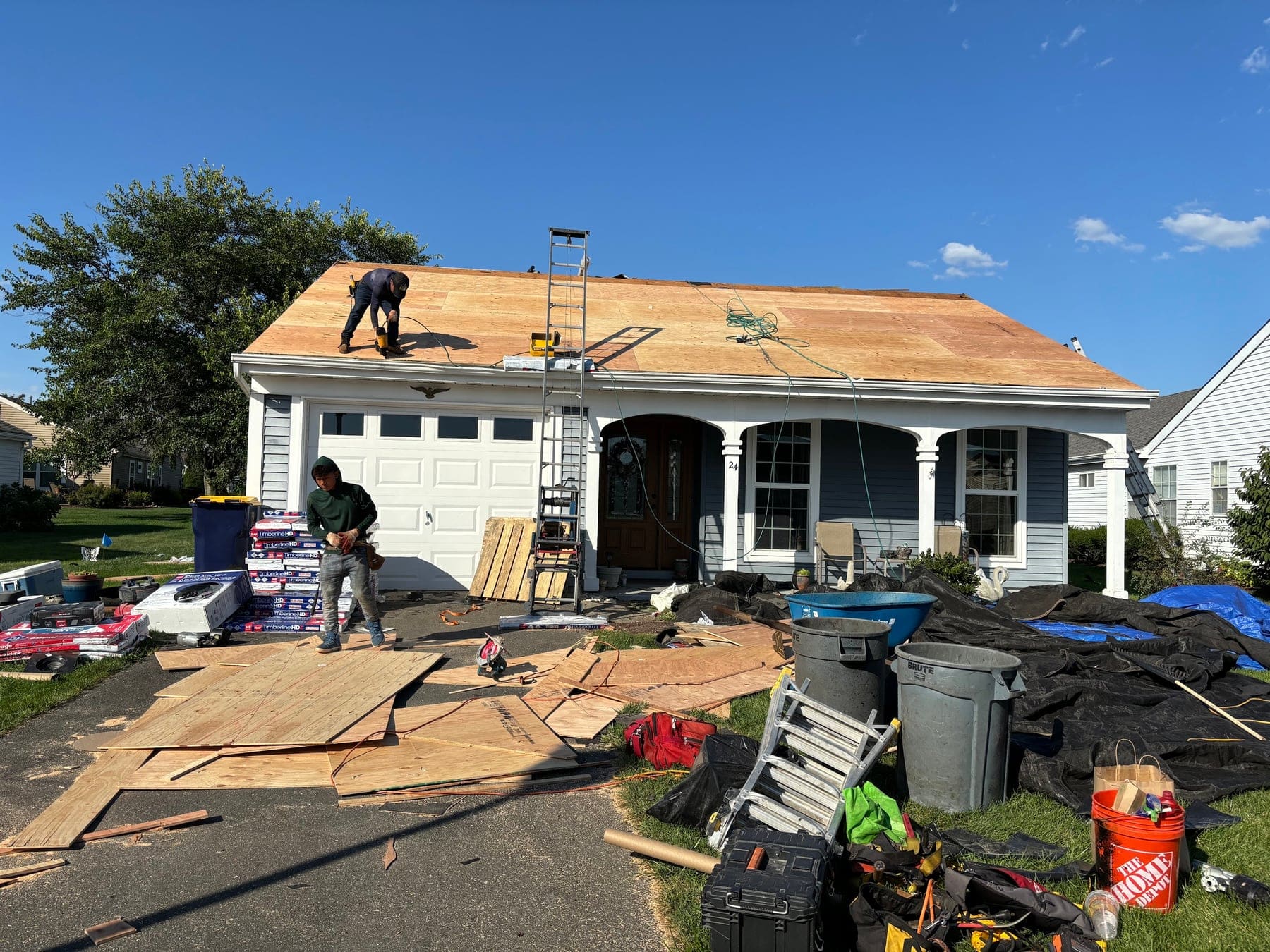
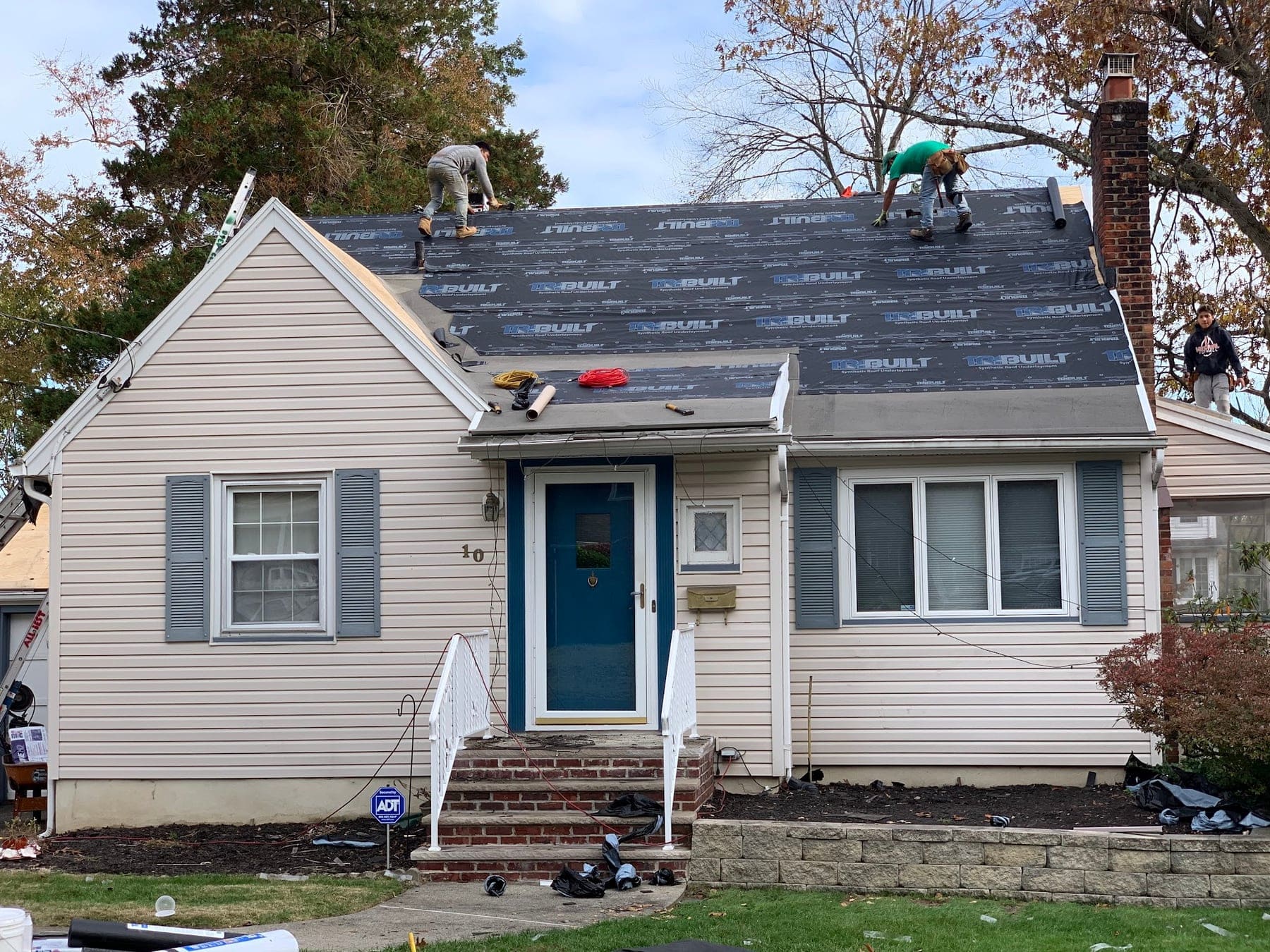
On the residential side, the typical roof is a broad, low-pitched ranch roof or a cape with dormers. Low pitch means water moves slowly, so nail pops, lifted tabs and worn flashing leak sooner than they would on a steep roof. Where the attached garage roof meets the house wall, step flashing is a common failure point. Snow lingering on these wide, shallow roofs adds ice dams to the list.
Northvale housing
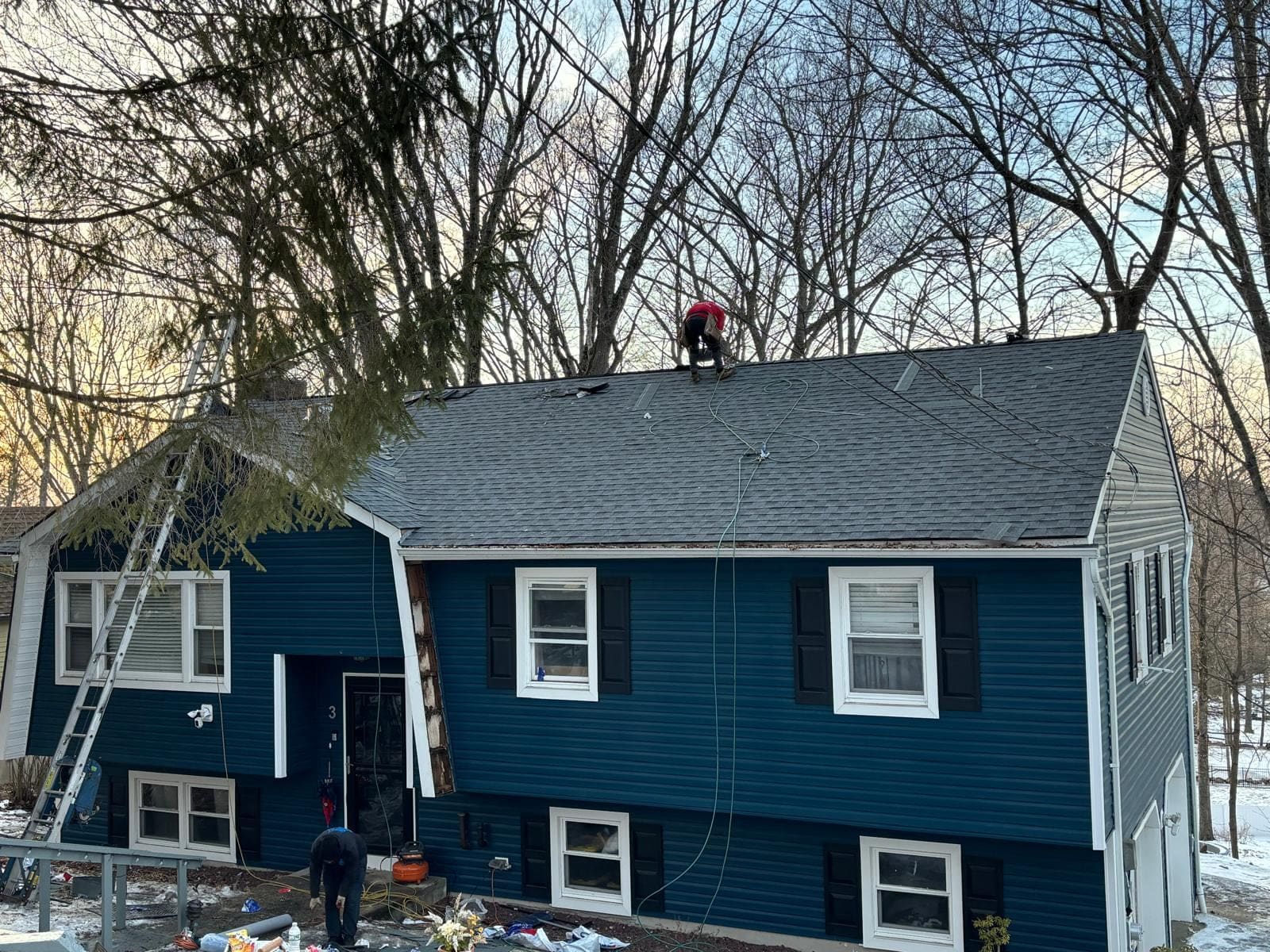
Residential Northvale is mostly single-family homes built in the 1950s and 1960s, largely ranches, Cape Cods and split-levels on modest lots, many with attached garages and single brick chimneys, plus some newer homes. The light-industrial and business district contains one- and two-story buildings with large flat or low-slope roofs.
Weather & exposure
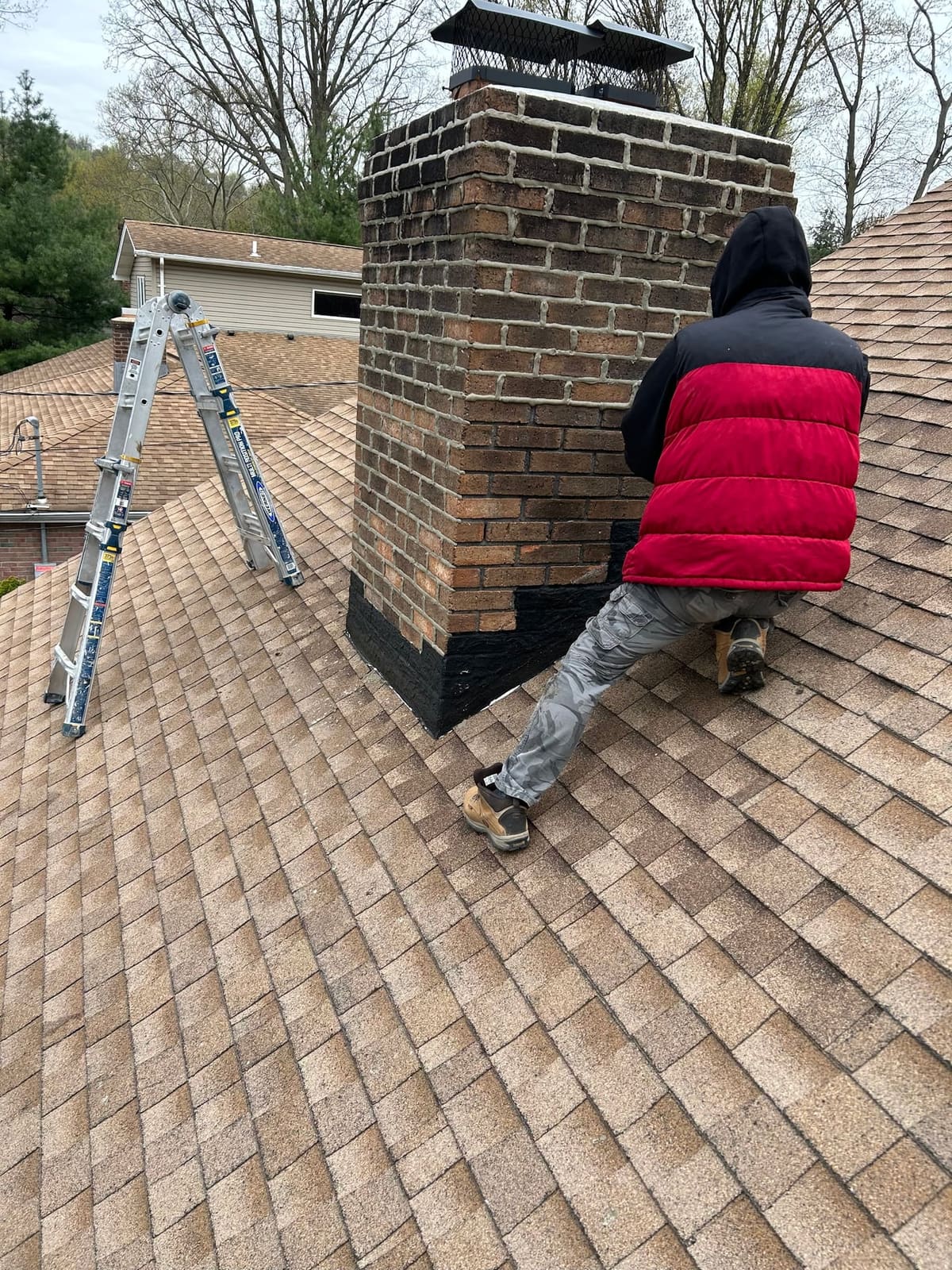
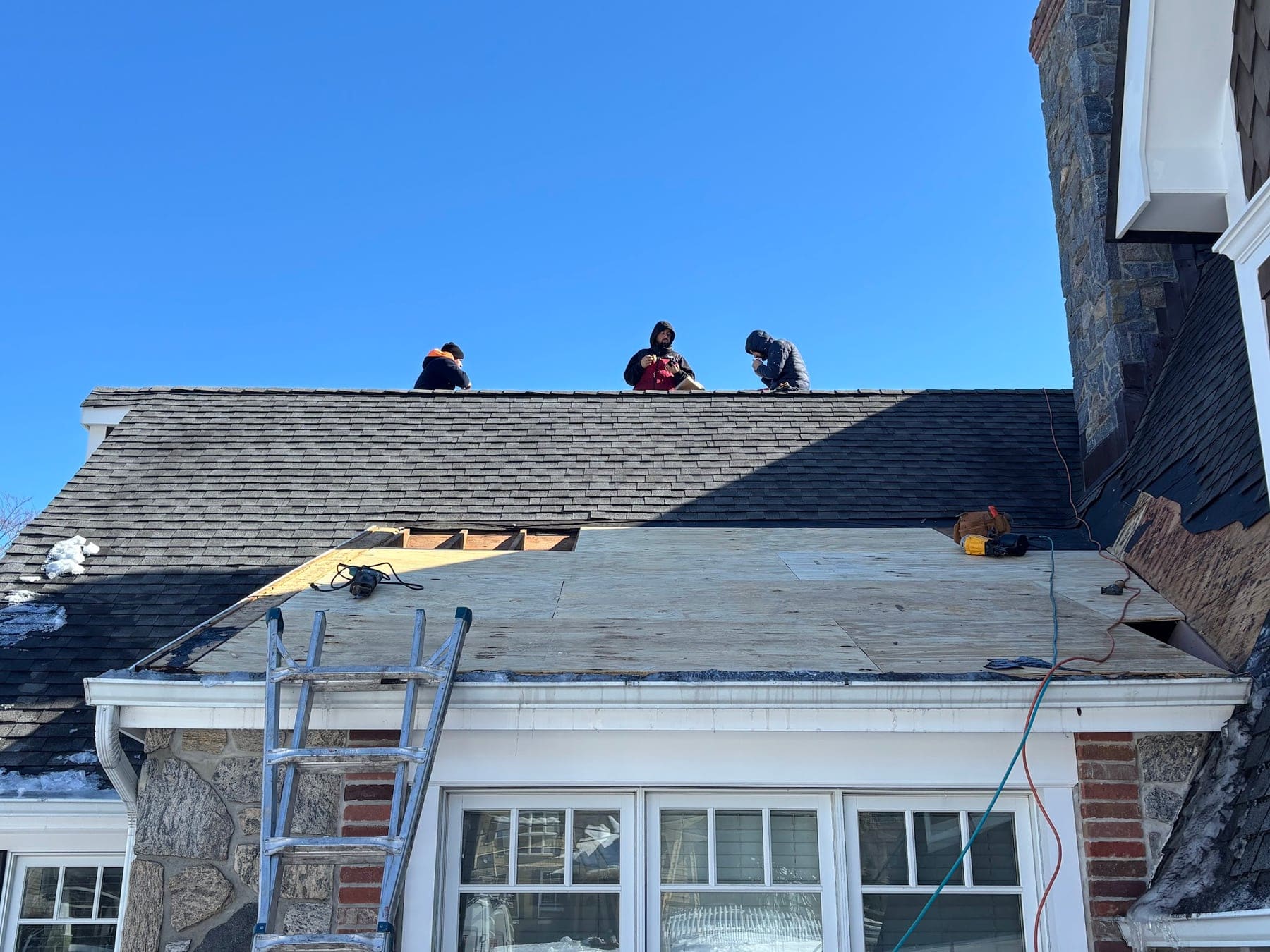
Northvale is inland and fairly level, with mature trees on most residential streets. Wind is moderate on the houses, but the large flat roofs in the industrial area sit on open ground with little shelter. Winter brings snow and ice to the low, broad roofs of ranch houses, and freeze-thaw affects chimney masonry. Leaf debris clogs gutters and shallow valleys every fall.
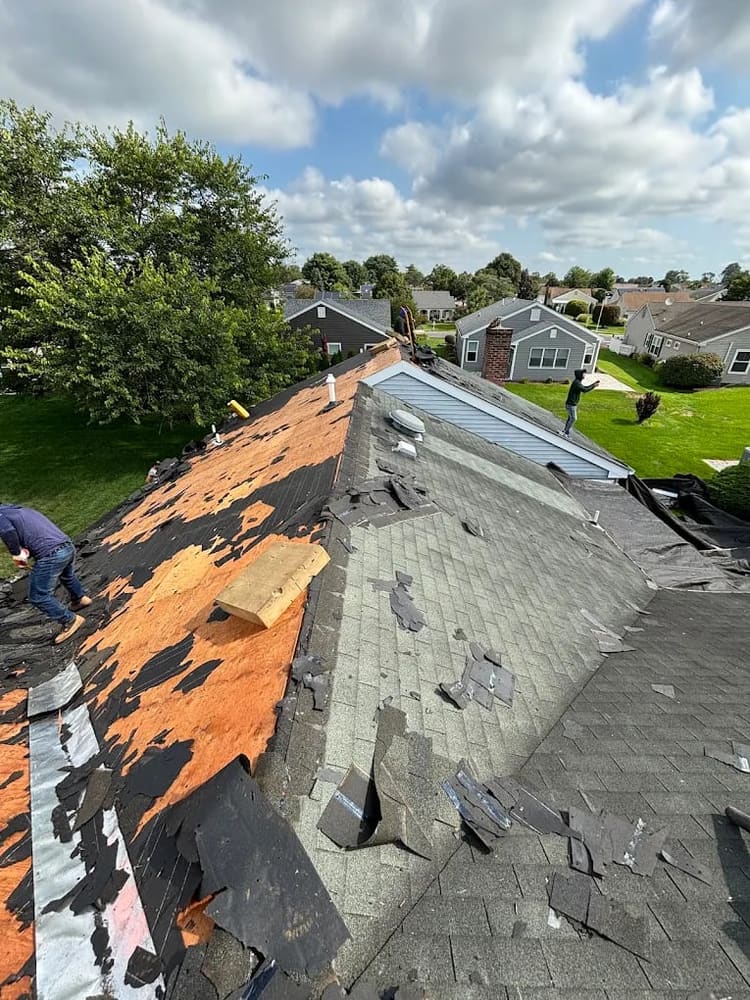
Repair or replace? What we tell Northvale homeowners
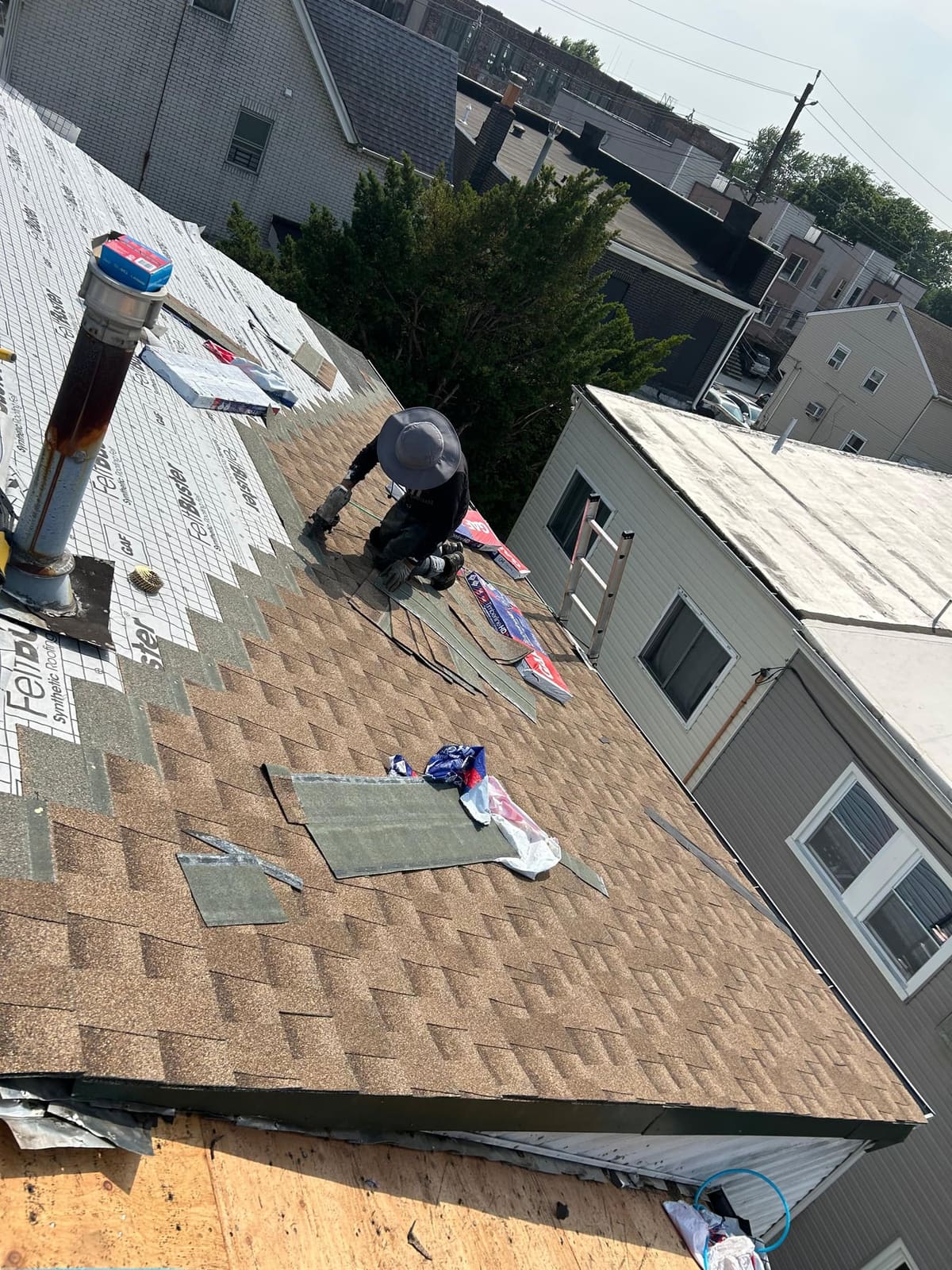
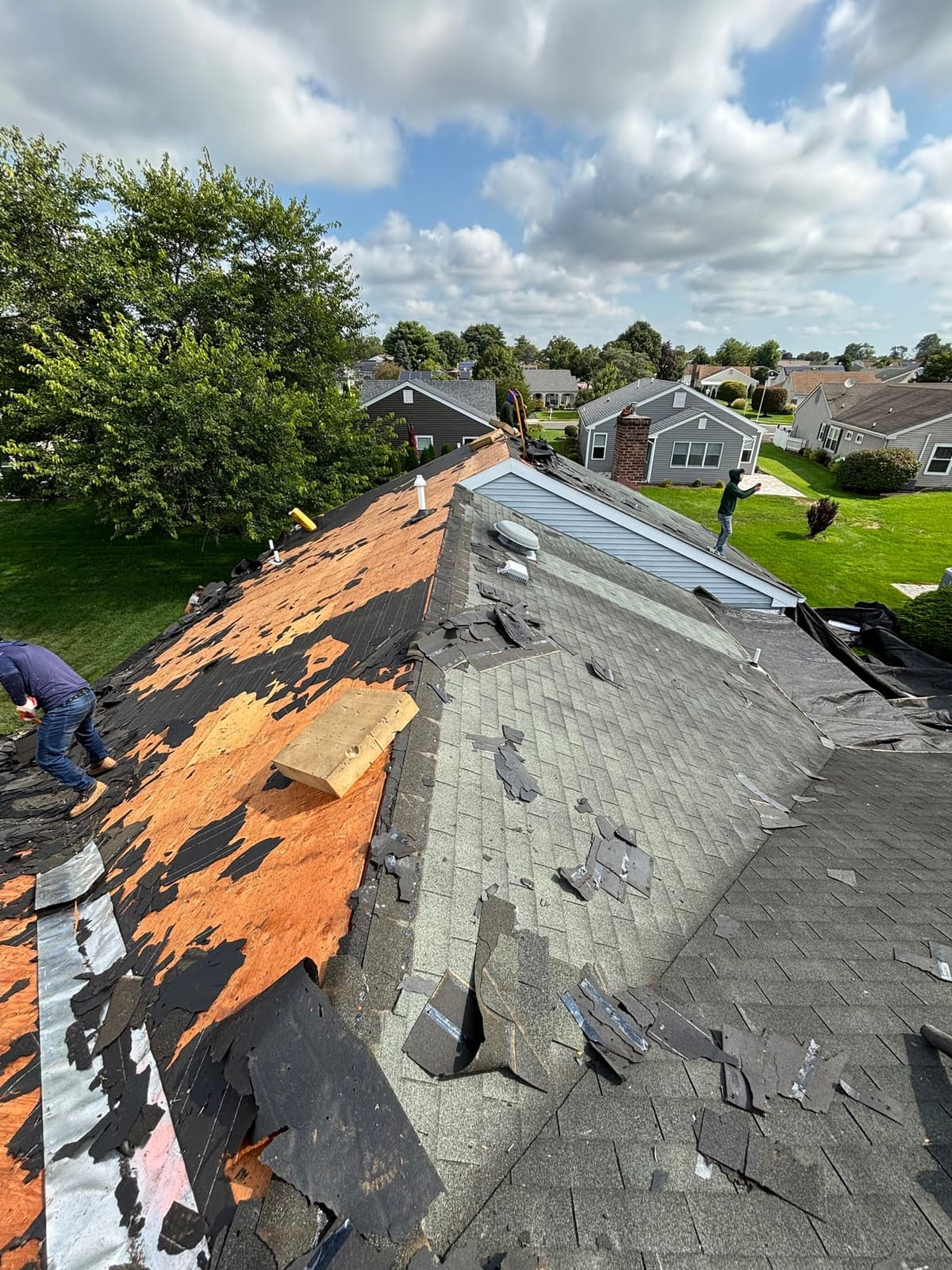
For commercial roofs, repair makes sense when the membrane is generally sound and failures are localized. When patches outnumber original membrane, or insulation is wet, replacement is more economical. For homes, a single failed detail on a flexible roof is a repair; a brittle roof everywhere is a replacement.
Estimates are free for commercial and residential properties, and we include photos of what we find.