Roof Repair for Livingston homes and buildings
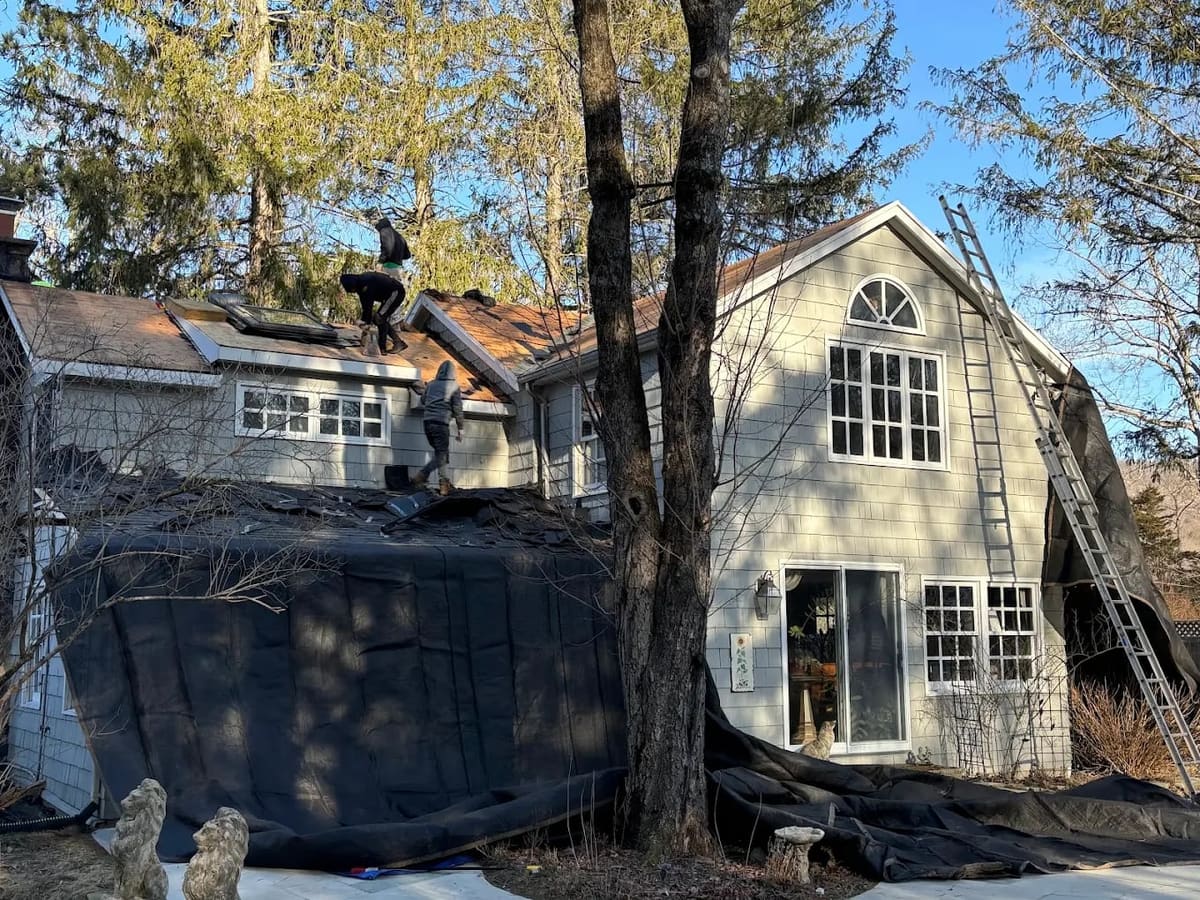
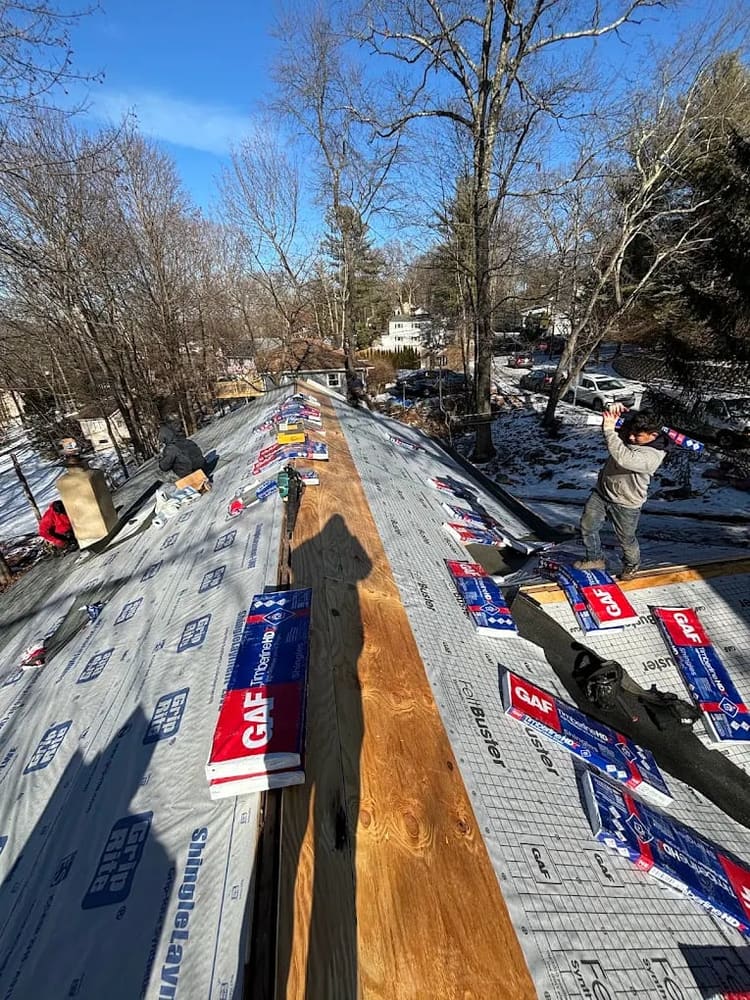
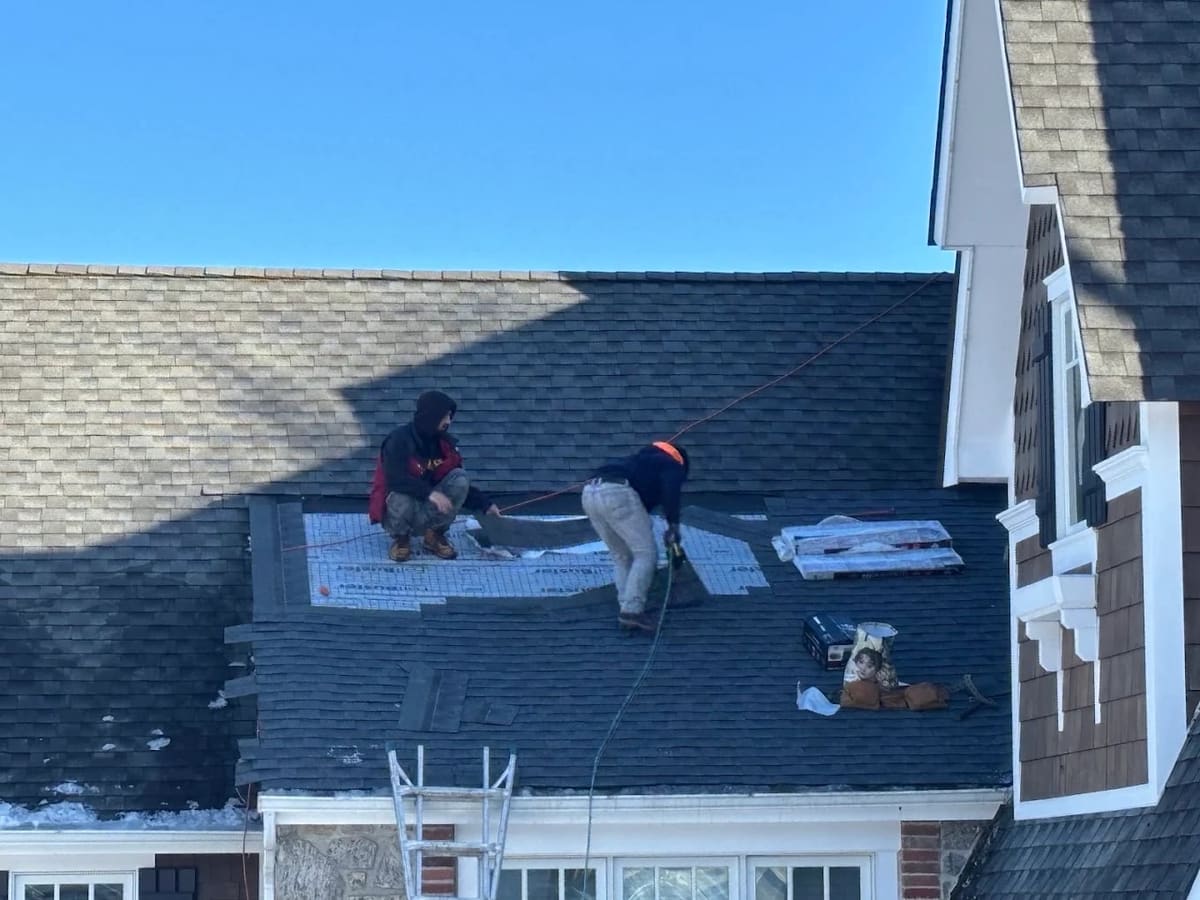
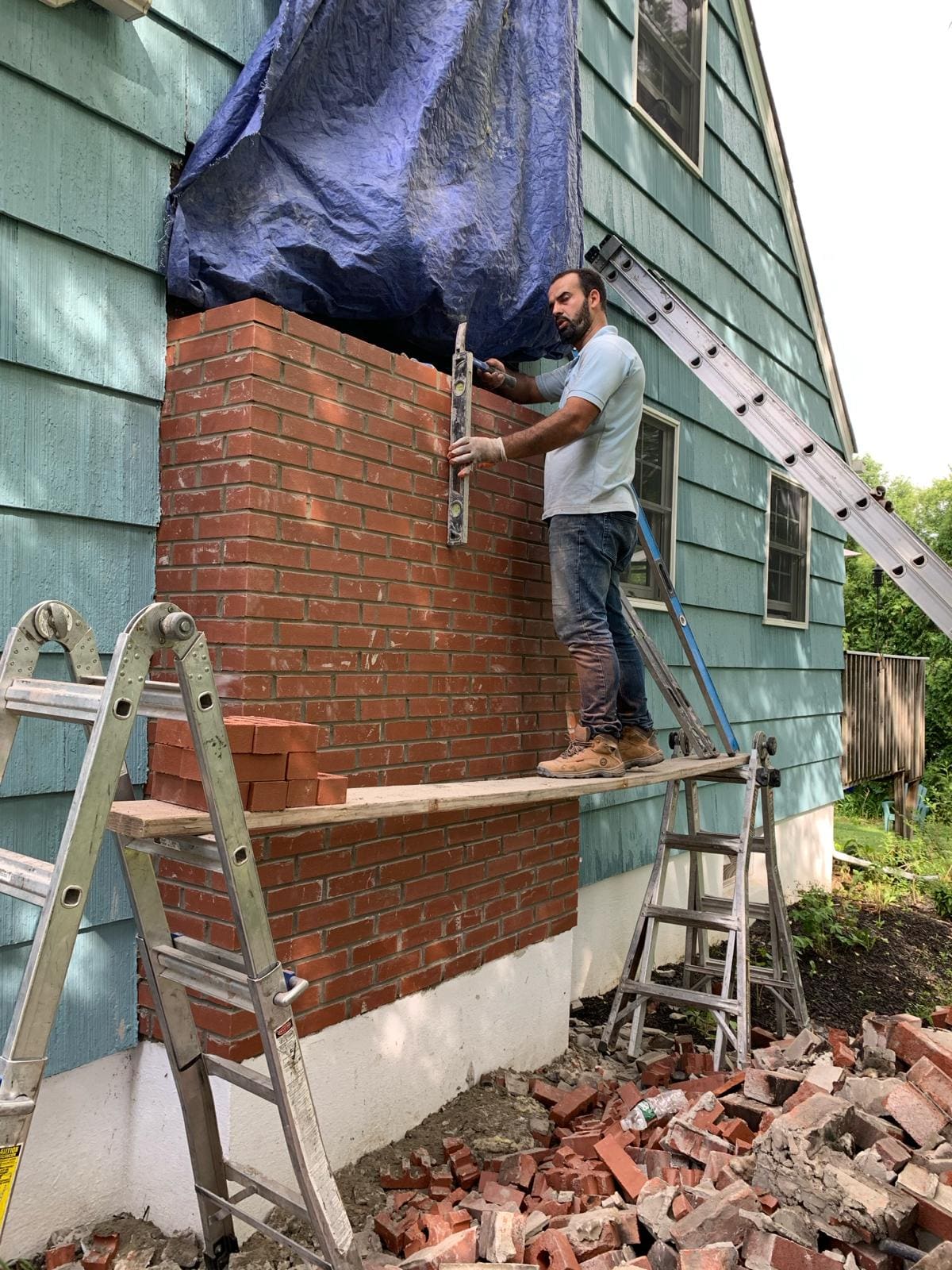
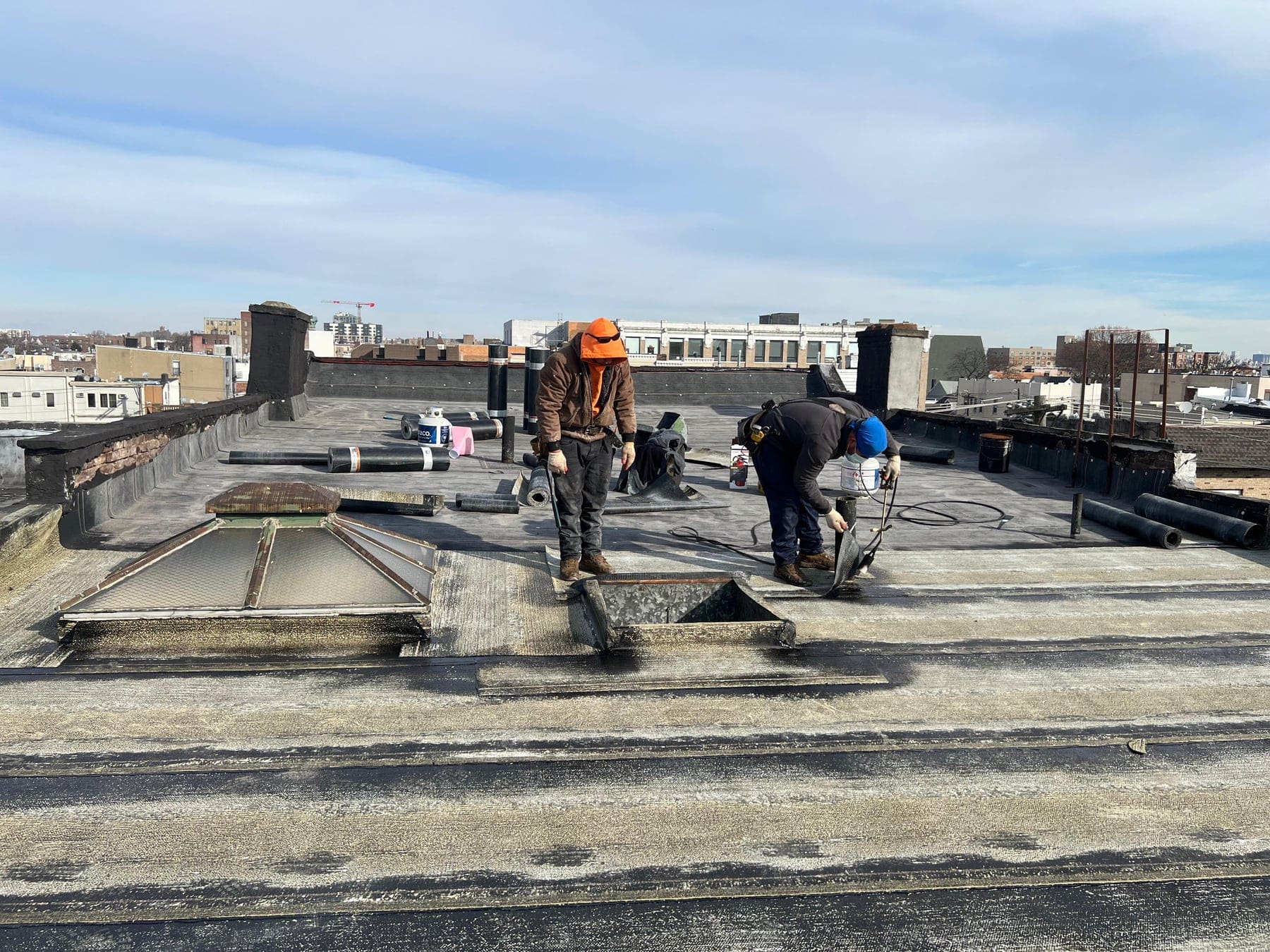
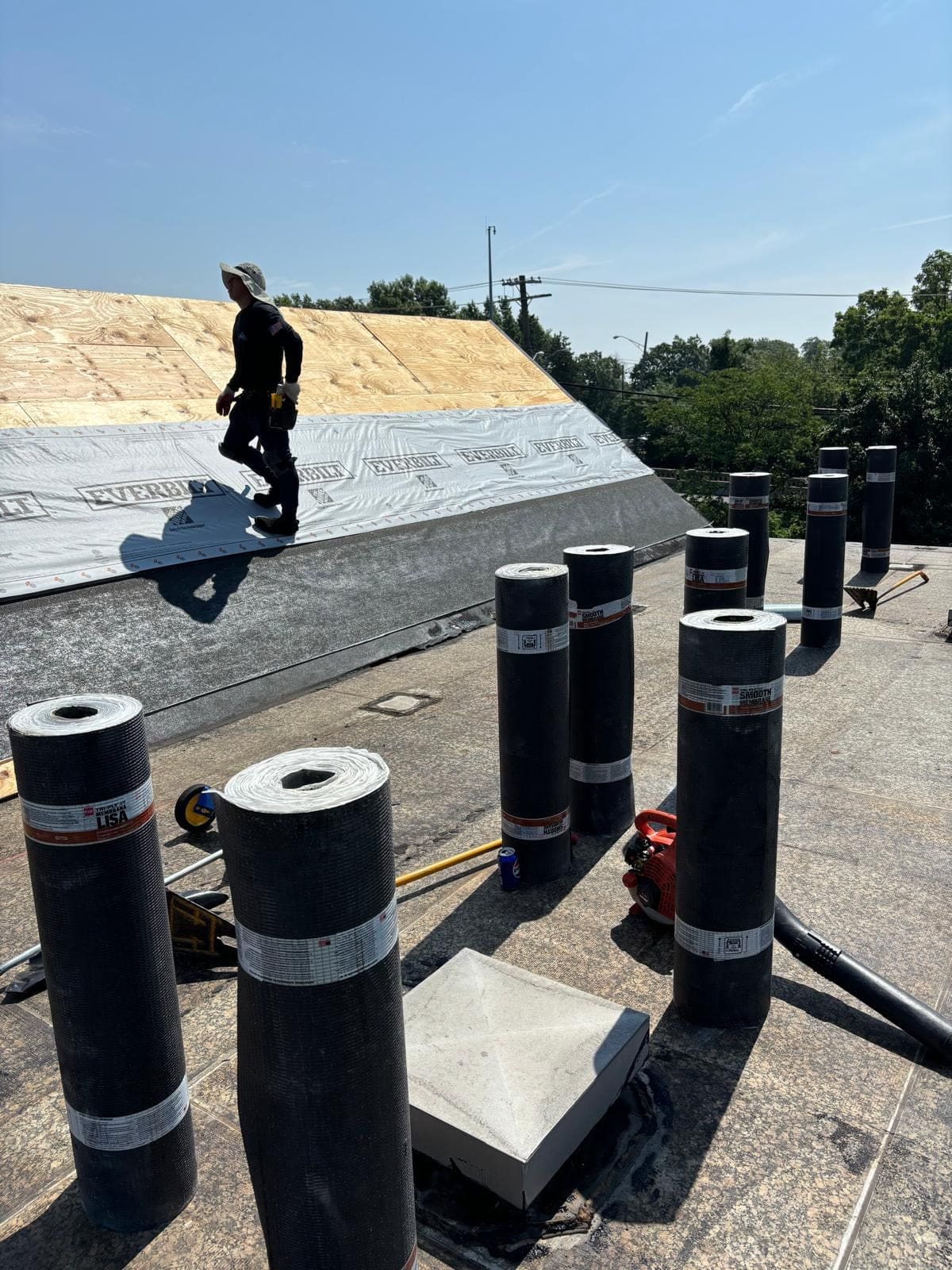
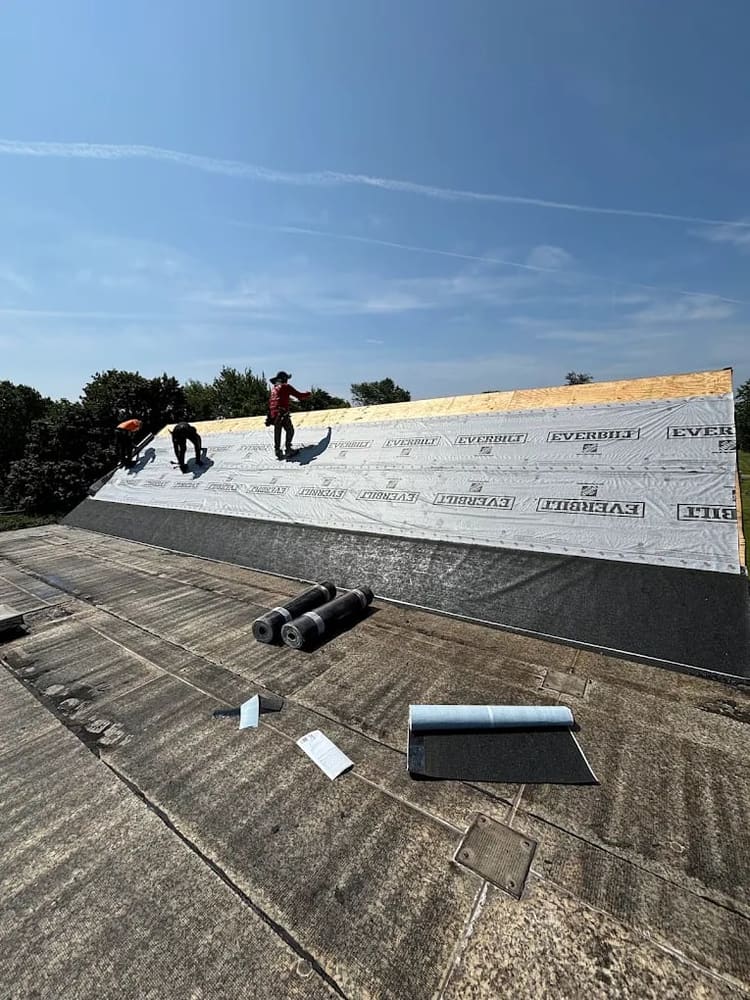
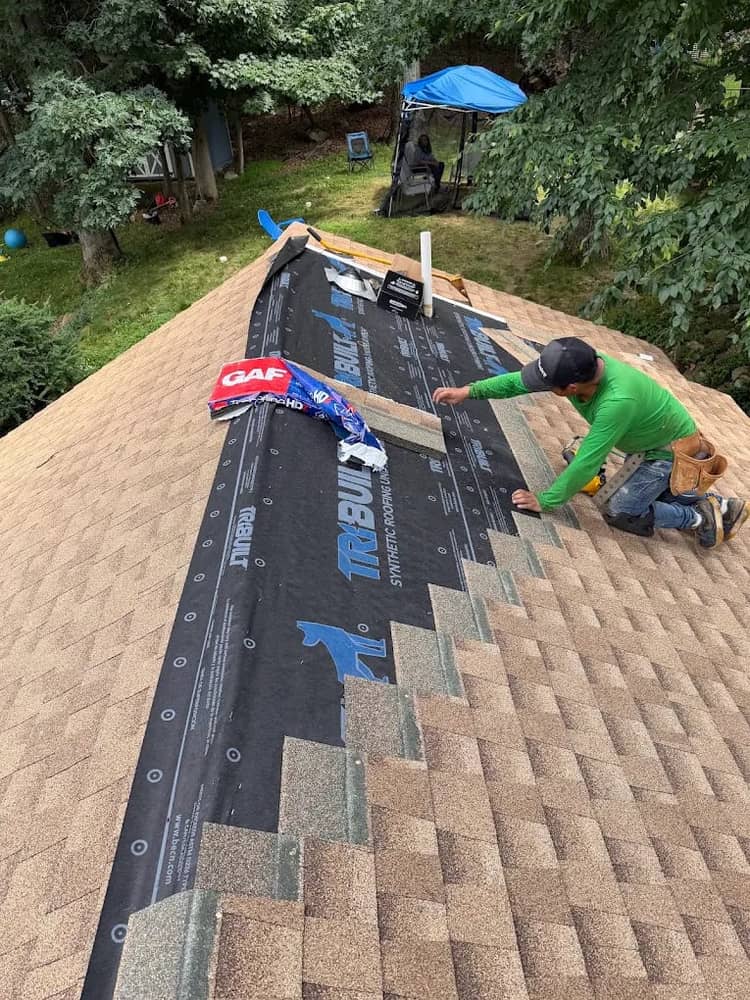
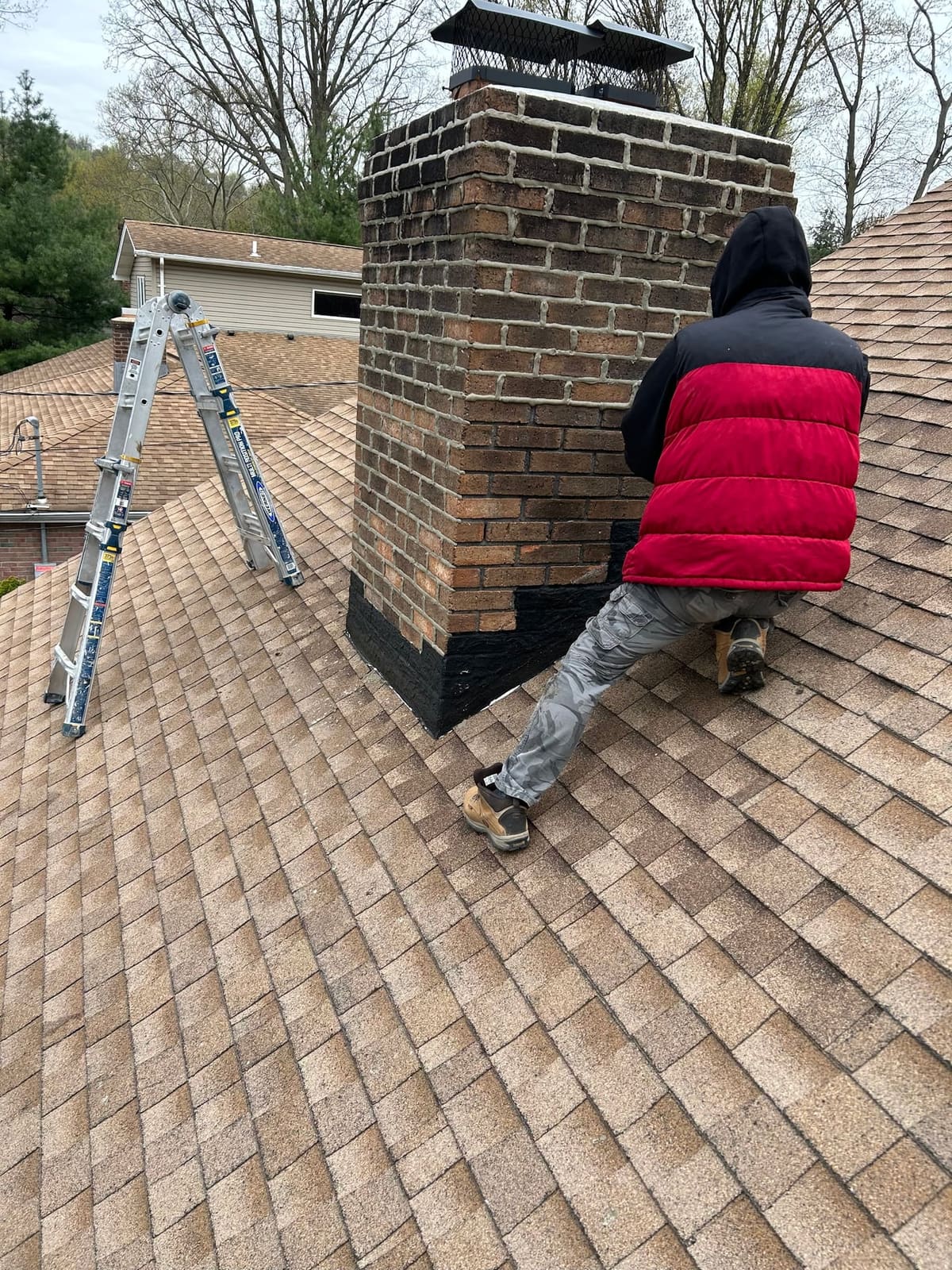
Roof repair in Livingston splits into two kinds of work. On the mid-century split-levels and ranches, we see aged shingles, failed pipe boots, low-slope sections that were shingled when they should have been membrane, and flashing at chimneys and sidewalls that has been caulked for decades. On newer teardown rebuilds, the problems tend to be workmanship details on complex roofs.
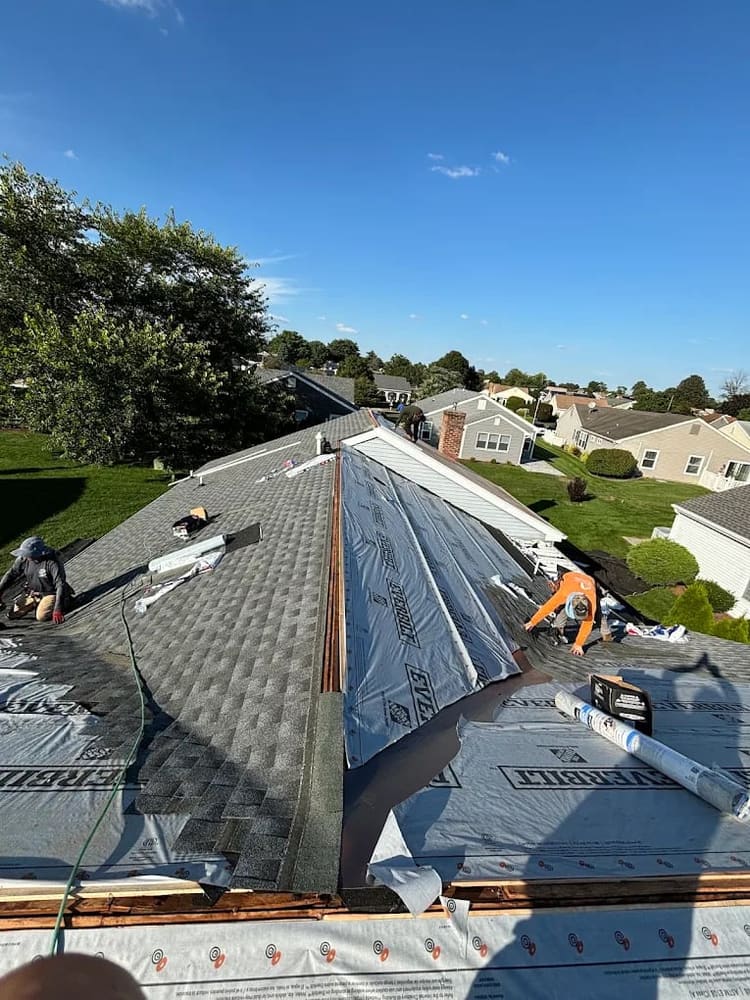
Newer homes with many gables, valleys and dormers rely on flashing done right the first time. A missed kick-out flashing where a roof ends against a wall, an improperly lapped valley or a skylight set without the manufacturer's kit will leak within a few years. We find these details and correct them properly.
Whatever the age of the house, we inspect the whole roof, trace the leak from the attic side where possible and show you photos. Livingston's tree cover means debris in valleys and gutters is a frequent contributor, and we clear it as part of any repair.
Livingston housing
Livingston's housing stock is dominated by 1950s to 1970s split-levels, ranches, bi-levels and colonials, many now on their second or third roof. Newer homes from teardown rebuilds are larger, with complex rooflines, multiple gables and more penetrations. Original chimneys are brick, often serving a fireplace and furnace; newer homes may have framed chases with metal flues. Commercial buildings along Route 10 and the main corridors have flat roofs.
Weather & exposure
Livingston is gently rolling rather than steep, so wind exposure is moderate, but the township's mature oaks and maples shade roofs, drop heavy debris and keep north slopes damp. Ice dams form along shaded eaves in cold stretches, especially on homes with cathedral ceilings or finished attics. Nor'easters and summer thunderstorms bring wind-driven rain and the occasional fallen limb onto a roof.
Repair or replace? What we tell Livingston homeowners
If your Livingston home has a leak and the shingles are otherwise flexible and intact, a targeted repair is sensible. Ask to see photos of the source and the fix. On original or second roofs from the 1990s or earlier that show curling, cracking and granule loss, repairs will keep coming, and replacement is better value.
For a newer home that leaks within a few years of construction, the problem is almost always a flashing or detail error, and it is worth fixing it properly rather than sealing over it. We correct the detail so it works the way it was designed to.