Roof Replacement for Secaucus homes and buildings
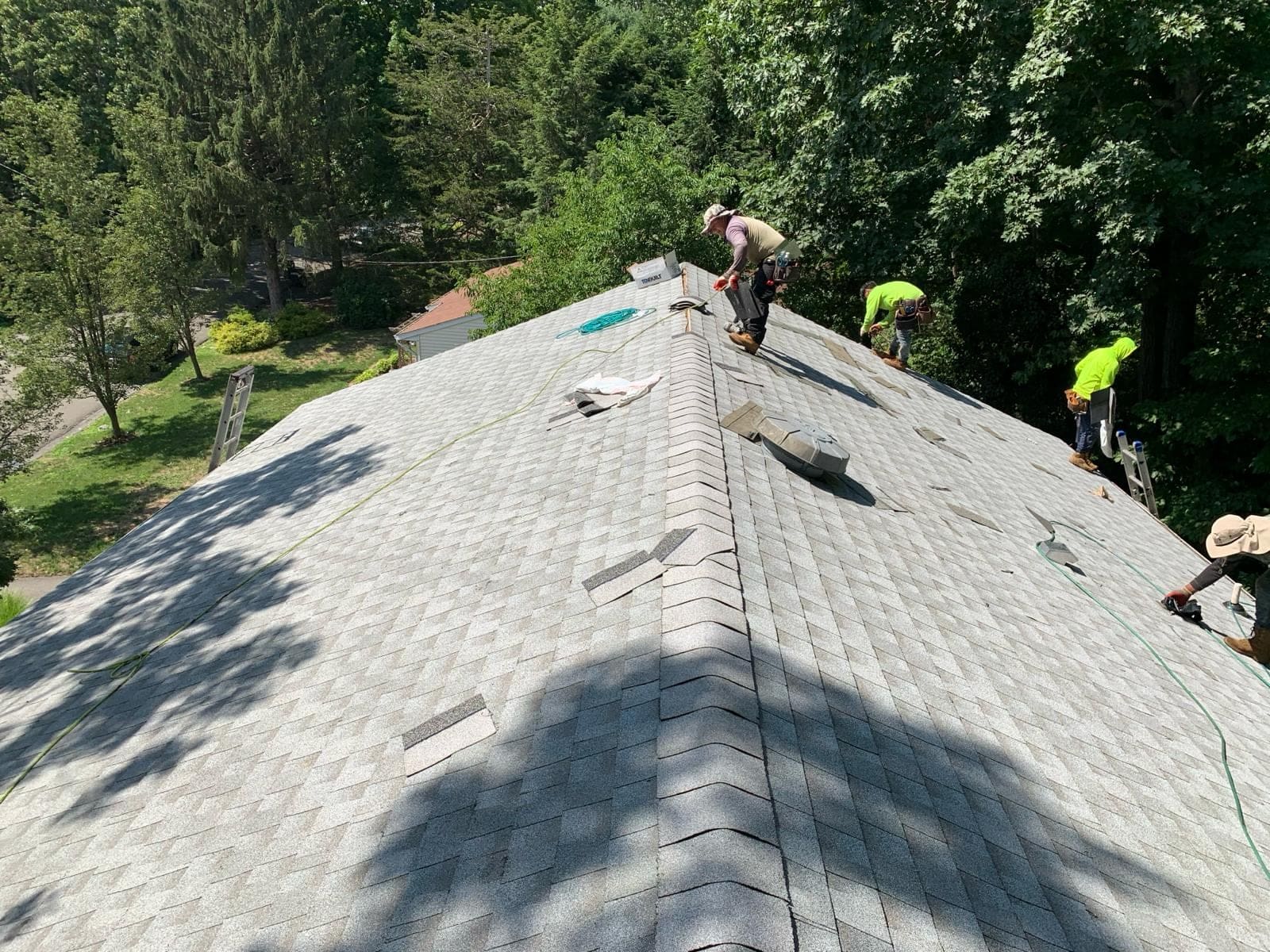
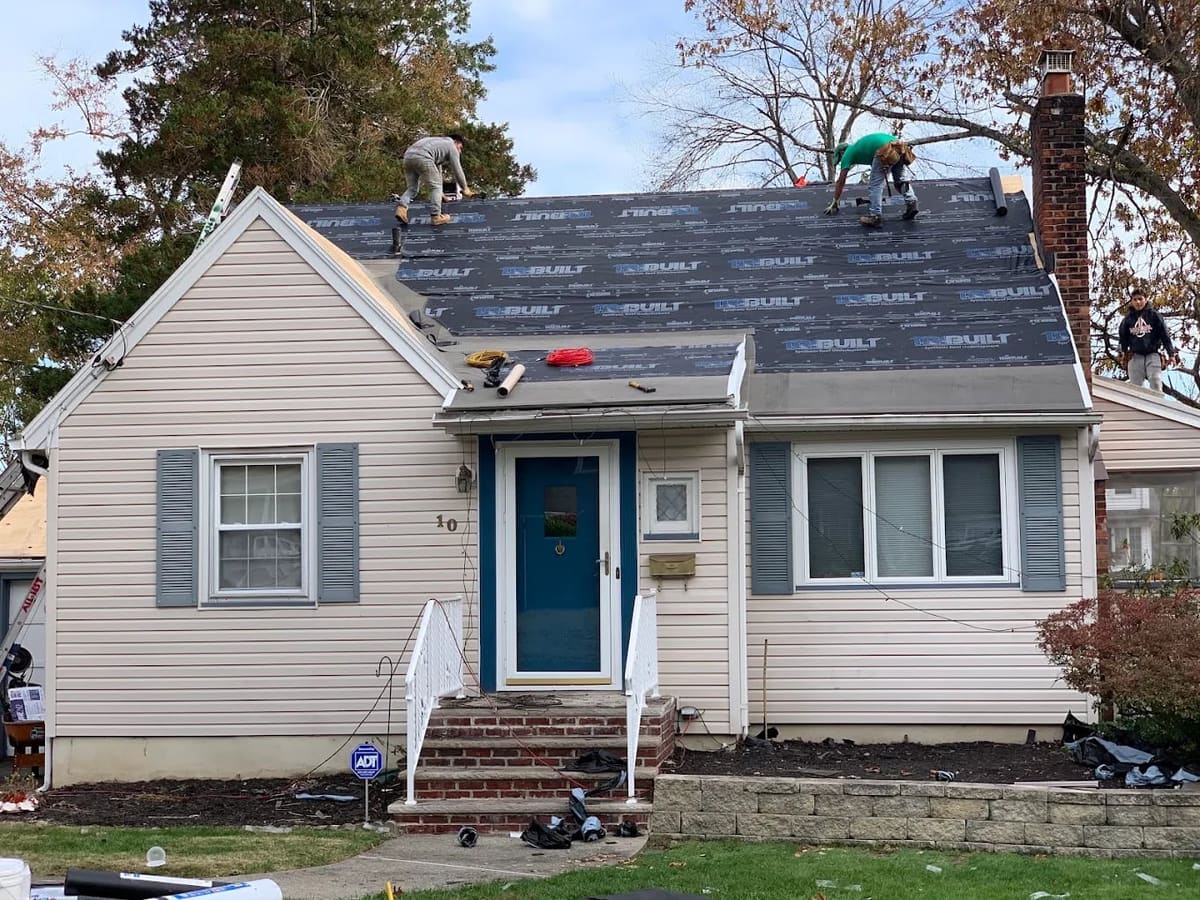
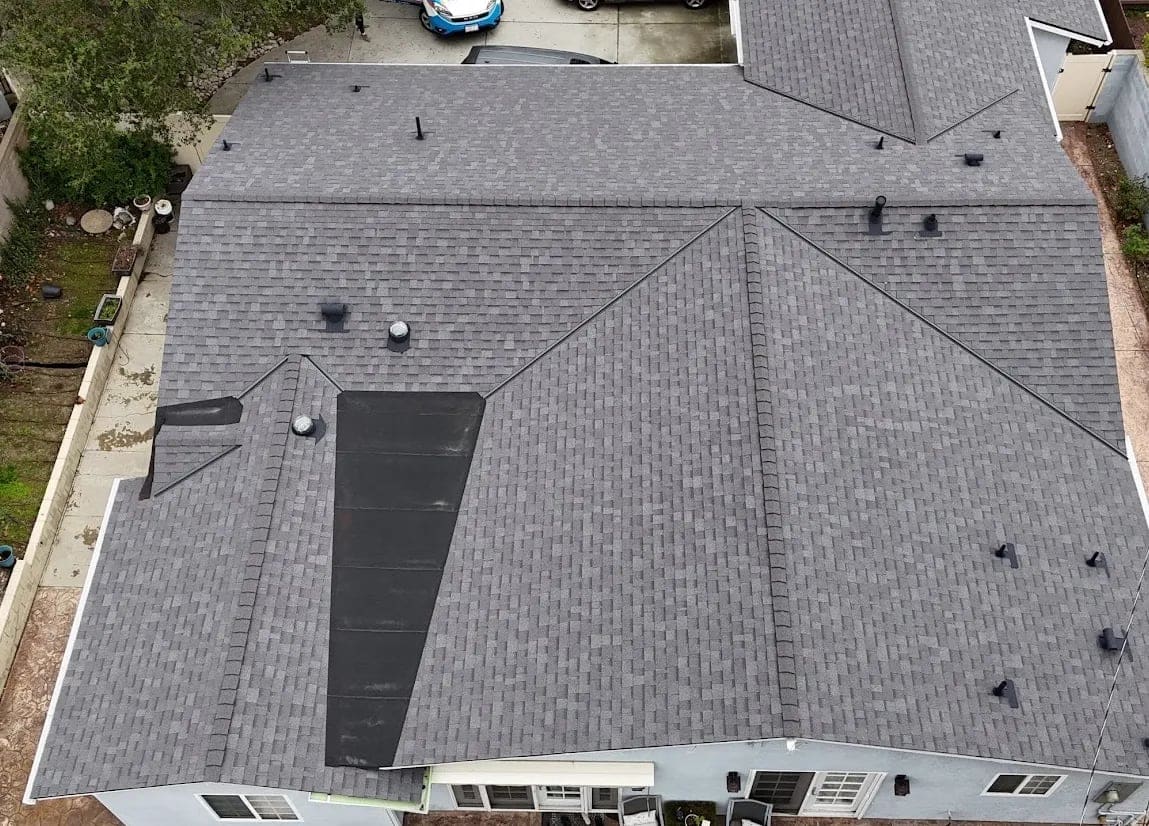
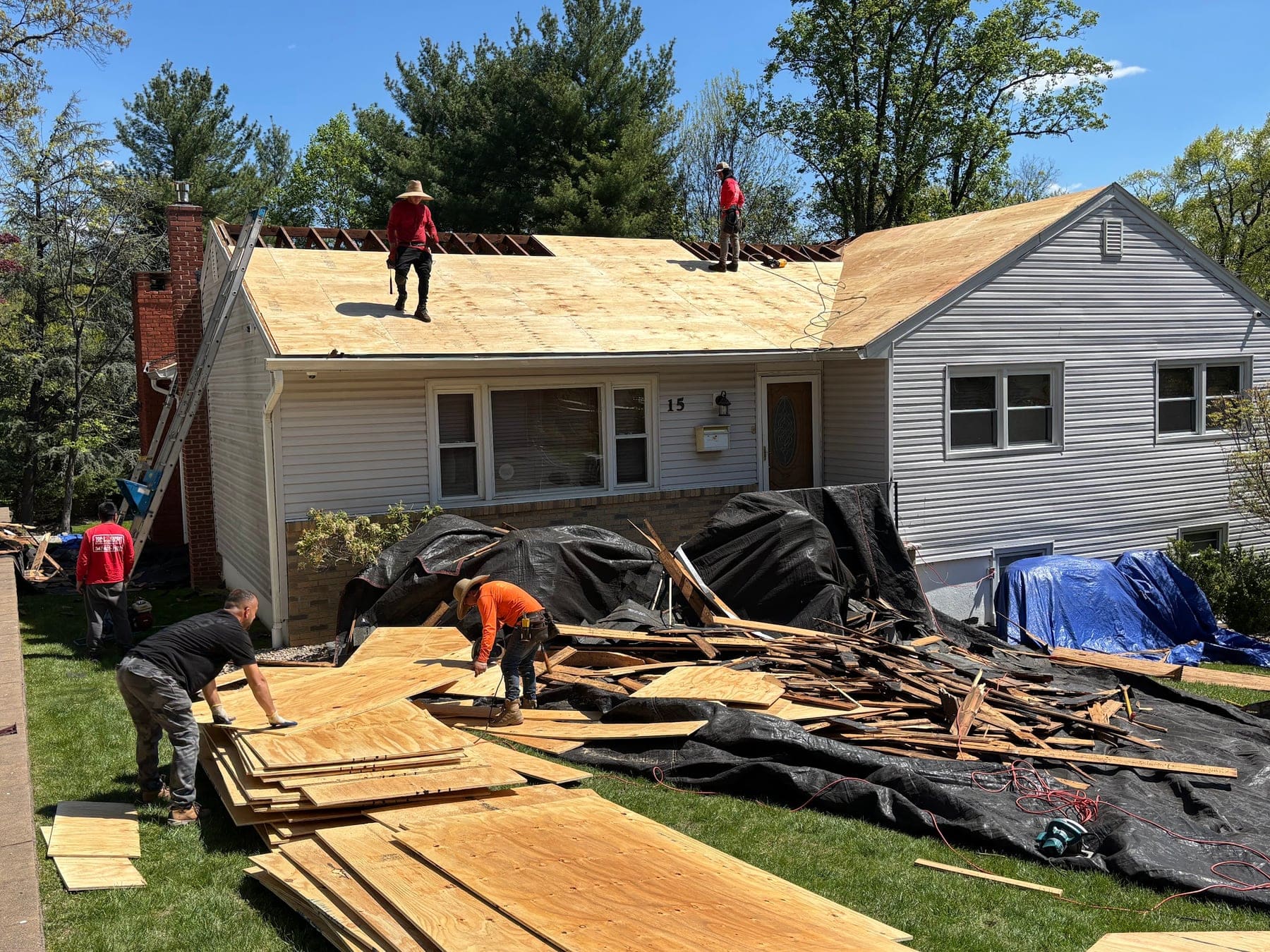
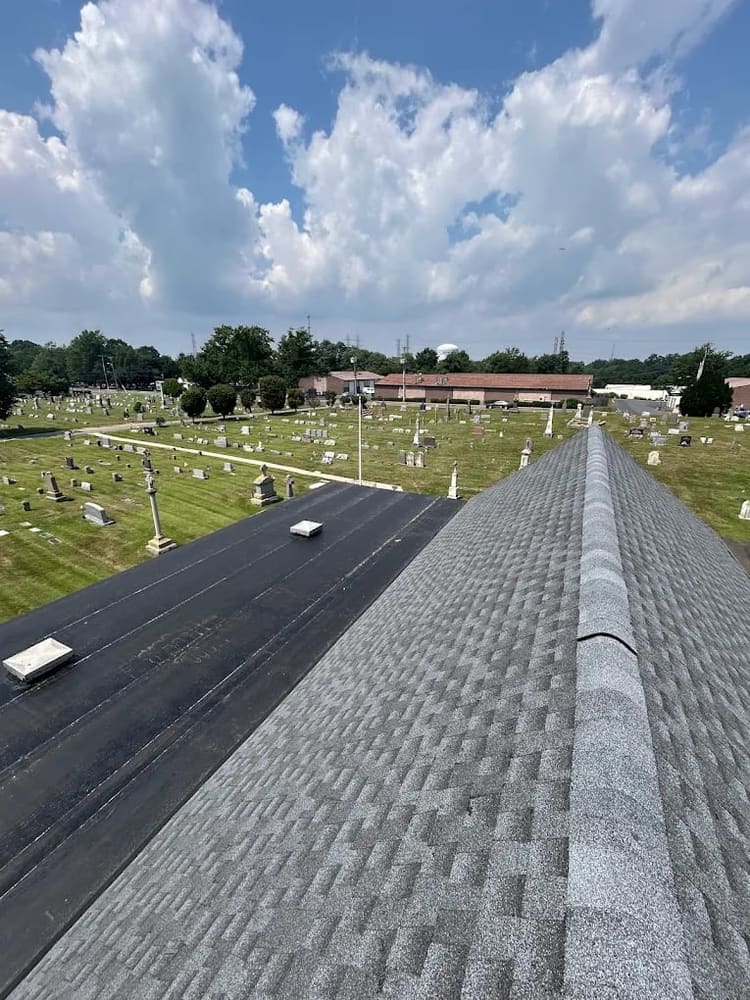
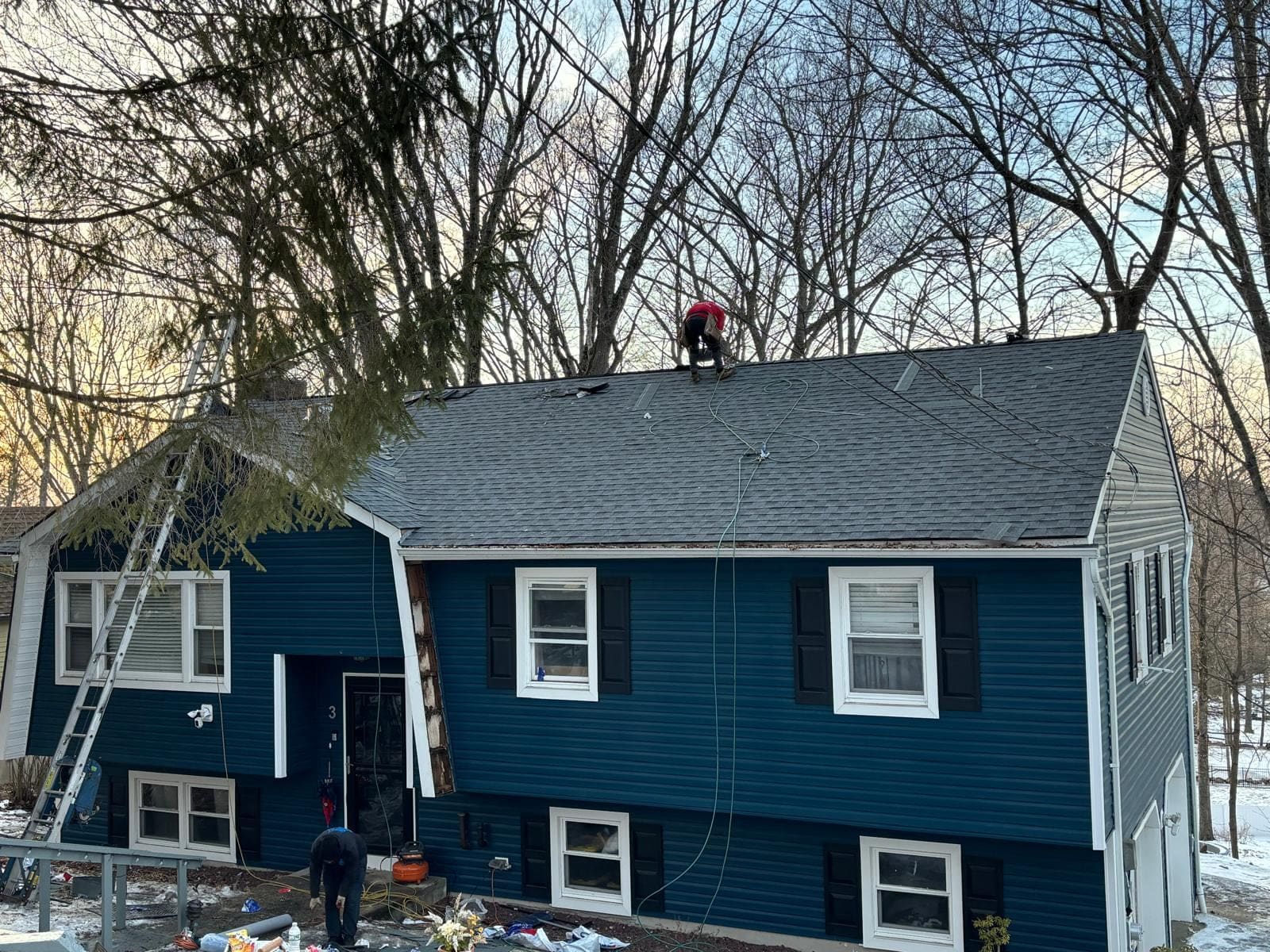
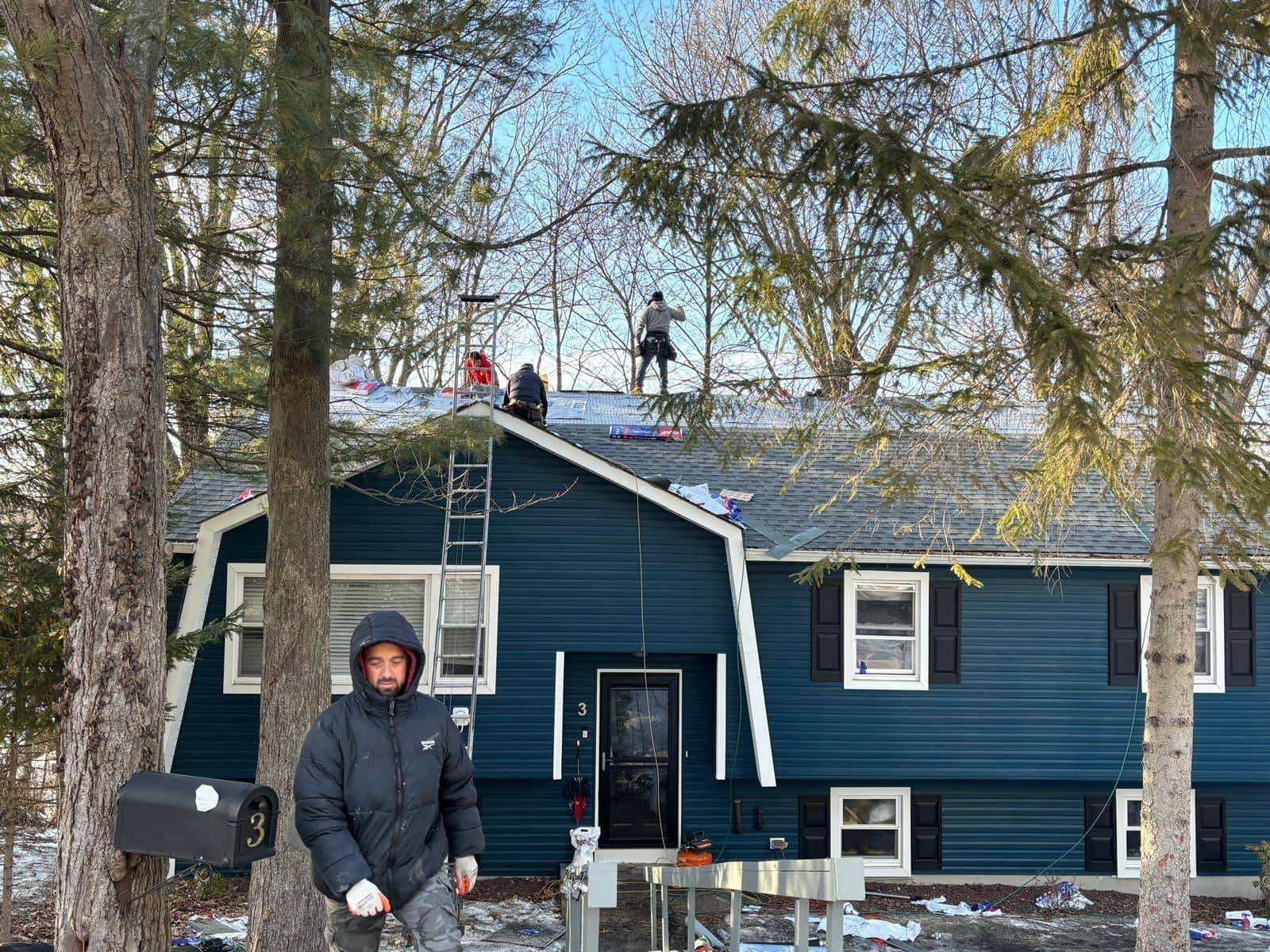
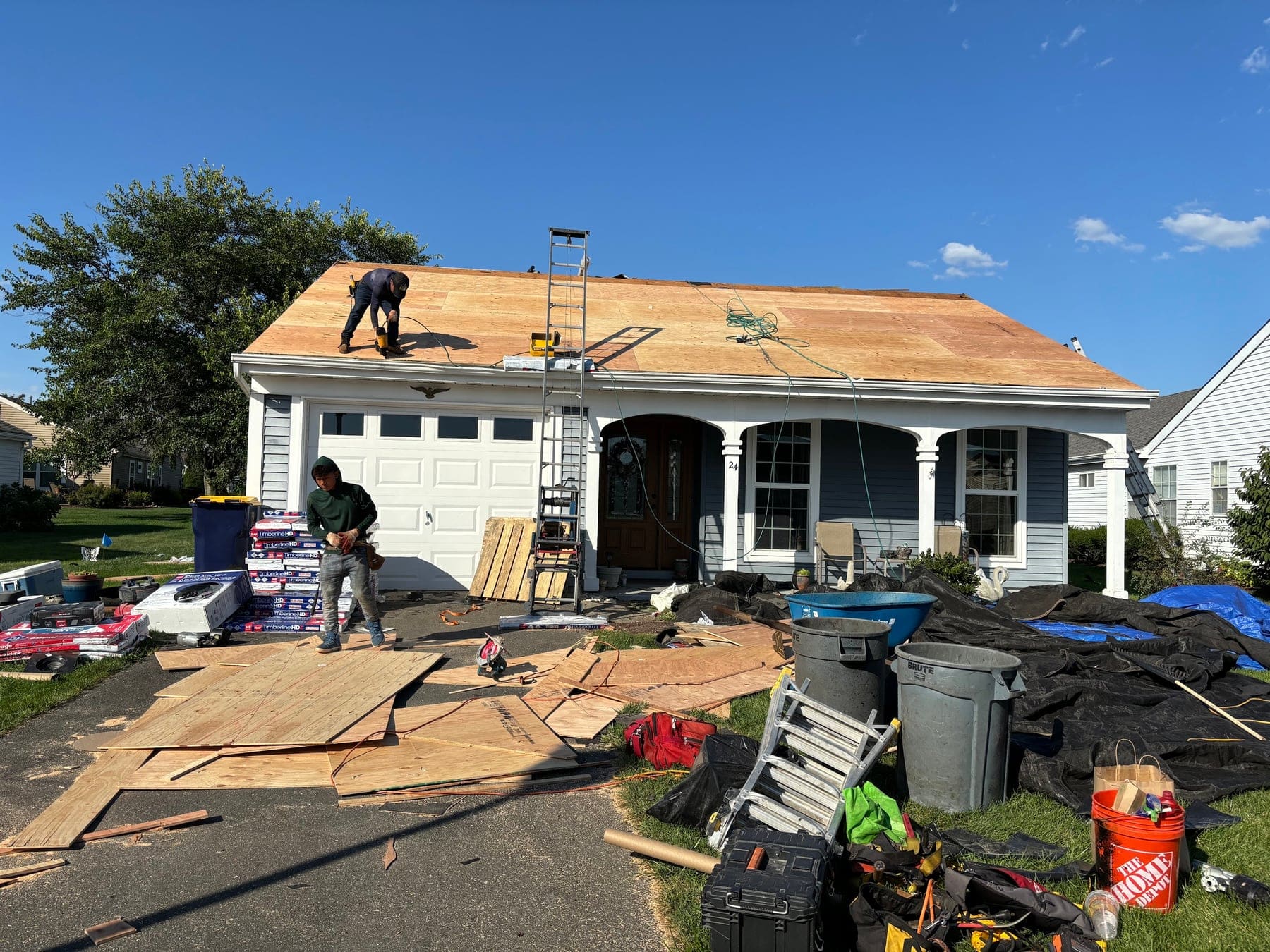
Secaucus homes typically need a new roof when the shingles are curling, losing granules or no longer resisting wind, or when leaks begin appearing in more than one spot. Replacement on a single-family house is a chance to upgrade to wind-resistant architectural shingles, add ice and water shield at the eaves, and improve attic ventilation.
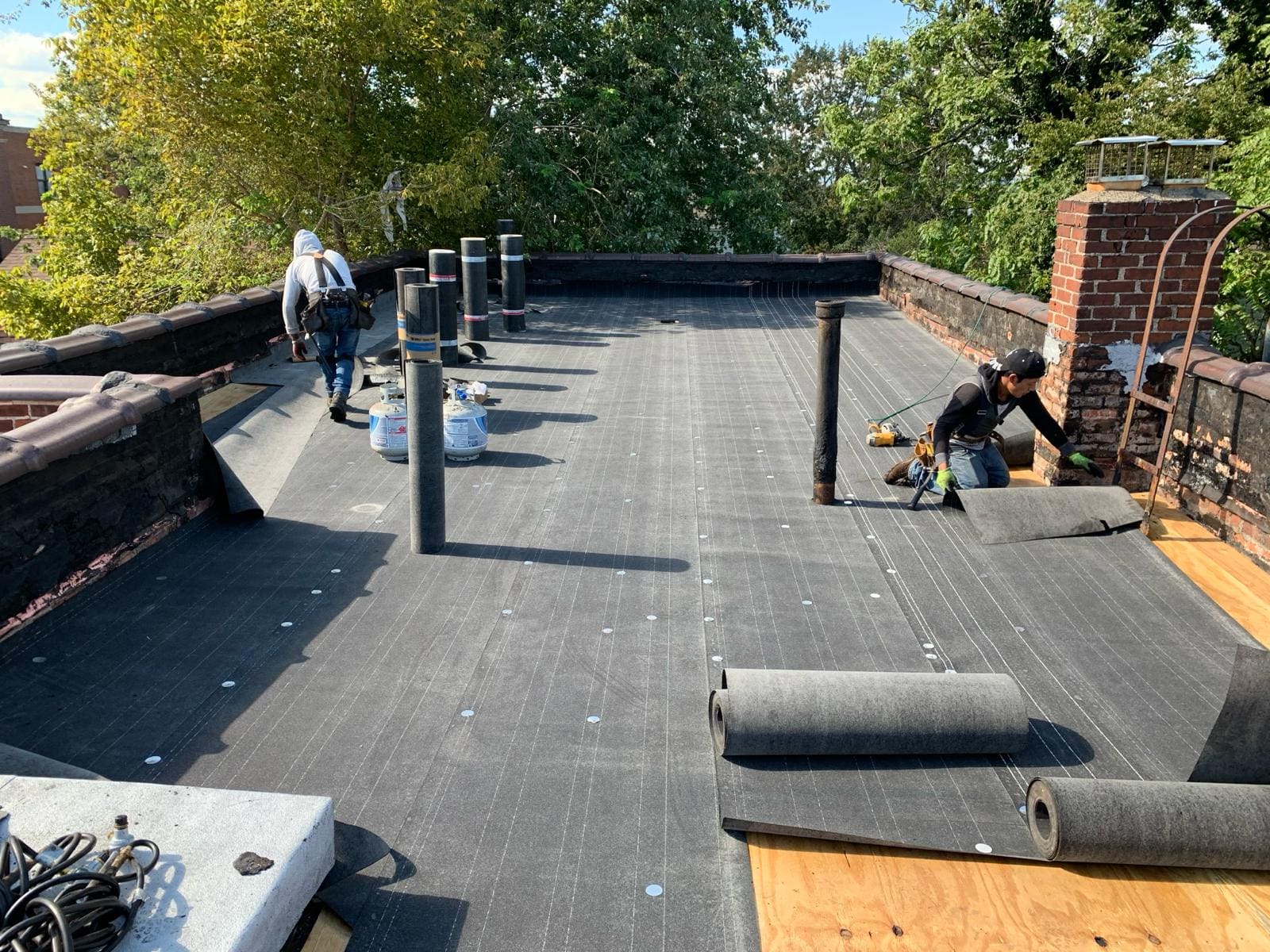
For commercial buildings, we replace flat roofs with EPDM, modified bitumen or TPO, add tapered insulation to improve drainage toward drains, and install new flashing at curbs, skylights, hatches and edges. Larger roofs can be phased to keep the building in use. Permits are often required for full replacements; we can advise on what typically applies.
Secaucus housing
Unlike most of eastern Hudson County, Secaucus's residential areas are largely detached single-family houses, many built in the mid-20th century, with pitched shingle roofs, attached garages and masonry chimneys, plus townhouse and condo complexes from later decades. The commercial and industrial side of town is made up of low-rise warehouses, distribution centers, office buildings, hotels and big-box retail, almost all with large flat or low-slope roofs.
Weather & exposure
Secaucus is flat and low-lying, and open marsh on most sides gives wind a long, unobstructed run at its roofs. Gusts lift shingle edges on houses and pull at the perimeters of large commercial roofs. Moist air off the marshes and the Hackensack River encourages algae and moss on shaded shingles, and heavy rain can overwhelm drains on big flat roofs. Winter snow loads and ice dams affect both house eaves and low commercial roofs.
When replacement is the right call in Secaucus
For Secaucus houses, we recommend architectural shingles over ice and water shield and synthetic underlayment, with balanced ventilation. Algae-resistant shingles are worth considering given the humid conditions. For commercial roofs, the choice between EPDM, modified bitumen and TPO depends on roof size, traffic, equipment and drainage, and we walk through the options.
At the estimate, we discuss scheduling, access, staging and how the building will be kept watertight during the work.