Roof Repair for Bloomsbury homes and buildings
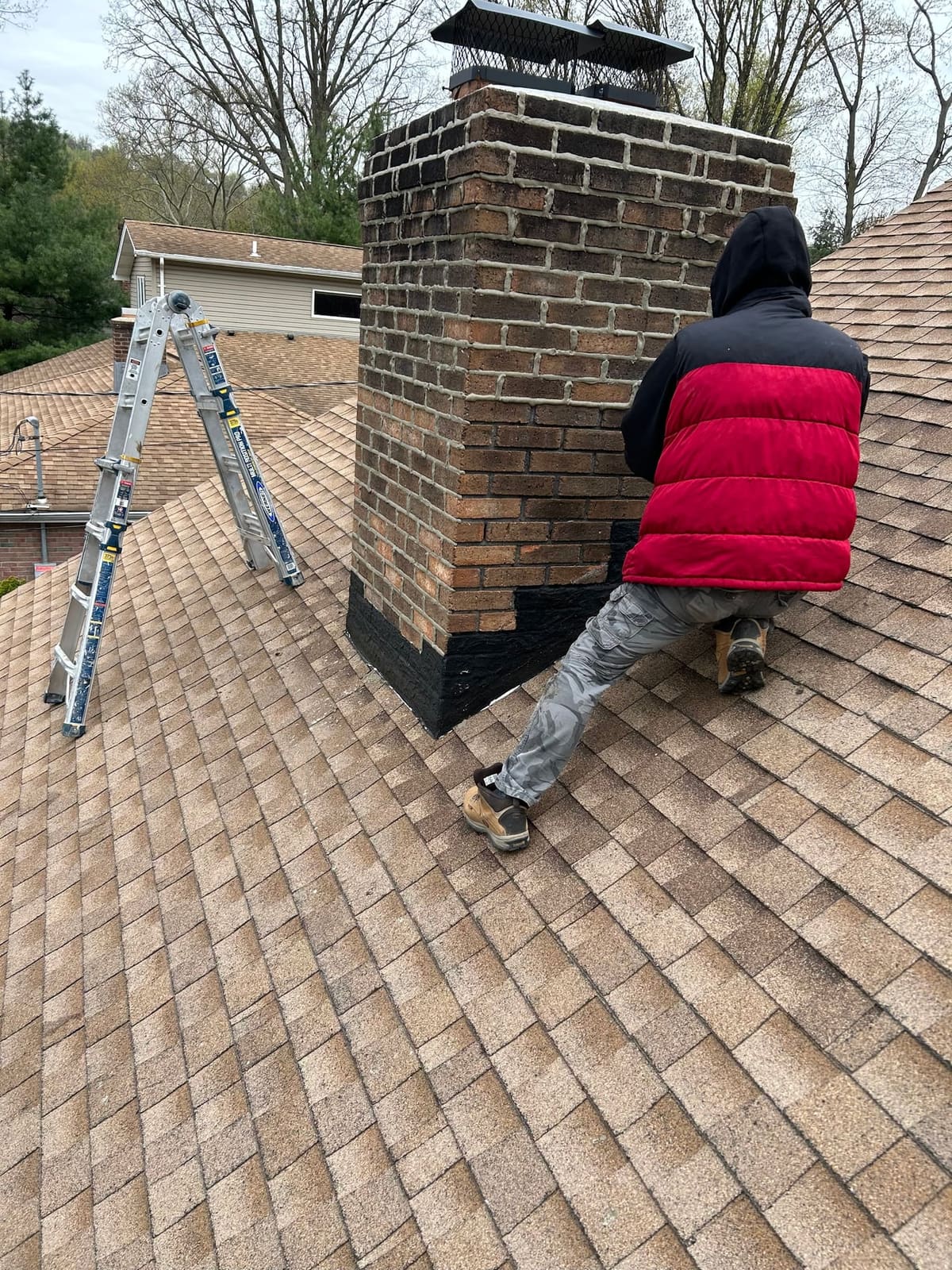
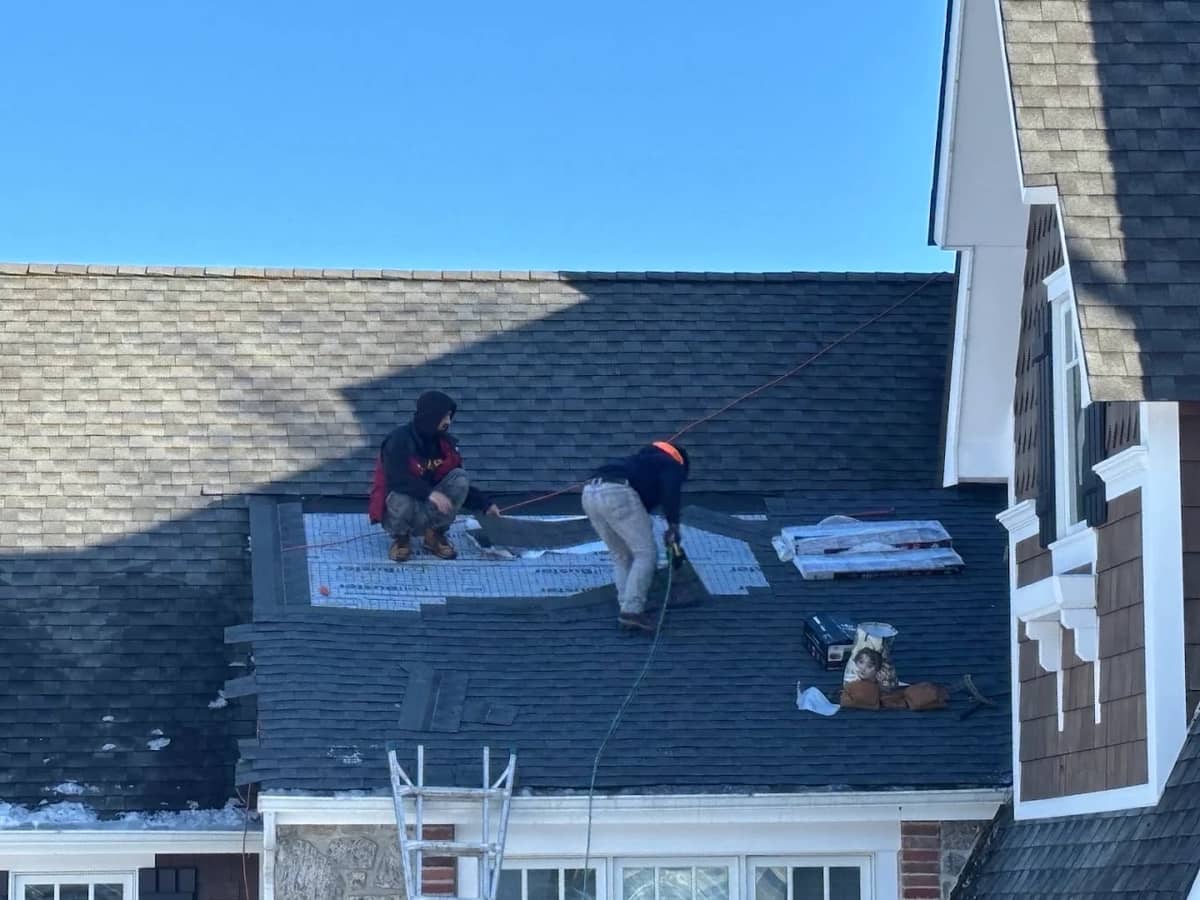
Roof repair in Bloomsbury mostly involves older village houses whose roofs have been patched many times. Leaks tend to come from the places where old houses are complicated: porch roofs tied into the front wall, rear additions with lower pitches, valleys between gables and flashing around chimneys that has been caulked rather than rebuilt. River-valley dampness keeps those details wet longer than they would be on higher ground.
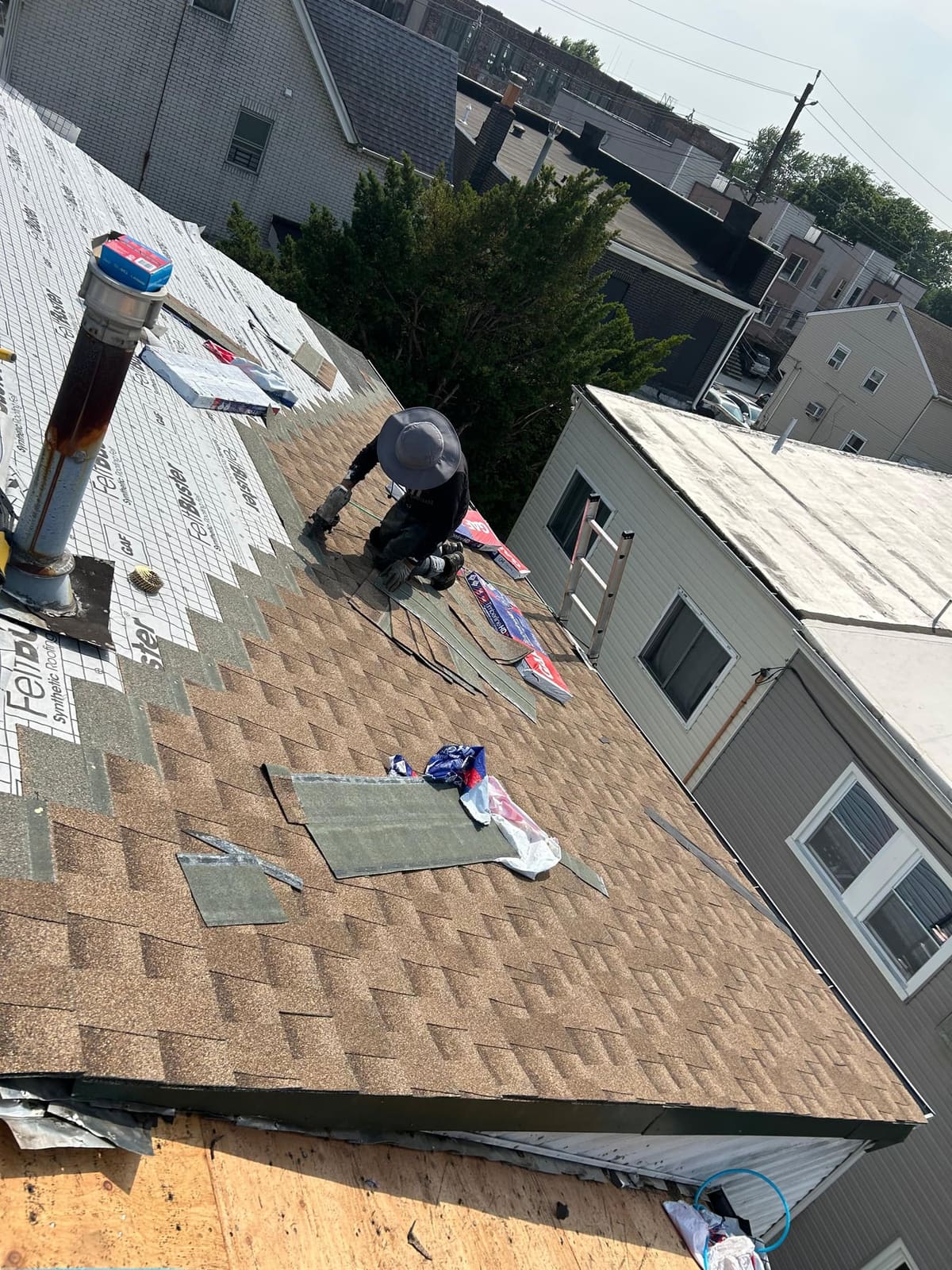
We trace each leak to where it starts, checking from the attic and the roof before making any repair. We then rebuild the failing detail with new flashing and membrane, matching shingles as closely as we can. Asset Roofing & Chimney is licensed and insured, estimates are free, and we document storm damage for insurance claims when needed.
Bloomsbury housing
Bloomsbury's homes are mostly older village houses, many dating to the 1800s and early 1900s, with steep gable roofs, front porches, rear additions and brick chimneys, mixed with some mid-century and later homes. Lots are small and houses sit close to one another and to the street. Asphalt shingle is the common roof, and the few commercial buildings include low-slope sections.
Weather & exposure
The borough sits low in the Musconetcong valley, where river moisture, fog and morning dew keep roofs and masonry damp, and mature trees along the river and streets shade many houses. Winters bring snow and freeze-thaw cycling, with ice building at eaves and in old gutters. Low-lying ground near the river has a history of flooding in heavy storms, though roofs themselves face mainly rain, wind and snow.
Repair or replace? What we tell Bloomsbury homeowners
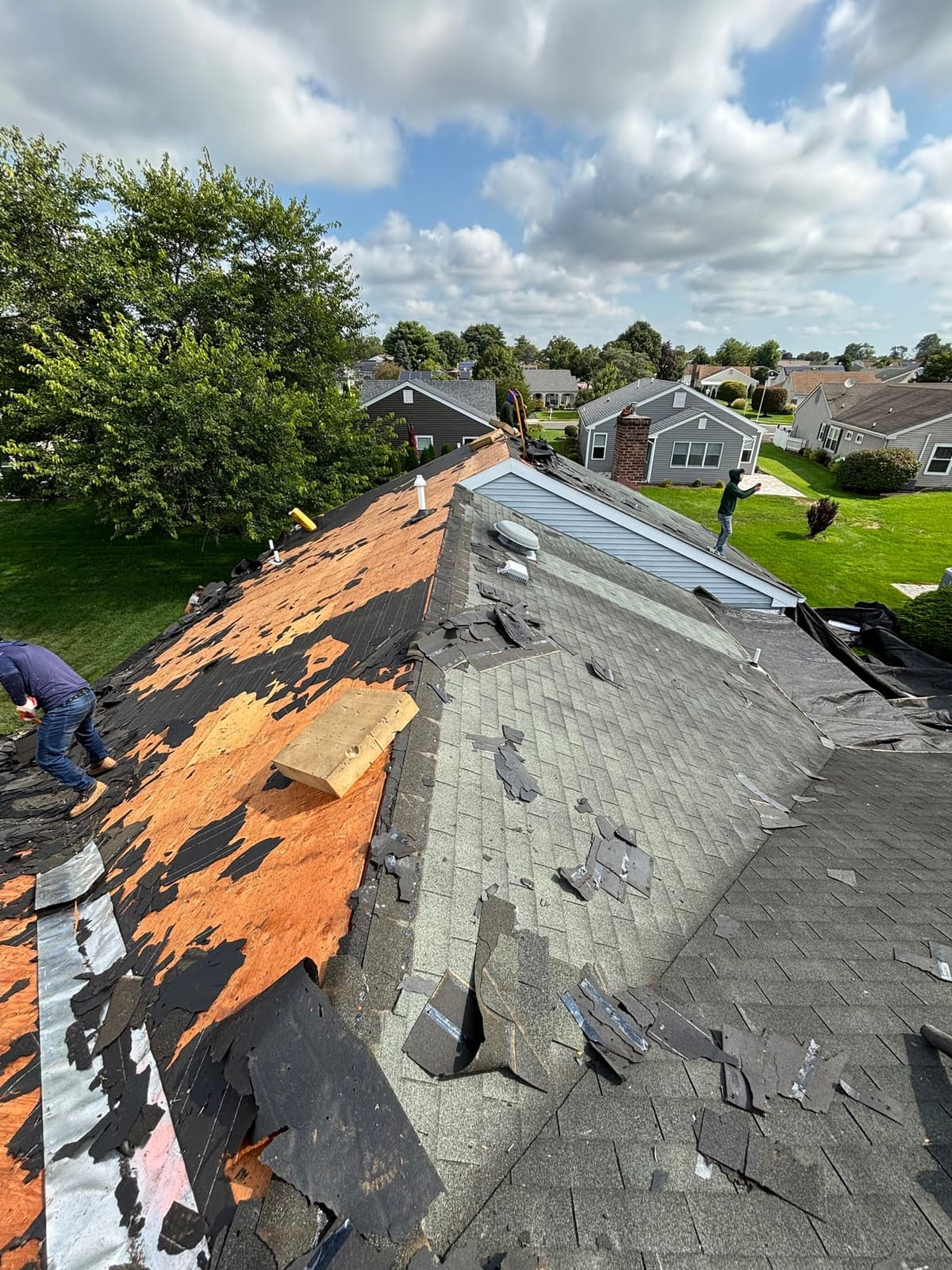
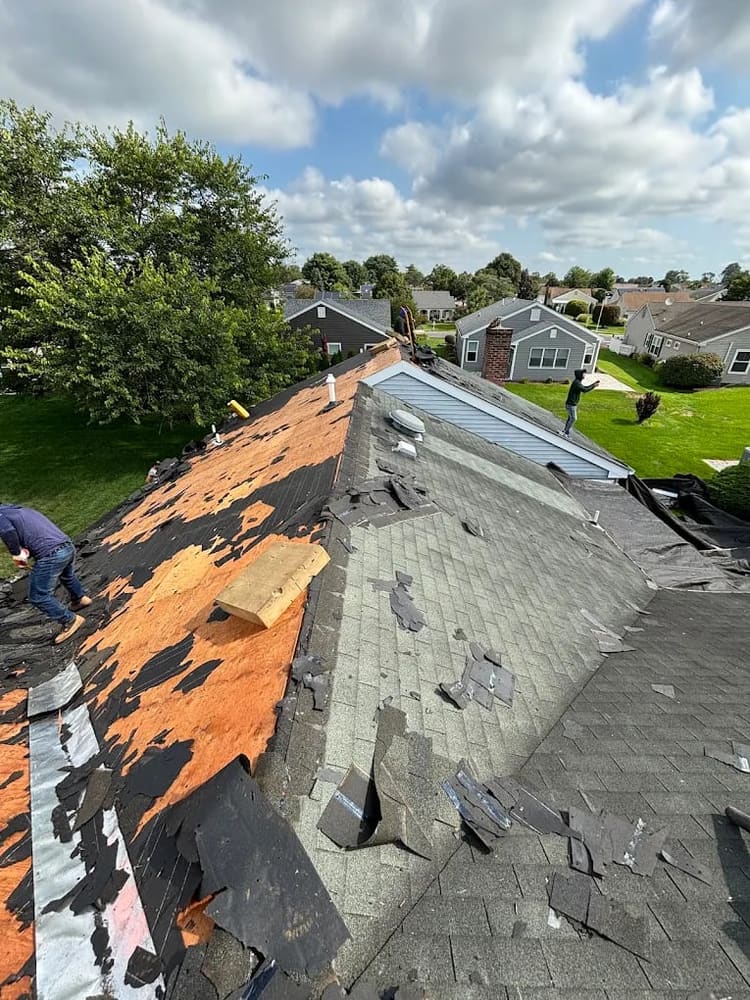
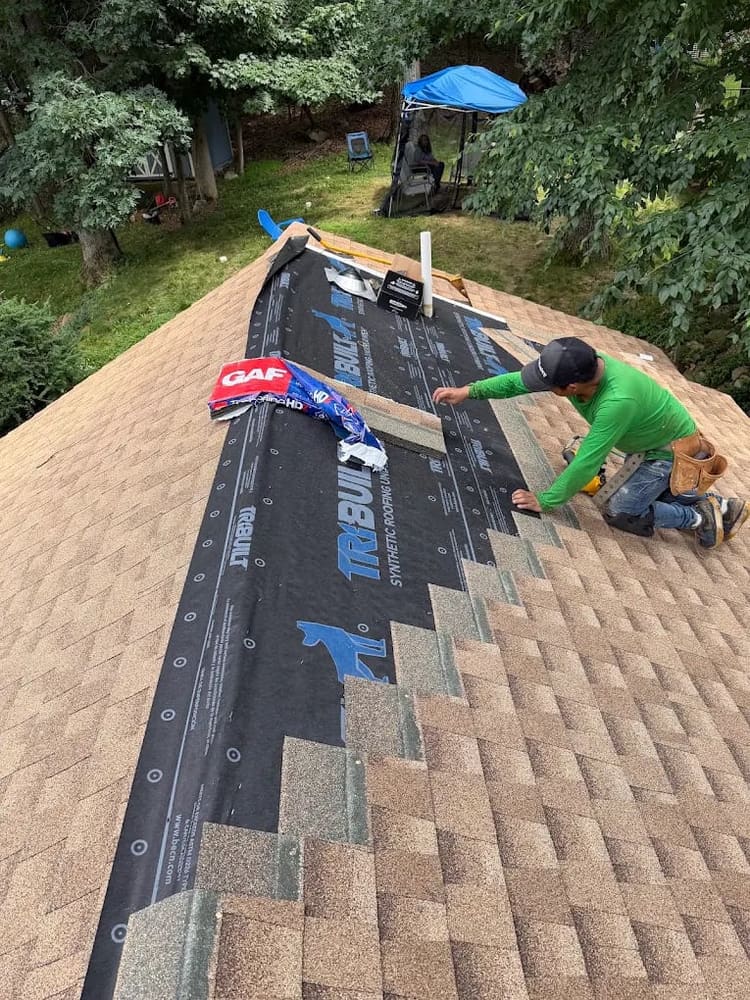
On an older Bloomsbury house, repairing a specific detail is often the right answer when the main roof is still in decent shape. Rebuilding a porch tie-in or chimney flashing properly, instead of adding another layer of sealant, usually stops the leak for good. When the shingles are brittle or several layers have been stacked on top of one another, we will explain why replacement makes more sense.
Because houses sit close together, we plan ladder placement and material handling carefully and talk with you about access through side yards or driveways before work begins.