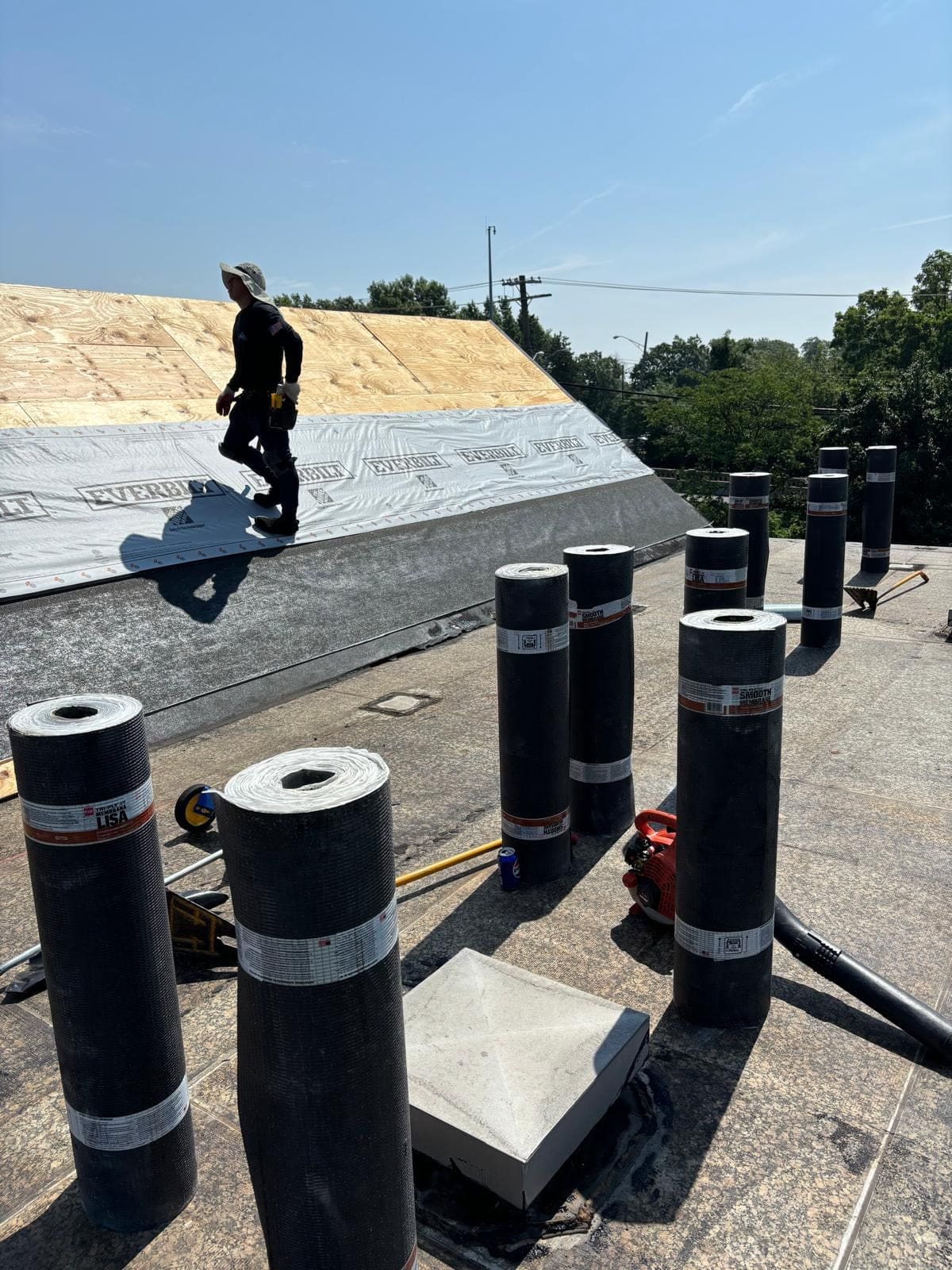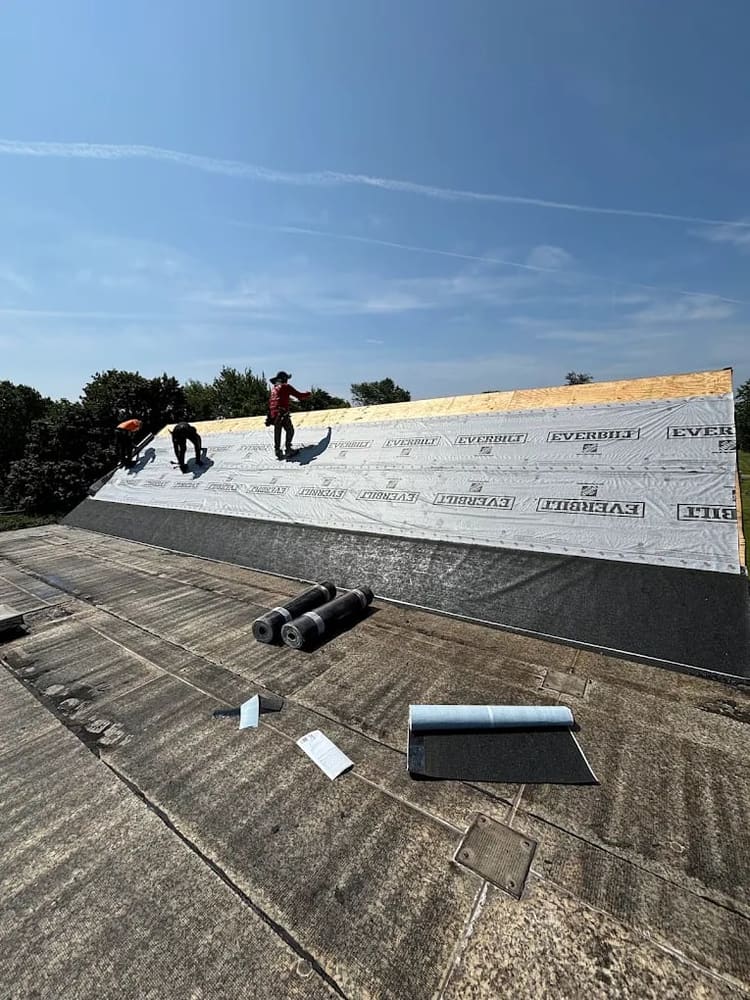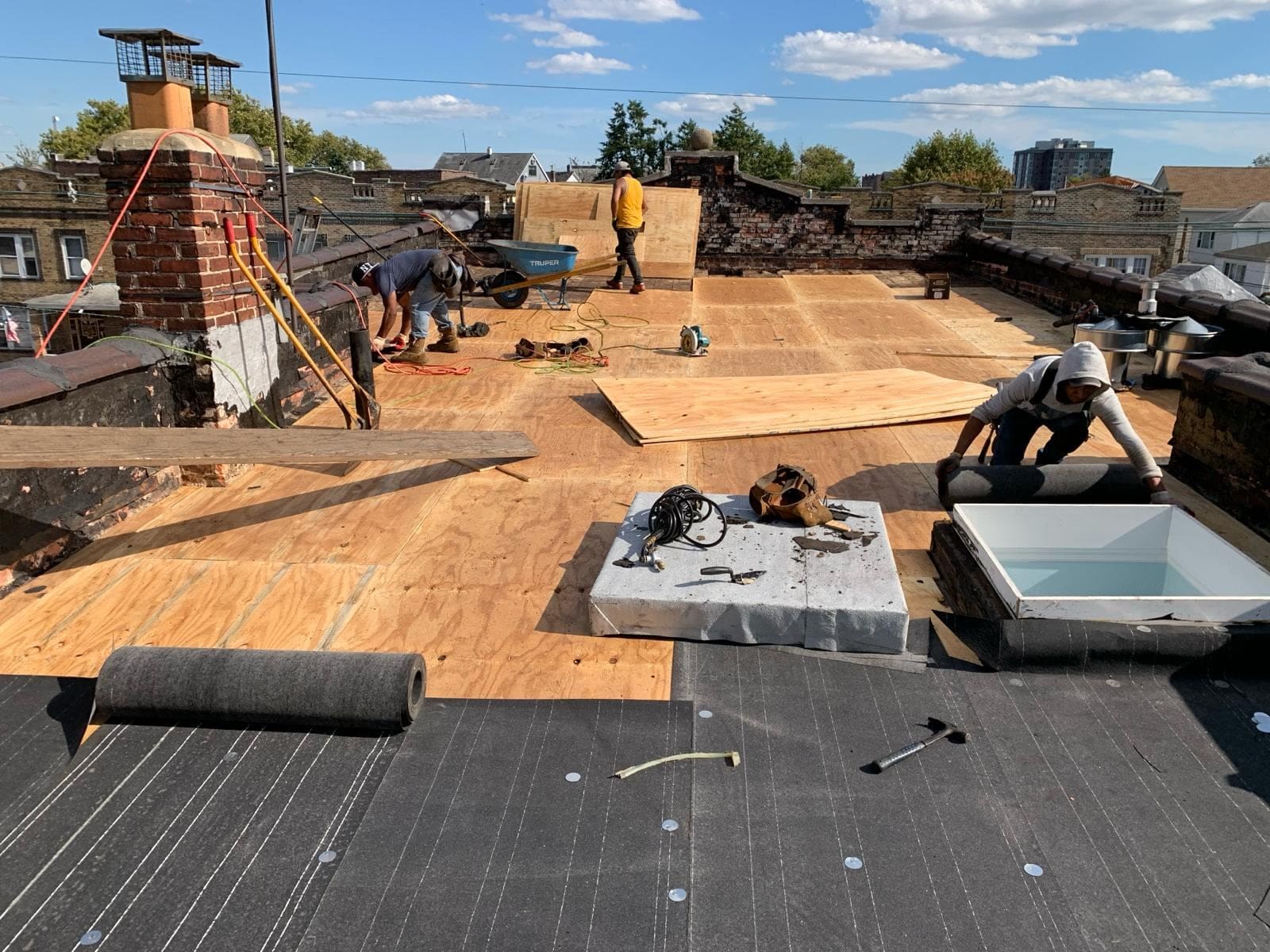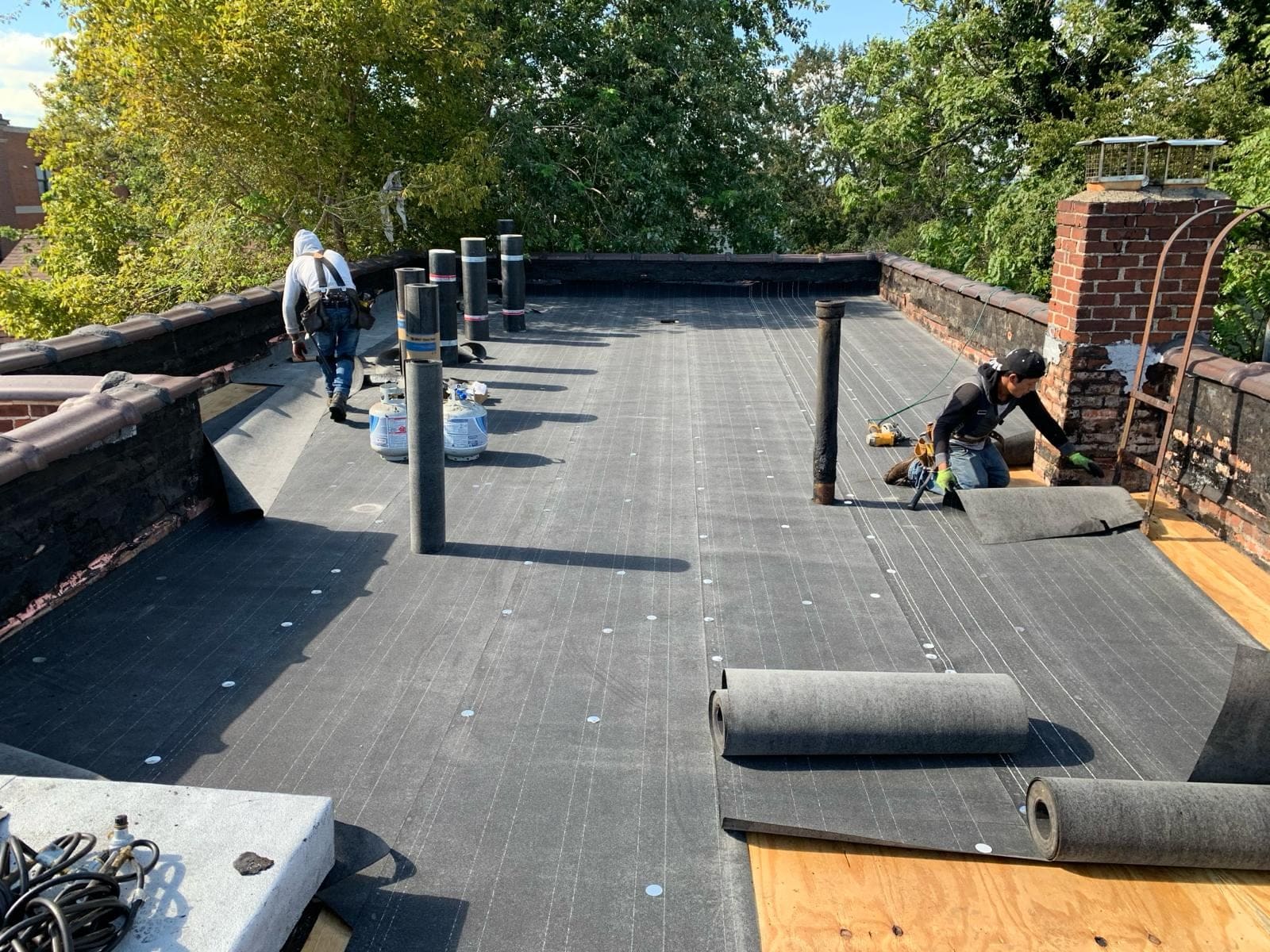
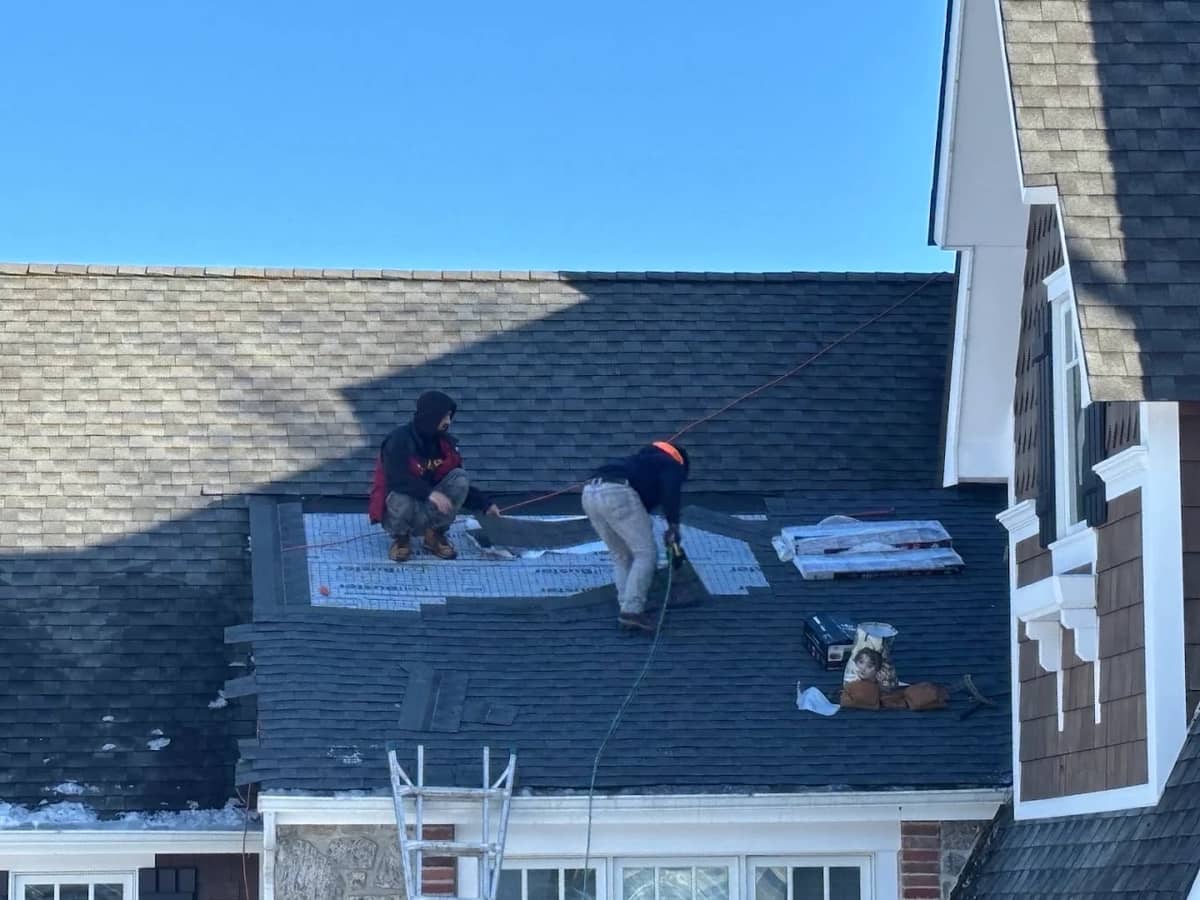
Roof Repair for Chatham Township homes and buildings
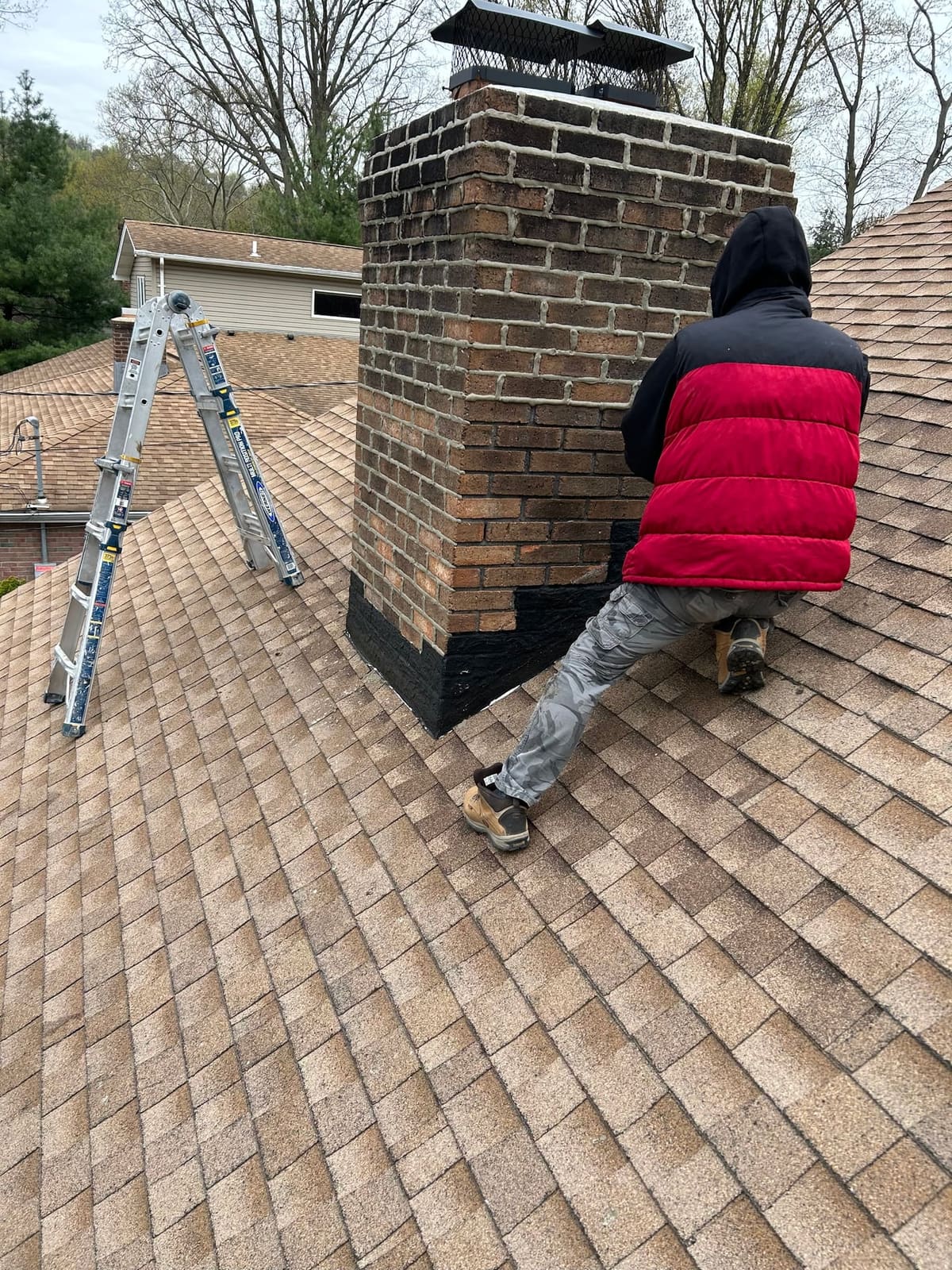
Chatham Township roof repairs follow the age and shape of the houses. On the mid-century ranches and split-levels, leaks usually trace to low-pitch sections, cracked pipe boots, the sidewall where a split-level's roof meets the taller section, or original chimney flashing that has been sealed over several times. On the larger colonials and custom homes, long valleys, dormers and roof-to-wall transitions around attached garages are the frequent sources.
Moisture is the common thread. Lots near the Great Swamp and under heavy tree cover stay damp long after rain, so small flashing defects that would dry out elsewhere keep feeding water into the deck. Asset Roofing & Chimney traces leaks to the entry point, repairs the flashing or roofing at fault, and points out where shade and debris are making the problem worse.
Chatham Township housing
Chatham Township is primarily single-family homes on larger lots: mid-century ranches, capes and split-levels, center-hall colonials from the 1960s through the 1980s, and larger custom and rebuilt homes from later decades, many with multiple gables, dormers and two or more chimneys. Townhouse and condominium communities add attached housing with shared roofs. Some older country homes remain from before the township was built out.
Weather & exposure
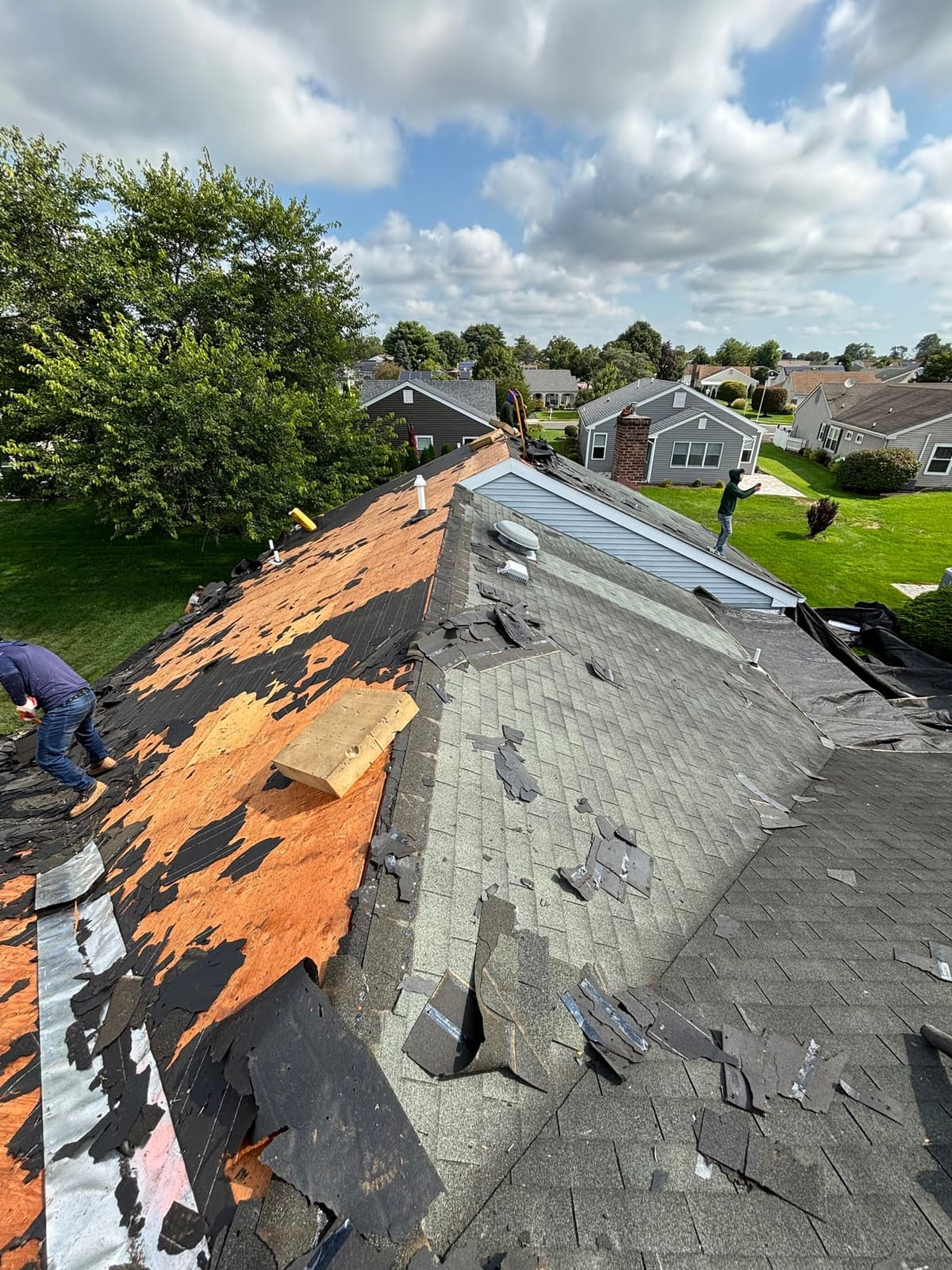
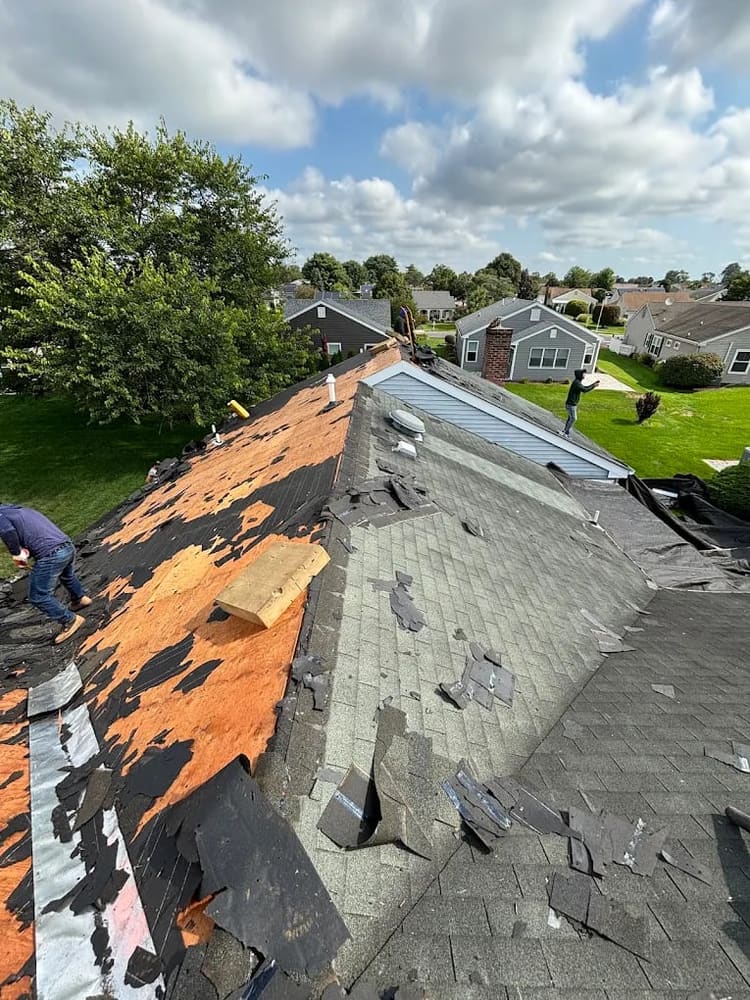
The township is heavily wooded, and the low-lying land near the Great Swamp and the Passaic River holds moisture and morning fog. Roofs under tall oaks and maples stay shaded and damp, which favors moss and algae, and leaf drop is heavy every fall. Winters bring the snow and freeze-thaw cycles typical of Morris County, and summer thunderstorms bring down limbs across the wooded neighborhoods.
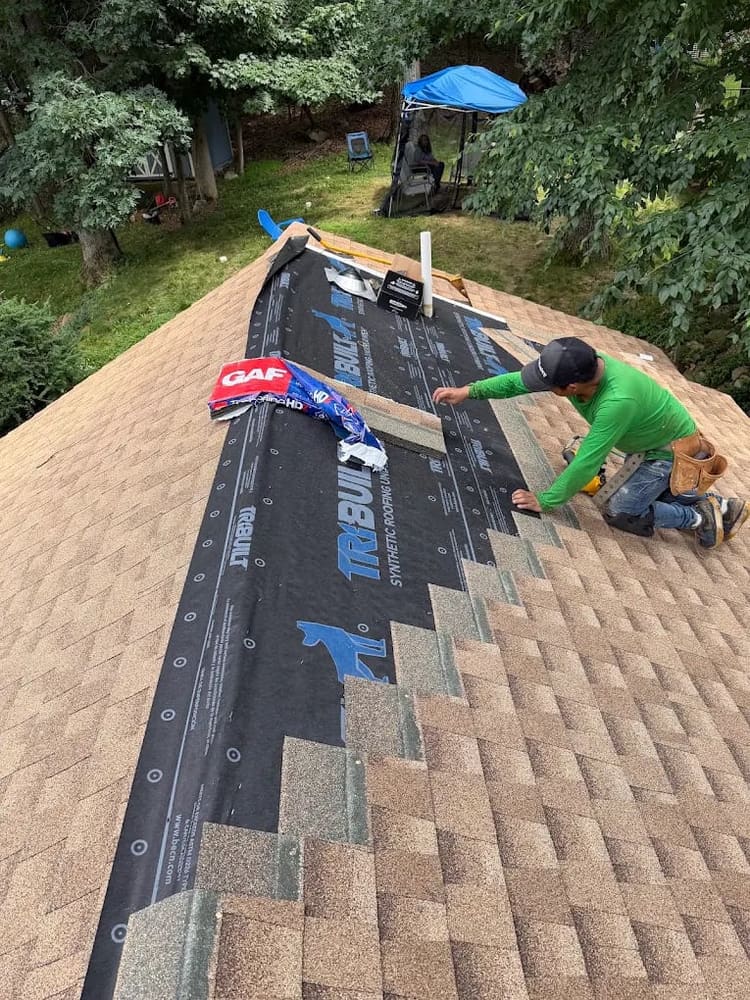
Repair or replace? What we tell Chatham Township homeowners
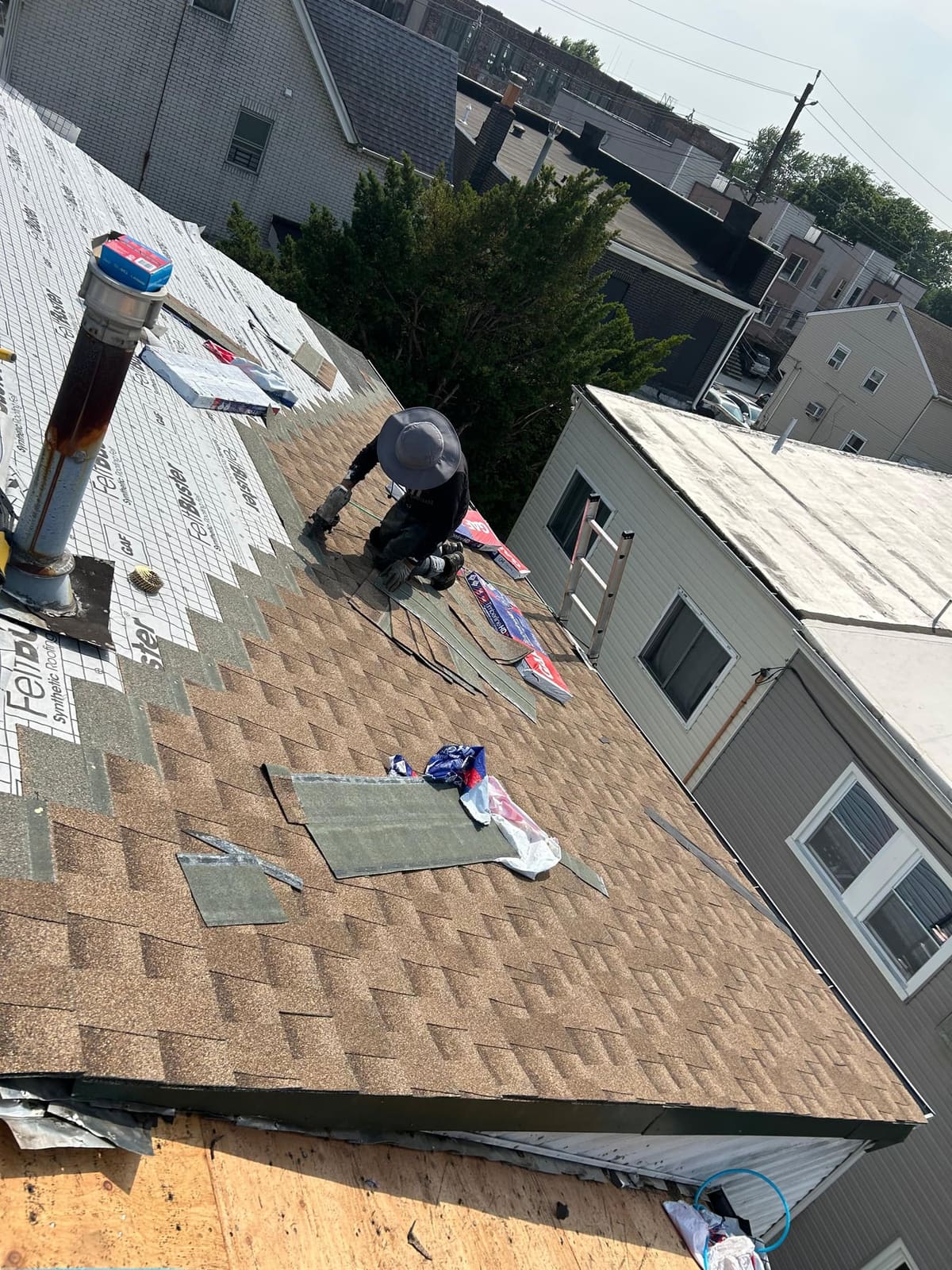
If the shingles are still sound, a repair focused on the failing detail is usually enough: new step and kick-out flashing, a replaced pipe boot, a properly lined valley. On a shaded roof, we also remove moss by hand and recommend trimming limbs where practical, because a roof that dries out lasts noticeably longer.
For townhouse communities, we can inspect several units in one visit and give the association a written report showing which issues are unit-specific and which affect shared roof areas. That helps a board plan repairs instead of chasing leaks one at a time.