Chimney Repair for Bloomingdale chimneys
Chimneys in Bloomingdale work hard. Many homes run a wood stove or fireplace through the winter alongside an oil or gas heating system, so flues see heavy use, creosote builds up, and masonry goes through constant heating and freeze-thaw cycles. Hillside and lakefront chimneys also take more wind and driving rain than sheltered ones.
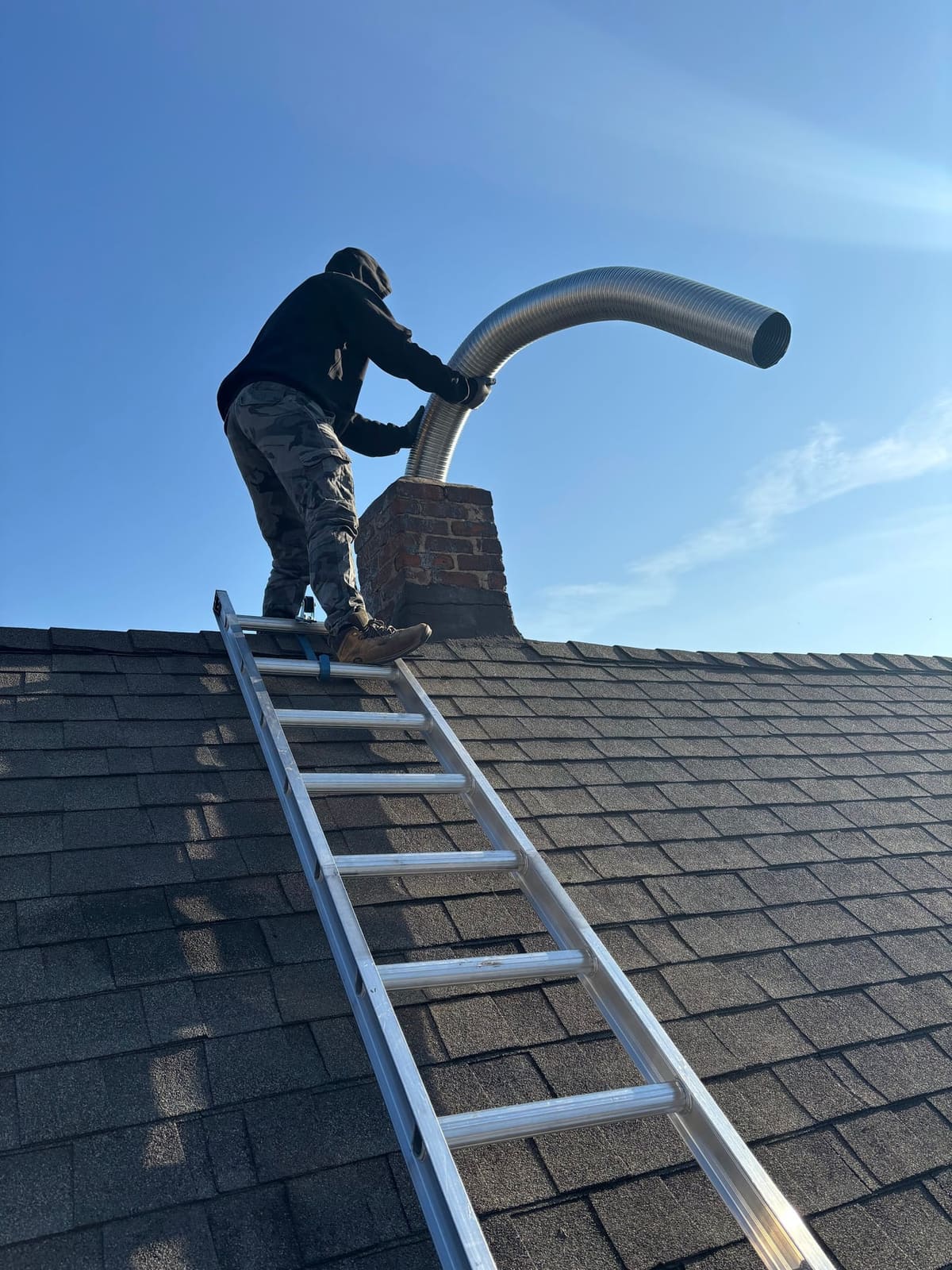
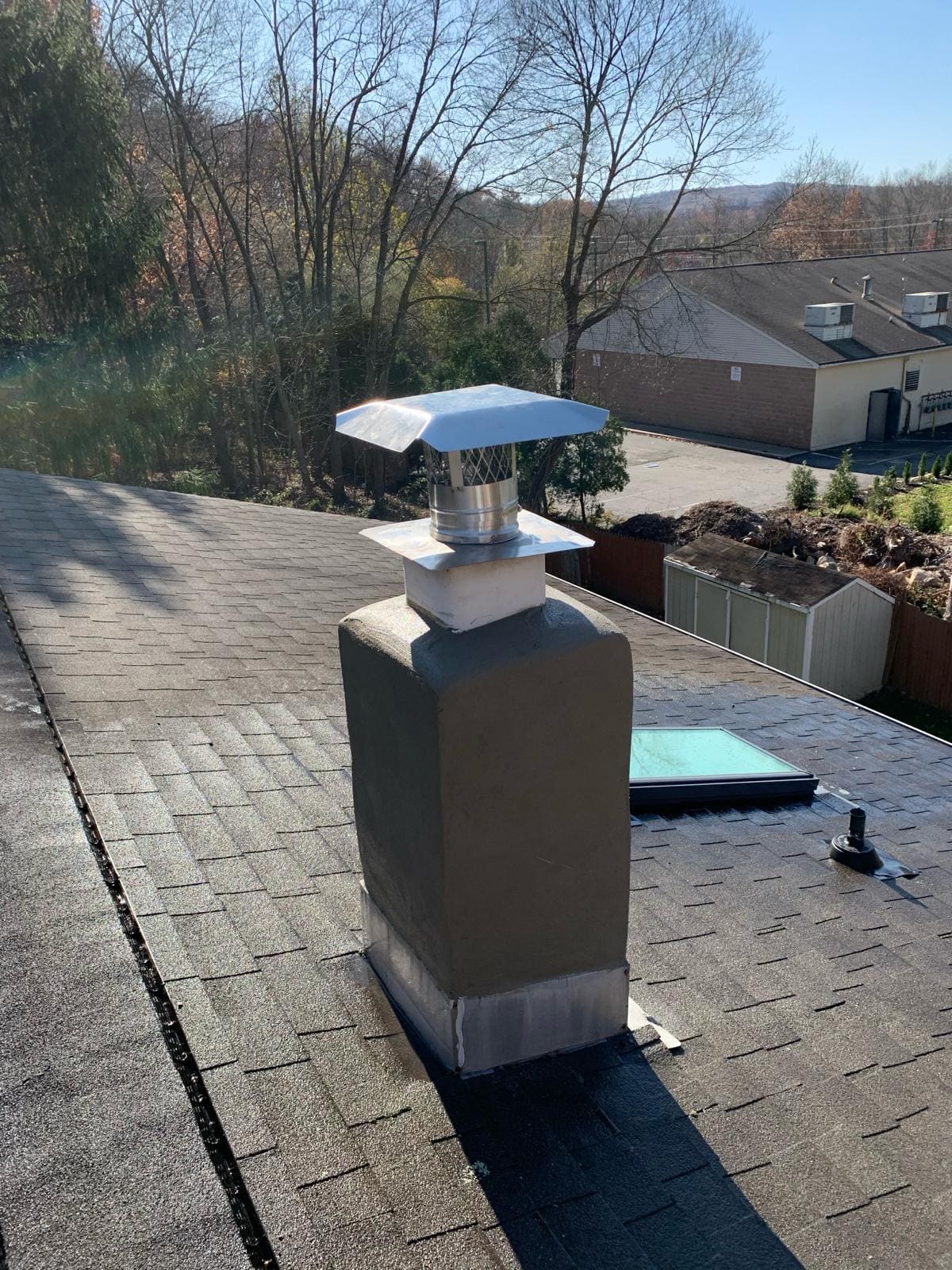
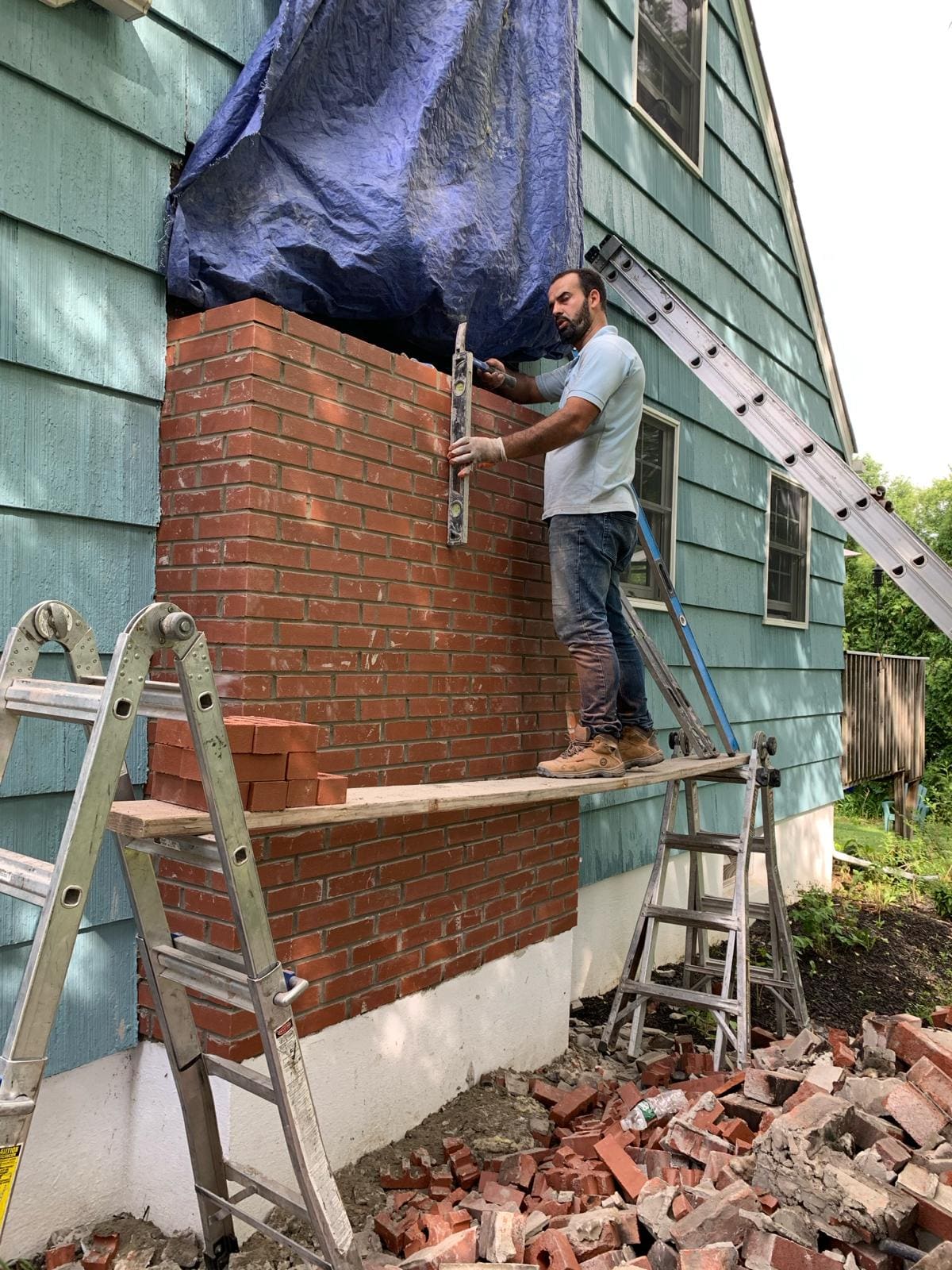
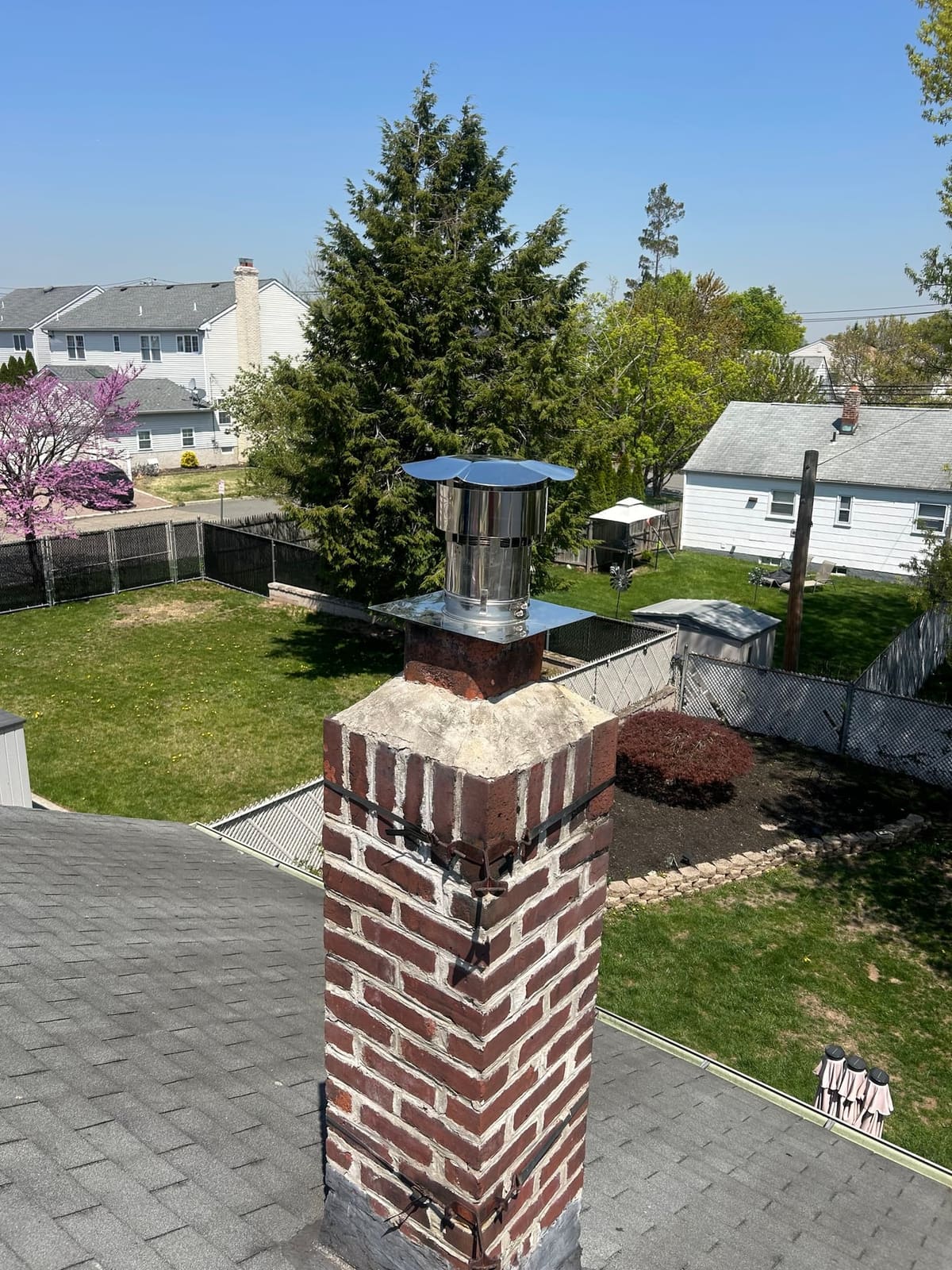
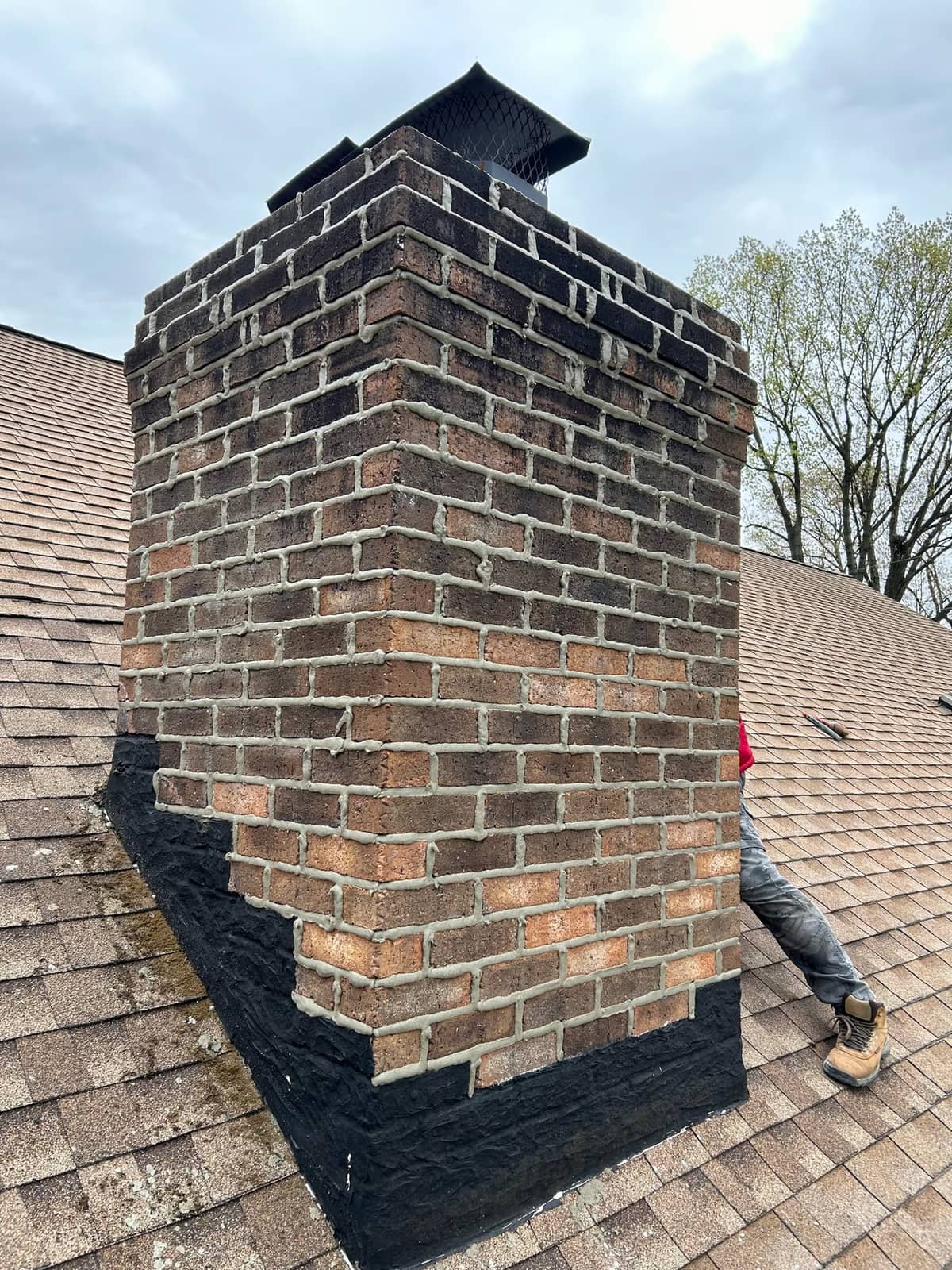
We inspect, clean, repoint, reline and rebuild chimneys throughout the borough, install caps and crowns, reflash chimneys at the roofline and waterproof exposed masonry. On newer homes with framed chases, we replace leaking chase covers and flashing. Estimates are free, and we are licensed and insured.
Bloomingdale housing
Bloomingdale's housing is mostly single-family: early and mid-twentieth century capes and bungalows in the older valley sections, postwar ranches and raised ranches on the hillsides, and former seasonal lake cottages that have been winterized and enlarged over the years. Newer townhome developments add attached roofs. Many homes heat with oil or gas and have brick or block chimneys, and wood stoves are common in the lake and hillside houses.
Weather & exposure
Bloomingdale sits higher and colder than the southern part of the county, so snow stays on roofs longer and ice dams are a regular winter concern. Dense hardwood forest surrounds most streets, which means falling limbs, heavy leaf loads and shaded, damp roof slopes. Lake houses take wind off open water, and hillside homes are exposed to gusts during nor'easters and summer thunderstorms.
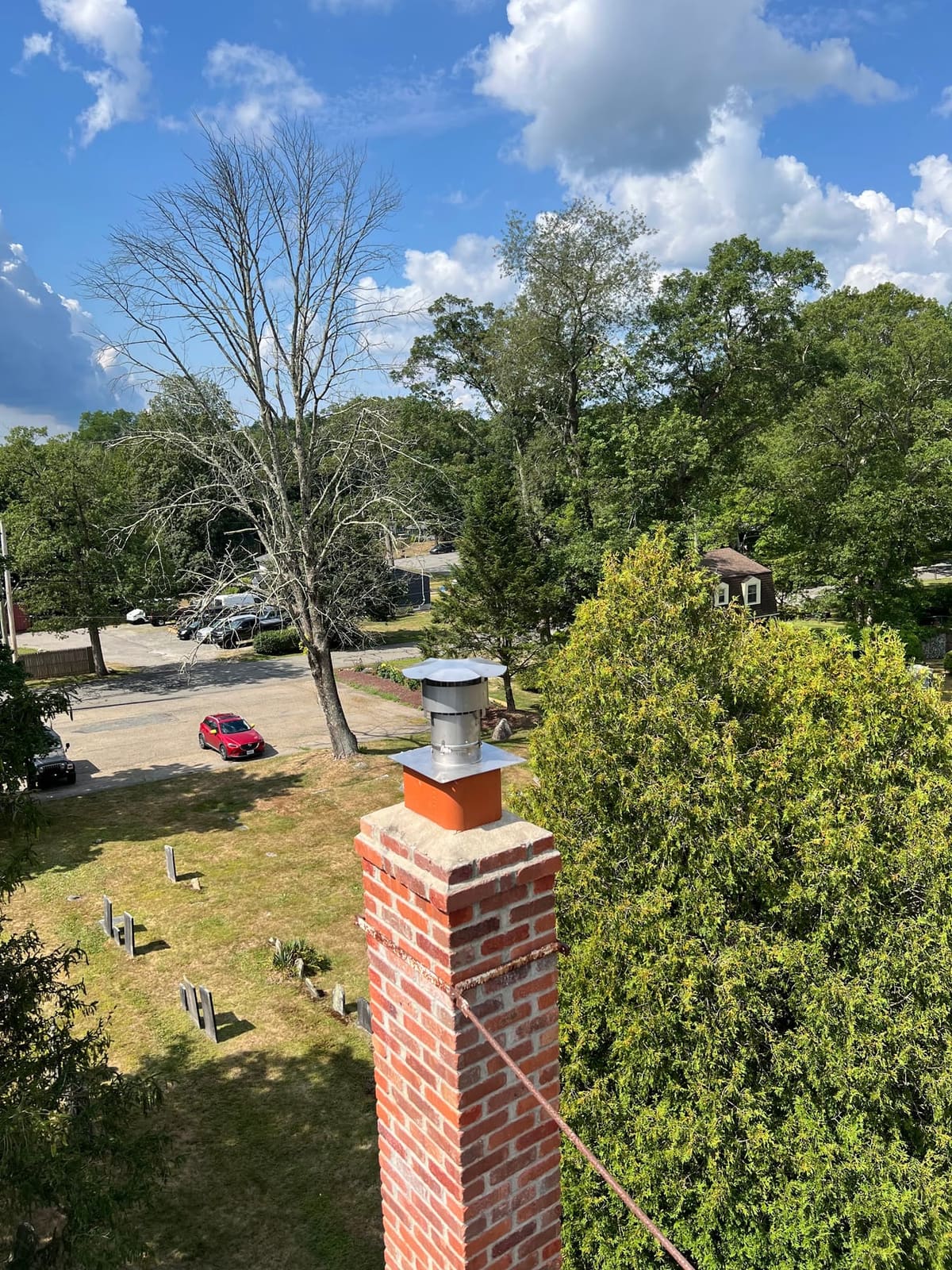
Repair, repoint or rebuild in Bloomingdale
For chimneys that serve a wood stove or fireplace, an annual inspection and cleaning before the heating season is the most important step. Repointing fixes worn joints in sound brick; a cracked crown should be rebuilt with an overhang and drip edge; a loose or spalled top should be rebuilt from a sound course. Unlined or cracked flues get a stainless steel liner sized to the appliance.
A stainless steel cap with a screen keeps animals and snow out of the flue. On exposed chimneys, a breathable water repellent applied after repairs slows future freeze-thaw damage.