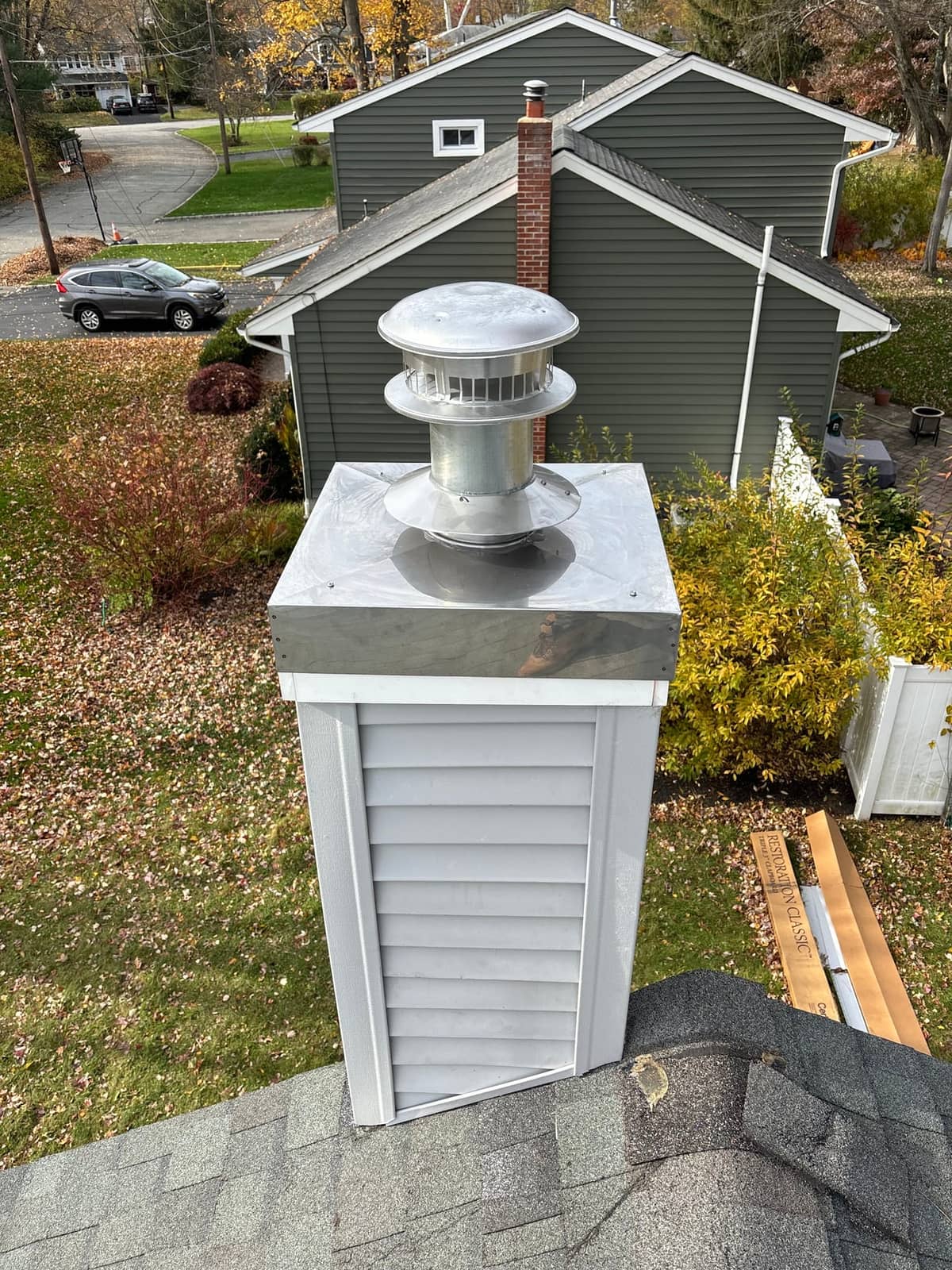
Chimney Repair for Passaic chimneys
Nearly every pre-war building in Passaic has at least one brick chimney, and many have two: one for the original heating system and one for a kitchen stove or fireplace long since removed. Most now vent gas boilers and water heaters, and after a century of weather, soft lime mortar and acidic exhaust, many are in poor shape above the roofline.
We inspect, repoint, reline, cap and rebuild chimneys throughout Passaic, and we handle the flashing where the chimney meets a flat membrane roof, a detail that causes many of the chimney leaks we see in the city. We also seal or remove abandoned chimneys that have become leak points.
Passaic housing
Passaic's housing stock is dominated by pre-war two- and three-family frame houses on narrow lots, many with flat or very low-slope roofs behind a front gable or cornice, plus brick apartment buildings and mixed-use blocks along the main commercial streets. Buildings sit close together or share walls. Nearly all have brick chimneys, many of which now vent gas boilers or have been abandoned.
Weather & exposure
Passaic is low-lying along the Passaic River, and heavy rain overwhelms drains and ponds on flat roofs quickly. The density of the city means roofs are often reached only from inside through hatches, and debris from adjacent roofs and parapets collects in shared gutters and scuppers. Nor'easters and summer thunderstorms bring wind-driven rain against parapet walls and chimneys; winter freeze-thaw cycles crack coping and crowns.
Repair, repoint or rebuild in Passaic
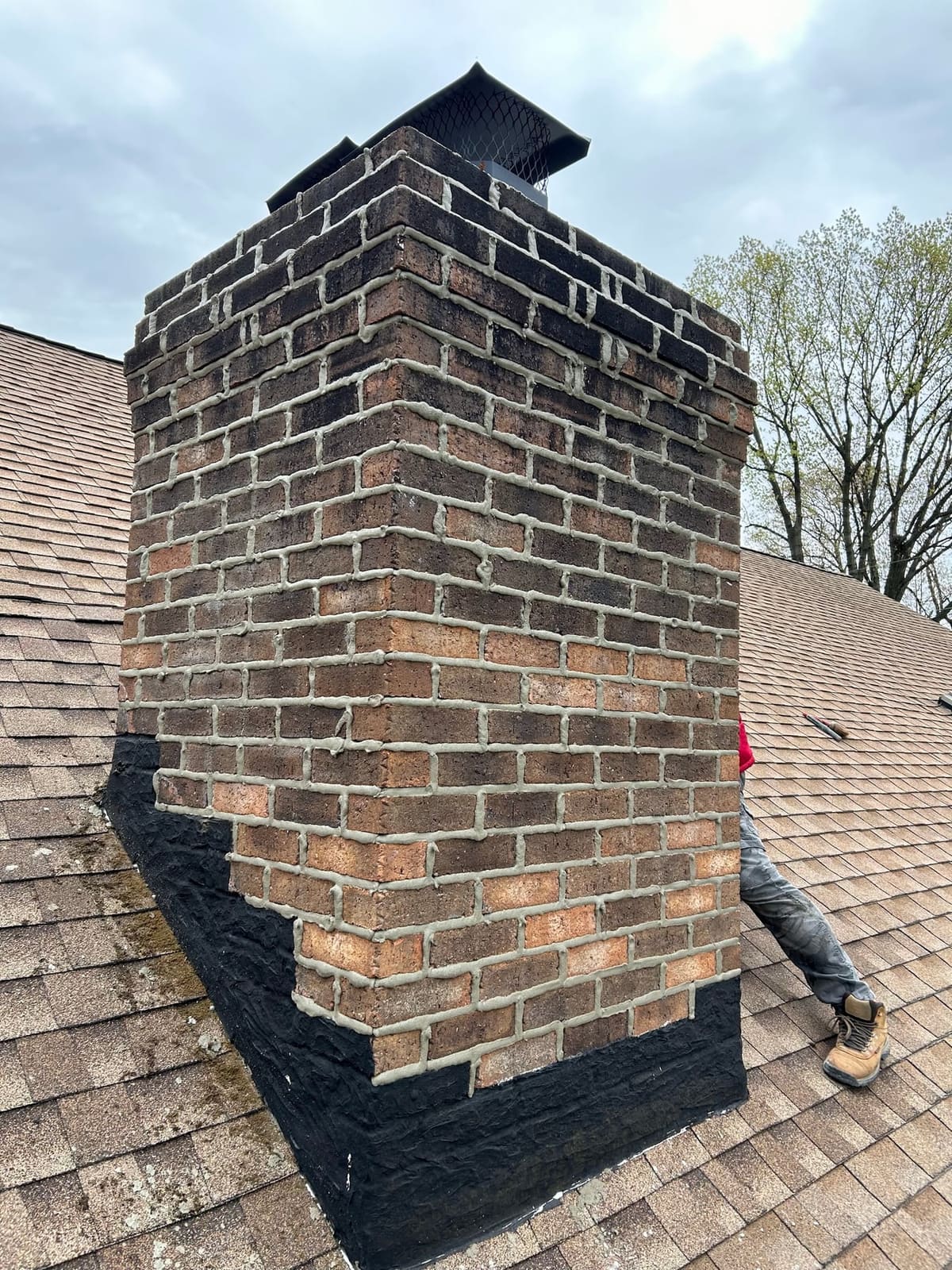
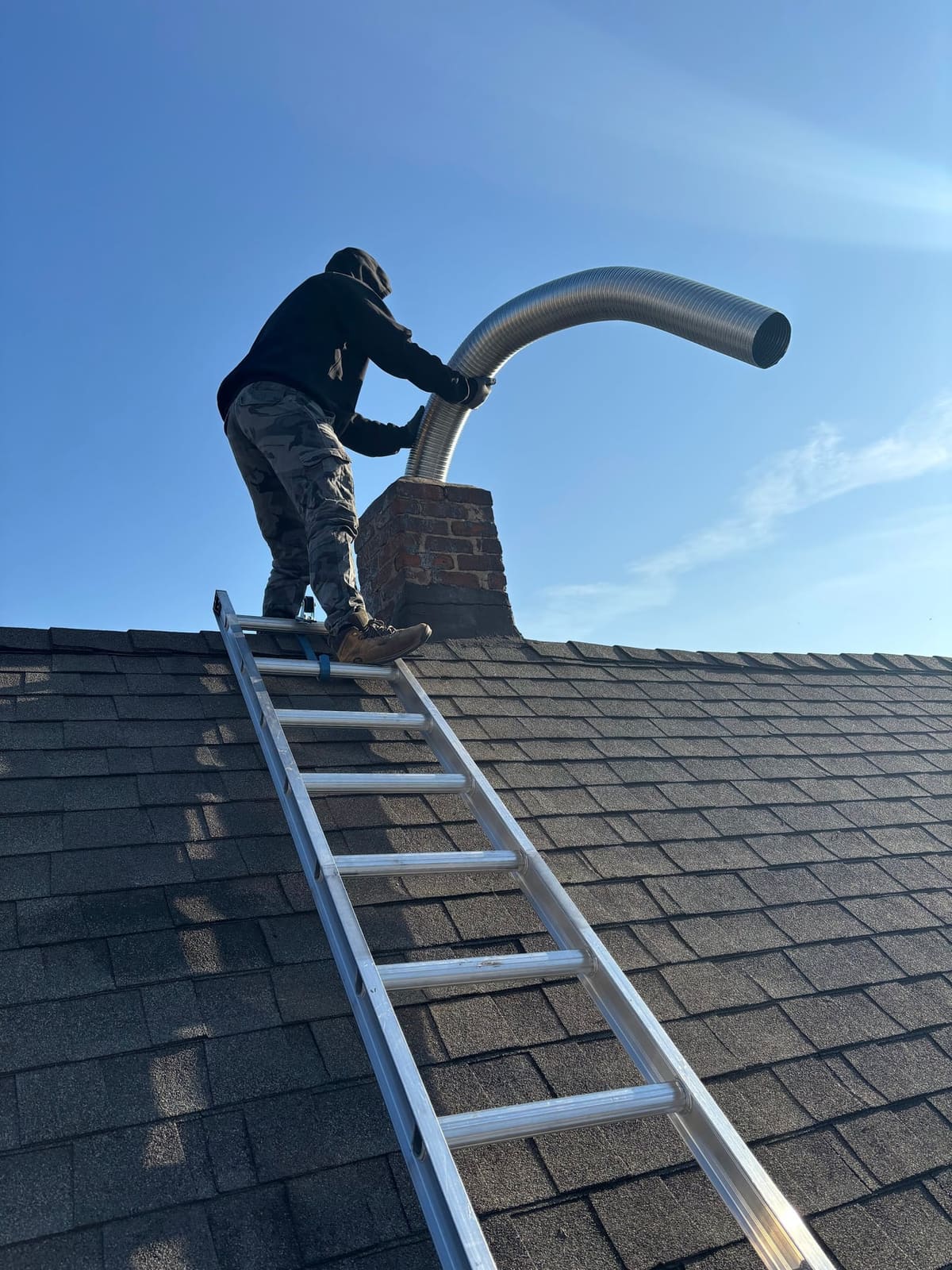
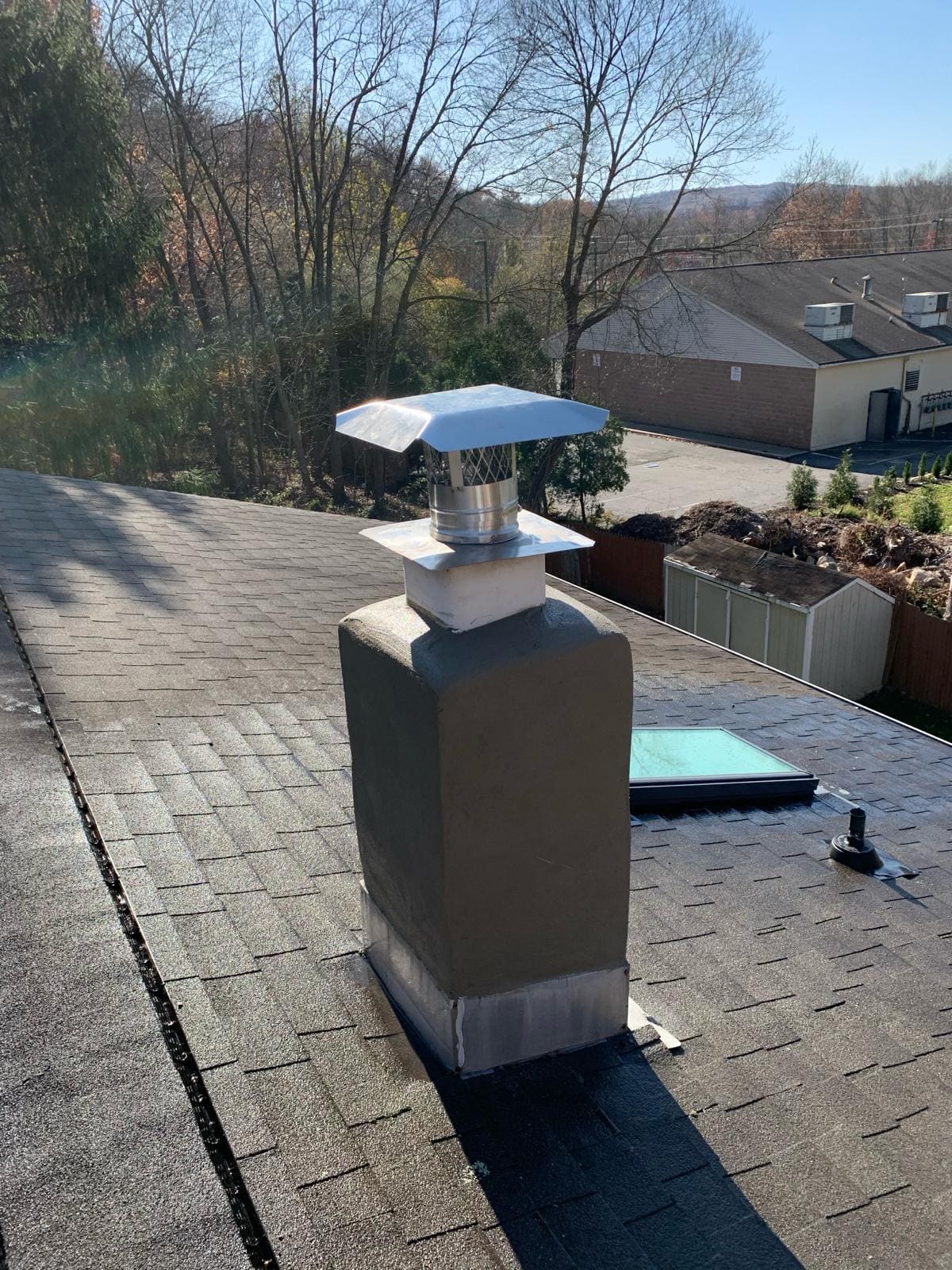
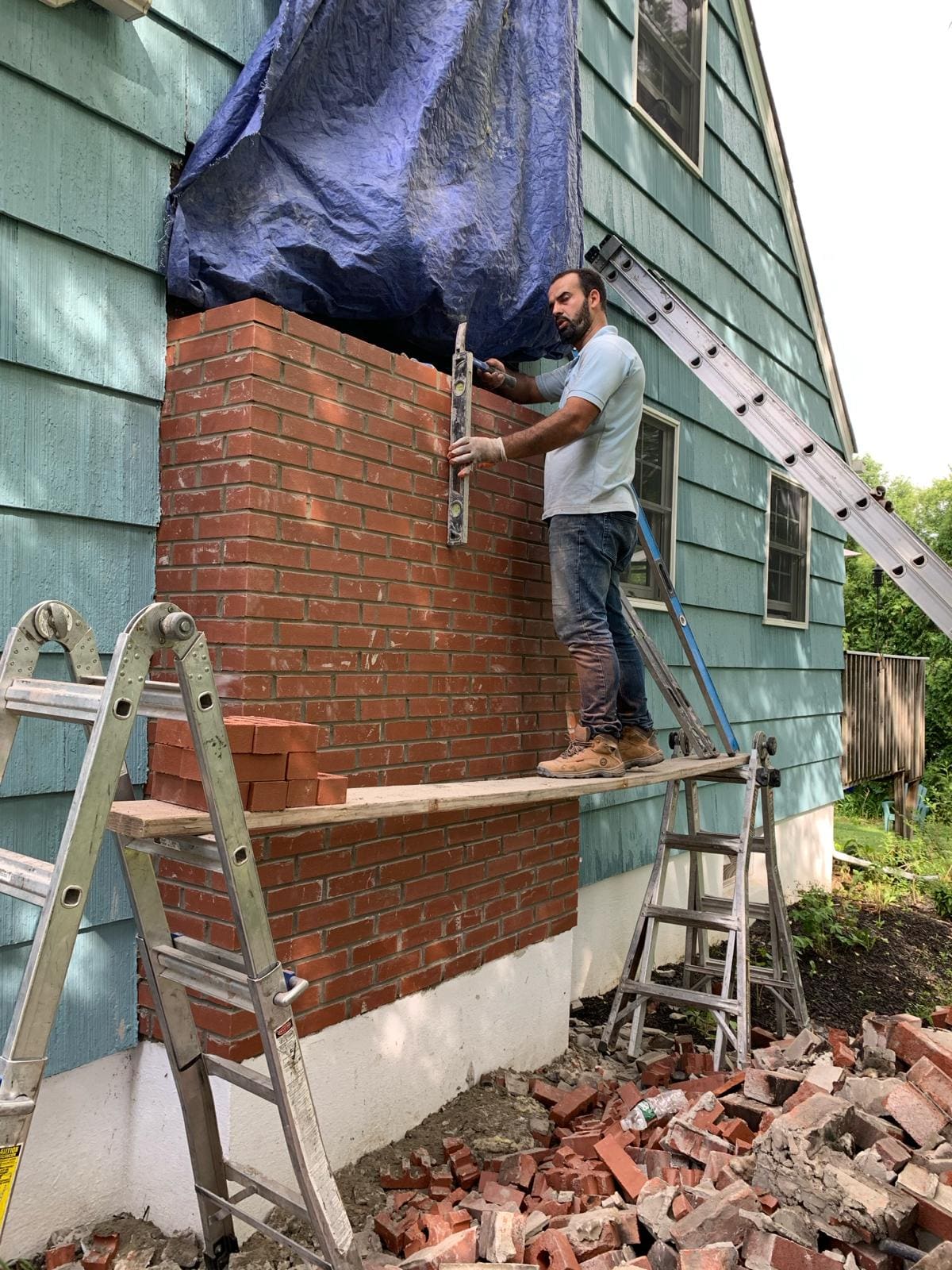
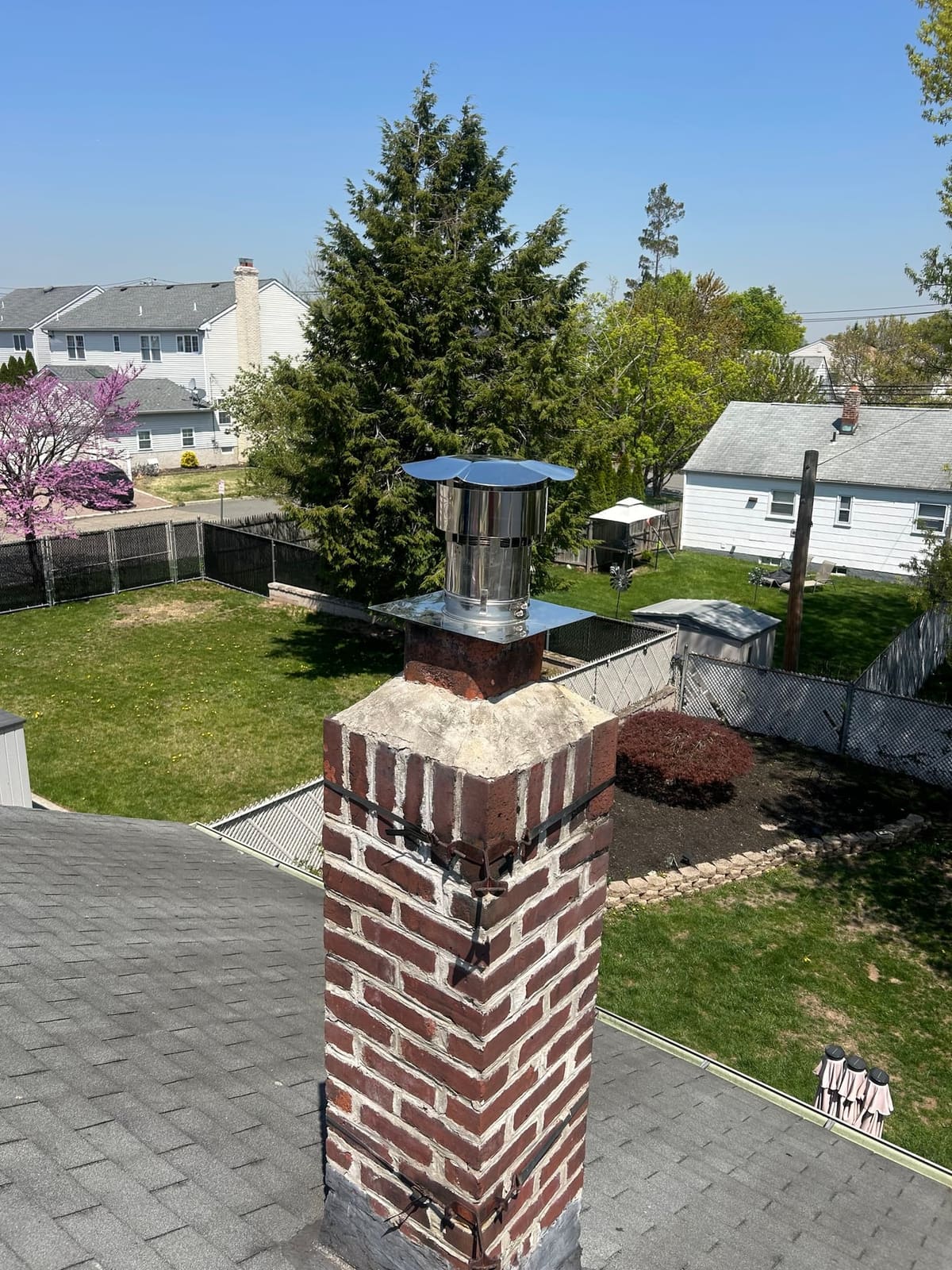
An inspection identifies what is sound and what is not. We repoint where joints have receded but brick is good, rebuild from a sound course up when the top is loose, pour a proper crown with overhang, and install a stainless cap. Flues venting gas appliances that are unlined or damaged get a correctly sized stainless steel liner. Abandoned chimneys should be capped and sealed, or removed below the roof and roofed over.
If your flat roof is also due for work, let us know; rebuilding the chimney first and then flashing it into a new membrane gives the best result.