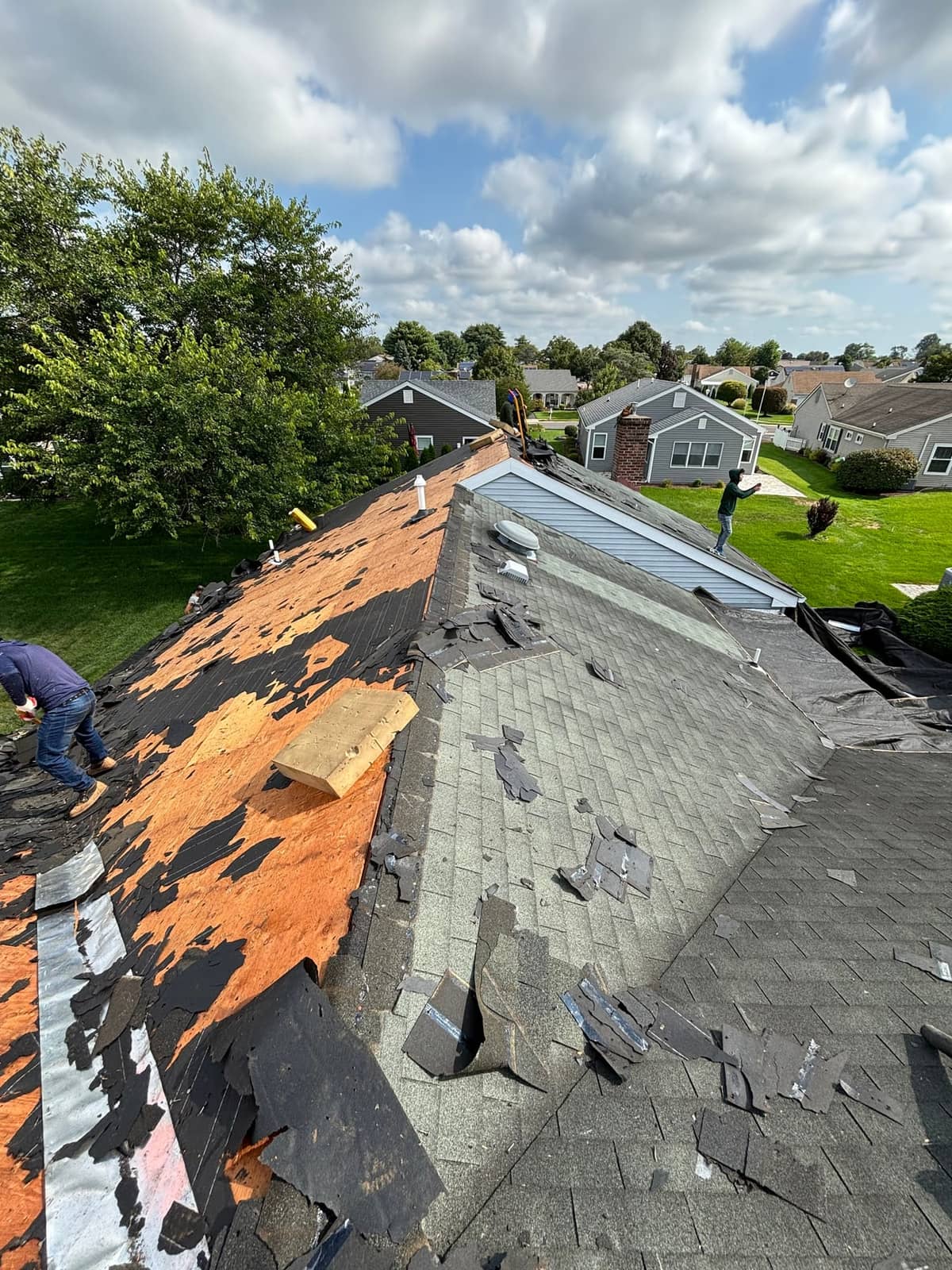
Roof Repair for Wayne homes and buildings
Roof repairs in Wayne tend to start with trees. A limb comes down in a thunderstorm, a branch rubs the shingles bare over a few seasons, or years of pine needles hold moisture in a valley until the underlayment gives up. The split-levels and ranches common across the township have long, low-pitched roof planes and plenty of valleys and wall intersections where these problems show up first.
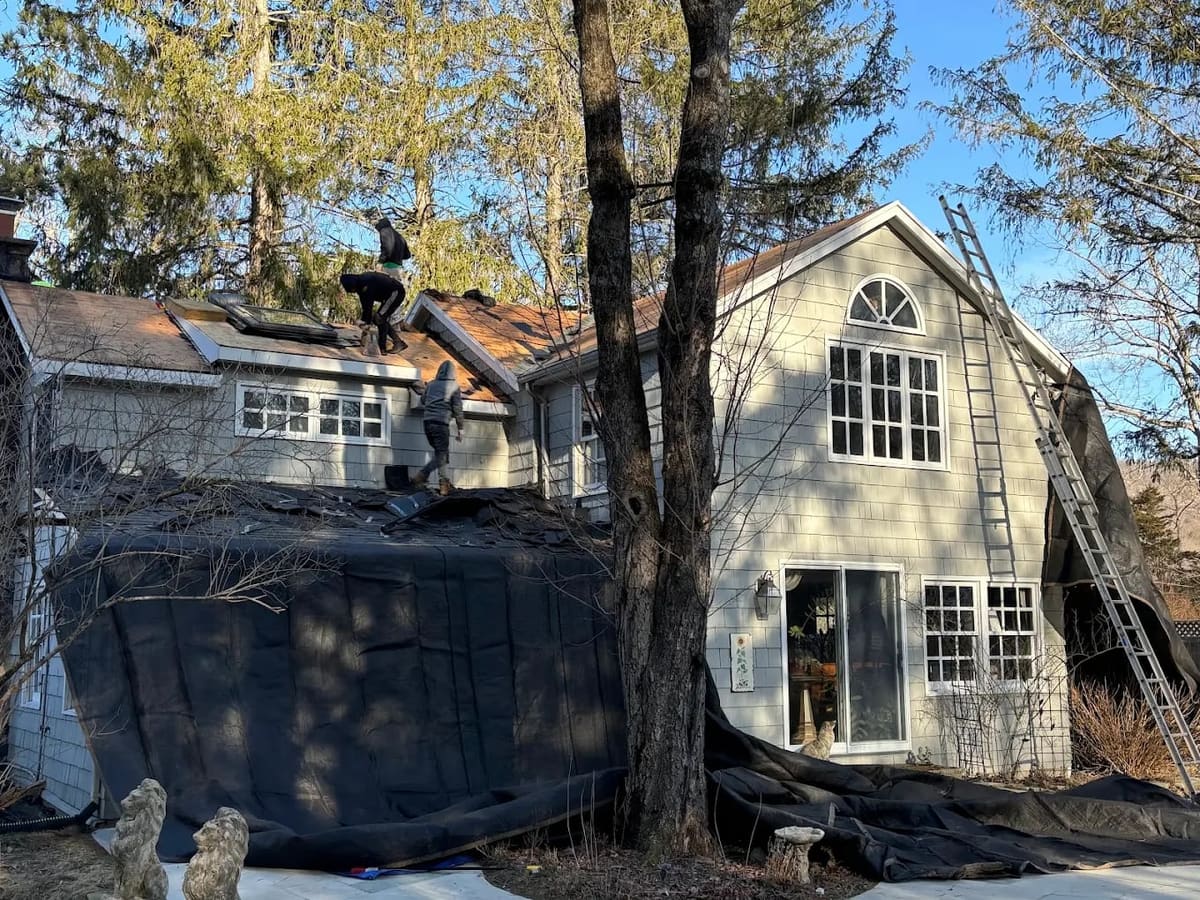
Lake-area homes around Packanack Lake and Pines Lake bring their own repair questions. Many started as small cottages and grew by addition, so the roof may have several different pitches and ages meeting at awkward points. We trace leaks to the actual source, repair the flashing or shingles involved, and tell you plainly whether the rest of the roof is in good shape.
Wayne housing
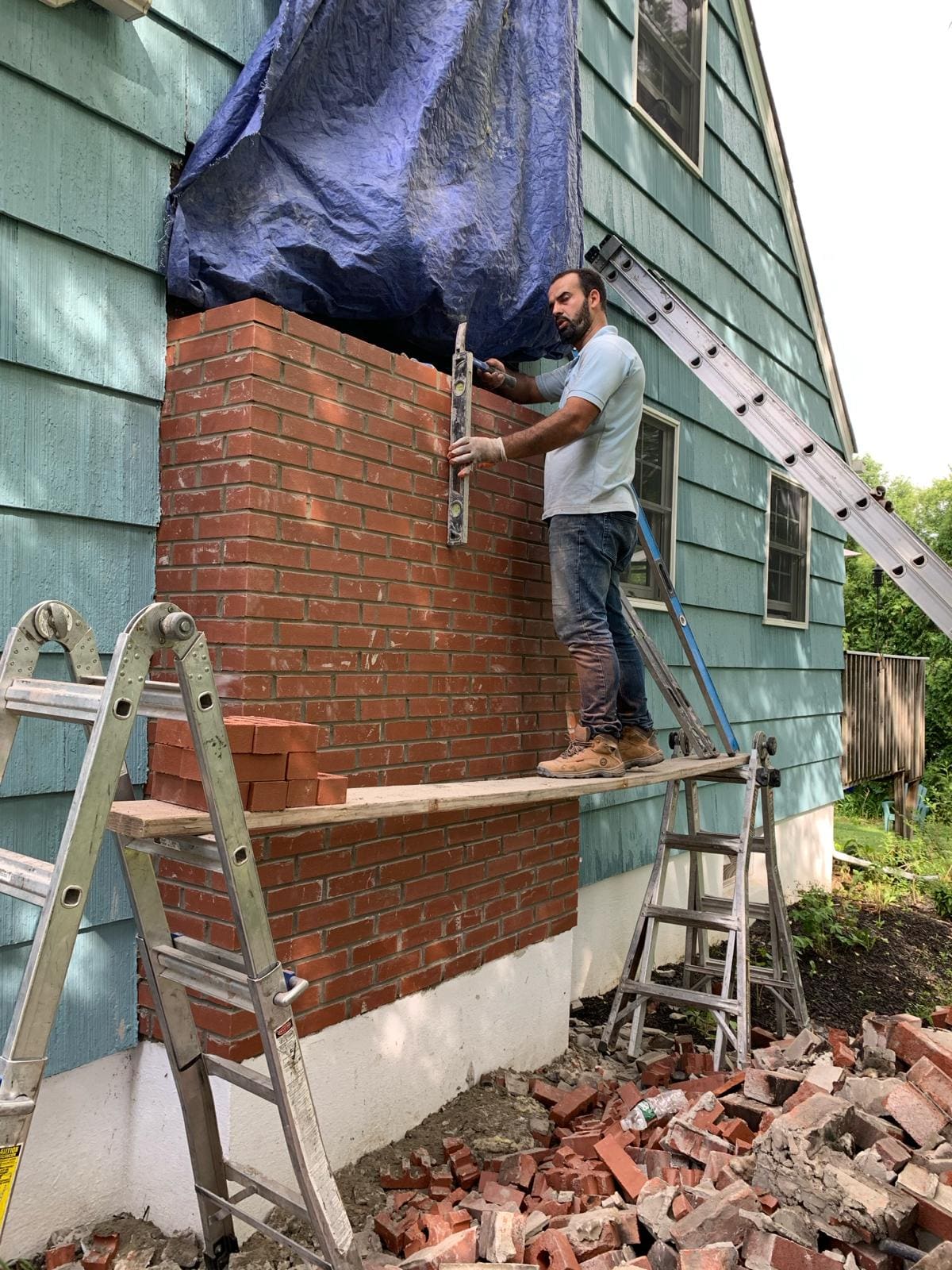
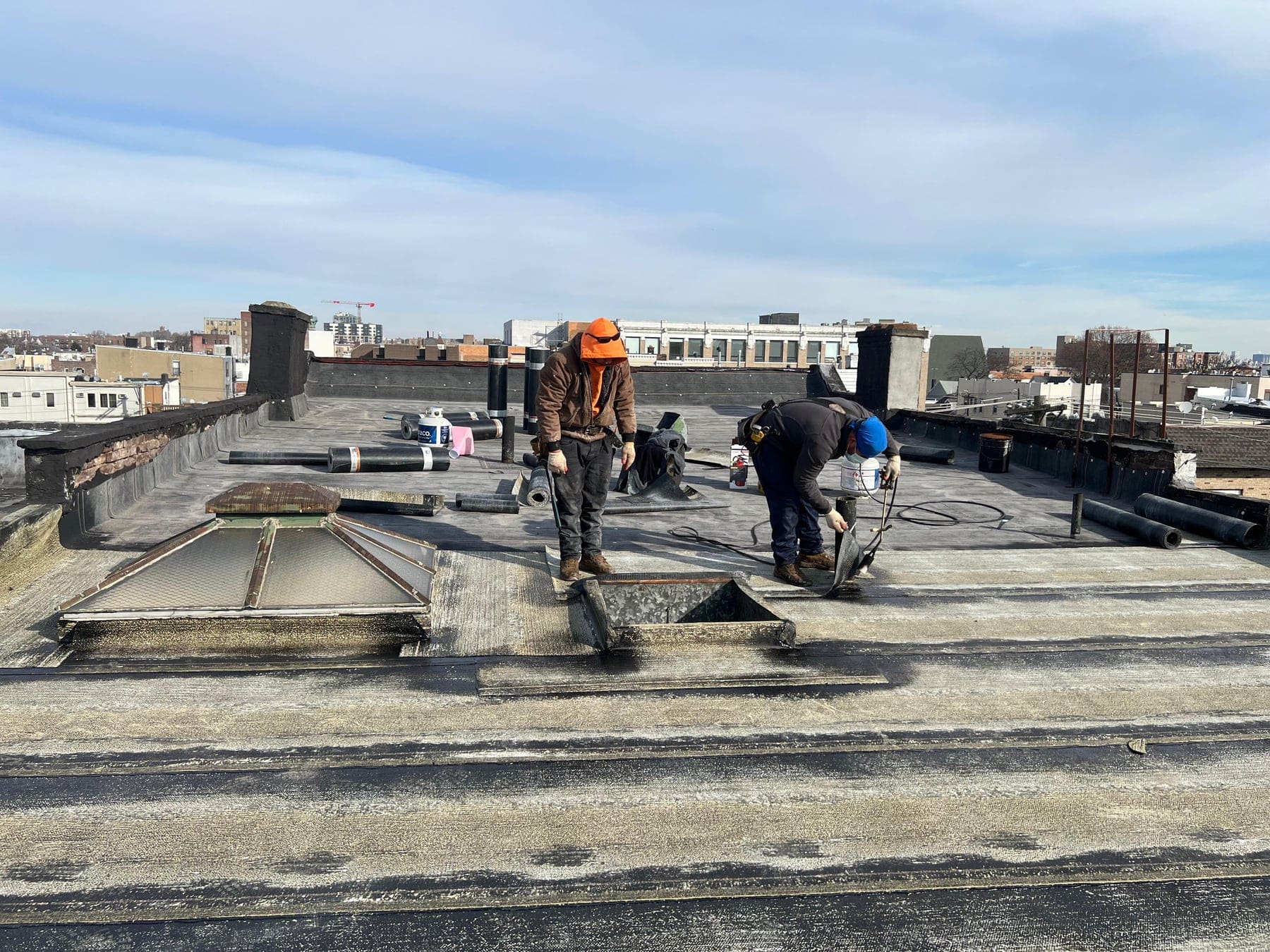
Wayne's housing is largely postwar suburban: split-levels, ranches, bi-levels and colonials from the 1950s through the 1970s, many with attached garages, large roof planes and brick fireplace chimneys. Around Packanack Lake and Pines Lake, former summer cottages have been winterized and enlarged, creating complex rooflines. Newer townhomes and condominiums, and commercial buildings along Route 23 and Route 46, add flat and low-slope roofs.
Weather & exposure
Wayne is heavily wooded, so falling limbs, pine needles and leaf debris are a constant roof and gutter issue. Low-lying areas near the Pompton and Passaic Rivers have a long history of flooding, which affects basements and crawlspaces more than roofs but makes drainage planning important. Open lots and lakefront properties take more wind than sheltered streets during nor'easters.
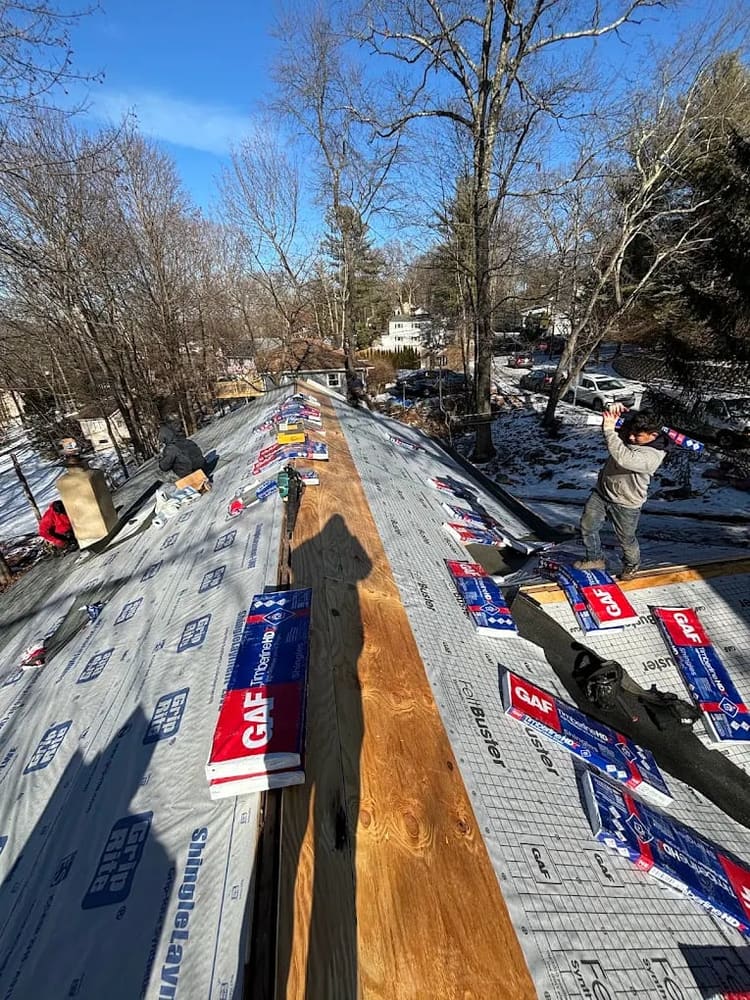
Repair or replace? What we tell Wayne homeowners
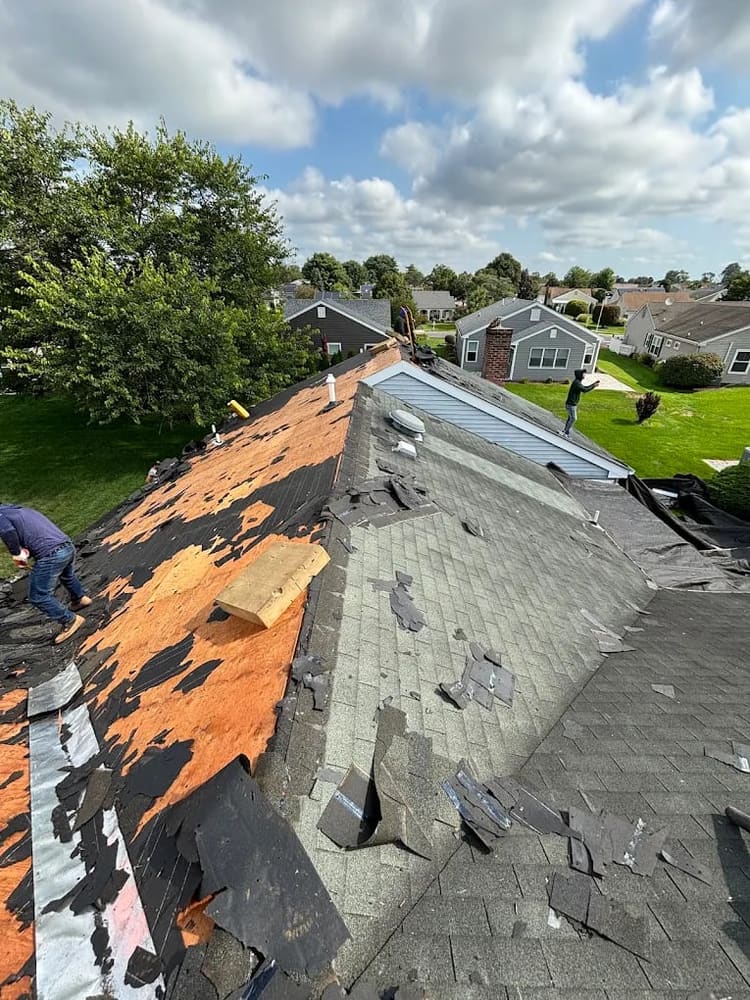
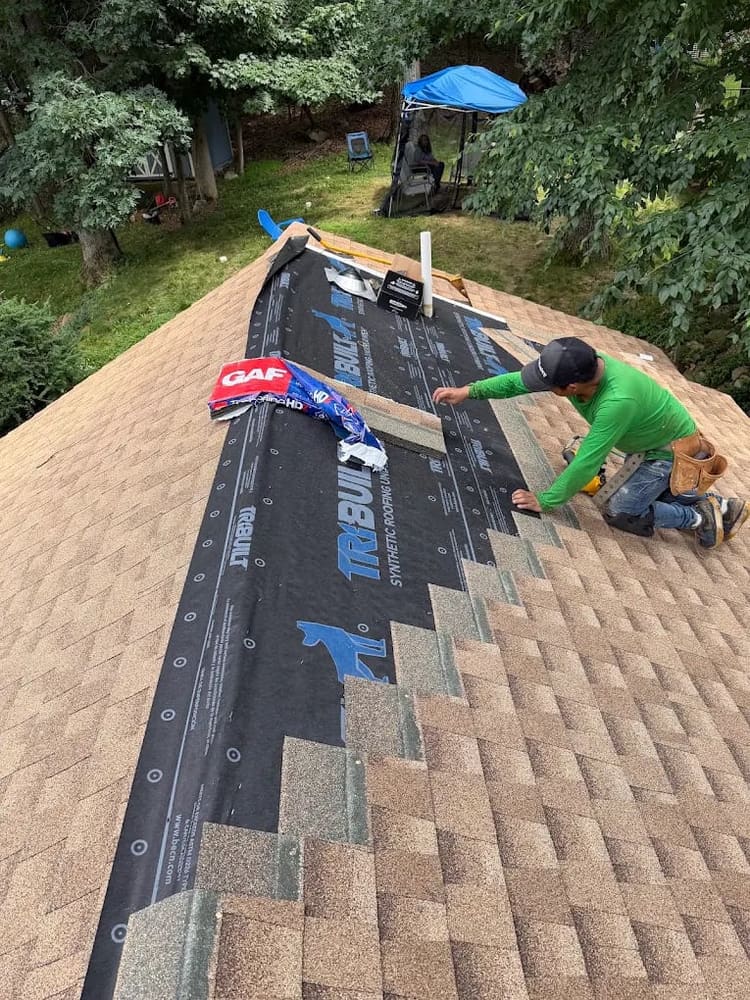
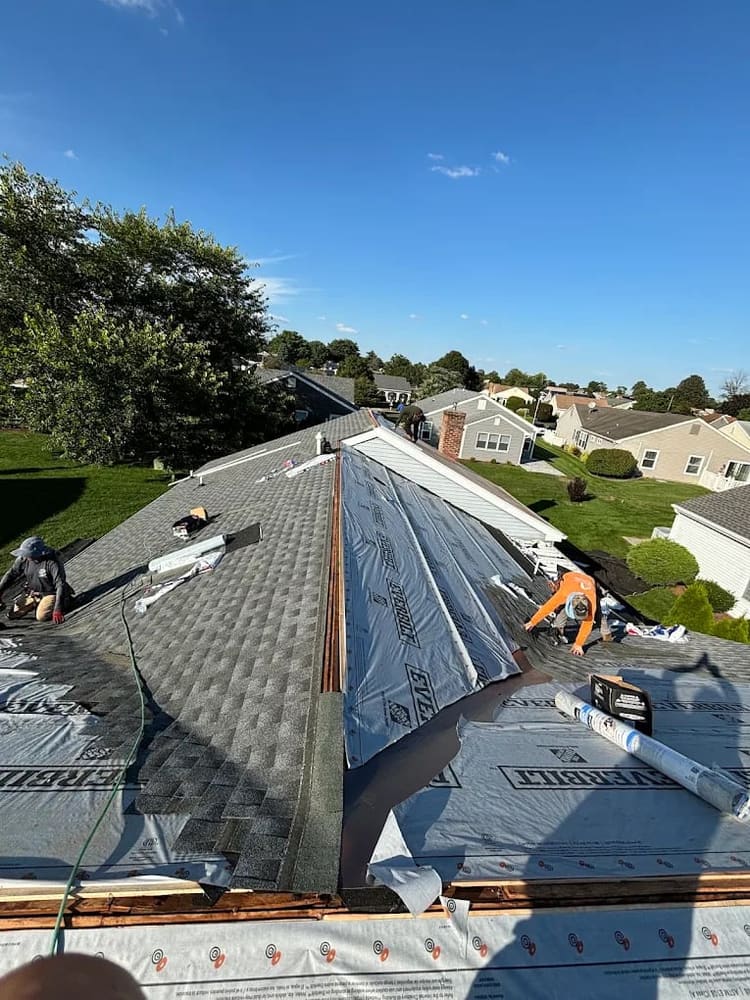
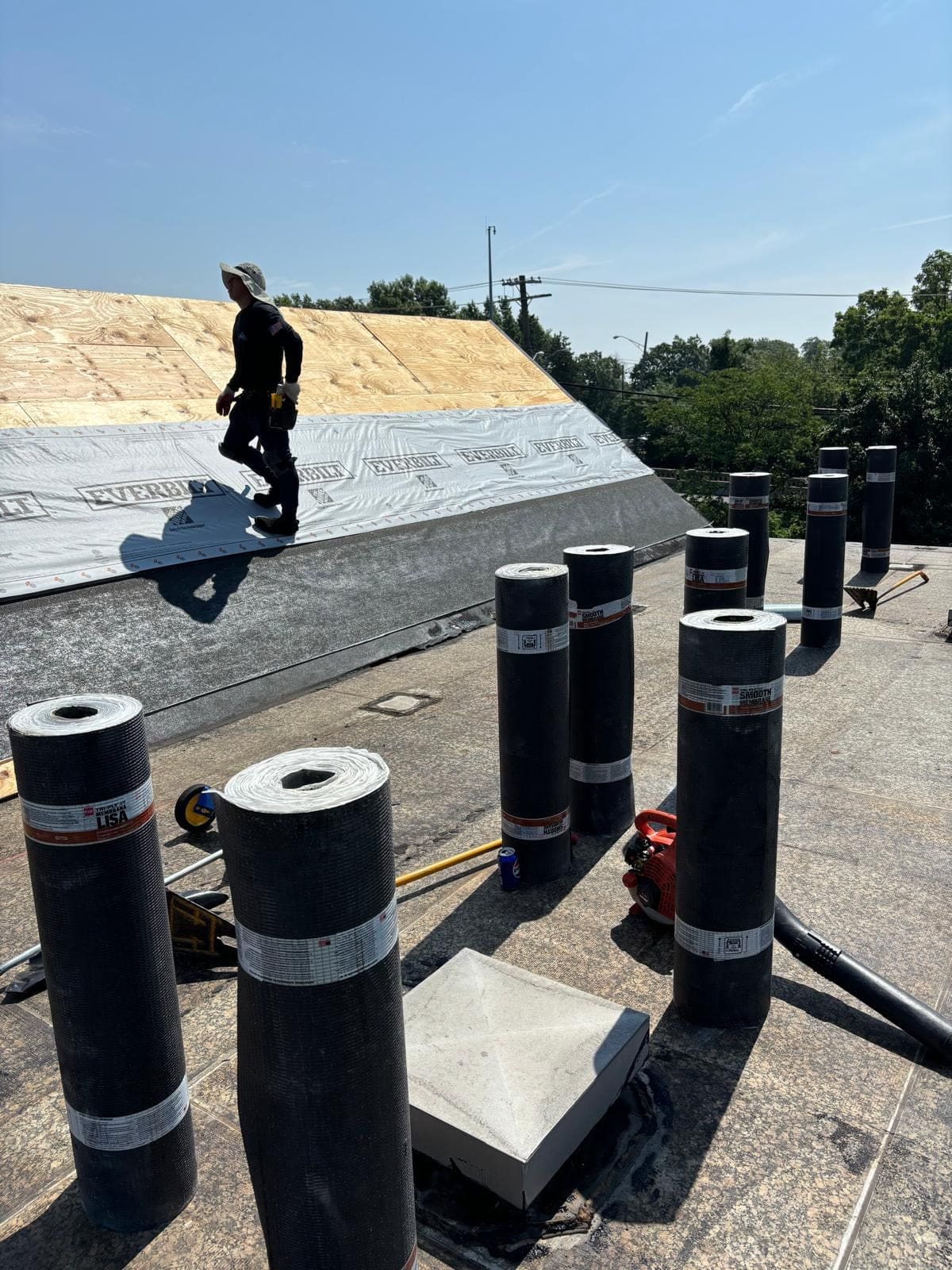
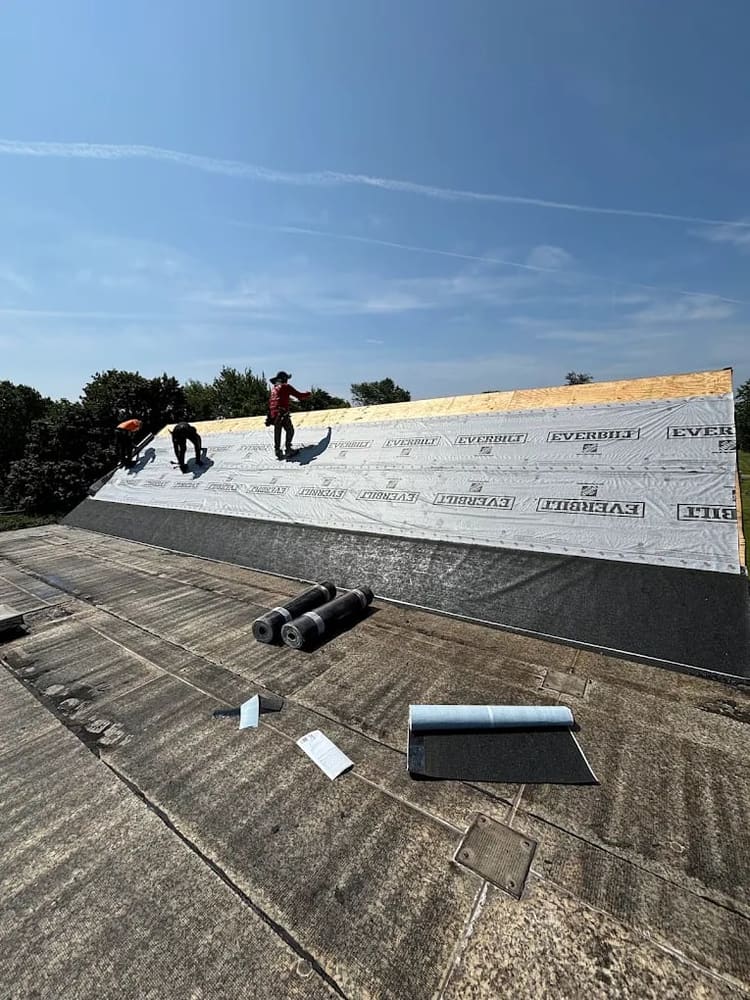
On a Wayne roof that is otherwise in good condition, a localized repair is usually the right call: replace damaged shingles, rebuild a valley, reflash a wall or chimney. We use ice-and-water shield under the repair area and match materials to the existing roof. If the shingles across the whole roof are curling or thin, we will say so, because in that case repairs tend to follow one another.
After a storm, photograph any visible damage before cleanup if it is safe to do so. We can document the roof condition and provide a written estimate for your insurance claim.