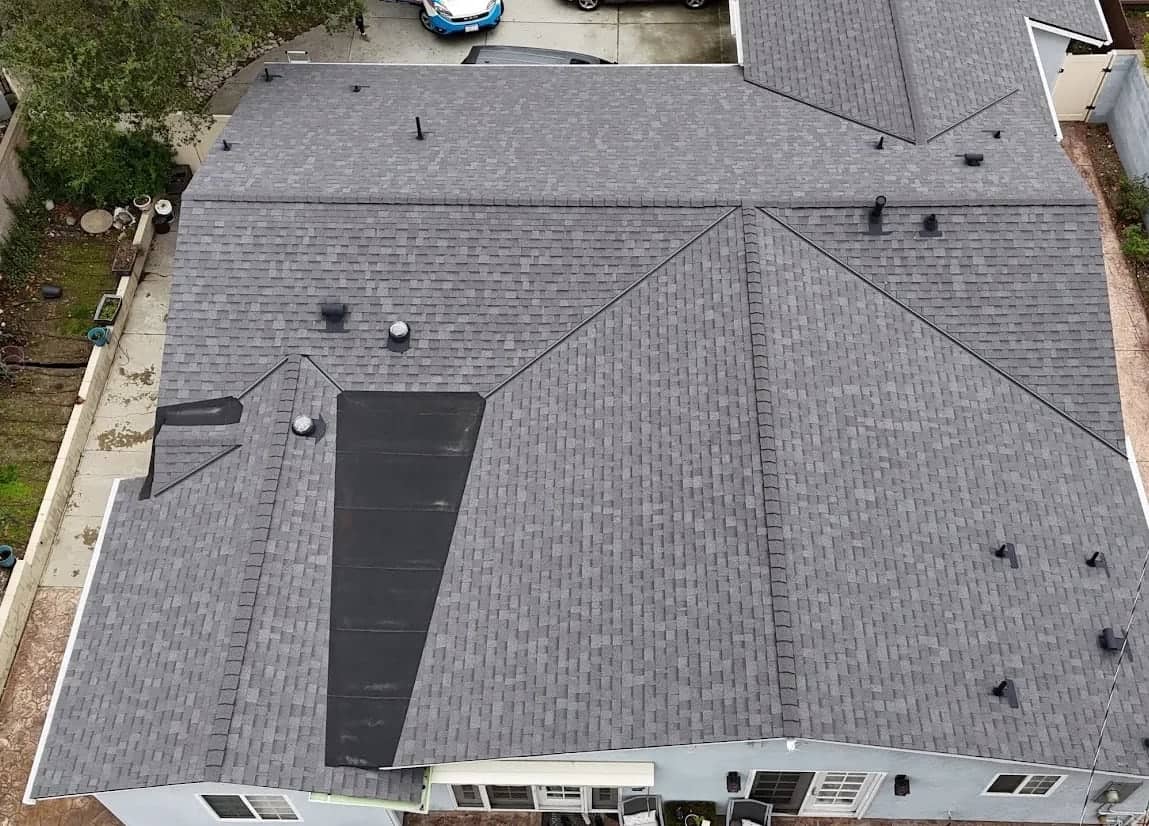
Roof Replacement for West Milford homes and buildings
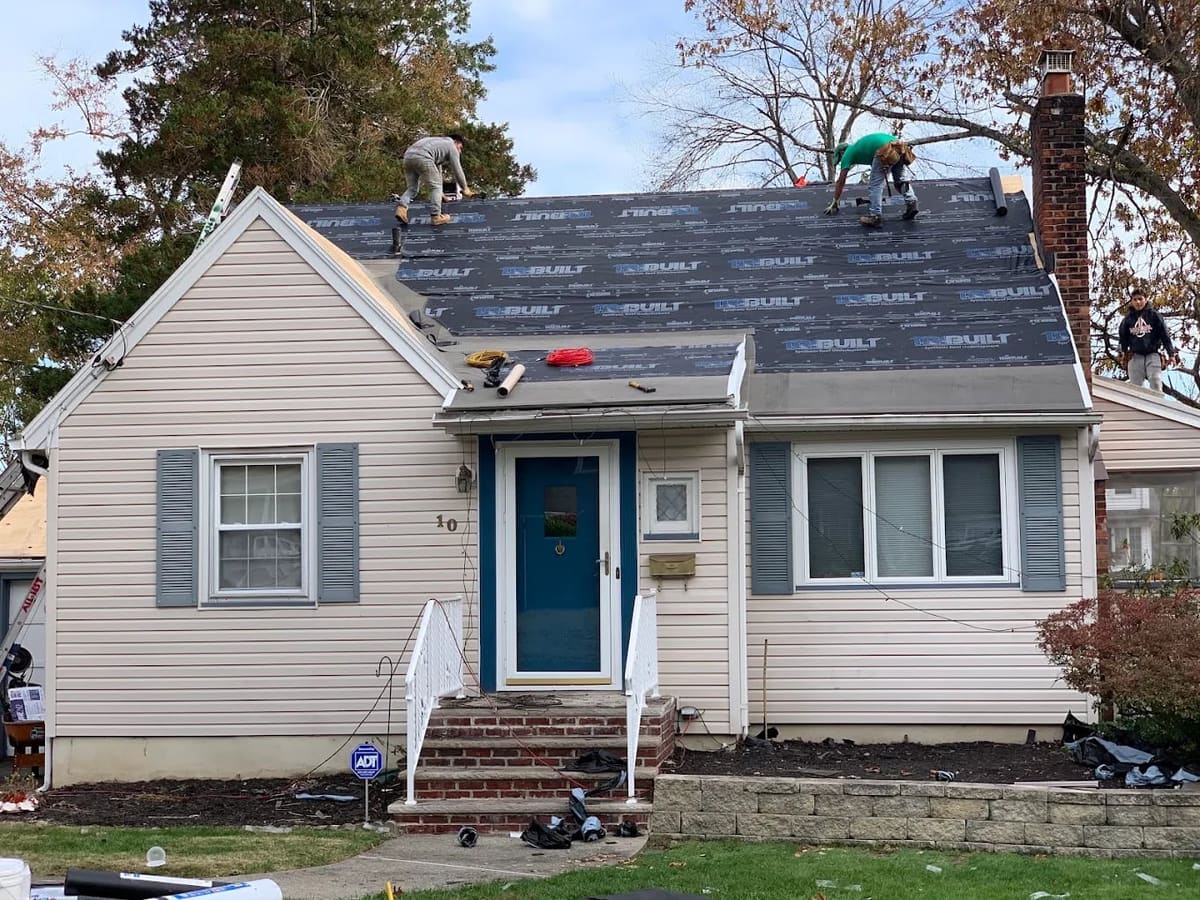
A new roof in West Milford needs to stand up to the toughest winters in the county. We build every replacement with generous ice-and-water shield, sound decking, balanced attic ventilation and shingles fastened for wind, and we choose membrane for any section too shallow for shingles.
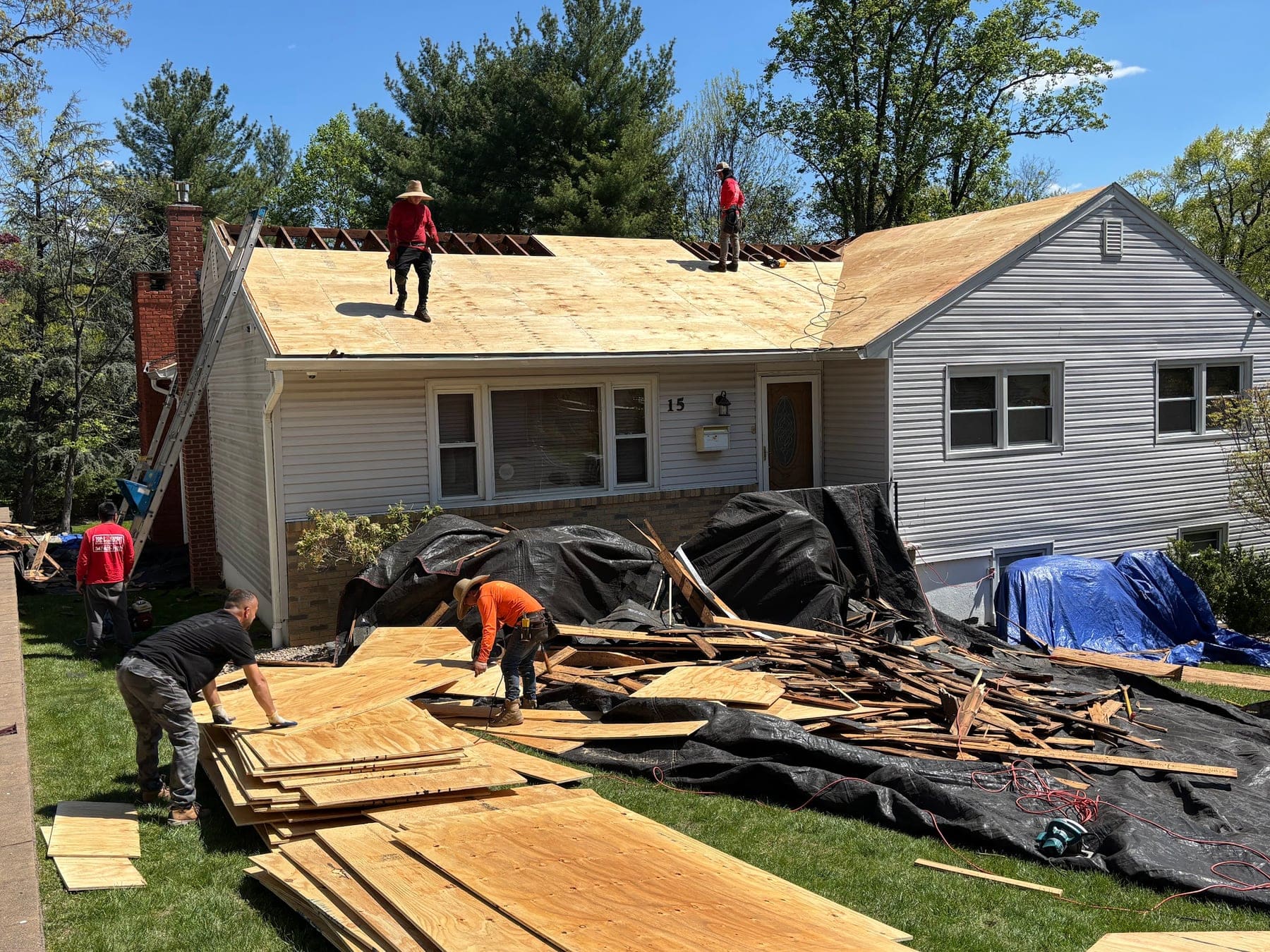
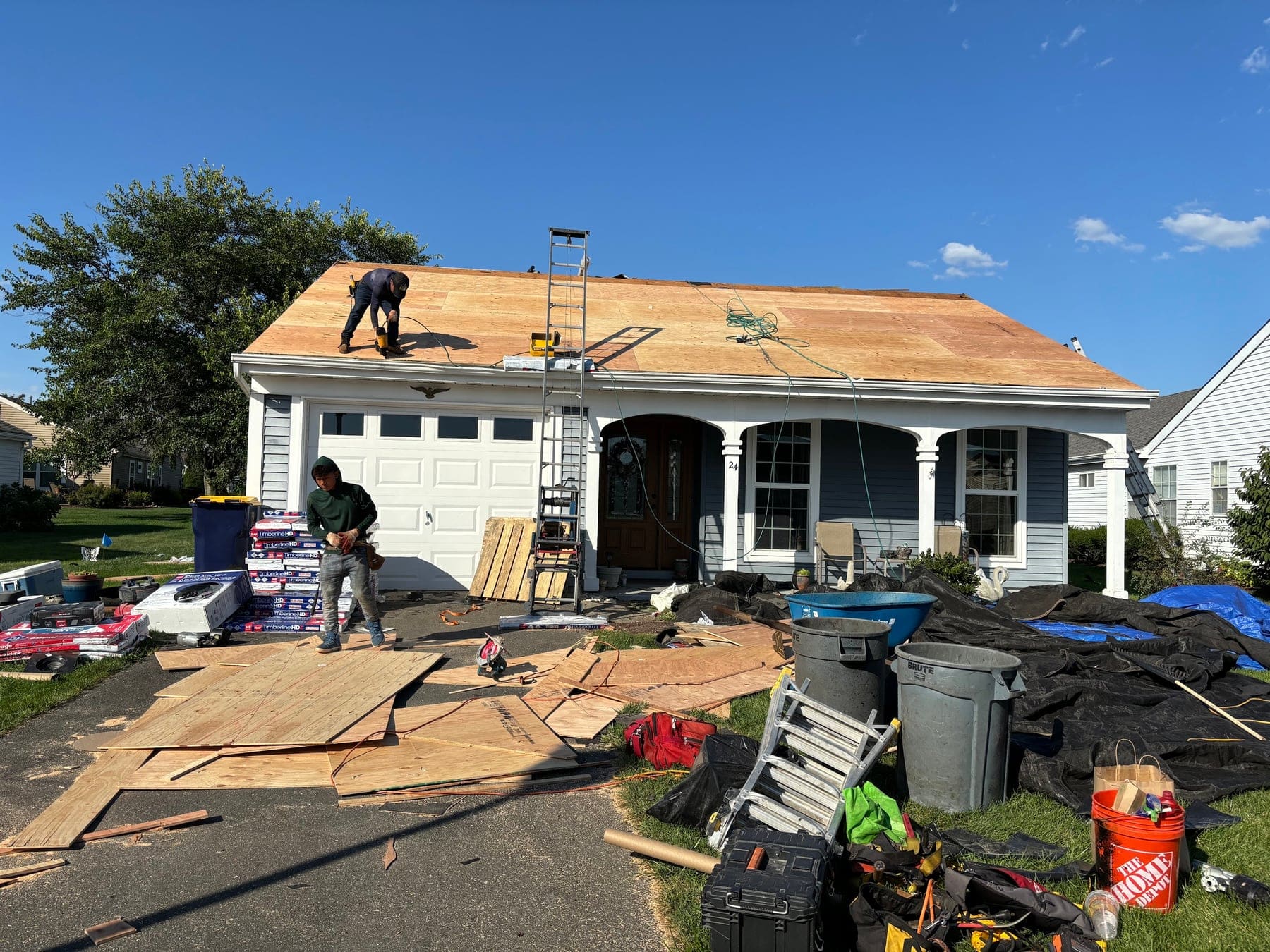
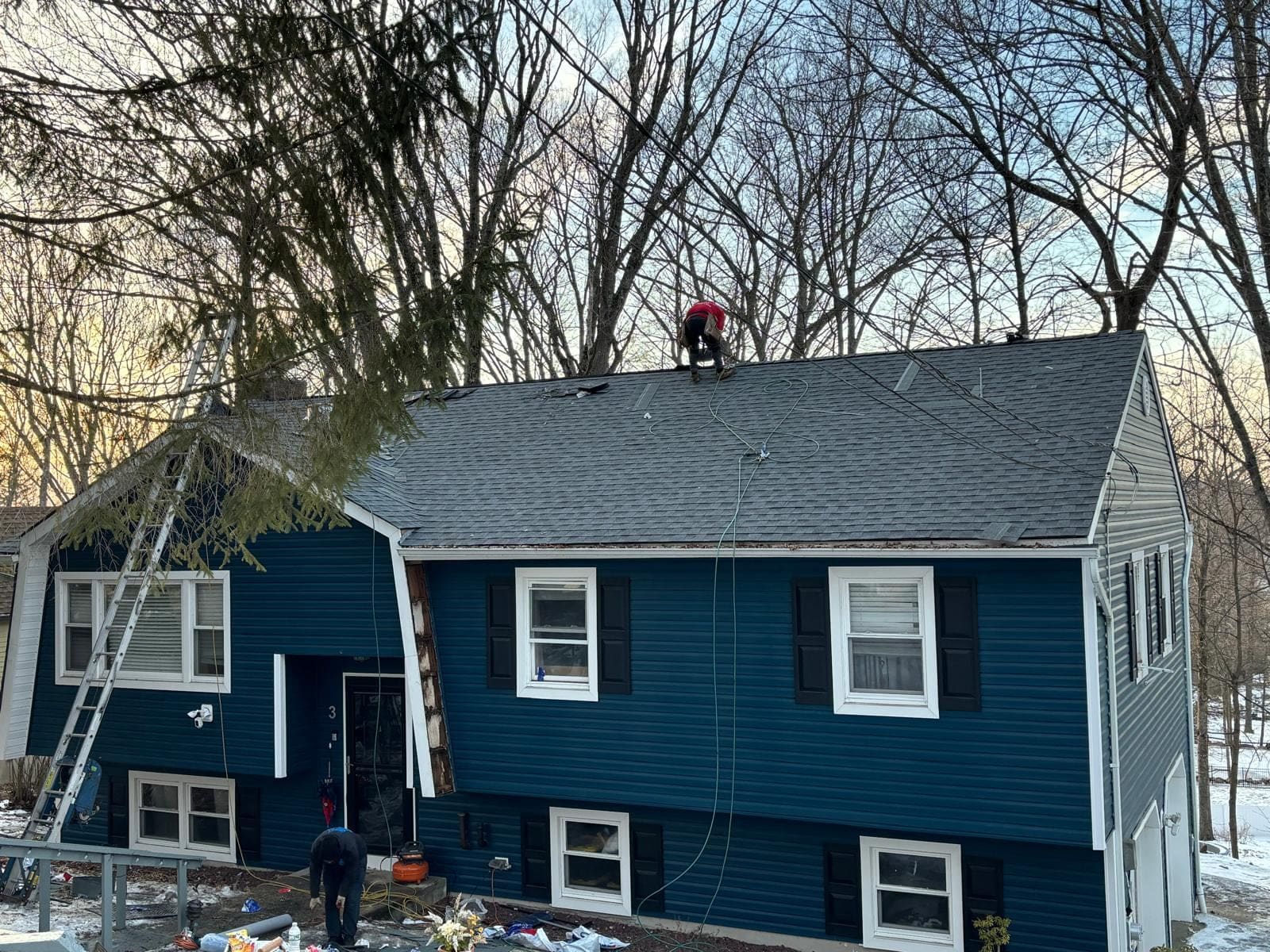
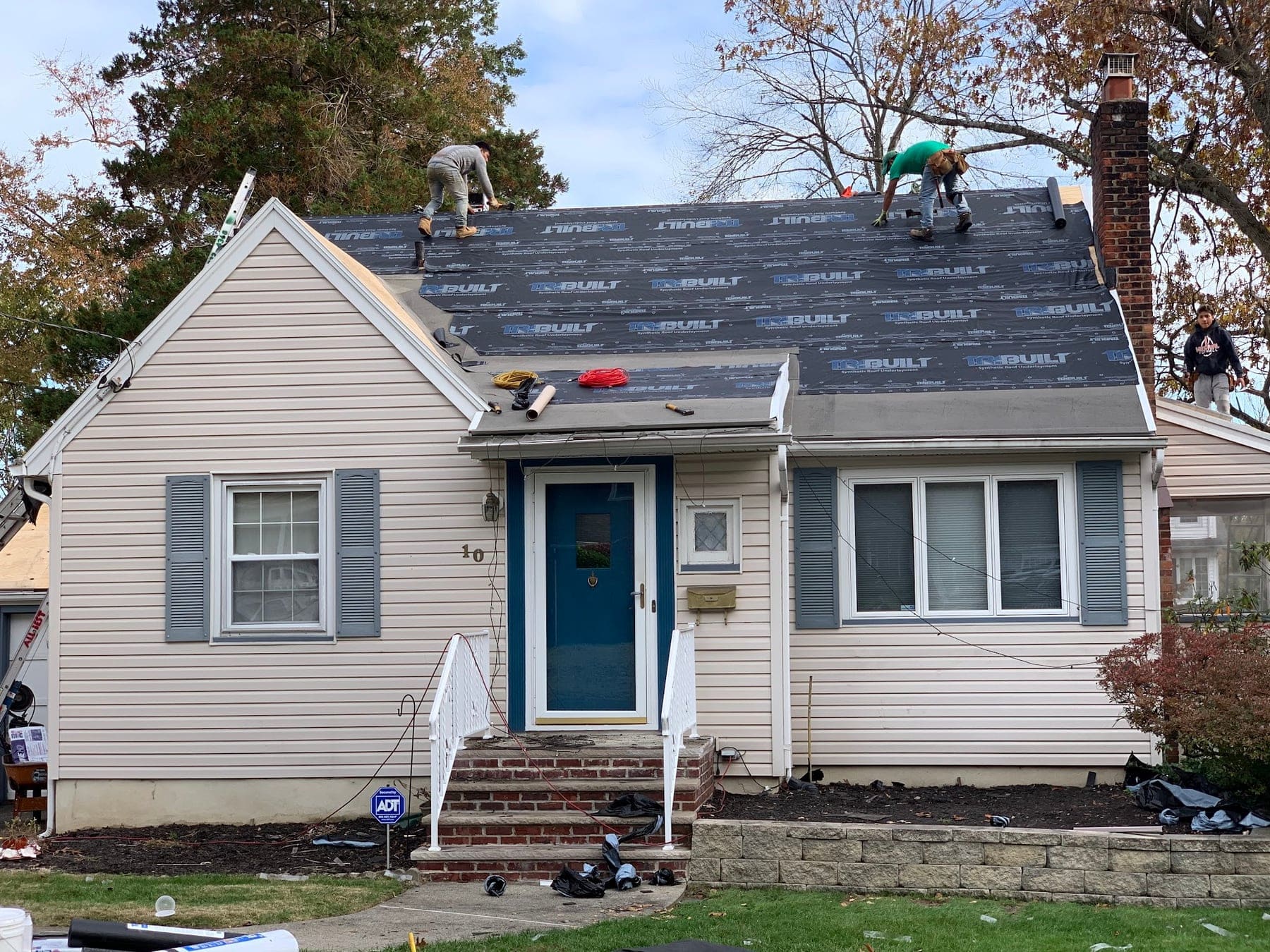
We tear off to the deck, replace damaged sheathing, install ice barrier along eaves and through valleys, synthetic underlayment, new drip edge and flashing, and algae-resistant architectural shingles. Low-slope additions and porches get EPDM, modified bitumen or TPO.
Long driveways, steep lots and narrow lake roads affect staging, so we plan deliveries and dumpster placement at the estimate. Permits are often required for full replacements, and we can advise on what typically applies.
West Milford housing
West Milford's housing is spread out and varied: many former summer lake cottages converted to year-round homes, often expanded with additions; postwar ranches, raised ranches and split-levels; and larger colonials and contemporaries on wooded lots from later decades. Wood stoves and fireplaces are common, along with oil and propane heat. Small commercial buildings with flat roofs line the main roads.
Weather & exposure
West Milford has some of the harshest roof conditions in northern New Jersey: higher elevations, heavier and longer-lasting snow cover, ice storms, cold temperatures and dense forest. Lakefront homes take wind across open water, and ridge-top homes are exposed to storms. Shade and moisture under the canopy encourage moss and keep roofs damp.
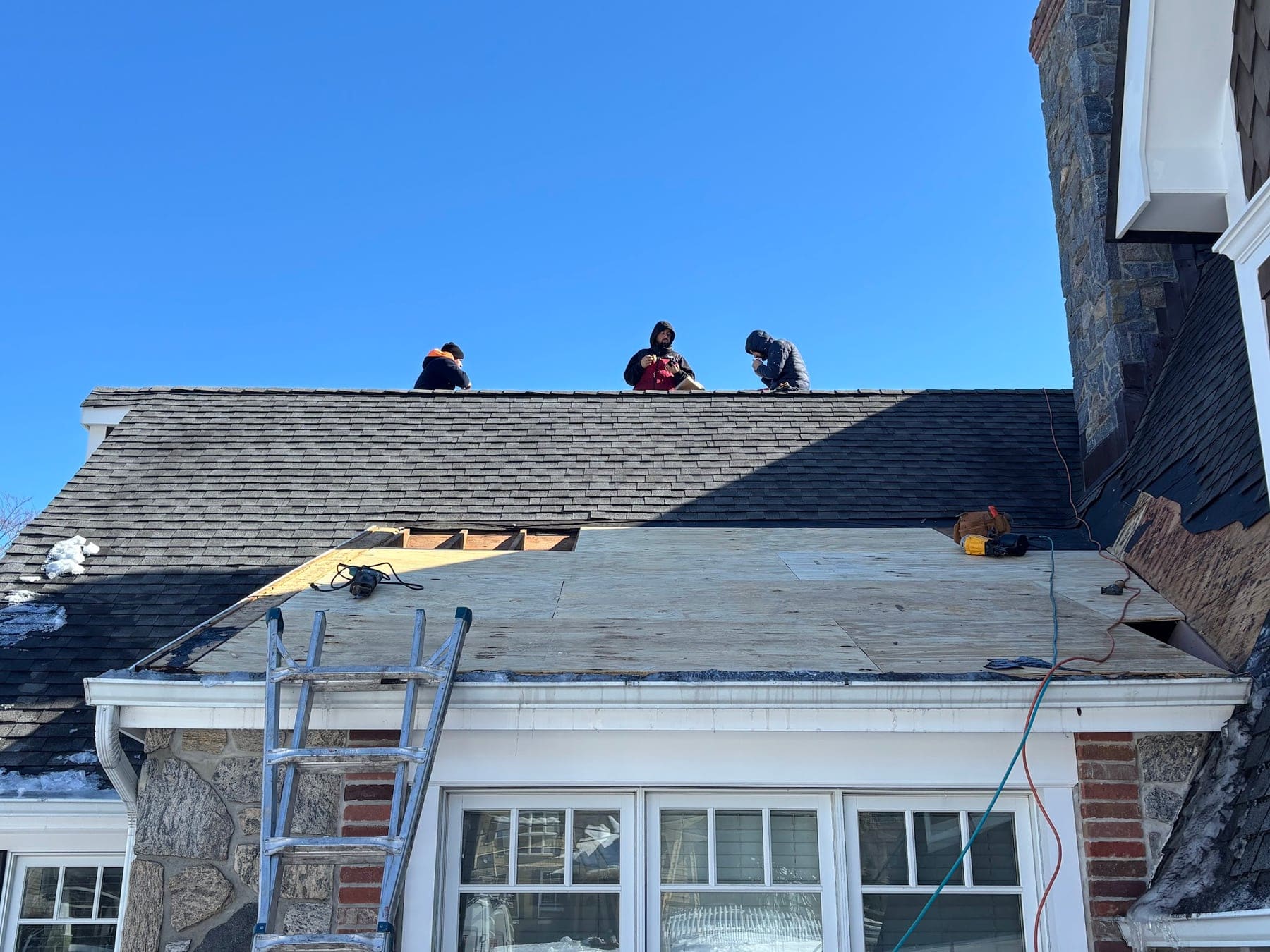
When replacement is the right call in West Milford
Replace when shingles are failing broadly, when ice dam leaks recur, when moss has damaged the roof, or when there is a second layer. Algae-resistant architectural shingles are a good fit for shaded West Milford lots. For cedar or metal roofs, we can assess and advise, though shingle and flat roofing are our specialty.
Schedule replacements for the warmer months when possible, and trim branches back from the roof first. Most homes take a few days; larger or complex roofs take longer.