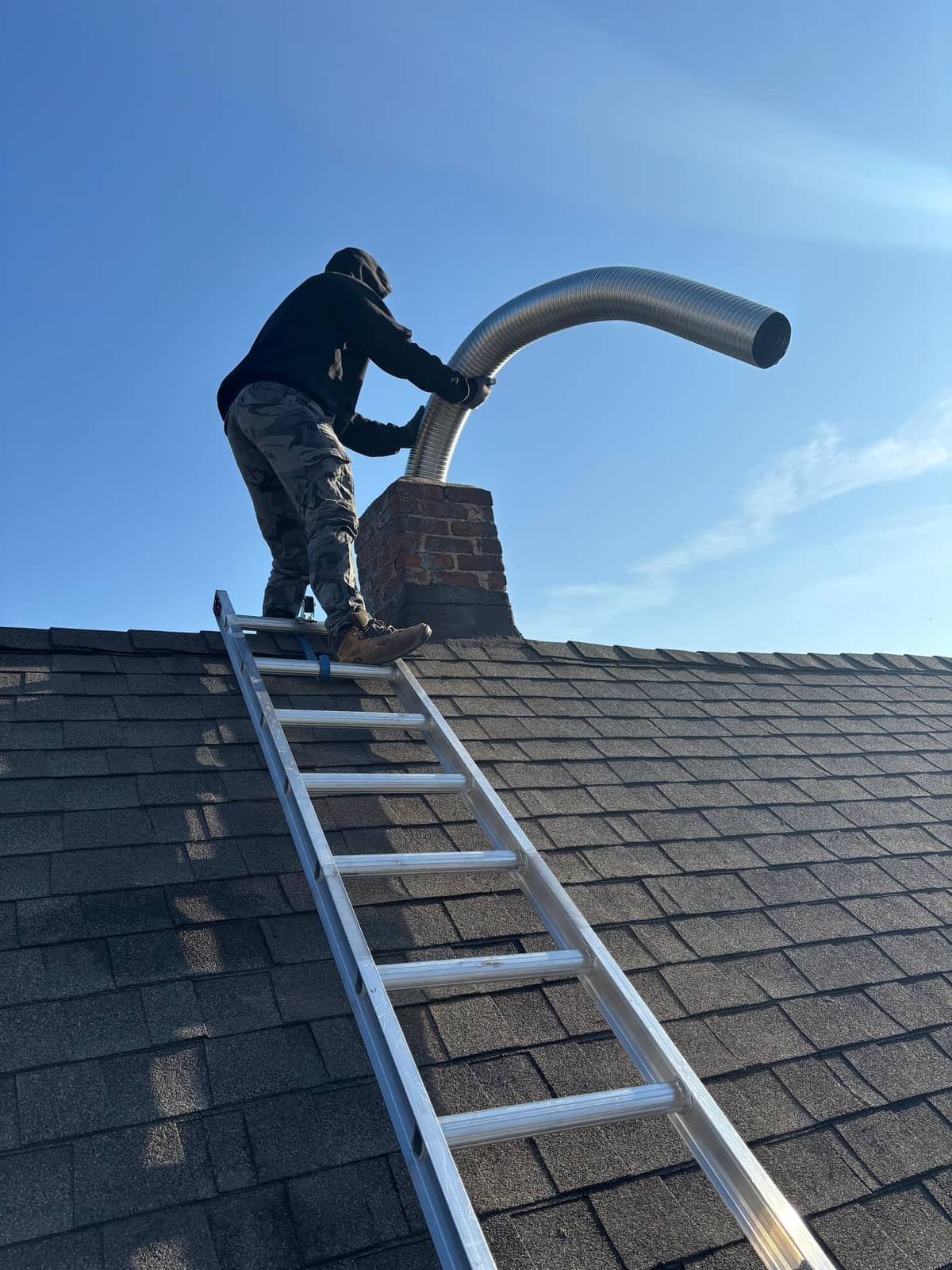
Chimney Repair for Vernon chimneys
Vernon chimneys live a hard life. Wood stoves and fireplaces are central to heating many homes here through long winters, and the masonry and liners take constant thermal stress from heavy use while the outside endures the longest freeze-thaw season in the state. Chimneys on ridgelines and lakefronts also face wind that strips caps and drives rain into the flue.
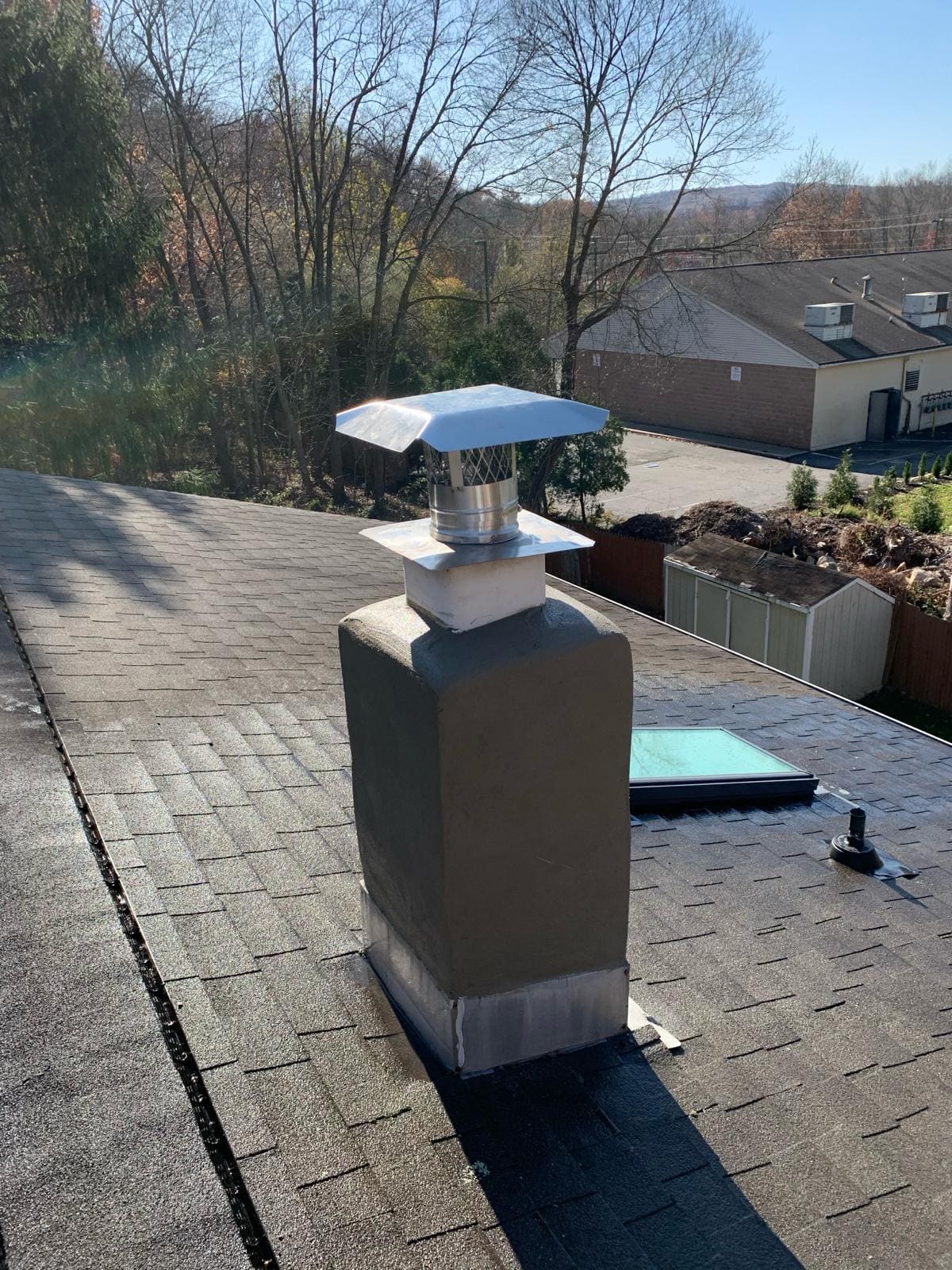
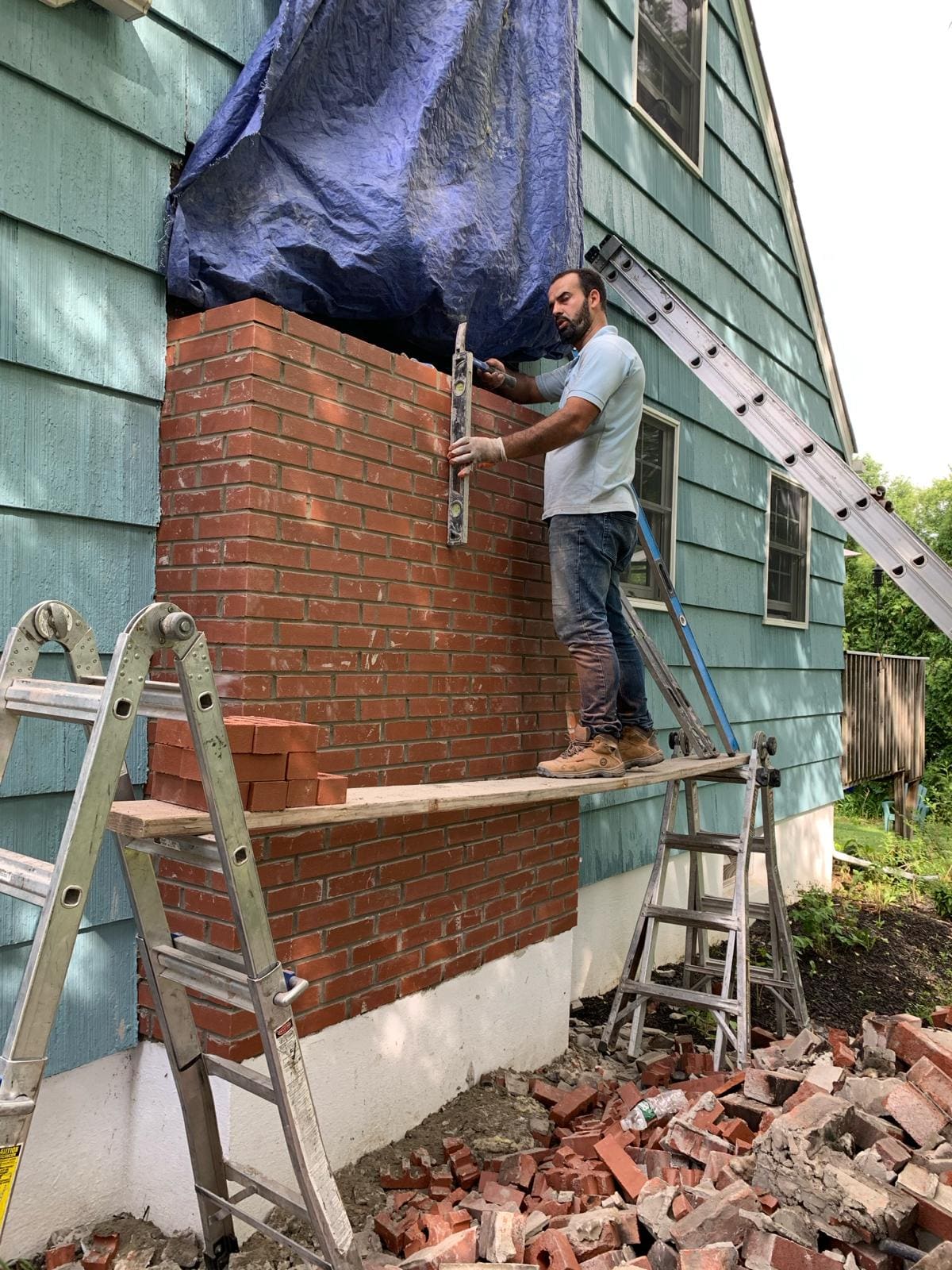
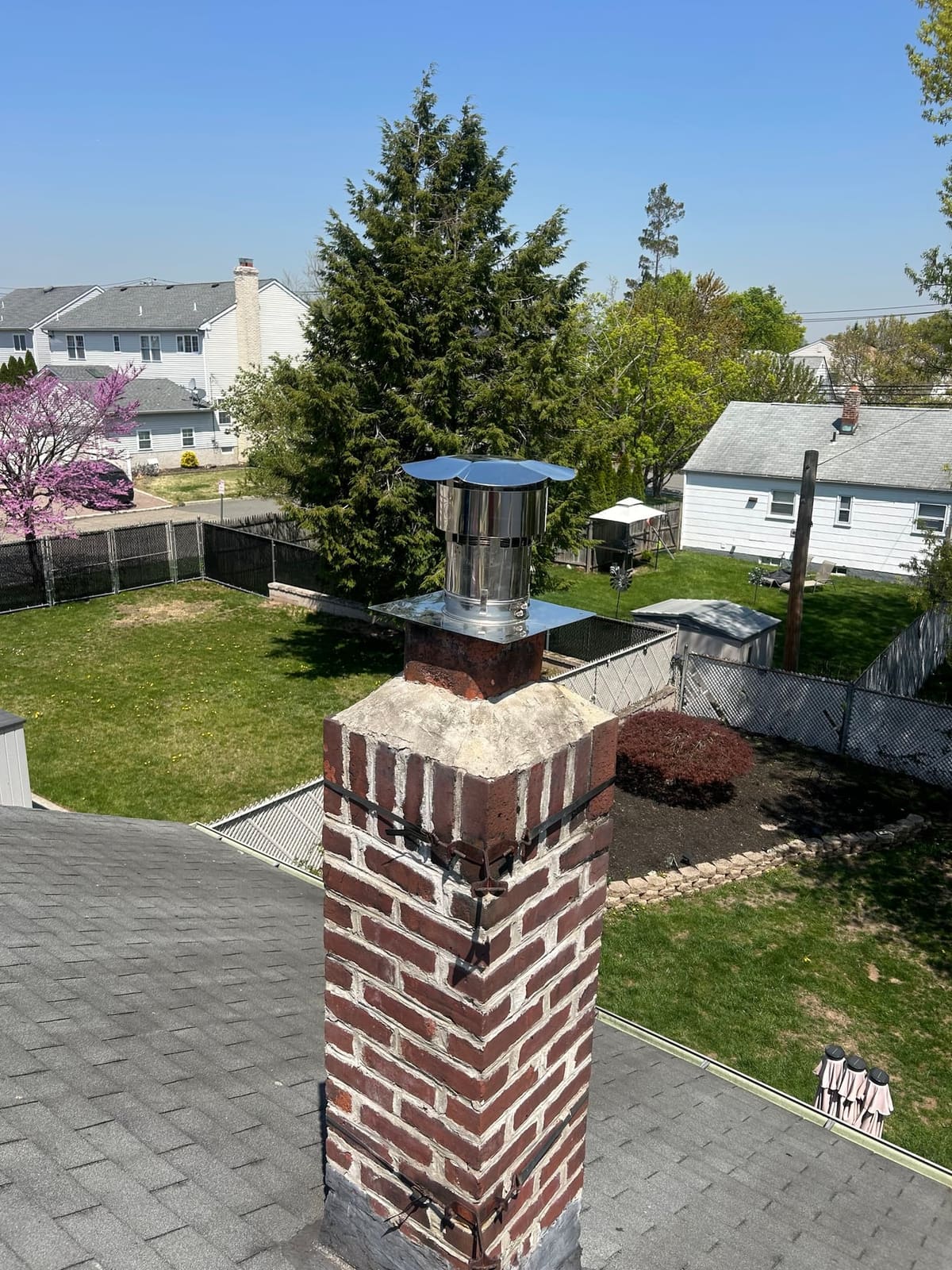
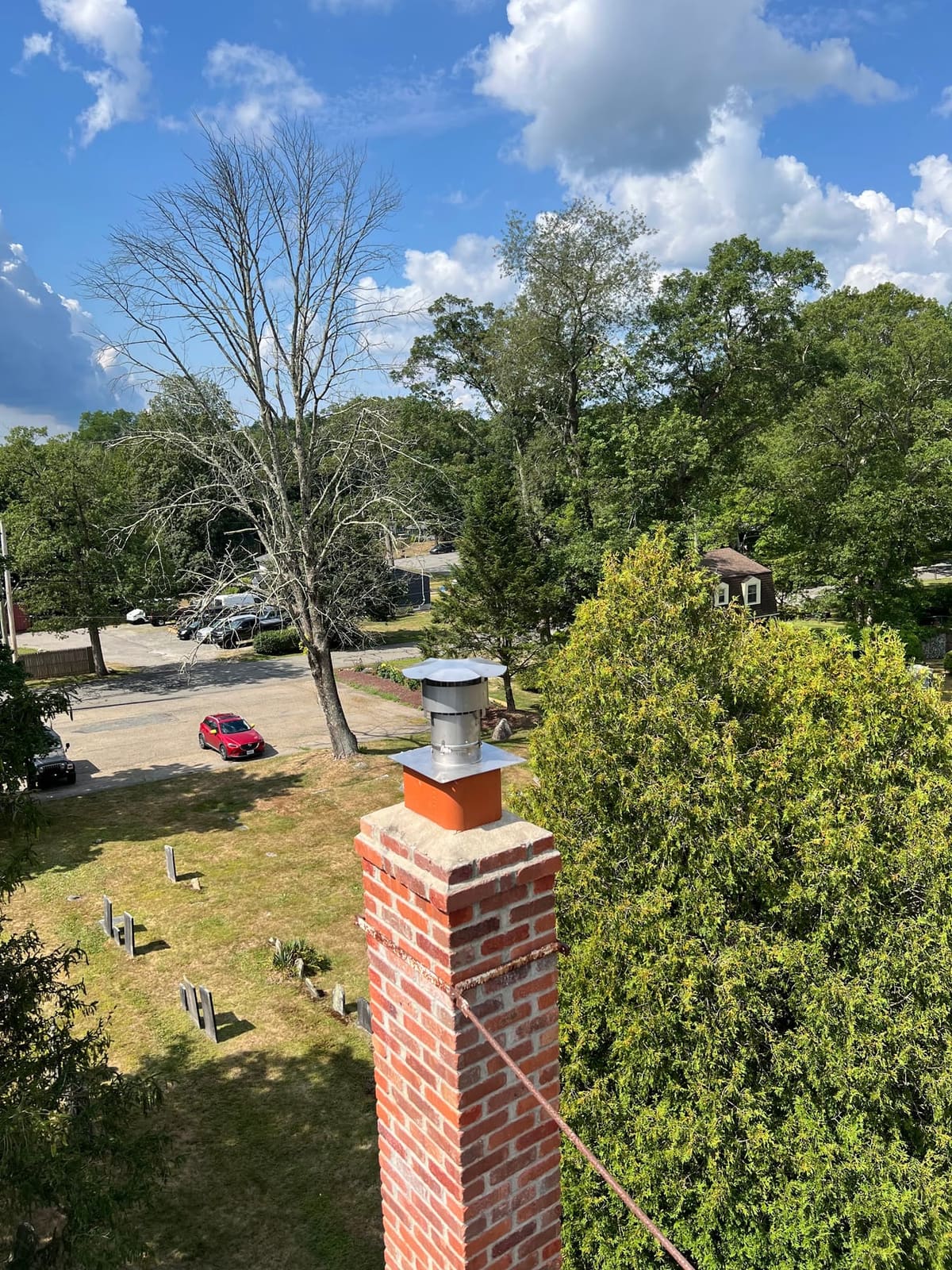
Asset Roofing & Chimney inspects, cleans, repairs, relines and rebuilds chimneys across Vernon Township. We repair crowns, replace caps, repoint and waterproof masonry, install stainless-steel liners sized to wood stoves and inserts, and rebuild the flashing where the chimney meets the roof. We are licensed and insured, and estimates are free.
Vernon housing
Vernon's homes range from lakeside cottages and A-frames built as vacation properties to 1970s through 2000s colonials, raised ranches and contemporaries on wooded lots. Many were converted from seasonal to year-round use, which means roofs and chimneys built for light duty now face full winters. Asphalt shingle roofs are the norm, with some metal on newer and rural homes.
Weather & exposure
Vernon's elevation and northern position bring the heaviest snow loads in the region and the longest freeze-thaw season. Roofs carry deep snow for weeks, ice dams form readily, and wind sweeps across ridges and open lake surfaces. Dense tree cover keeps shaded roofs damp and fills gutters, while summer thunderstorms add wind and limb damage.
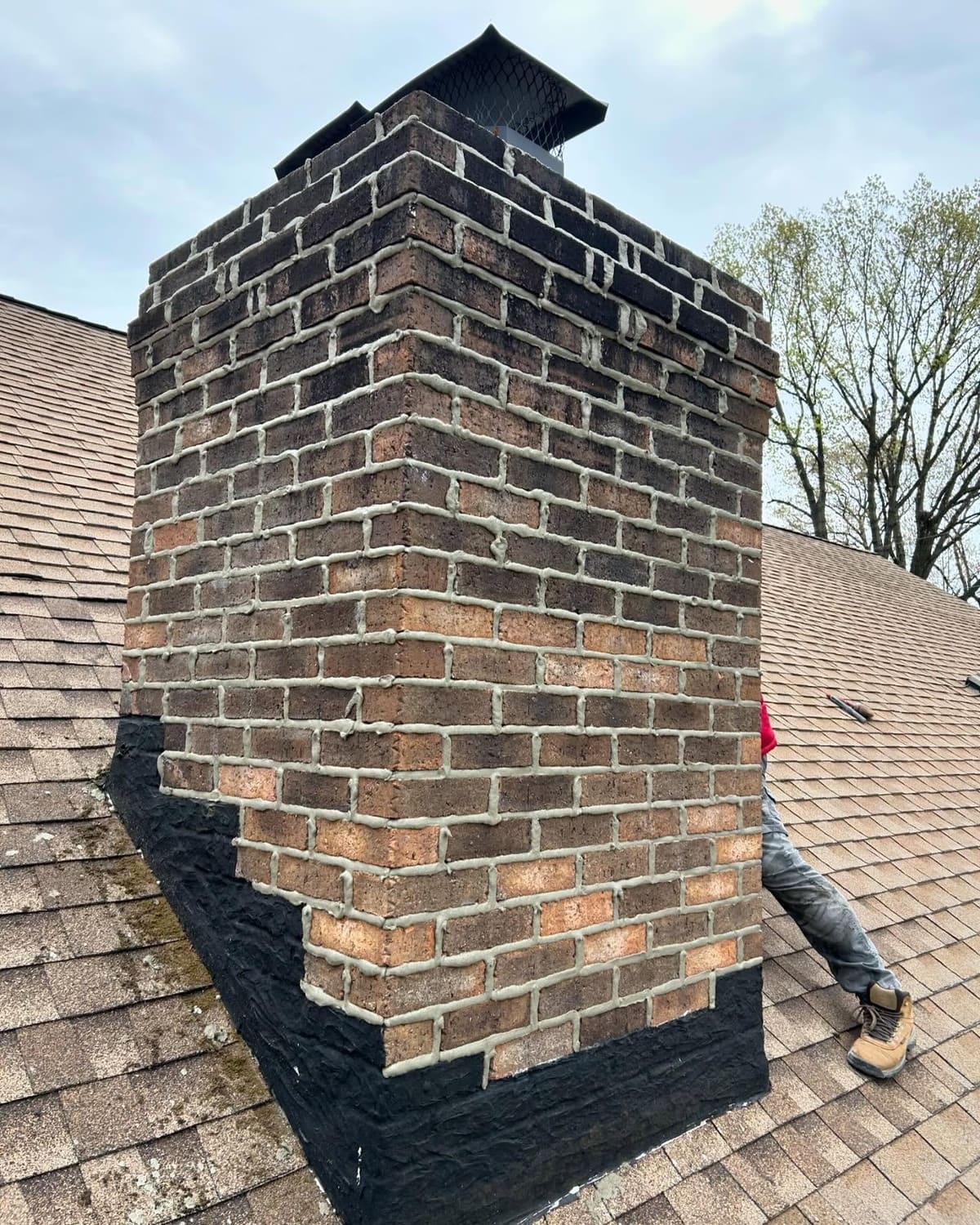
Repair, repoint or rebuild in Vernon
If you heat with wood in Vernon, have the chimney inspected and cleaned every year before the first fire, and more often if you burn heavily or burn softwood. Make sure any stove insert has a liner sized to its outlet; a stove venting into a large, unlined fireplace flue runs cool, builds creosote quickly and drafts poorly.
For exterior damage, early repointing and a new crown are far less expensive than a rebuild after water has been working inside the stack for several winters. After masonry repairs we recommend a breathable waterproofing treatment, which lets the brick dry out but keeps rain and meltwater from soaking in and refreezing. Caps should be sized and fastened for wind exposure on ridges and lakefronts.