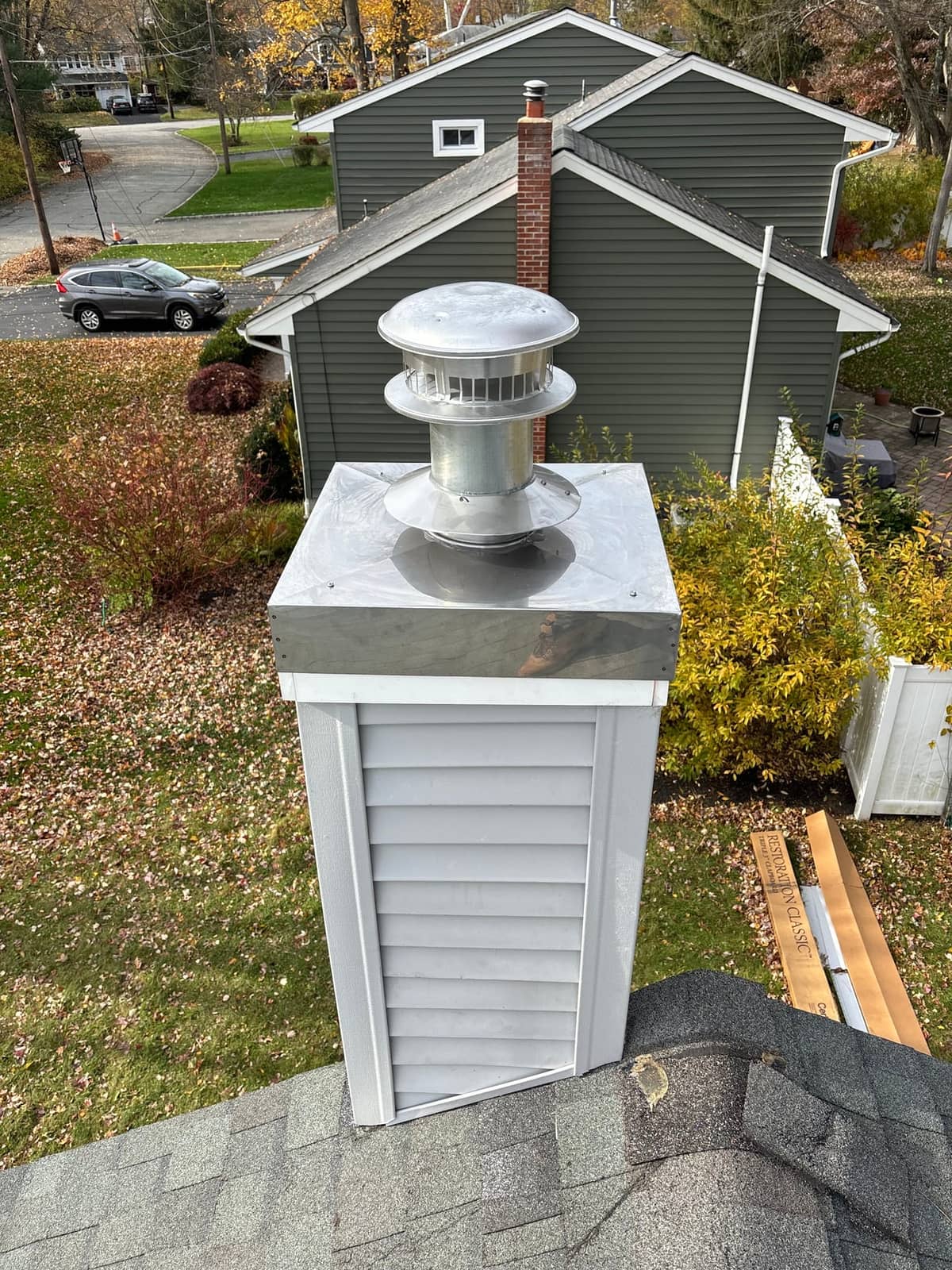
Chimney Repair for Plainfield chimneys
Plainfield's Victorian and early-twentieth-century houses were built with multiple fireplaces and tall, decorative chimneys: corbelled caps, recessed panels and stacks that rise well above steep roofs. Those decorative tops are also the parts most exposed to weather, and after a century or more many have open joints, loose corbels and cracked crowns.
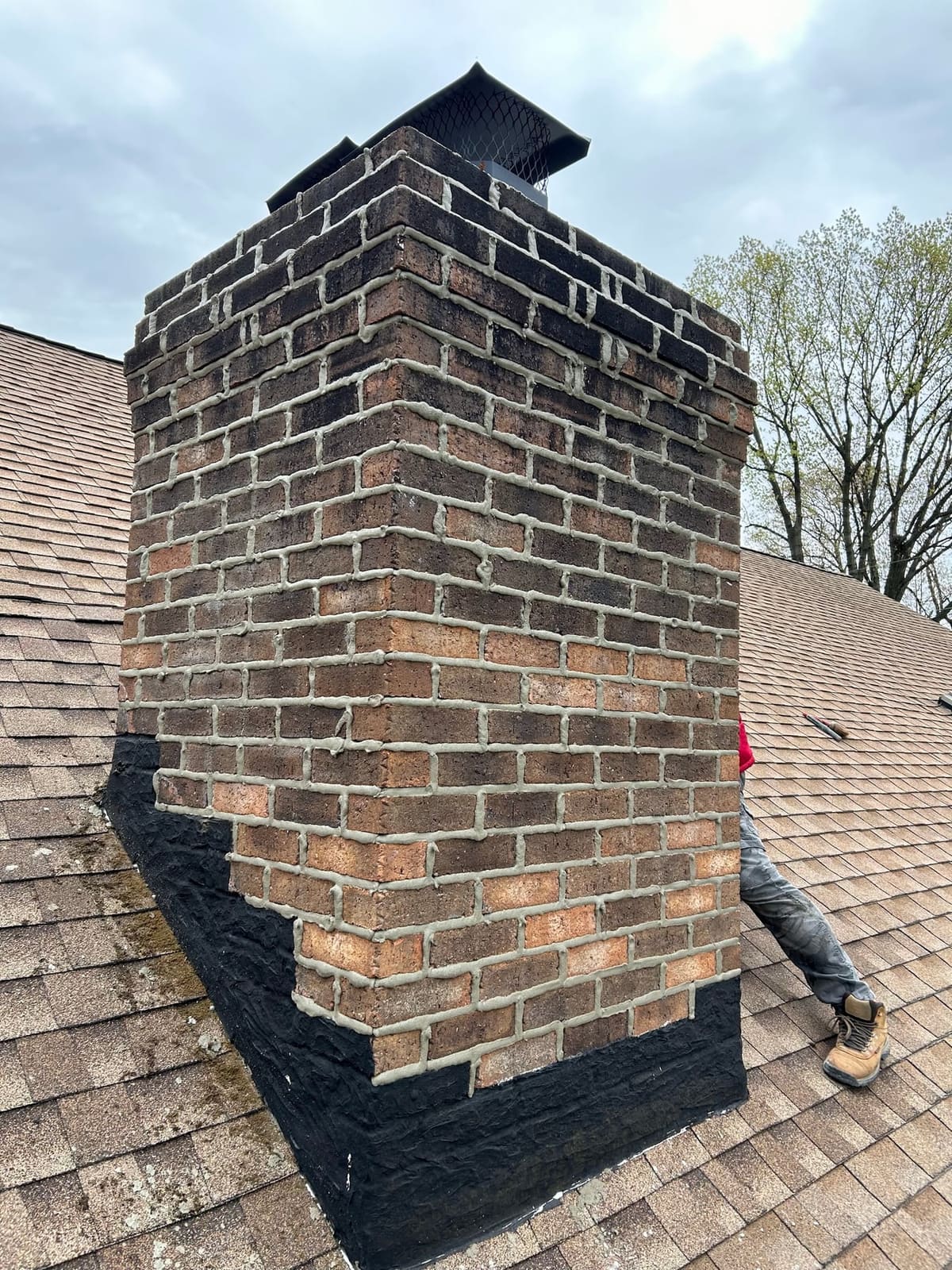
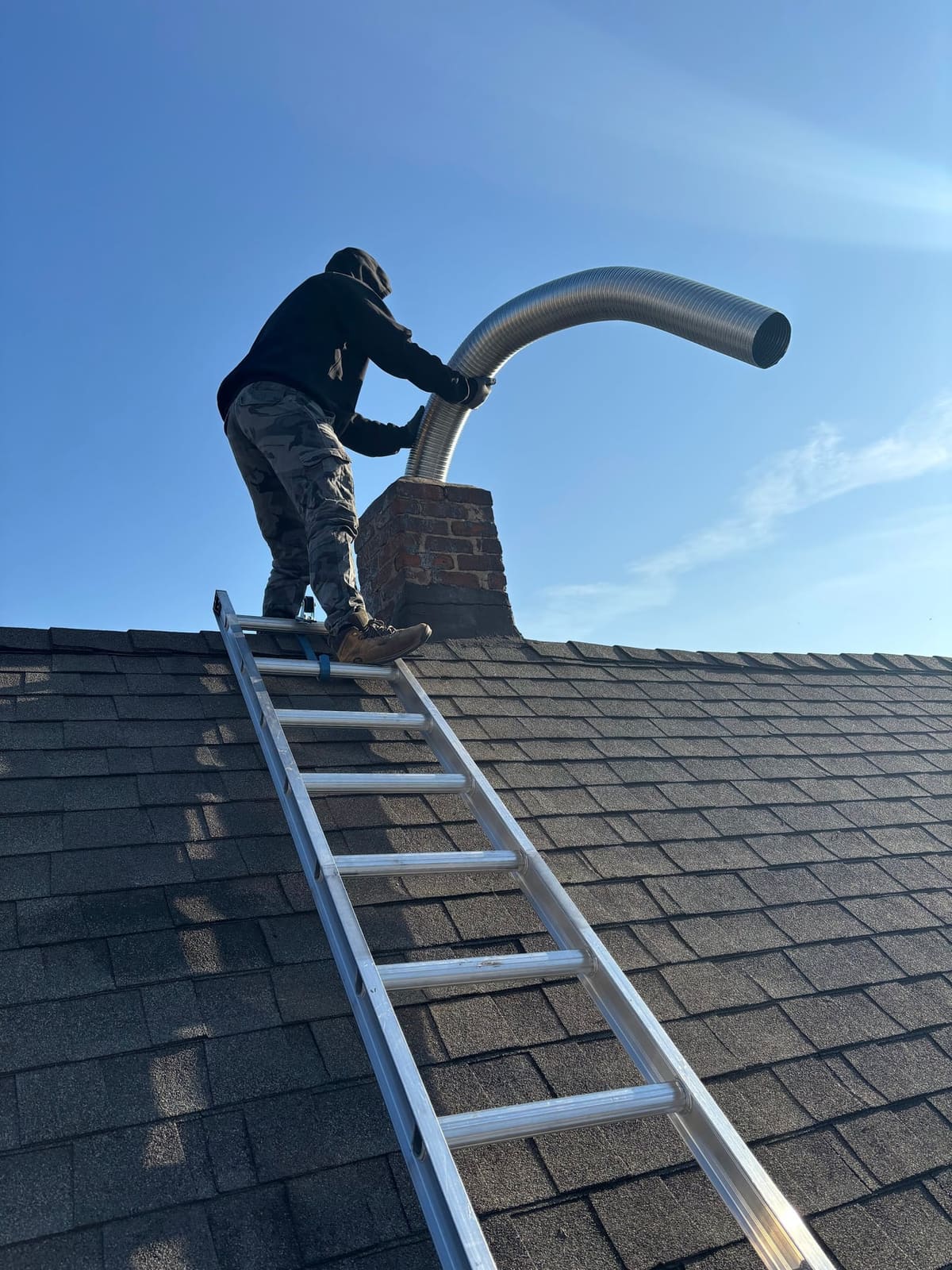
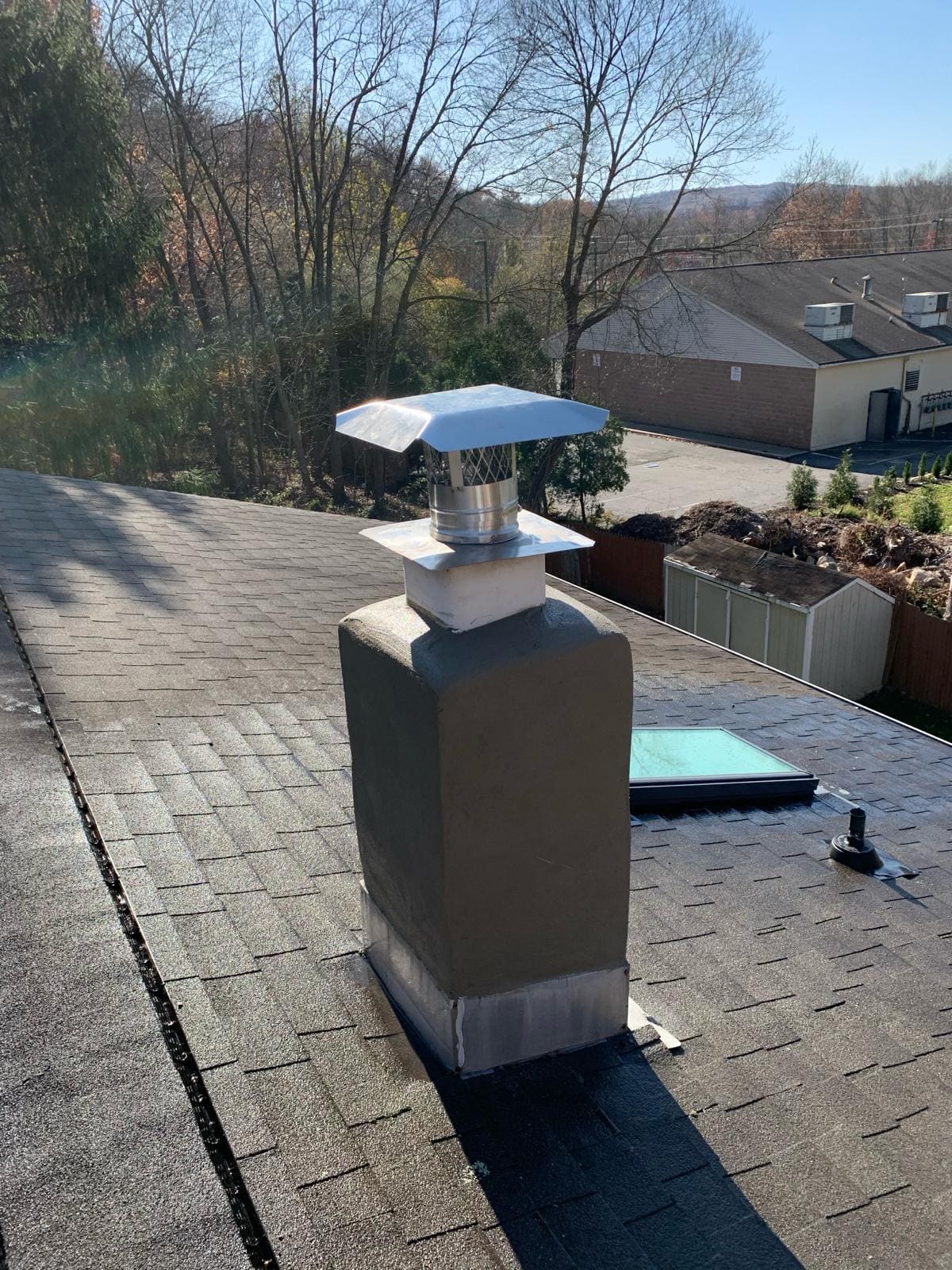
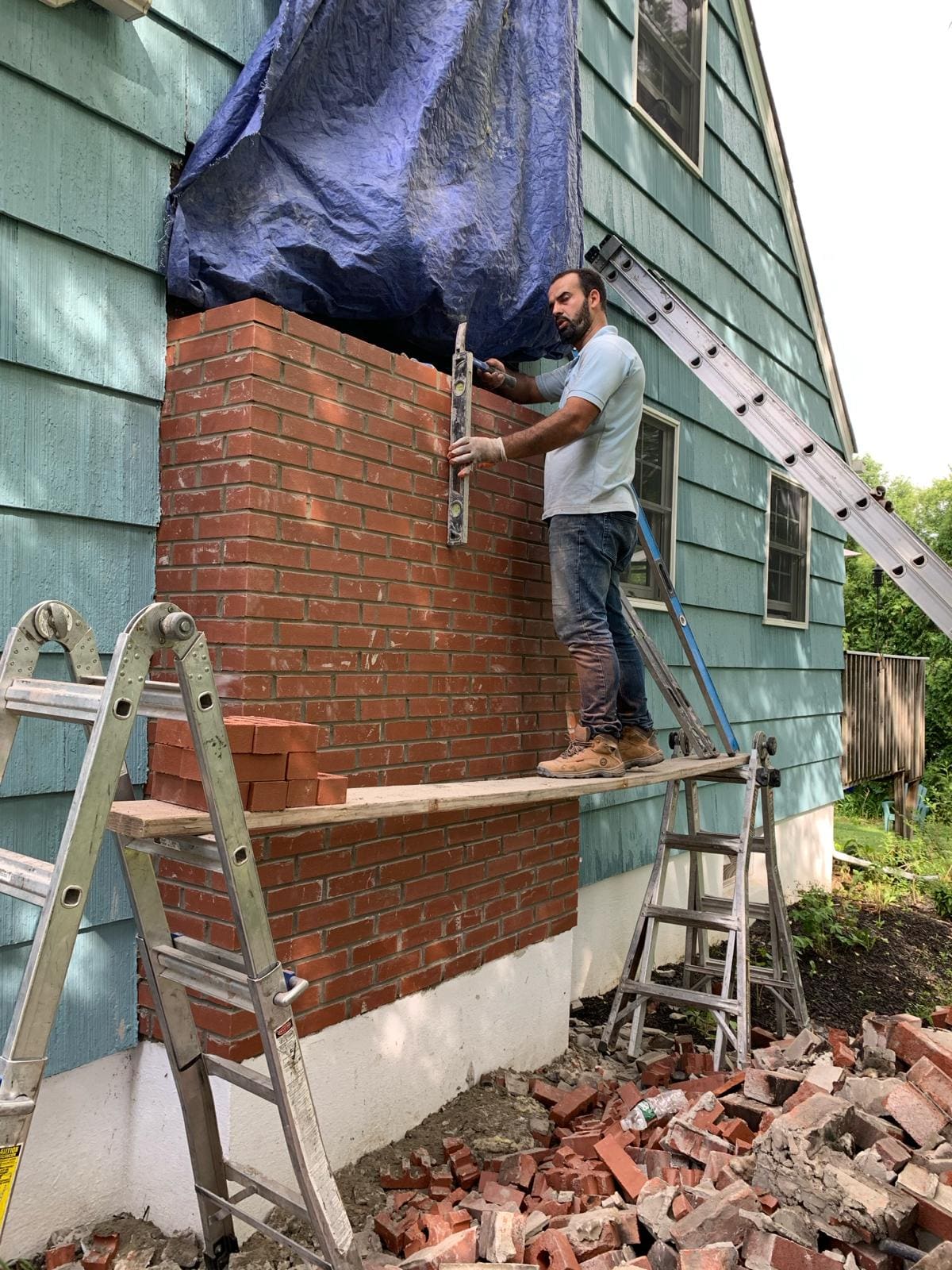
We repair chimneys throughout Plainfield: repointing, rebuilding deteriorated tops with brick matched as closely as practical, new crowns and caps, flashing, stainless steel liners, waterproofing and cleaning. Many houses have flues that have not been used in decades and others serving modern gas appliances, and each needs a different approach.
Where large houses have been divided into apartments, a single chimney may serve several units' heating appliances. We inspect each flue and give owners a written scope that covers safety as well as water.
Plainfield housing
Plainfield's housing is unusually old and large for the county: late-1800s and early-1900s Queen Annes, Second Empire houses with mansard roofs, Colonial Revivals, shingle-style houses and Tudors, many on generous lots. Some keep slate on their steepest planes or mansards. Many large houses have been divided into apartments, and two-families, brick walk-ups and a downtown of older masonry commercial buildings with flat roofs make up much of the rest.
Weather & exposure
Plainfield lies on flat ground below the Watchung ridge, so it is sheltered from the worst ridge wind but heavily shaded by old street trees. Leaves and debris load the valleys, built-in gutters and porch roofs of its Victorians, and north slopes hold snow and form ice dams. Freeze-thaw and a century or more of weather work on tall, ornamental chimneys and on the parapets of downtown buildings.
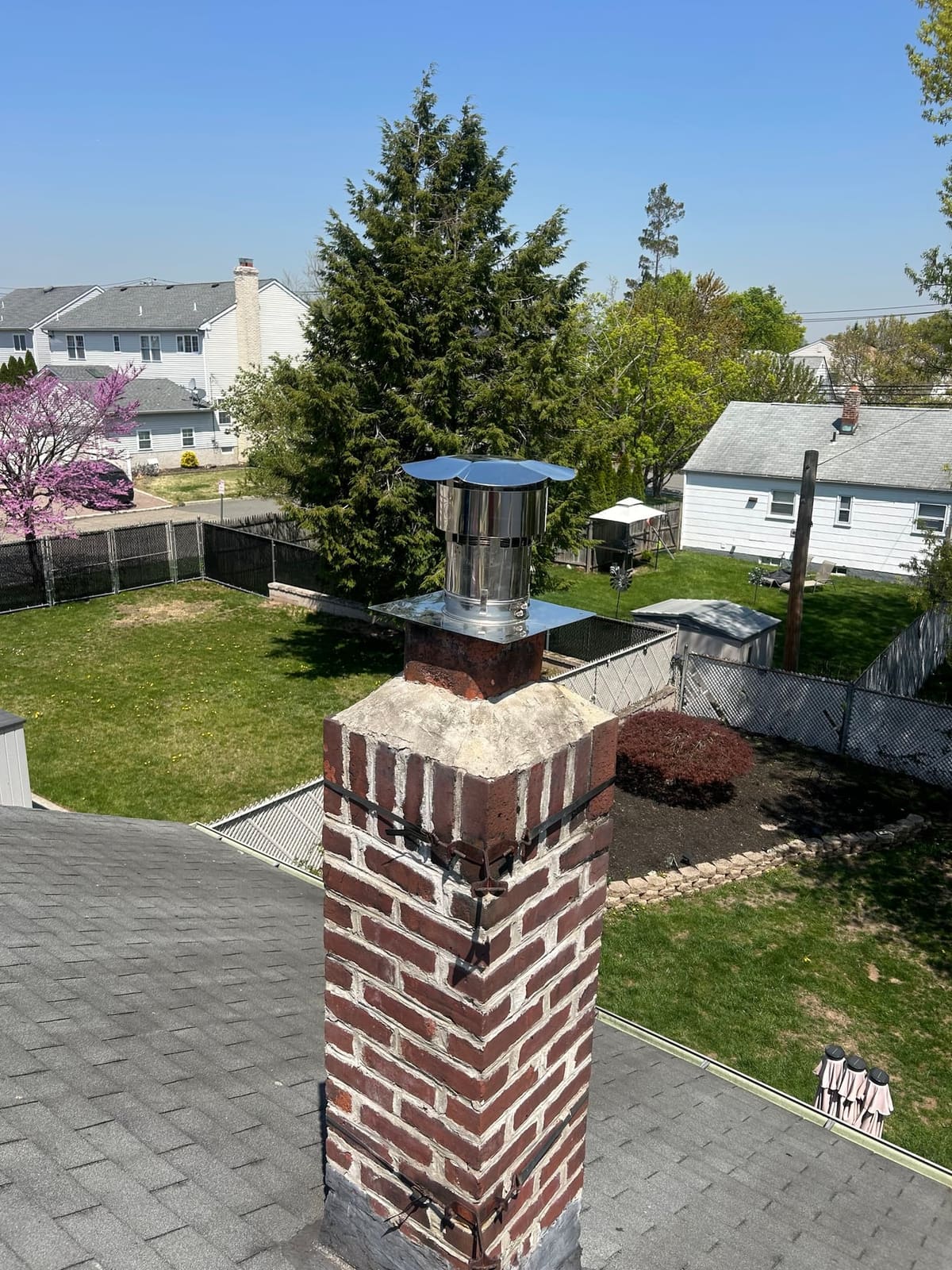
Repair, repoint or rebuild in Plainfield
Start with an inspection covering the decorative top, crown, brick, joints and flashing outside and each flue inside. On a historic house we discuss which repairs preserve the original appearance and which change it, so you can check with the city where needed. You get photos and a written scope.
If some fireplaces are used and others are not, treat them differently: inspect and clean the working flues regularly, and cap or seal the rest so they stay dry.