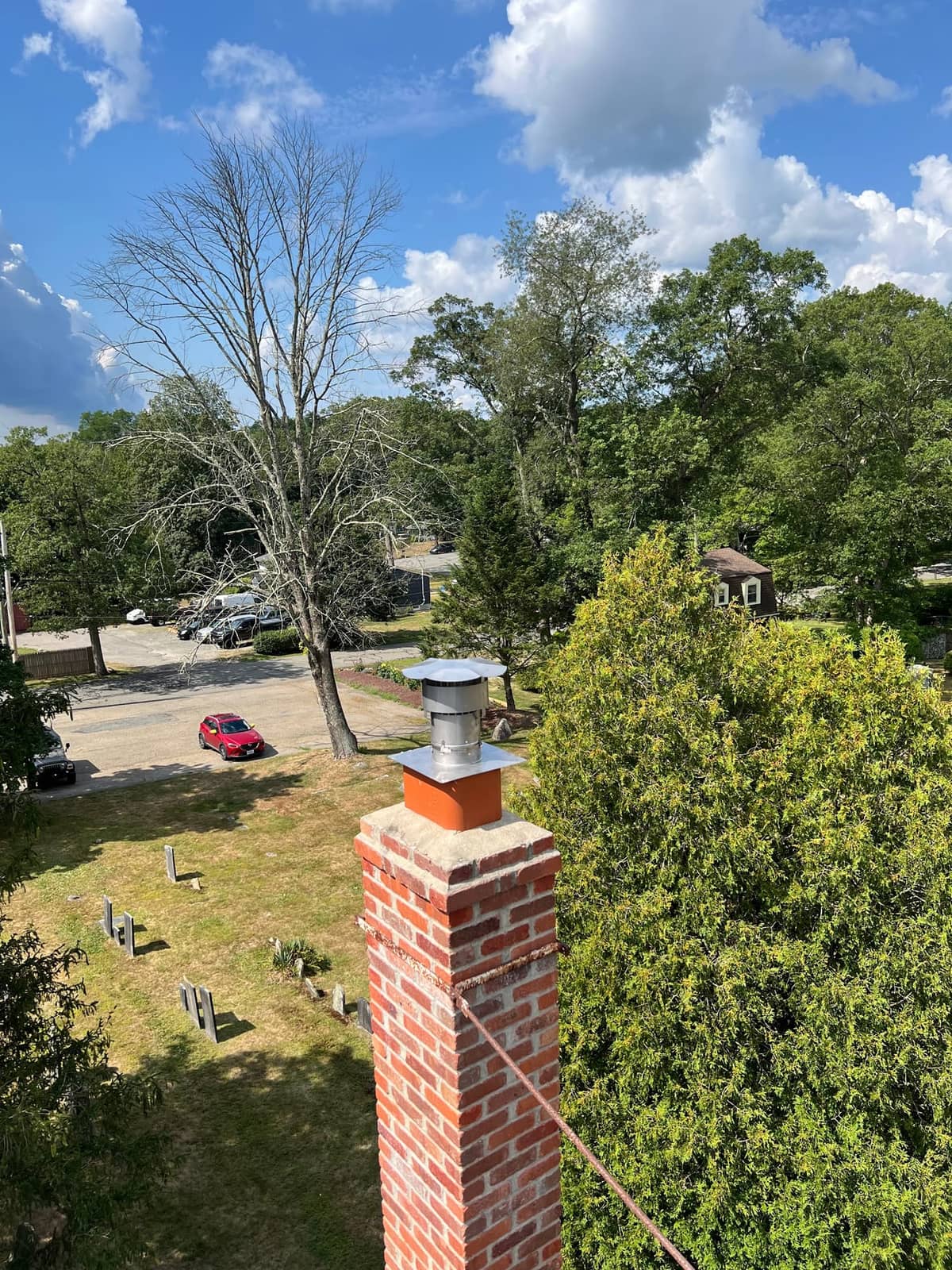
Chimney Repair for Knowlton chimneys
Knowlton chimneys work hard. Wood stoves and fireplaces are a real heat source in much of the township, and the masonry has to stand up to months of firing on the inside and river-valley wind, damp air and freeze-thaw on the outside. The village homes and farmhouses have old brick chimneys laid in soft lime mortar, while later rural homes have masonry fireplaces with modern mortar or prefab units in framed chases.
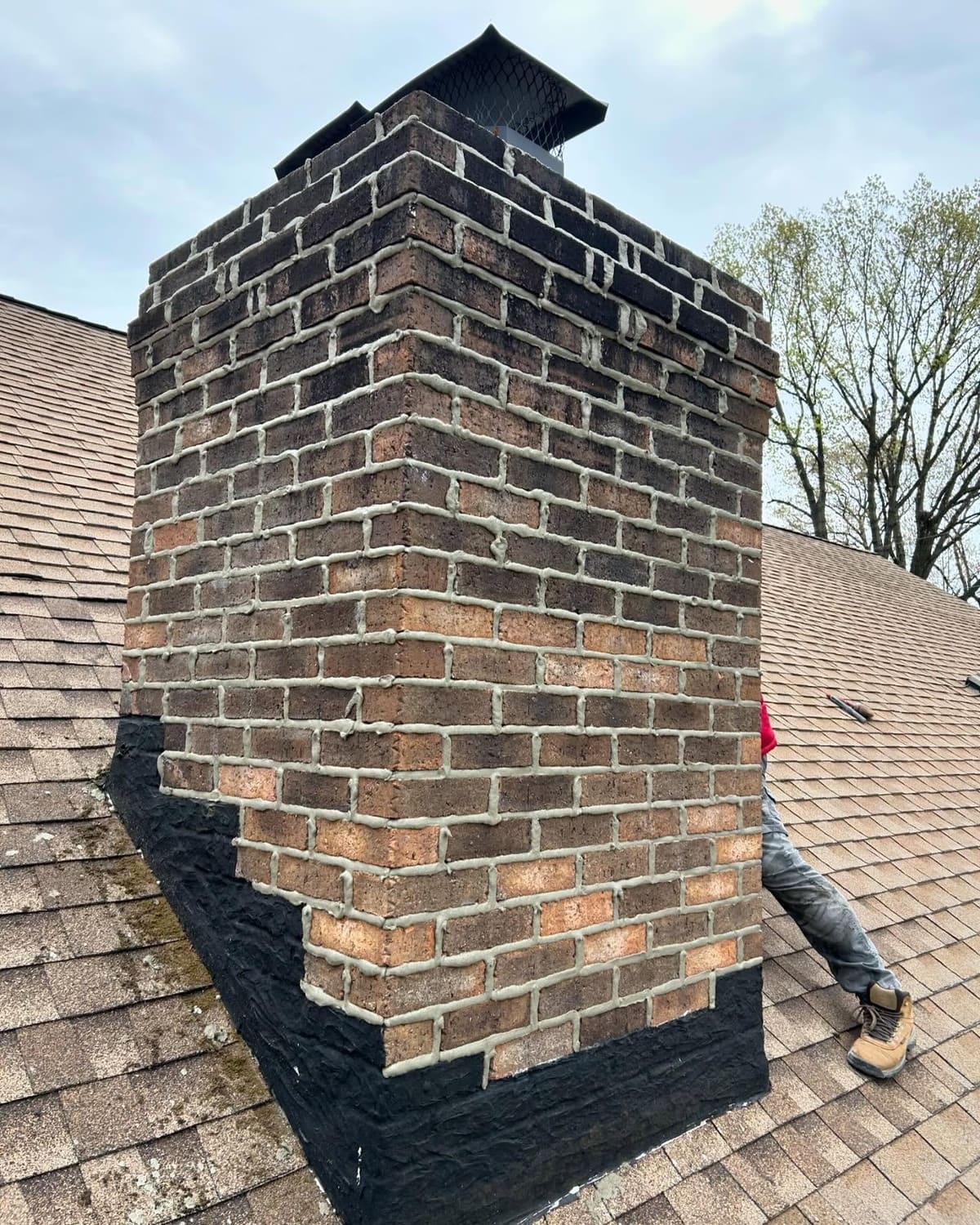
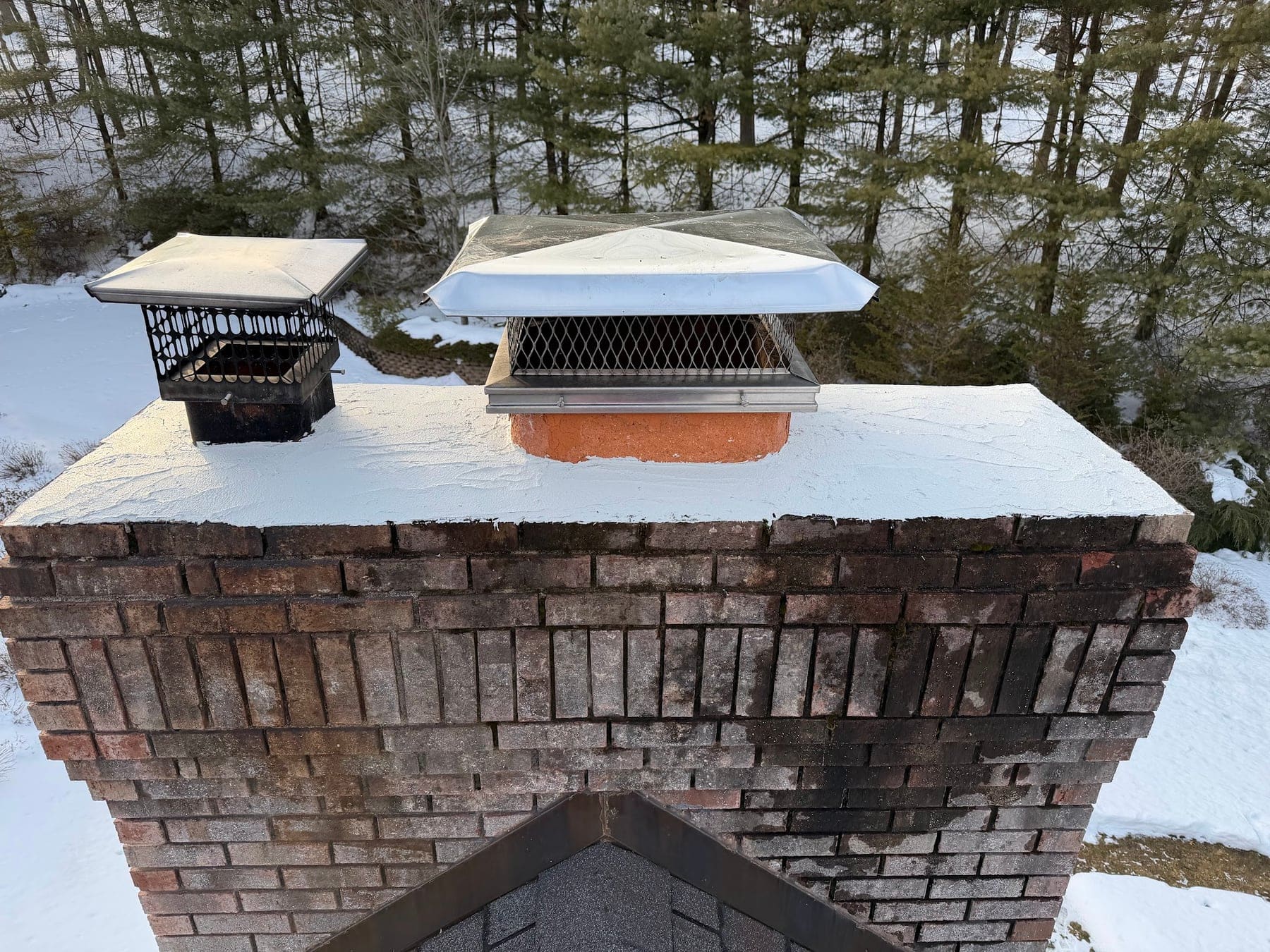
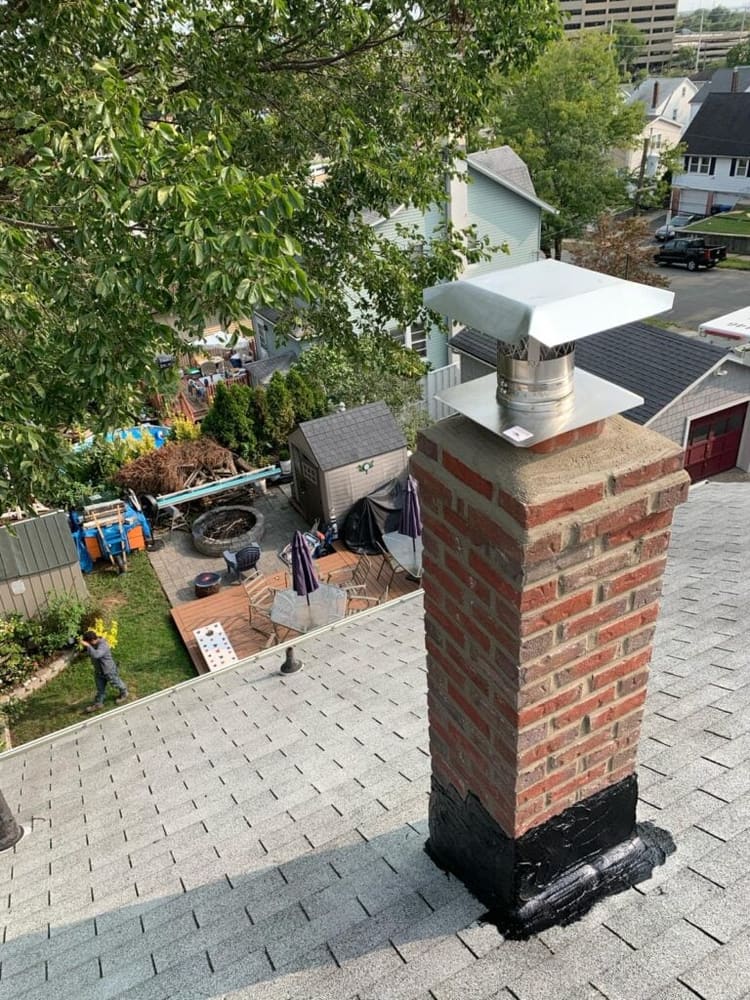
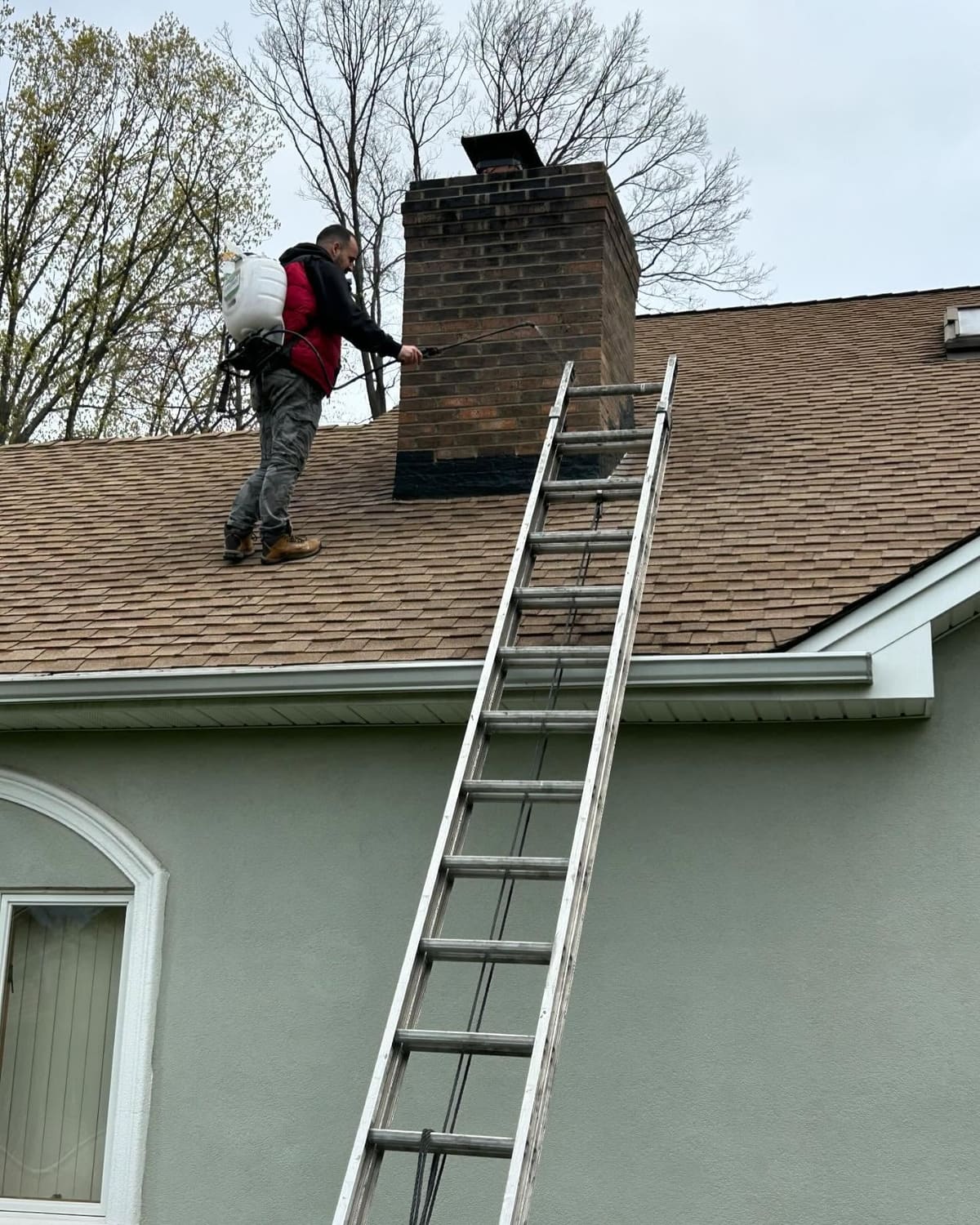
Asset Roofing & Chimney inspects, cleans, repairs, relines and rebuilds chimneys throughout Knowlton. We rebuild crowns, install caps, repoint and waterproof masonry, replace chase covers, rebuild flashing and install stainless-steel liners sized to stoves, inserts and fireplaces. We are licensed and insured, and estimates are free.
Knowlton housing
Knowlton's housing is spread thin across a large rural township. The river villages hold 1800s and early-1900s frame homes with steep roofs, porches and old brick chimneys, while the farms carry farmhouses and outbuildings of similar age. Later homes from the 1960s onward sit on large lots along the rural roads, mostly with asphalt shingle roofs. Some farm buildings and custom homes have standing-seam metal. Wood heat is common throughout.
Weather & exposure
The Delaware River corridor and the Water Gap funnel wind along the valley, and the open hillsides above it have little shelter. River fog and damp air settle in the low ground near the Delaware and Paulins Kill, while the higher ground near the Kittatinny Ridge holds snow longer. Winters are long and cold, and wooded lots add shade, moss and falling limbs in summer storms.
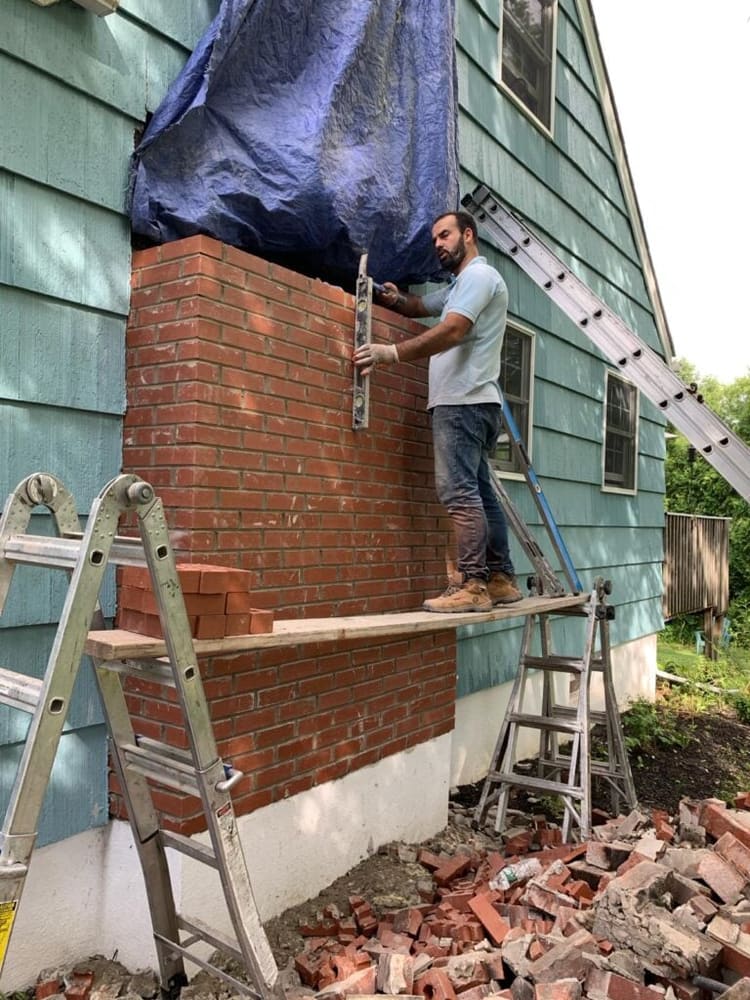
Repair, repoint or rebuild in Knowlton
If you burn wood in Knowlton, an annual inspection and cleaning before the heating season is basic maintenance, and heavy burning may call for more. Confirm that any stove or insert vents through a liner sized to it. A chimney that has had a fire, or one with cracked clay tiles, should not be used until it has been inspected and relined if needed.
Outside, the order of priority is stopping water. That means a sound crown with an overhang, a cap on every flue, repointed joints and flashing that is properly let into the masonry. On older chimneys we use mortar suited to soft historic brick, then apply a breathable water repellent once the repairs have cured.