Chimney Repair for Lyndhurst chimneys
Most of Lyndhurst's older houses have a brick chimney, and on the two-family homes it is usually a multi-flue chimney serving two heating systems. Those chimneys were built for coal or oil, many have original clay tile liners, and many were never relined when the heating was converted to gas. The damp air from the river and the marshes, combined with freeze-thaw, is hard on the crown, the cap and the mortar above the roofline.
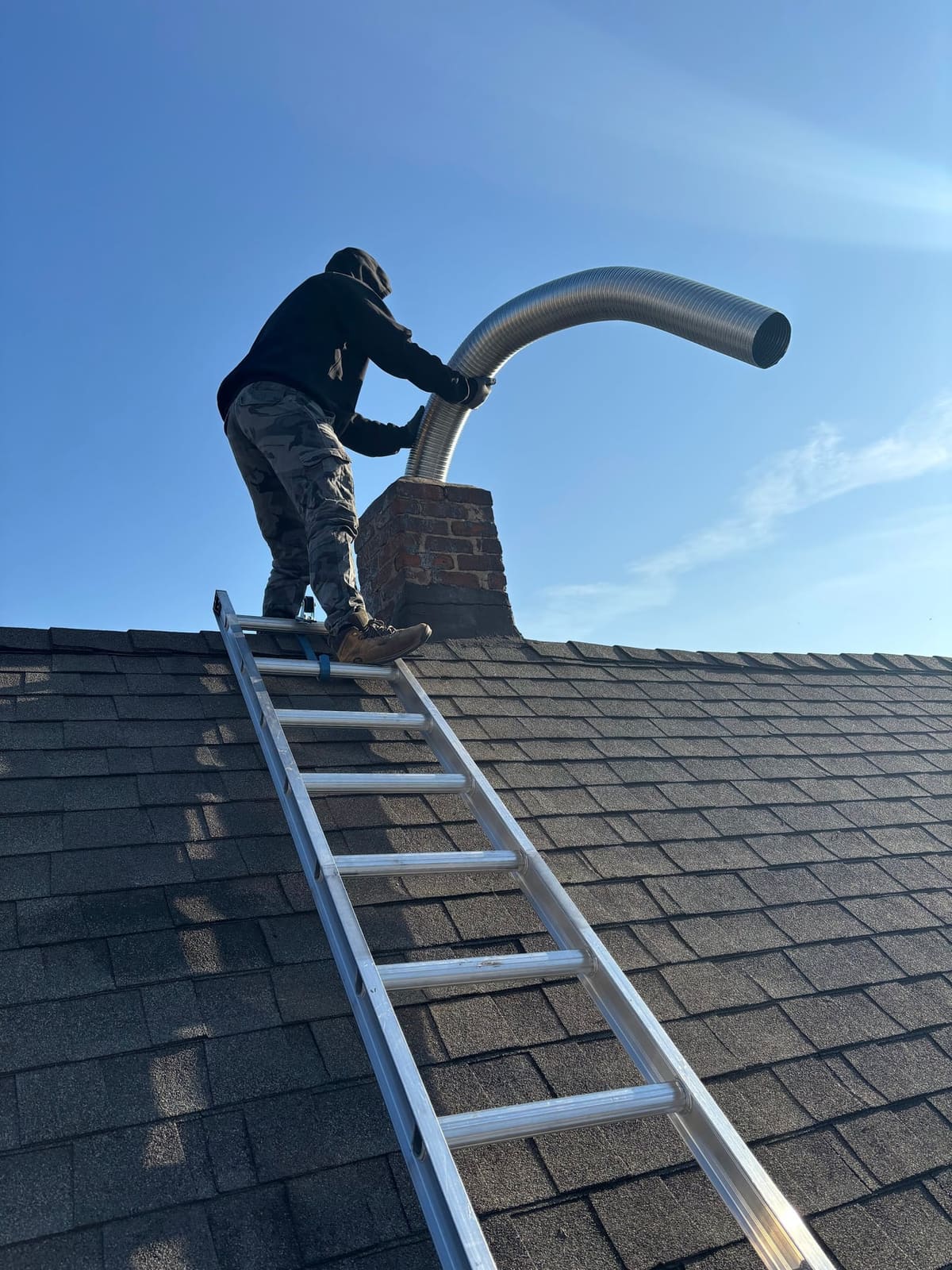
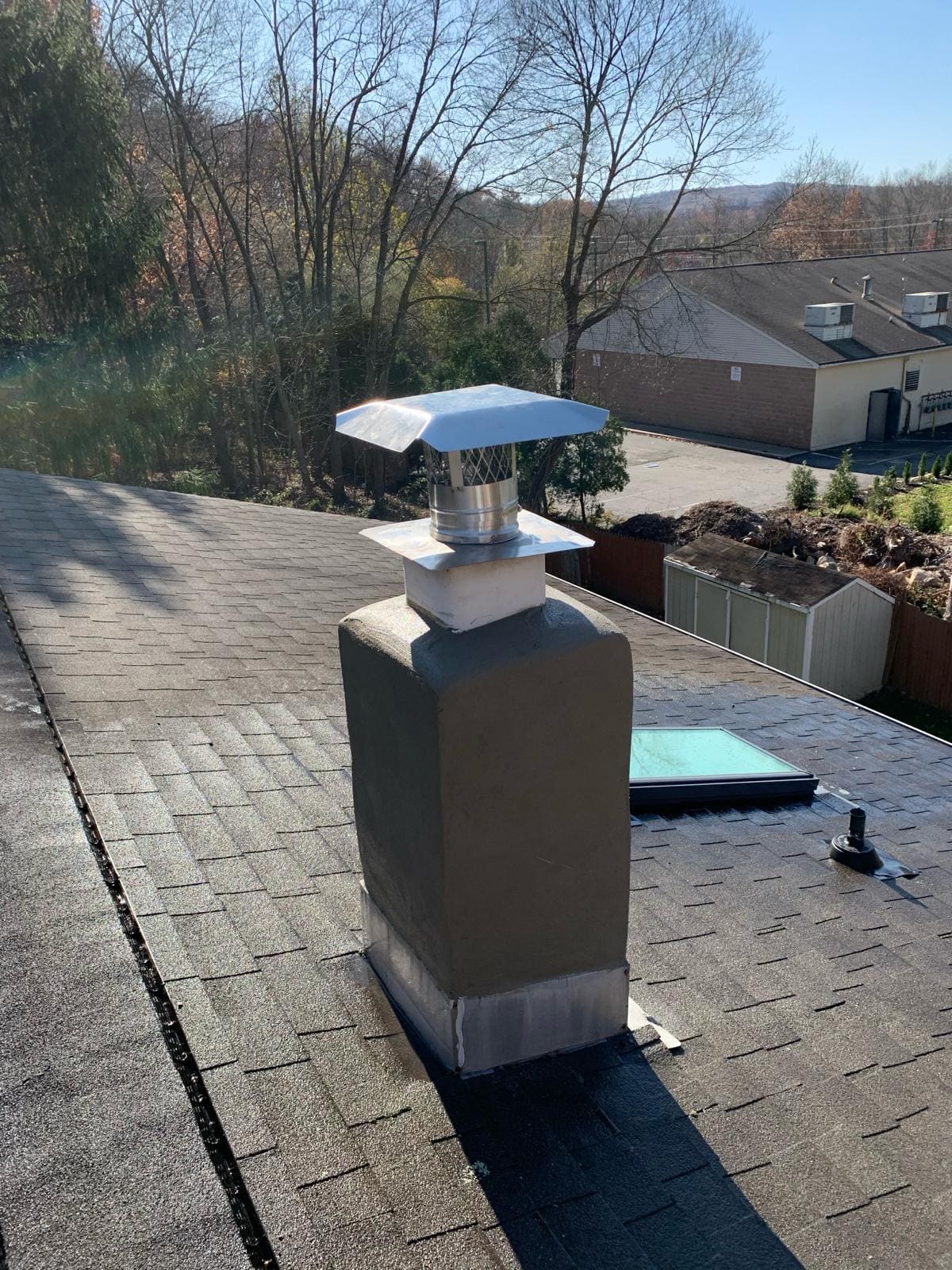
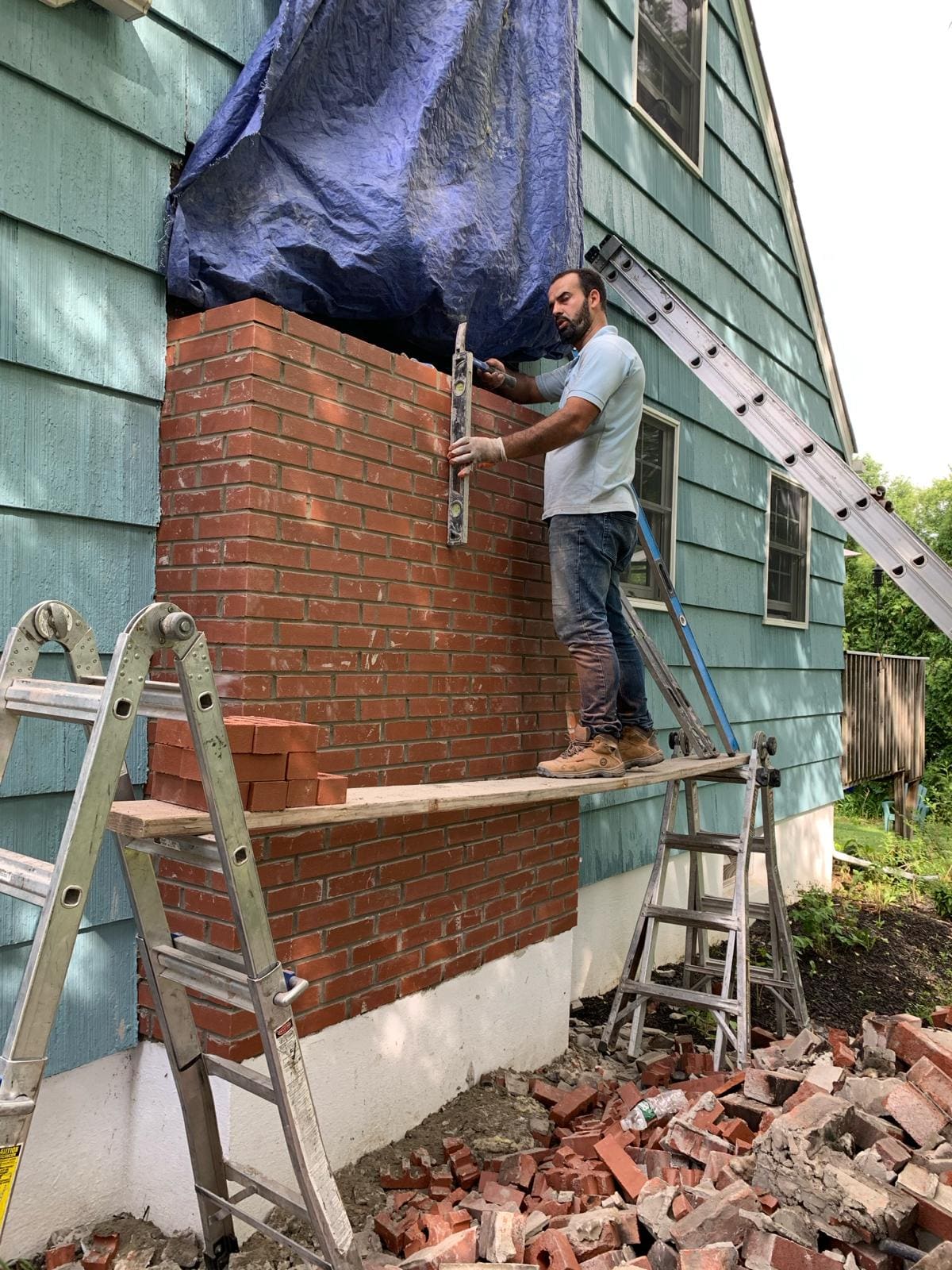
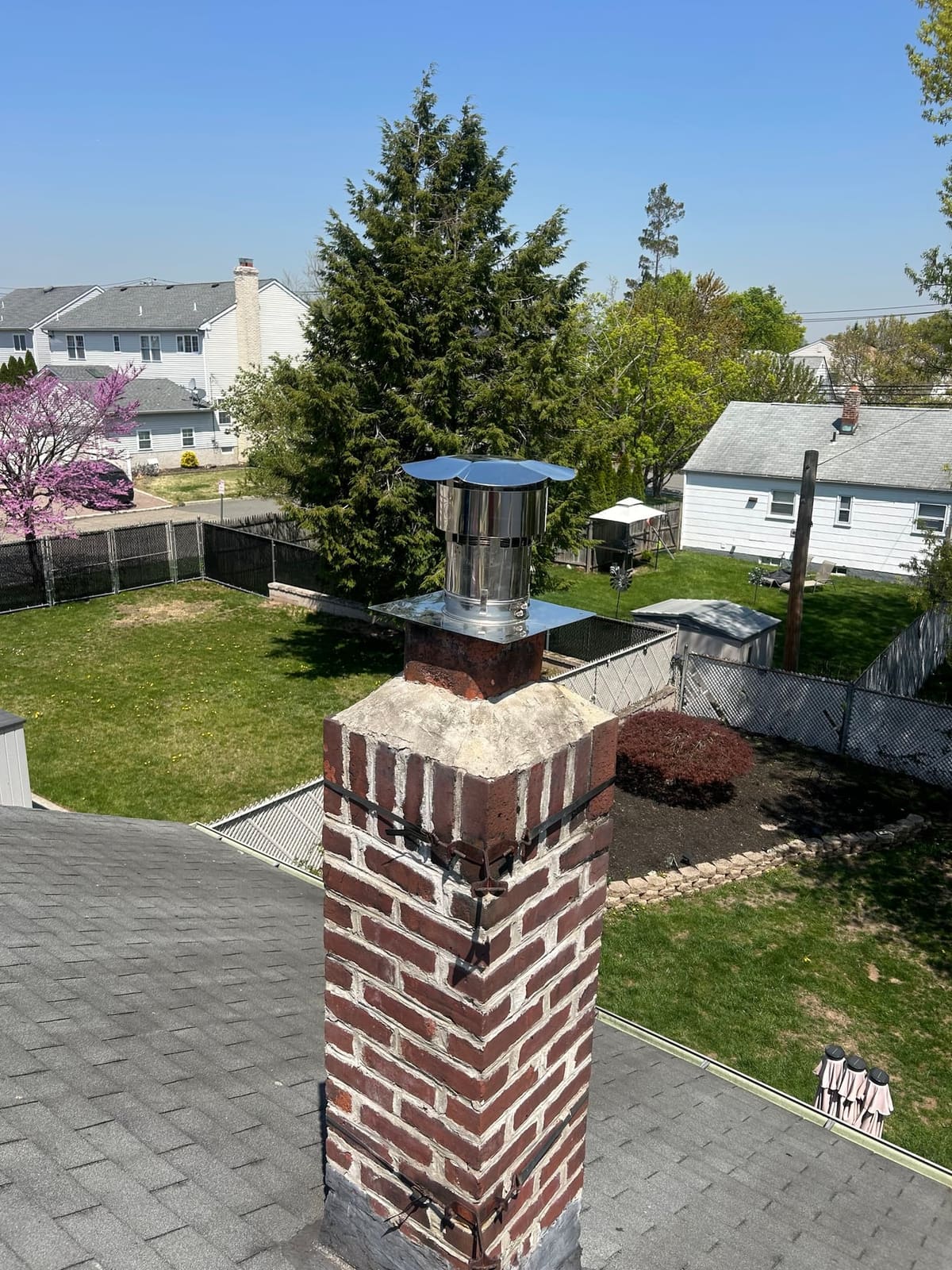
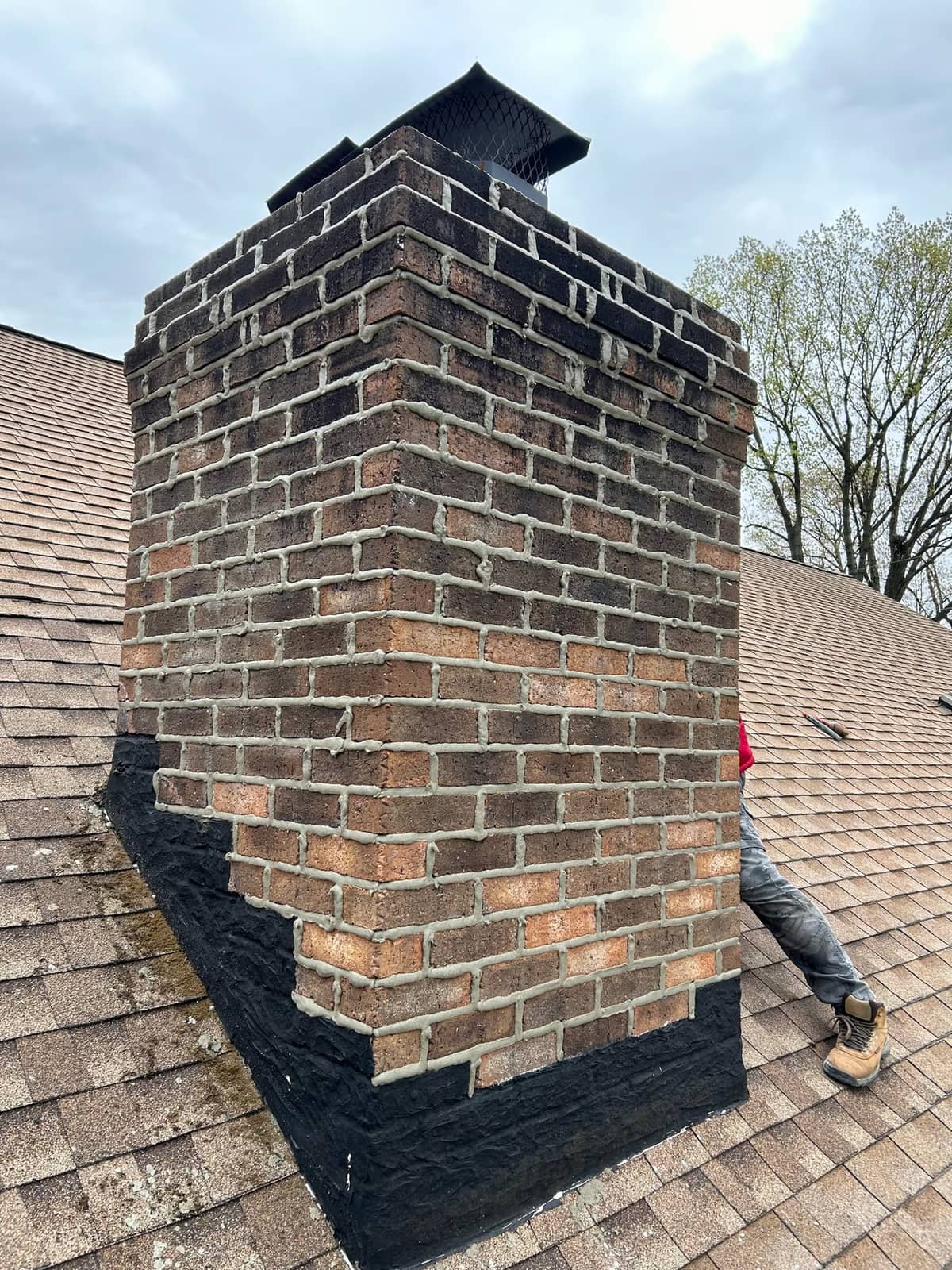
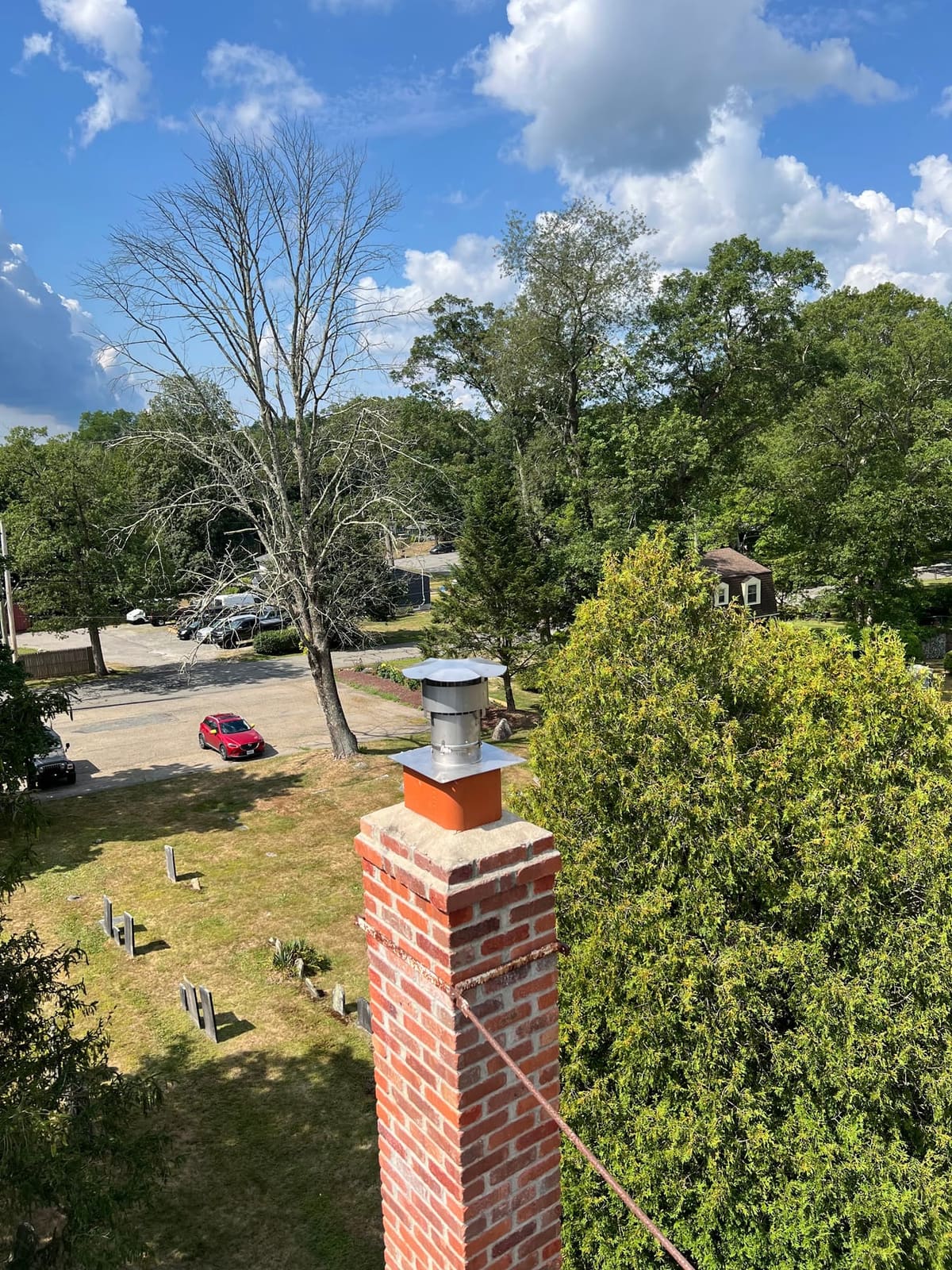
There is a second pattern worth knowing about. When an older furnace or boiler is replaced with a high-efficiency unit that vents through the side wall, the chimney is often left with no appliance at all, or with only a water heater. An unused chimney still takes on weather, and without a sound crown and cap it keeps deteriorating until brick loosens. We inspect, clean, reline, rebuild crowns, install caps, repoint, waterproof and reflash, and we can advise whether an unused chimney should be capped and maintained or reduced.
Lyndhurst housing
Western Lyndhurst is built up with closely spaced single-family and two-family homes, a large share dating from the early 1900s through the 1950s. Most are frame houses with pitched asphalt shingle roofs, front porches, rear additions and brick chimneys, mixed with some later infill and small apartment buildings. Commercial and mixed-use buildings line Ridge Road and Stuyvesant Avenue, and the Meadowlands portion of the township holds office, warehouse and light-industrial buildings with large flat roofs.
Weather & exposure
Lyndhurst sits between the Passaic River on the west and the open Meadowlands on the east. The marshland does little to slow wind coming across from the east, so commercial roofs on the Meadowlands side and houses on higher ground near Ridge Road see more gusts than sheltered inland blocks. Low-lying areas near the river and the marshes deal with flooding and persistent dampness, and that humid air, combined with winter freeze-thaw, works steadily on older masonry.
Repair, repoint or rebuild in Lyndhurst
Have a Lyndhurst chimney inspected if you see a cracked crown, a missing cap, white staining, loose brick, or pieces of tile at the base of the flue, or if the house was converted to gas without relining. Most repairs are exterior masonry work. If your heating system no longer uses the chimney, ask us whether it still needs a liner for the water heater or simply needs to be capped and kept sound.
If you are planning a roof replacement, have the chimney repaired first or as part of the same job, so the new flashing seals against solid masonry. Estimates are free.