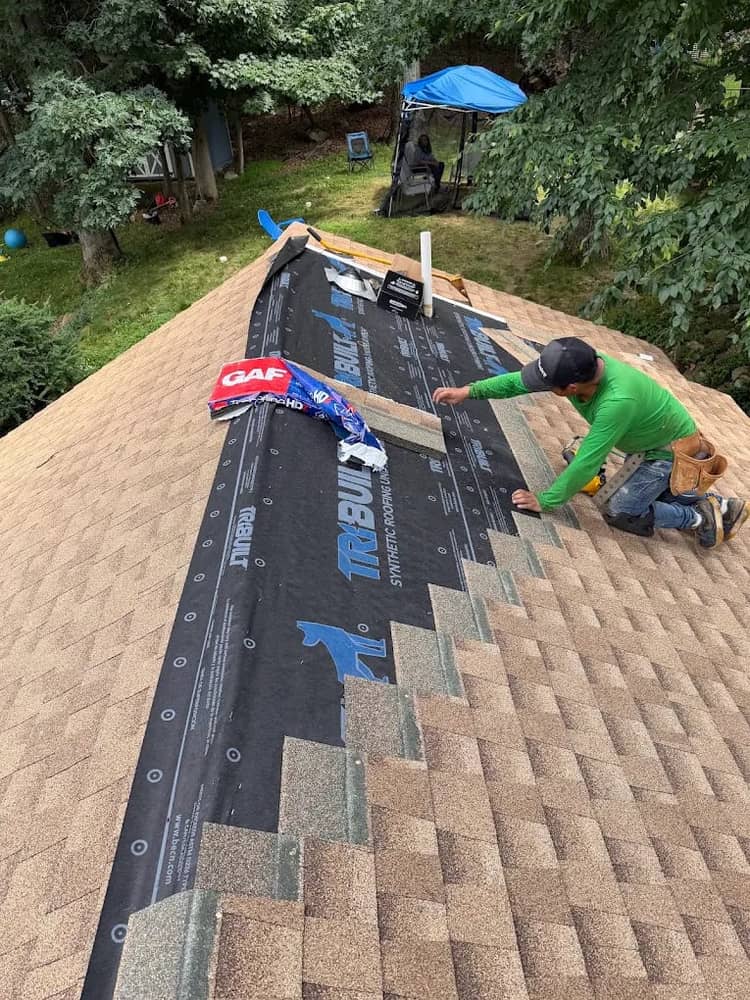
Roof Repair for Wood-Ridge homes and buildings
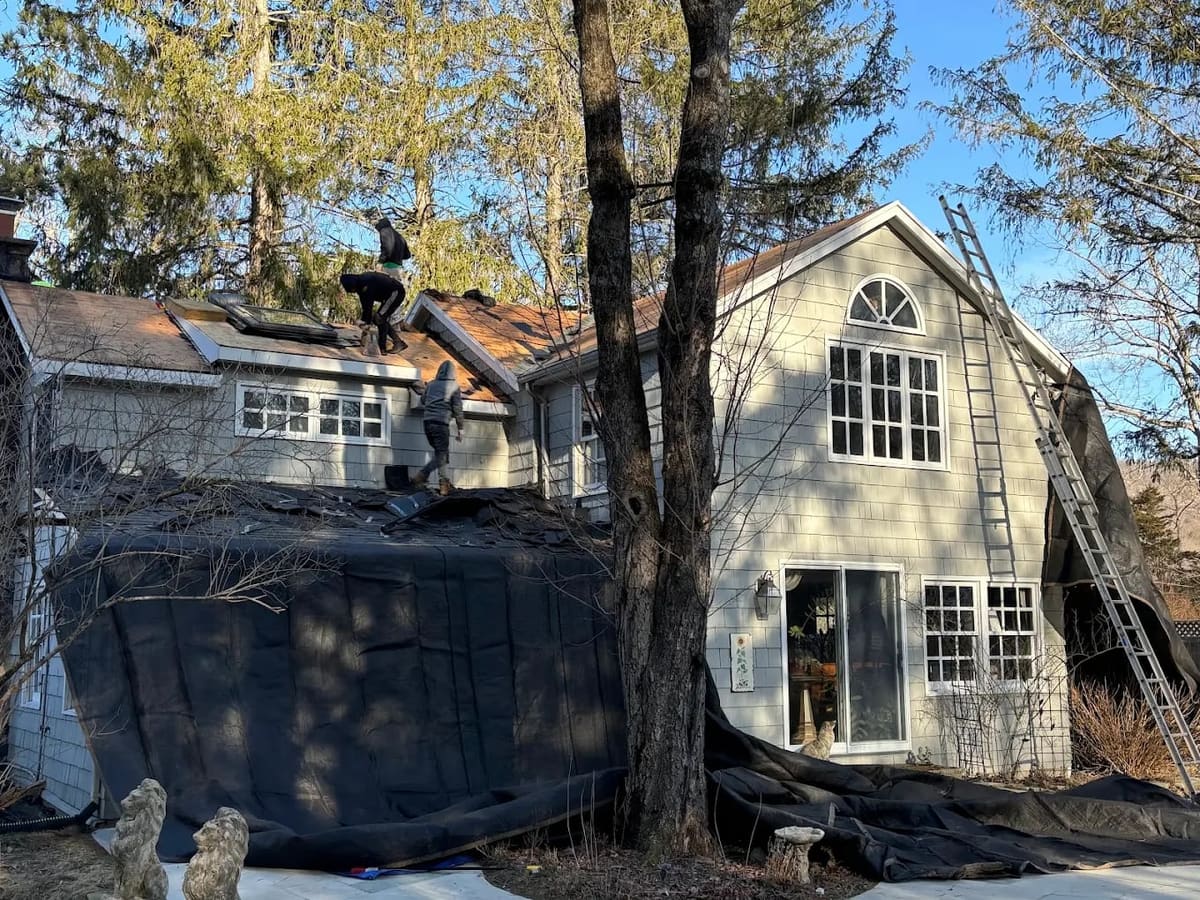
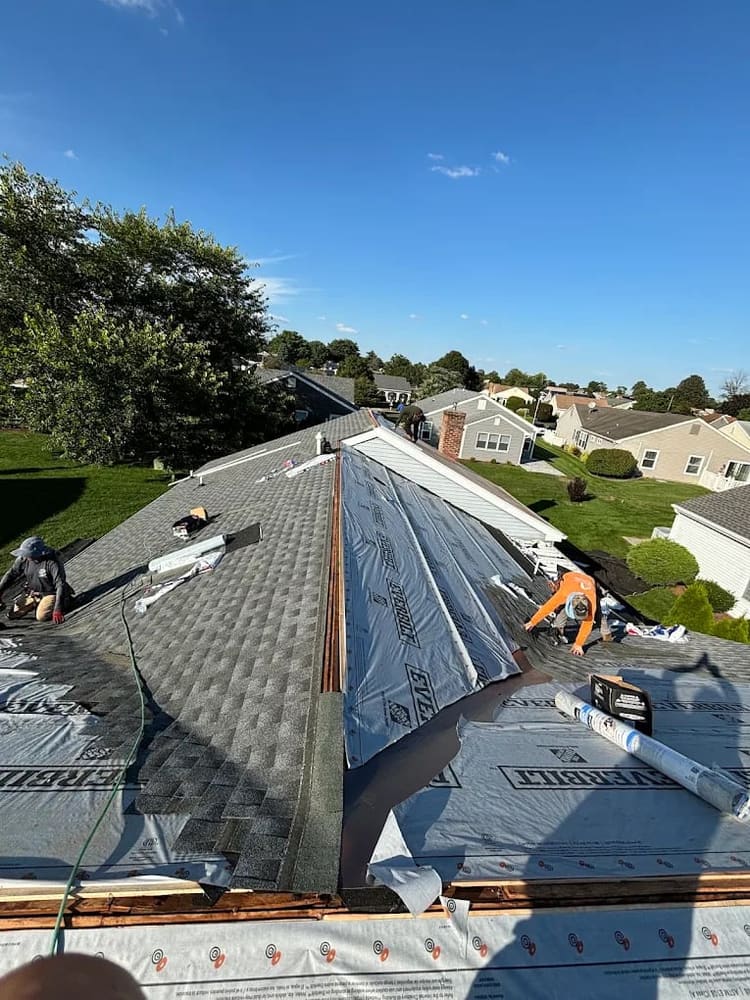
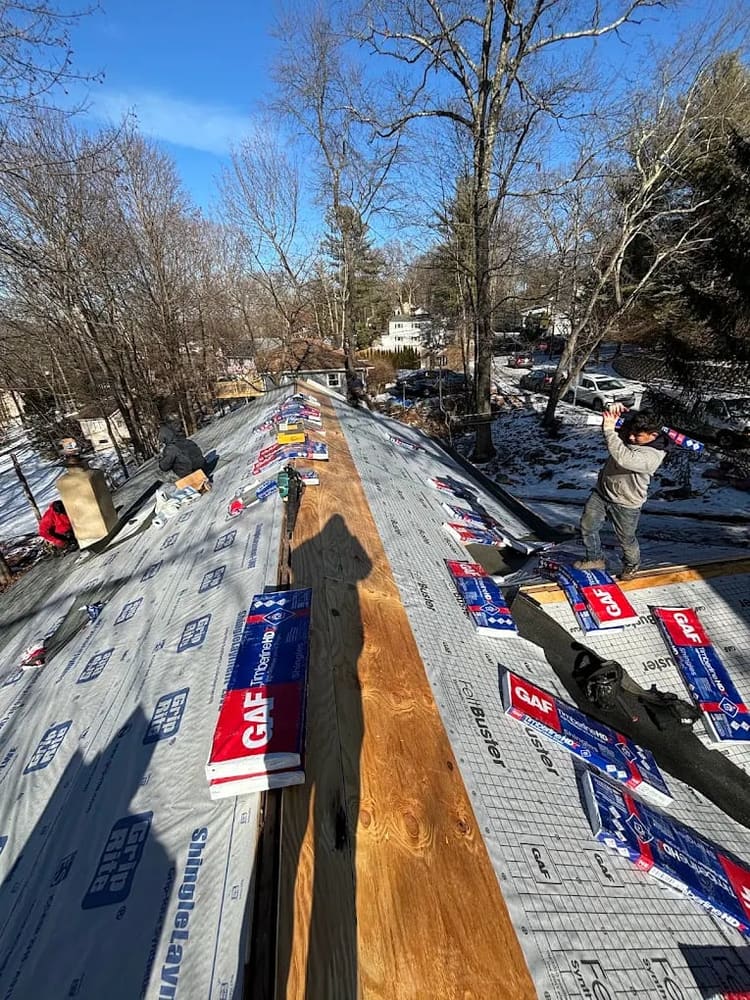
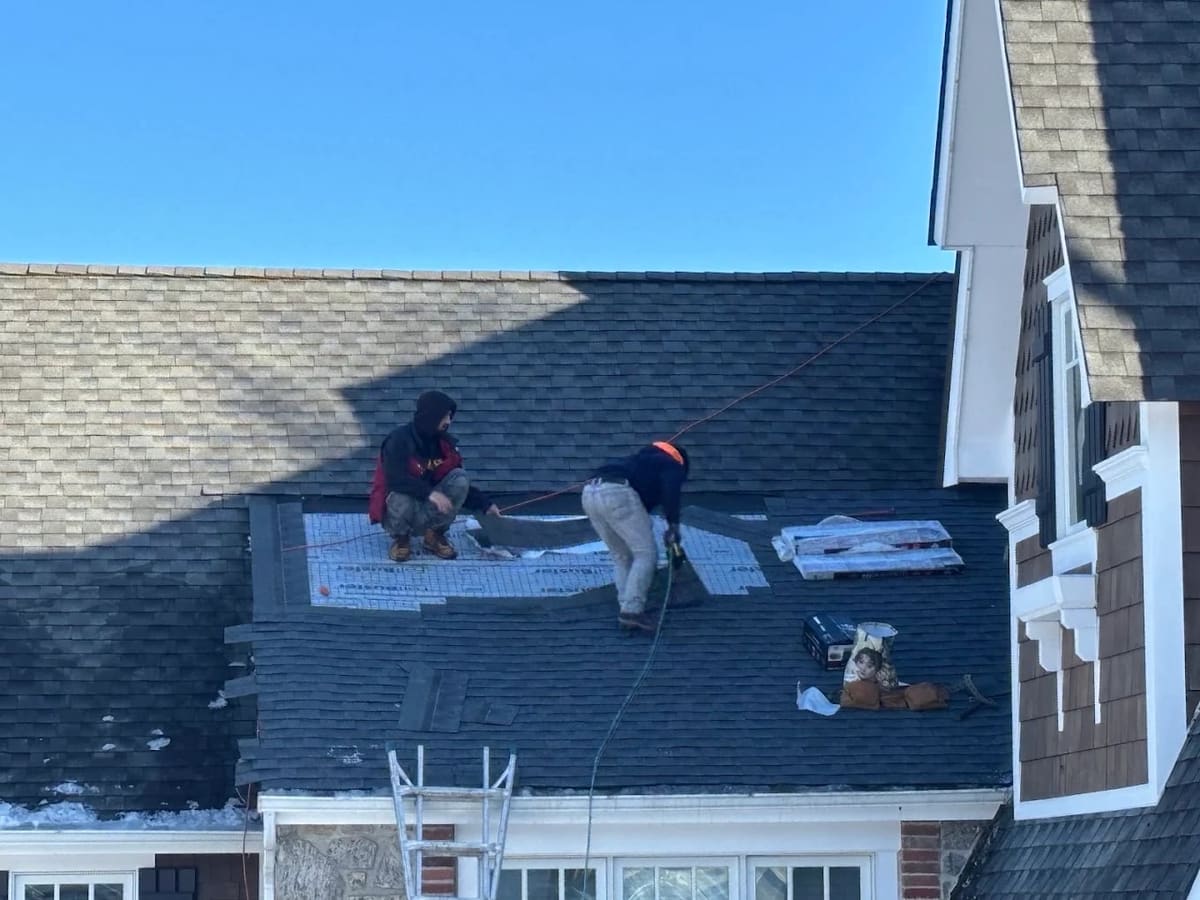
Roof repair in Wood-Ridge often depends on which side of the ridge the house is on. Homes on the eastern slope face open ground toward the Meadowlands and catch the most wind, so lifted shingle tabs, loose ridge caps and wind-driven rain at flashing are common after storms. Homes in the more sheltered interior streets see more tree-related damage and ordinary wear.
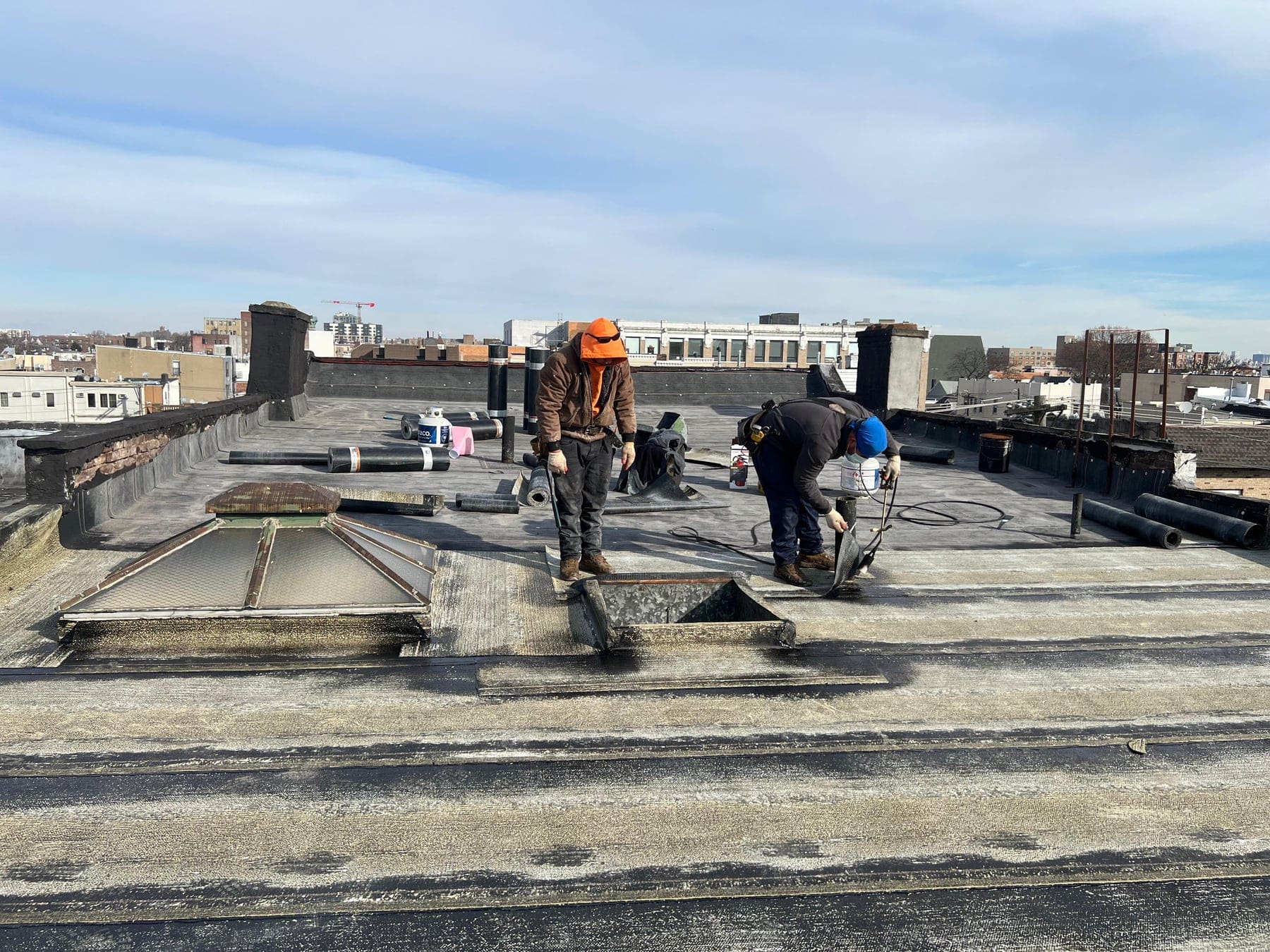
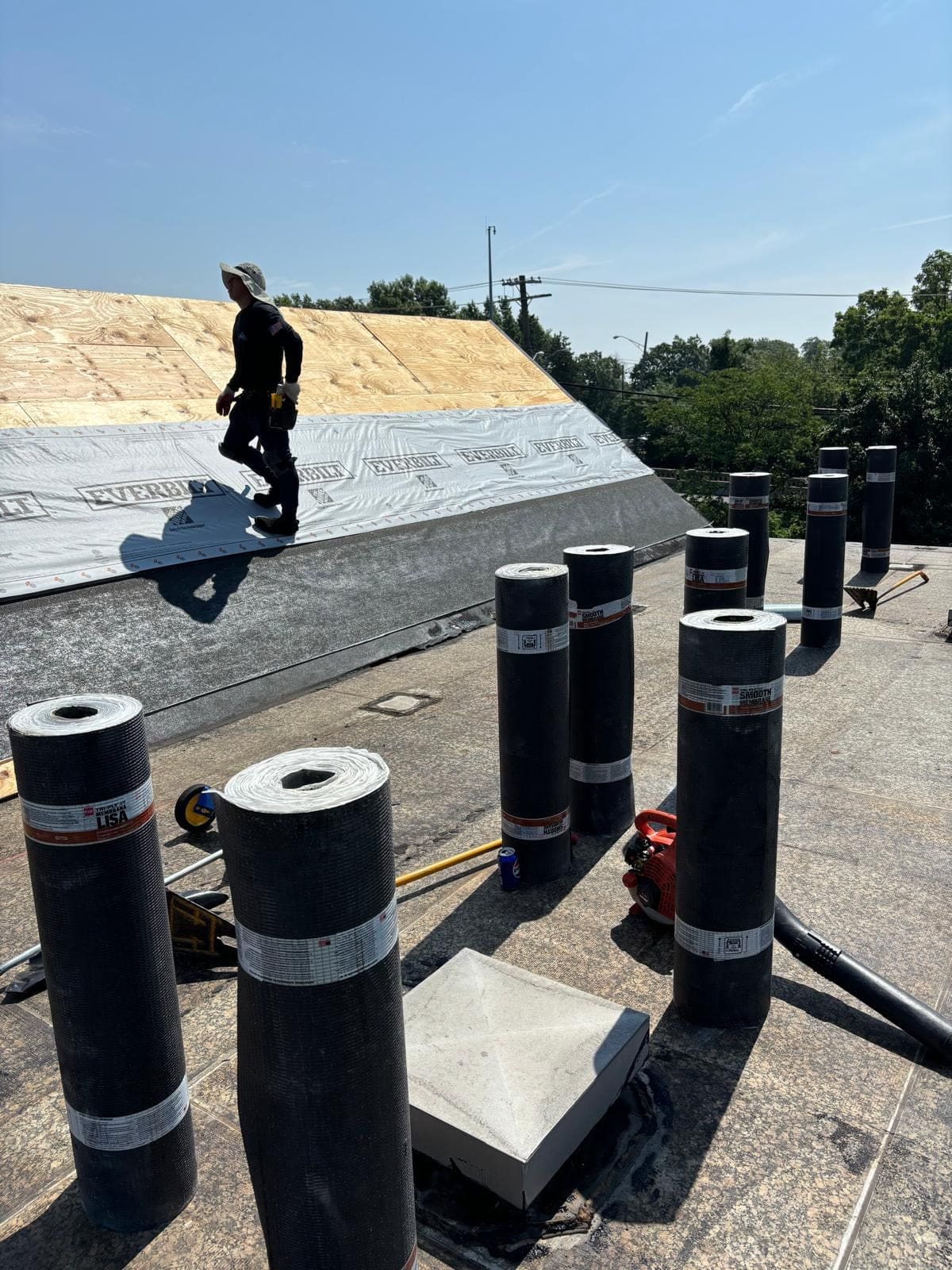
The older capes and colonials have the familiar weak points of homes their age: chimney flashing tarred over many times, dormer flashing, pipe boots, and original board decking that softens where leaks have persisted. Two-families with low-slope roofs need seam and drain repairs. On the newer townhouses, the issues are more often flashing details at walls and penetrations.
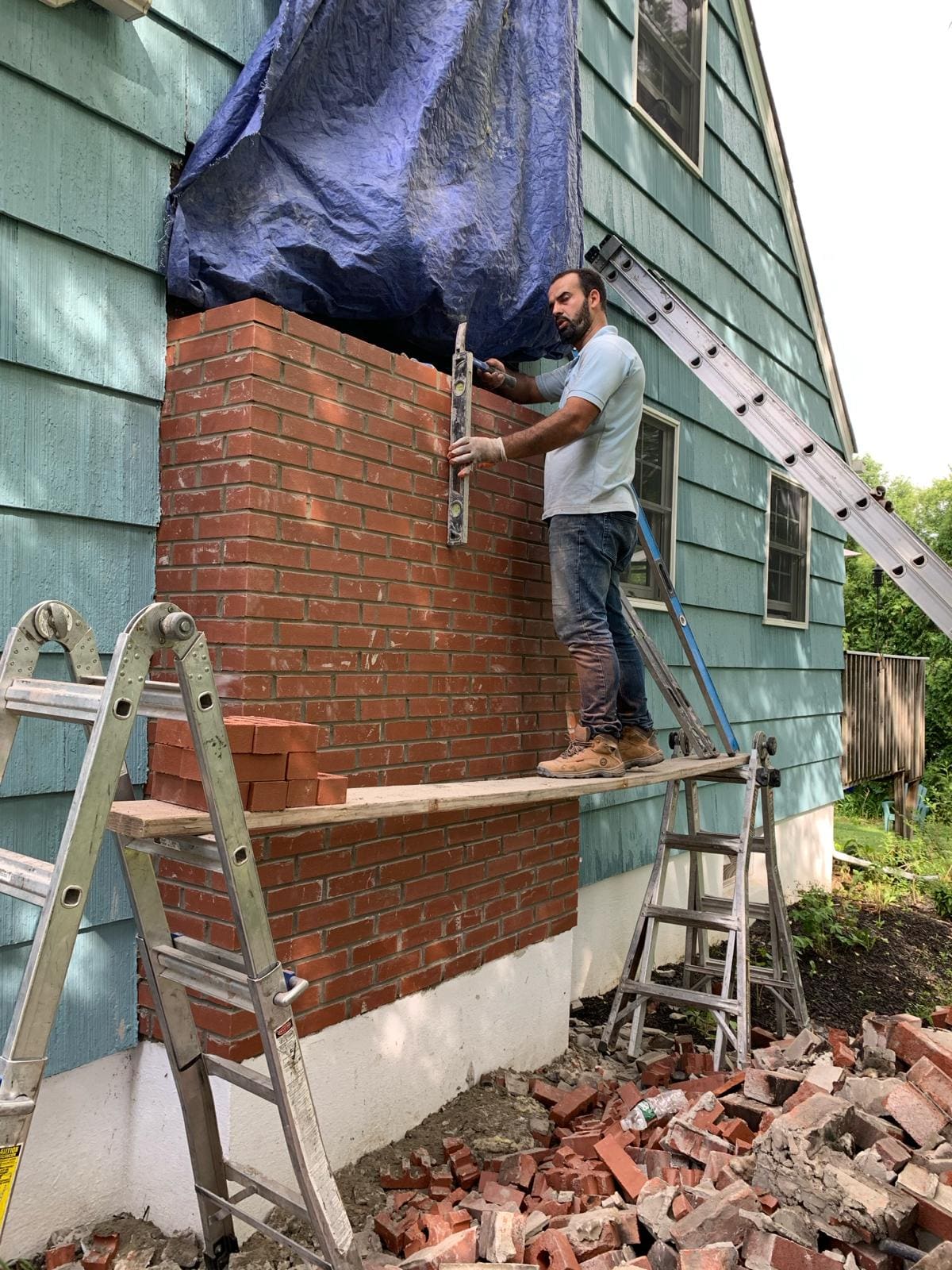
We also handle masonry, so when a leak traces to a chimney or brick wall rather than the roofing, we fix that too.
Wood-Ridge housing
Wood-Ridge's housing is mostly single-family homes from the 1920s through the post-war decades: capes, colonials, bungalows and some brick homes, along with two-family homes, on modest lots. Most have asphalt shingle roofs and brick chimneys; some two-families have low-slope roofs. Newer townhouse and apartment construction has been added on redeveloped industrial land, and small commercial buildings with flat roofs line the main roads.
Weather & exposure
Homes on the eastern side of the ridge look out over the flat, open Meadowlands, and wind crossing that open ground reaches roofs with little to slow it, particularly during nor'easters. The streets themselves are tree-lined, so leaf debris and branch strikes are part of the picture too. Freeze-thaw works on the many older brick chimneys.
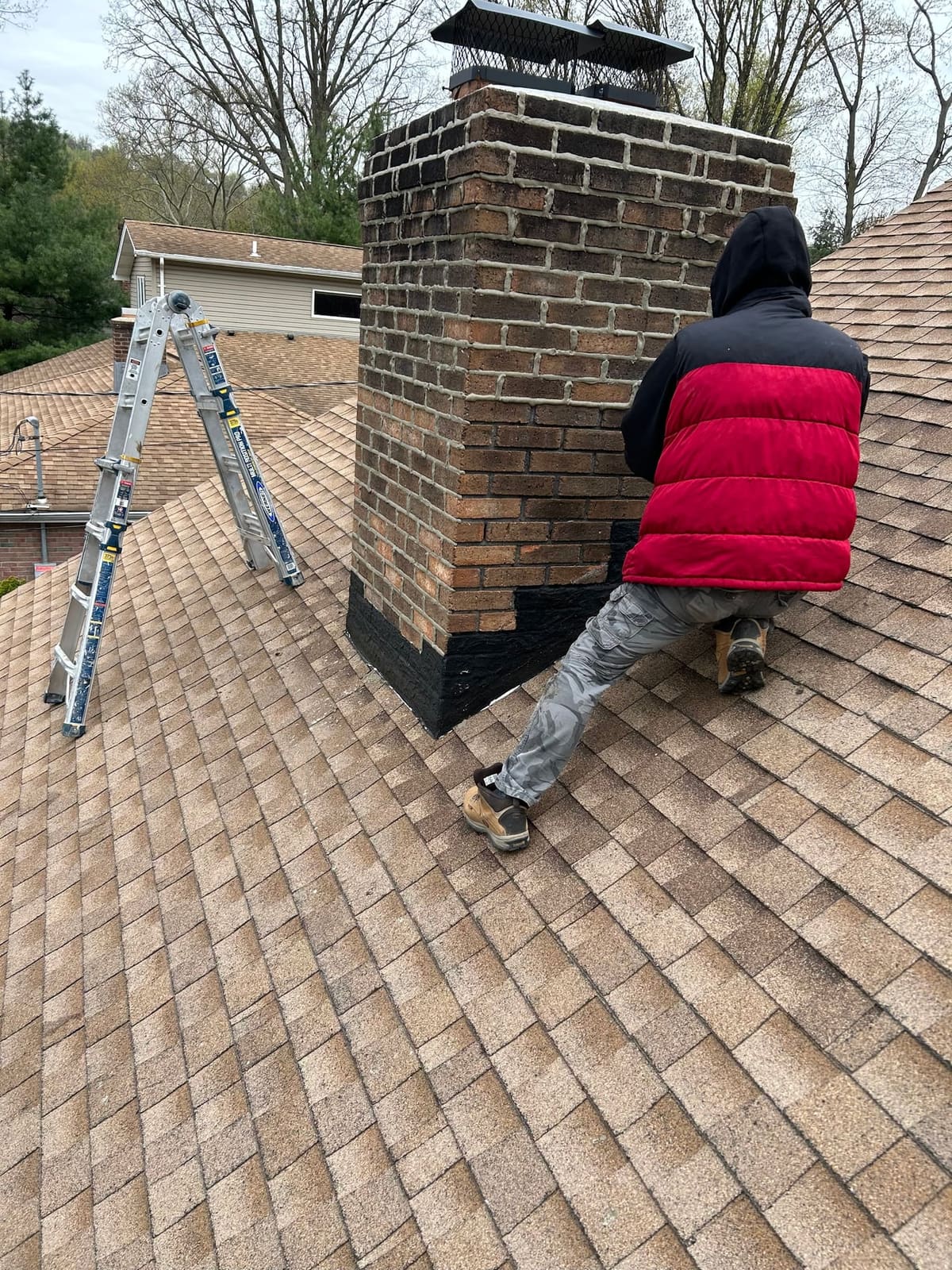
Repair or replace? What we tell Wood-Ridge homeowners
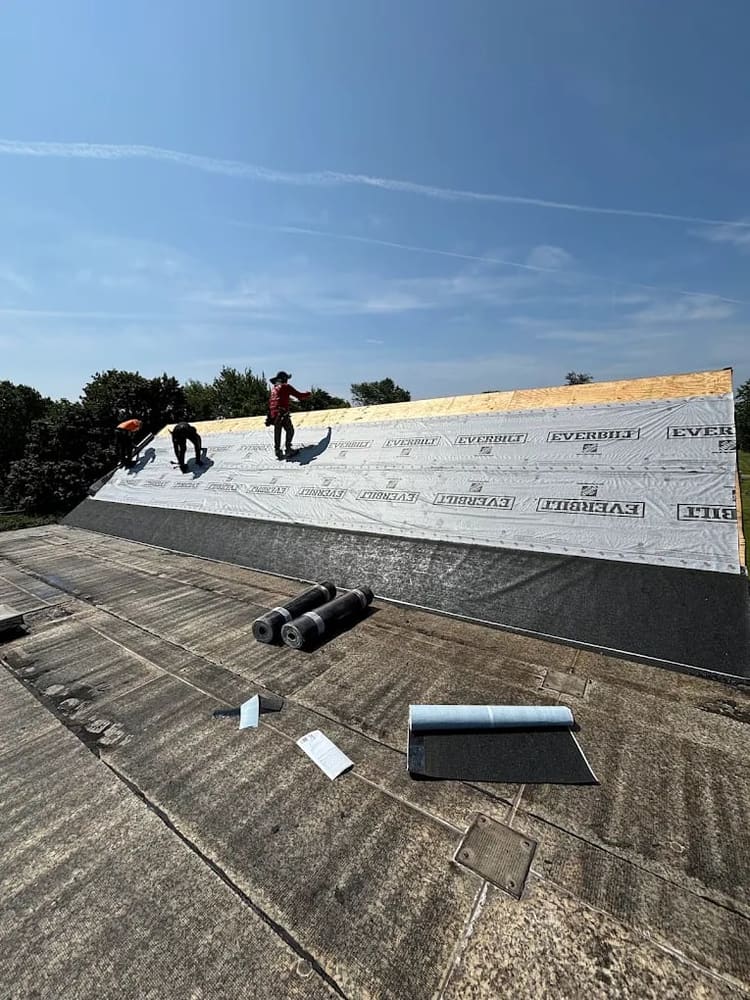
If storm damage is confined to one slope or the ridge and the shingles are still flexible, repair is right. If shingles are brittle across the roof and lose tabs every storm, replacement is next, and we will tell you so.
We document storm damage with photographs and a written report to support an insurance claim, though the insurer decides coverage. Estimates are free.