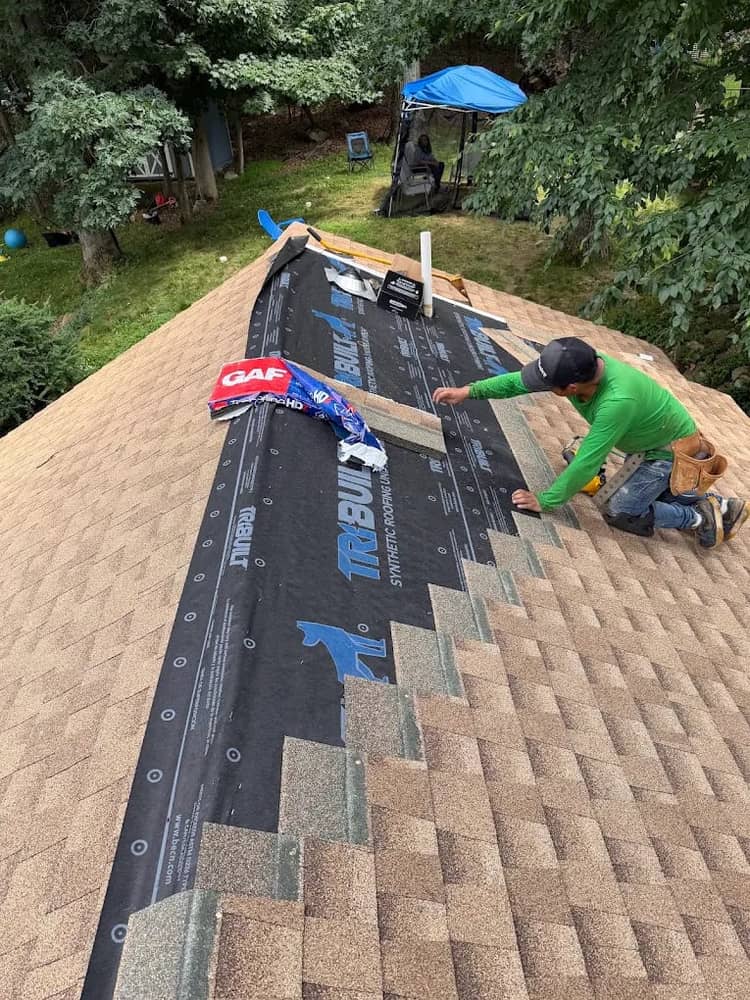
Roof Repair for Cedar Grove homes and buildings
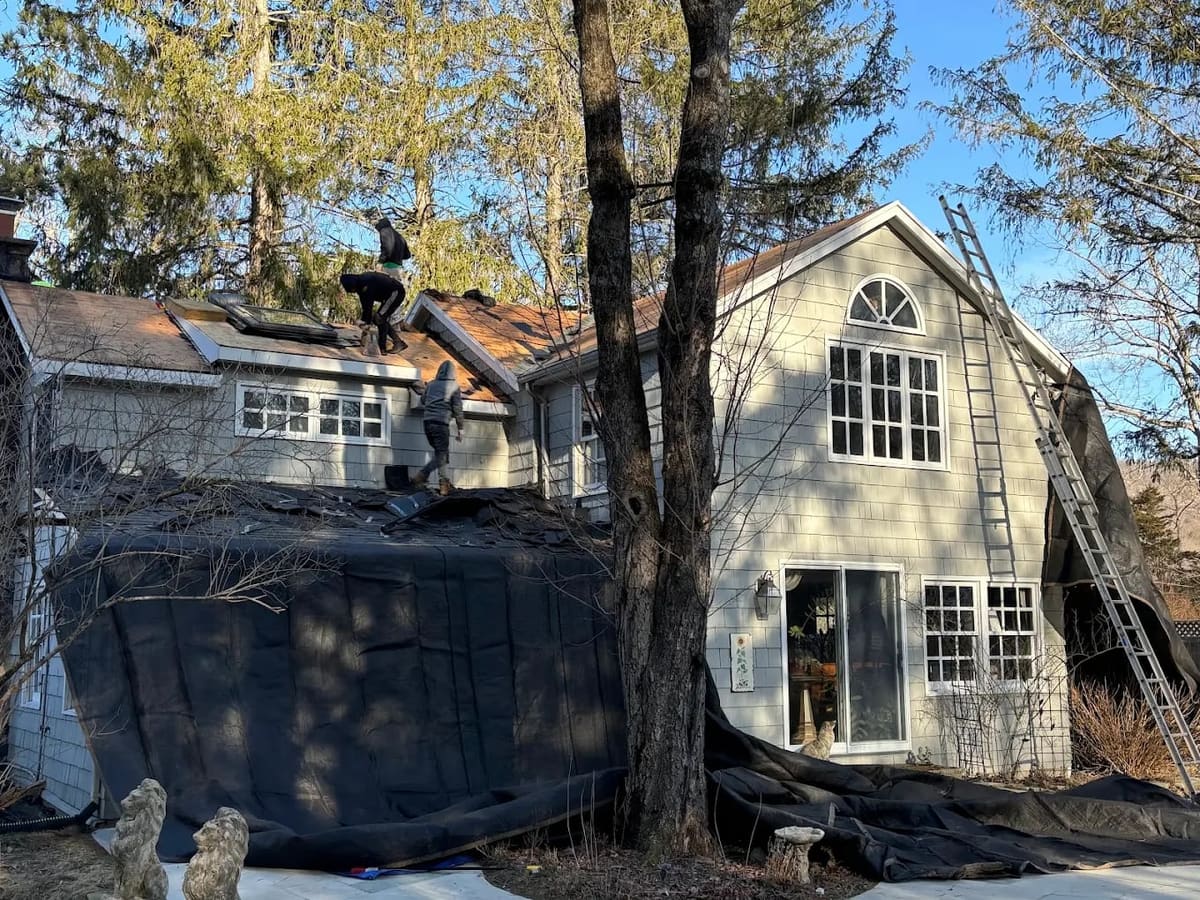
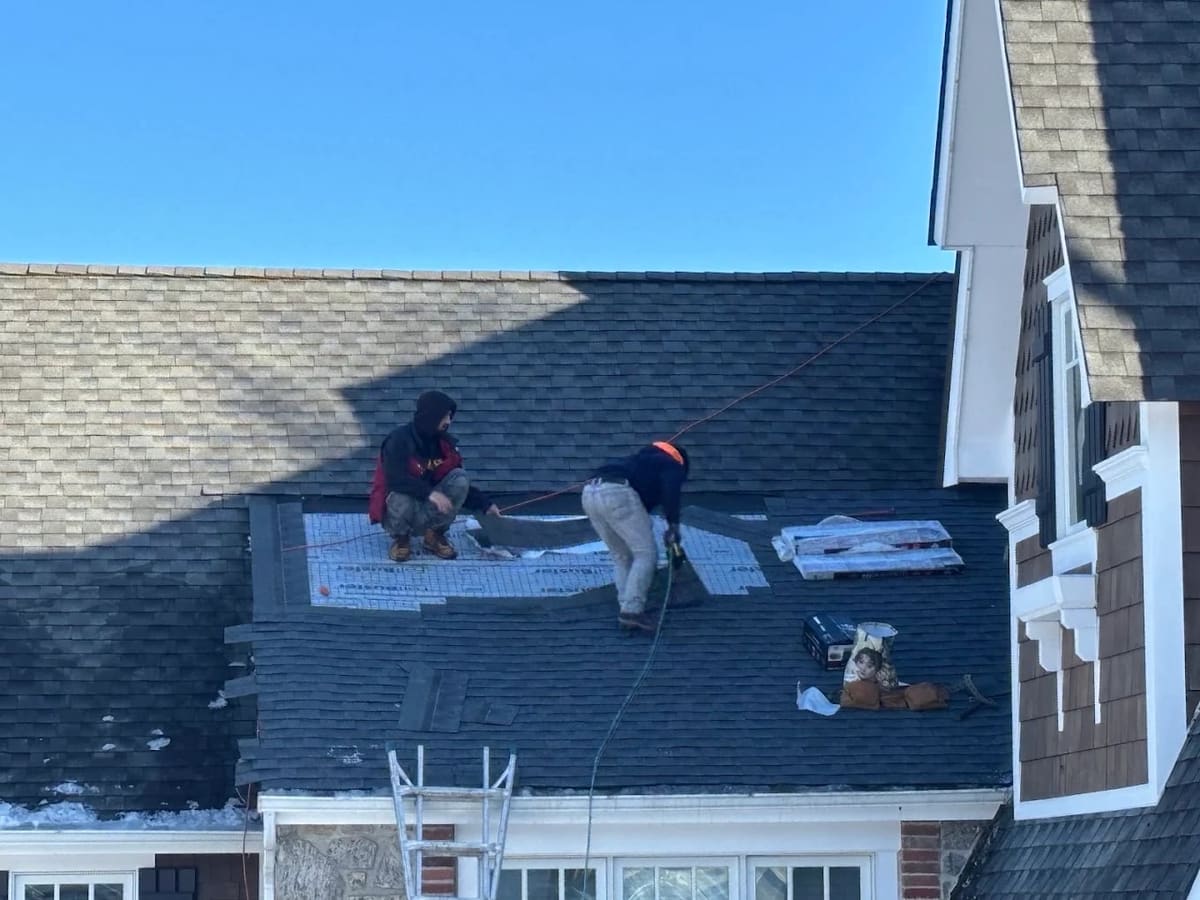
Roof repairs in Cedar Grove tend to follow the age of the township. Most houses date from the post-war decades and are now on their second or third roof, so the common calls involve failed pipe boots, worn flashing at chimneys and sidewalls, low-slope sections over garages and family rooms, and wind or tree damage on the higher, wooded streets.
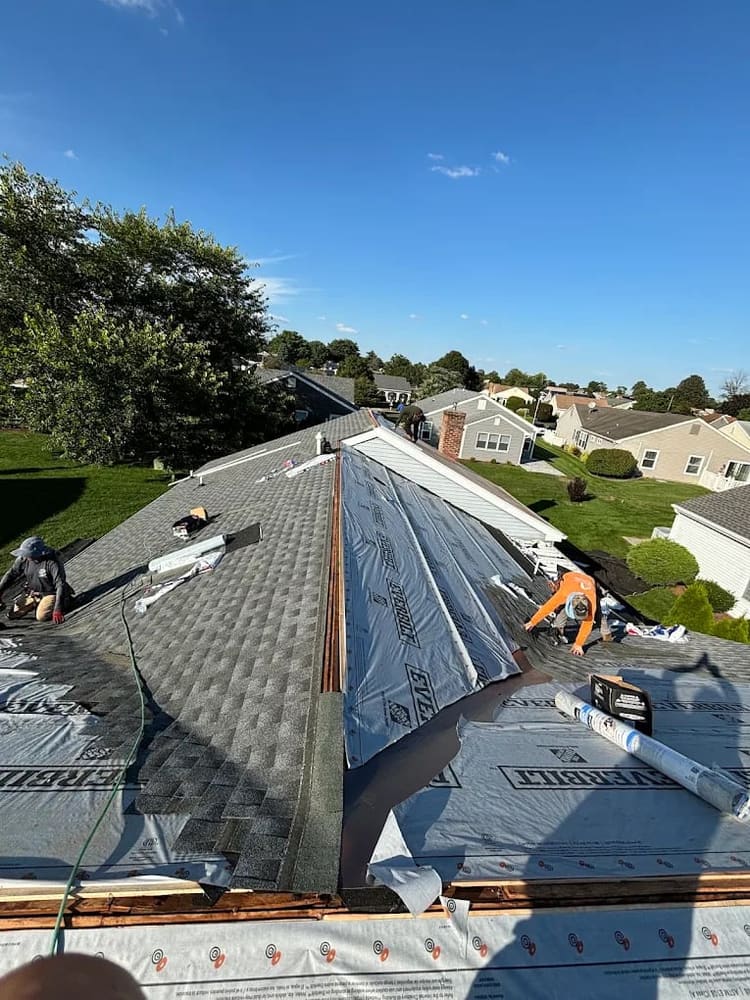
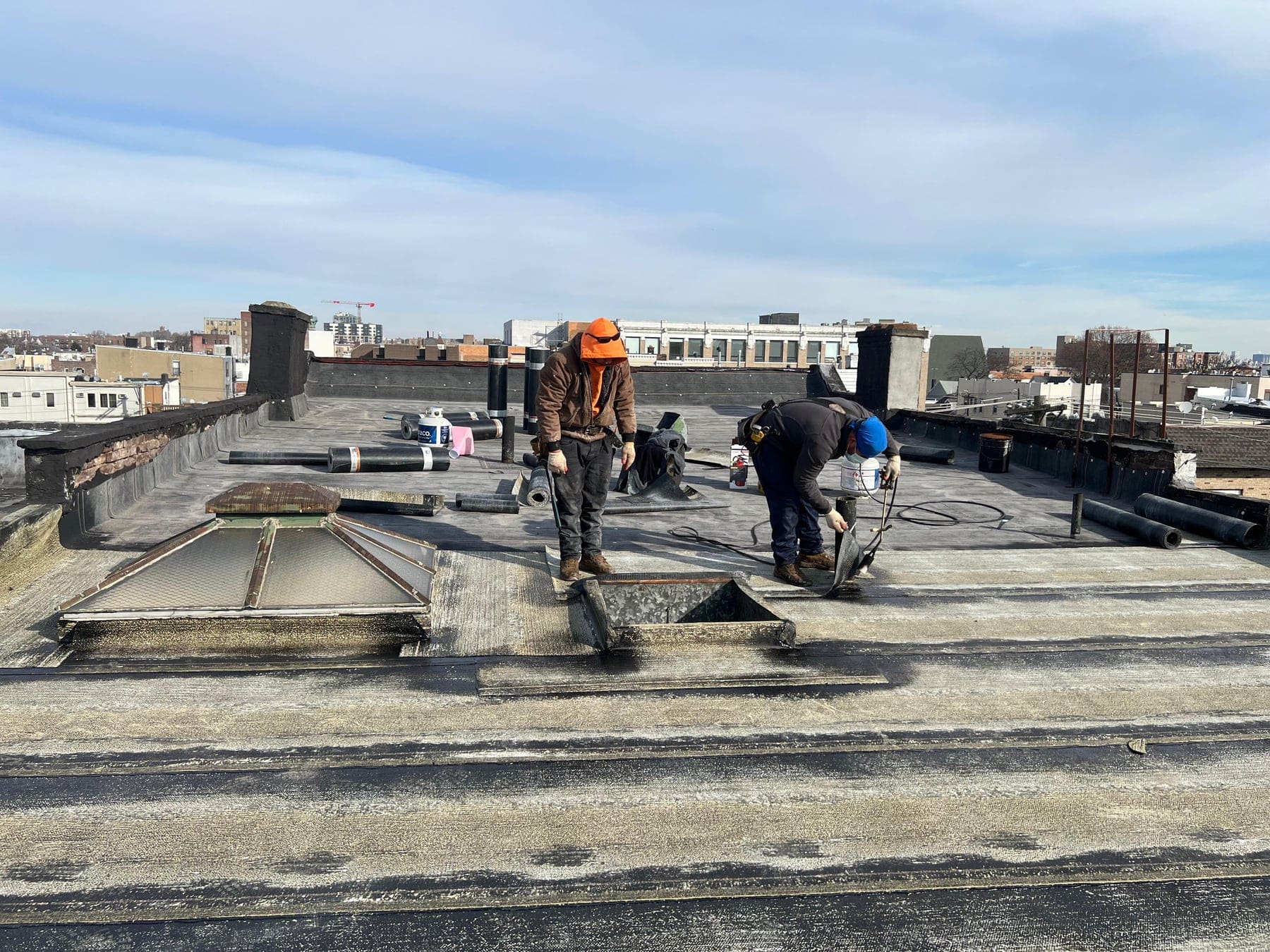
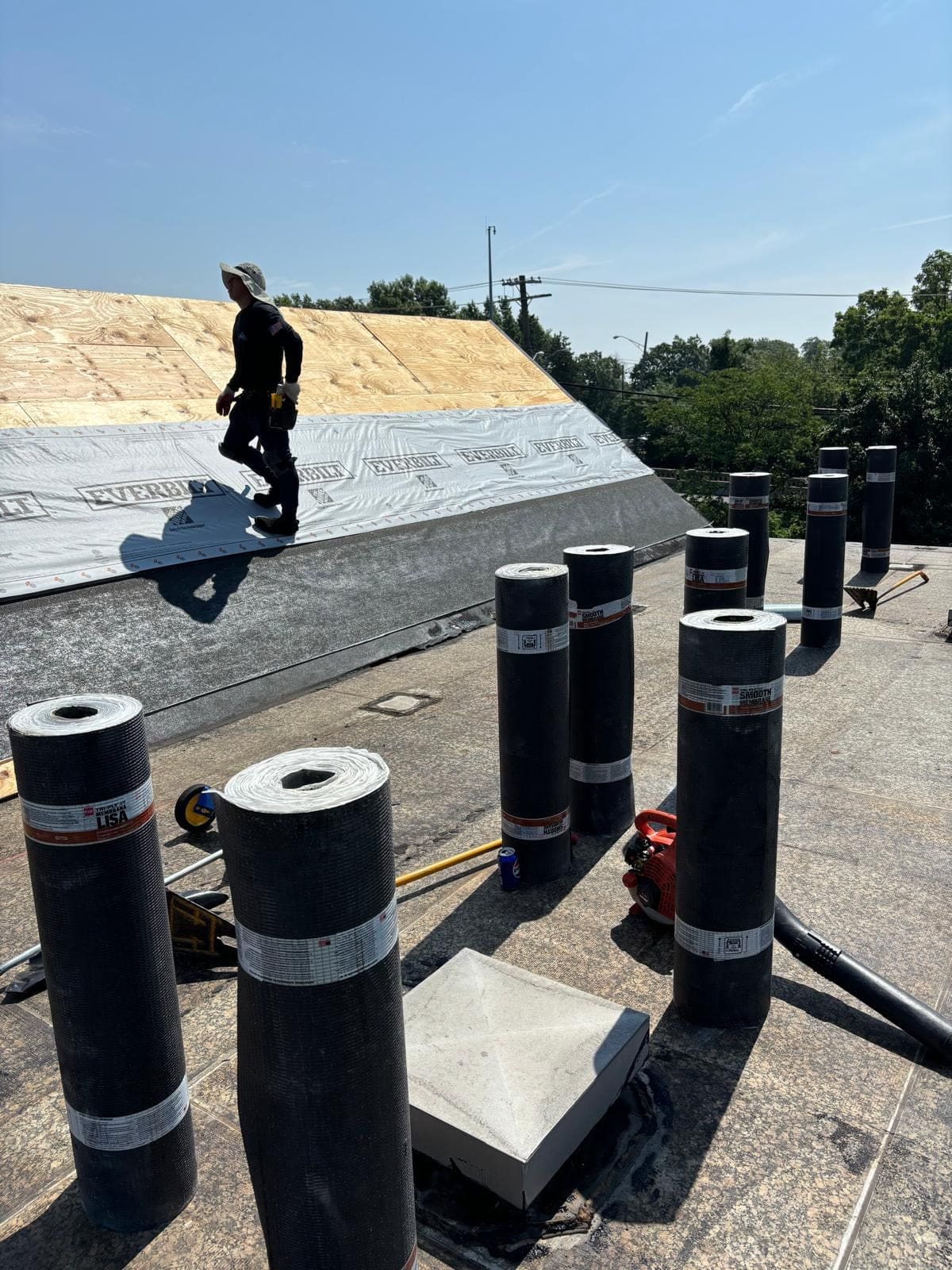
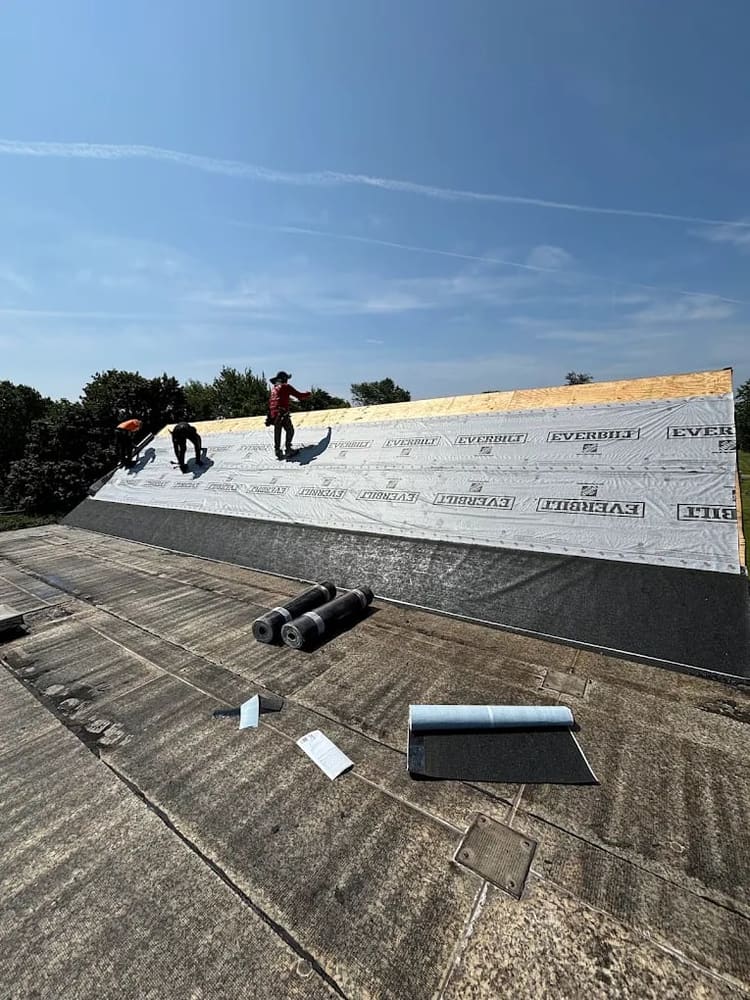
We repair asphalt shingle roofs on ranches, splits and colonials, flat and low-slope sections on additions and garages, and the membrane roofs on commercial buildings along Route 23. For townhouse and condominium communities, we repair individual units and shared roof sections and document conditions for the association.
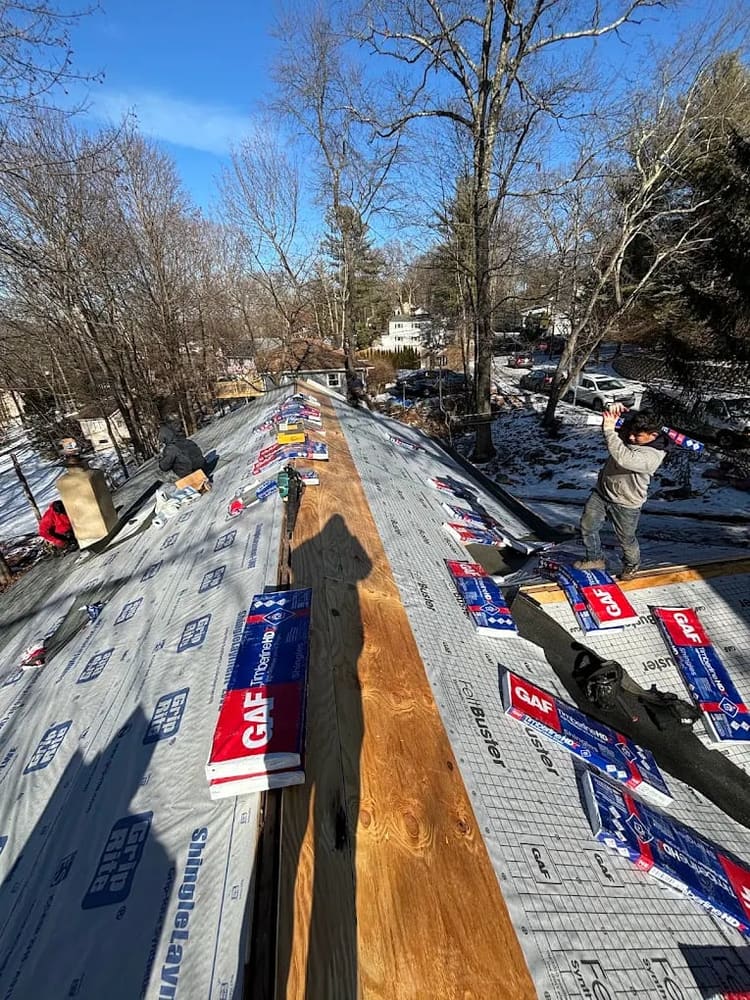
Every repair starts with an inspection of the full roof and, where possible, the attic. We photograph the source of the leak and the completed repair, so you can see what was wrong and what was done.
Cedar Grove housing
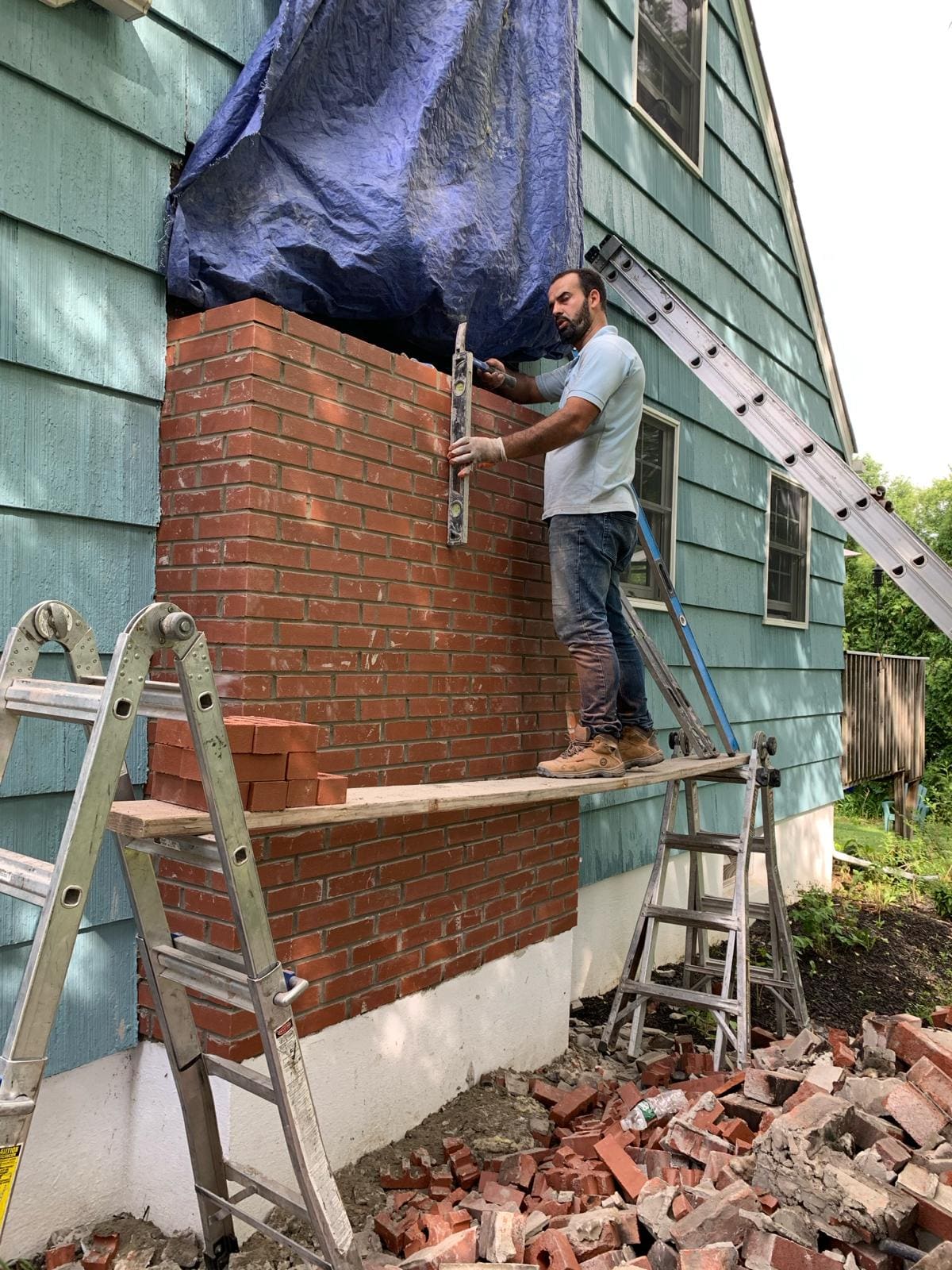
Cedar Grove is largely a post-war township. Ranches, split-levels, bi-levels, capes and center-hall colonials from the 1950s and 1960s make up most of the housing, typically with brick chimneys serving a fireplace and a furnace. Newer townhouse and condominium communities have long, connected roofs with many units under one system. Commercial and light industrial buildings along Route 23 have flat roofs.
Weather & exposure
Homes on the upper streets toward the First Watchung ridge sit higher and take more westerly wind than those lower in the valley, and wooded slopes near Mills Reservation put mature trees over many roofs. That combination means wind-lifted shingles on exposed homes, branch and debris damage after storms and shaded north slopes where snow lingers and ice dams form.
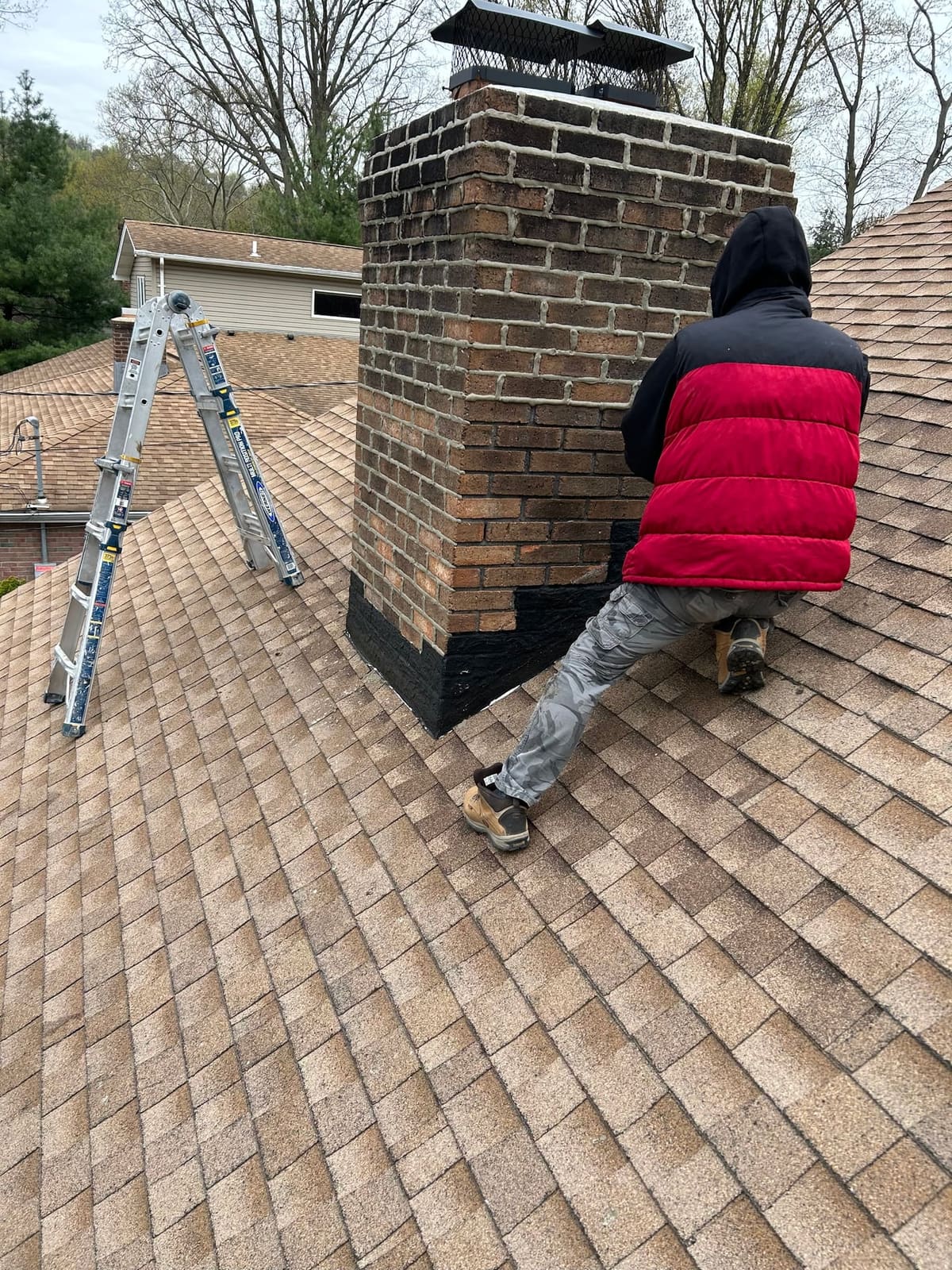
Repair or replace? What we tell Cedar Grove homeowners
If the roof is otherwise flexible and intact, a targeted repair of the flashing, boot or damaged area is usually the right answer. On roofs from the 1990s or earlier that show curling, granule loss and repeated wind damage, the repairs will keep coming, and replacement is better value.
After a storm, photograph visible damage from the ground before cleanup, then call us. We inspect and document storm damage with photos and a written assessment to support an insurance claim, although the insurer makes the decision.