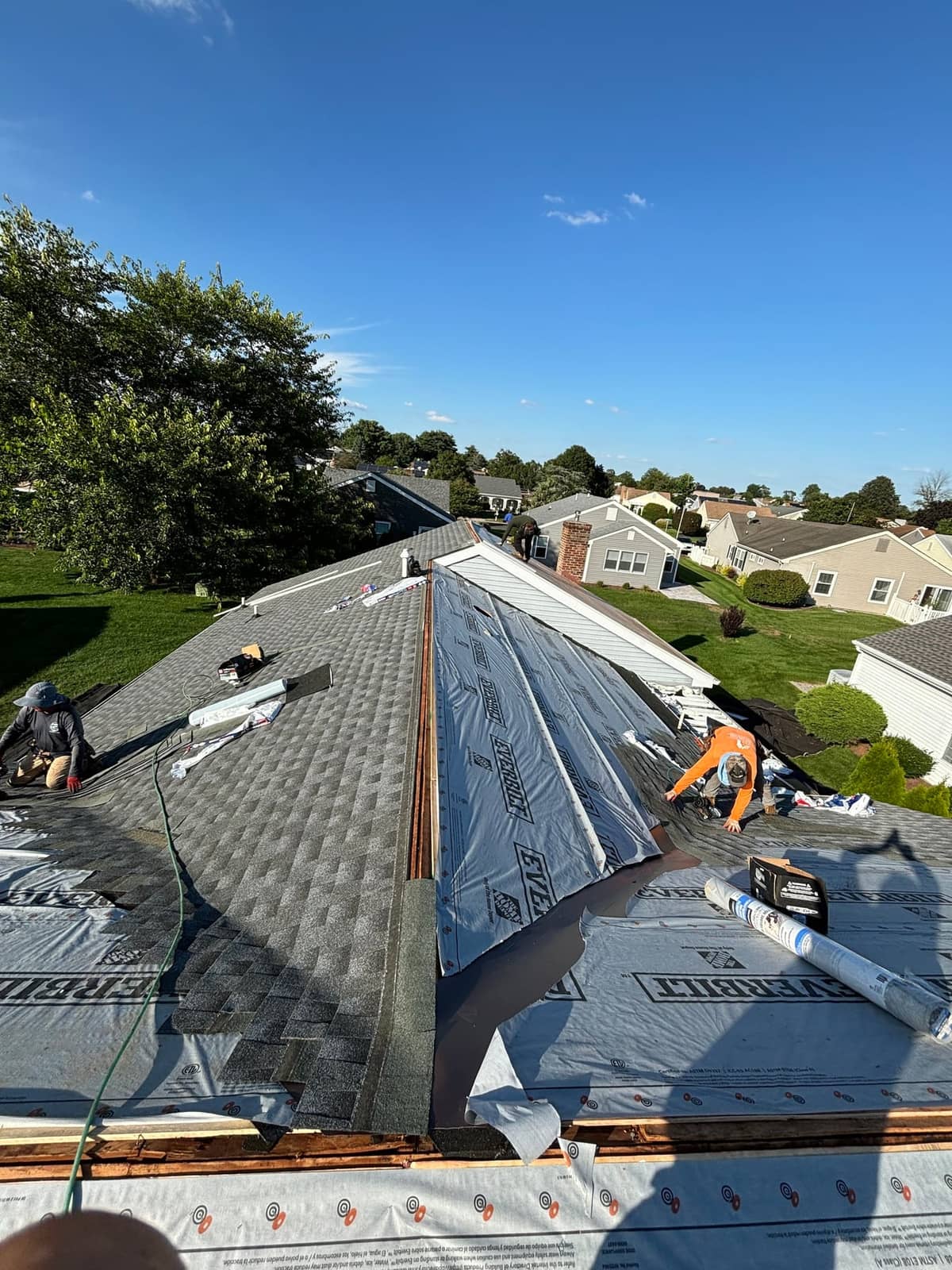
Roof Replacement for Montclair homes and buildings
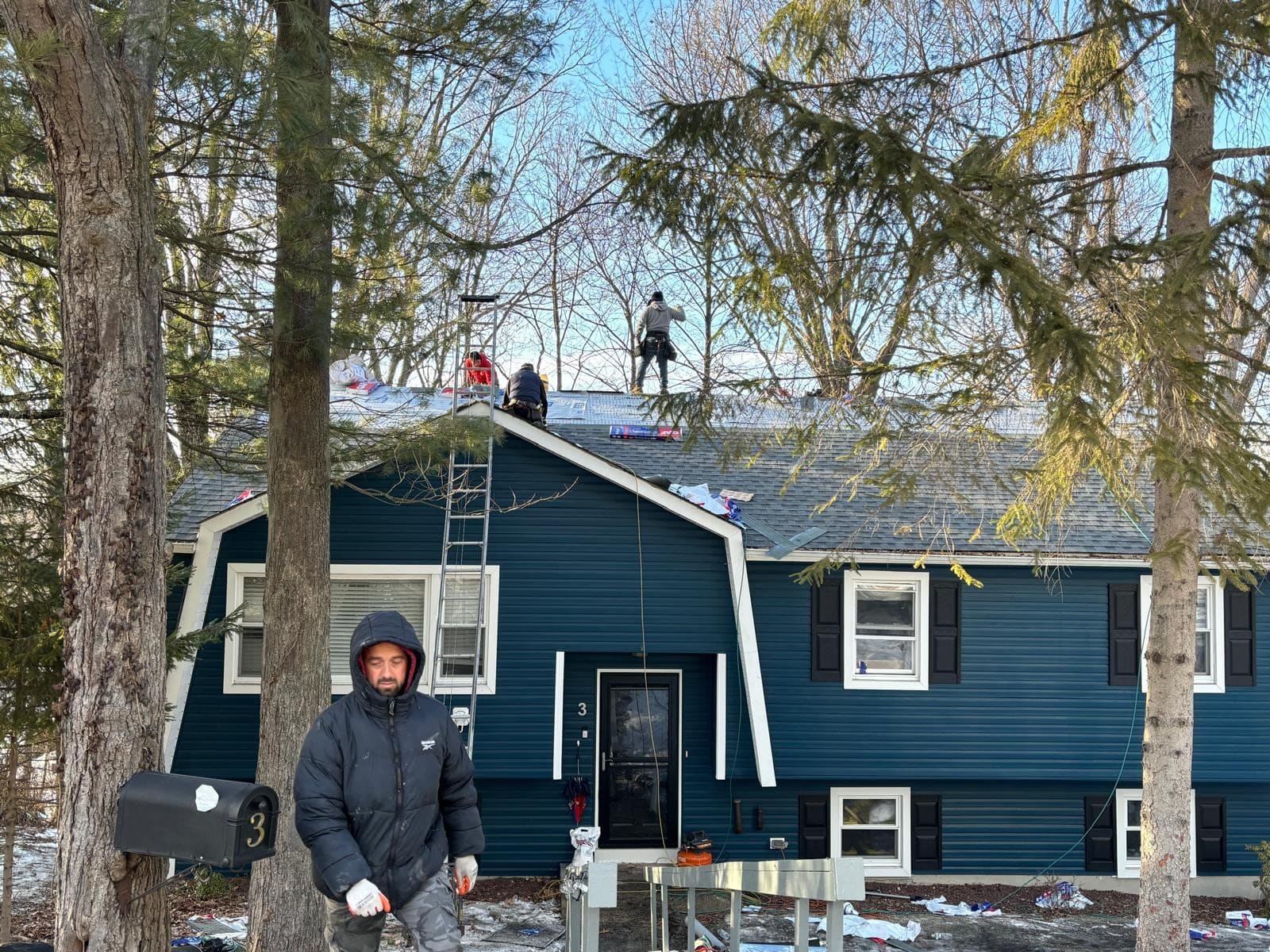
A roof replacement on a Montclair home is rarely a simple tear-off and reshingle. Steep pitches, multiple dormers, intersecting valleys, tall chimneys and sometimes two or three layers of old roofing all add complexity. Many of the township's homes were built between the late 1800s and 1930s, so the deck underneath may be plank sheathing that needs attention once the old roof comes off.
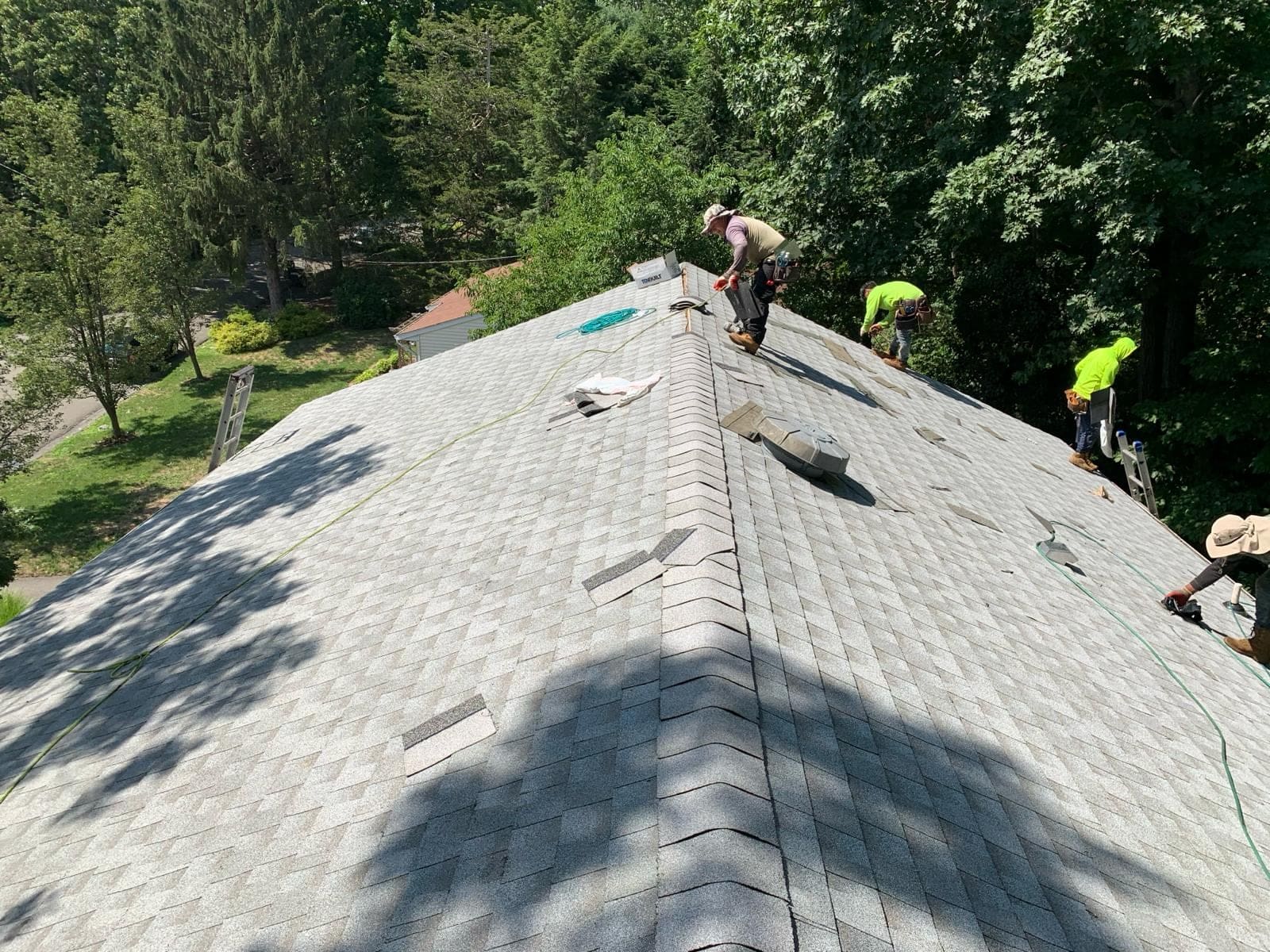
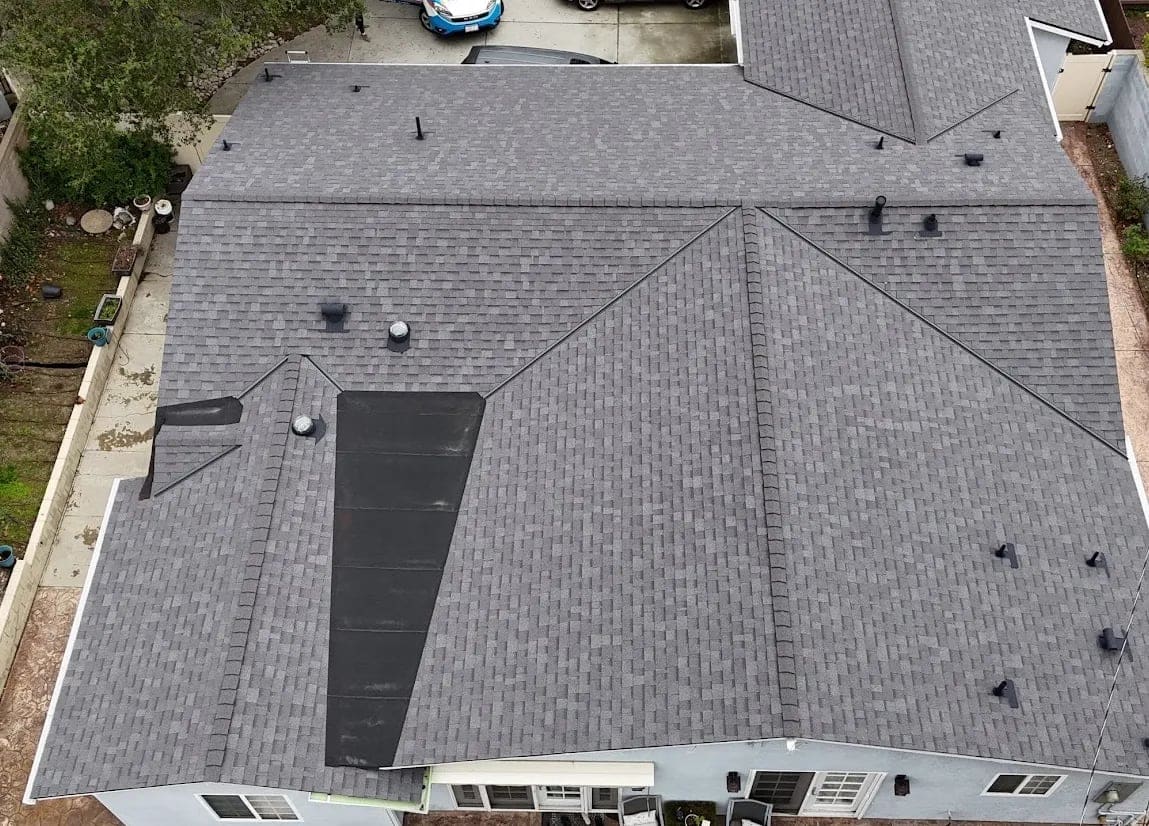
We replace roofs with architectural asphalt shingles, which suit the scale and look of older colonials, Tudors and Victorians, and with membrane systems on flat sections such as porch roofs and additions. For homes with failing slate, we explain the trade-offs between a slate specialist, synthetic slate and quality shingles so you can decide with clear information.
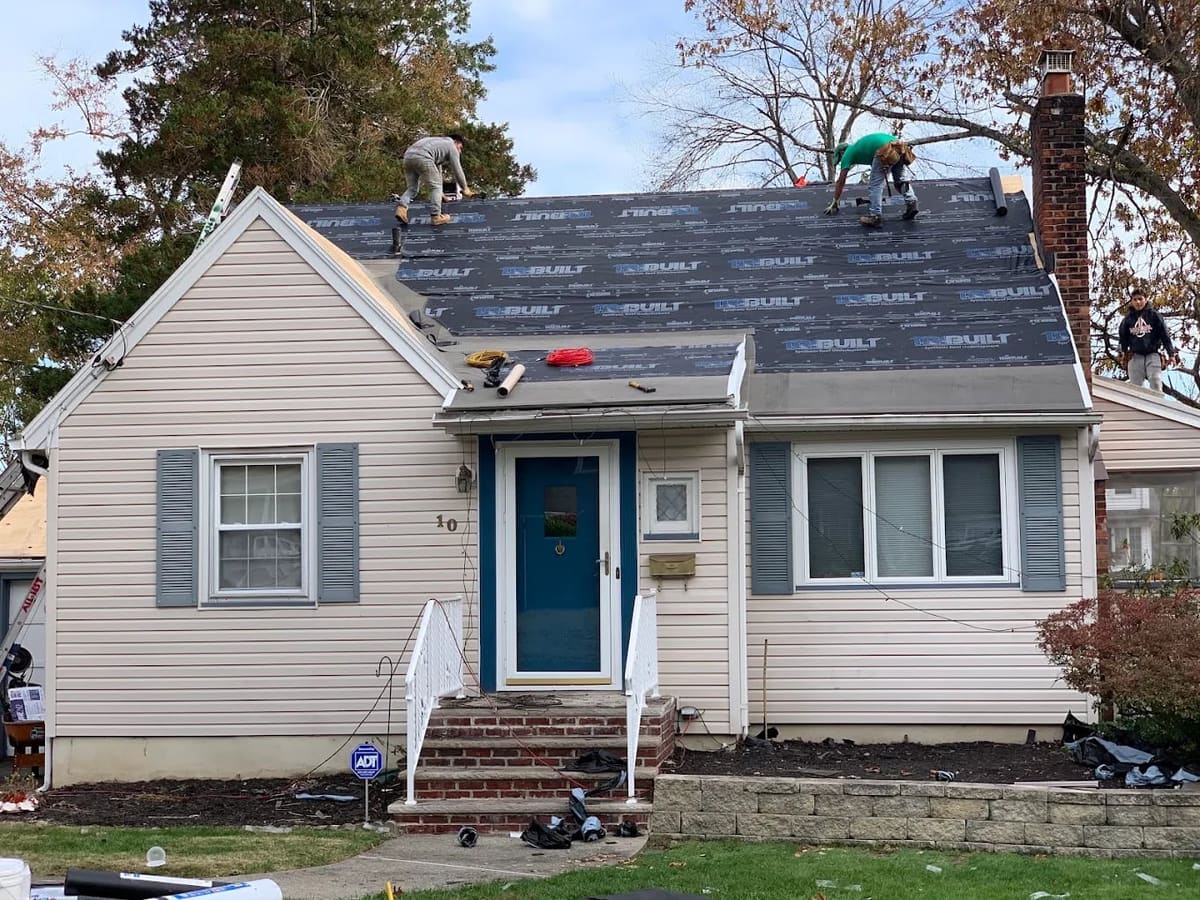
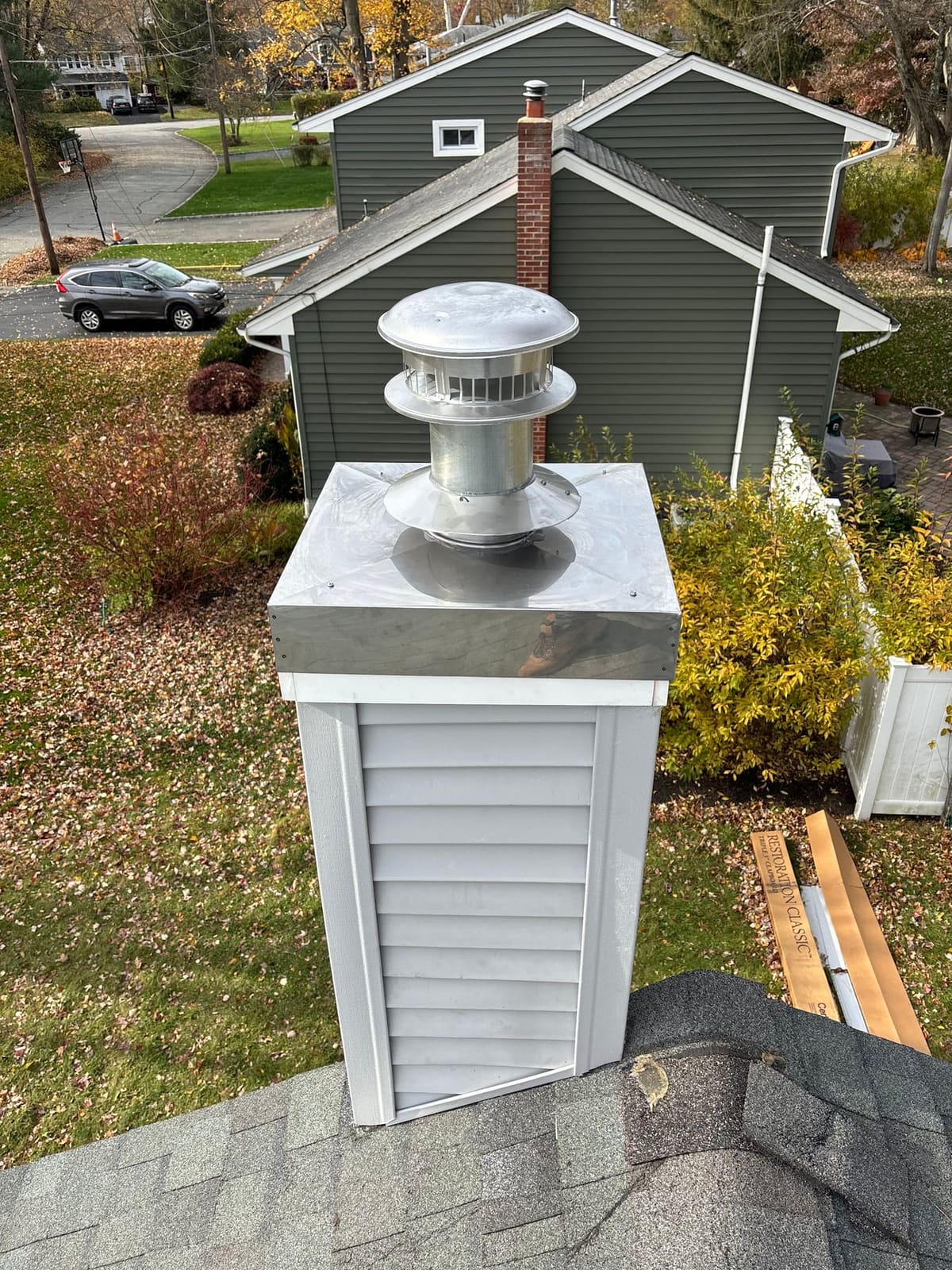
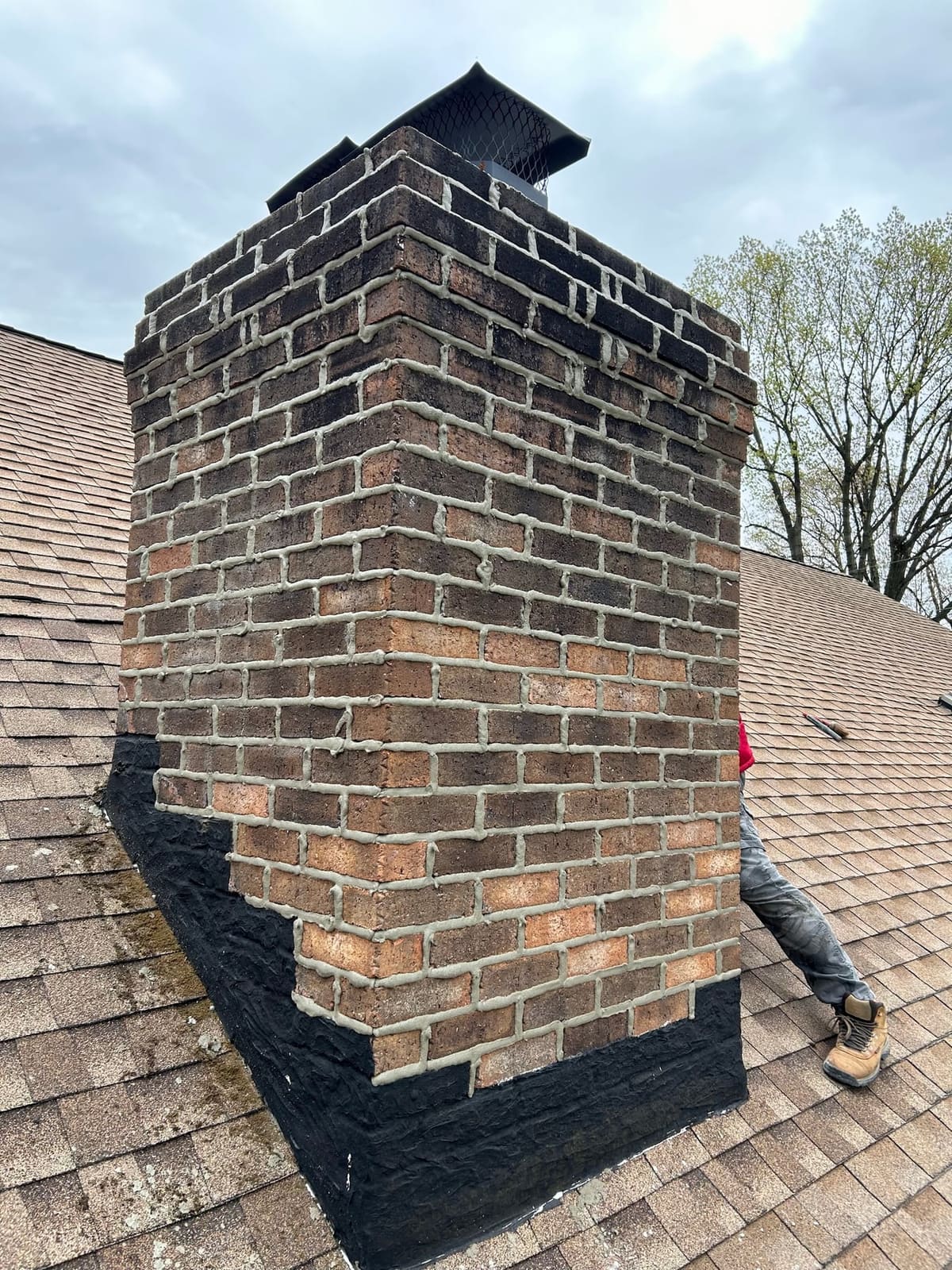
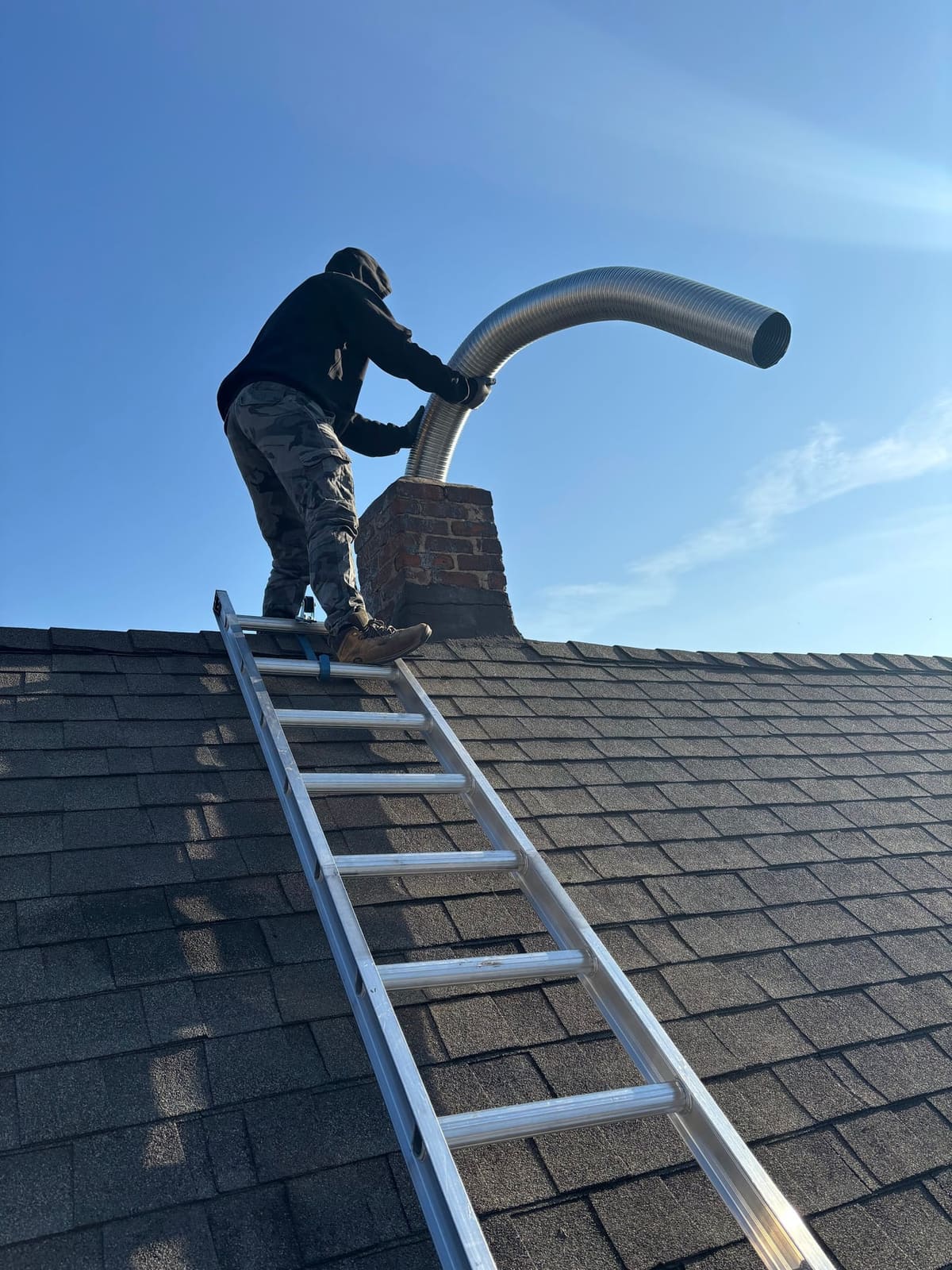
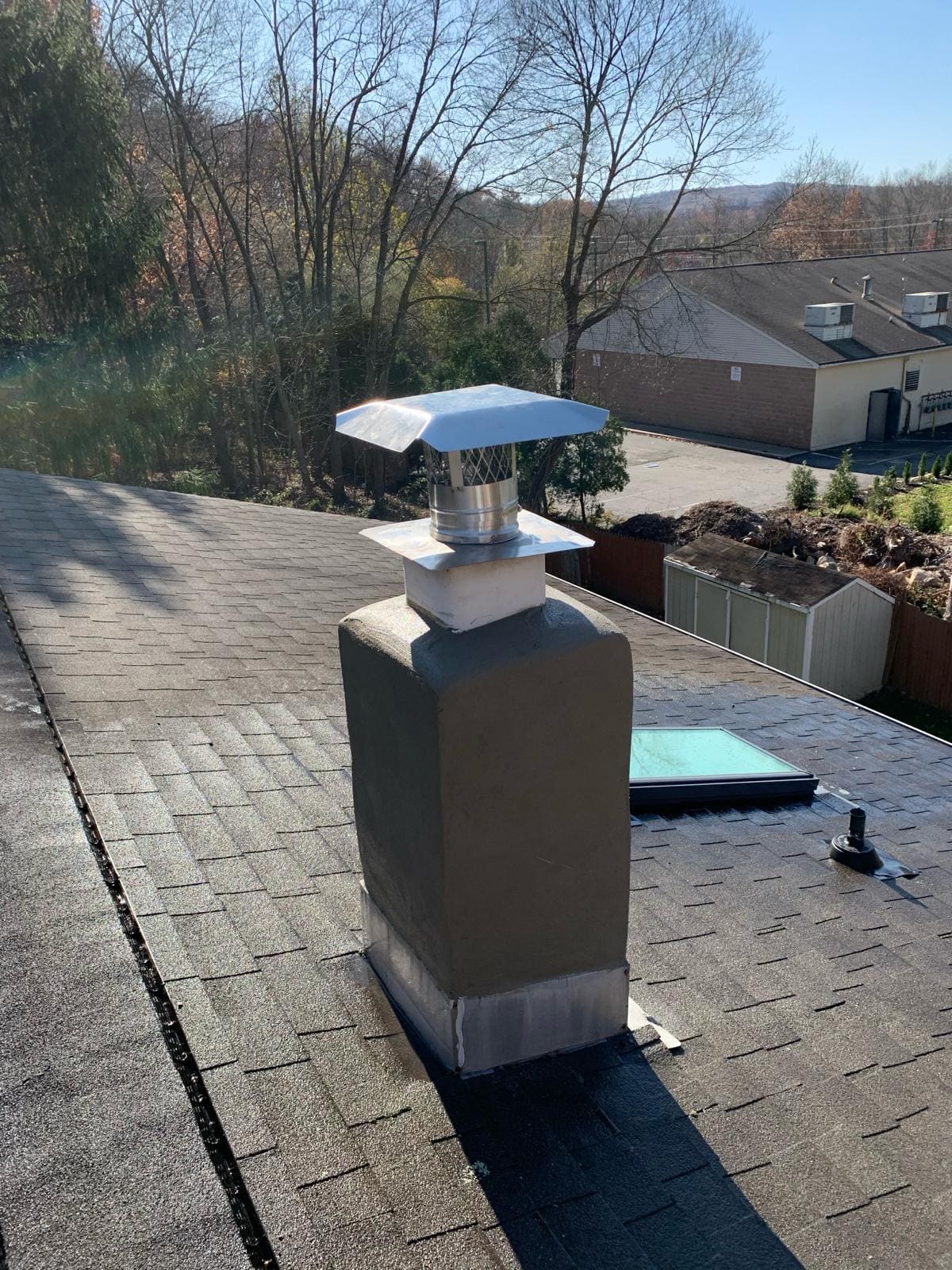
Every replacement we do in Montclair includes new underlayment, ice and water protection at eaves and valleys, new flashing at chimneys and walls, and proper ventilation. On older homes we also look closely at the chimney before the roof goes on, since a crumbling crown or loose brick is far easier to repair while the roof is open.
Montclair housing
Montclair's housing stock is dominated by homes built from the late 1800s through the 1930s, with Victorians, Tudors, colonials and Craftsman-influenced designs on both small and large lots. Steep, complex rooflines are typical, and some older homes still carry original slate or tile. Brick chimneys are often tall, with two or three flues serving fireplaces and old coal or oil heating systems. Multifamily buildings and commercial blocks line the main corridors.
Weather & exposure
The township climbs steadily from east to west, so homes near the ridge take the brunt of westerly wind and wind-driven rain during nor'easters. Dense tree cover keeps roofs shaded and holds moisture, which encourages moss growth and clogged gutters. North-facing slopes under trees are prone to ice dams in cold stretches, and freeze-thaw cycles work on old masonry crowns and brick year after year.
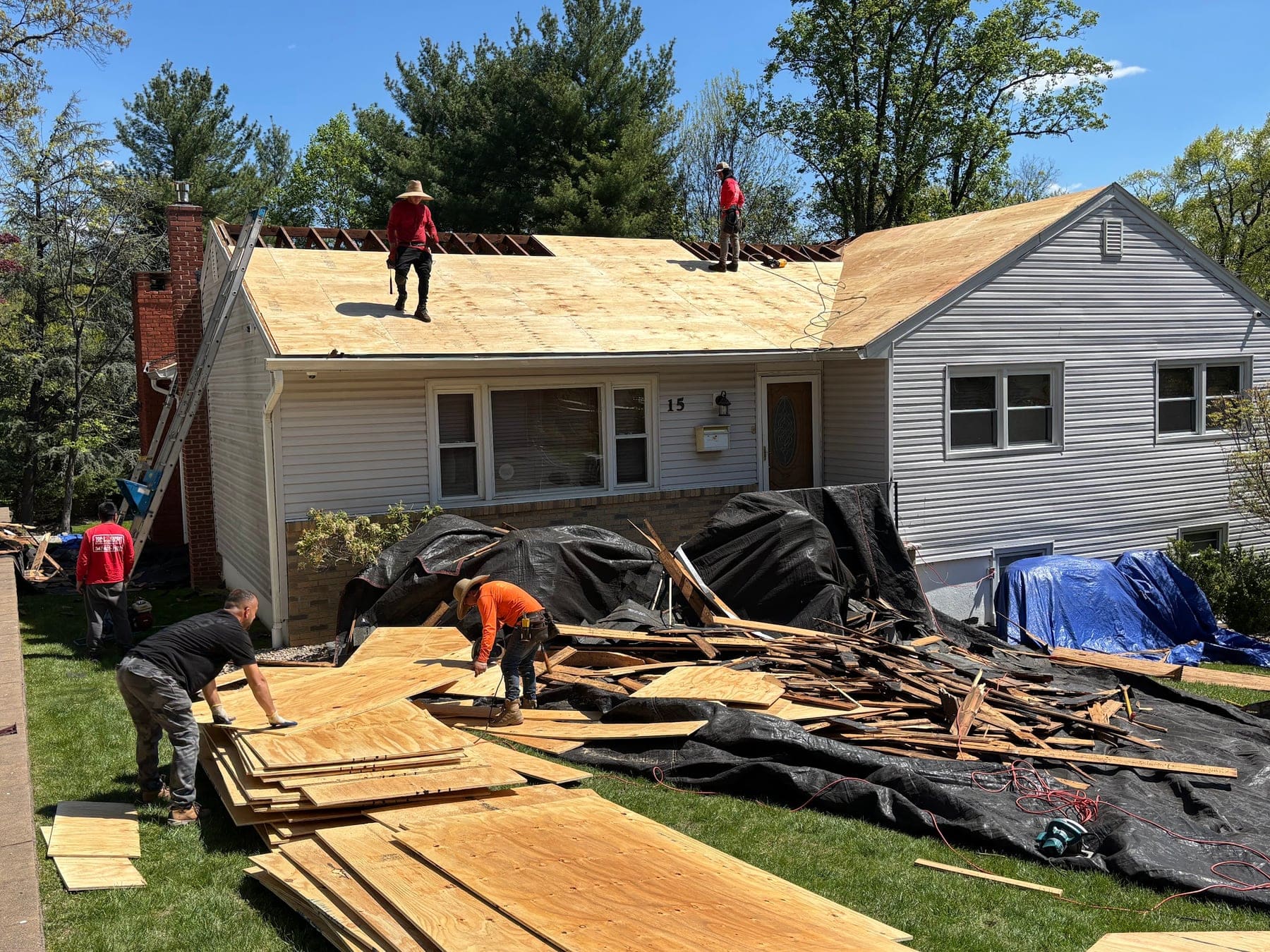
When replacement is the right call in Montclair
Replacement makes sense when shingles are brittle or curling, granule loss is widespread, leaks are showing up in several places or the roof has already been patched repeatedly. If you are planning other exterior work such as repointing a chimney, replacing gutters or installing skylights, coordinating it with the roof saves money and avoids disturbing new work.
In historic districts, a change of roofing material or color may need review. Check with the township before signing a contract. We provide manufacturer specifications and color samples to support any application, and architectural shingles in slate-gray and brown tones are a common choice that reads well on older homes.