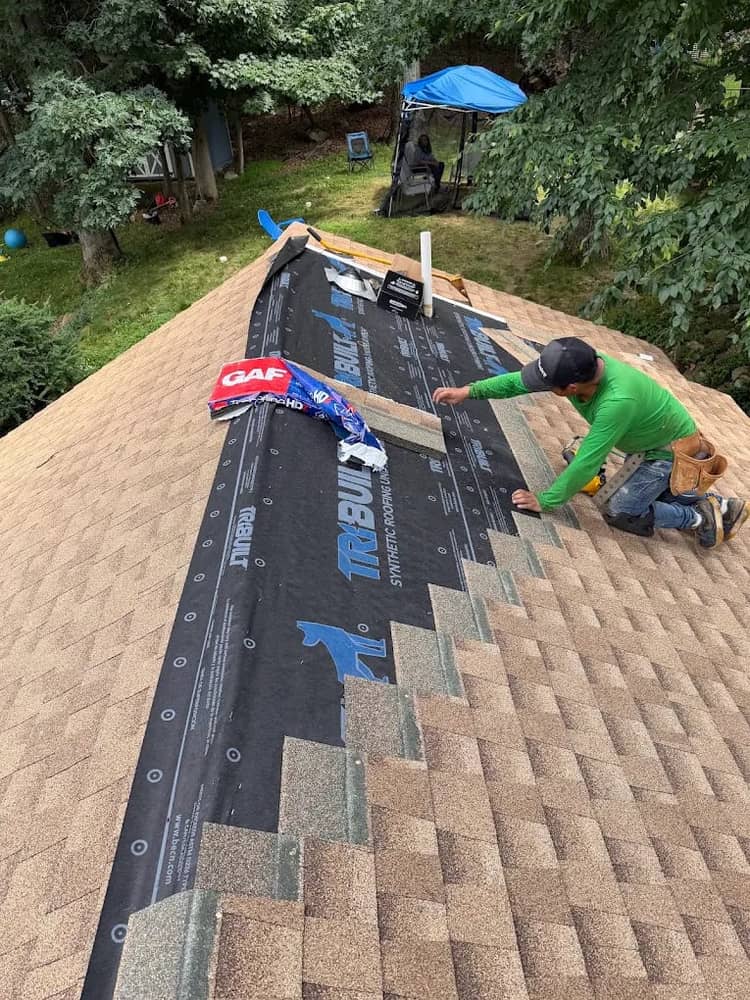
Roof Repair for South Orange homes and buildings
South Orange's older homes combine steep roofs with materials that need careful handling. Some still have slate or clay tile, and many have asphalt shingles over older layers. Leaks typically come from flashing at dormers, chimneys and stucco walls, valley wear and debris under heavy tree cover.
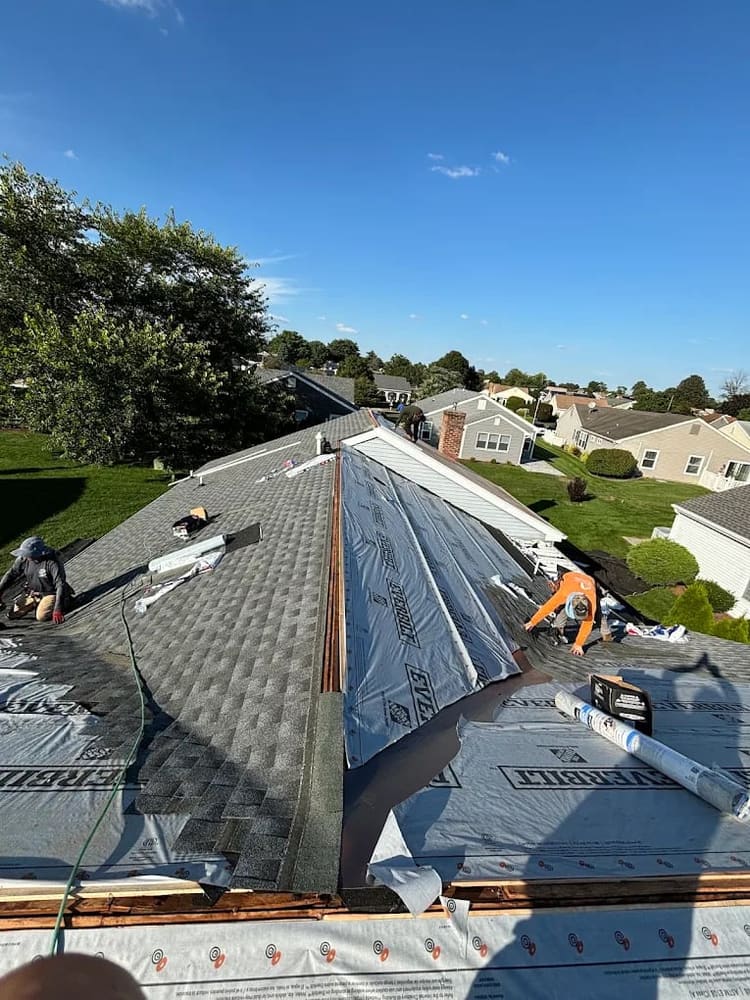
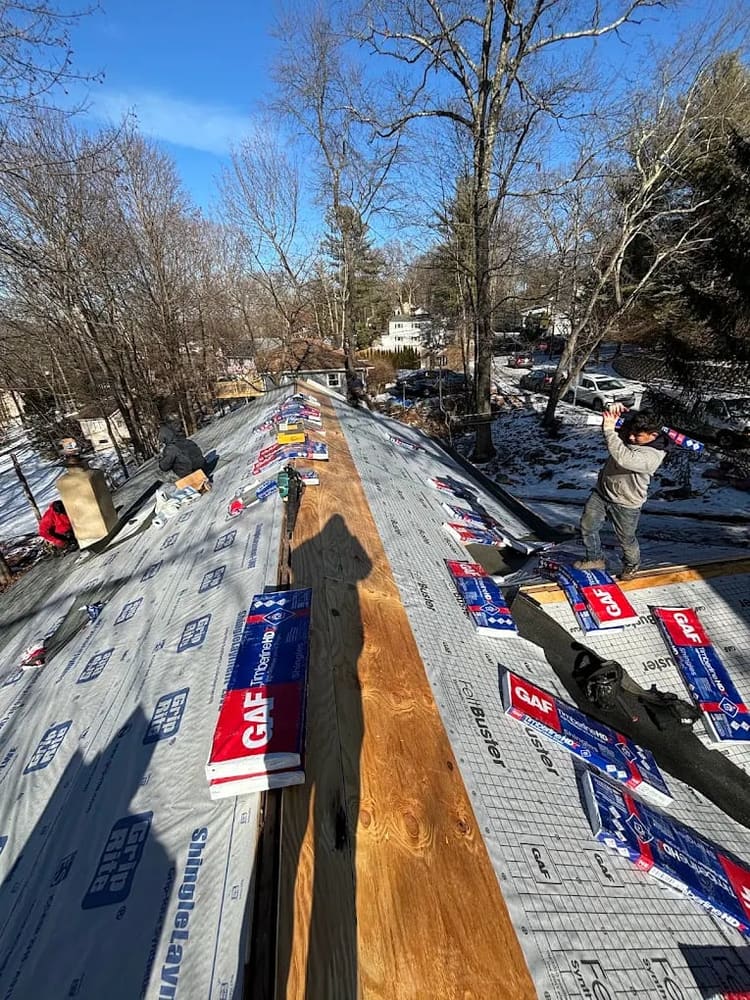
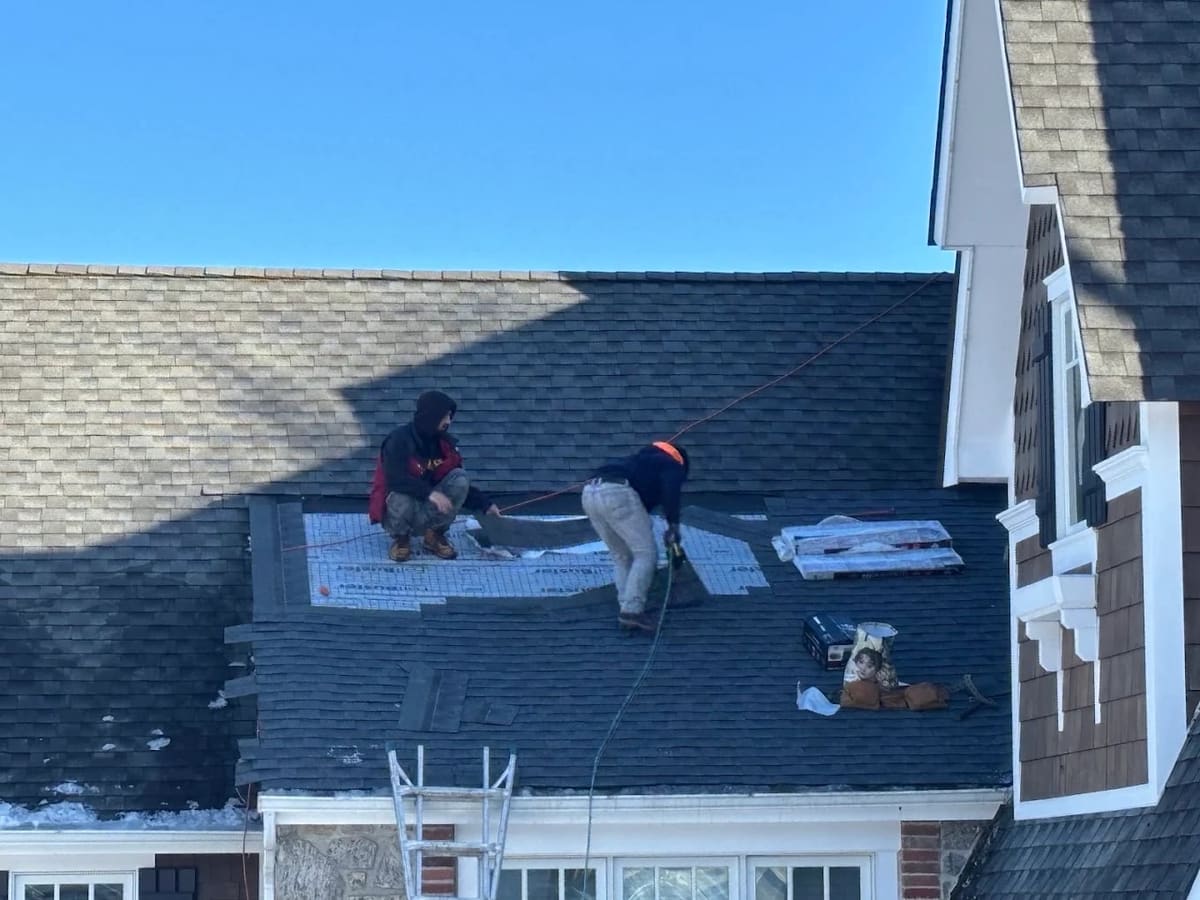
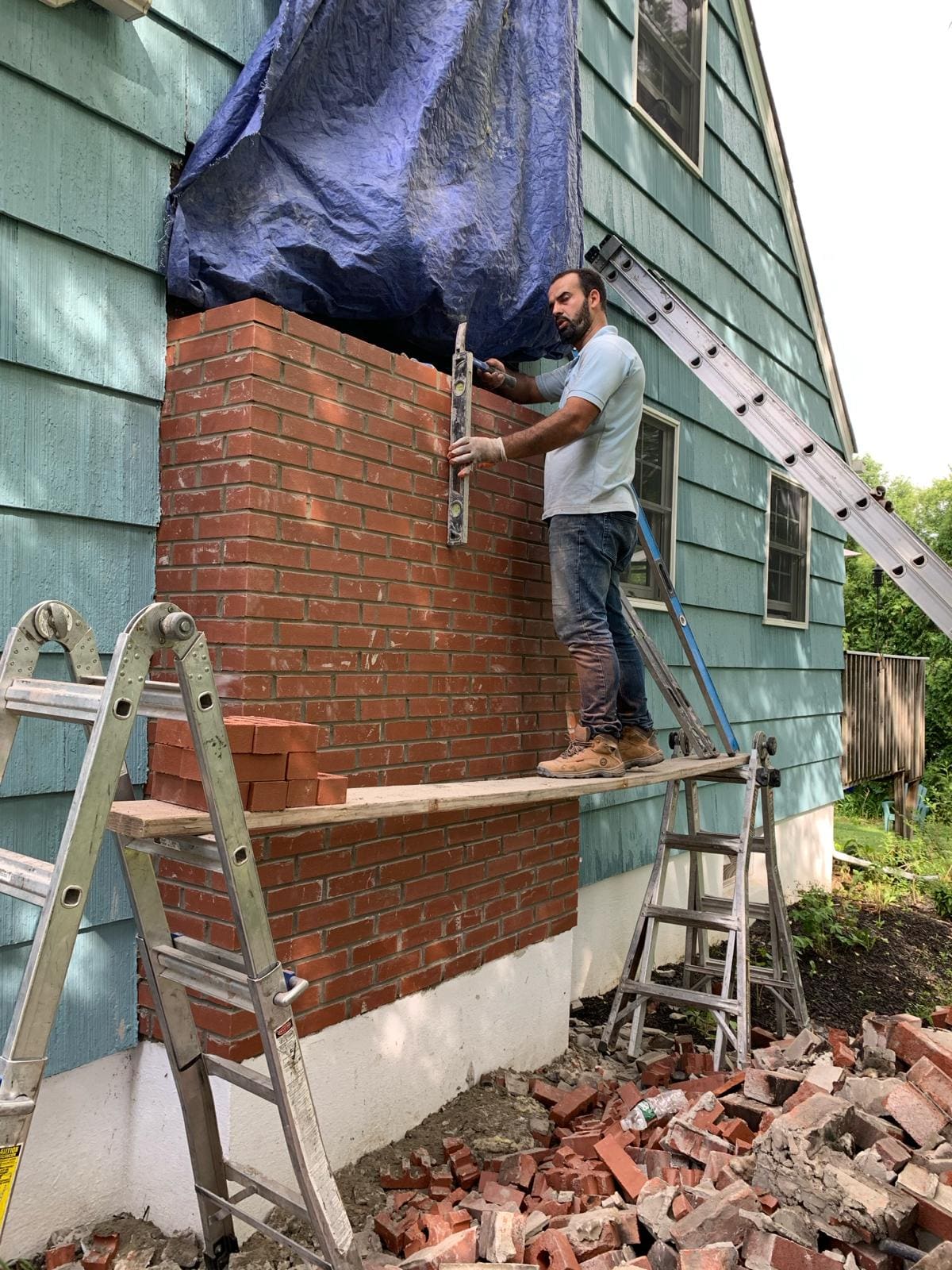
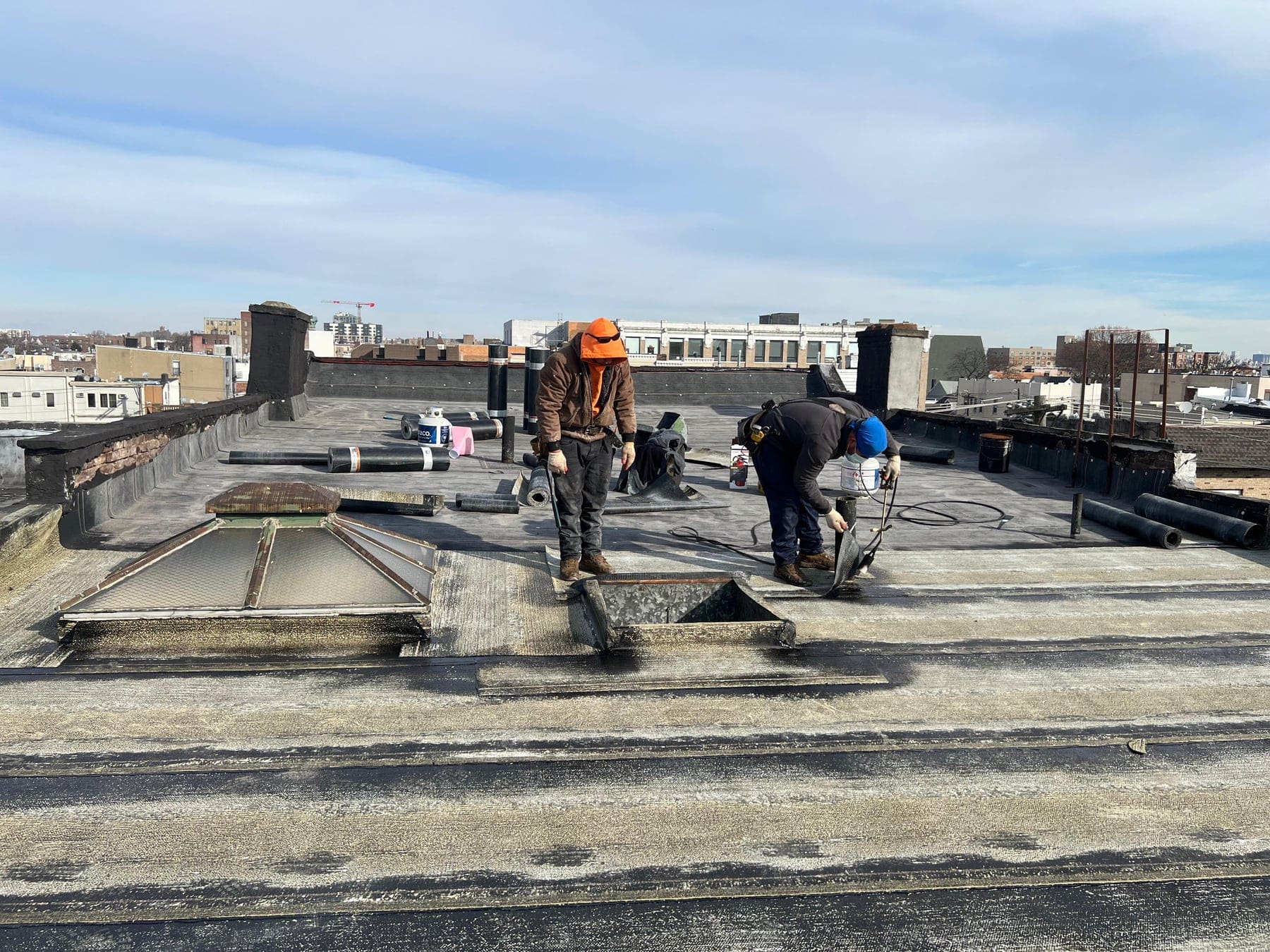
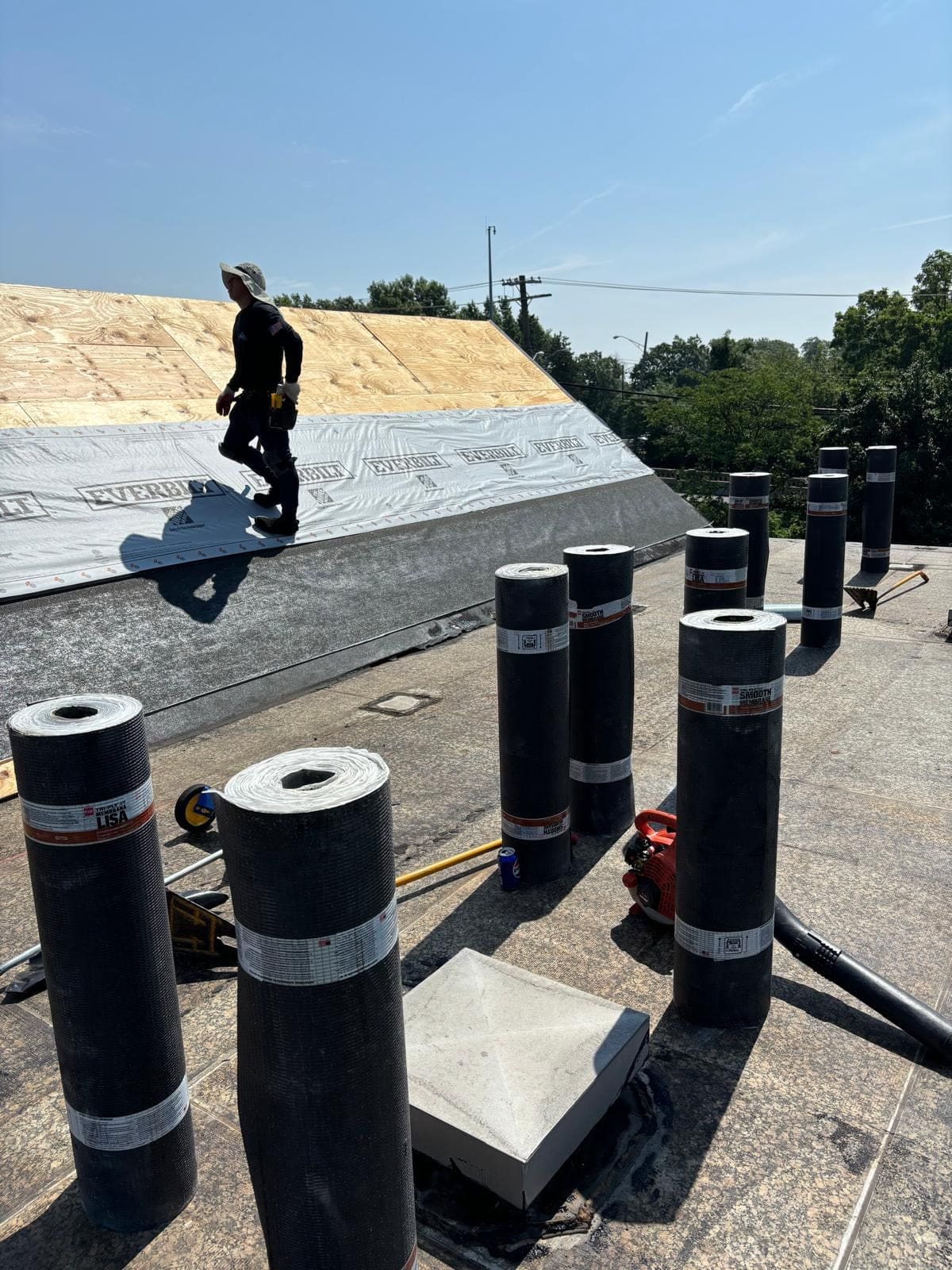
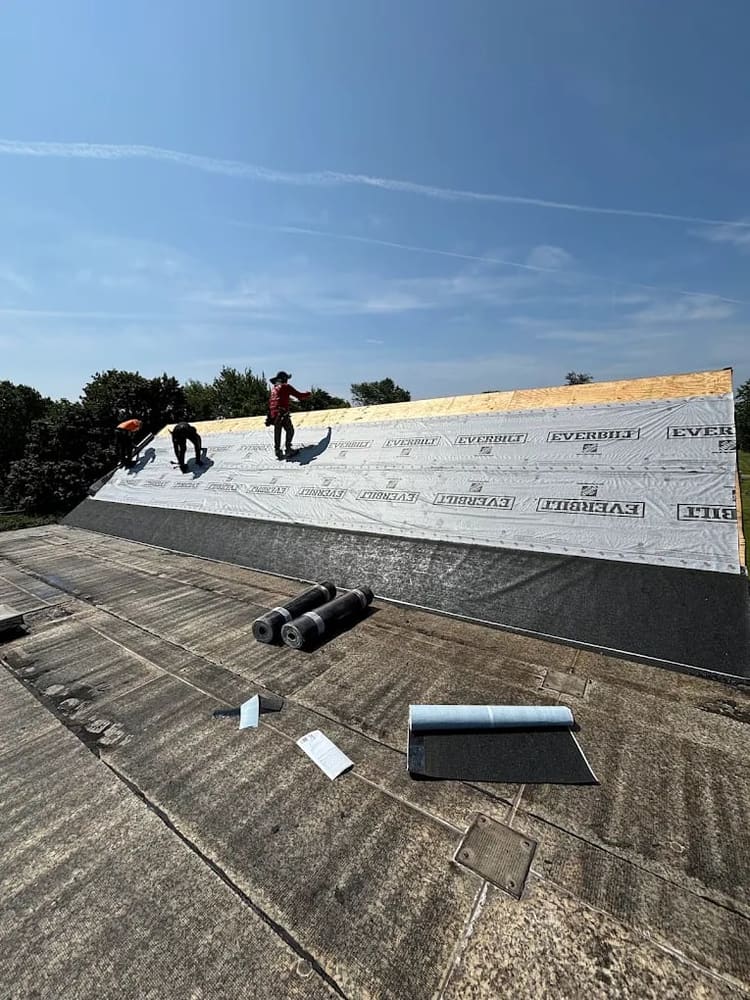
We repair asphalt shingle roofs, flat and low-slope roofs on porches, additions and apartment buildings, and the flashing at chimneys, walls and dormers. Where a home has slate or clay tile, we can assess and advise, replace or resecure individual pieces where practical and repair the flashing that causes most leaks on those roofs.
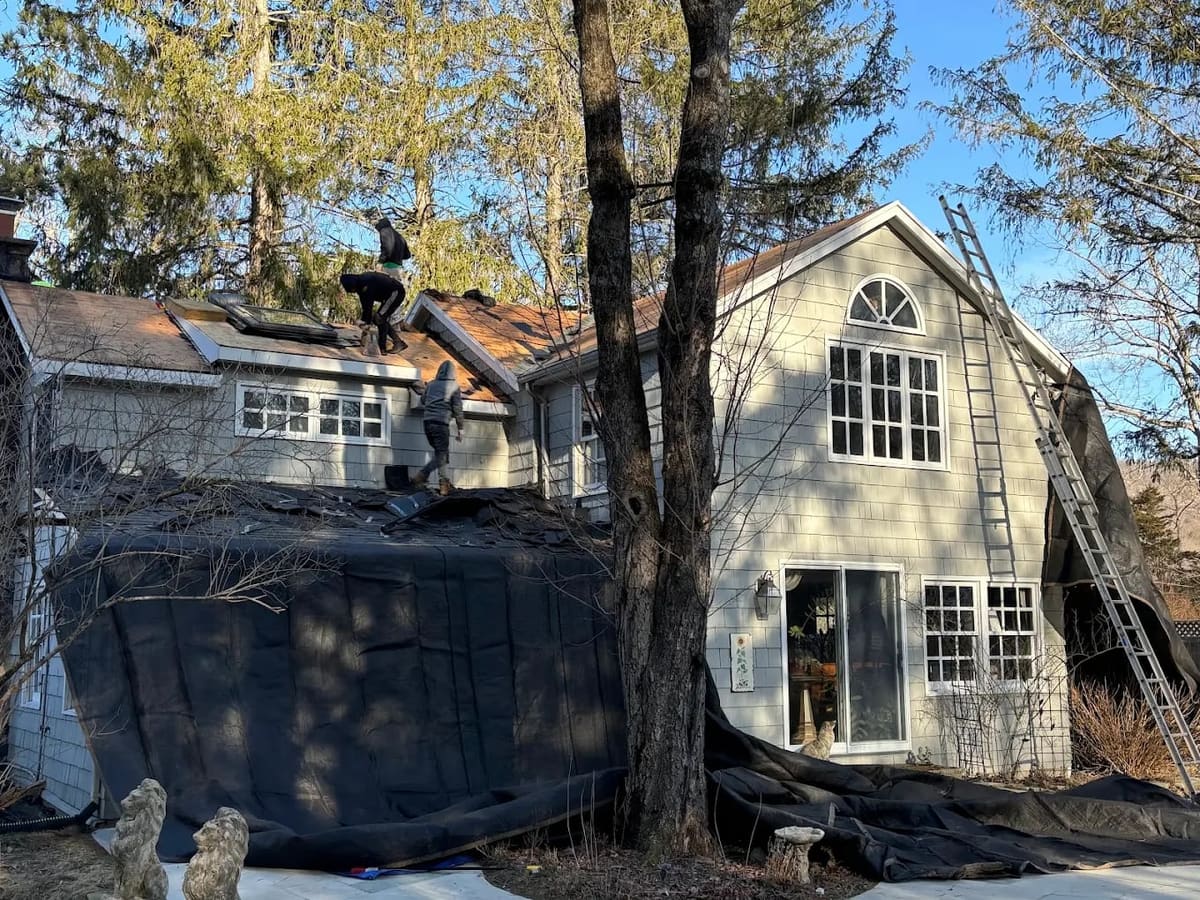
Hillside homes on the western side of the village often have tall rear elevations and steep yards. We plan safe access for each and photograph the problem areas so you can see what we find.
South Orange housing
South Orange's housing is largely pre-war: large Victorians and shingle-style homes, Tudors, center-hall colonials and stucco homes in revival styles, with some original slate and clay tile roofs remaining. The village includes historic districts such as Montrose Park. Near the university and downtown, older houses have been converted to multi-unit use and there are apartment buildings with flat roofs. Brick chimneys, some parged with stucco, are nearly universal on older homes.
Weather & exposure
The village slopes upward toward South Mountain, so homes on the western hillside see more wind and steeper driveways and yards, while lower areas near downtown are flatter. Mature trees shade most streets, keeping roofs damp and gutters full. Hillside lots channel runoff toward foundations and lower structures. Freeze-thaw cycles work on stucco, old brick and chimney crowns every winter.
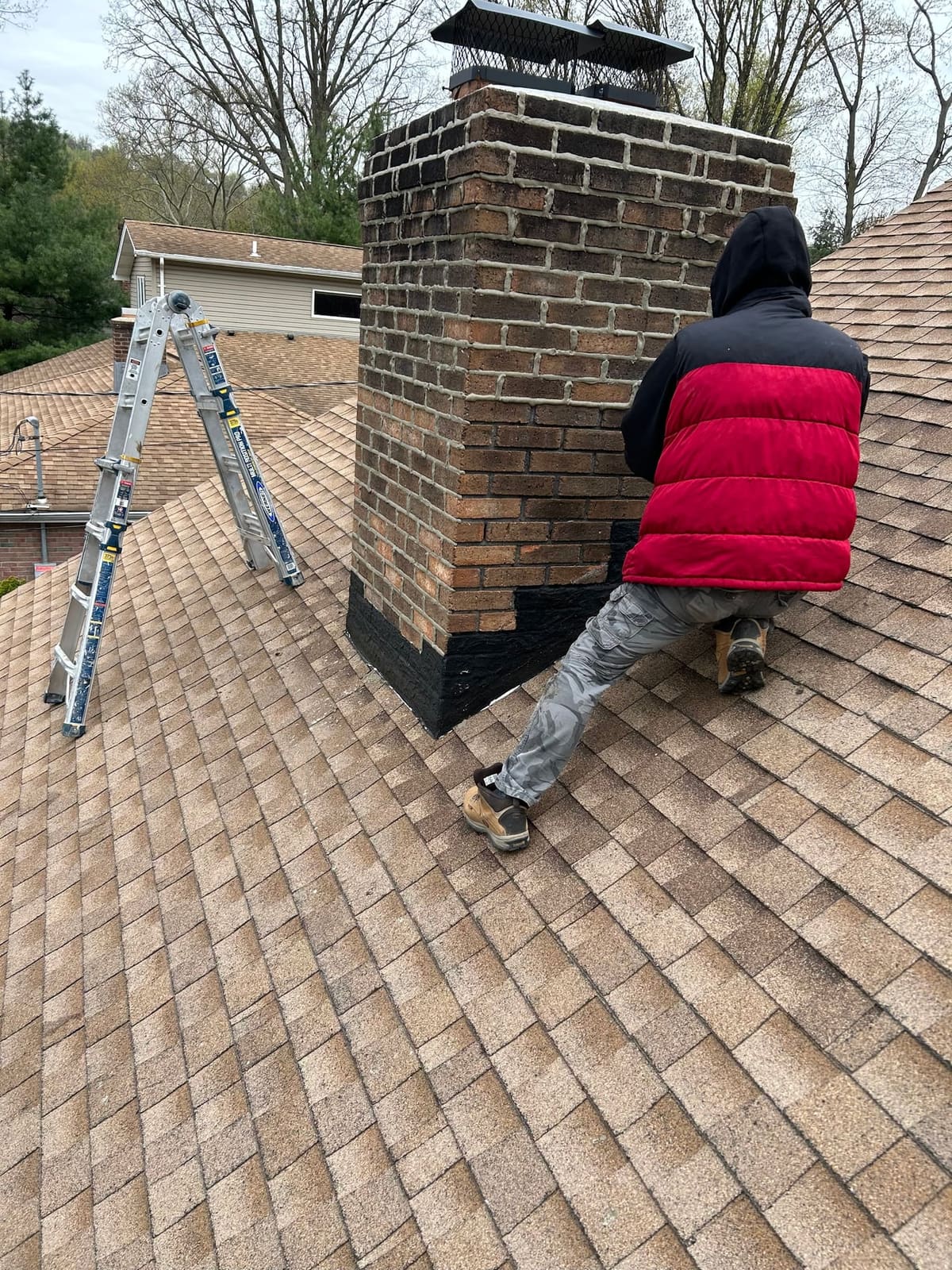
Repair or replace? What we tell South Orange homeowners
A repair on a South Orange home should match existing materials and fix the actual entry point. Ask for photos of the problem and the finished repair. If shingles are brittle throughout or leaks keep recurring at different details, put the money toward a replacement instead.
If your home is in a historic district, check with the village before making visible changes to roofing materials or colors. Repairs that match existing materials are generally simpler.