Roof Replacement for Butler homes and buildings
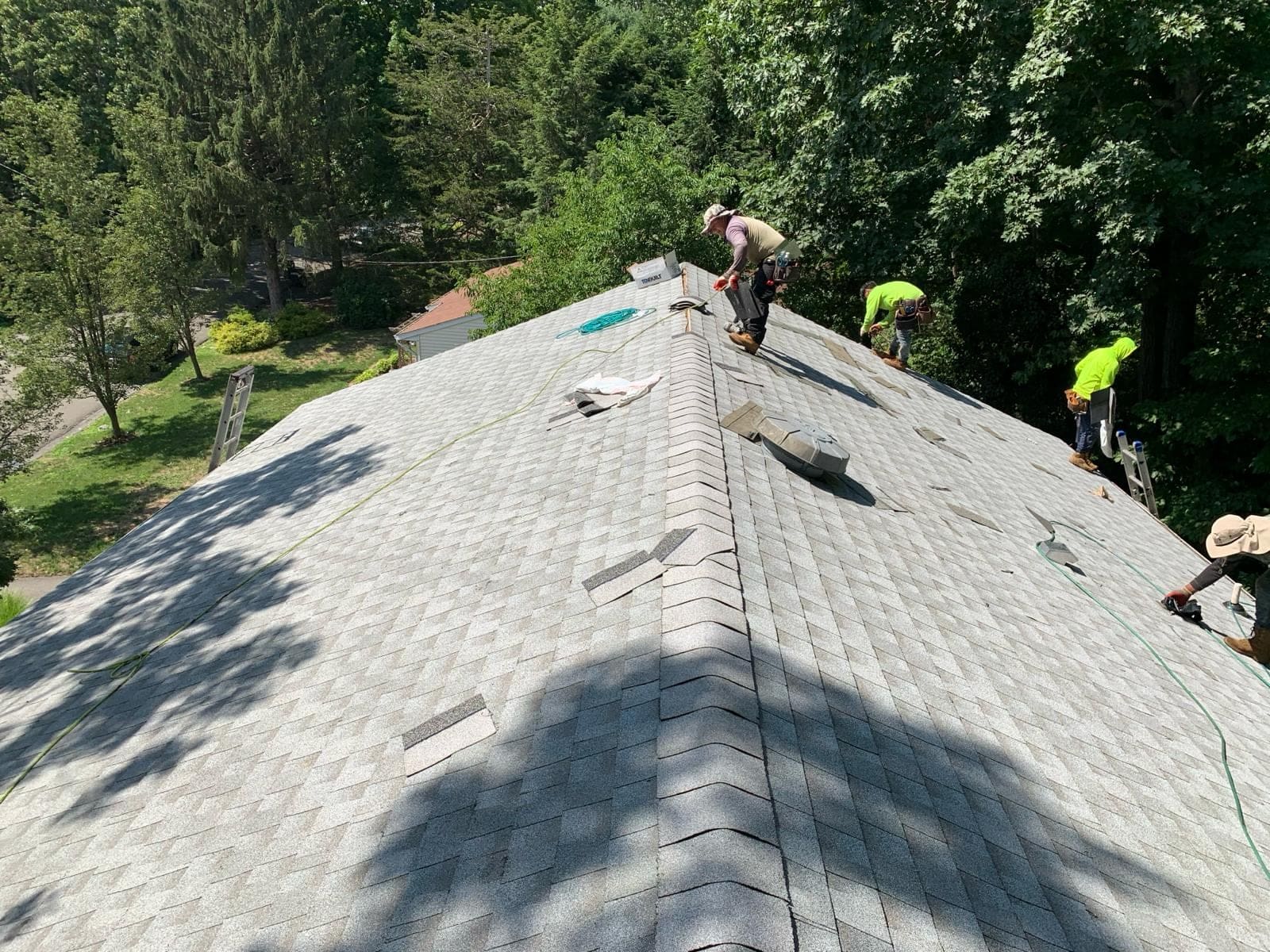
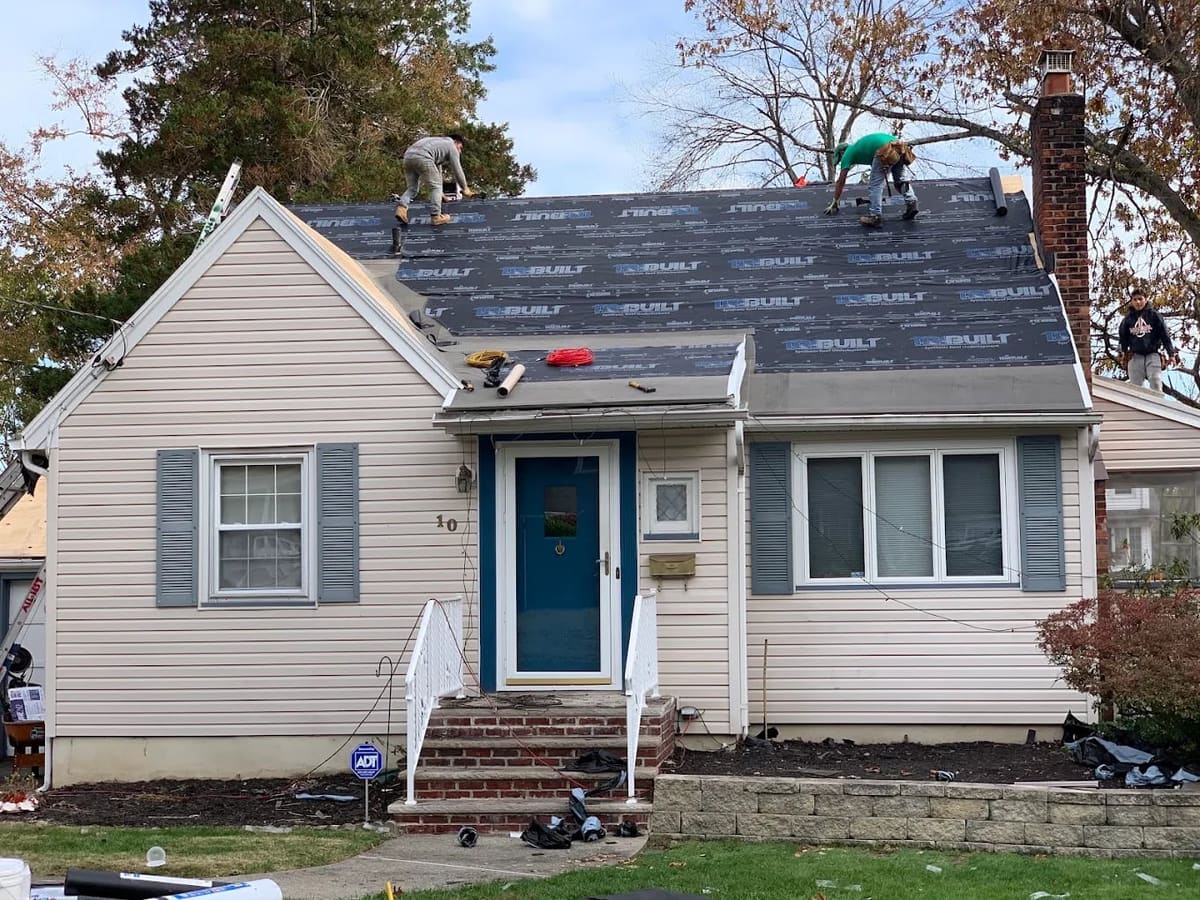
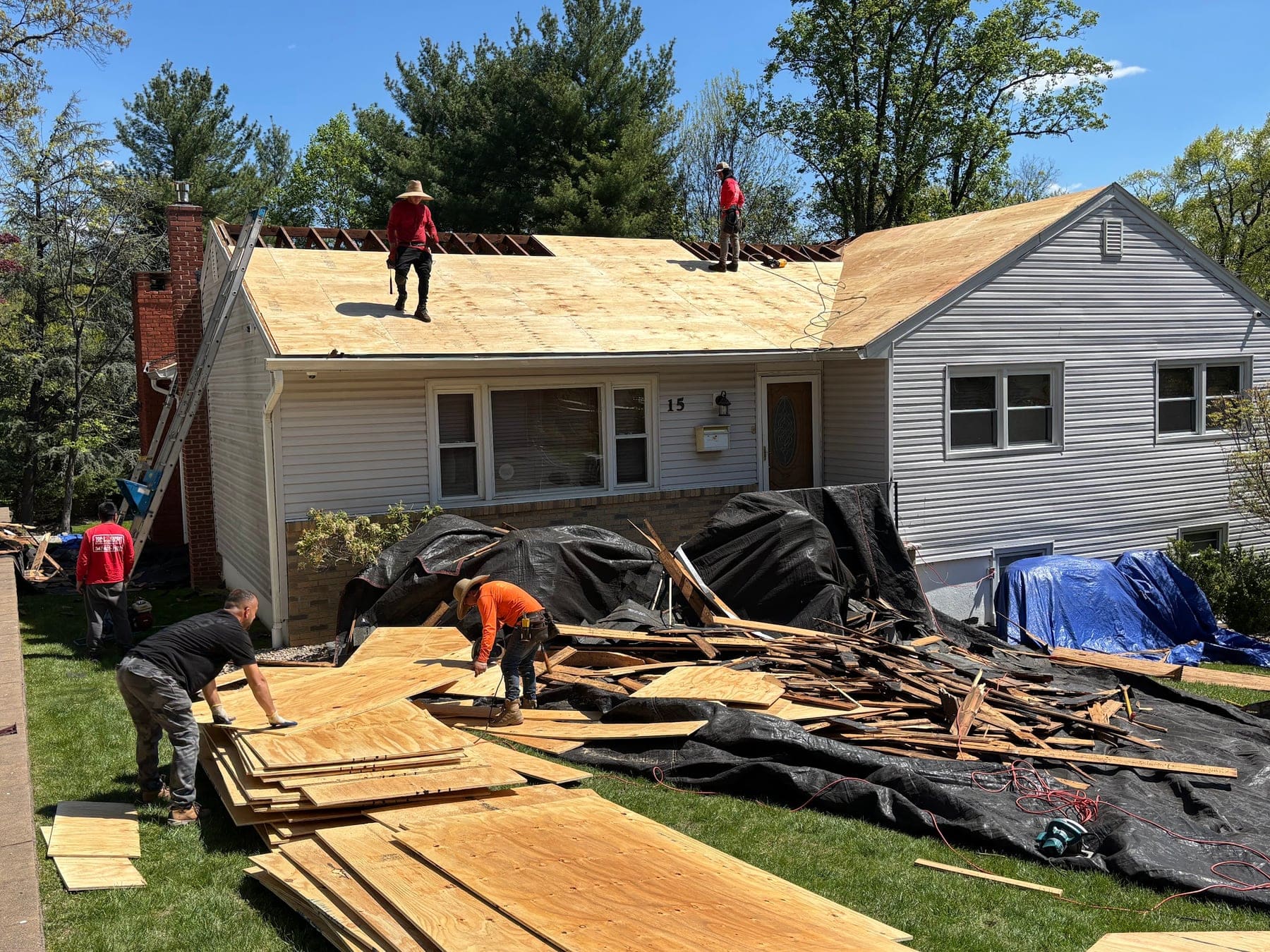
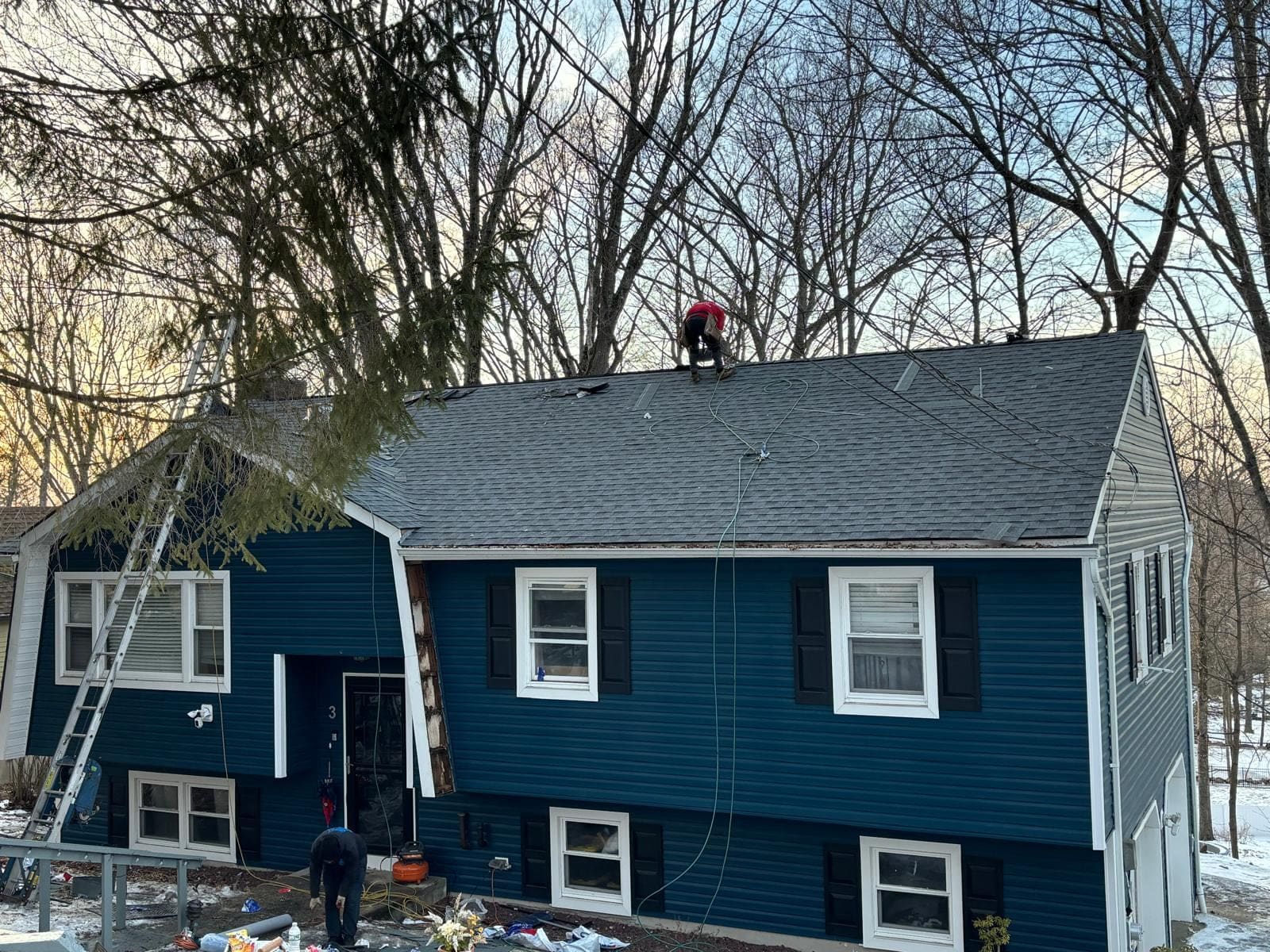
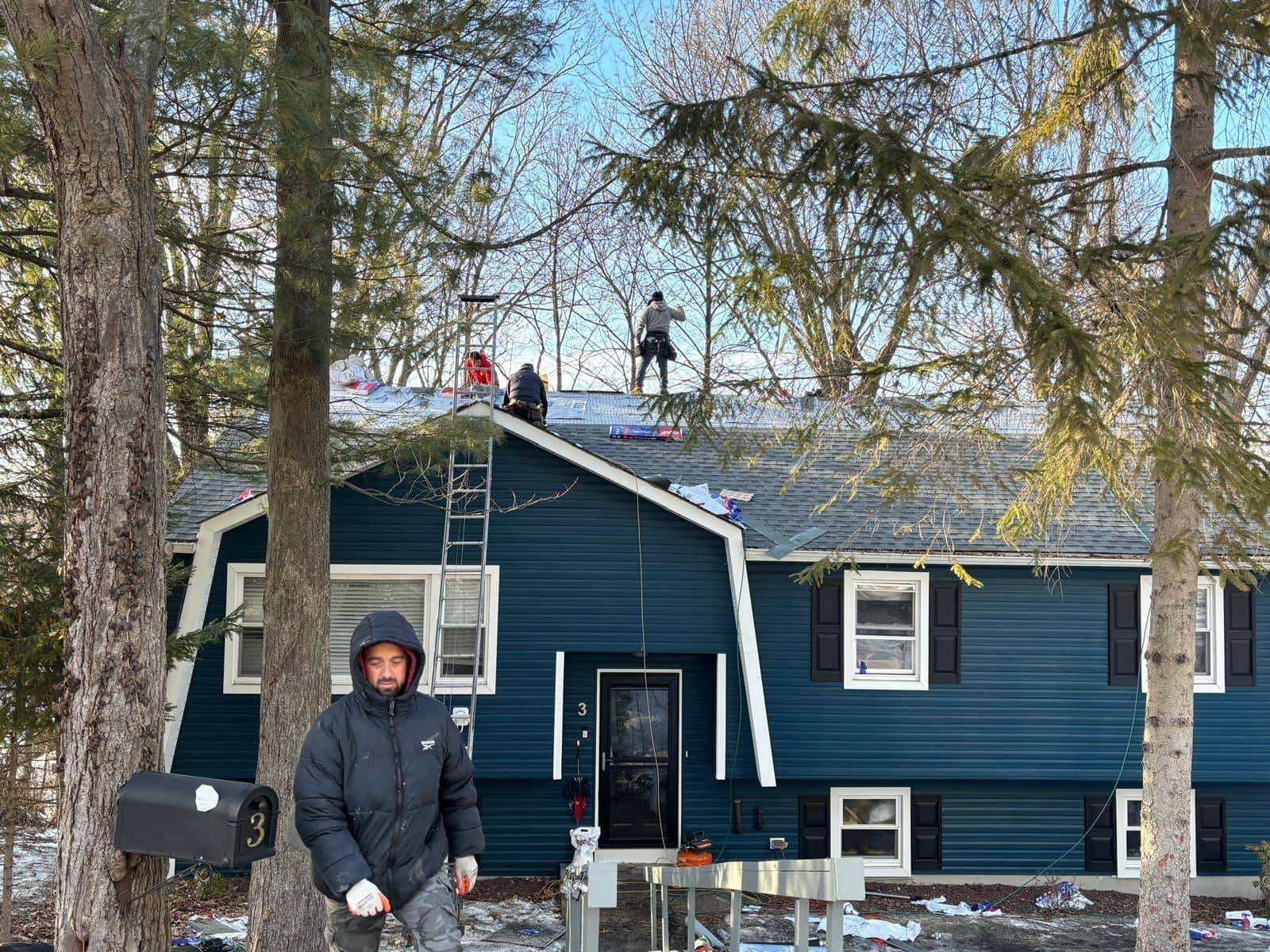
Replacing a roof on a Butler home is usually a straightforward project on a modest-sized house, with the main variables being what is underneath. Older homes may have plank decking and more than one layer of shingles, and mid-century homes may have plywood that has been damaged along the eaves by years of ice dams. A full tear-off lets us fix the deck before the new roof goes on.
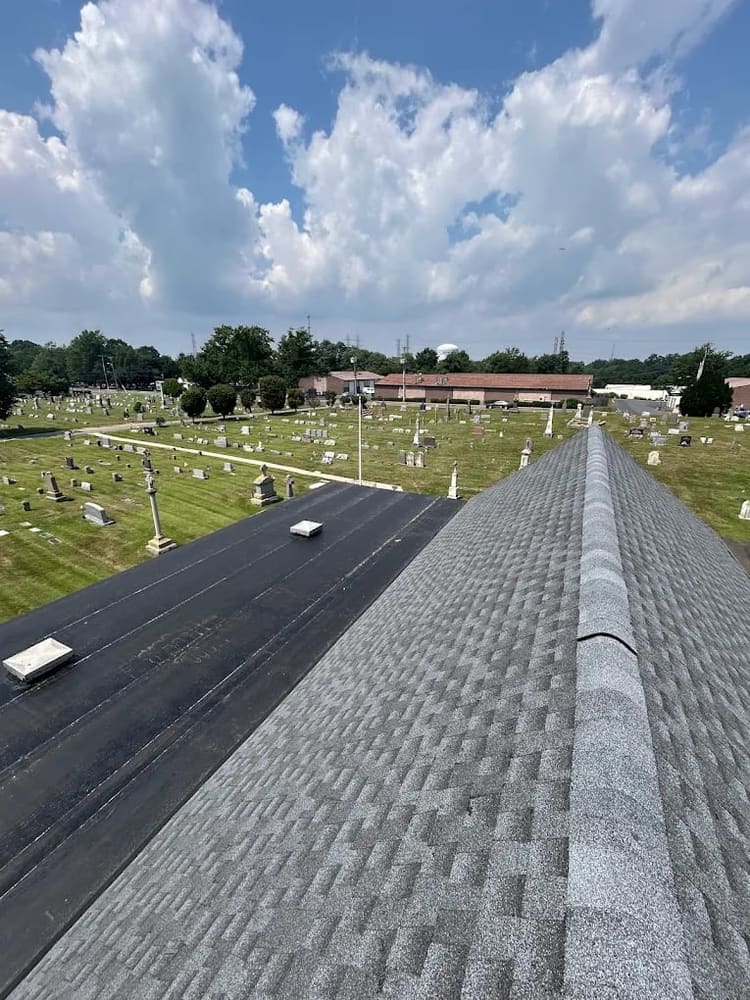
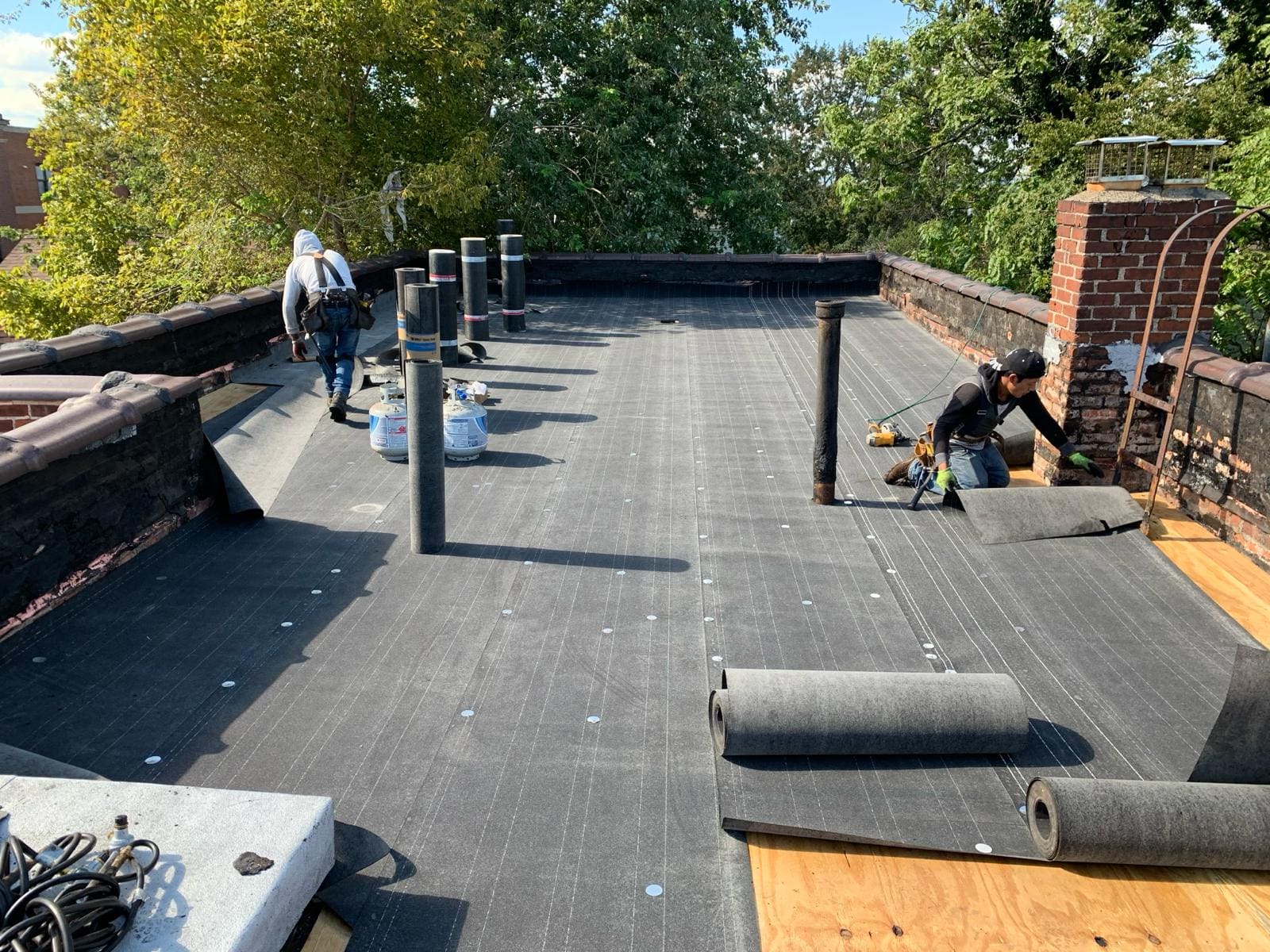
For commercial and industrial buildings, replacement is a larger decision. We evaluate the existing roof, the condition of the insulation, the drainage and the deck, and recommend a membrane system suited to the building. Old skylights, hatches and abandoned rooftop penetrations are addressed in the same project rather than worked around.
Butler housing
Butler's housing is a mix of early-1900s homes near the center, many of them modest gable-front and two-story frame houses built close together, with mid-century capes, ranches and split-levels on the streets farther out and on the hillsides. There are some two-family houses and small apartment buildings. Along the river and Route 23 are industrial, warehouse and commercial buildings with flat and low-slope roofs.
Weather & exposure
Butler sits in a valley with hills rising nearby, so it gets the colder winters and heavier snow of the Highlands edge. Homes near the Pequannock River deal with damp valley air, and hillside lots under mature trees see heavy leaf loads and shade. Strong summer storms and nor'easters bring wind-driven rain, and large flat roofs in the industrial areas are exposed to the full force of wind and ponding rain.
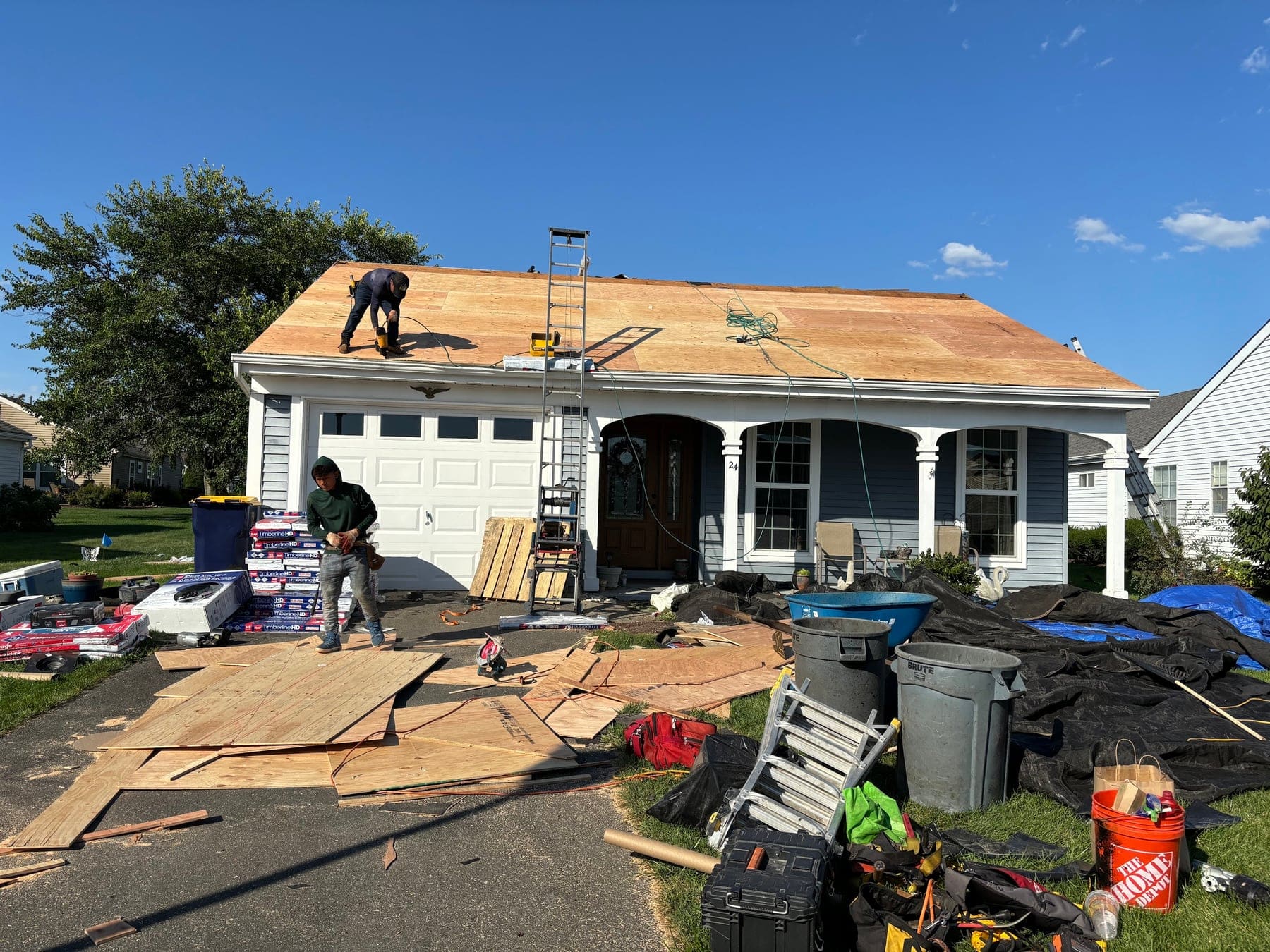
When replacement is the right call in Butler
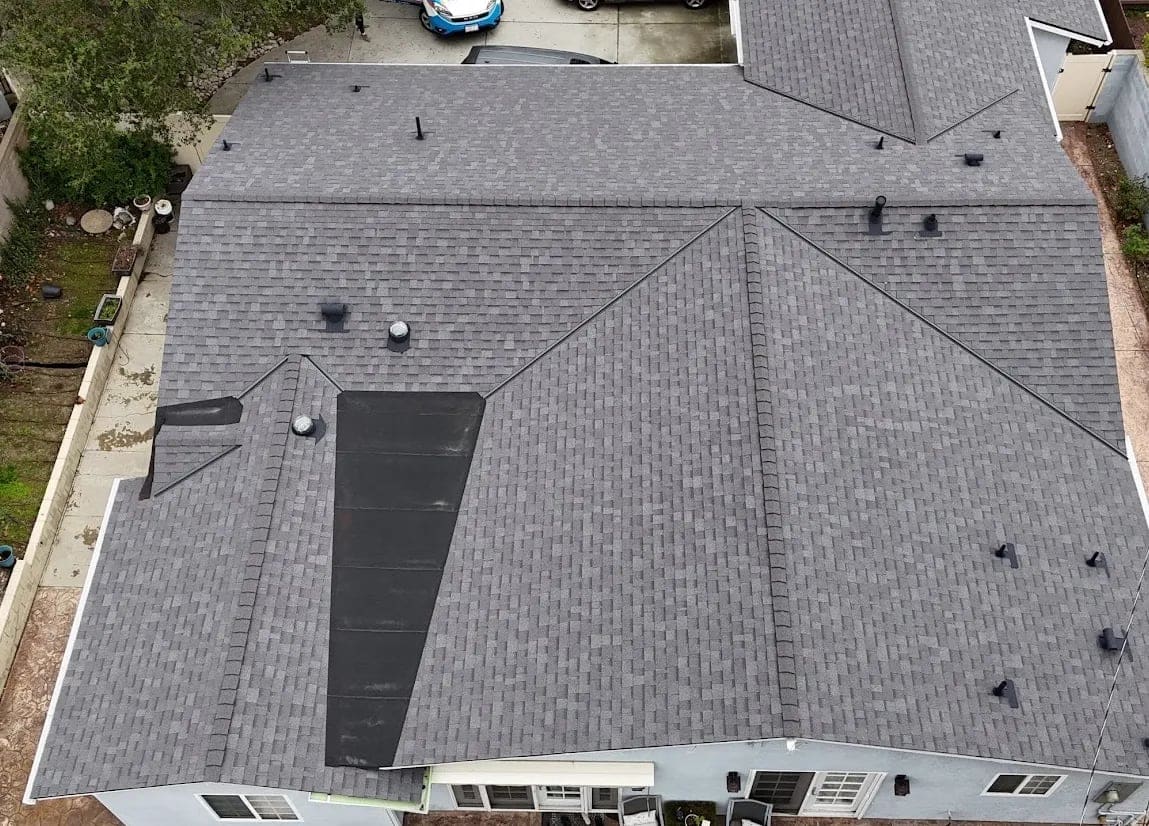
For a home, replace rather than repair when the shingles are failing across the roof, when there are two layers, or when leaks keep appearing in new places. Our residential scope includes tear-off, deck repairs, ice-and-water membrane at the eaves and valleys, synthetic underlayment, new flashing, architectural shingles and ridge ventilation.
For a commercial building, the right time to replace is when repair costs keep climbing, when insulation is wet across large areas, or when the membrane is past its service life. We schedule around operations, keep the building weathertight each night, and coordinate with mechanical contractors when equipment has to be lifted.