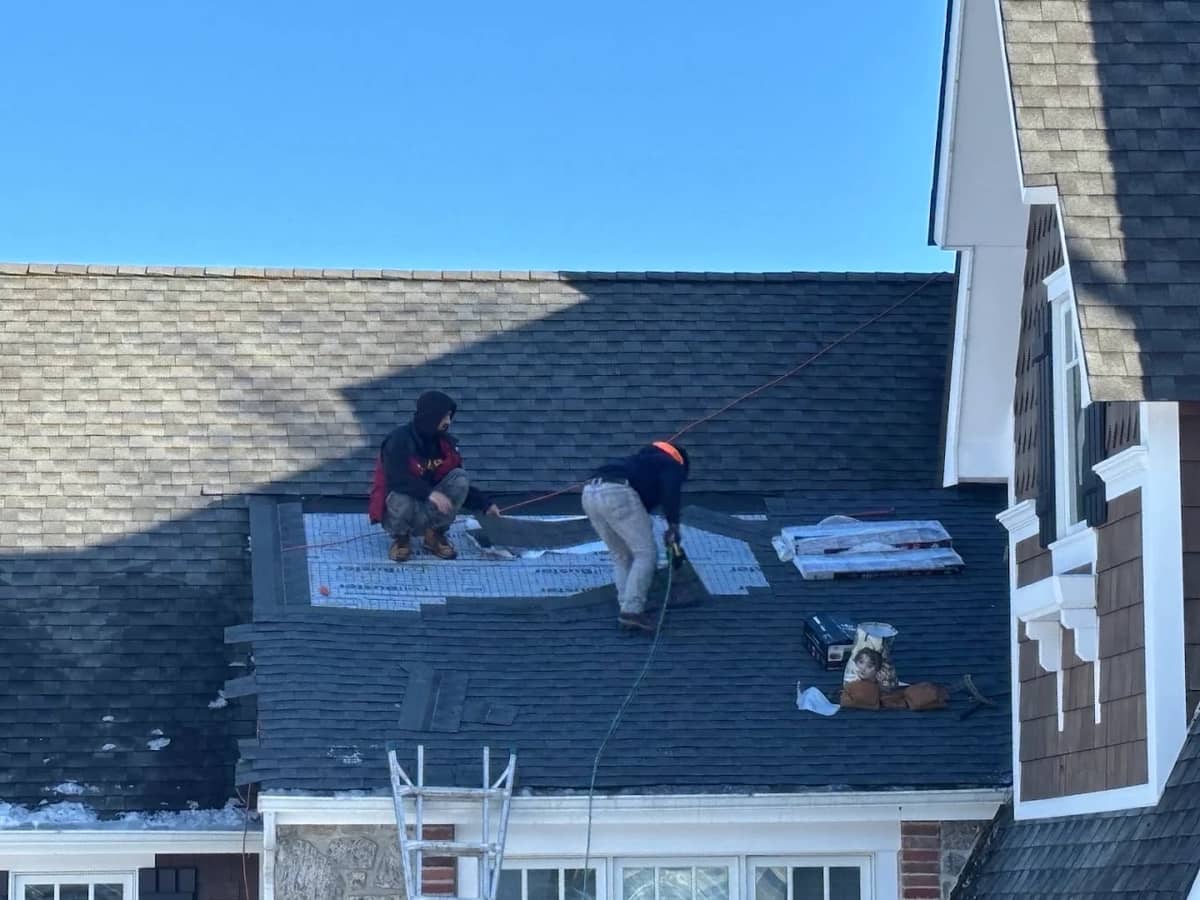
Roof Repair for Denville homes and buildings
Roof repair in Denville is shaped by the lake communities. A cottage at Indian Lake or Rainbow Lakes that has been expanded three or four times usually has roof sections of different ages and pitches, and the joints between them are the first place we look when there is a leak. Low-slope porch and addition roofs that were shingled instead of done in membrane, and valleys packed with pine needles and oak leaves, round out the typical findings.
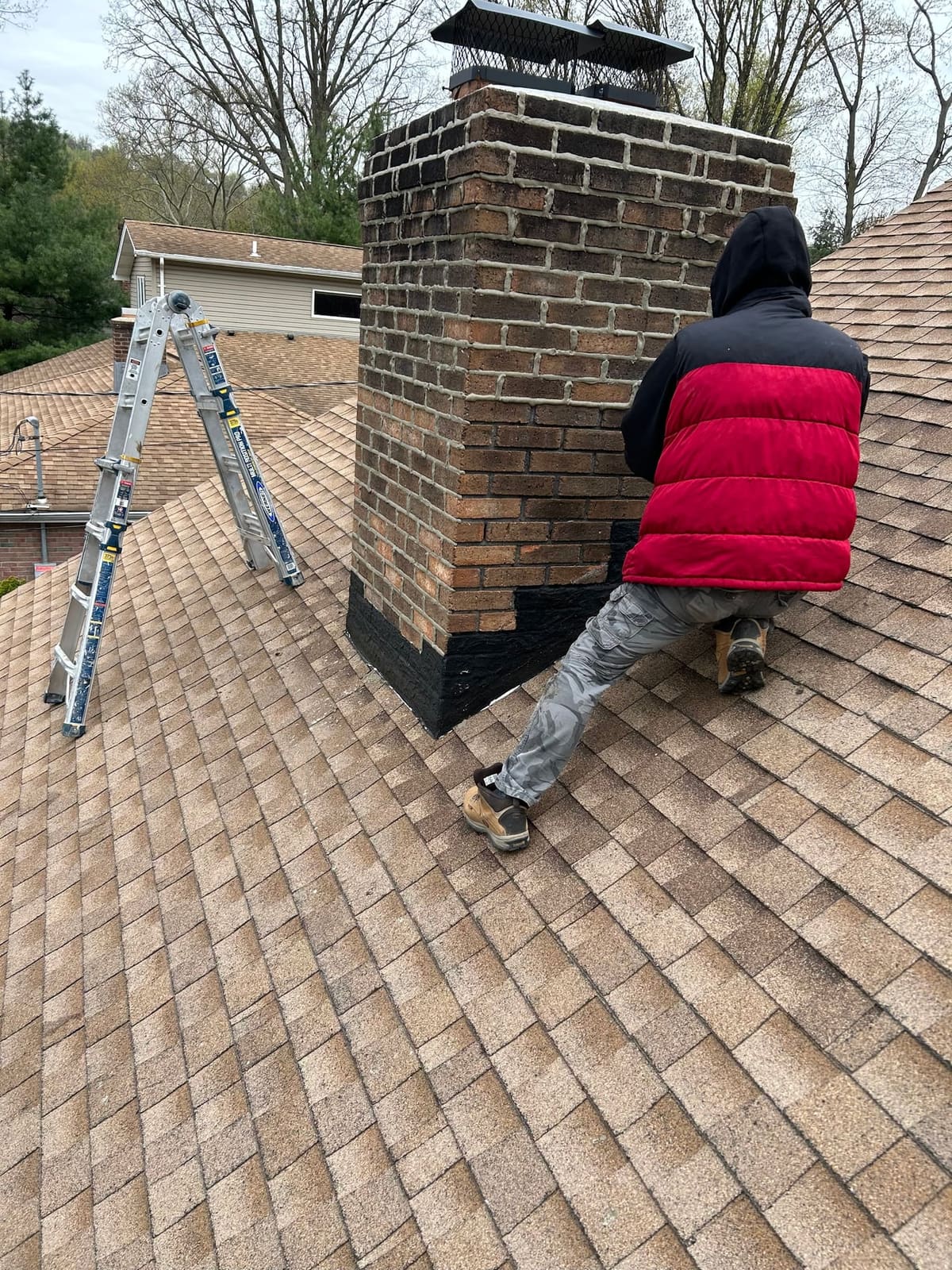
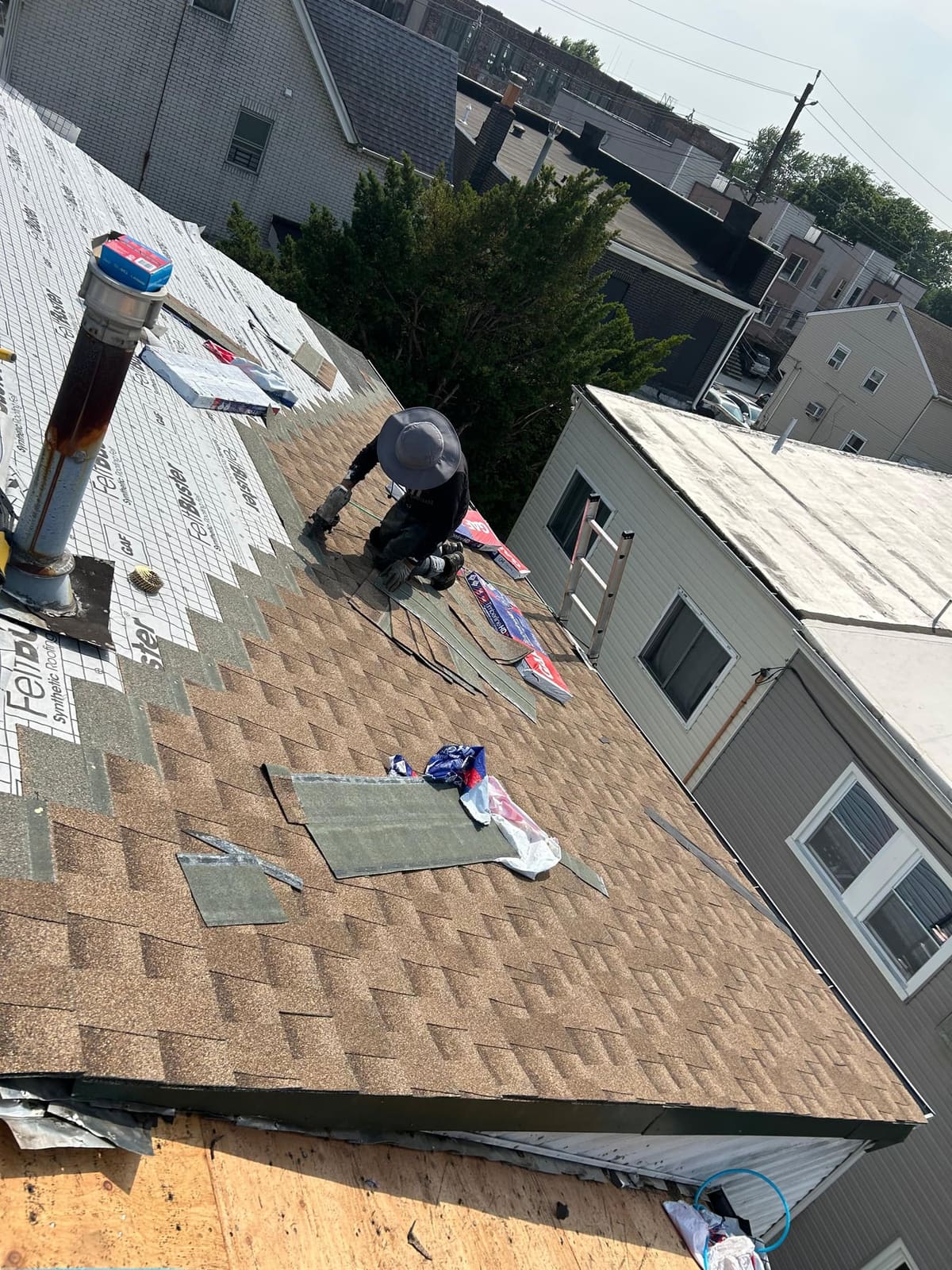
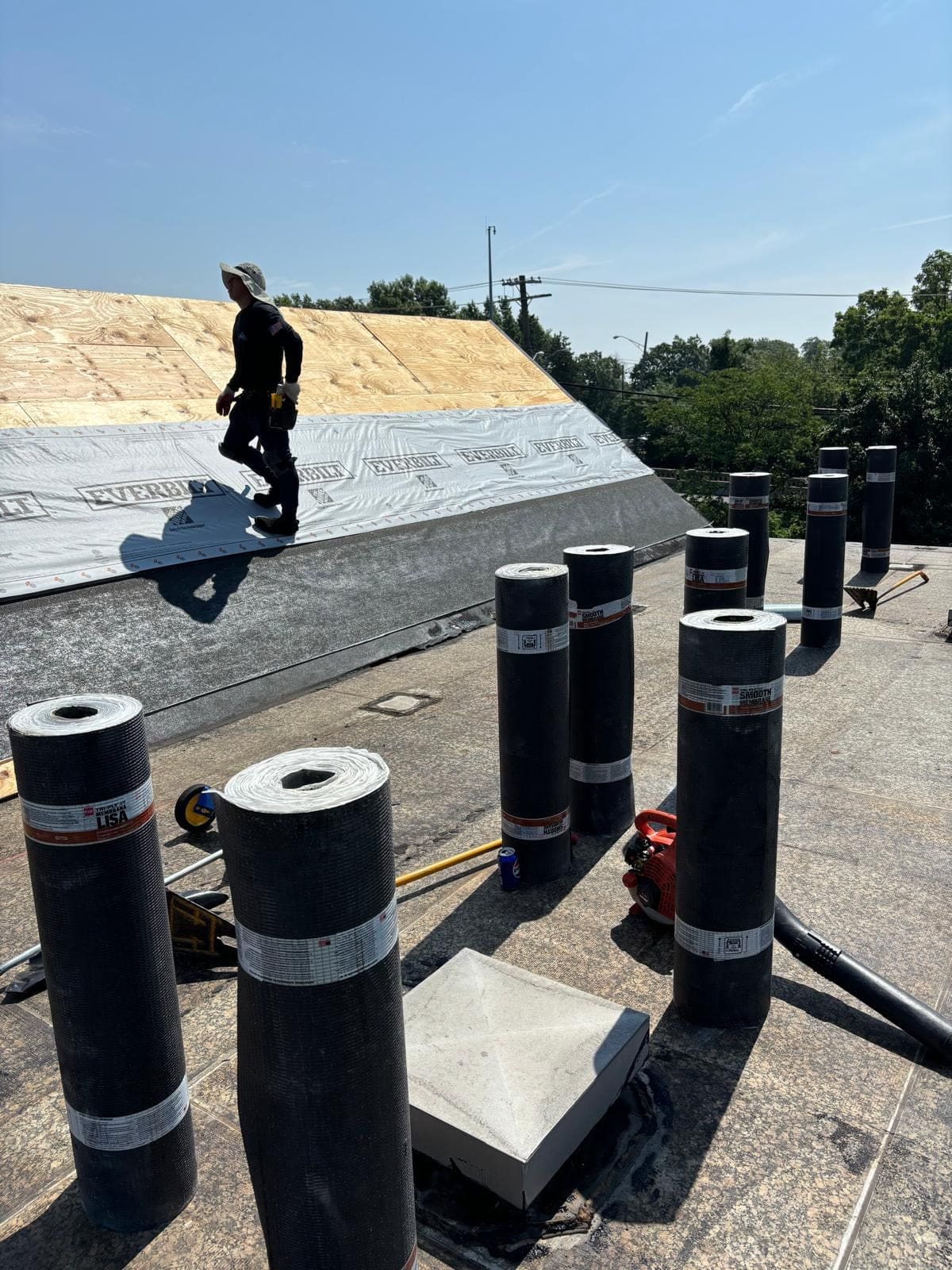
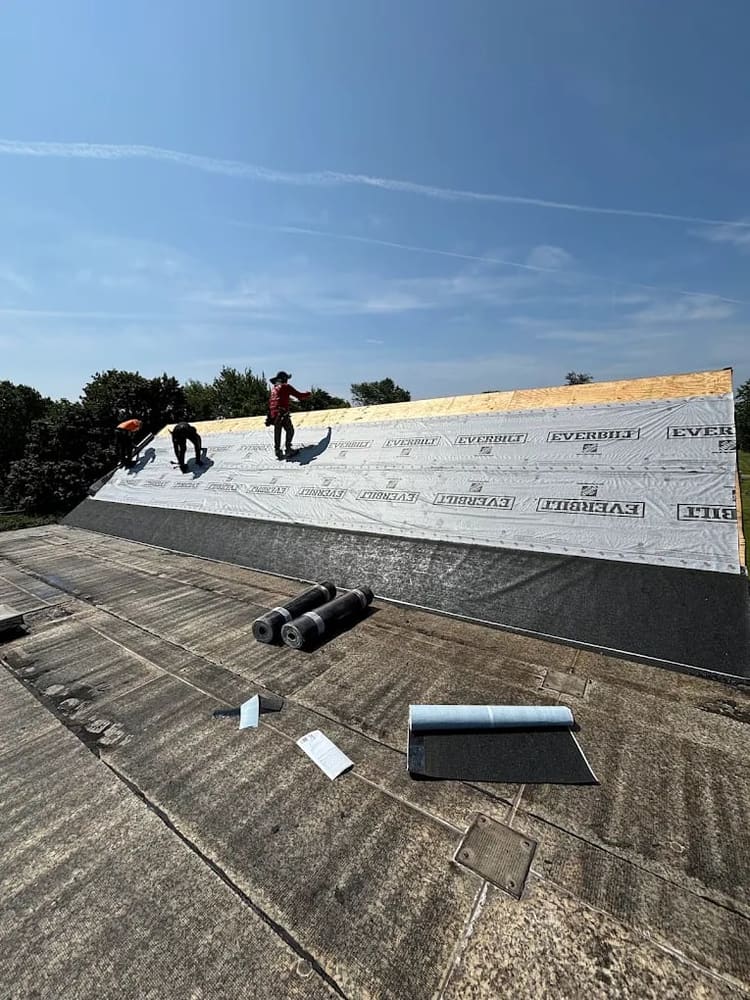
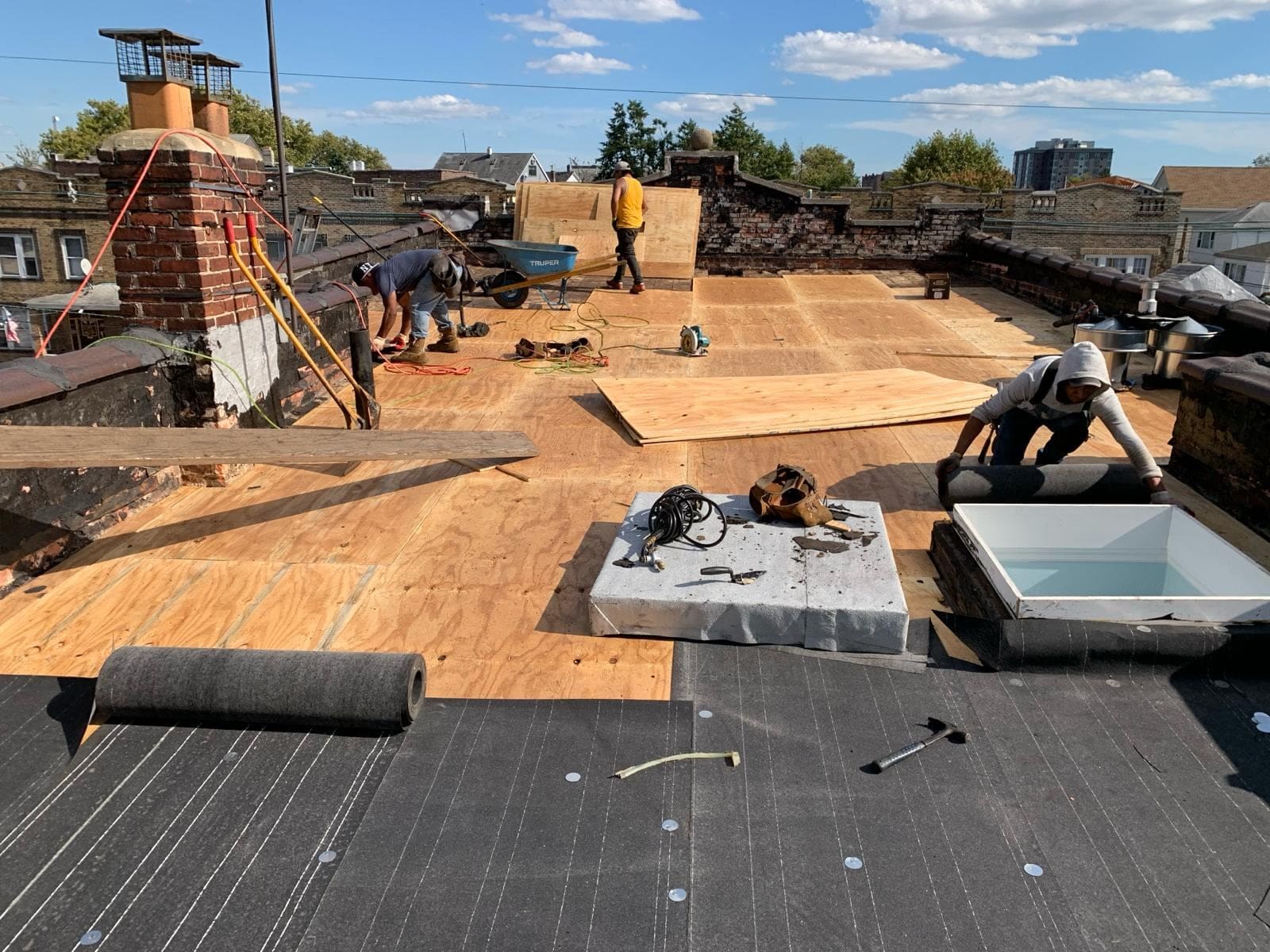
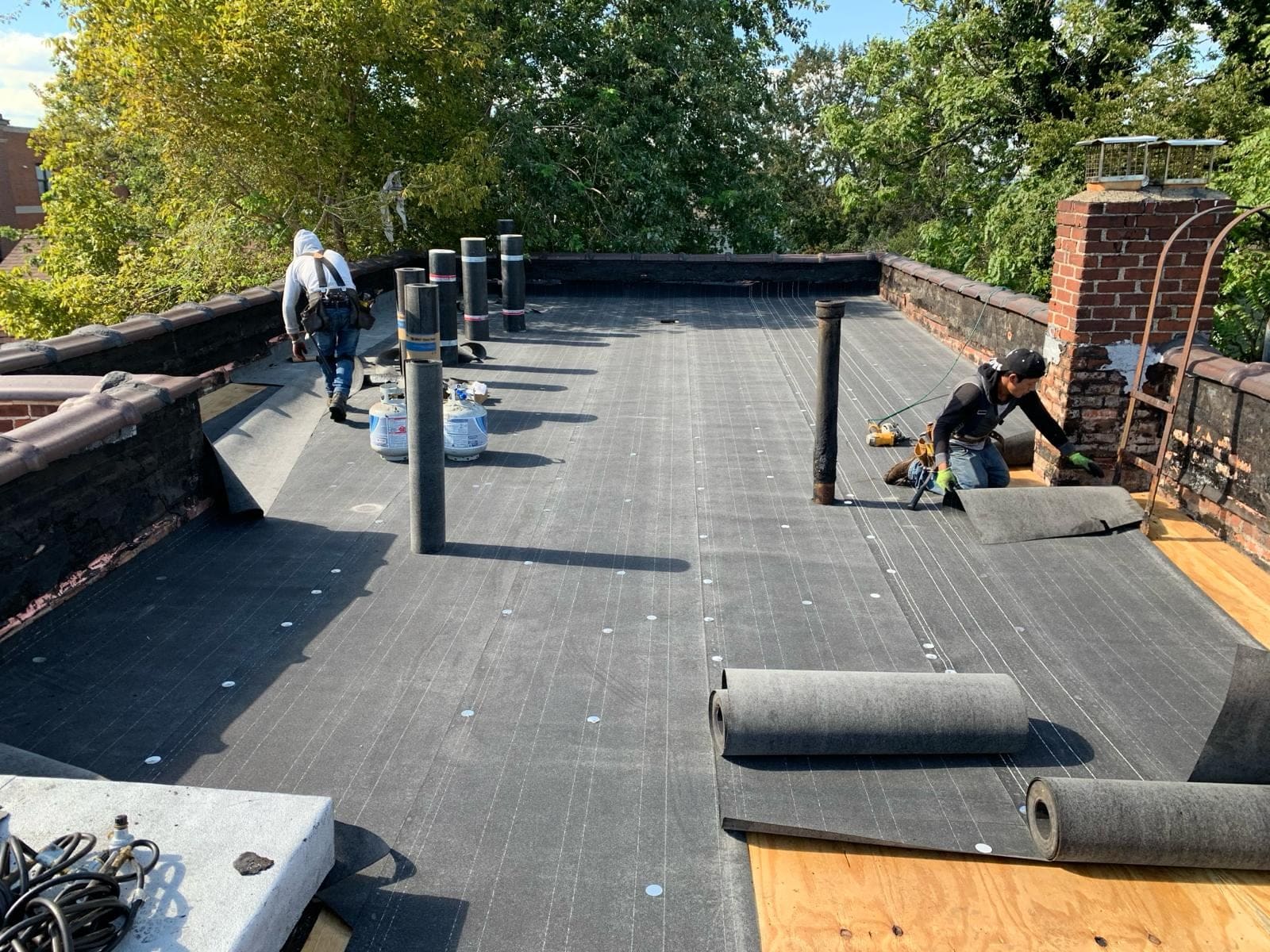
Elsewhere in the township, 1950s through 1970s capes, ranches and split-levels have the usual mid-century weak points: cracked pipe boots, rusted step flashing at sidewalls and dormers, nail pops and worn valleys. Asset Roofing & Chimney repairs steep-slope shingle and low-slope membrane roofs, which is essential in a town where a single house often has both.
Denville housing
Denville has two distinct housing types. The lake communities hold older cottages, many from the early and mid-1900s, that have been enclosed, raised, expanded and reroofed over decades, often with mixed pitches and low-slope additions. The rest of the township is largely 1950s through 1970s single-family construction, along with a compact downtown of two-story commercial buildings with flat roofs.
Weather & exposure
The lakes and the river valley hold humidity and fog, and mature trees shade most lake lots heavily, so roofs stay wet longer and grow moss and algae readily. Winters are colder and snowier than the eastern part of the state. Low-lying areas along the Rockaway River are known for flooding, and summer thunderstorms and nor'easters bring heavy rain and wind-driven debris.
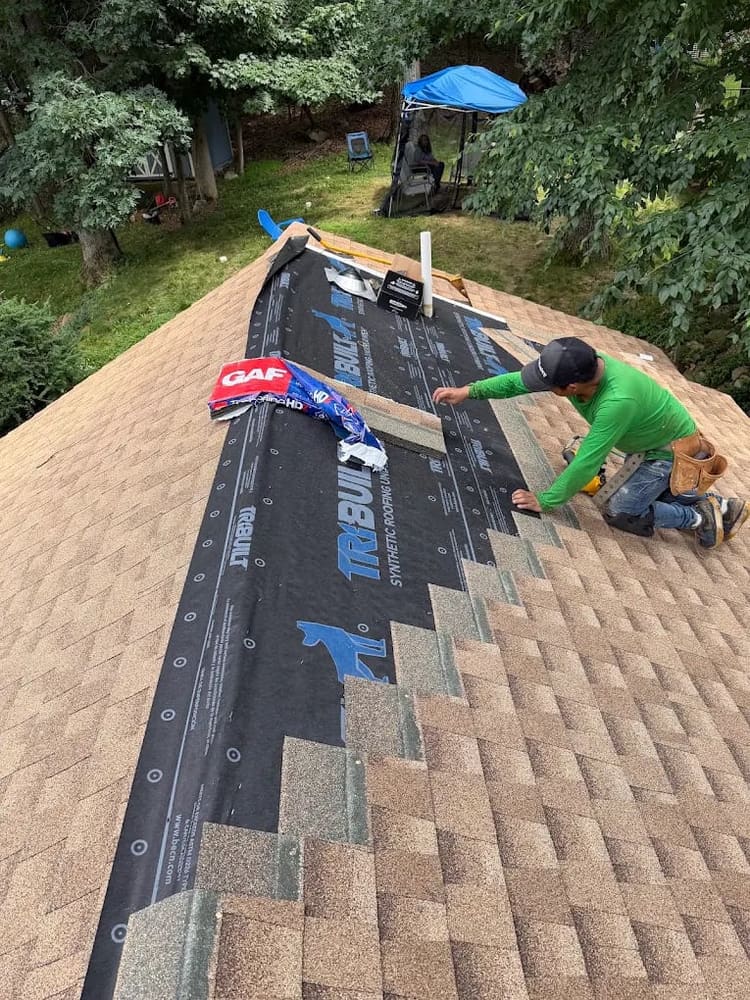
Repair or replace? What we tell Denville homeowners
On a lake home, we start by mapping the roof sections and their ages, because a leak that appears in one room often enters at a joint several feet away. Where shingles are still sound, repairs focus on the transitions: new flashing where an addition meets a wall, membrane carried under the shingles where a low-slope section meets a pitched one, and metal in valleys that were woven without it.
Moss removal should be gentle. Pressure washing strips granules and shortens roof life. We remove moss by hand and with appropriate treatments, replace shingles that are already damaged beneath it, and recommend trimming limbs where that is practical to let the roof dry.