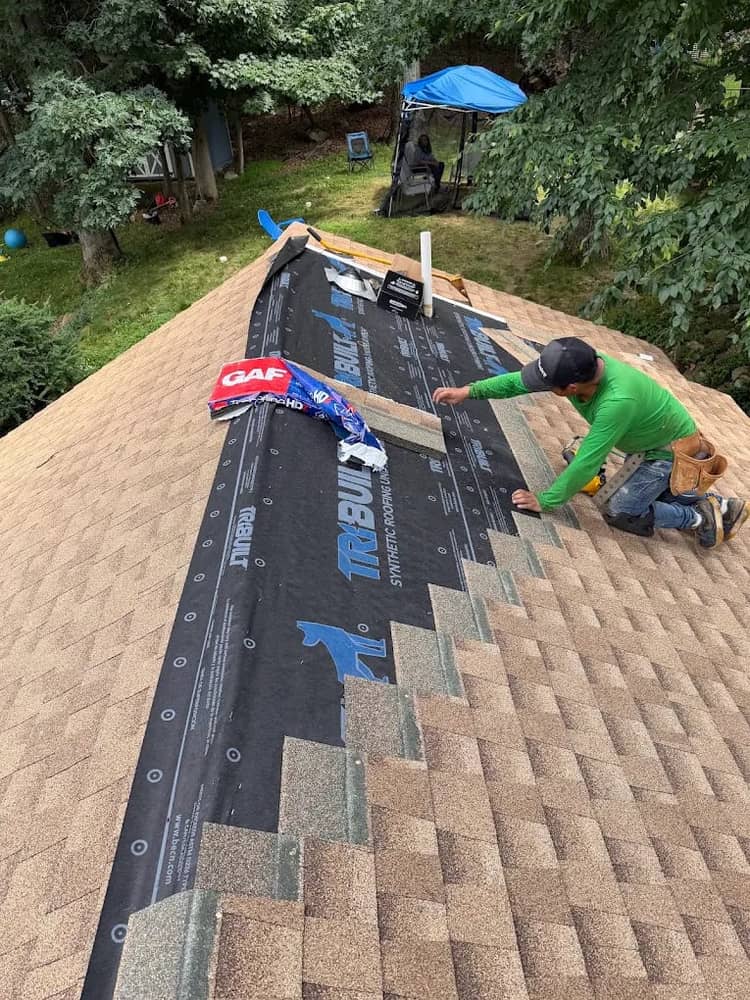
Roof Repair for Parsippany-Troy Hills homes and buildings
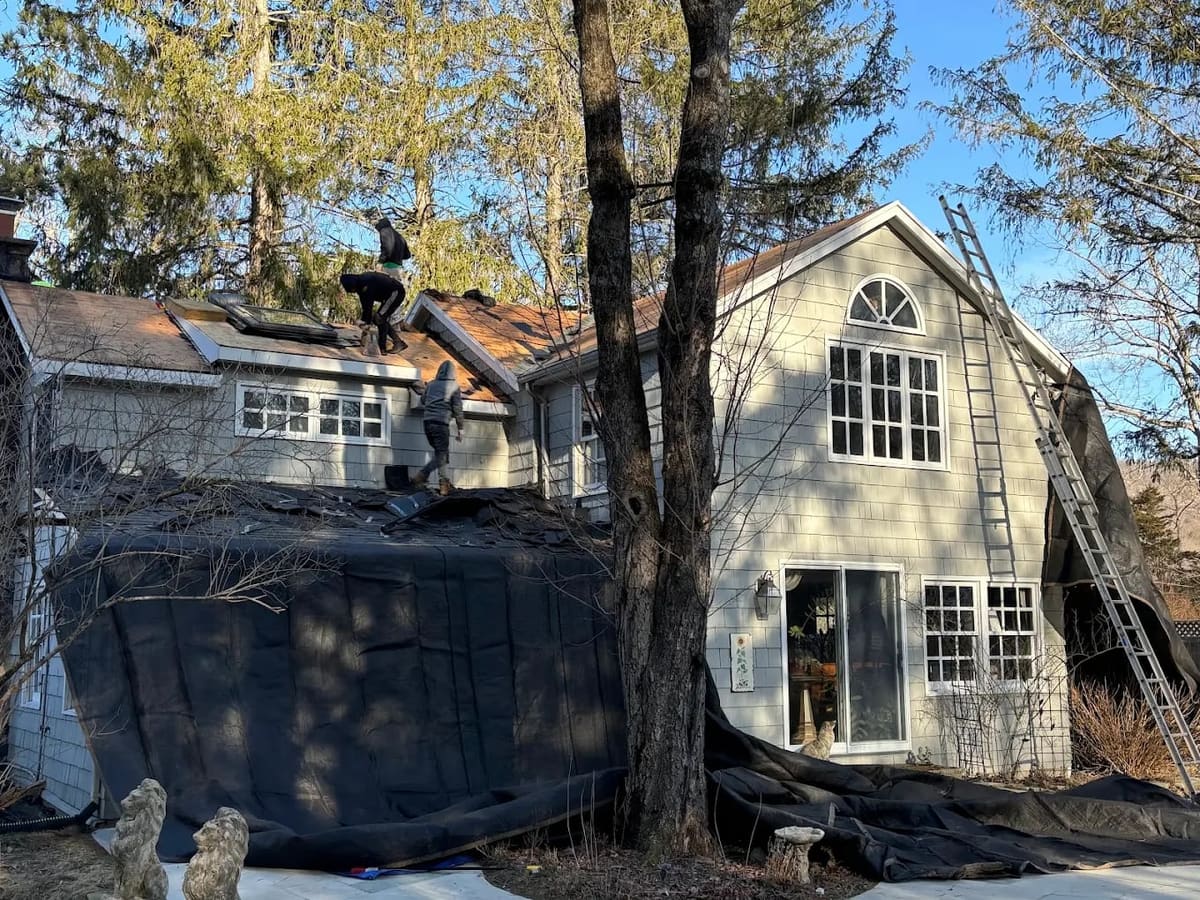
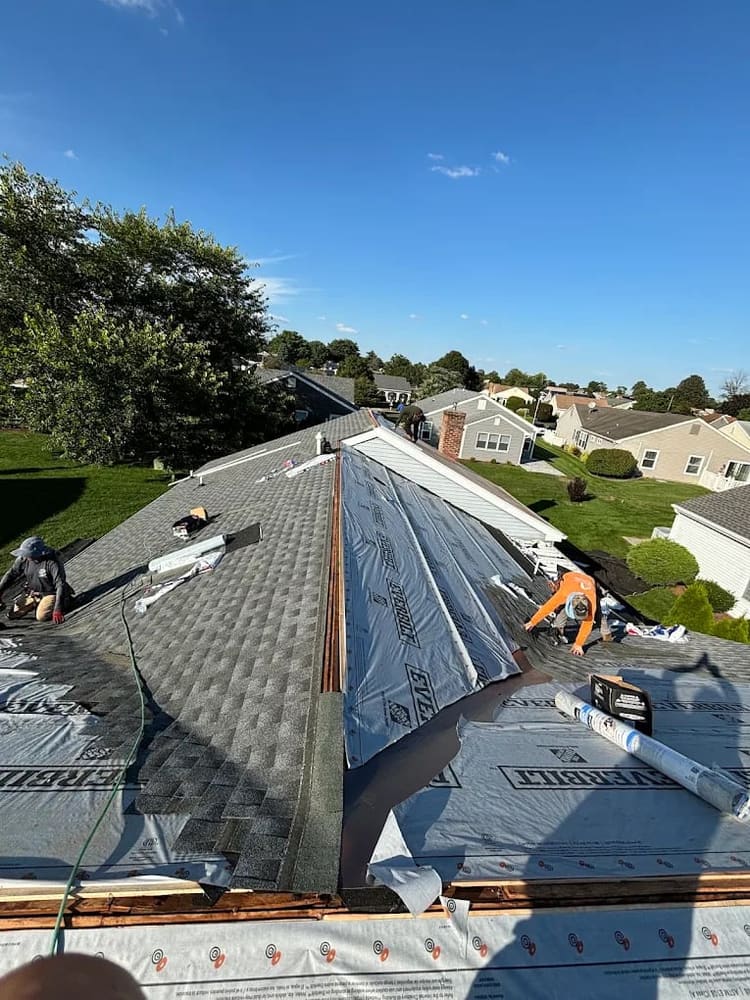
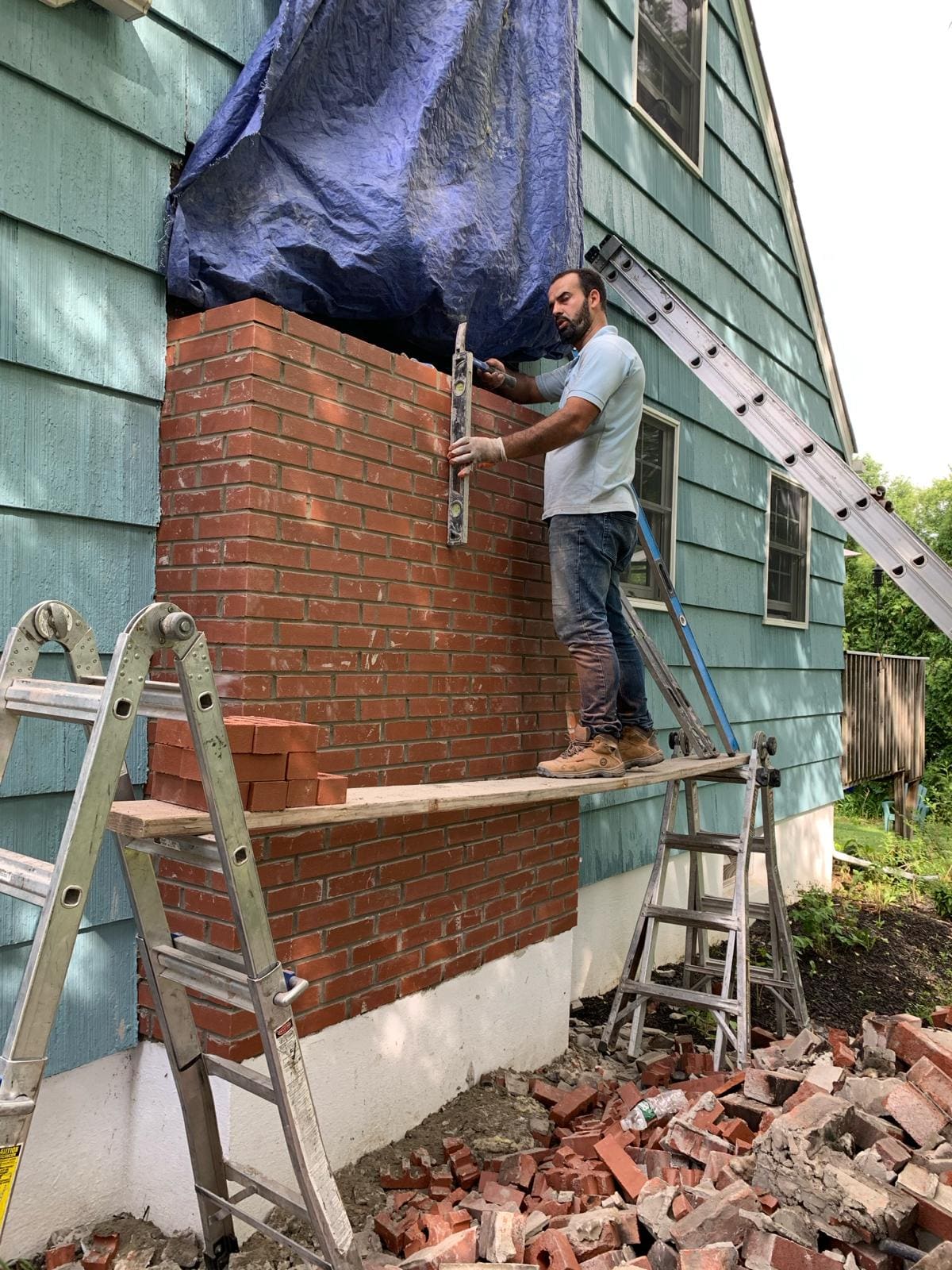
The typical Parsippany roof repair call comes from a split-level or ranch built in the 1960s whose roof is on its second or third generation of shingles. Leaks show up where the different roof levels meet, at the sidewall flashing between the upper and lower sections of a split-level, around plumbing vents and bathroom exhaust fans, and at the step flashing where an attached garage roof meets the house.
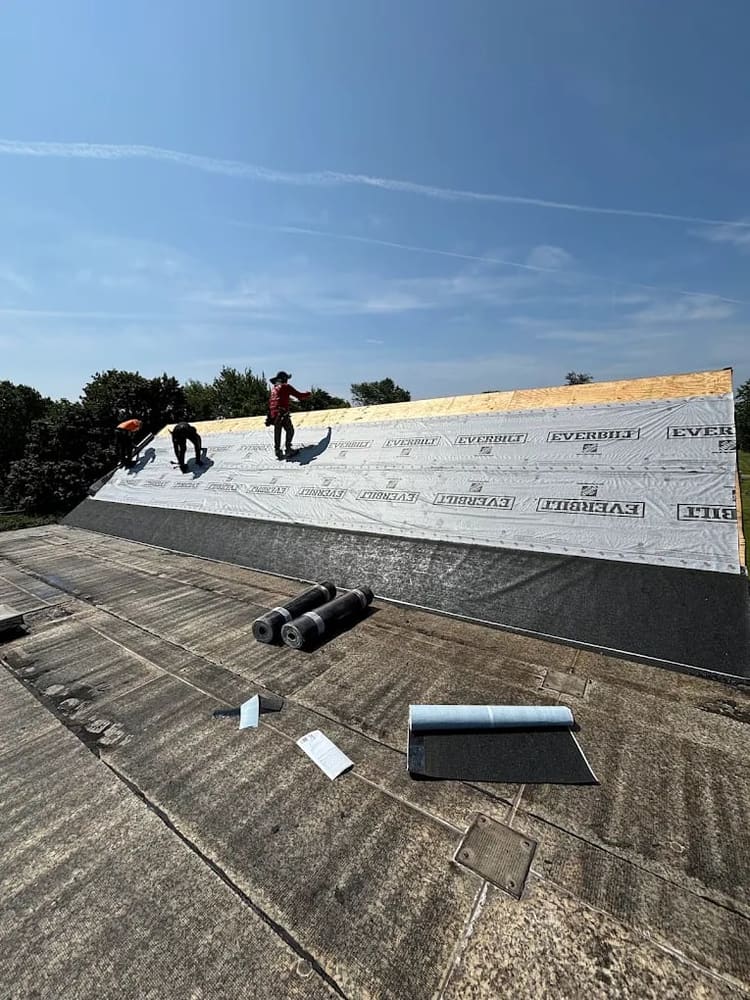
The lake communities bring a different set of problems. Cottages around Lake Hiawatha and Lake Parsippany have been added onto repeatedly, often with low-slope roofs on additions that tie awkwardly into the original pitched roof. Those transitions, and the moss and debris that accumulate under heavy shade, account for a large share of the repair work we do there.
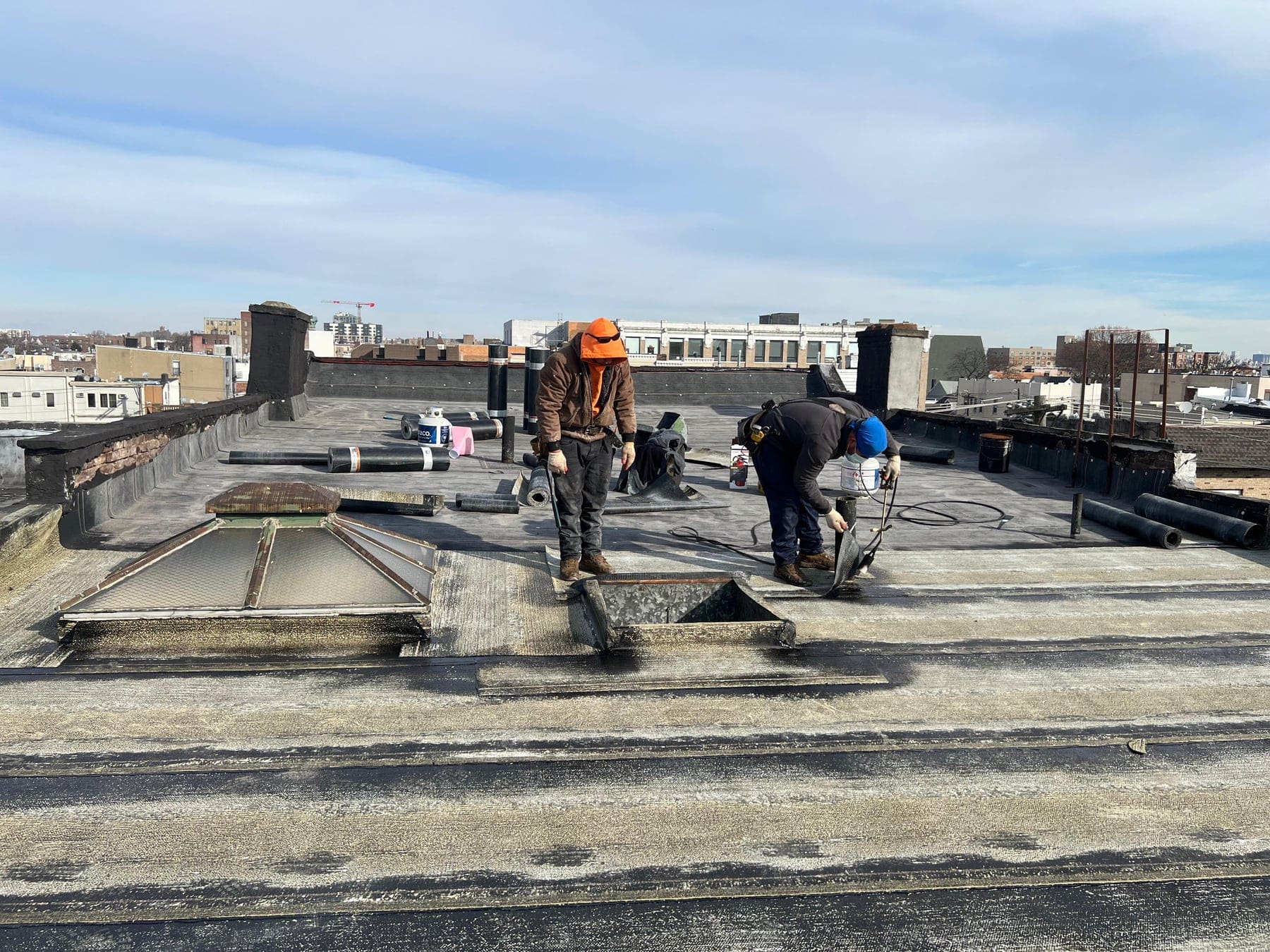
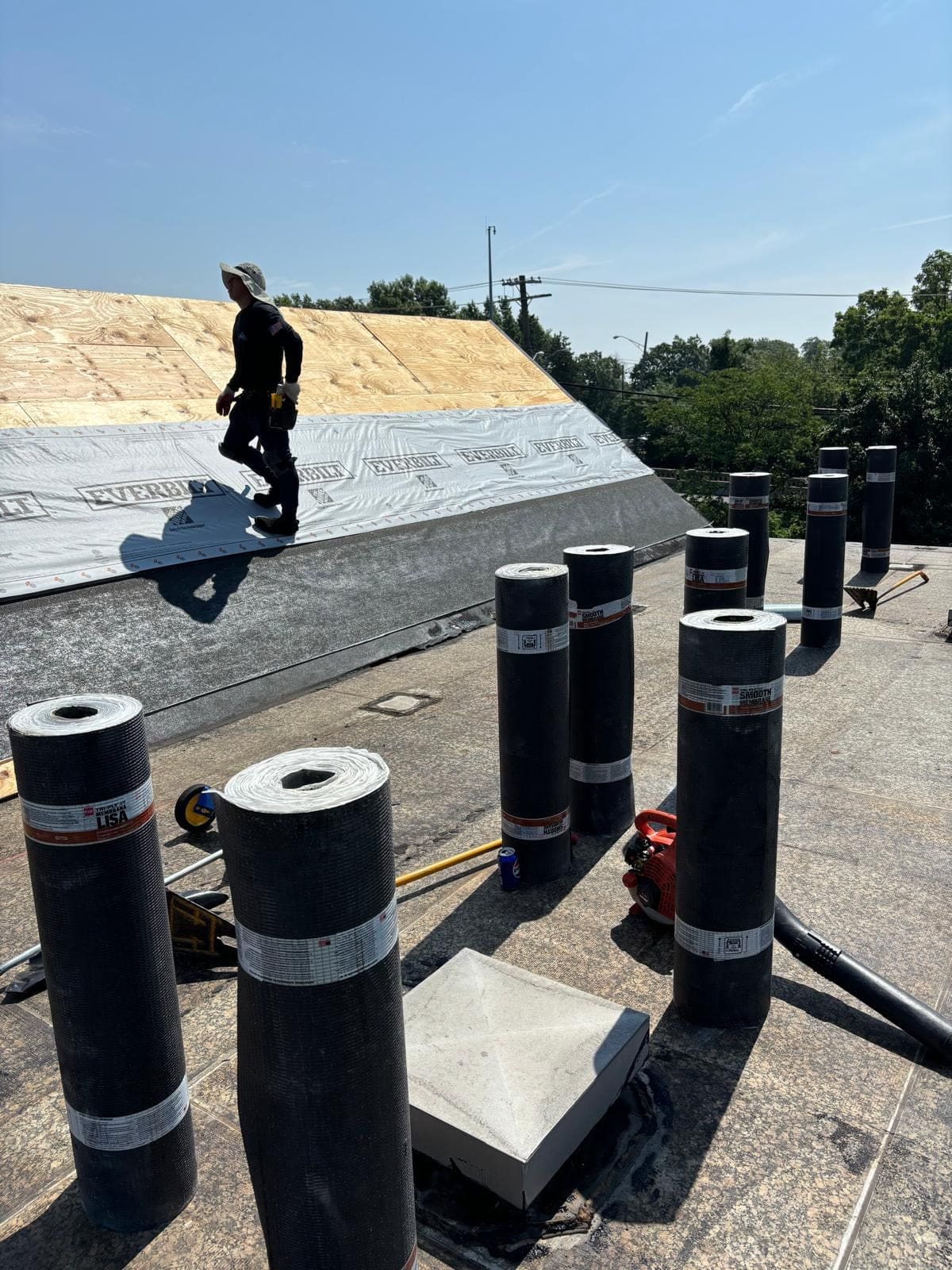
On the commercial side, Asset Roofing & Chimney repairs flat and low-slope membrane roofs on office buildings, retail and warehouses along the township highways. Seam failures, clogged drains, damaged flashing at rooftop units and punctures from foot traffic are the usual findings.
Parsippany-Troy Hills housing
Most of Parsippany was built out between the early 1950s and the late 1970s, so split-levels, ranches, bi-levels and modest colonials on quarter-acre lots are the norm. The lake sections hold smaller, older houses, many of them expanded over the years. Townhouse and garden-apartment complexes are common, and the highway corridors carry large office buildings, hotels and retail with membrane roofs.
Weather & exposure
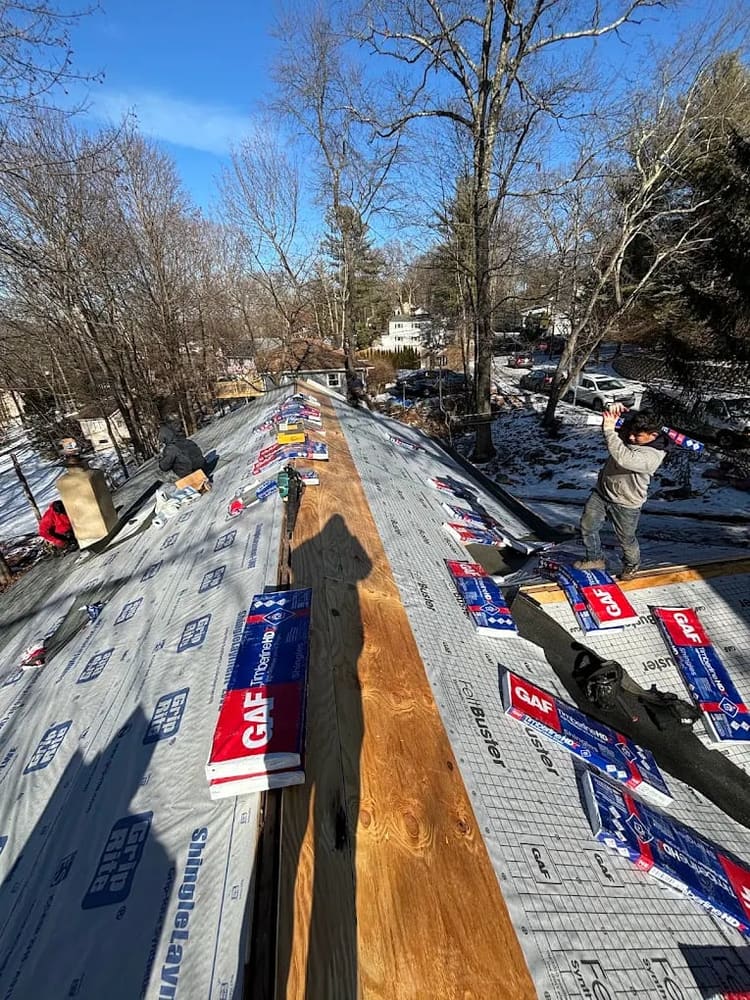
Parsippany is lower and flatter than the hill towns to its west, but it still sees colder winters and more snow than Bergen County. The lake communities hold moisture and heavy shade, which keeps roofs damp and encourages moss. Open office-park sites are fully exposed to wind, and summer thunderstorms coming across the highways bring short, intense downpours that test flat-roof drainage.
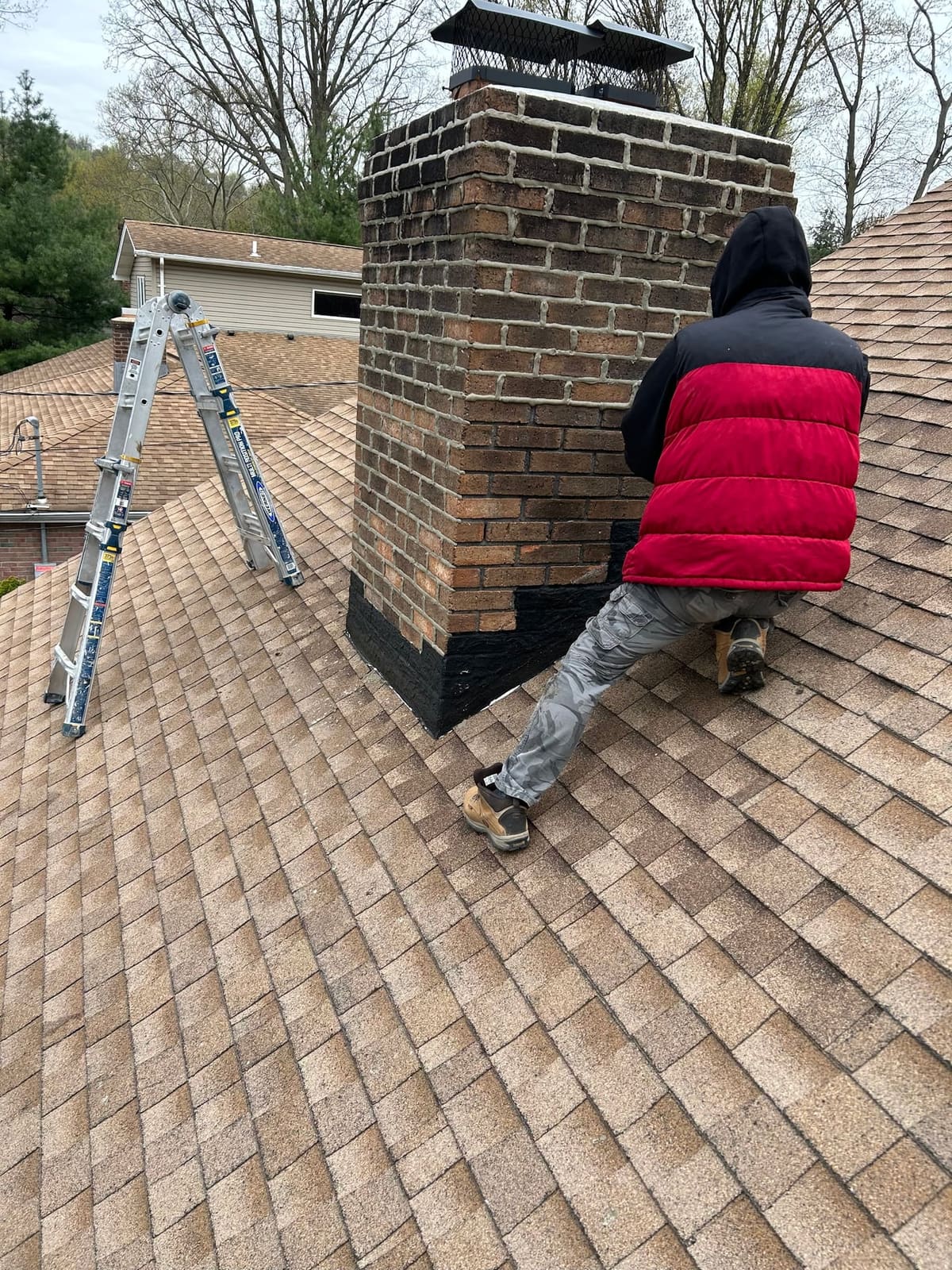
Repair or replace? What we tell Parsippany-Troy Hills homeowners
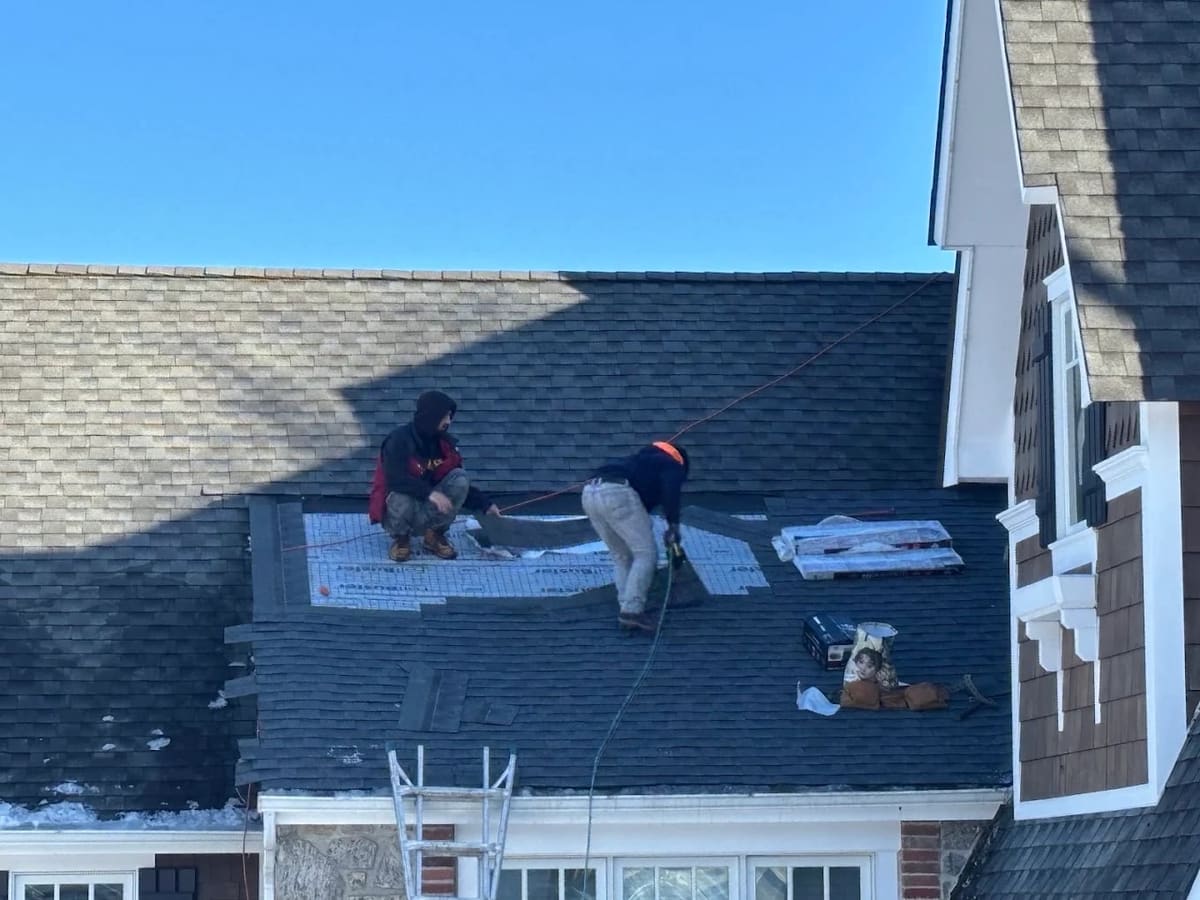
For a 1960s split-level or ranch with one or two leak points and shingles that are still flexible, targeted repair is sensible: new step flashing at the sidewall, a new pipe boot, properly woven or lined valleys. When the shingles are curling or shedding granules across the whole roof, we will say so, because a repair on brittle material tends to open new problems around the patch.
On commercial flat roofs we start with the drains, then inspect seams and flashings on foot. Many leaks reported in office buildings trace back to deferred drain maintenance or rooftop HVAC work that damaged the membrane. We provide a written findings report that a property manager can keep on file.