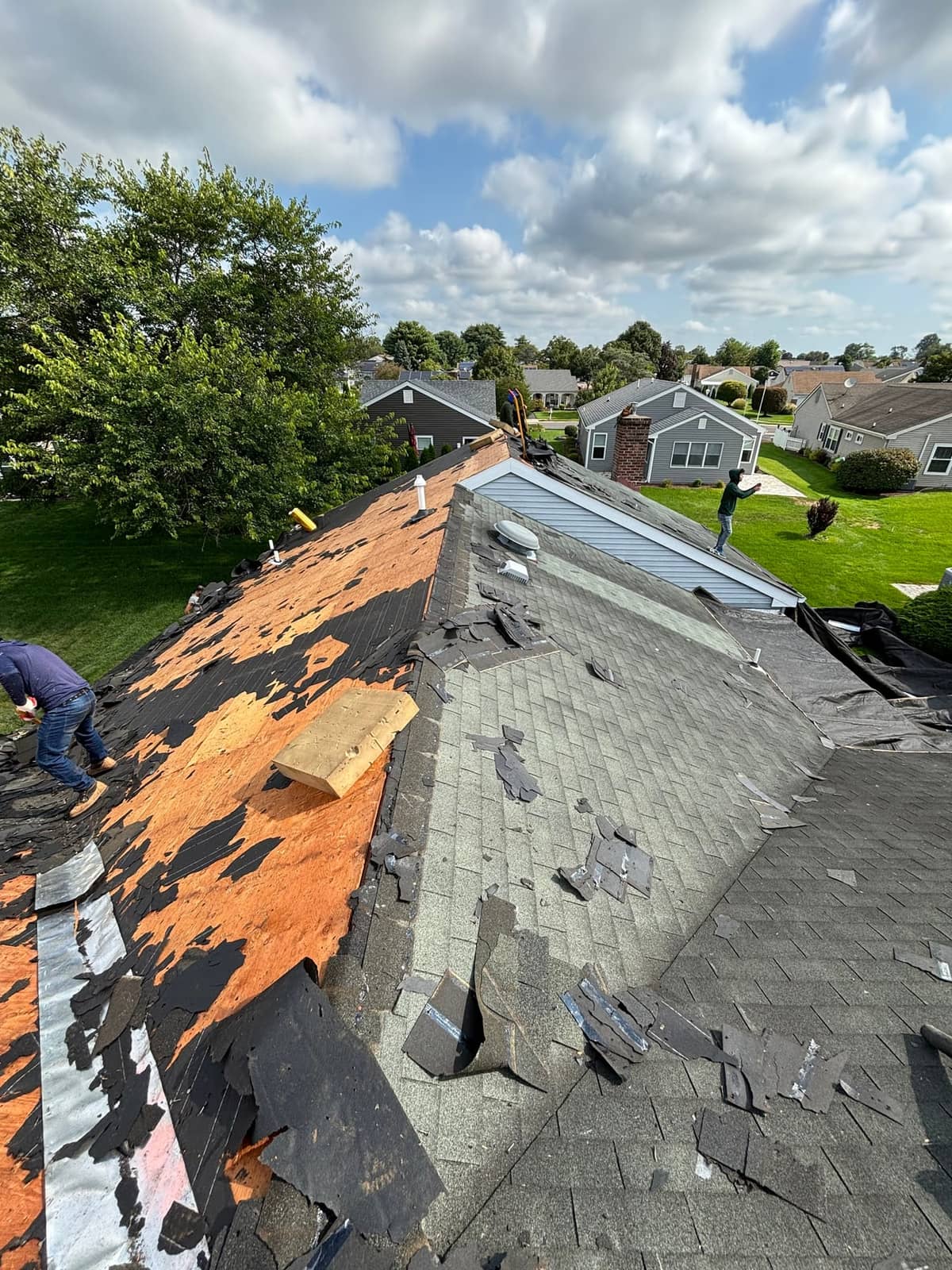
Roof Repair for Jefferson homes and buildings
Most roof repair calls in Jefferson trace back to winter. Snow that sits on a roof for weeks, combined with attics that leak heat, builds ice dams that push water under the shingles at the eaves. Low-pitched cottage roofs and porch roofs around the lakes are the most vulnerable, because meltwater has nowhere to go and backs up quickly. The leaks show up as stained ceilings along outside walls, wet window trim and swollen soffits in late winter and early spring.
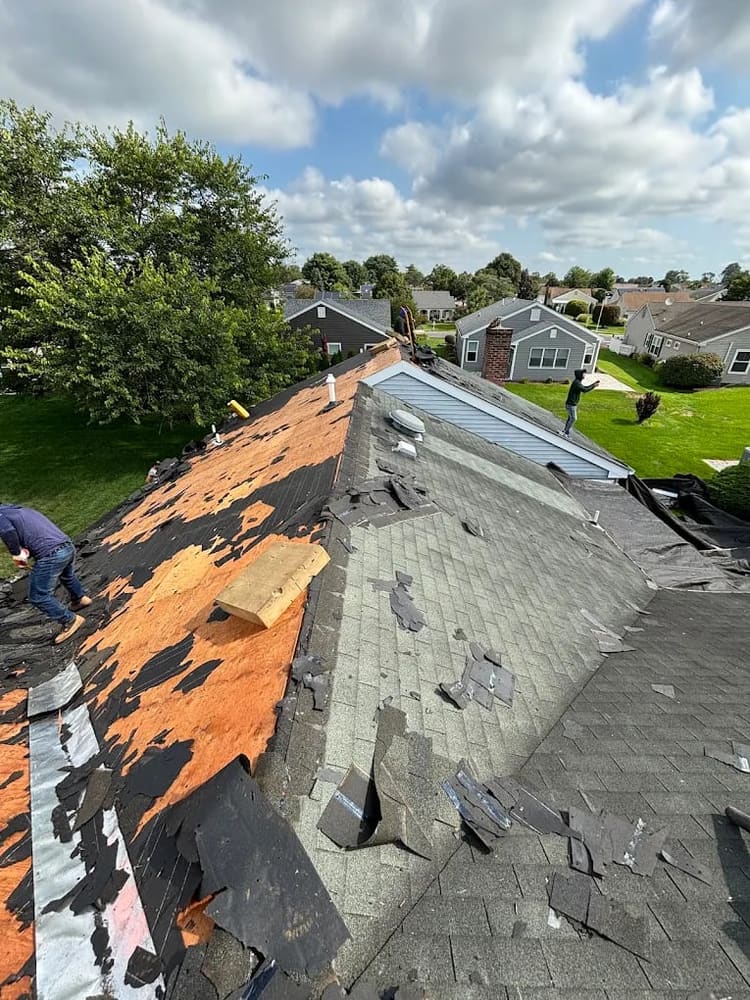
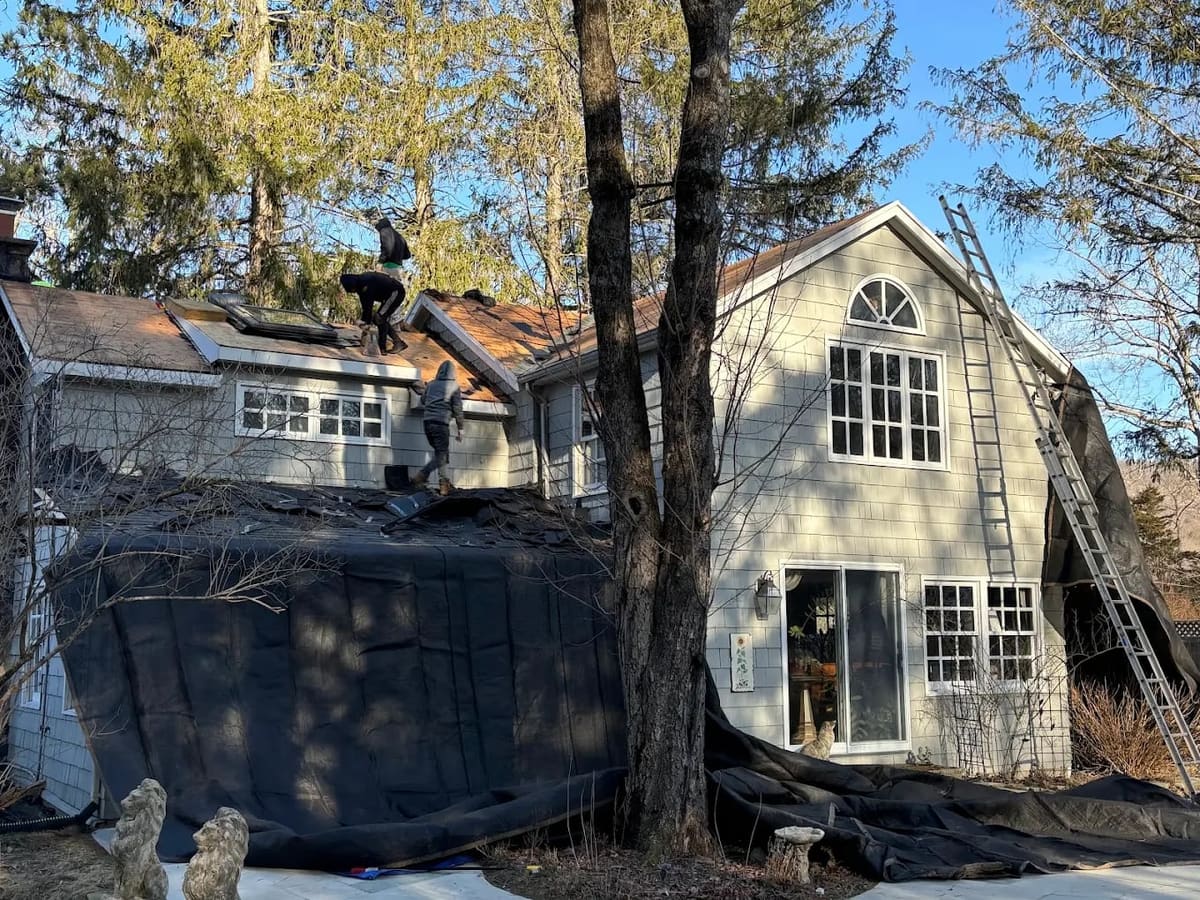
The other major cause is the forest itself. Limbs come down in ice storms and wind, branches rub across shingles, and pine needles and oak leaves pack valleys and gutters on homes set deep in the trees. Asset Roofing & Chimney repairs storm and debris damage on steep-slope shingle roofs and on the low-slope sections that are common on expanded lake houses, and we document storm damage with photos for homeowners who are filing an insurance claim.
Jefferson housing
Jefferson's housing falls into two broad groups. Around Lake Hopatcong and the township's smaller lakes are older cottages, many from the first half of the 1900s, that have been enclosed, raised, added onto and converted to full-time homes, often on small, steep lots. Away from the water, the township filled in from the 1960s through the 1990s with raised ranches, split-levels, colonials and contemporaries on wooded lots of an acre or more. Asphalt shingle is the dominant roof covering, with some metal and cedar on individual homes.
Weather & exposure
At Highlands elevation, Jefferson gets some of the coldest temperatures and deepest snow in Morris County, and snow tends to stay on roofs longer here than in the eastern towns. Dense hardwood and conifer forest surrounds most homes, which means heavy debris, constant shade and a real risk of falling limbs in ice storms and high wind. Lake lots add humidity and open-water wind exposure along the shoreline.
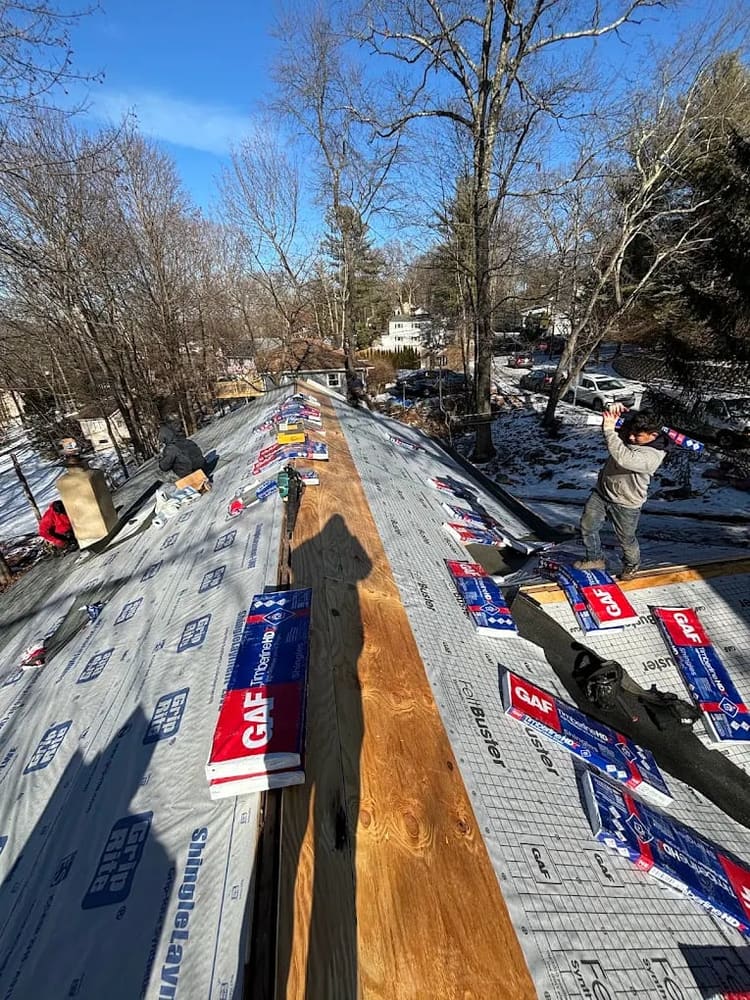
Repair or replace? What we tell Jefferson homeowners
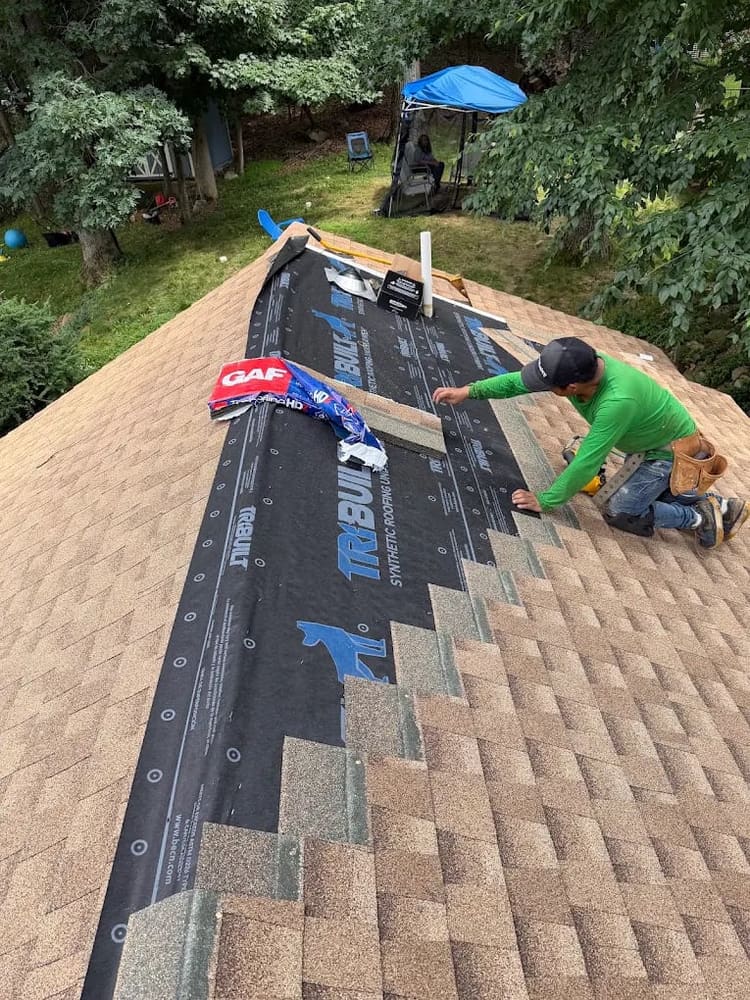
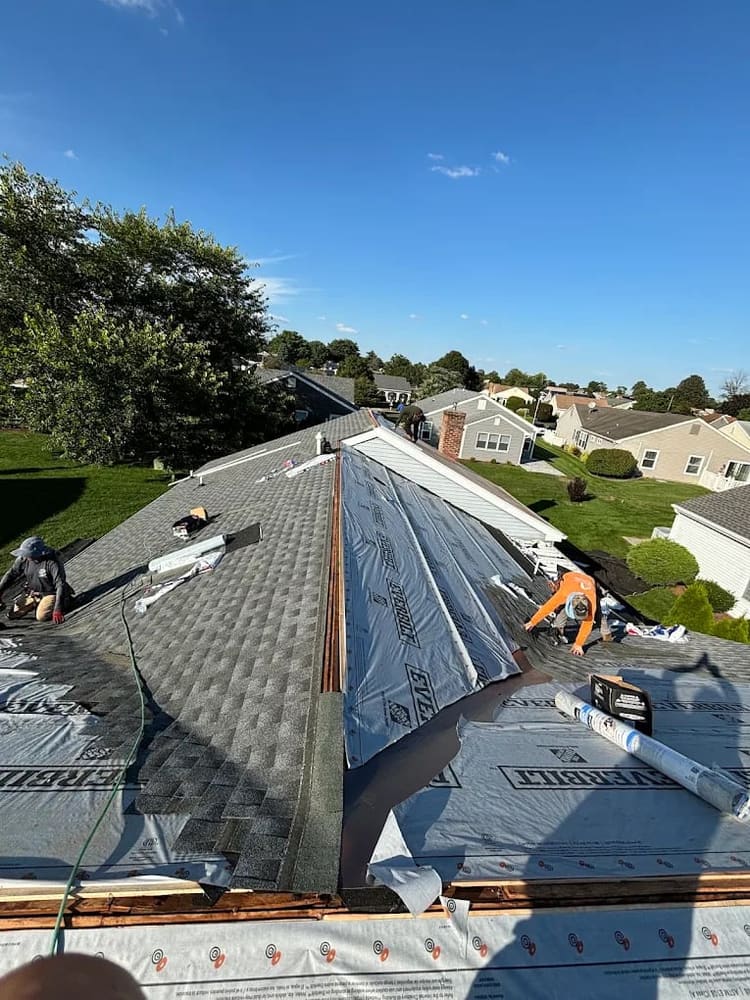
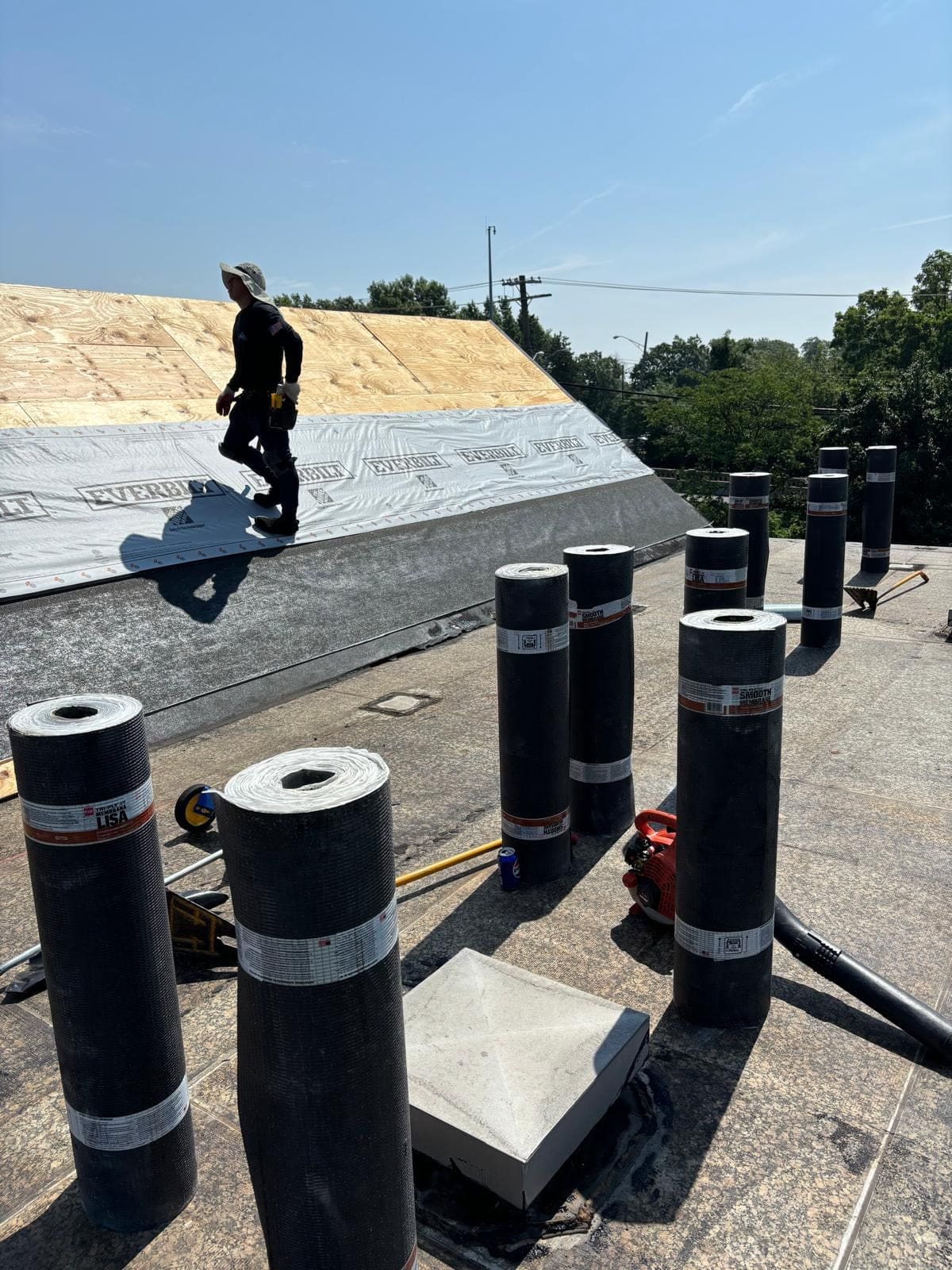
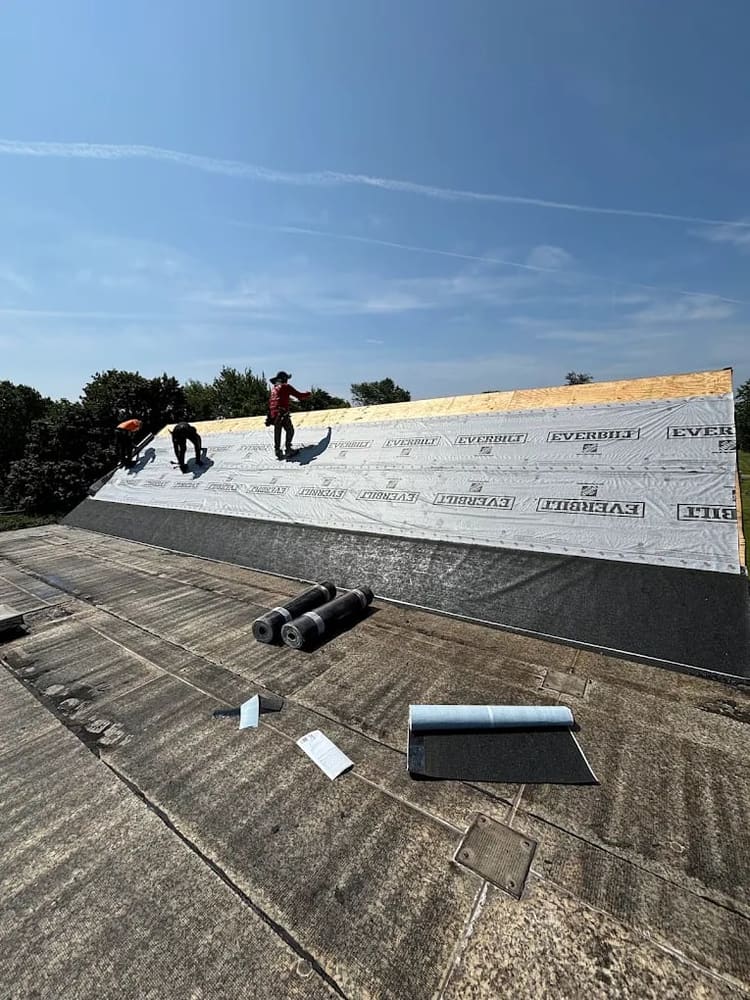
If a Jefferson roof leaks only in late winter, the repair should address both the damage and the cause. We replace damaged shingles with ice-and-water membrane underneath along the eaves, and we look at the attic for the insulation and ventilation gaps that let heat reach the roof deck. On a cottage with a cathedral ceiling, the venting options are more limited, and we explain them plainly.
After a limb strike, the first question is whether the decking is broken. Shingles can be replaced in an afternoon, but a cracked rafter or punctured sheathing needs a section of deck rebuilt before the roof can be closed up properly. We photograph the damage from the roof and from inside so you have a clear record for your insurer.