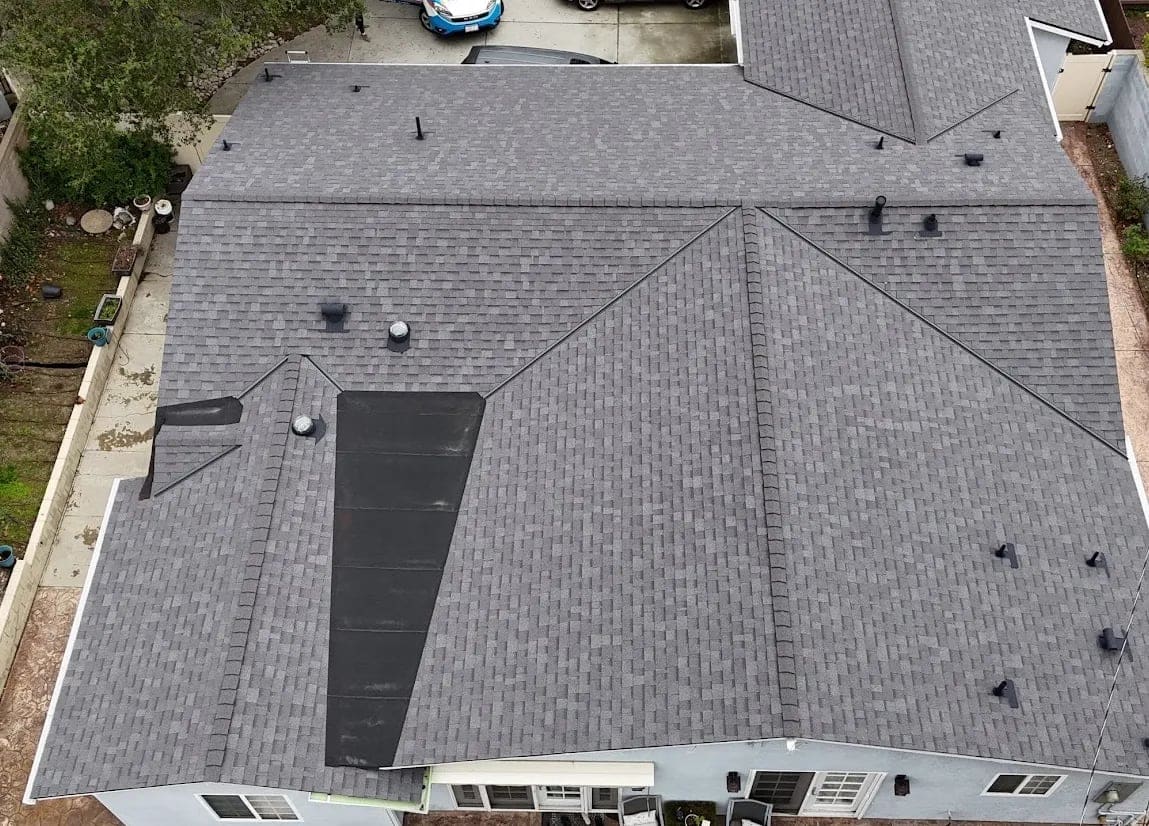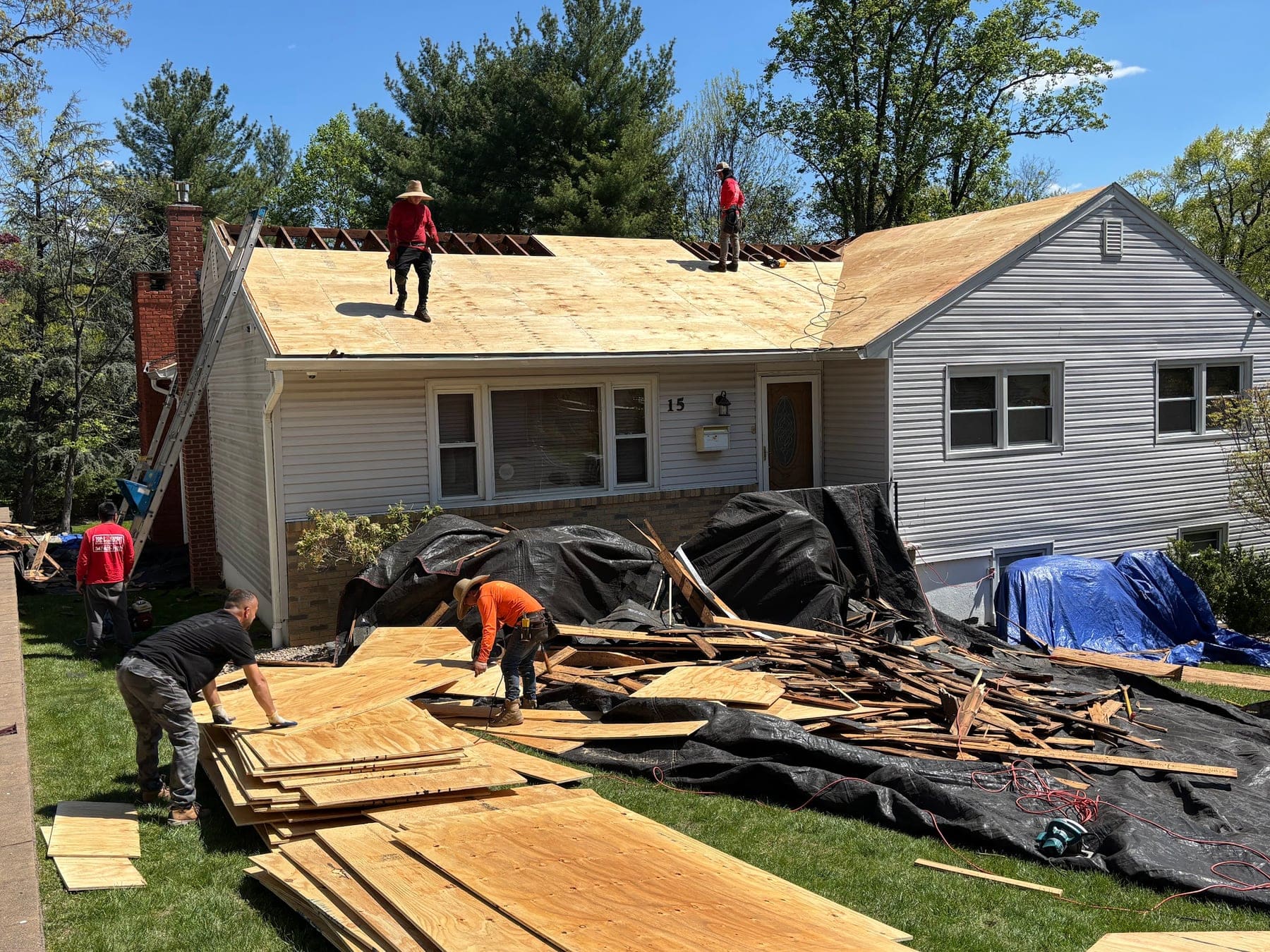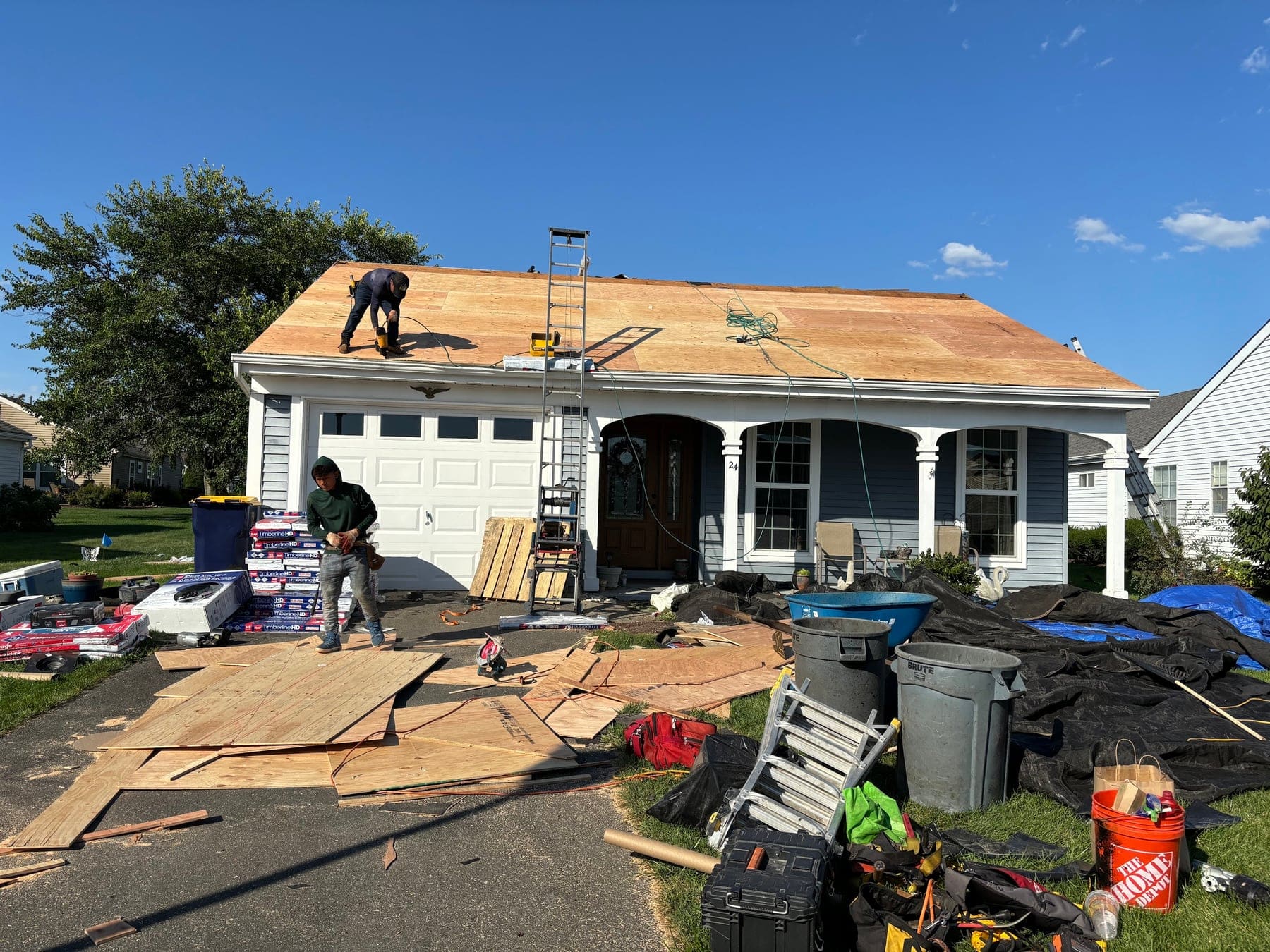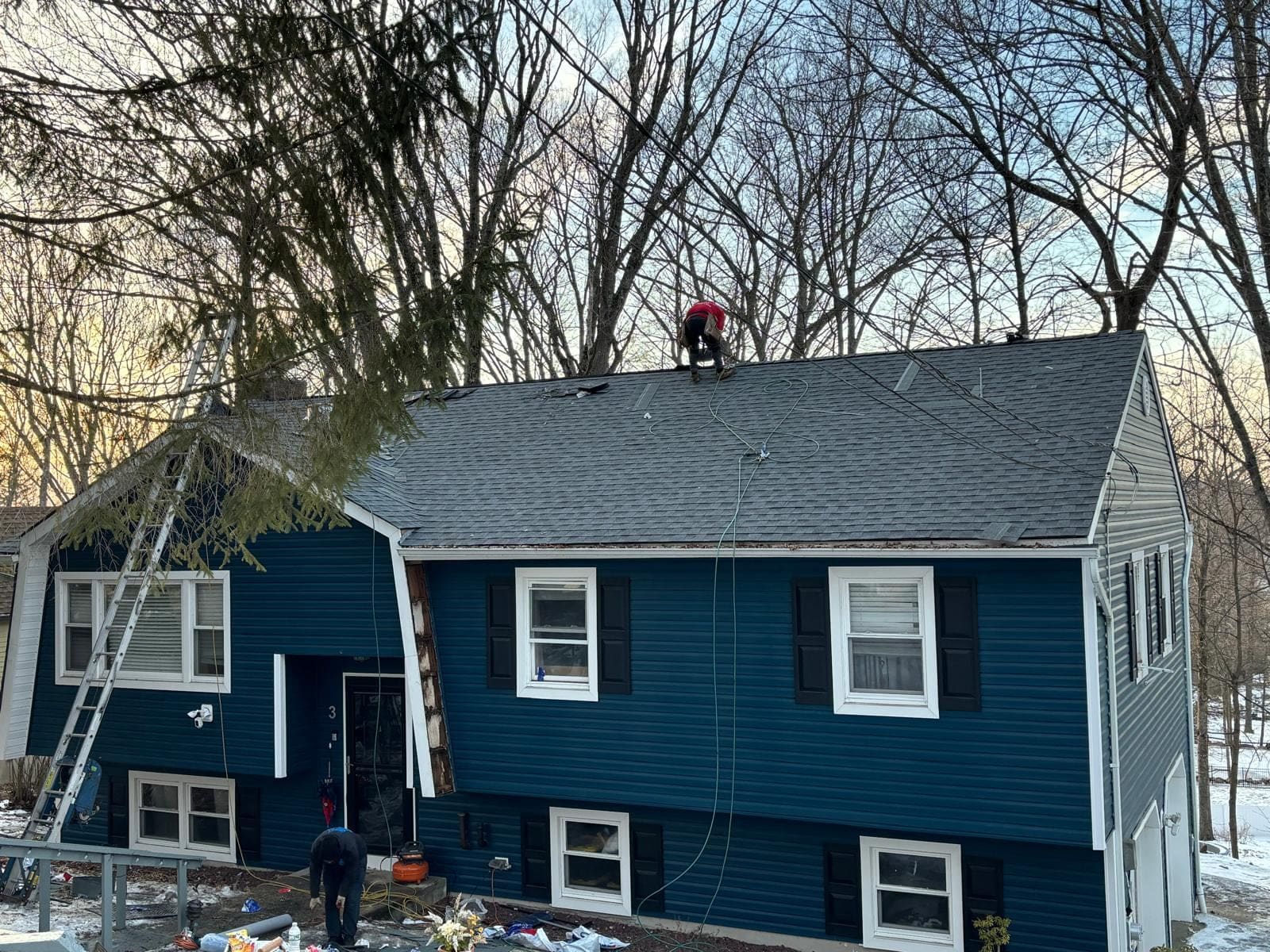
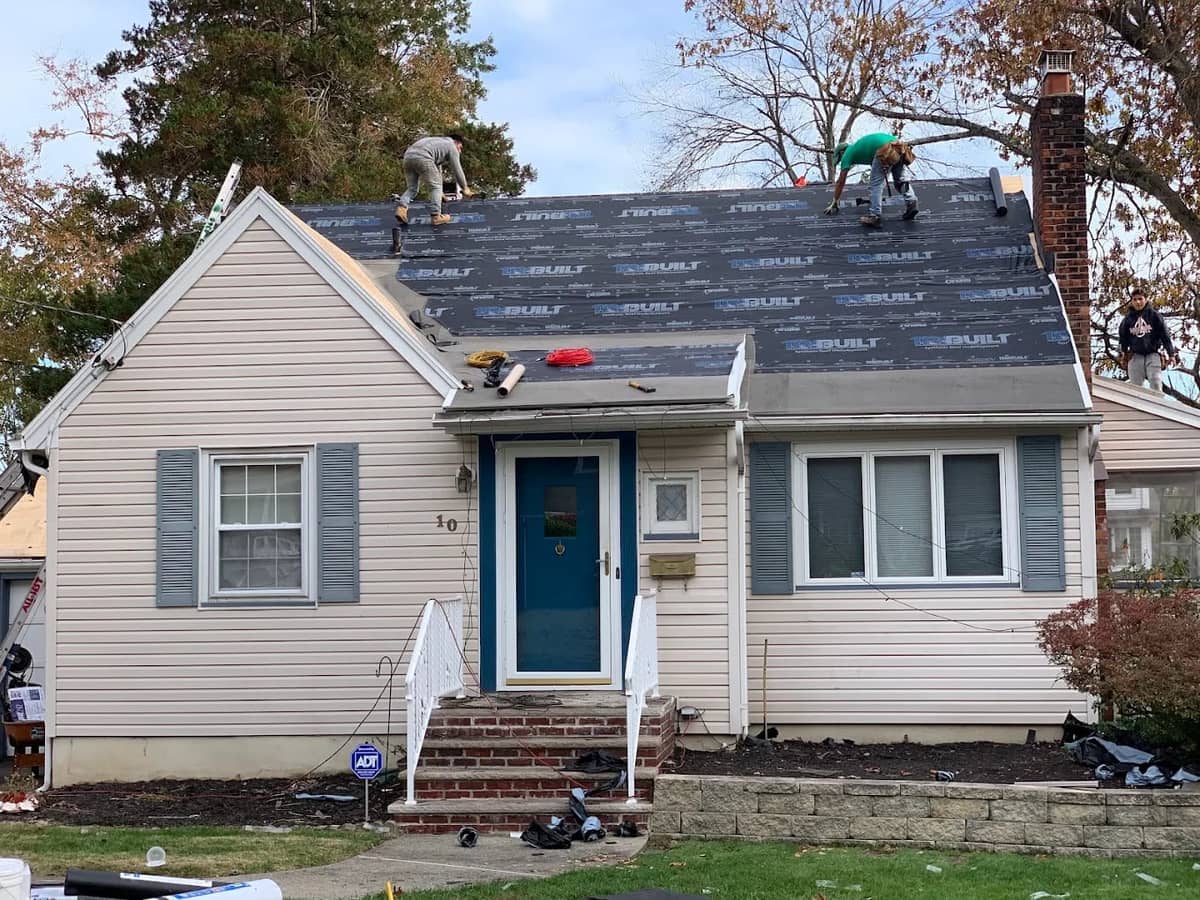
Roof Replacement for Jefferson homes and buildings
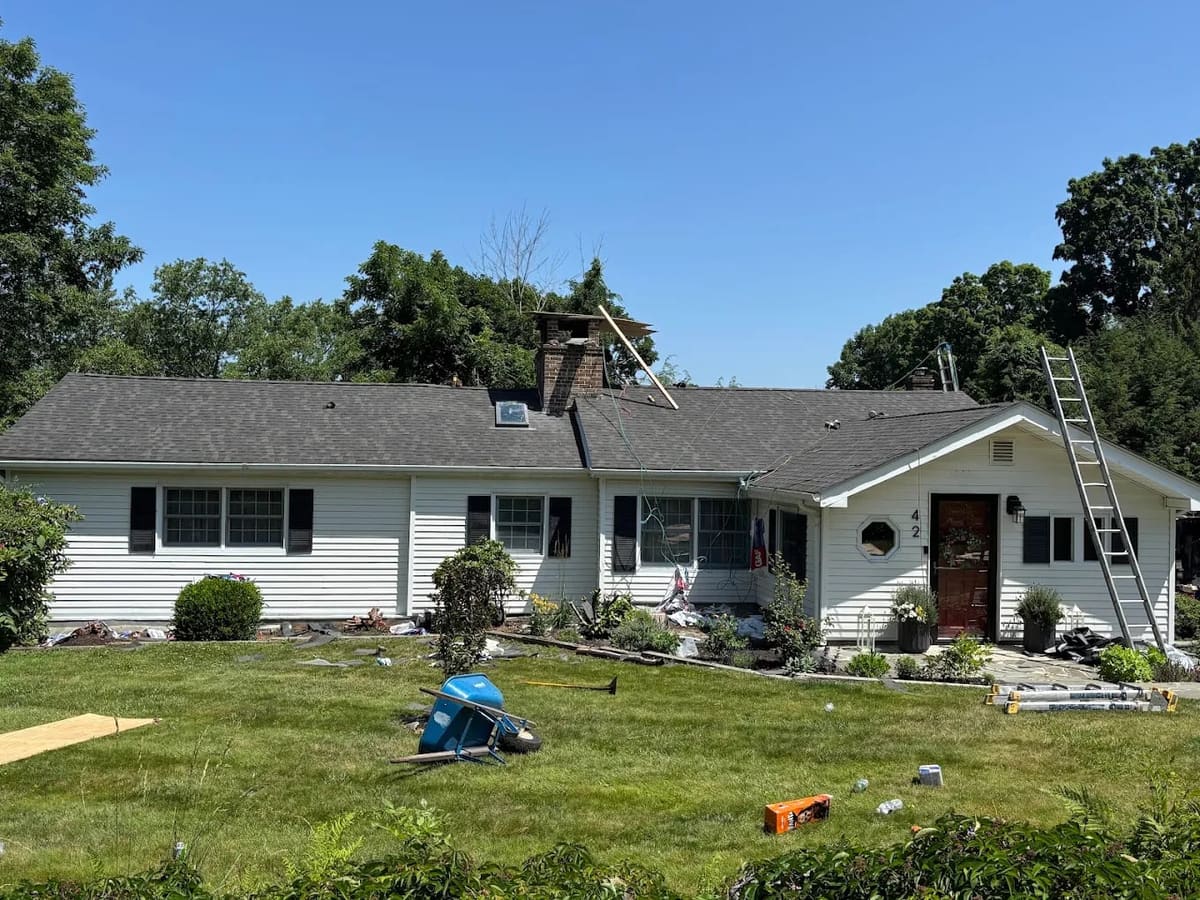
Roof replacement in Jefferson has to be designed for snow. A new roof here should carry ice-and-water membrane well up from the eaves, through every valley and around every chimney, skylight and sidewall, and it should vent properly so the attic stays cold enough to keep snow from melting from underneath. On the 1960s through 1990s raised ranches and colonials away from the lakes, that is a standard tear-off and reshingle with careful attention to those details.
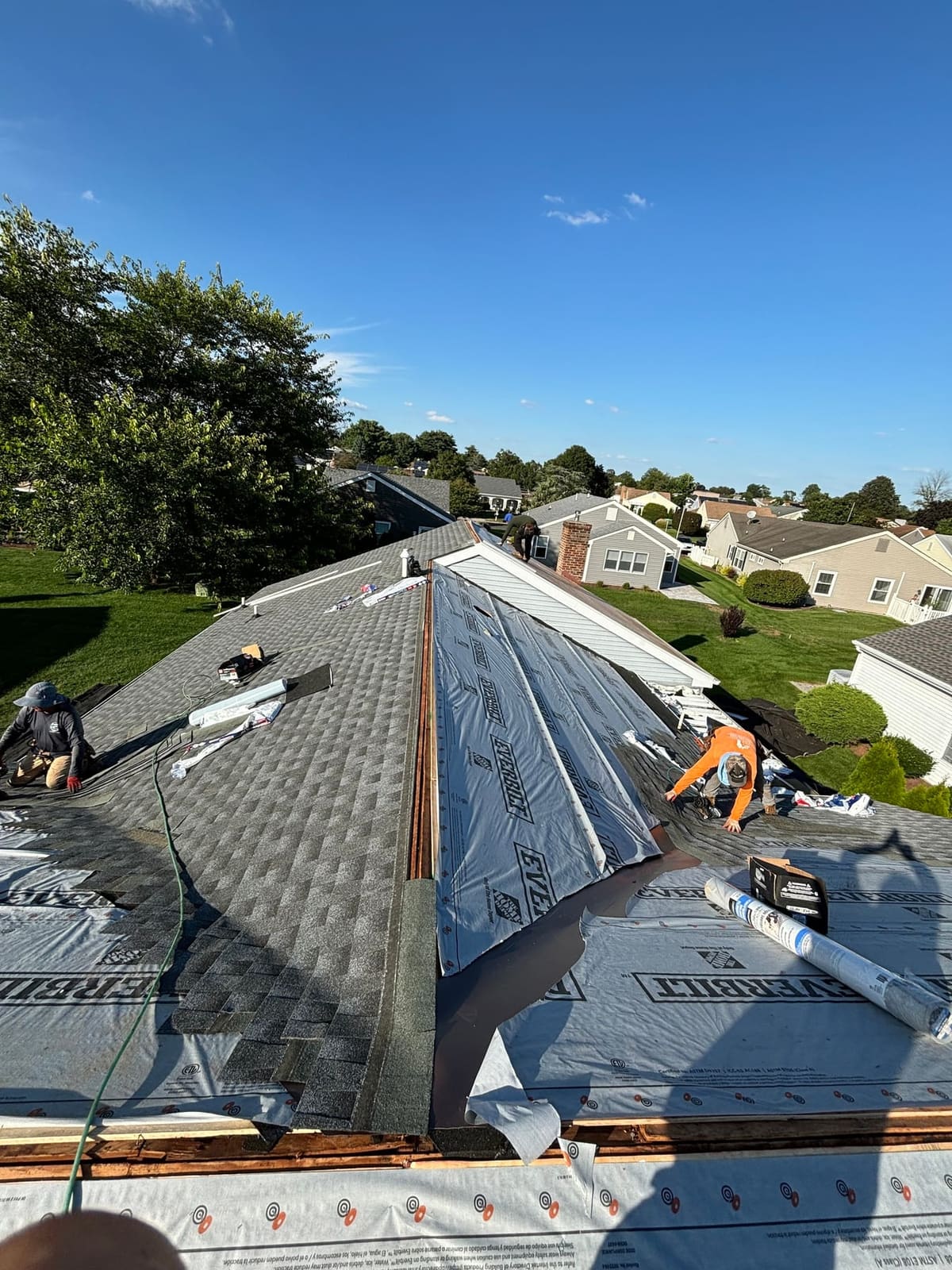
Lake houses are more involved. A cottage that has been raised, expanded and reroofed in stages may have several roof planes of different ages and pitches, sections with plank decking next to sections with plywood, and low-slope areas that were never right for shingles. Replacing the whole roof at once lets Asset Roofing & Chimney tie every section together with continuous underlayment and correct flashing, and put membrane on the sections that need it.
Jefferson housing
Jefferson's housing falls into two broad groups. Around Lake Hopatcong and the township's smaller lakes are older cottages, many from the first half of the 1900s, that have been enclosed, raised, added onto and converted to full-time homes, often on small, steep lots. Away from the water, the township filled in from the 1960s through the 1990s with raised ranches, split-levels, colonials and contemporaries on wooded lots of an acre or more. Asphalt shingle is the dominant roof covering, with some metal and cedar on individual homes.
Weather & exposure
At Highlands elevation, Jefferson gets some of the coldest temperatures and deepest snow in Morris County, and snow tends to stay on roofs longer here than in the eastern towns. Dense hardwood and conifer forest surrounds most homes, which means heavy debris, constant shade and a real risk of falling limbs in ice storms and high wind. Lake lots add humidity and open-water wind exposure along the shoreline.
When replacement is the right call in Jefferson
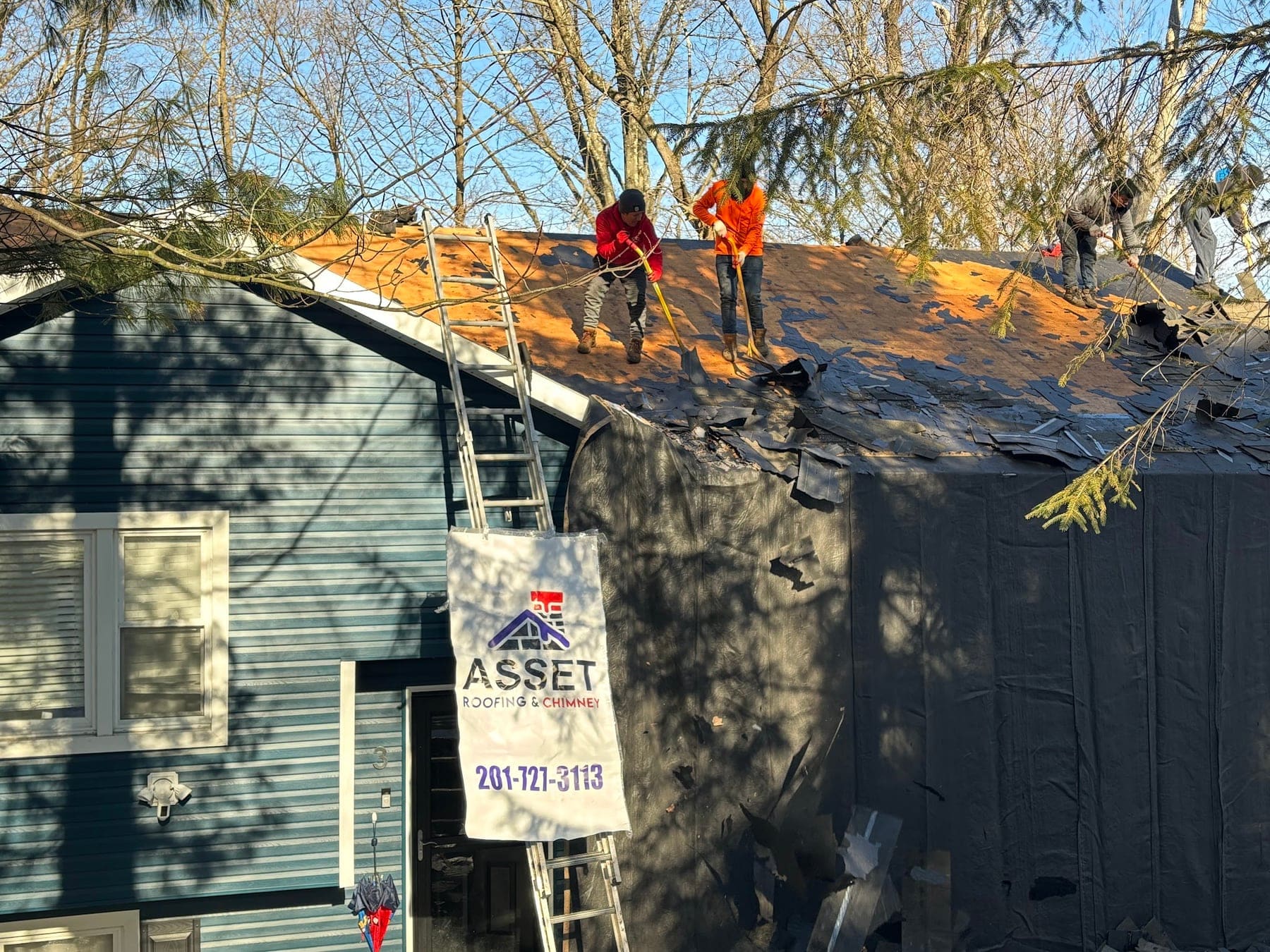
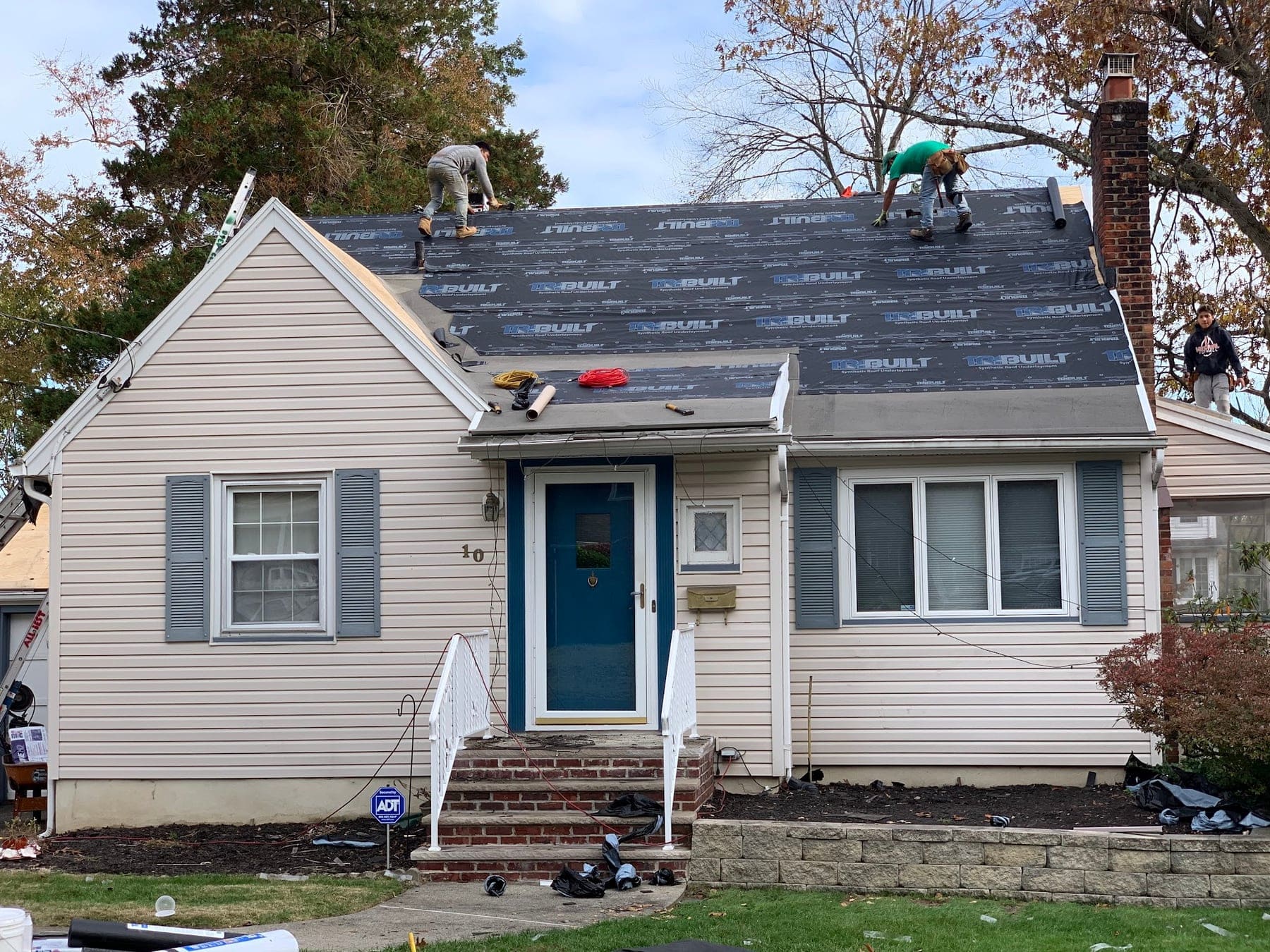
Replacement is the right call when shingles are brittle or bare across the roof, when winter leaks appear in several places, when the roof already has two layers, or when you can see sagging or soft spots in the deck. On a lake house with several sections of different ages, replacing them together is usually better value than replacing them one at a time, because the transitions only have to be done once.
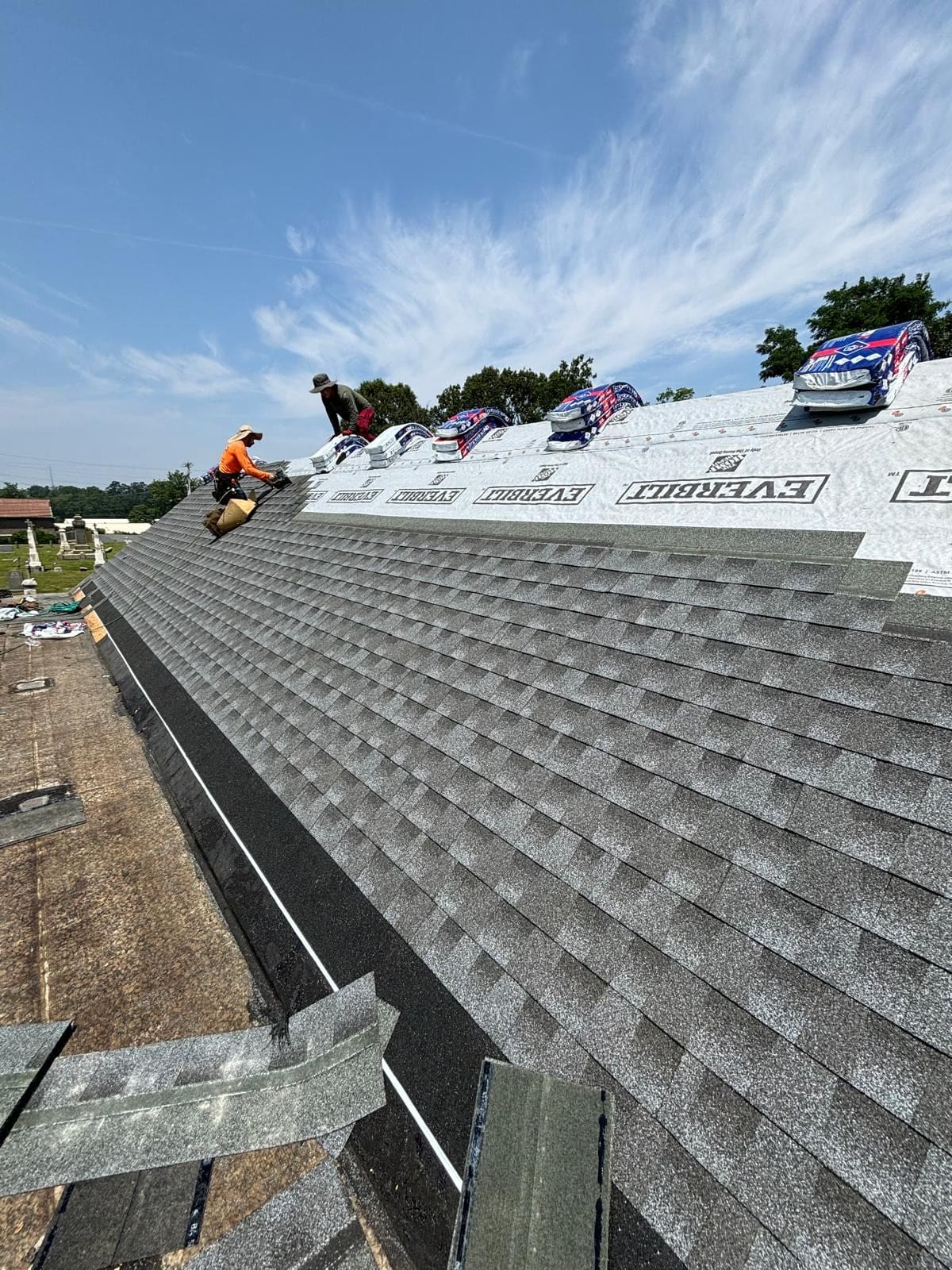
We start with an attic inspection where there is access, then tear off to the deck, replace damaged sheathing, install a generous ice-and-water barrier and synthetic underlayment, flash every wall, chimney and skylight with new metal, and finish with architectural shingles, a ridge vent and membrane on any low-slope sections. We schedule around the weather, which in the Highlands means avoiding the coldest stretch of winter for full tear-offs where possible.