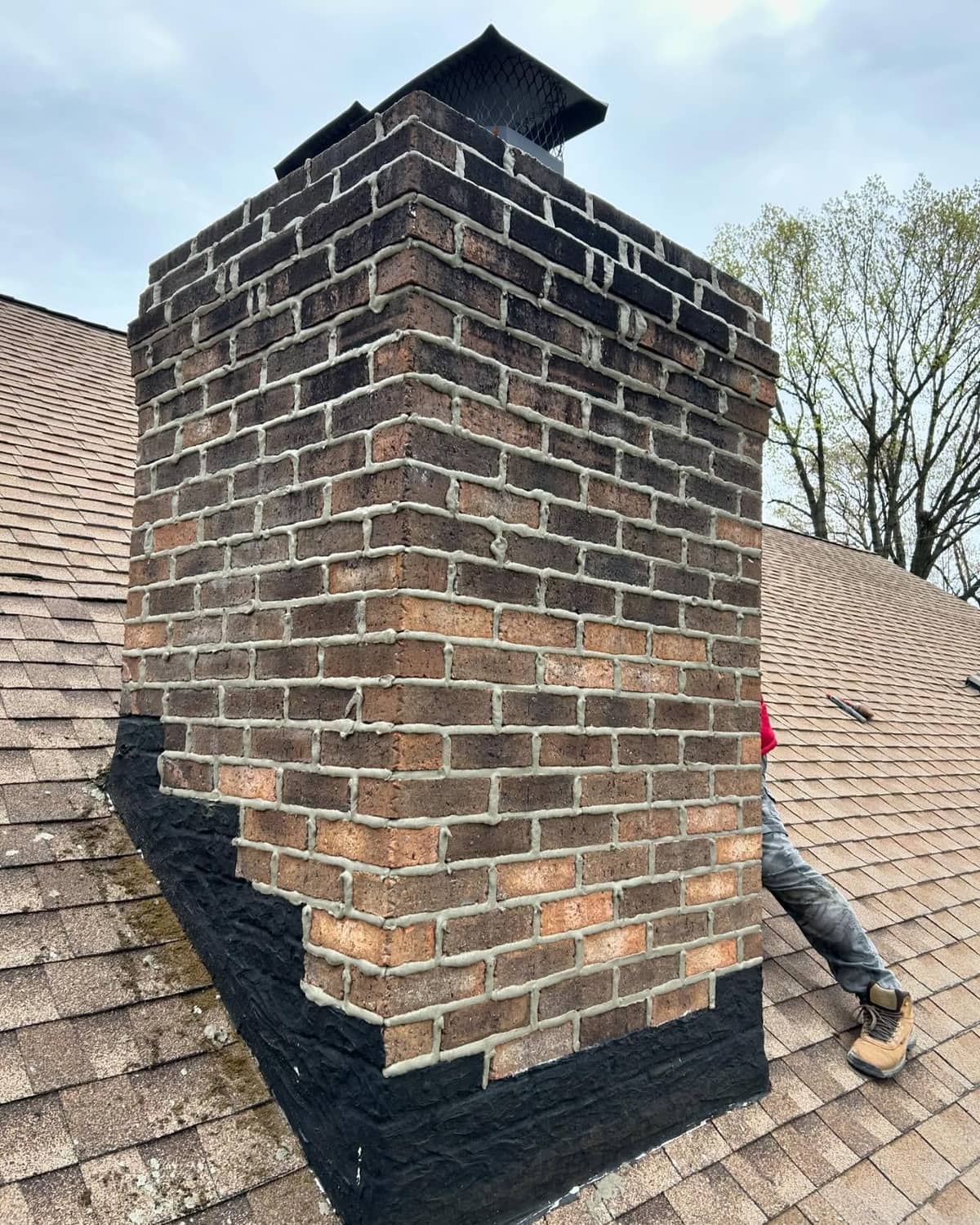
Chimney Repair for Parsippany-Troy Hills chimneys
Chimneys in Parsippany are mostly products of the 1950s through the 1970s: a single brick stack with a clay tile liner serving the furnace, often with a fireplace flue alongside it. Many homes from the later part of that period, and most of the townhouse complexes, have a prefabricated metal fireplace enclosed in a wood-framed, sided chase with a sheet-metal chase cover on top. Both types have their own failure patterns.
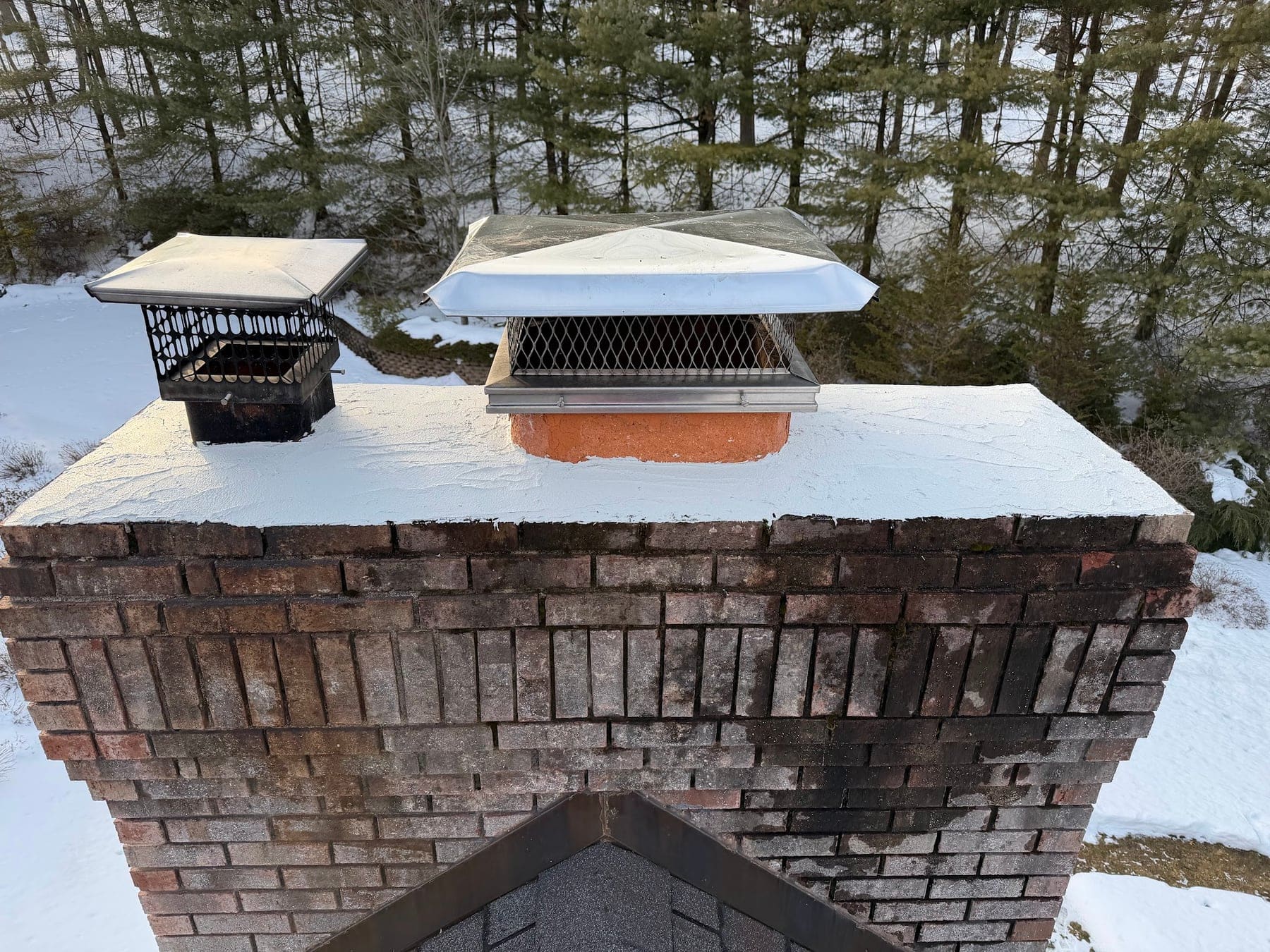
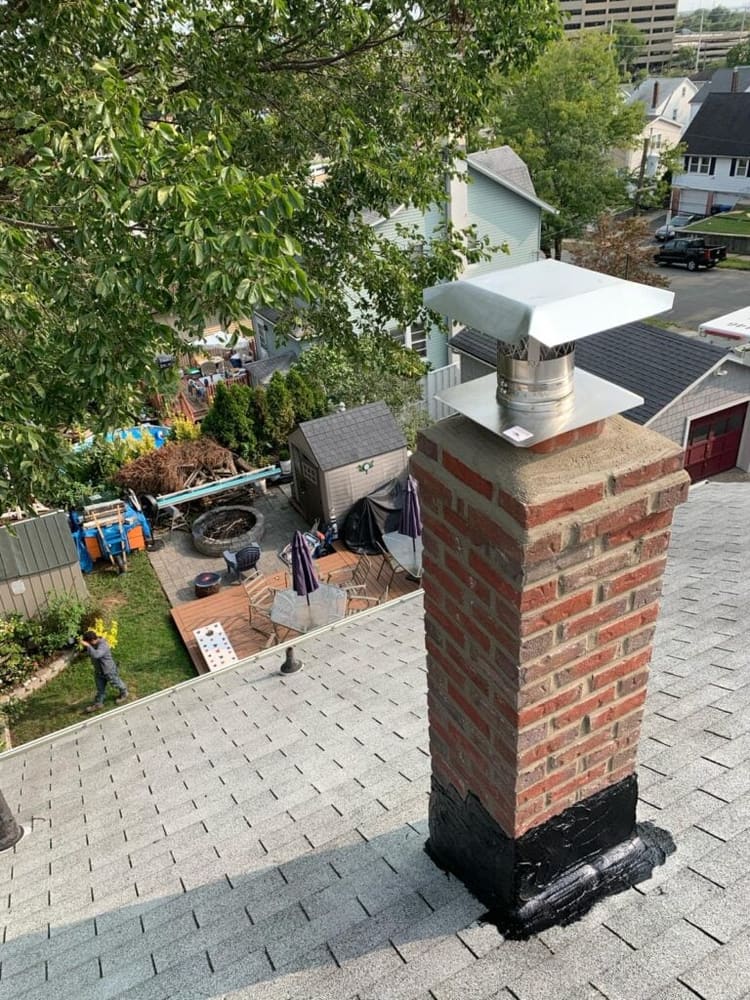
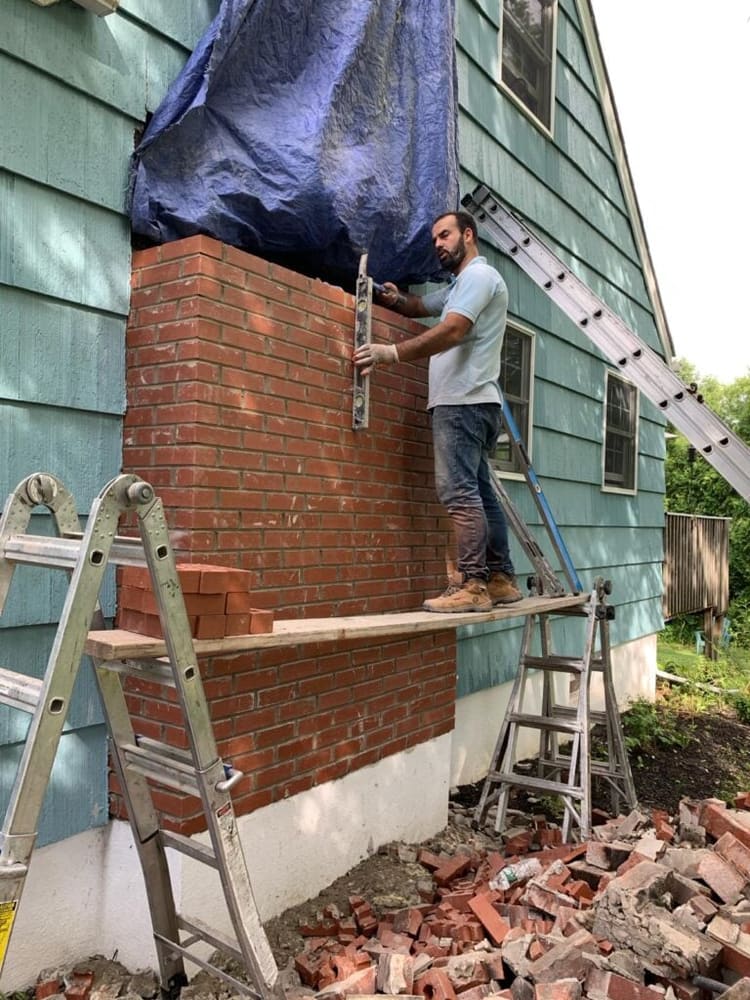
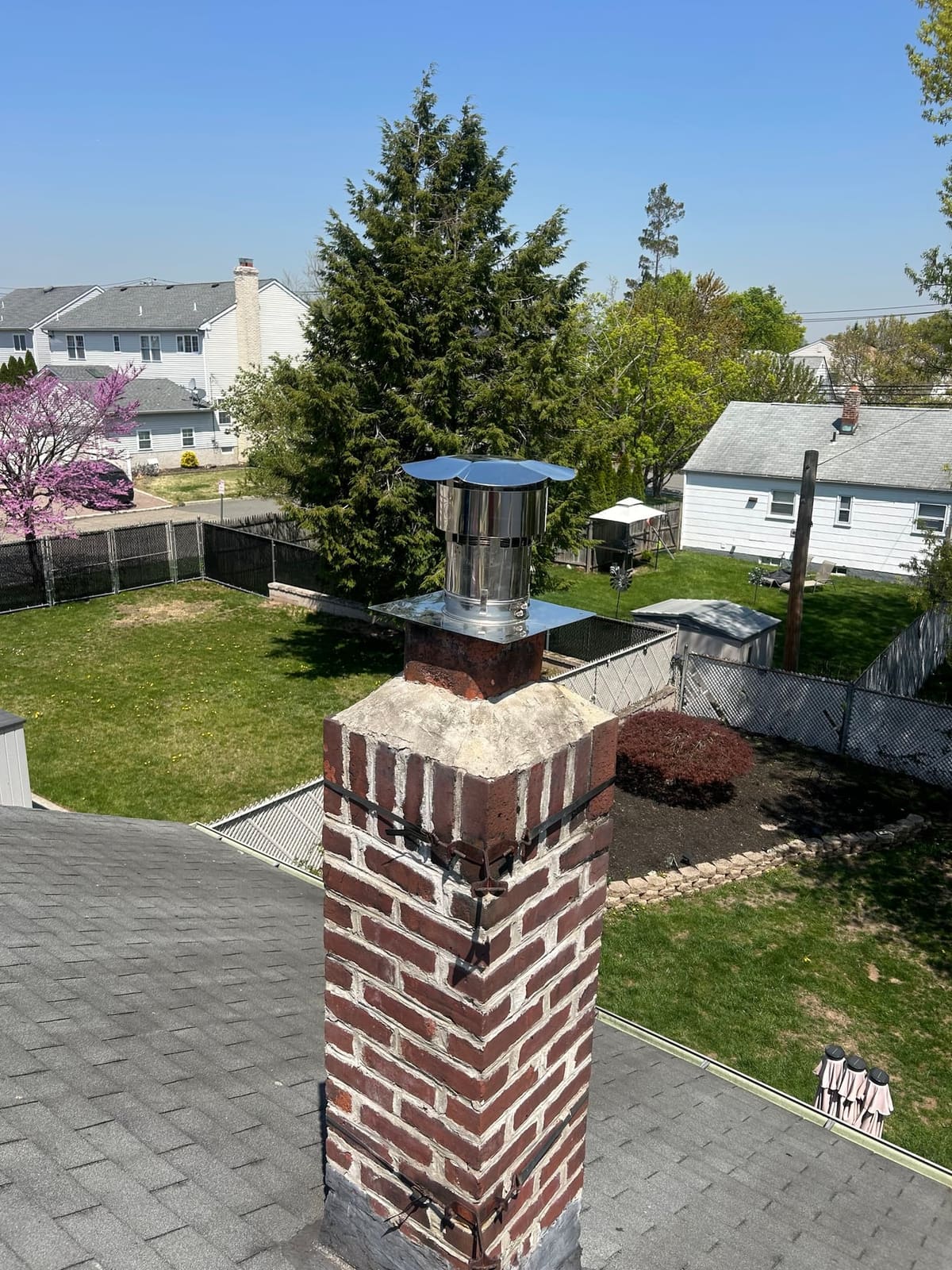
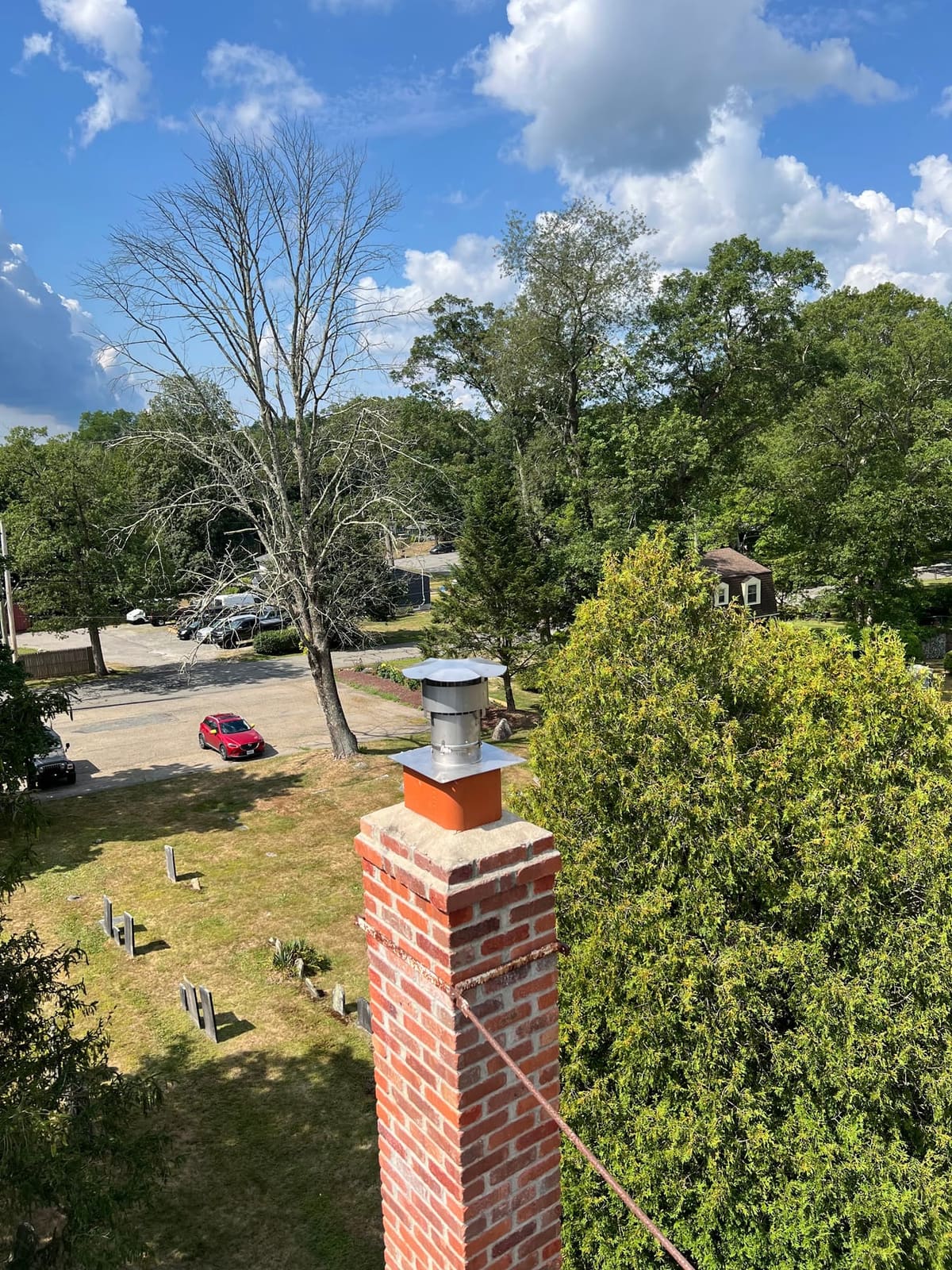
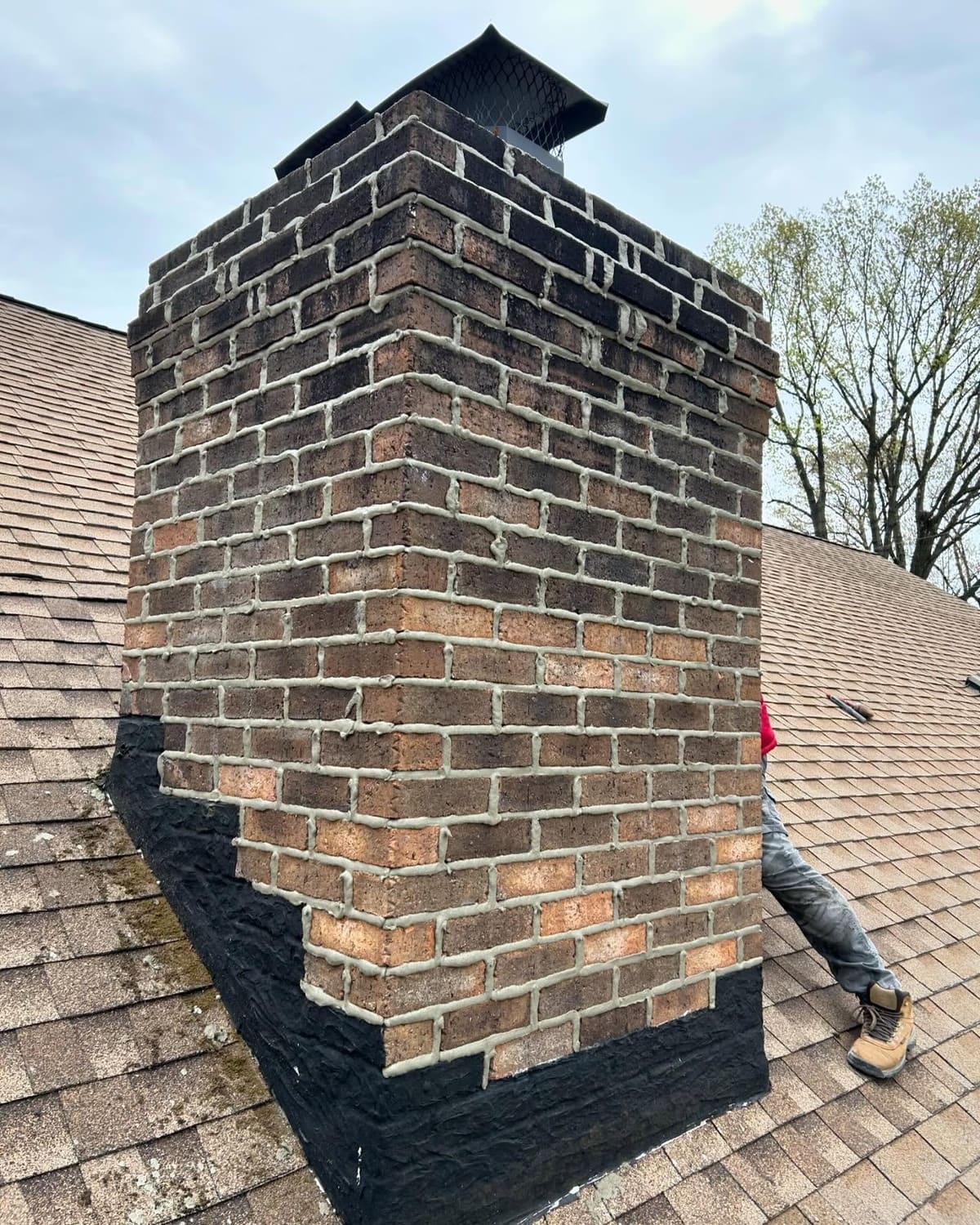
On brick chimneys we most often repair cracked crowns, deteriorated mortar joints, missing or rusted caps and failed flashing at the roofline. On prefabricated units the chase cover is the usual culprit: galvanized covers rust through, flat covers pond water, and the storm collar around the pipe loosens. Asset Roofing & Chimney inspects, repairs and replaces all of these components, and installs liners where the old clay tile has failed.
Parsippany-Troy Hills housing
Most of Parsippany was built out between the early 1950s and the late 1970s, so split-levels, ranches, bi-levels and modest colonials on quarter-acre lots are the norm. The lake sections hold smaller, older houses, many of them expanded over the years. Townhouse and garden-apartment complexes are common, and the highway corridors carry large office buildings, hotels and retail with membrane roofs.
Weather & exposure
Parsippany is lower and flatter than the hill towns to its west, but it still sees colder winters and more snow than Bergen County. The lake communities hold moisture and heavy shade, which keeps roofs damp and encourages moss. Open office-park sites are fully exposed to wind, and summer thunderstorms coming across the highways bring short, intense downpours that test flat-roof drainage.
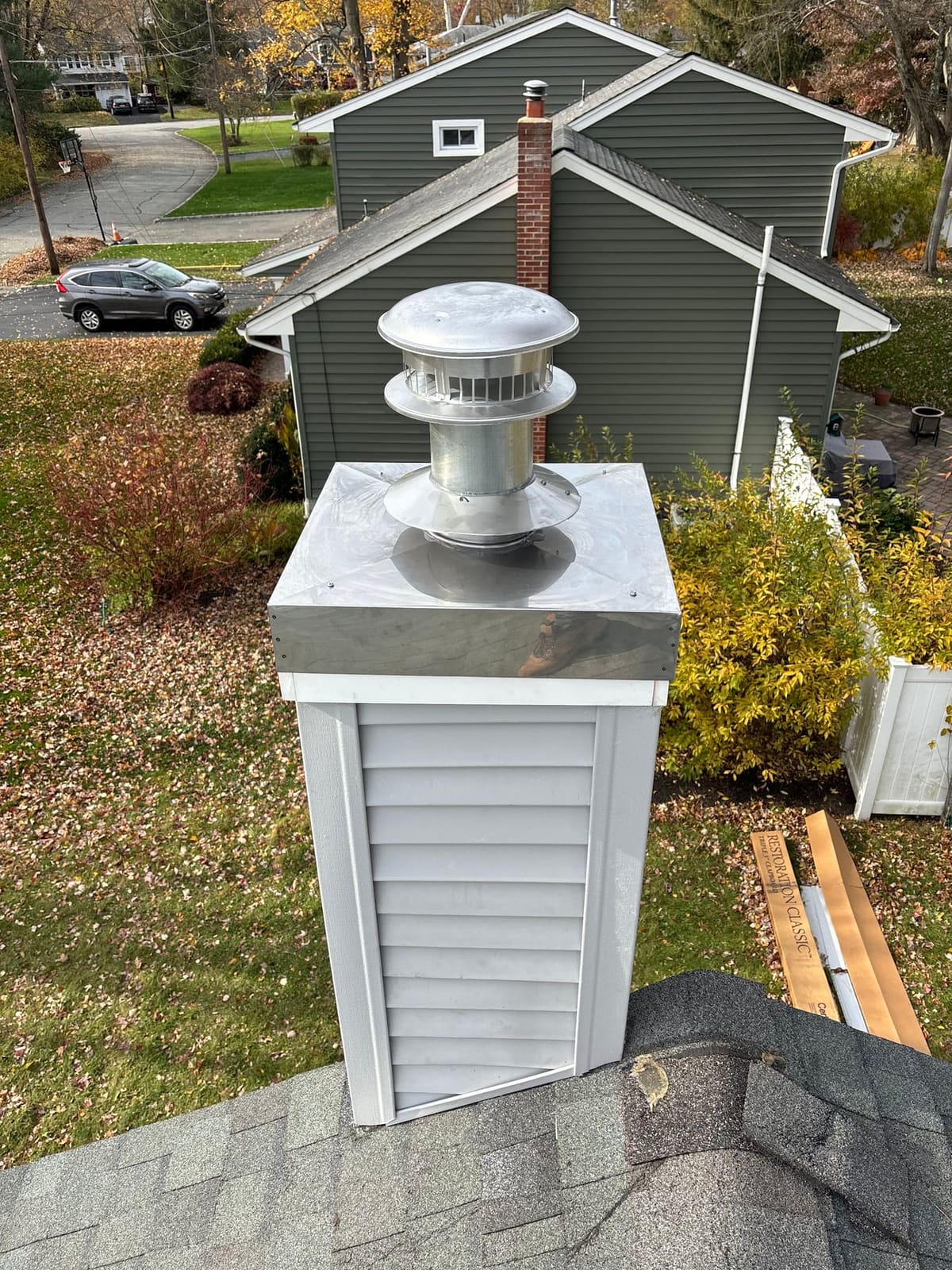
Repair, repoint or rebuild in Parsippany-Troy Hills
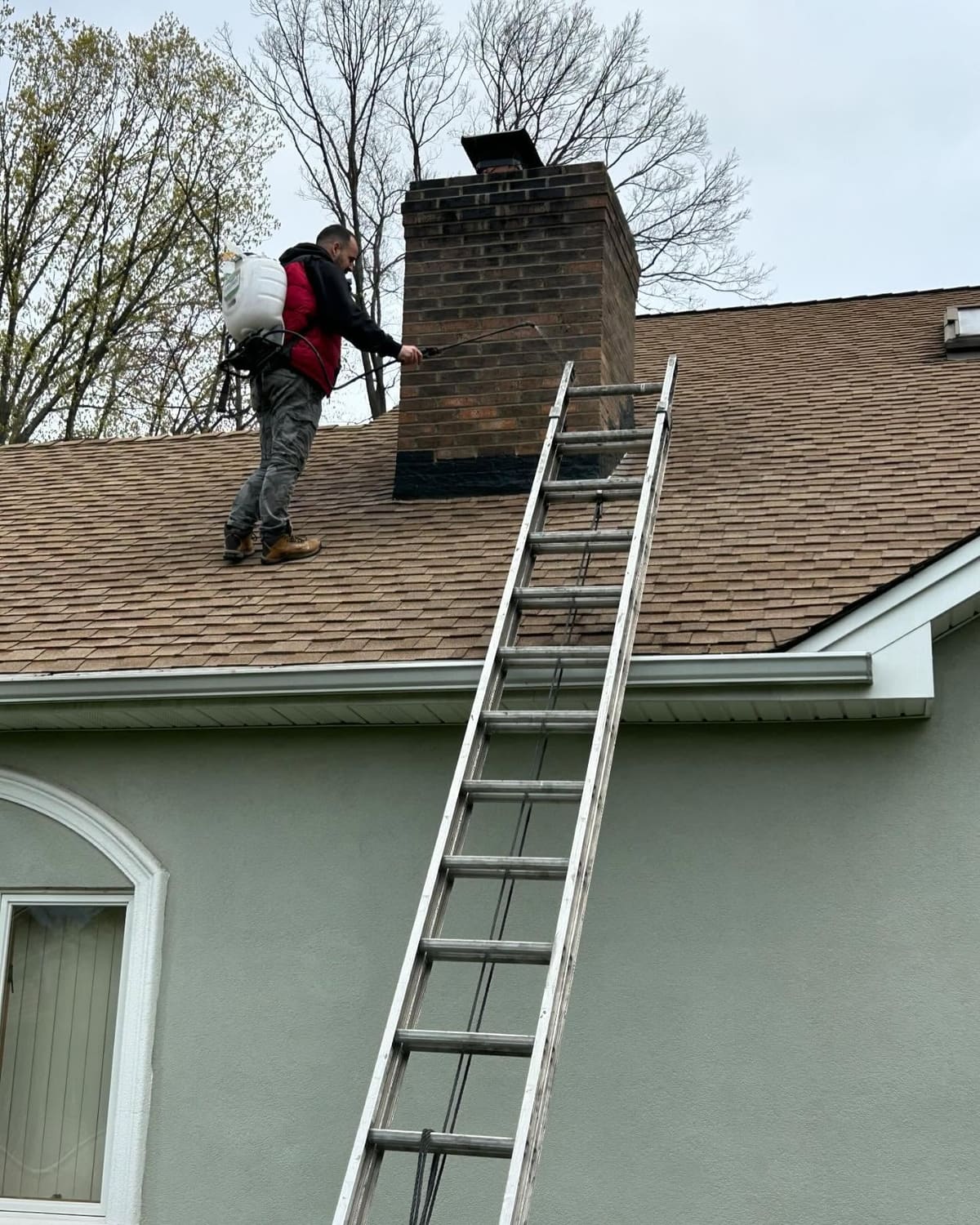
Start with an inspection. We look at the crown, cap, brick and mortar, check the flashing against the shingles, examine the chase cover and storm collar on prefabricated units, and look down the flue. On the typical 1960s Parsippany chimney the result is a short list: a new crown, repointing on the exposed section above the roof, a cap and corrected flashing.
If a liner is cracked or missing, or if a new furnace or water heater has been installed and vents into an old clay flue, a liner should be part of the plan. Relining is less disruptive than most homeowners expect and is done from the roof and the appliance connection without opening walls.