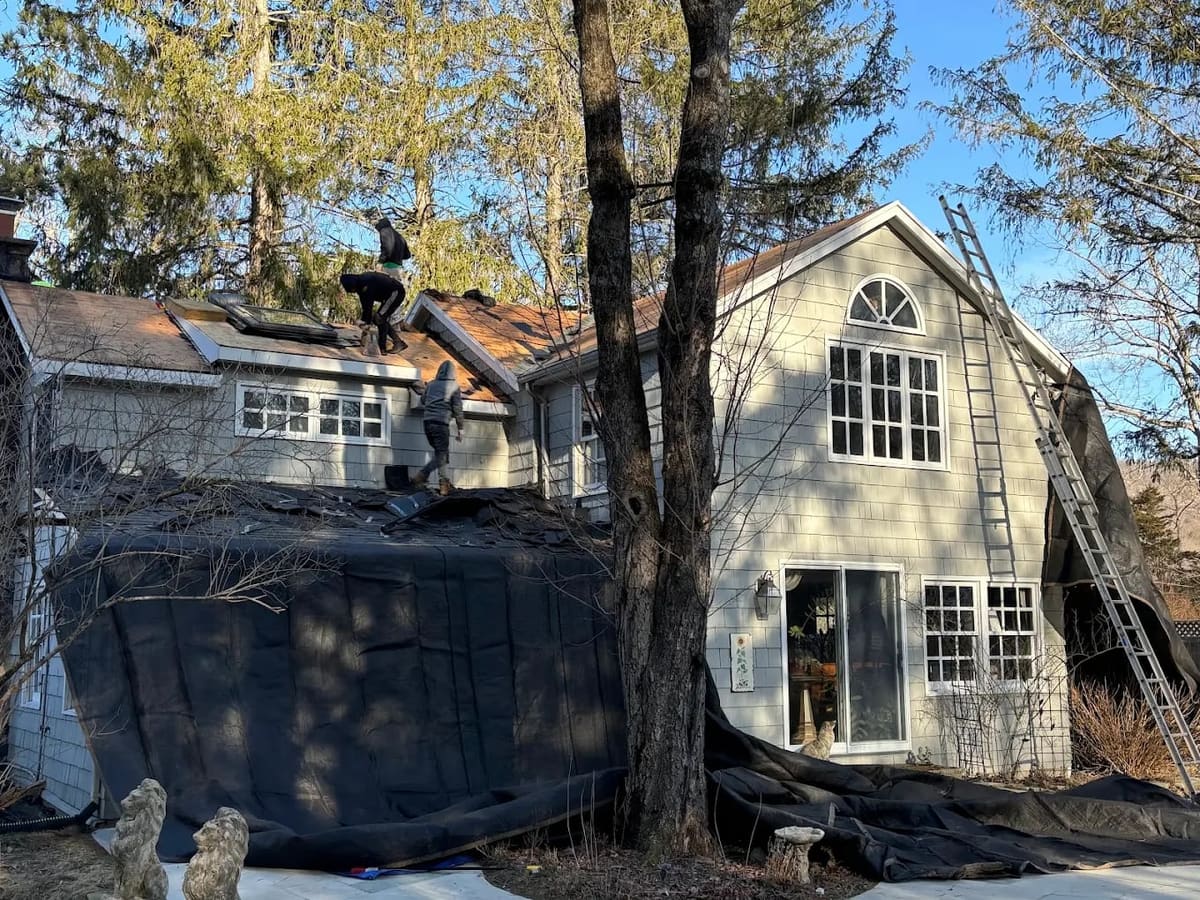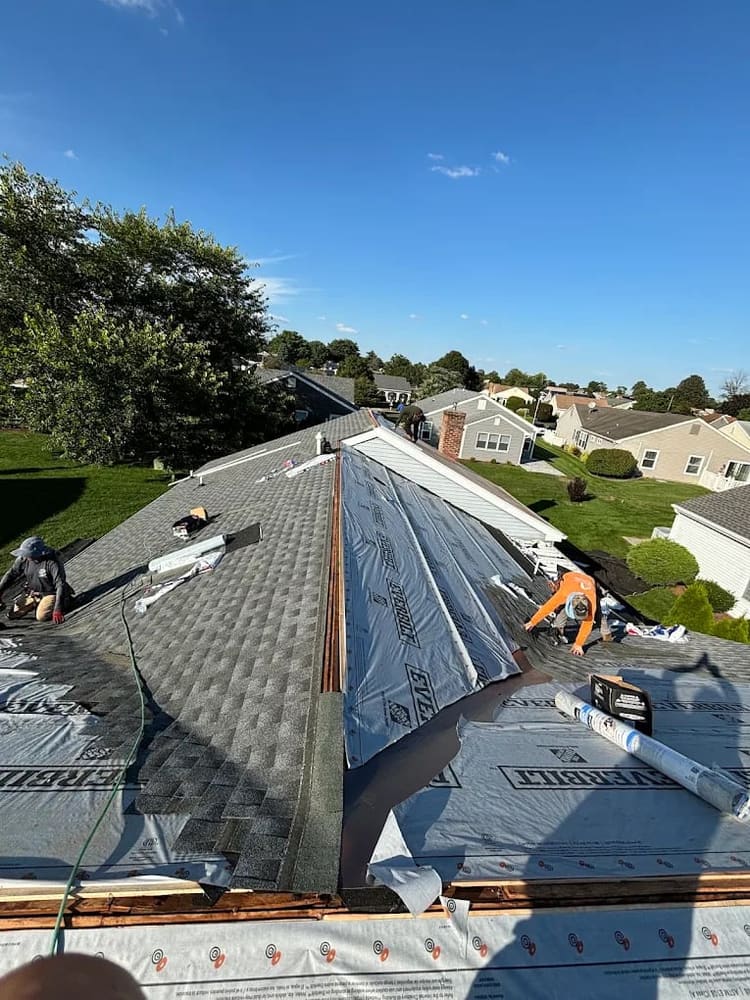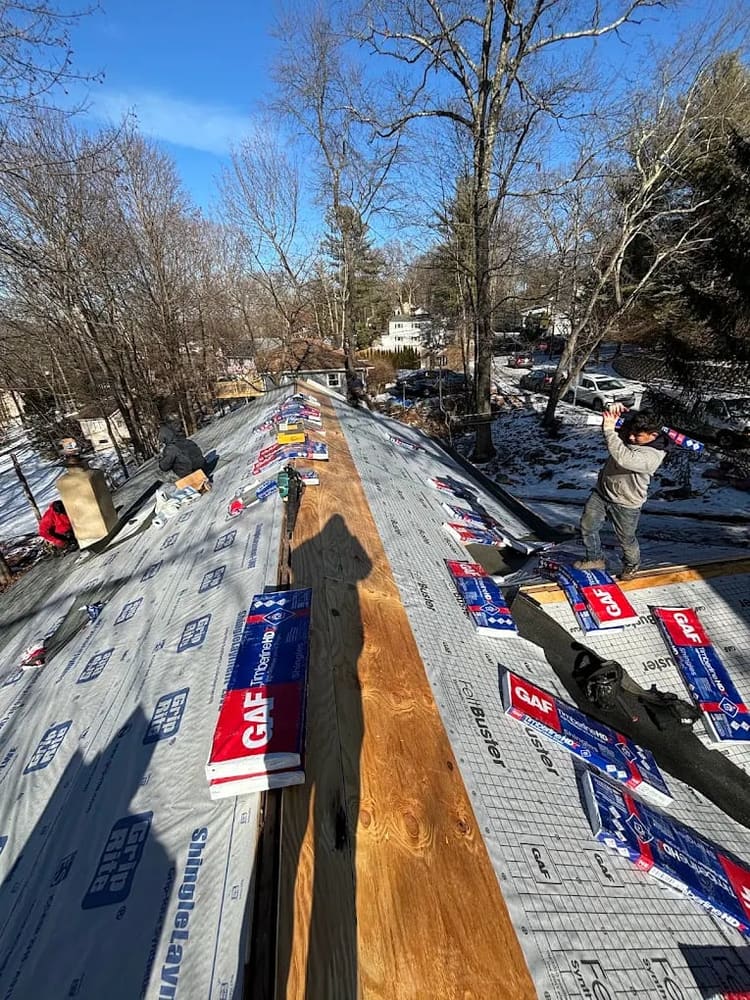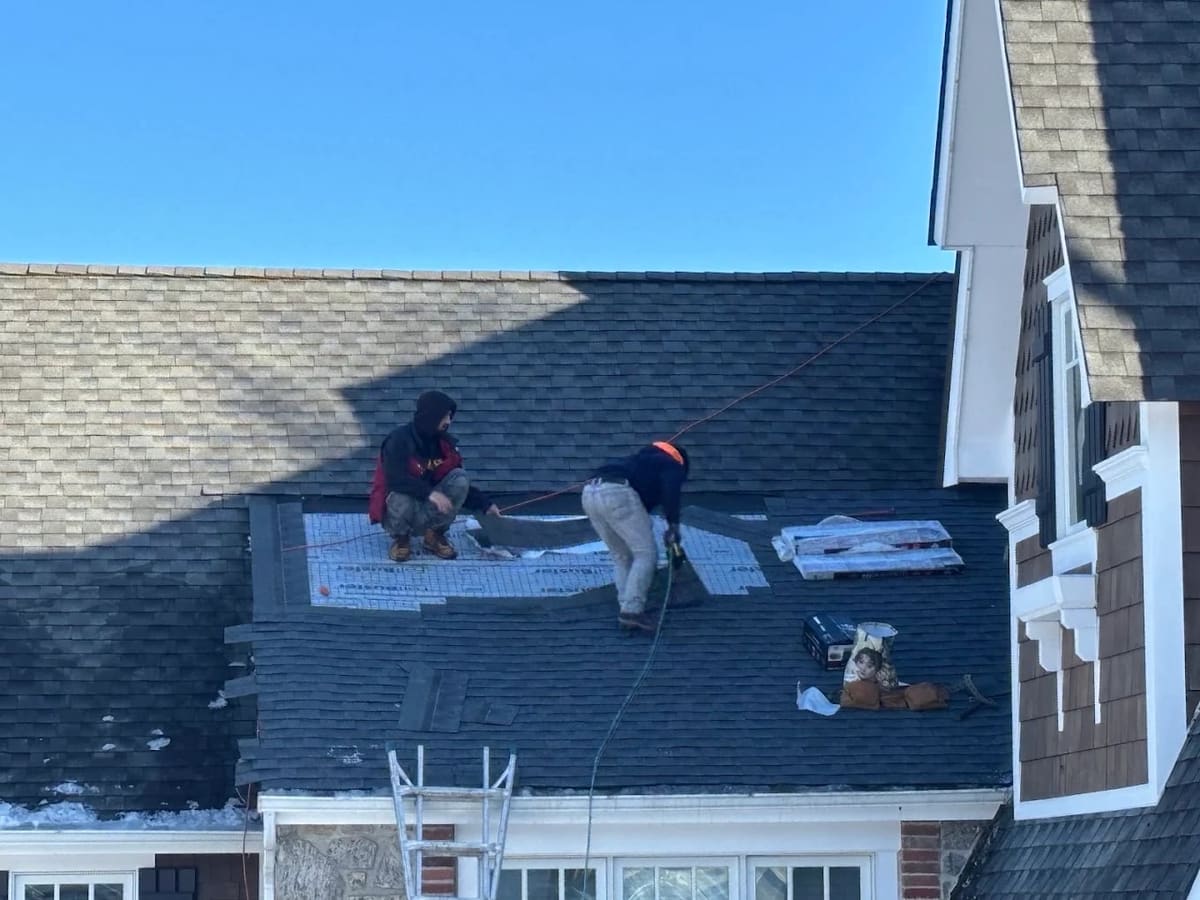
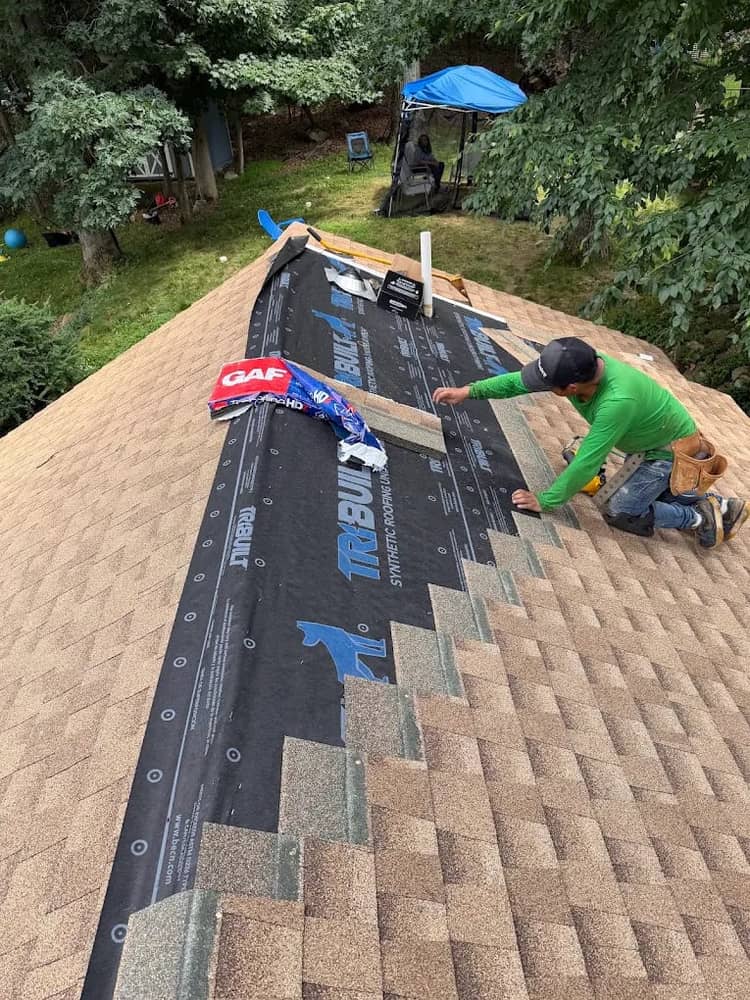
Roof Repair for Bound Brook homes and buildings
On a Bound Brook street of century-old frame houses, roof leaks tend to come from the same few places: the flashing where a porch roof meets the front wall, the chimney flashing on an older brick stack, worn valleys on cross-gabled houses, and low-slope rear additions that were shingled at too shallow a pitch. Two-family houses add extra plumbing vents and sometimes a second chimney or appliance vent, each a penetration that needs a sound boot or flashing.
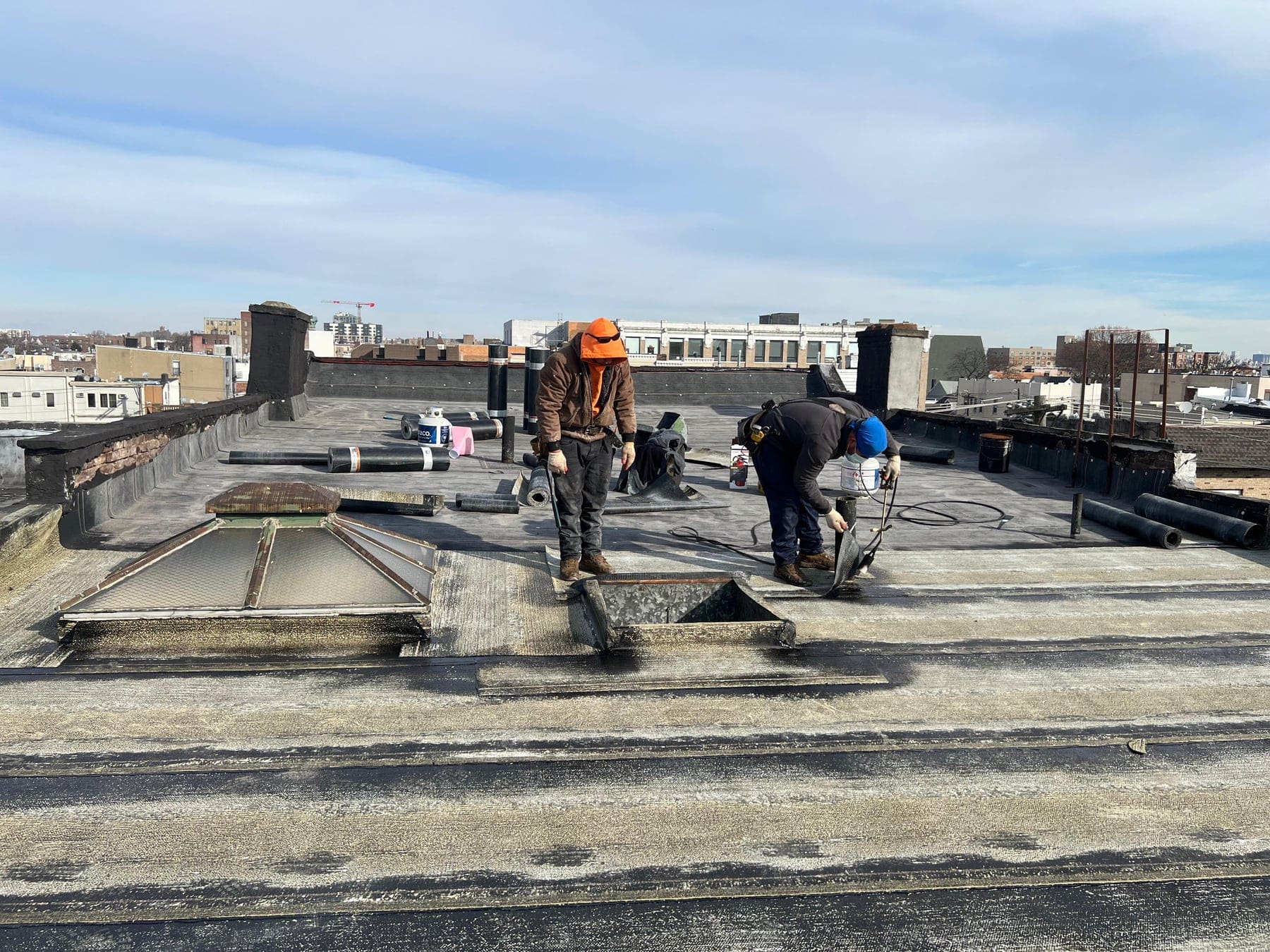
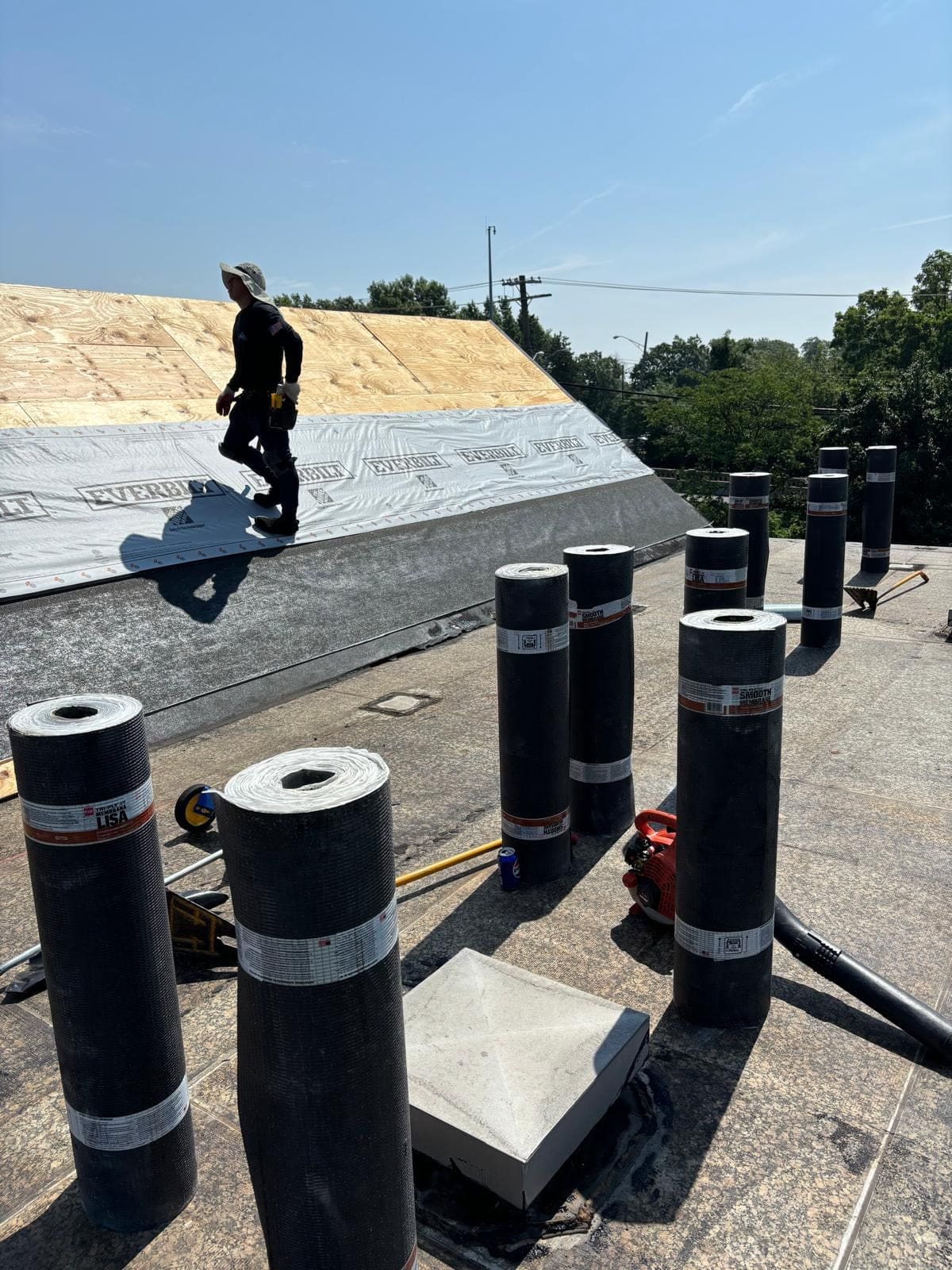
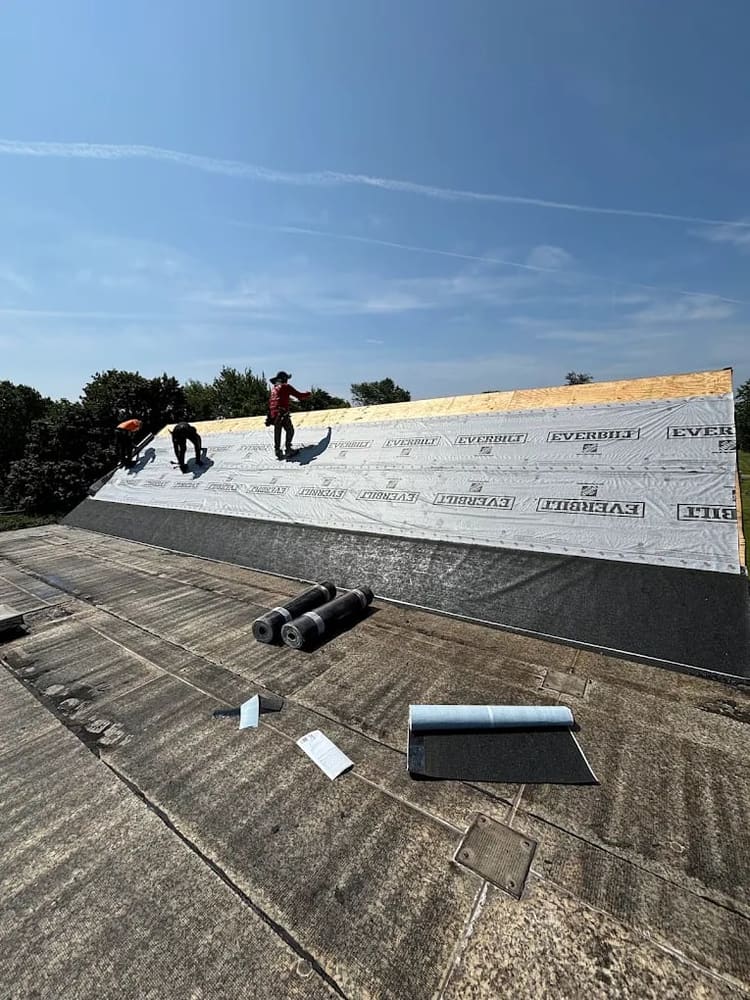
Along Main Street, the flat roofs over storefronts and upstairs apartments rely on parapets, scuppers and a few drains. Asset Roofing & Chimney repairs shingle roofs on homes and membrane roofs on commercial and mixed-use buildings, and on tightly spaced lots we plan ladder placement and debris control with the neighbors in mind.
Bound Brook housing
Bound Brook's housing is older and compact: late-1800s and early-1900s frame houses and two-family homes, gable-front houses with front porches, and smaller capes and bungalows from the 1920s through the 1950s on narrow lots. Garden apartments and some newer multifamily buildings are mixed in. Main Street has two- and three-story commercial buildings with flat roofs, often with apartments above storefronts. Most residential roofs are asphalt shingle, and many porches and rear additions have low-slope roofs.
Weather & exposure
Bound Brook sits on low ground along the Raritan River, and the river and the Green Brook bring damp air, fog and a history of floods. Humidity in the lowlands keeps attics and roof decks damp where ventilation is poor. Houses are close together, so snow slides, gutter overflow and debris from one roof can affect the next. Street trees on older blocks drop leaves into gutters, and winter brings ice dams on homes with older insulation.
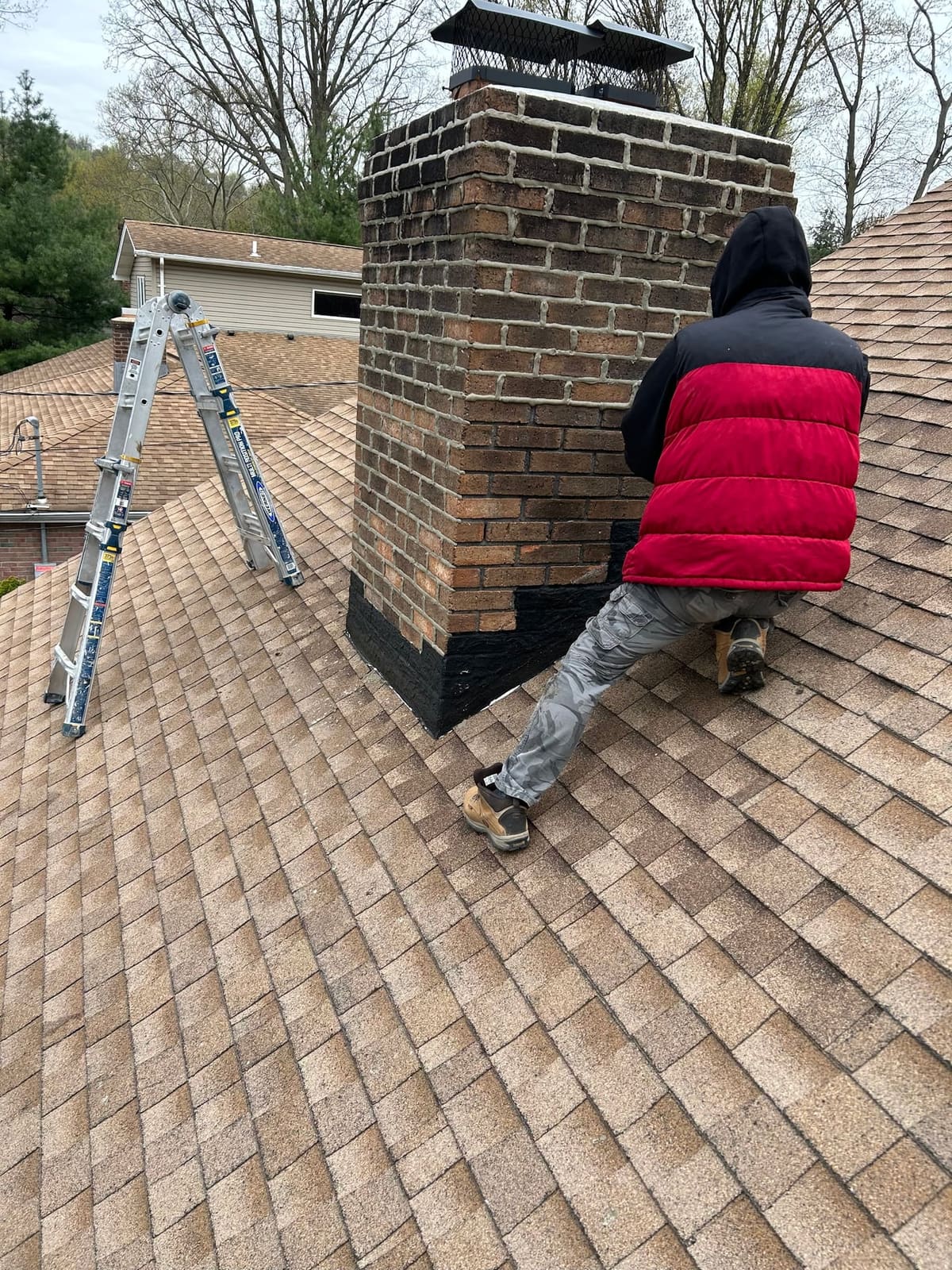
Repair or replace? What we tell Bound Brook homeowners
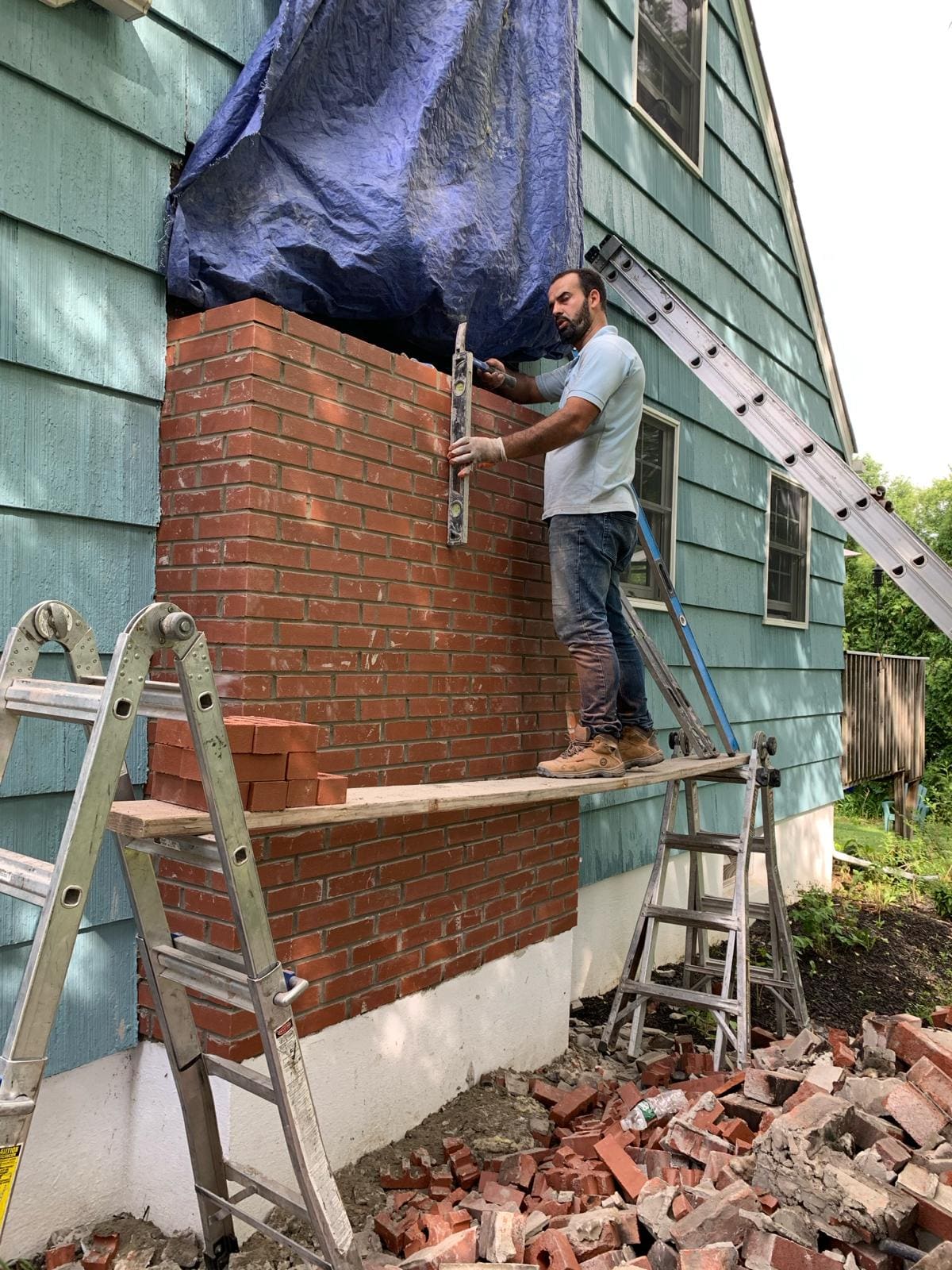
We trace the leak from inside where possible, then inspect the flashing and penetrations above it. On older Bound Brook homes the fix is usually new step and counter-flashing at a wall or chimney, rebuilt valley metal, new pipe boots, or converting a shingled low-slope section to a membrane roof tied properly into the main roof.
For commercial and mixed-use buildings we clear and test the drains and scuppers first, then check seams, parapet caps and flashing at rooftop equipment. Owners receive photos and a written scope. If an older roof has been patched many times, we give an honest read on how much life remains.