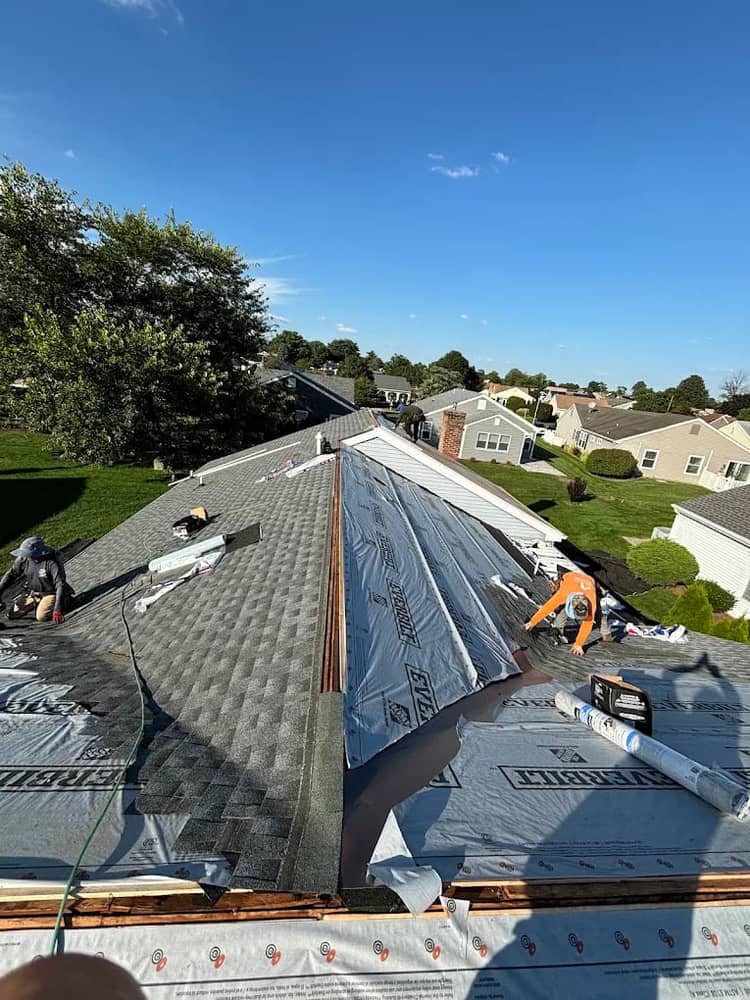
Roof Repair for Bridgewater homes and buildings
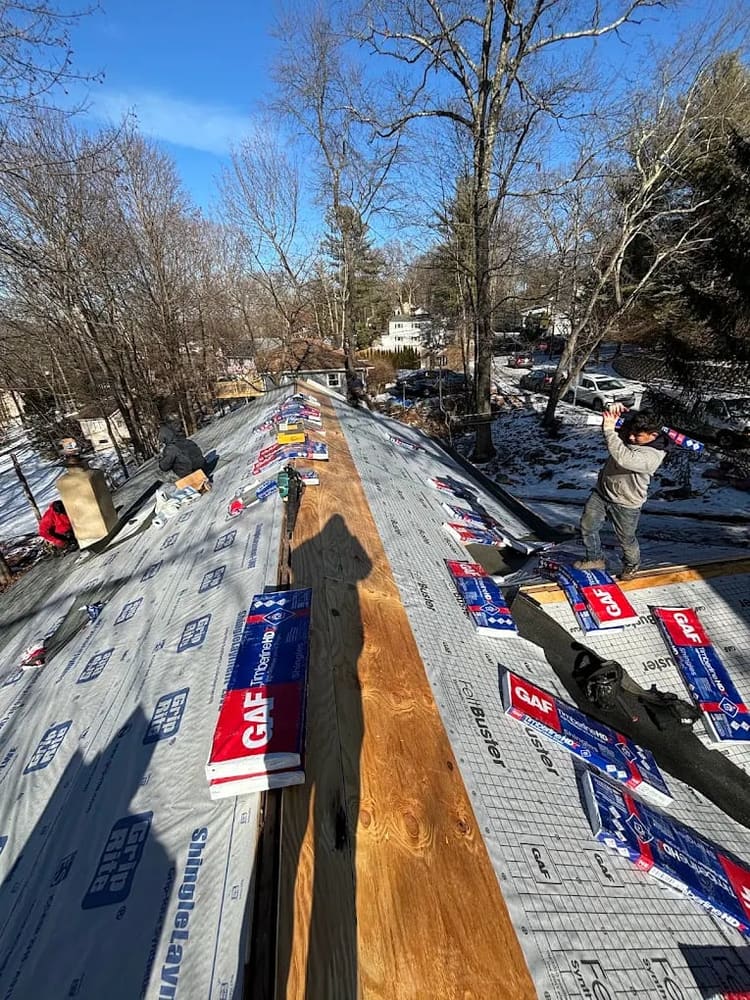
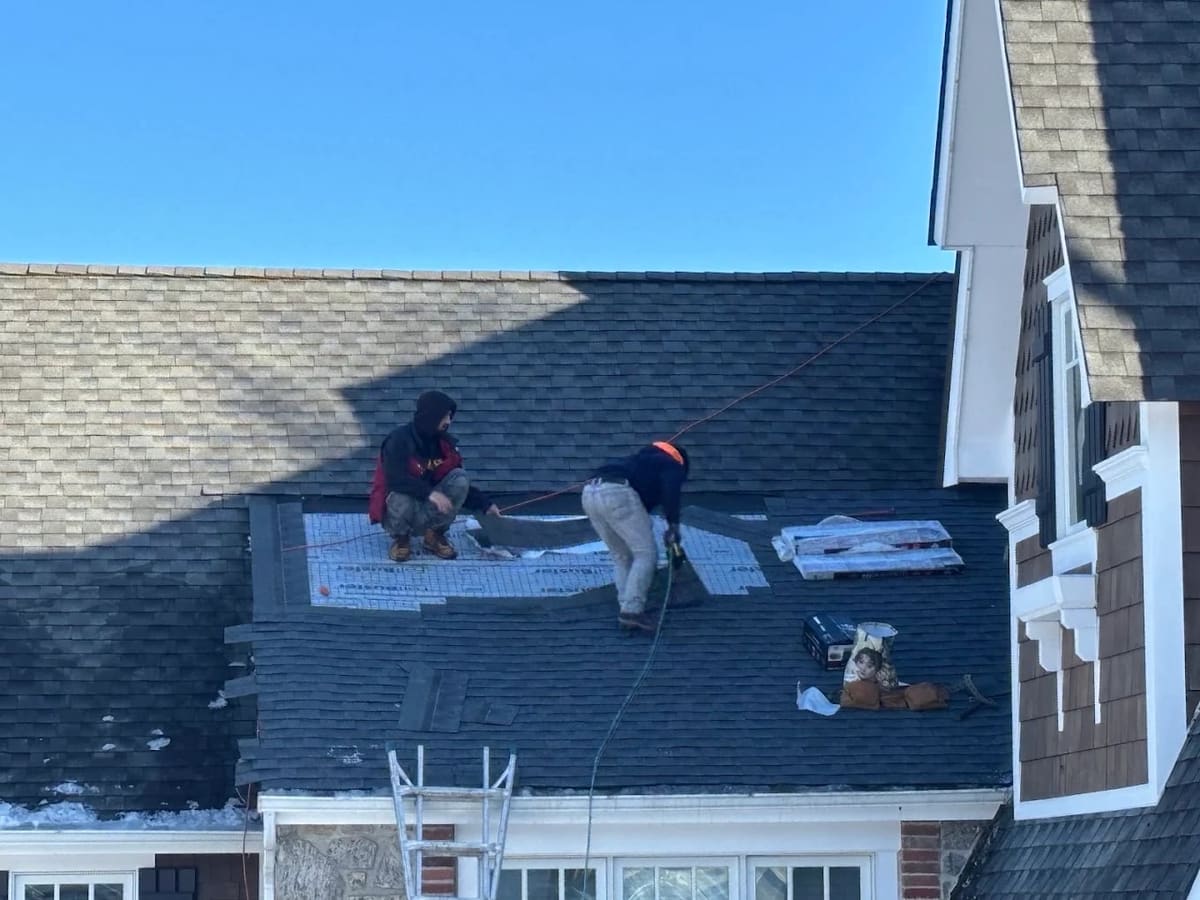
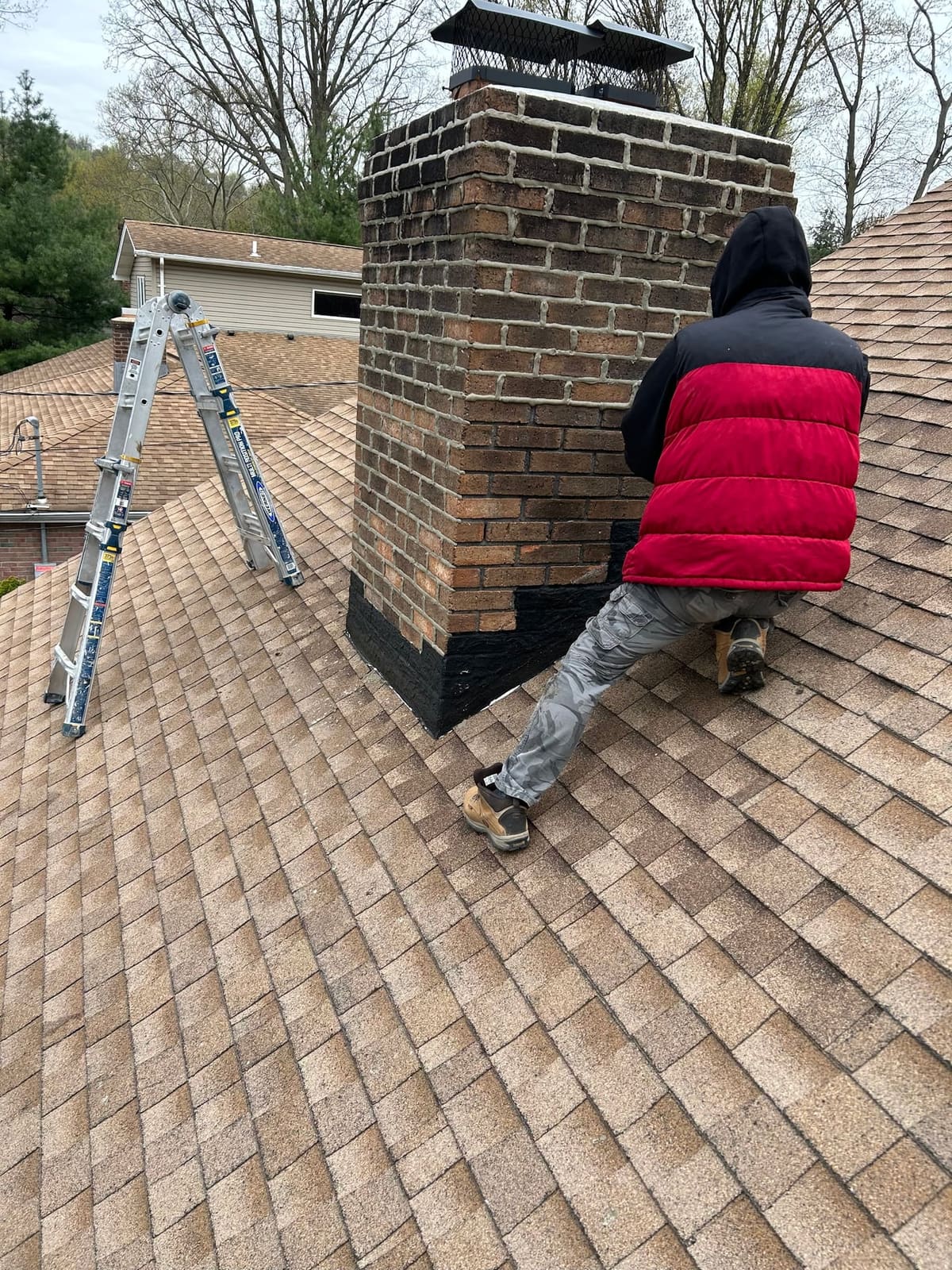
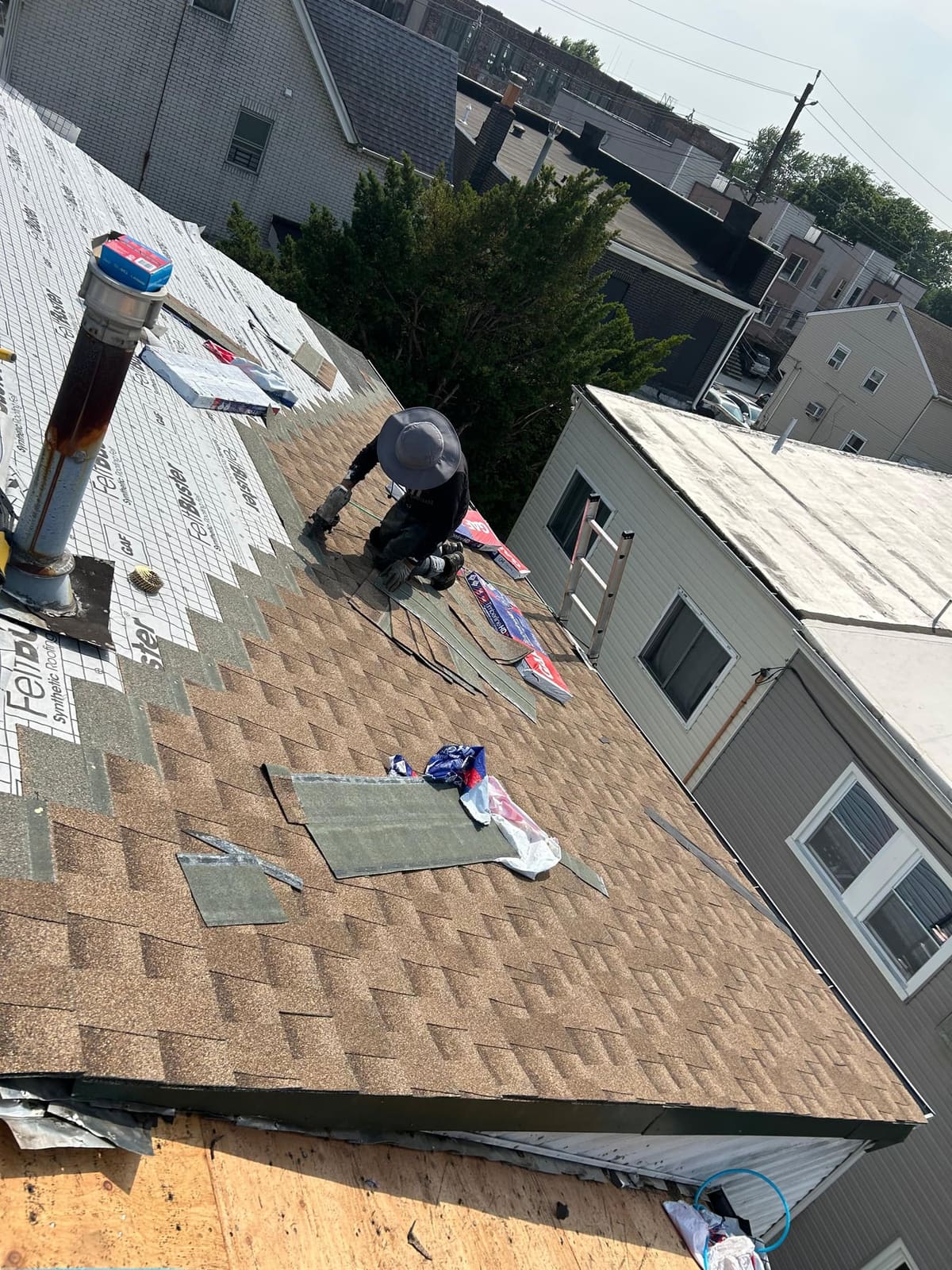
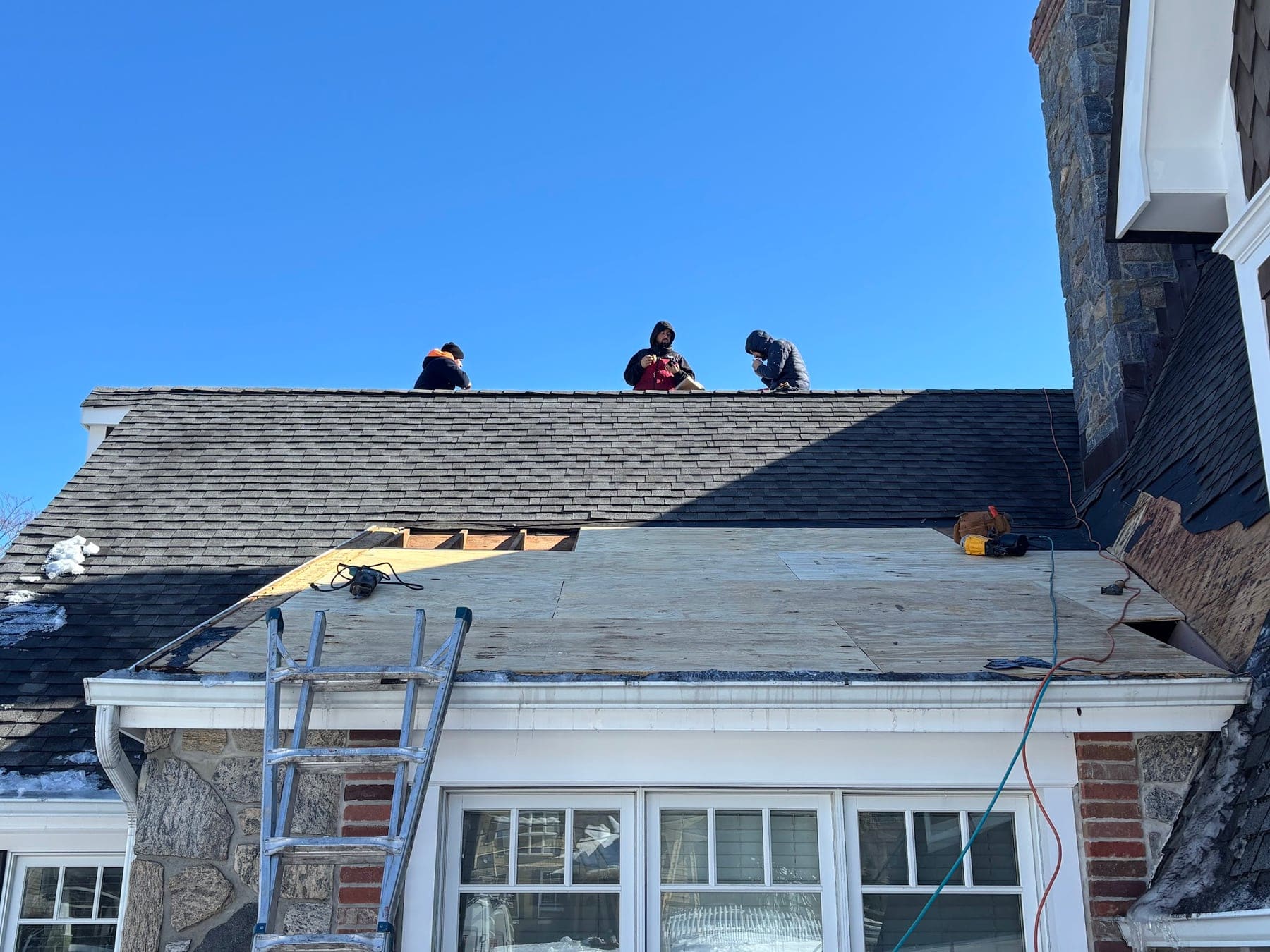
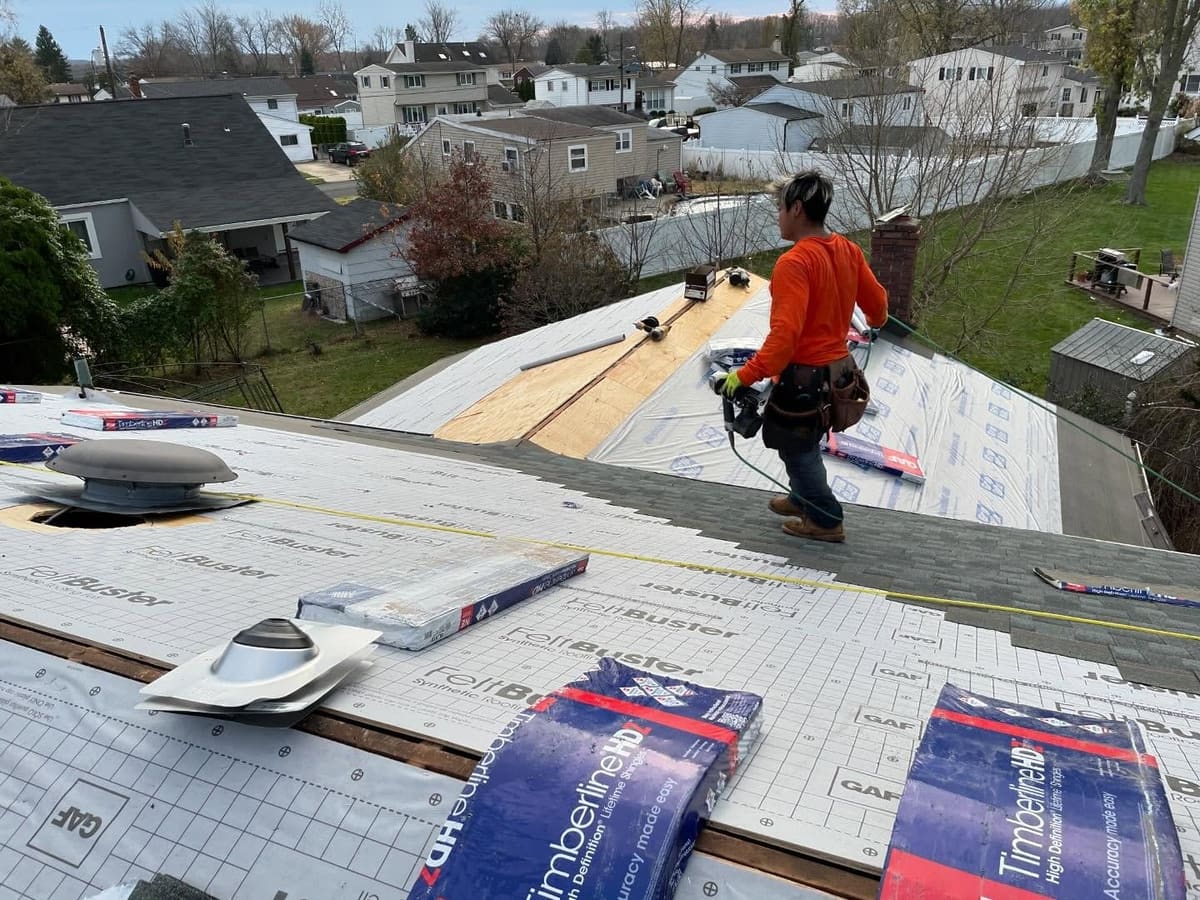
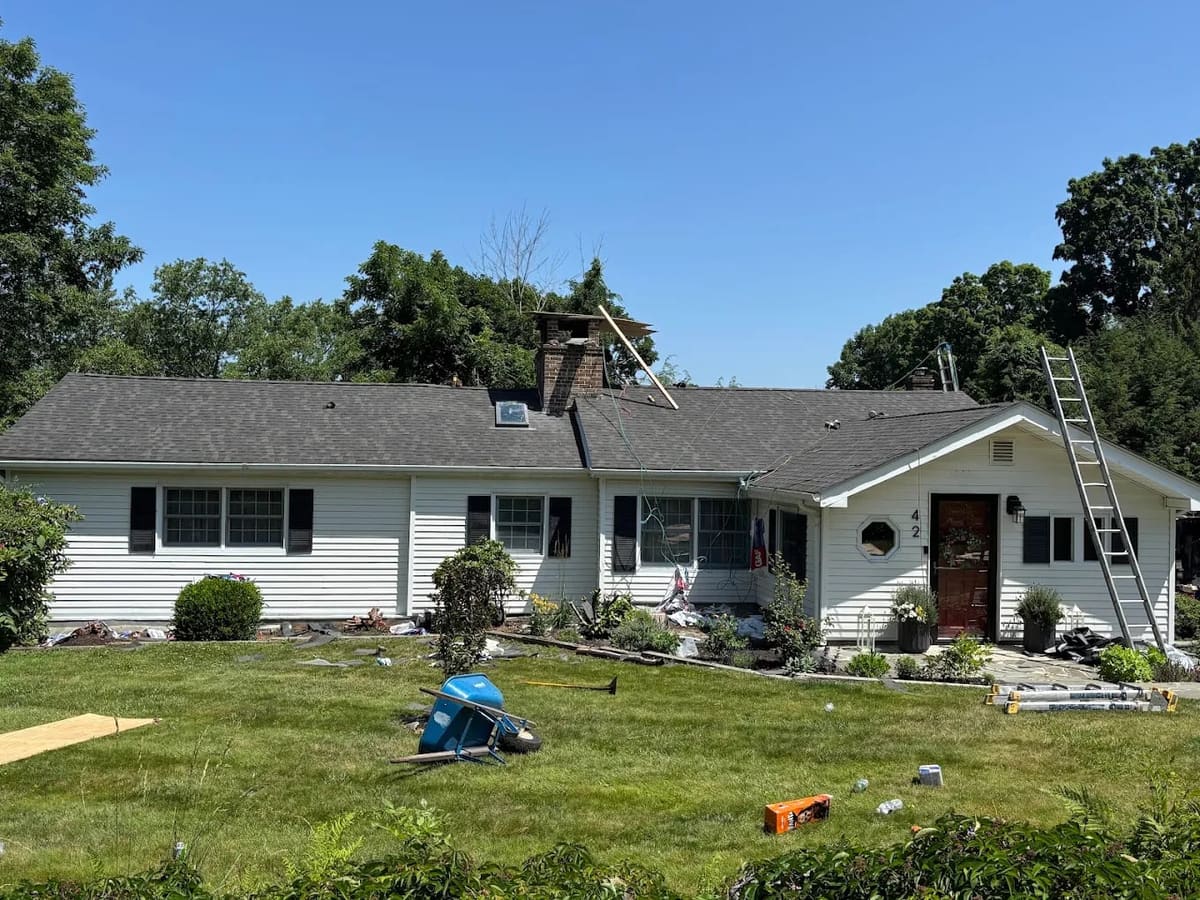
Most Bridgewater roof repair calls come from 1960s through 1990s colonials and split-levels whose roofs are between replacements. The leaks are predictable: step flashing at the junction between a split-level's roof levels or where a garage roof meets a two-story wall, cracked rubber pipe boots, worn valleys between intersecting gables and nail pops that have worked through the shingles. In the northern hills, wind damage to ridges and rake edges is more common.
On the commercial side, Asset Roofing & Chimney repairs flat and low-slope membrane roofs on retail, office and warehouse buildings along Route 22, Route 202 and Route 206. Seam failures, clogged drains, punctures from rooftop foot traffic and failed flashing around HVAC curbs account for most of the calls from property managers.
Bridgewater housing
Bridgewater's housing is dominated by 1960s through 1990s single-family construction: center-hall colonials, split-levels, bi-levels and ranches, with larger late-1980s and 1990s two-story homes in the newer sections. Townhouse and condominium communities are common. The northern hills hold older and larger homes on wooded lots. Nearly all residential roofs are asphalt shingle, and the highway corridors carry extensive commercial flat roofing.
Weather & exposure
The township spans flat land along the Raritan River and the ridges of the Watchung hills to the north, so exposure varies by neighborhood. Hillside lots see stronger wind and more snow; the lowlands see more humidity. Winters are colder than Bergen County, with ice dams and freeze-thaw cycles. Summer thunderstorms and nor'easters bring heavy rain that tests flat-roof drainage along the highways.
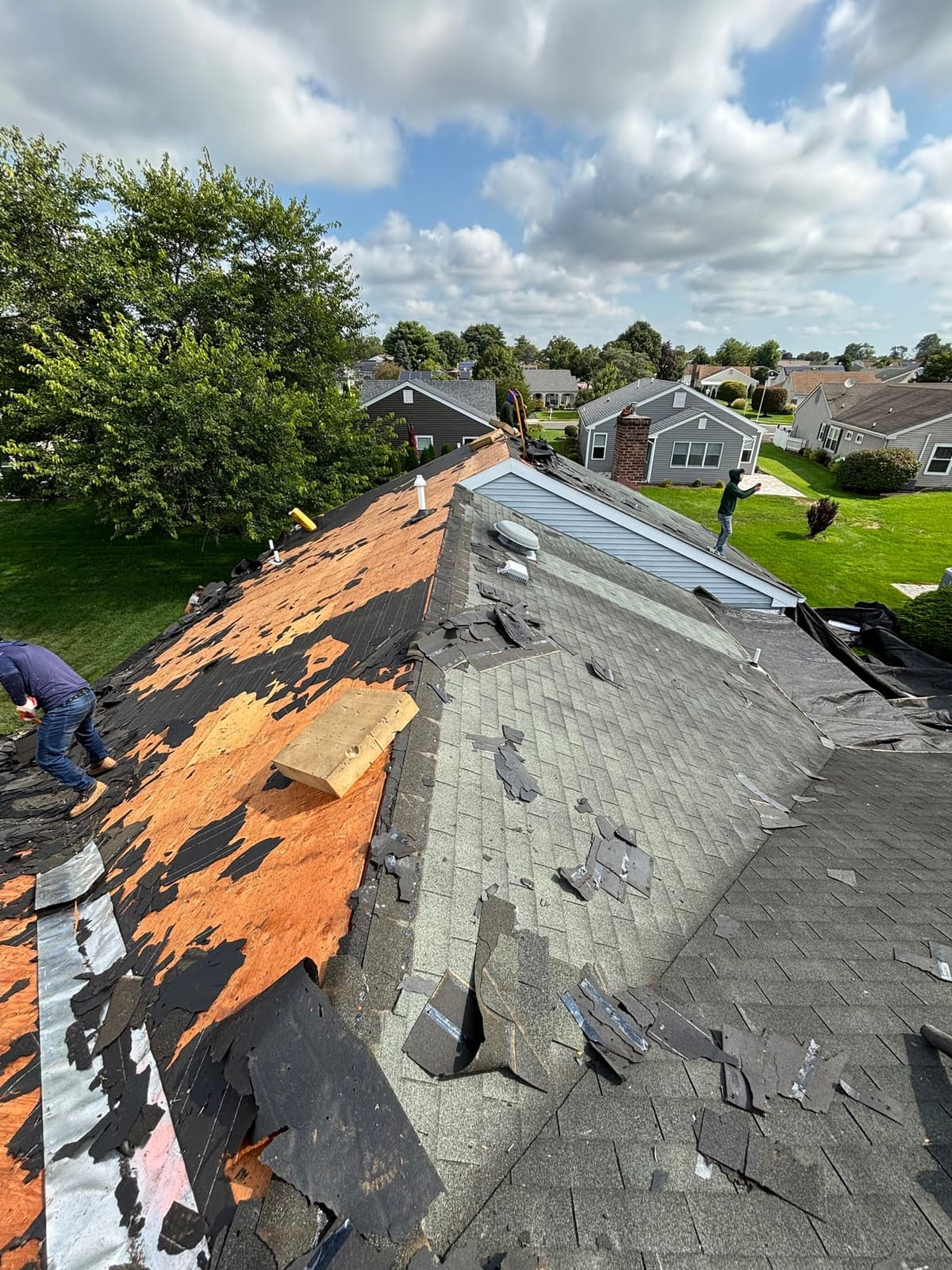
Repair or replace? What we tell Bridgewater homeowners
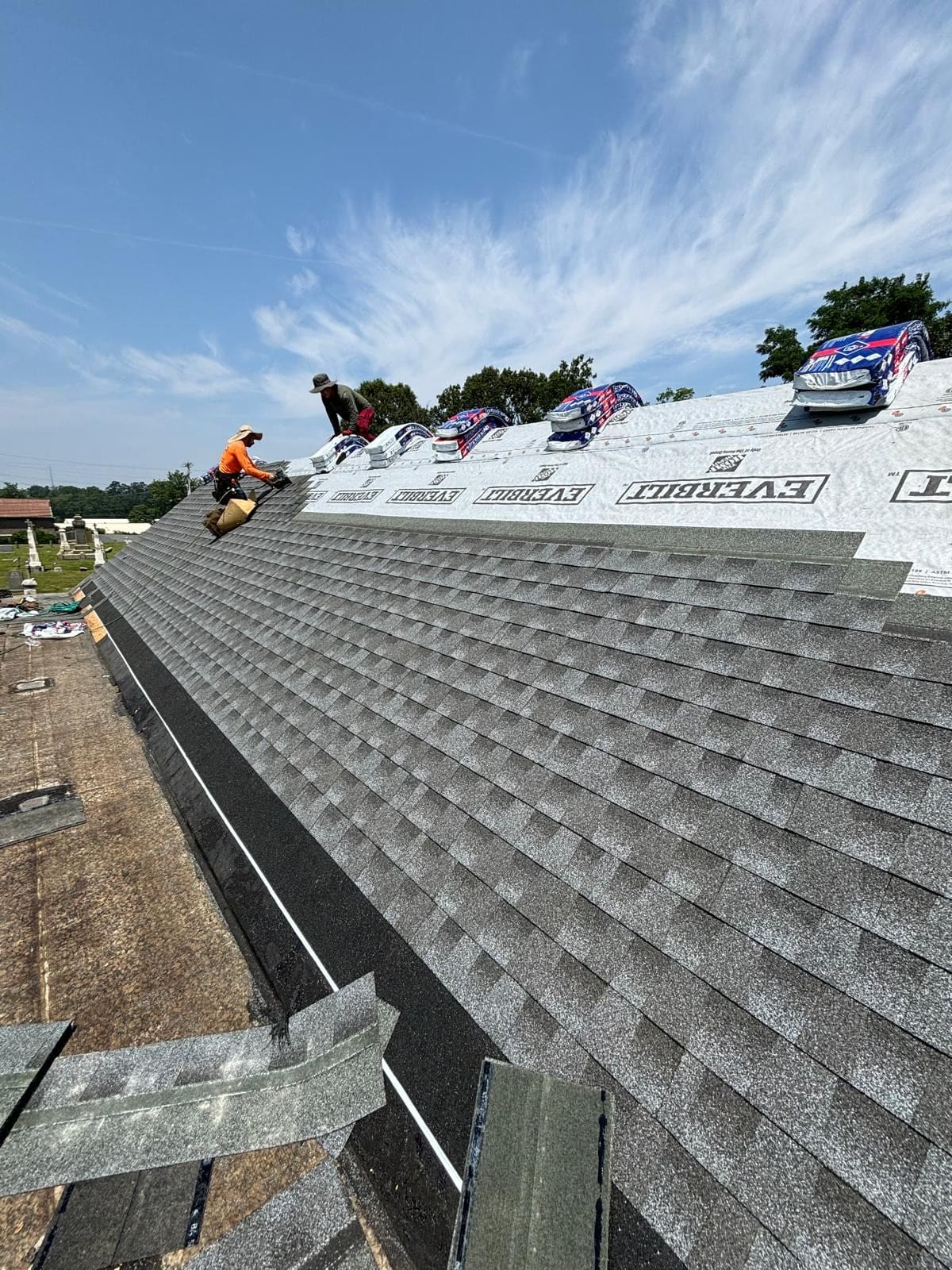
For a localized leak on a roof whose shingles are still flexible and holding their granules, targeted repair is the right call: new step flashing at the sidewall, new pipe boots, metal added to a worn valley, resealed or replaced ridge caps. If the shingles are curling or cracking across the roof, we will tell you so, because repairing brittle material tends to open new problems around the patch.
On commercial roofs we start at the drains and scuppers, then walk the seams and check every penetration and curb. We photograph what we find and provide a written report that a property manager can keep on file, along with a repair scope and recommendations for maintenance between visits.