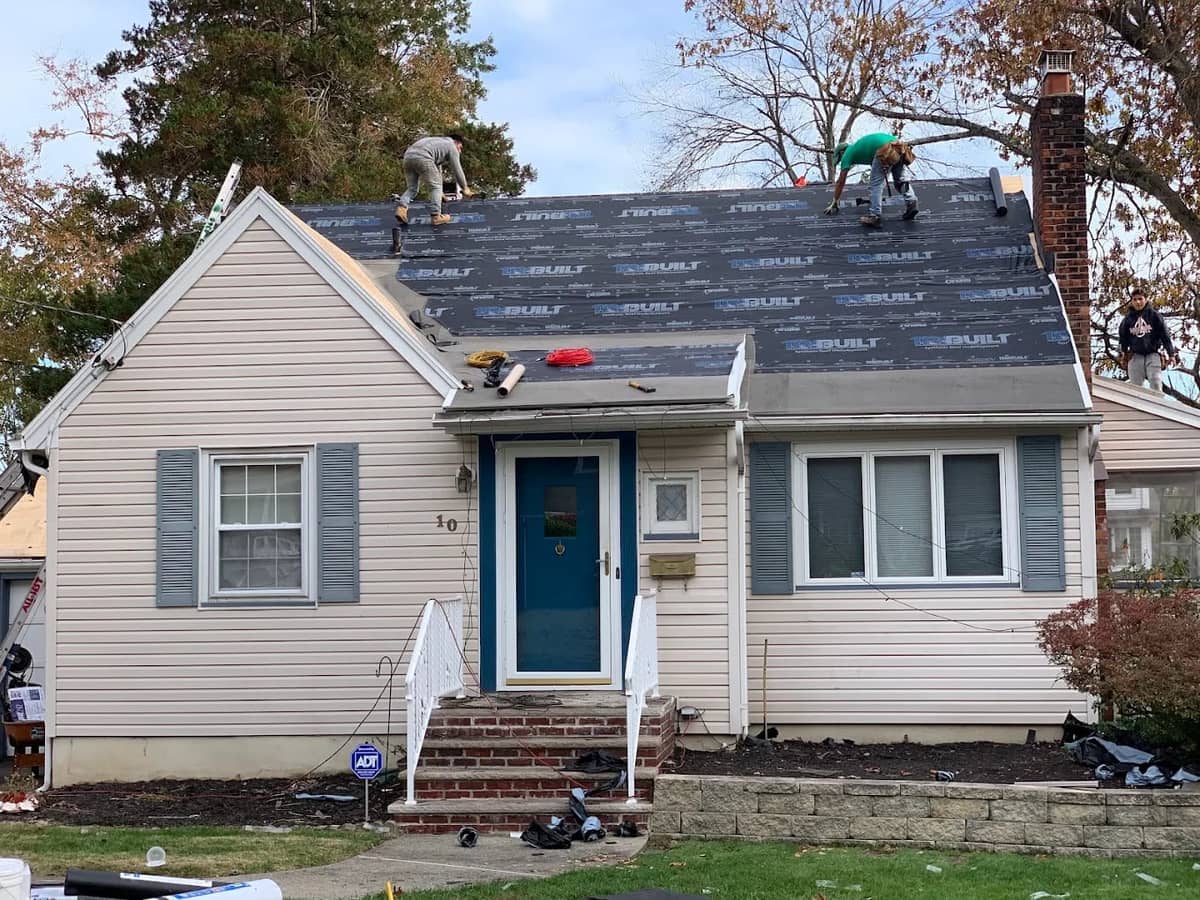
Roof Replacement for Linden homes and buildings
Linden's homes, many built between the 1920s and 1960s, are well into their second or third roof. Replacement here should account for wind and, in the eastern neighborhoods, for corrosion: high-wind-rated shingles, secure edge metal and flashing materials that hold up near the water.
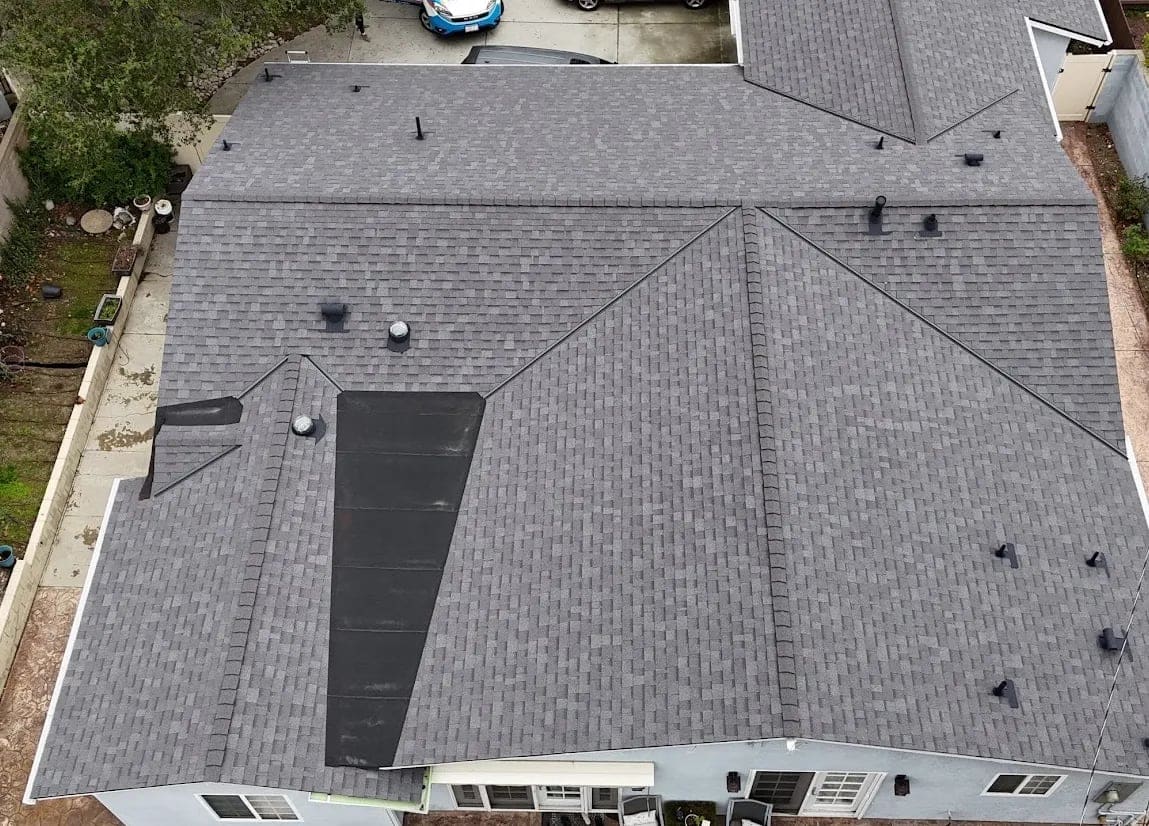
We install architectural asphalt shingles and single-ply membrane on homes and apartment buildings, and replace flat roofs on commercial, warehouse and industrial buildings. On large industrial roofs, replacement allows drainage corrections, insulation upgrades and edge details designed for wind exposure.
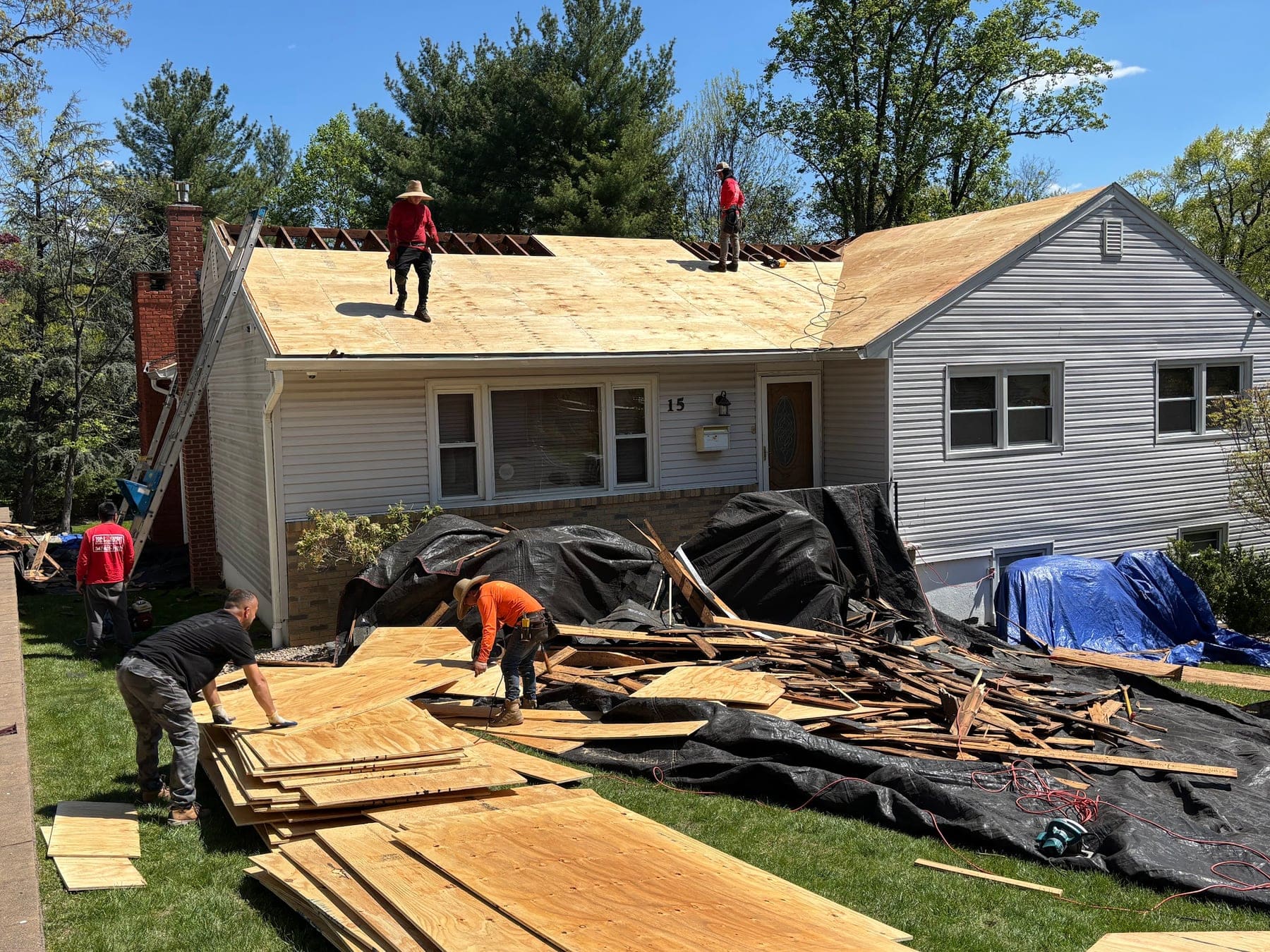
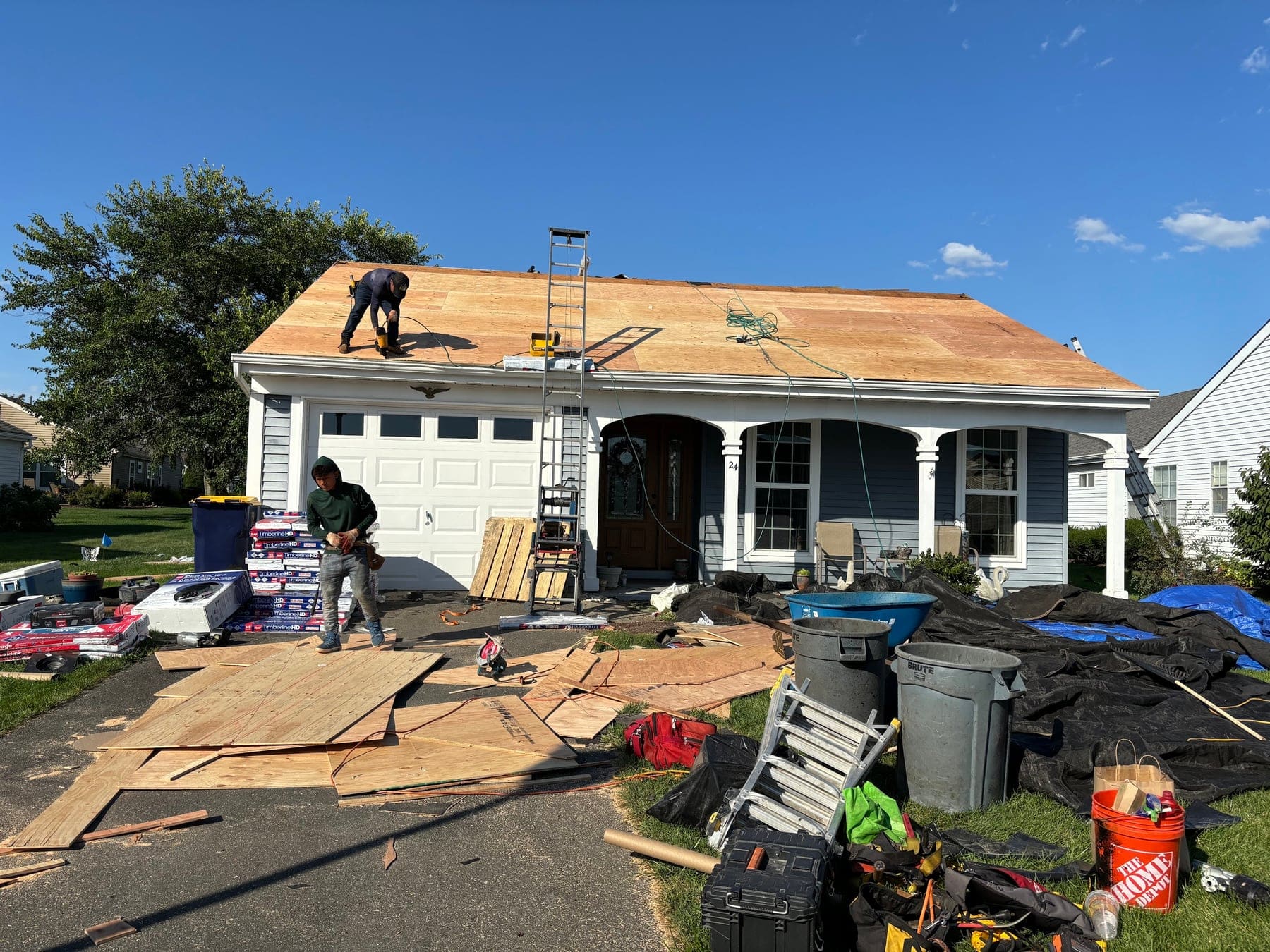
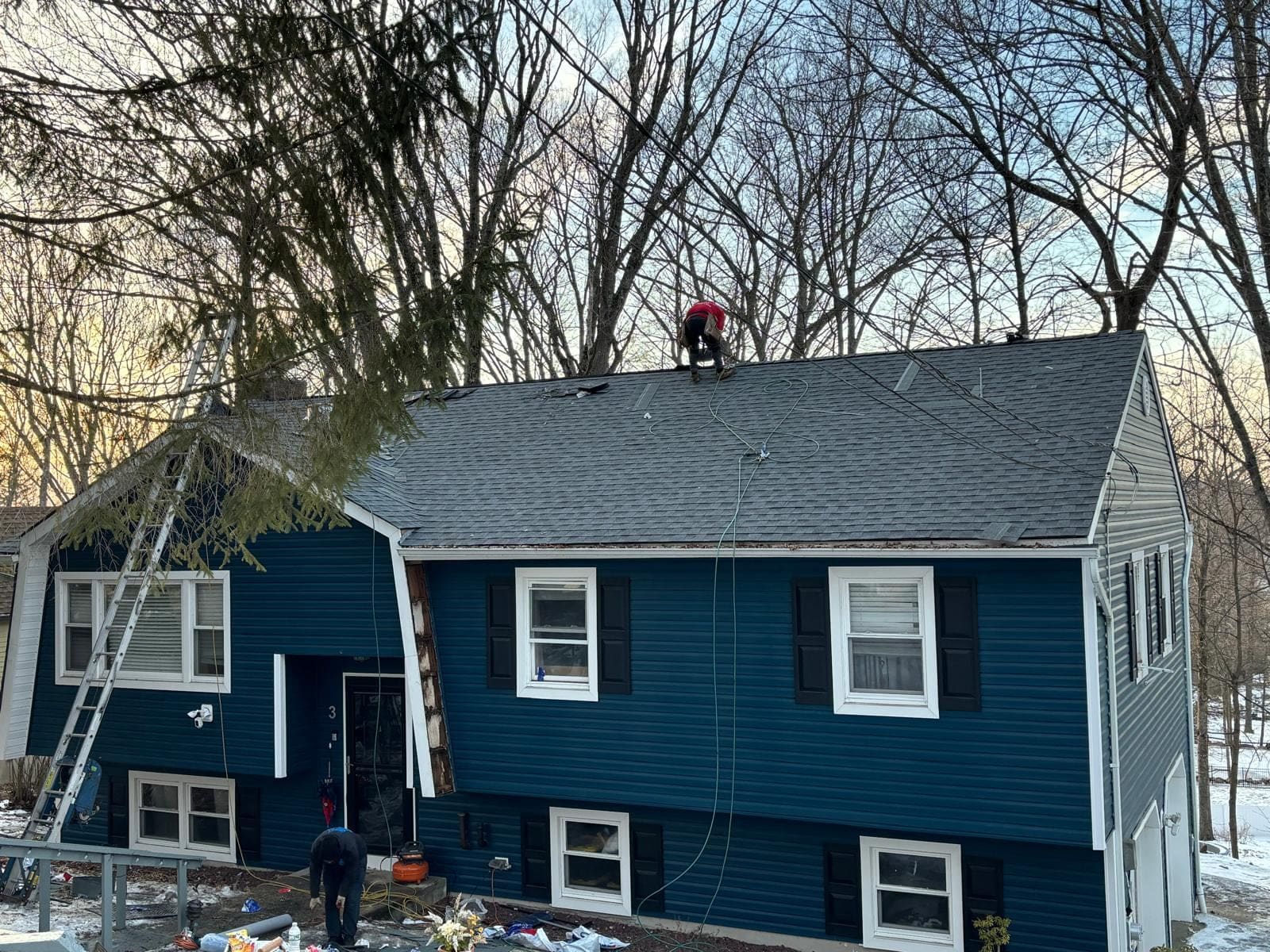
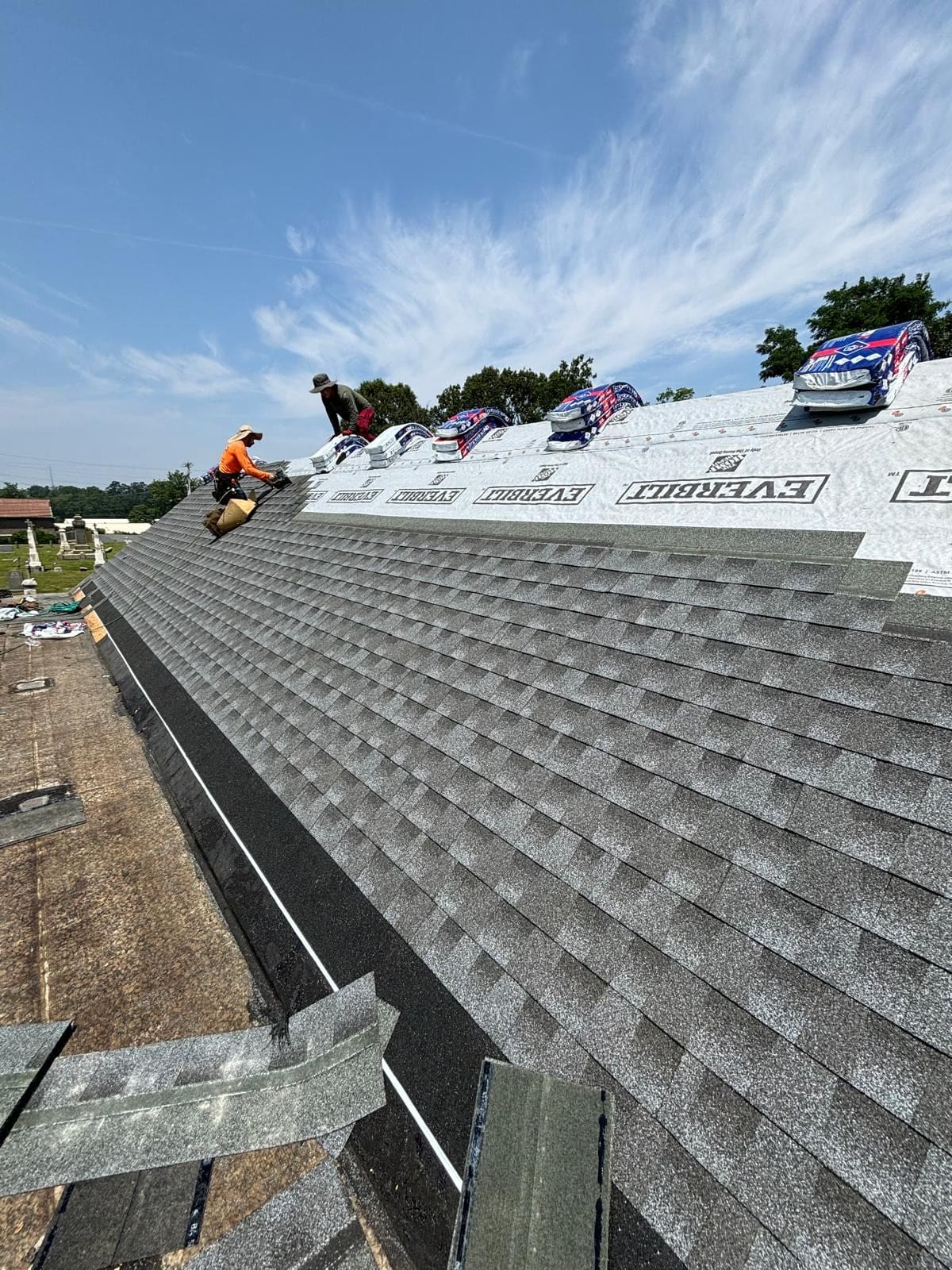
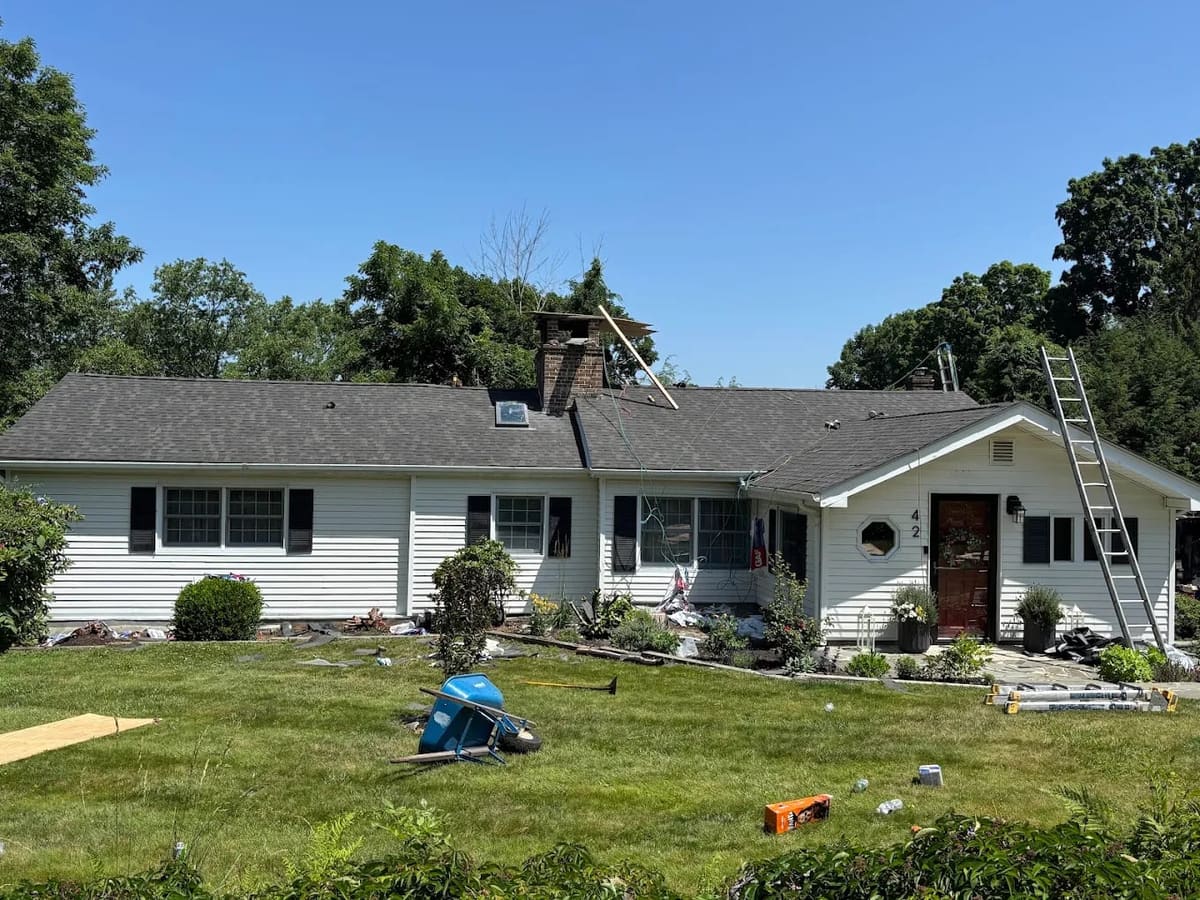
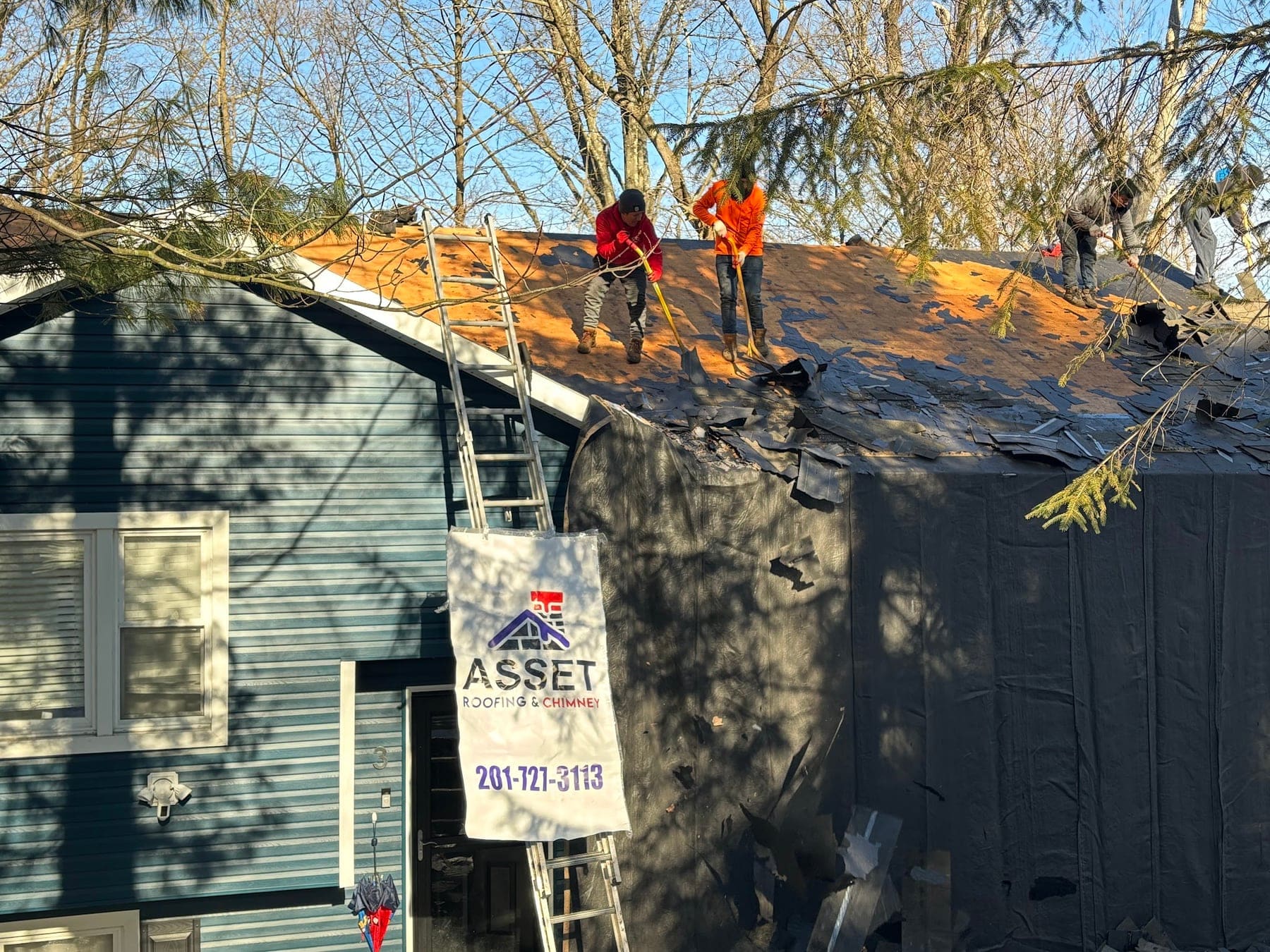
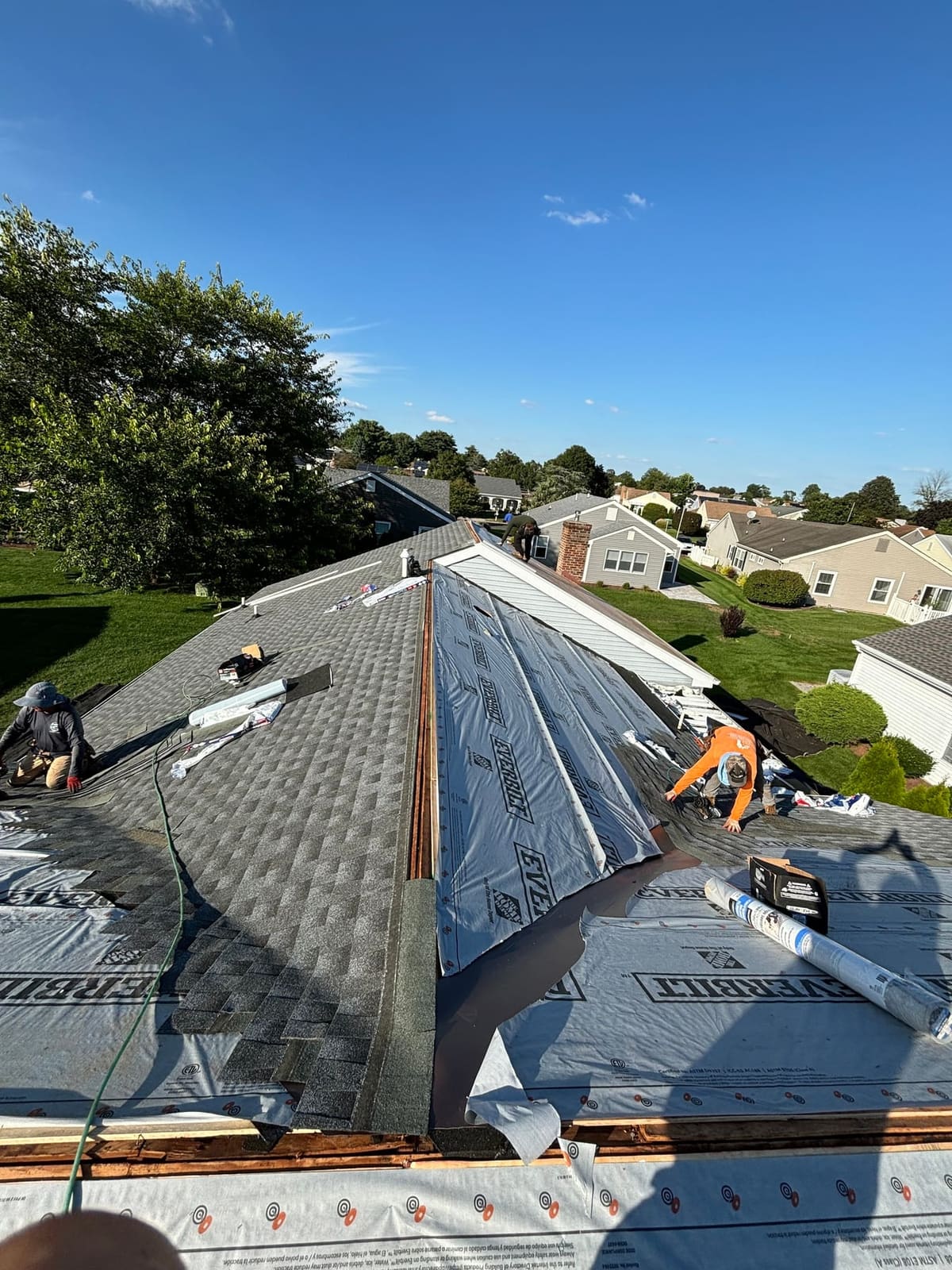
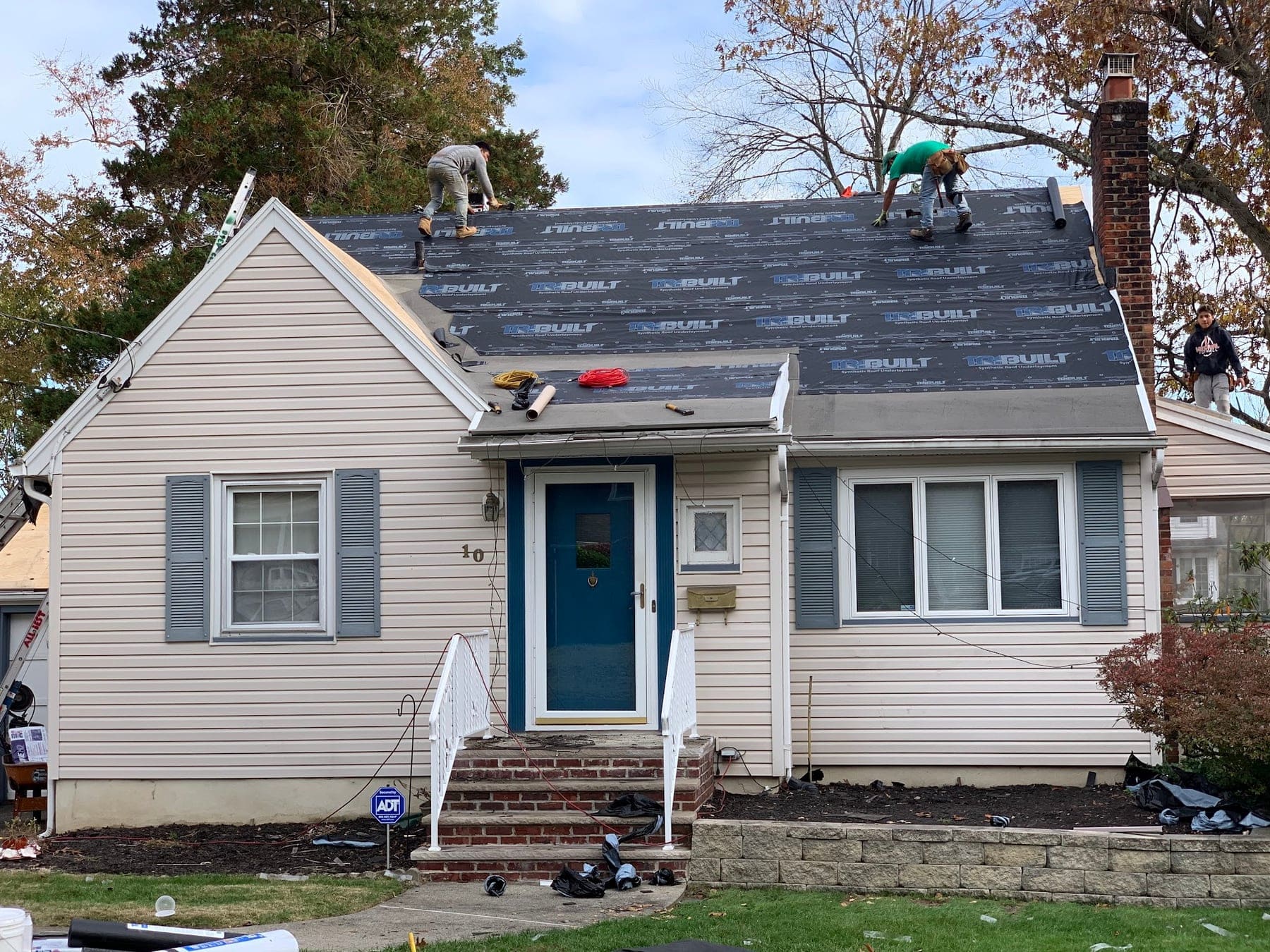
Every residential replacement includes full tear-off, deck repair, ice and water protection, new flashing and ventilation. For commercial and industrial owners, we plan the work around operations and keep the building watertight throughout.
Linden housing
Linden's residential neighborhoods are mostly 1920s through 1960s capes, colonials, bungalows and two-families, with some brick apartment buildings and newer townhouse developments. Asphalt shingle roofs predominate on the homes, with flat roofs on apartment buildings, rear additions and the commercial blocks of the downtown area. The eastern industrial district holds warehouses, distribution centers and plants with very large flat roofs.
Weather & exposure
Linden is flat and open to the Arthur Kill and Raritan Bay to the east and south, so wind off the water is a significant factor, especially for the eastern neighborhoods and the industrial waterfront. Nor'easters bring sustained wind and driving rain. Industrial and highway activity deposits grime on roofs and masonry. Salt in the air near the water accelerates corrosion of exposed metal, including flashing, fasteners and caps.
When replacement is the right call in Linden
Replace when shingles are curling or bald, when wind damage keeps recurring or when there are multiple layers. In the eastern neighborhoods, ask about wind ratings and flashing materials.
For industrial roofs, ask for an assessment of the existing layers and insulation before pricing, and plan replacement around operations and seasons.