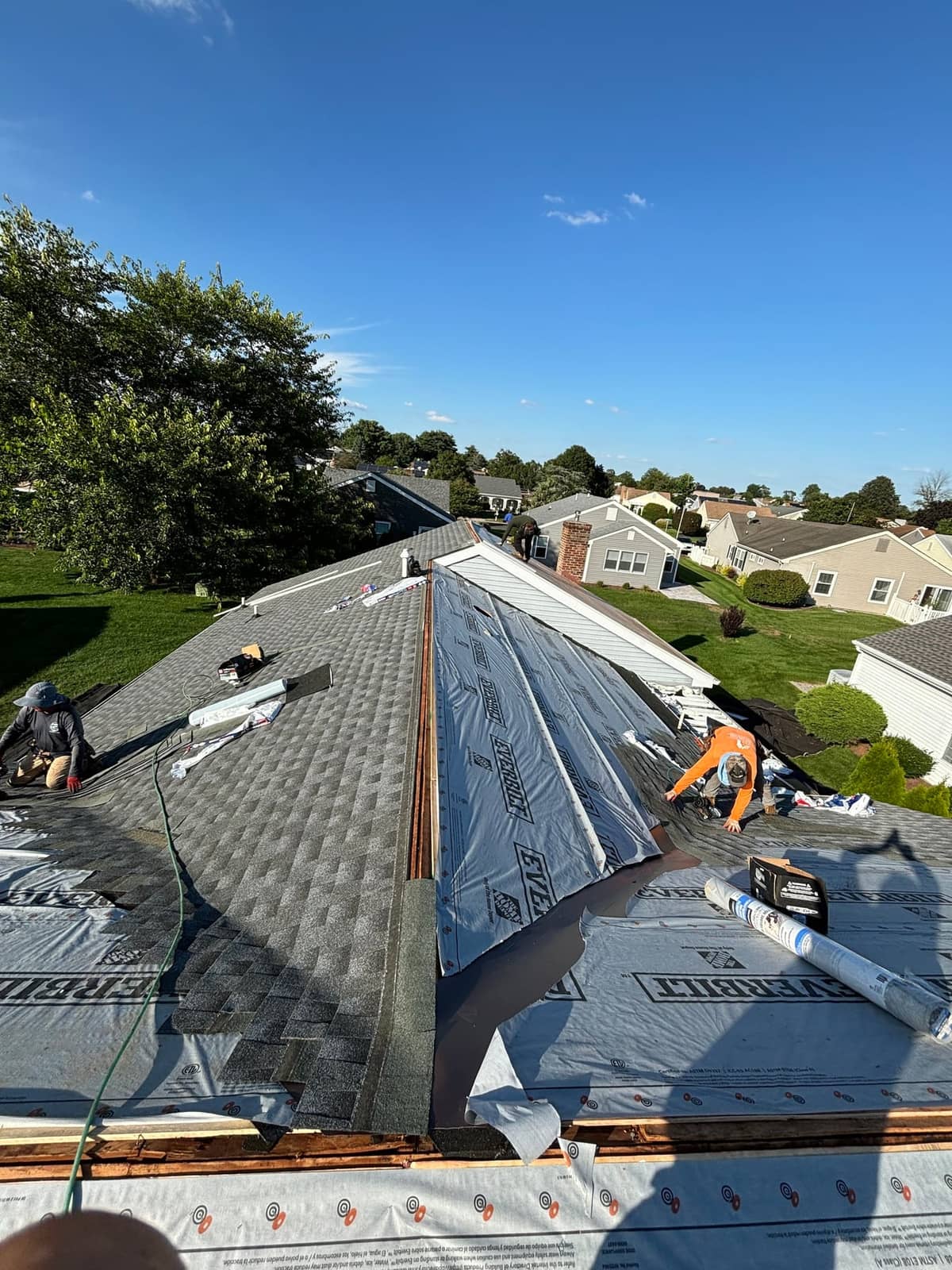
Roof Replacement for Westfield homes and buildings
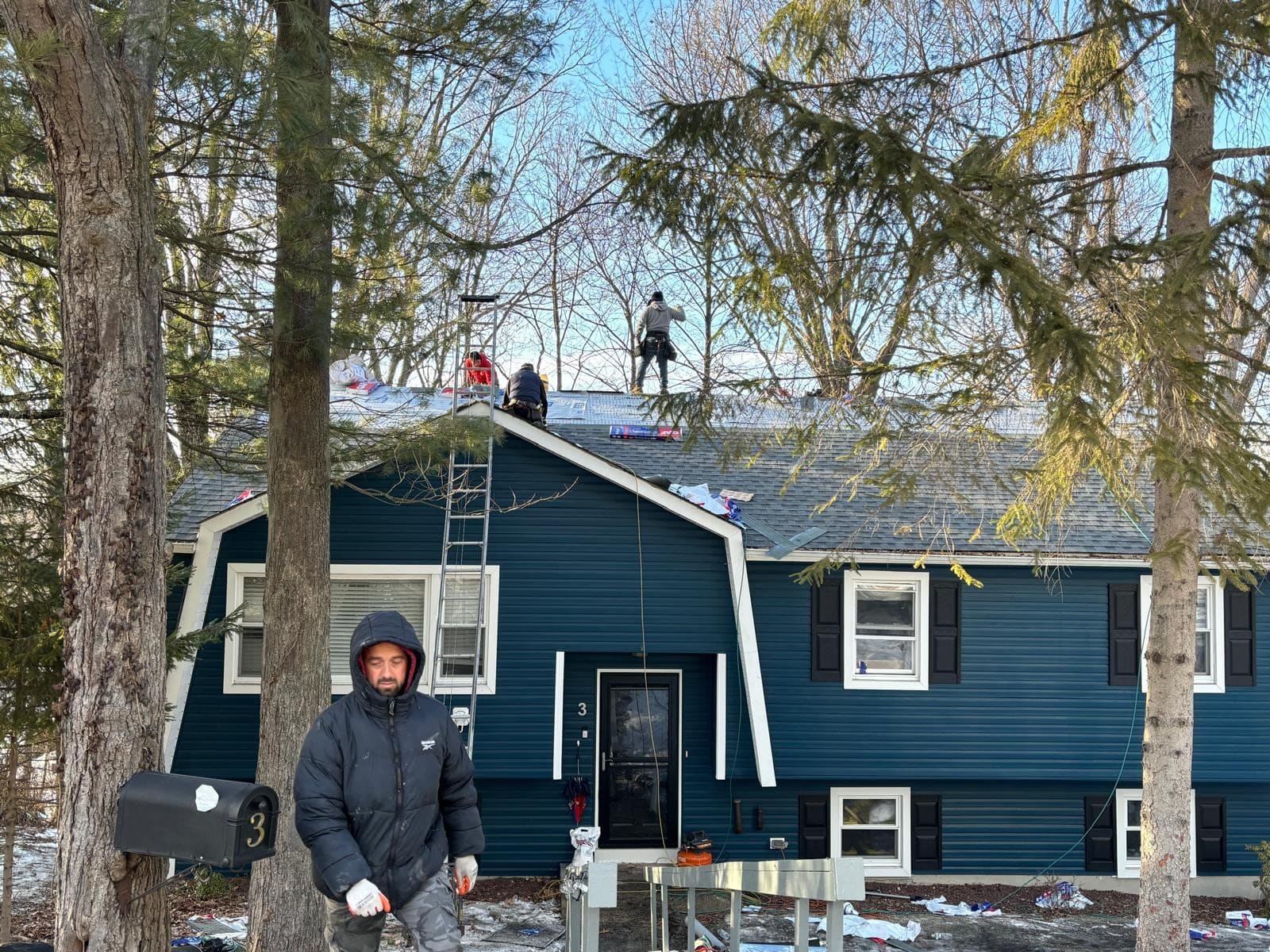
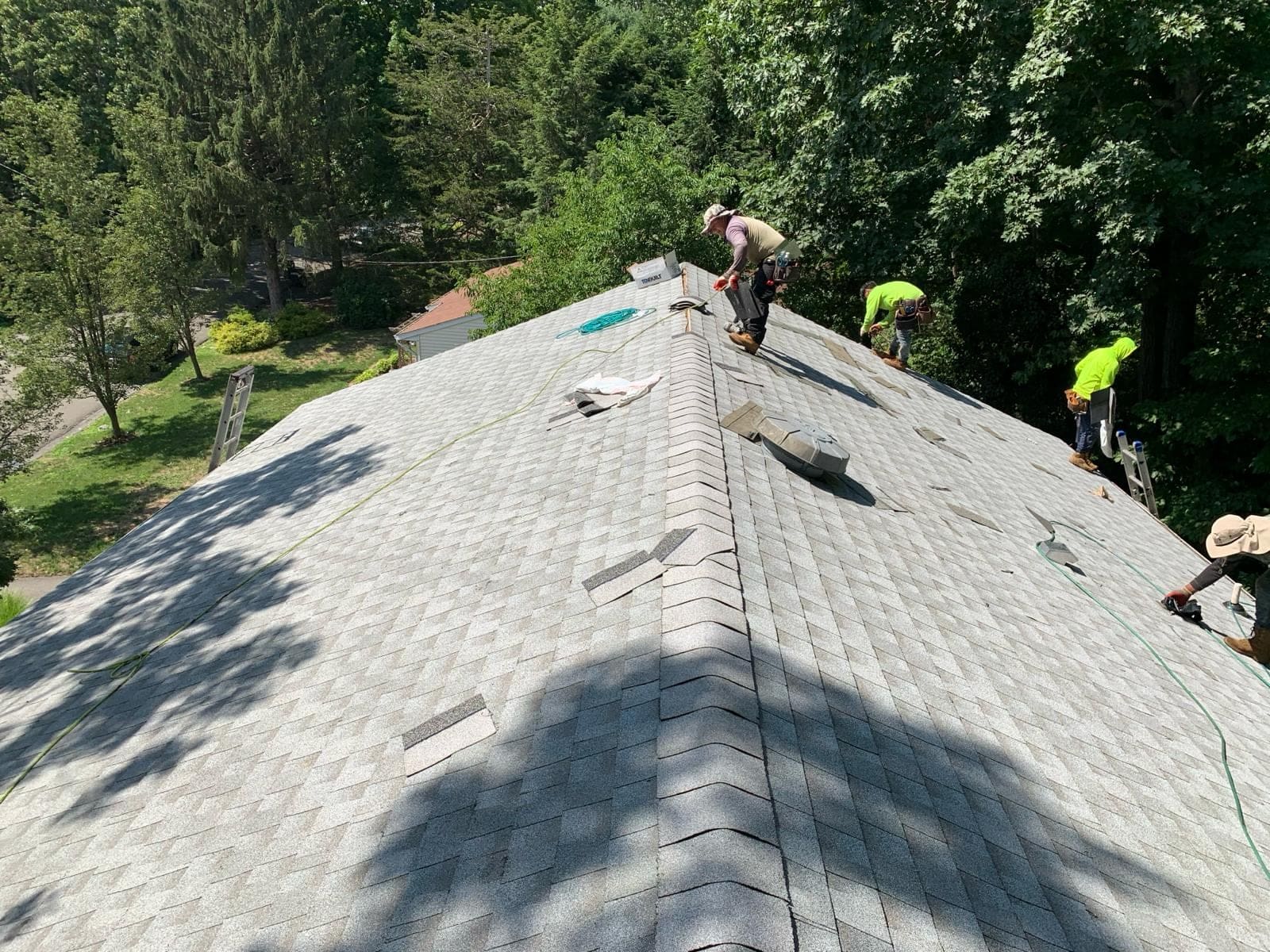
Replacing a roof on a large Westfield colonial or Victorian is a substantial project. Steep pitches, multiple dormers, several valleys, two or more chimneys and sometimes multiple roofing layers over plank decking all factor into the plan. Done right, replacement removes every old layer, repairs the deck, rebuilds each flashing detail and adds ventilation these homes never had.
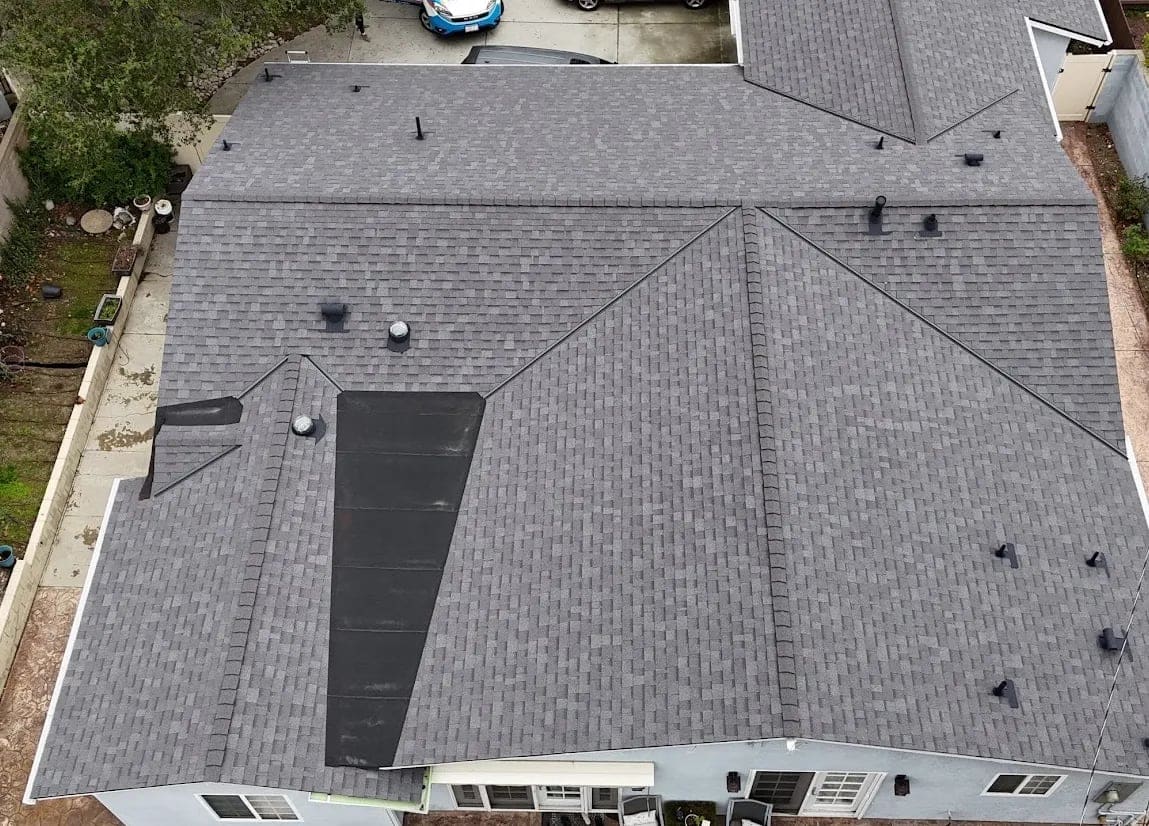
We install architectural asphalt shingles, which suit the scale of Westfield's older homes, and membrane on flat porch roofs, additions and the commercial buildings downtown. For homes with failing slate, we lay out the options: a slate specialist, synthetic slate or architectural shingles in slate-like tones, with the costs and trade-offs of each.
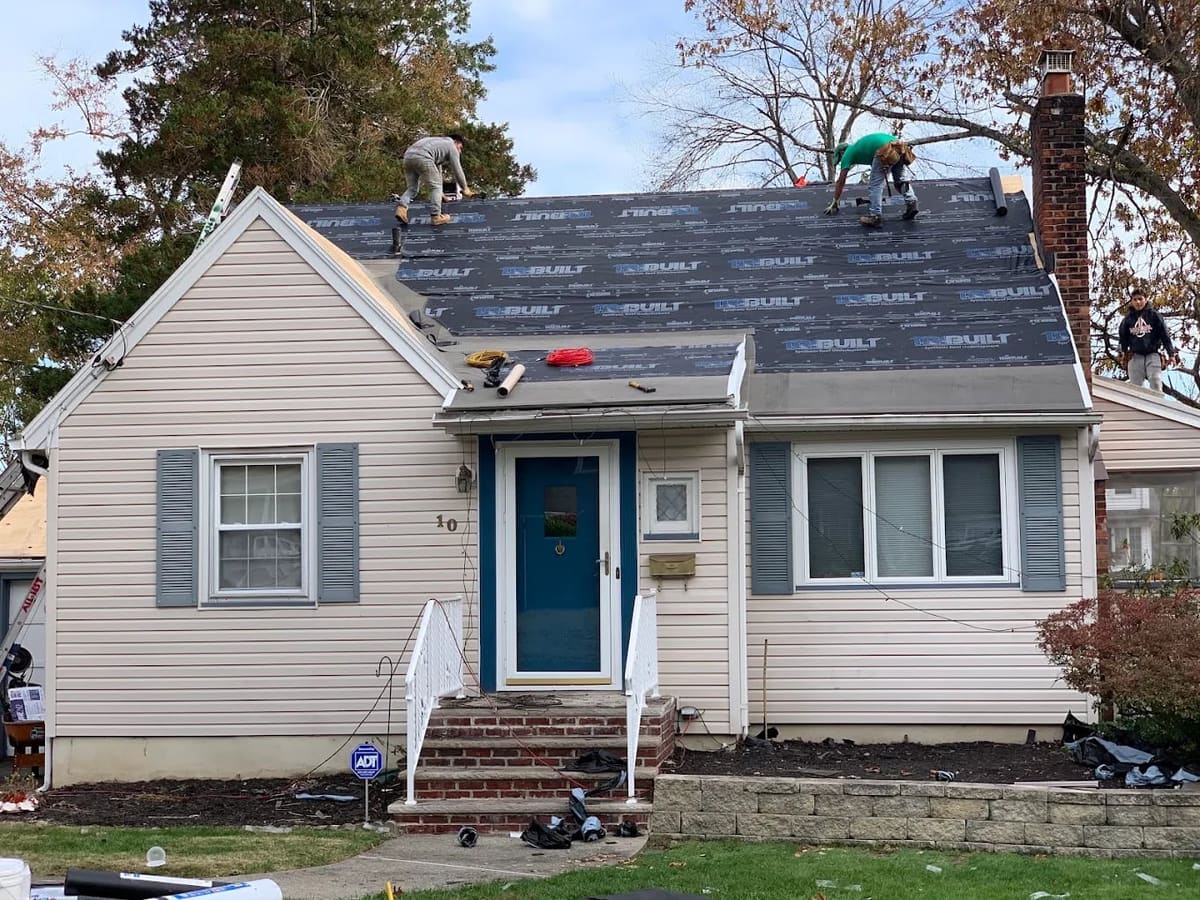
Post-war capes, splits and ranches in the outer neighborhoods are simpler roofs but have their own issues, including shallow sections and limited ventilation, and newer teardown rebuilds have complex rooflines where flashing is everything. We plan each house individually rather than applying one approach to every roof in town.
Westfield housing
Westfield's older sections hold large colonials, Victorians, Tudors and foursquares from the 1890s through 1930s, with steep, complex roofs and sizable brick chimneys. Some retain original slate; most have been converted to asphalt shingles. Post-war capes, splits and ranches fill the outer neighborhoods, and newer teardown rebuilds appear throughout. Downtown and the commercial strips carry flat and low-slope roofs on mixed-use and retail buildings.
Weather & exposure
Westfield is relatively flat with a heavy mature tree canopy, so wind exposure is moderate but shade, debris and moss are constant. North-facing roof planes under trees hold snow and form ice dams in cold stretches. Nor'easters bring wind-driven rain that tests old flashing on dormers and chimneys, and summer thunderstorms drop limbs. Freeze-thaw works steadily on the town's older masonry.
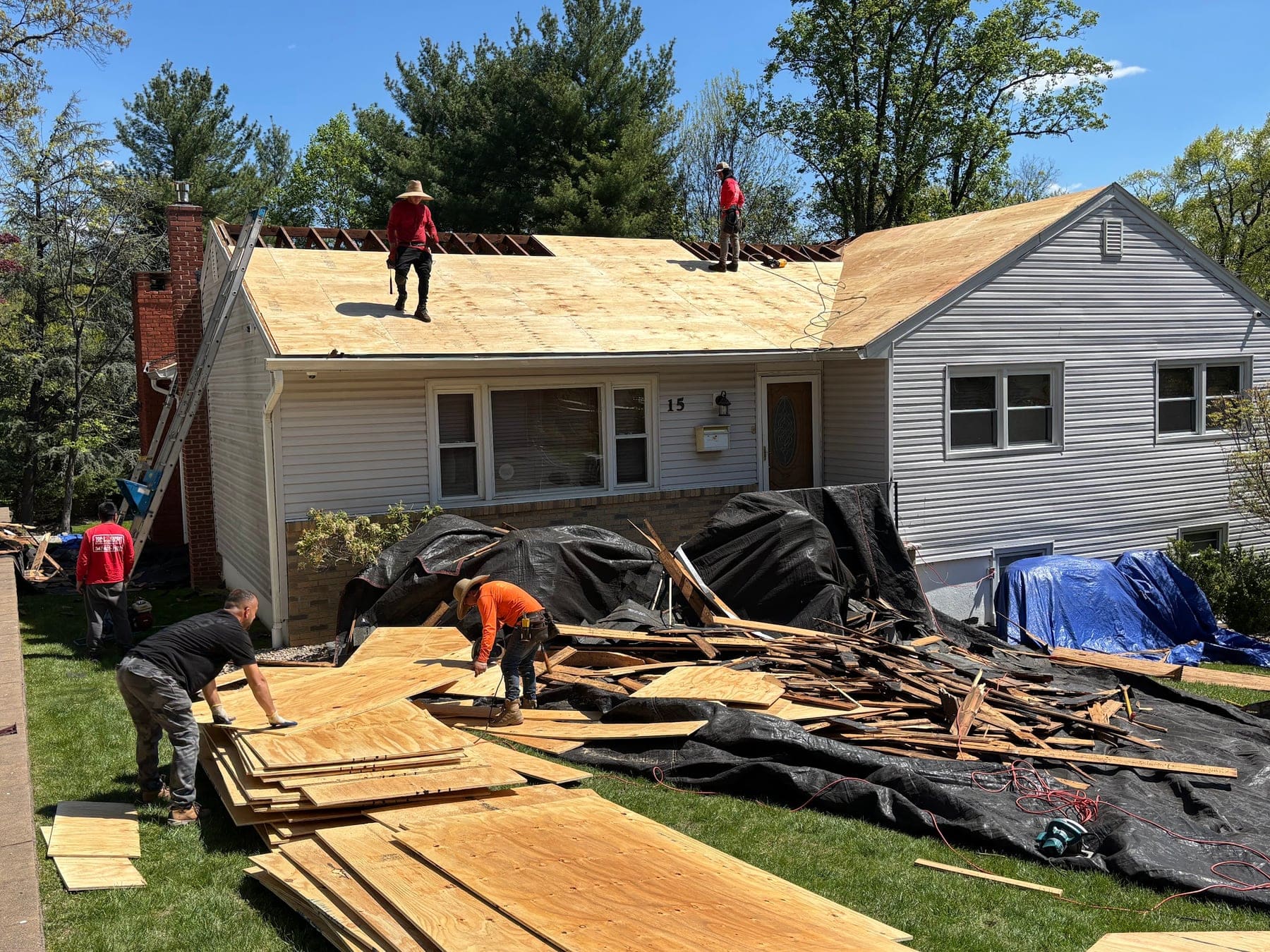
When replacement is the right call in Westfield
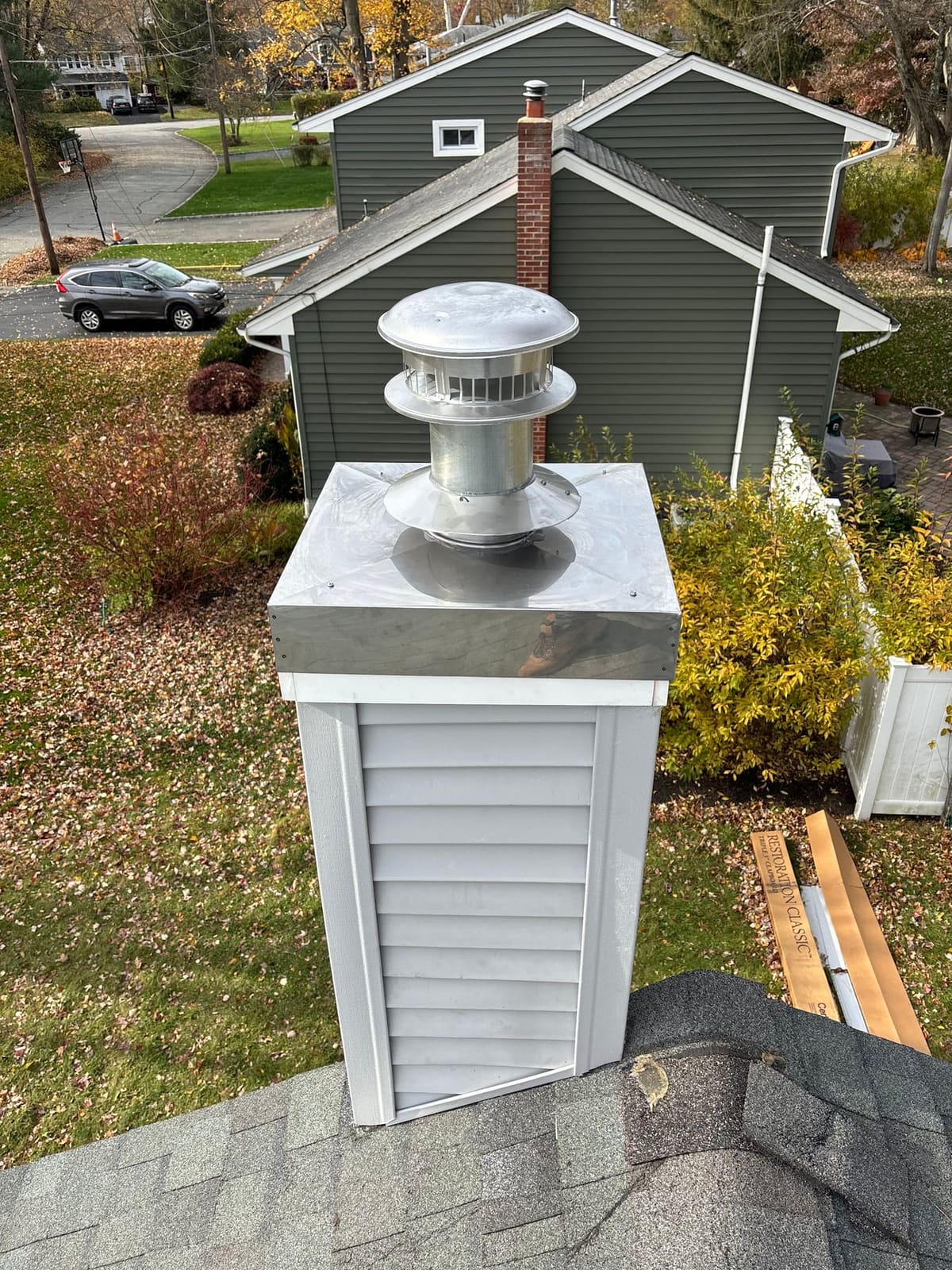
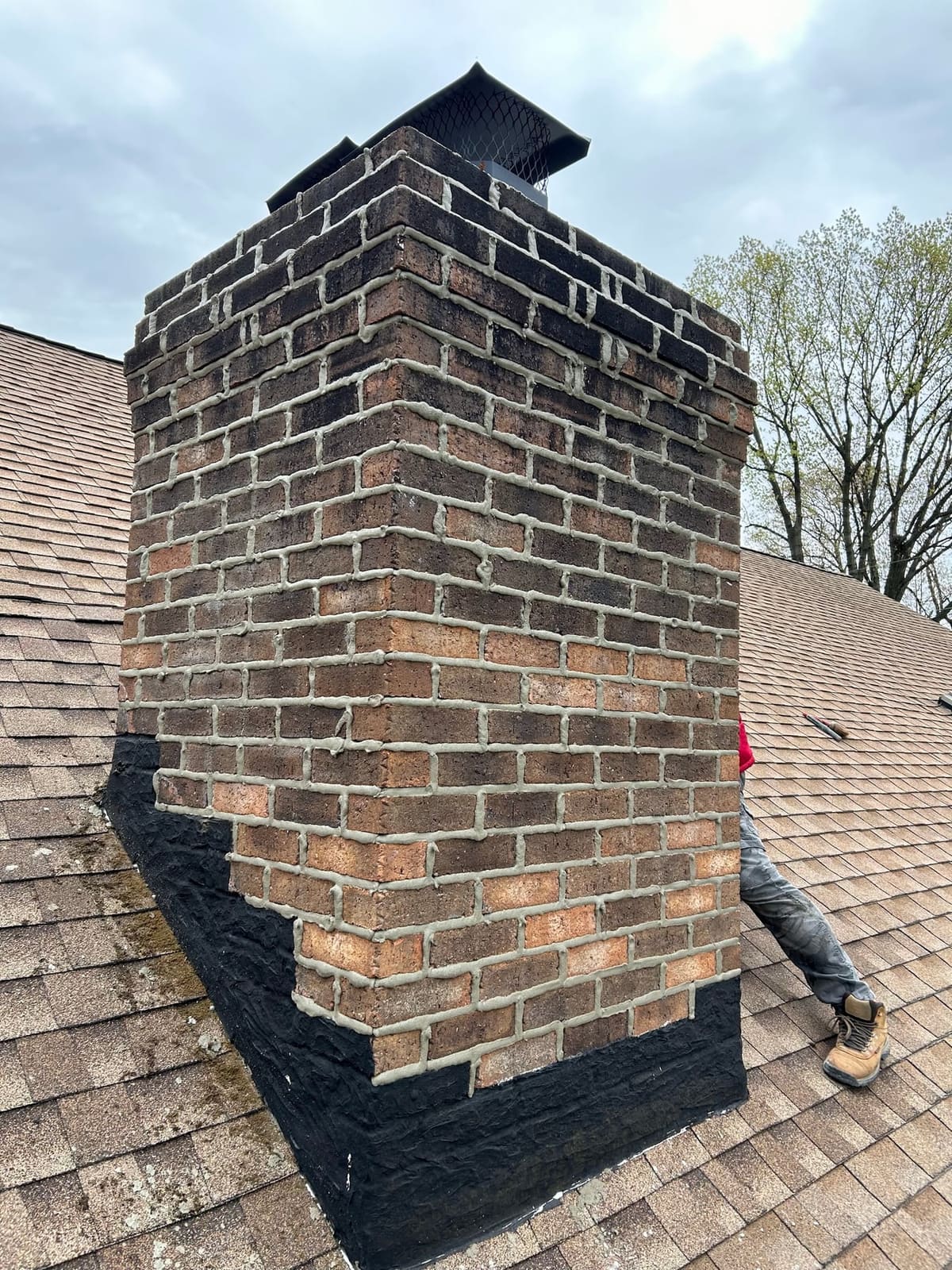
Replacement is warranted when shingles are curling or brittle, granule loss is widespread, leaks appear in several places or the roof has been patched repeatedly. Coordinate chimney repointing, gutters and skylights with the roof so nothing has to be disturbed afterward. If the house is in a historic district, a change in roofing material or color may need review; check with the town before signing a contract.
Ask any contractor for the specifics: full tear-off, ice and water protection locations, flashing details, ventilation plan and how deck repairs are handled. Those details, not the shingle brand, determine how long the roof lasts.