Roof Replacement for Cranford homes and buildings
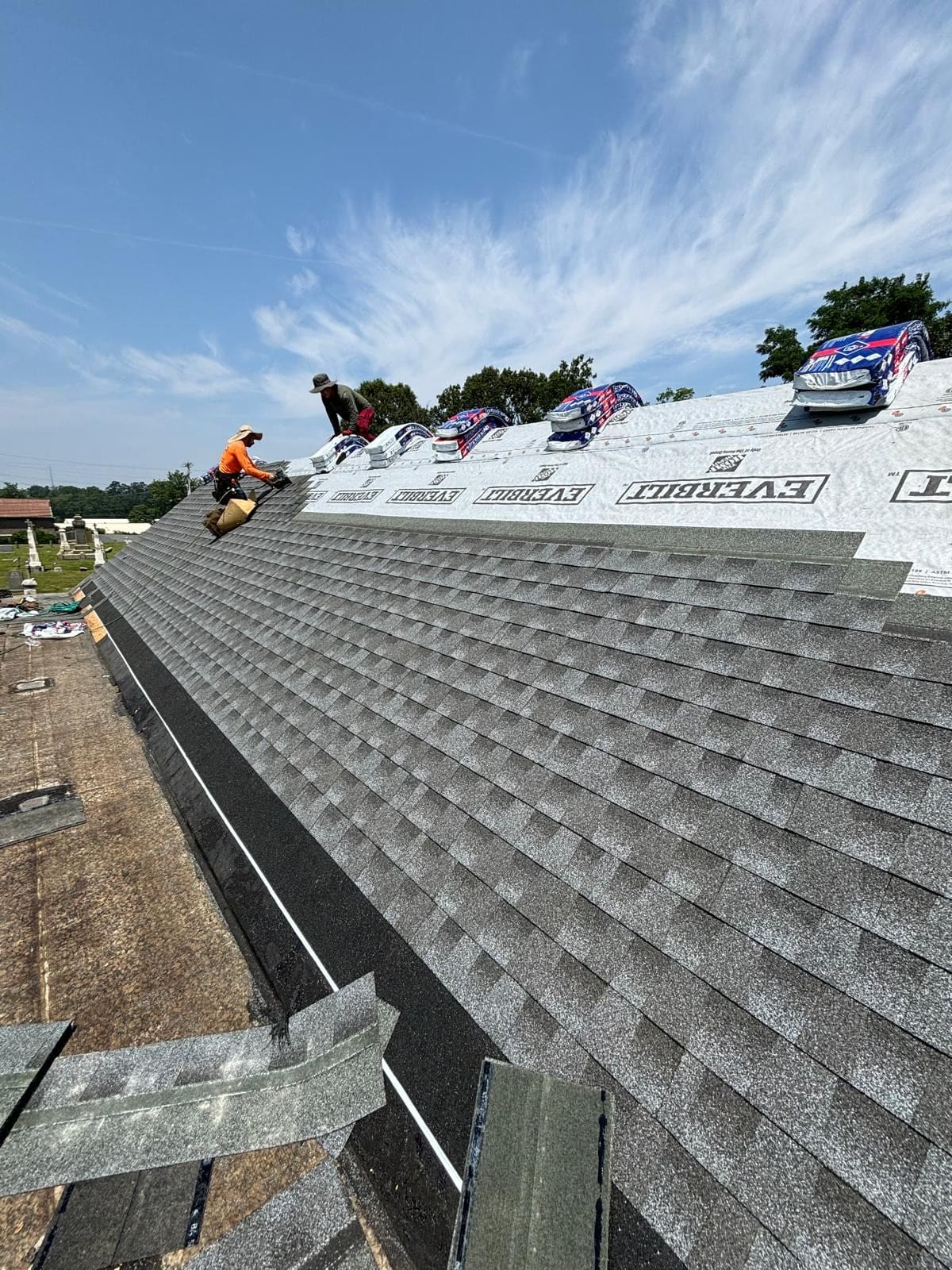
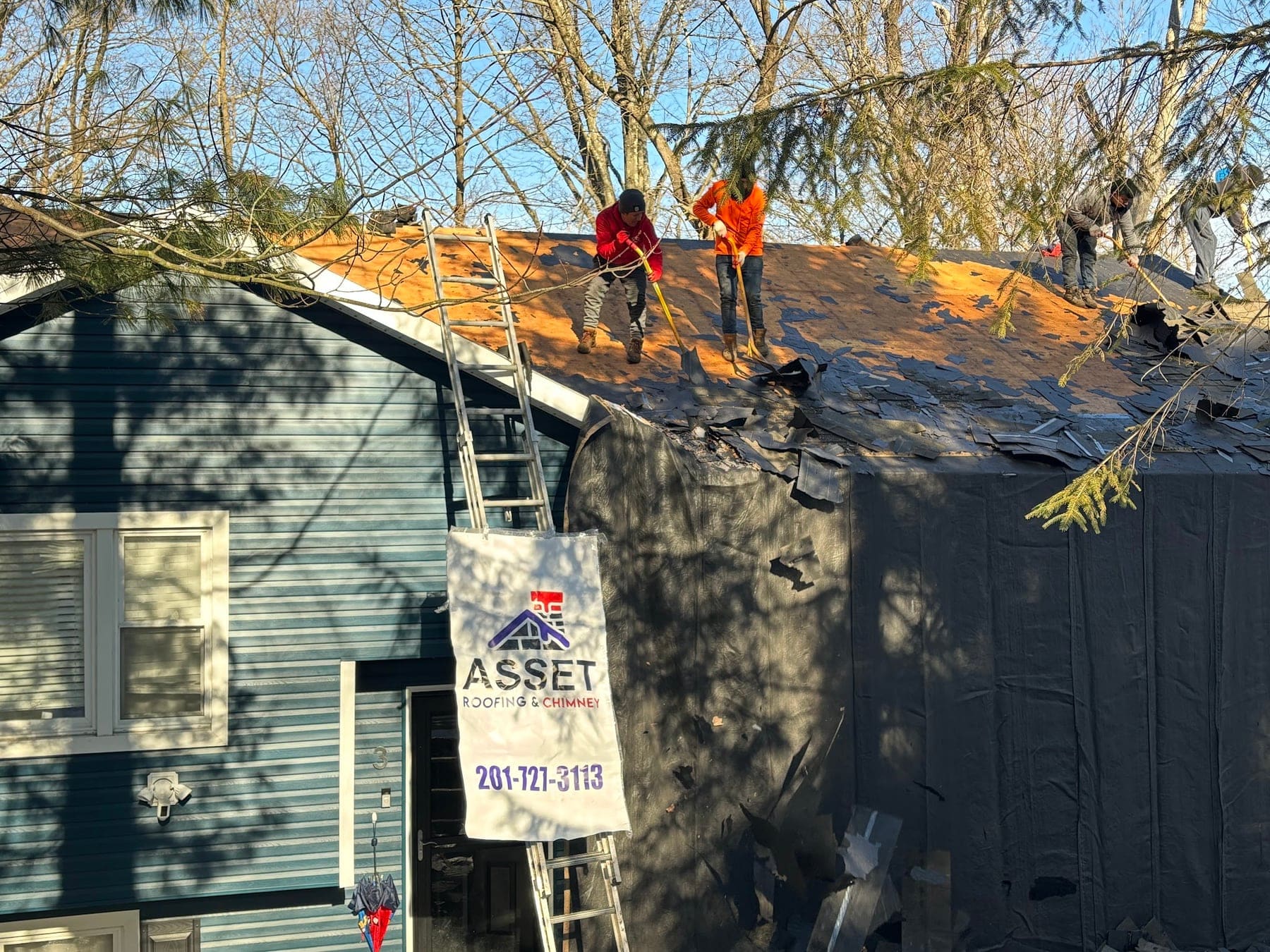
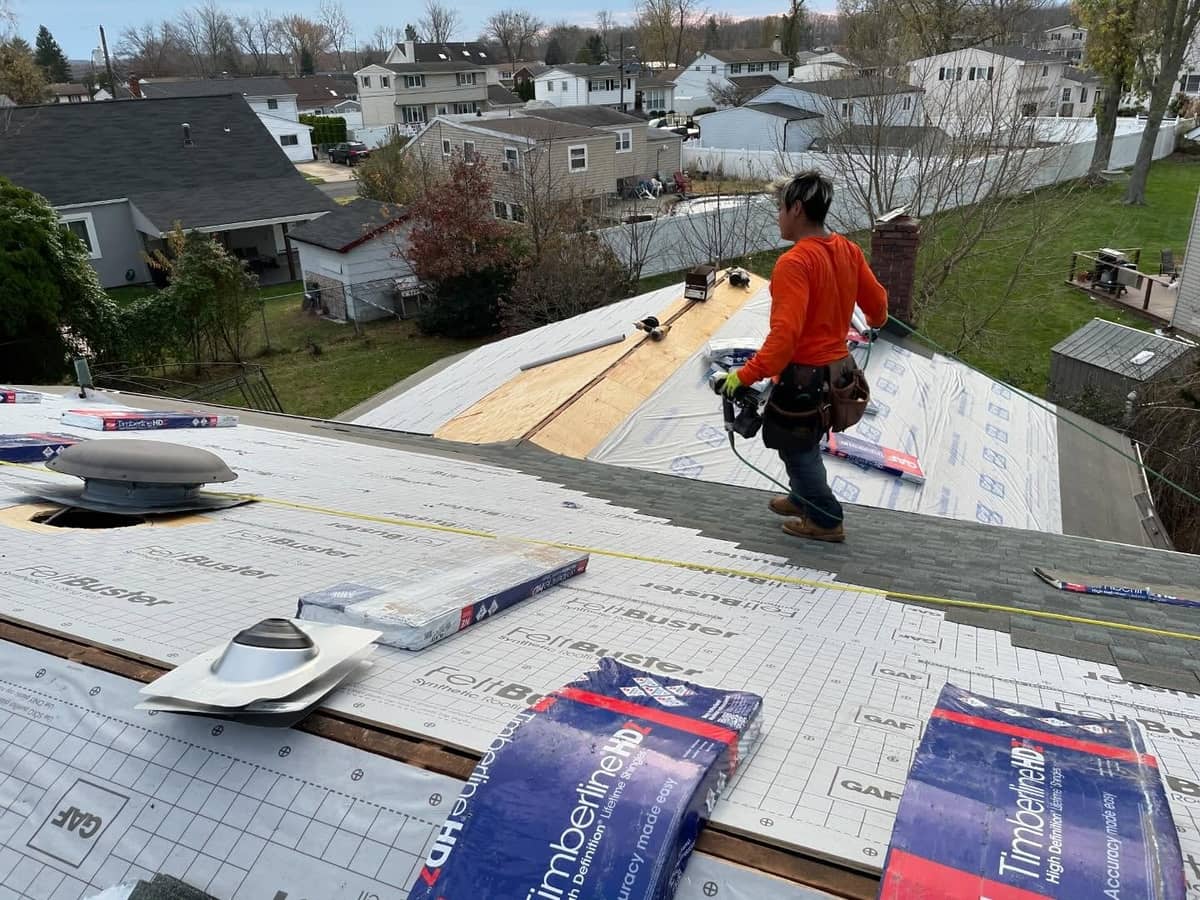
A Cranford home from the 1900s through 1950s has likely been reroofed several times, and if the last roof was installed over an earlier layer or is more than a couple of decades old, replacement is probably due. Done properly, it removes every layer, repairs the plank deck, rebuilds every flashing detail and adds the ventilation these homes rarely have.
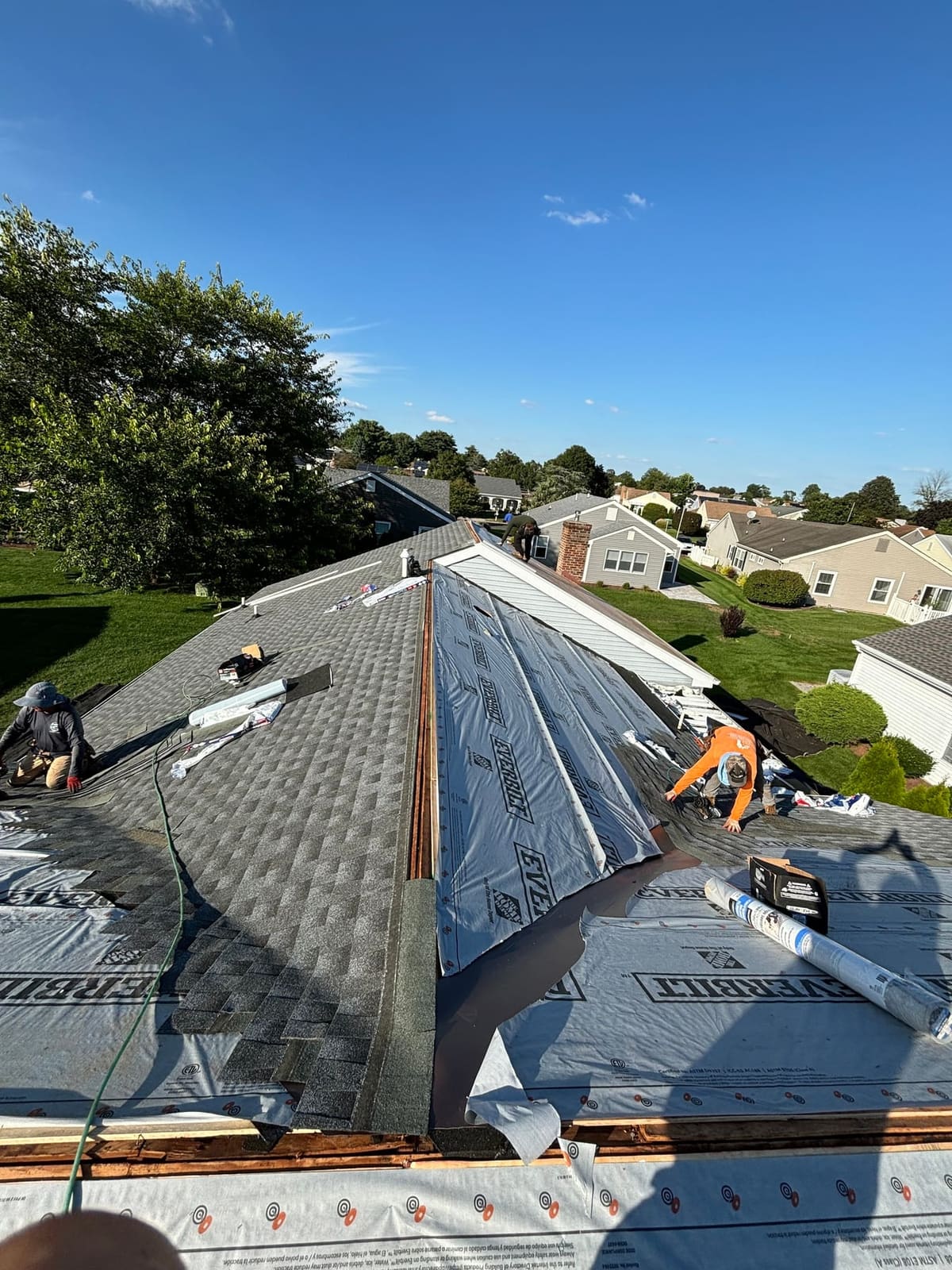
We install architectural asphalt shingles on Cranford's colonials, capes, bungalows and Dutch colonials, and single-ply membrane on flat porch roofs, rear additions and downtown commercial buildings. Many houses have both, and we handle the transitions between sloped and flat sections as part of a single plan.
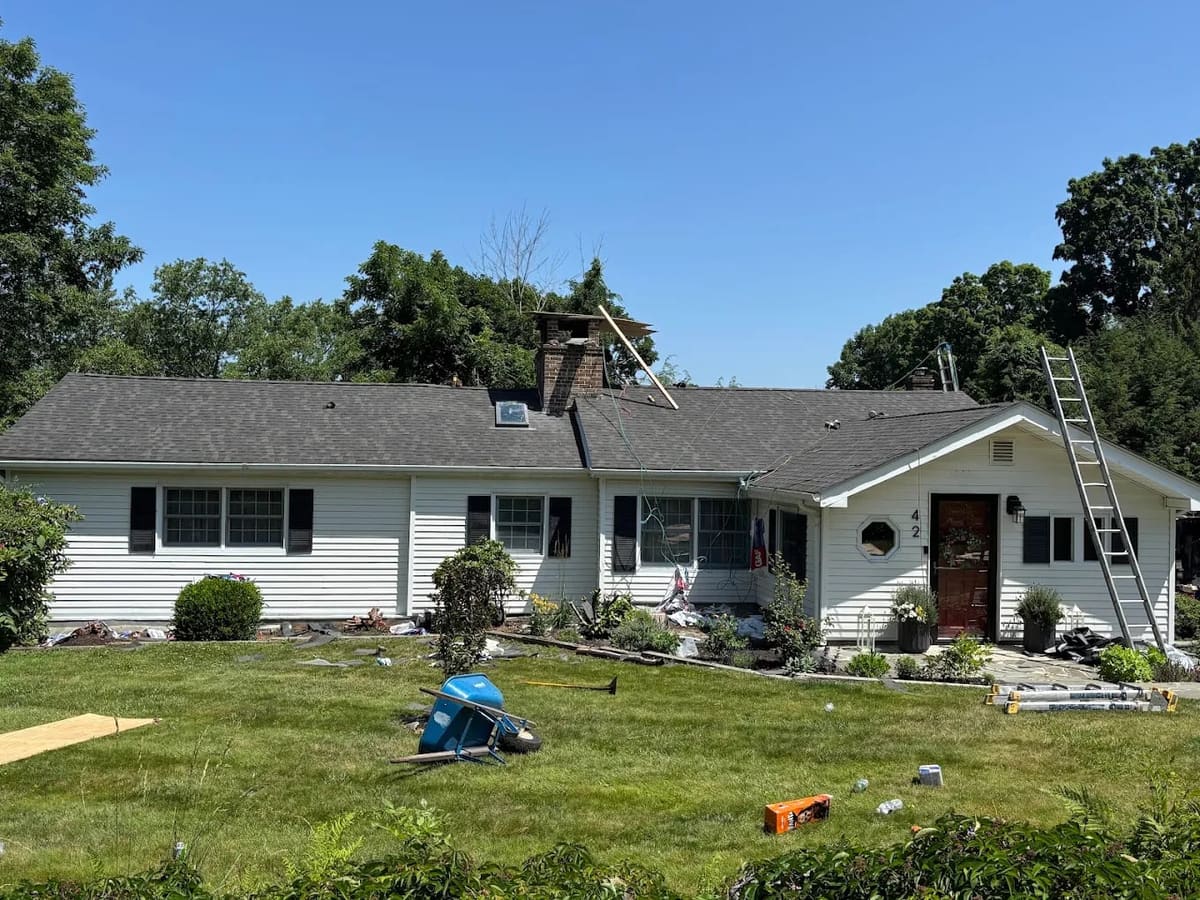
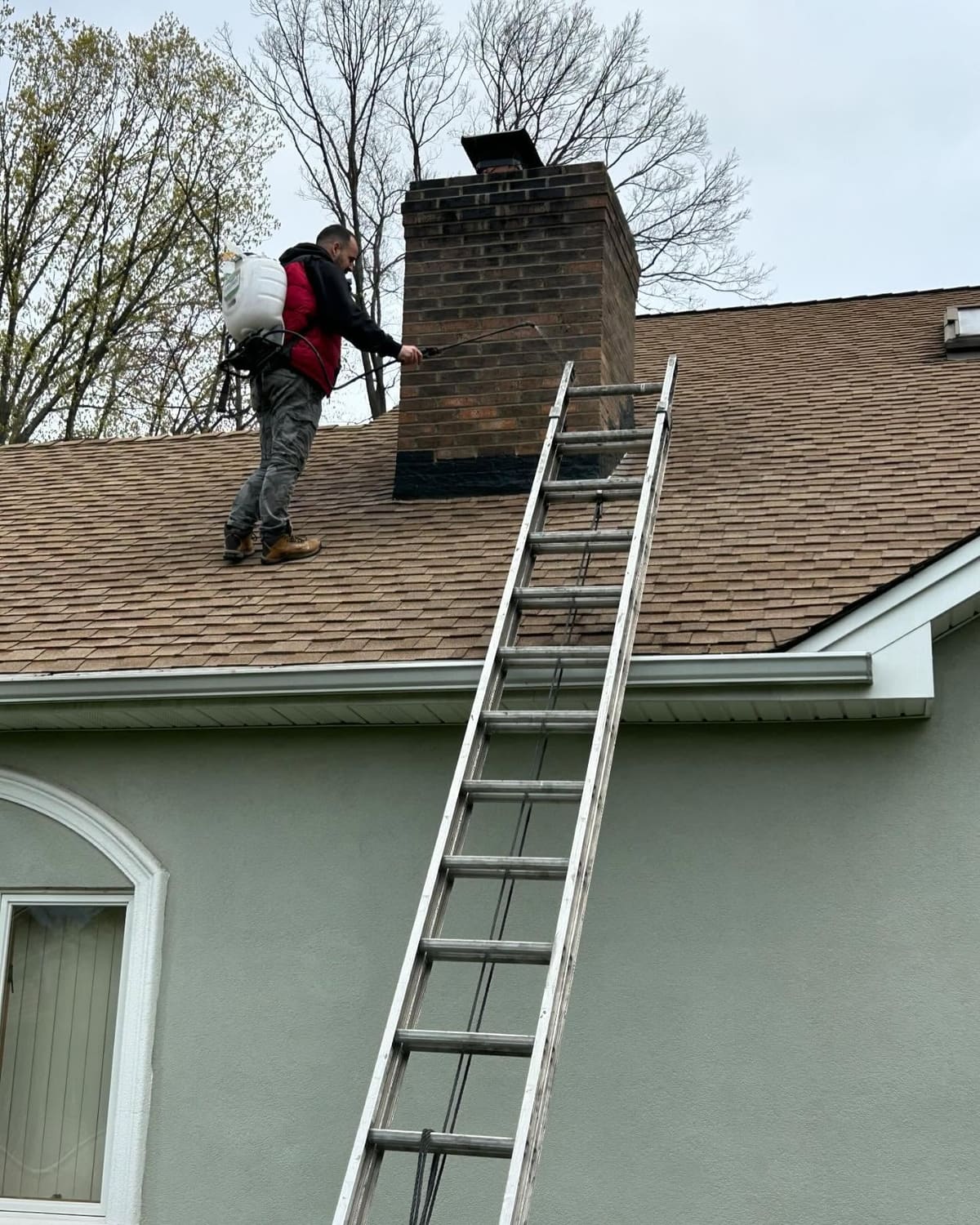
We plan each job for the lot: protecting landscaping and driveways, controlling debris during tear-off and keeping the deck covered promptly. Modest Cranford lots with houses close together are routine for us, and we walk the site with you beforehand so you know where materials will be staged and how access will work.
Cranford housing
Cranford's housing stock is largely 1900s to 1950s colonials, capes, bungalows and Dutch colonials on modest lots, with two-families near downtown and ranches and splits in the post-war sections. Asphalt shingle roofs predominate, many on their third or fourth covering over plank decking. Brick chimneys from the coal and oil era are nearly universal. Downtown buildings and rear additions carry flat and low-slope roofs.
Weather & exposure
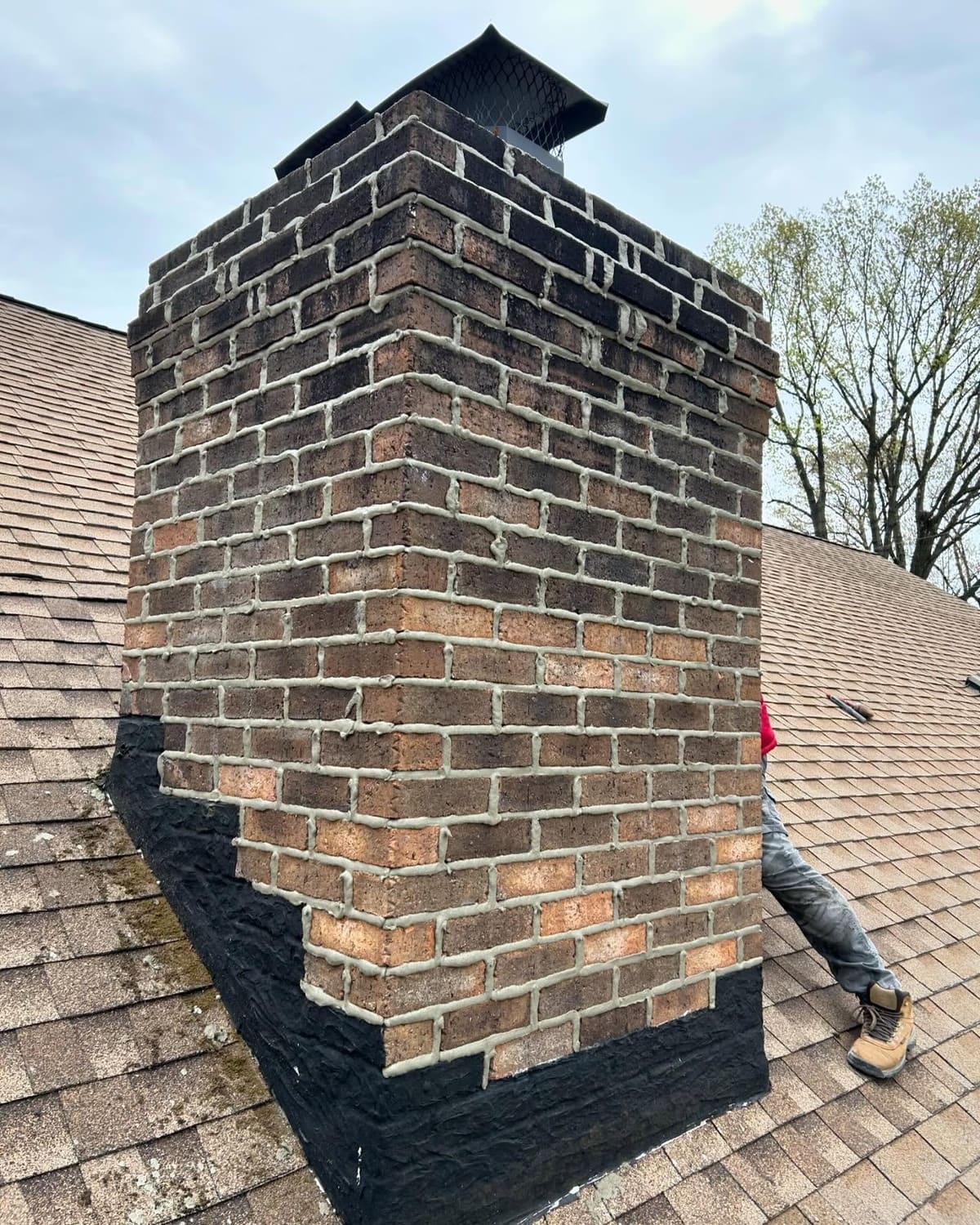
Cranford is low and flat with a heavy mature tree canopy. Shade, debris and moss are constant roof issues, and north-facing eaves form ice dams in cold stretches. Nor'easters bring wind-driven rain that tests old flashing. The Rahway River floods low sections after heavy rain; that affects basements and lower levels rather than roofs, though repeated saturation can deteriorate the base of a chimney.
When replacement is the right call in Cranford
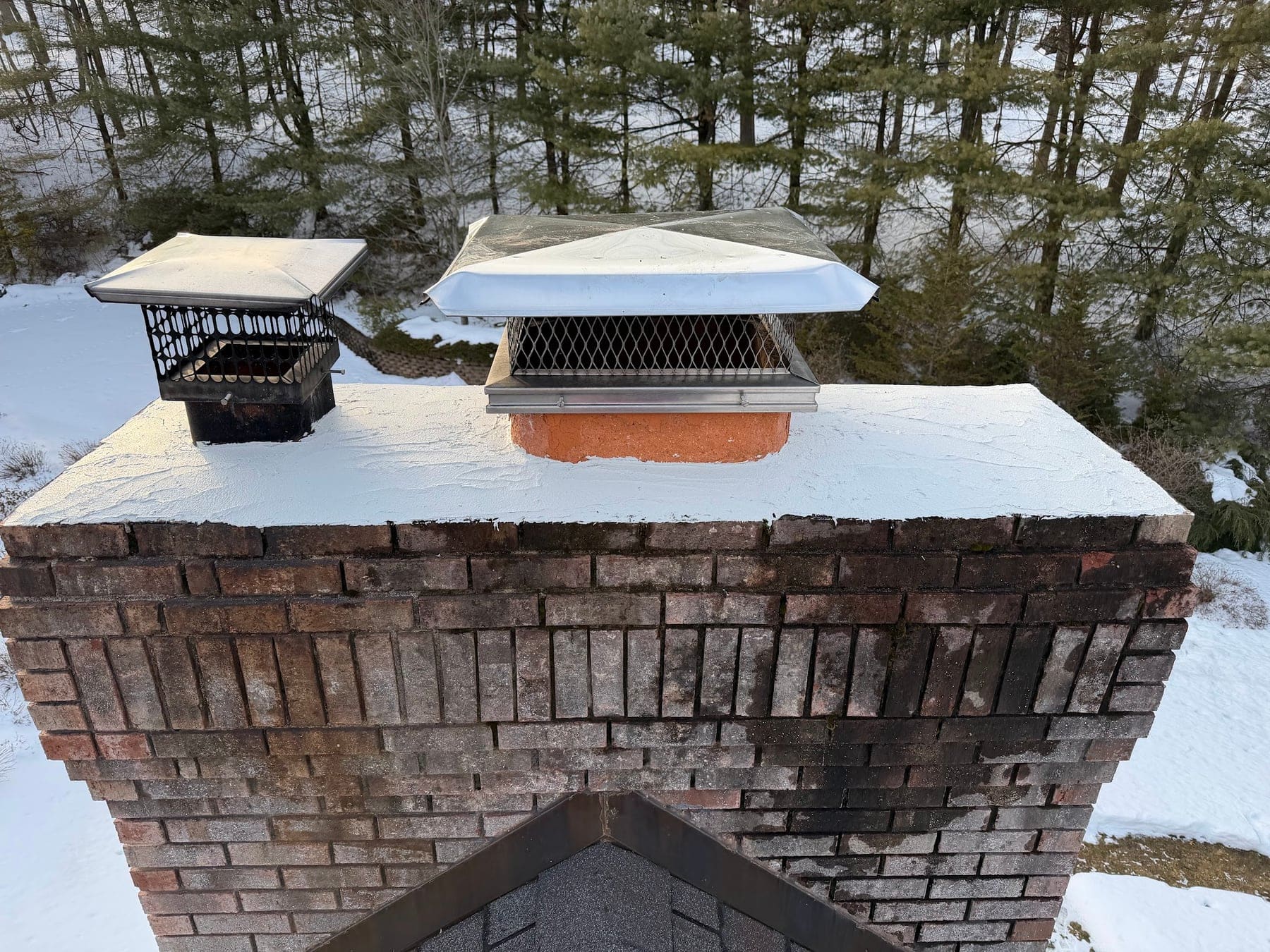
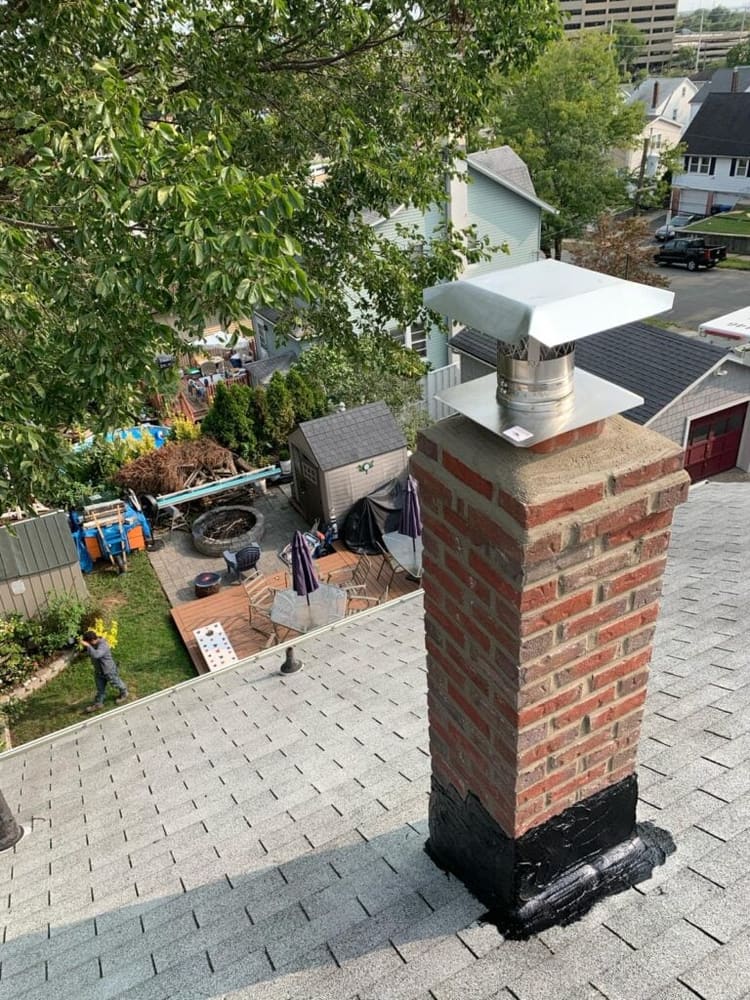
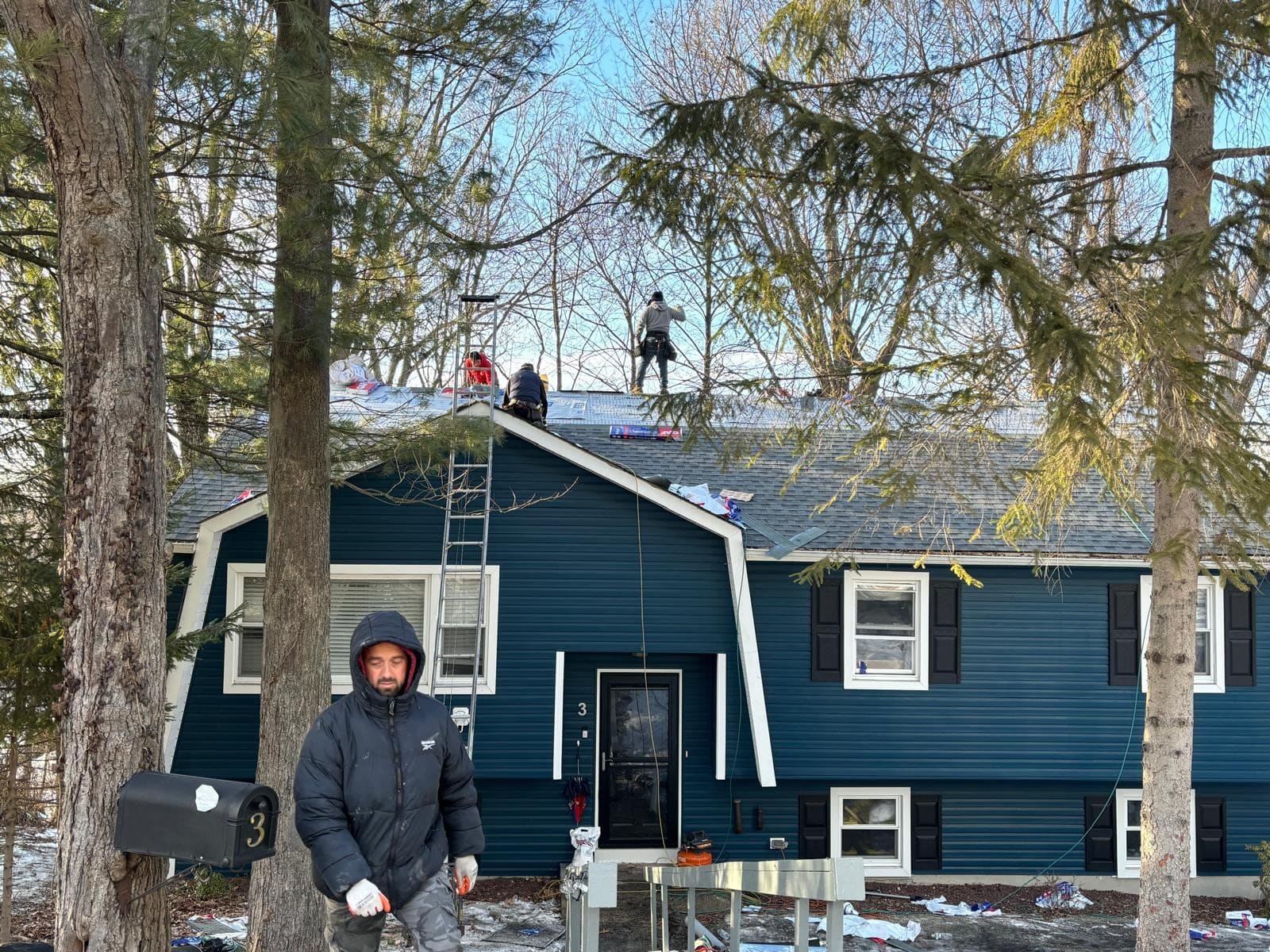
Replacement is warranted when shingles are curling, cracking or bald, when there are multiple layers, when leaks appear in several places or when the roof is simply at the end of its service life. Coordinate chimney work, gutters and skylights with the roof so new work is not disturbed later.
Ask any contractor for specifics: tear-off, ice and water protection extent, flashing plan, ventilation and how deck repairs are handled. Those details determine the lifespan of the roof more than the shingle brand.