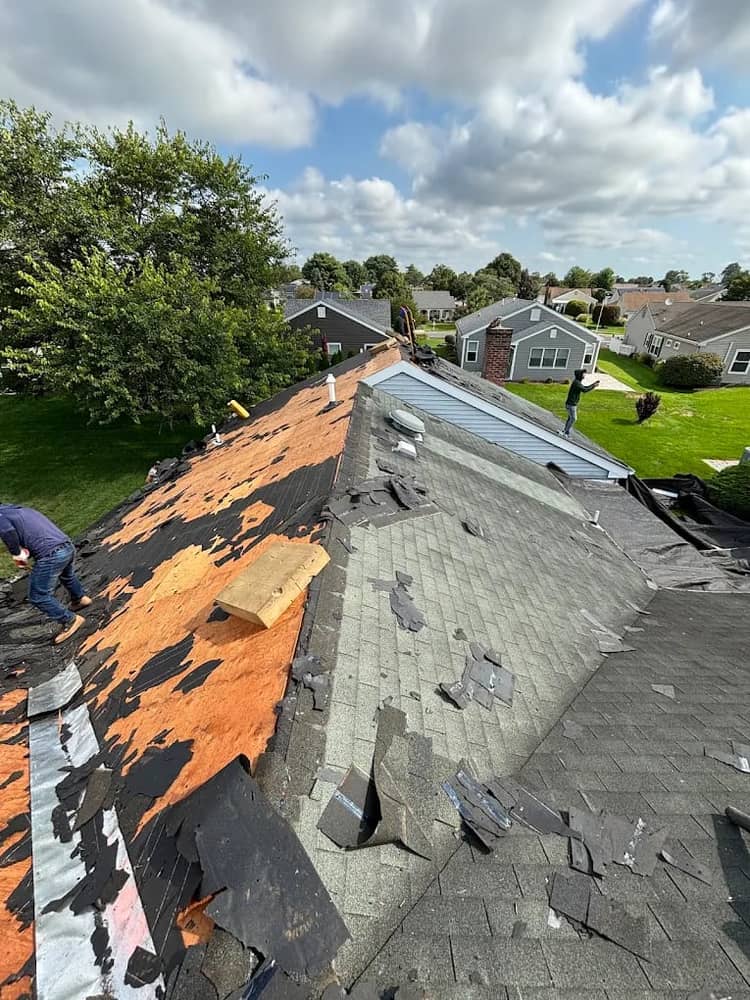
Roof Repair for Liberty homes and buildings
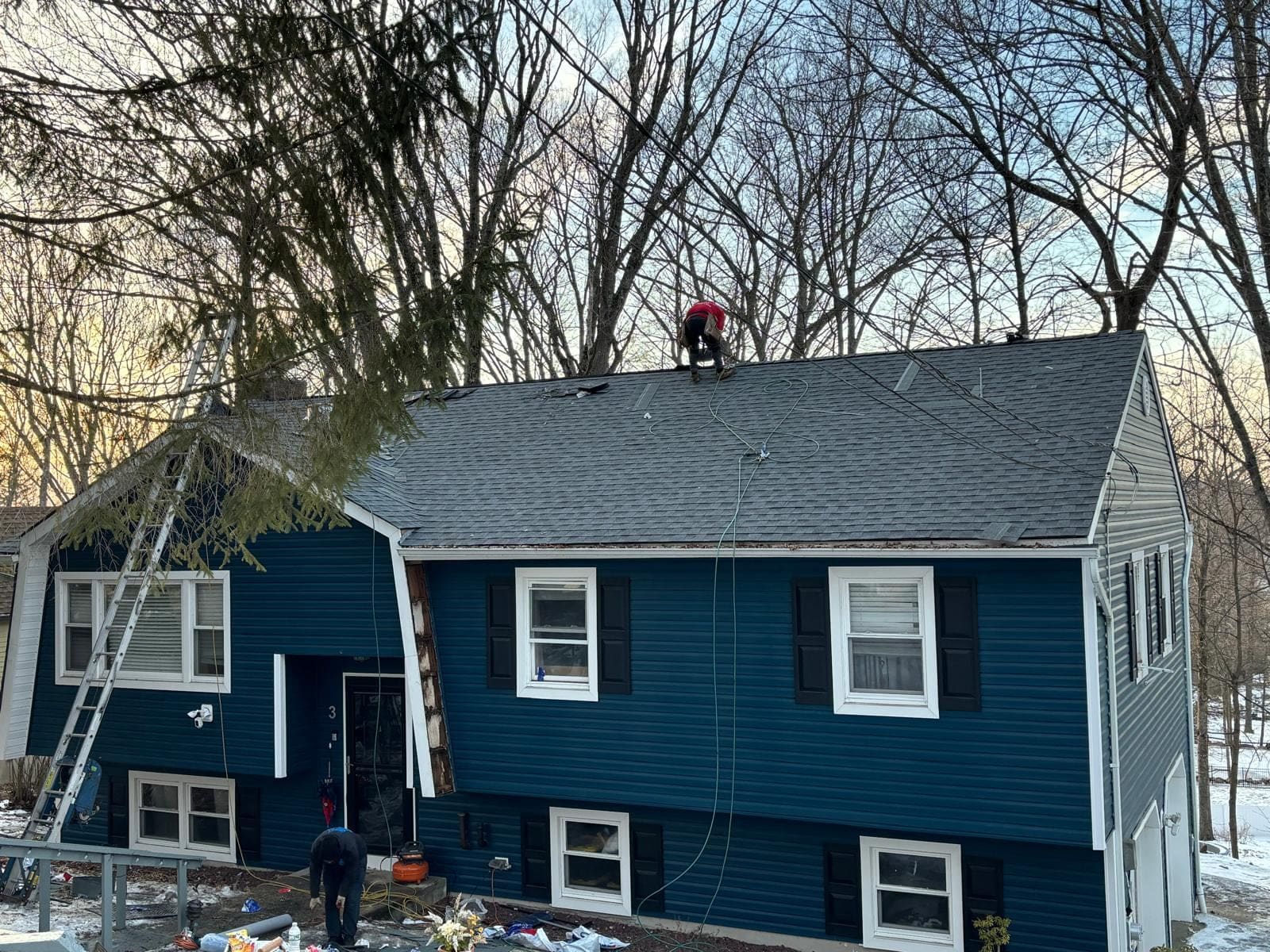
Roof repair in Liberty is driven above all by trees. Homes on the forested slopes of Jenny Jump Mountain and the wooded lots along the rural roads collect leaves and needles in their valleys and gutters, stay shaded long enough for moss to take hold, and take limbs during summer thunderstorms and winter ice. Around Mountain Lake, closely spaced homes on sloped lots add damp air and roofs that dry slowly.
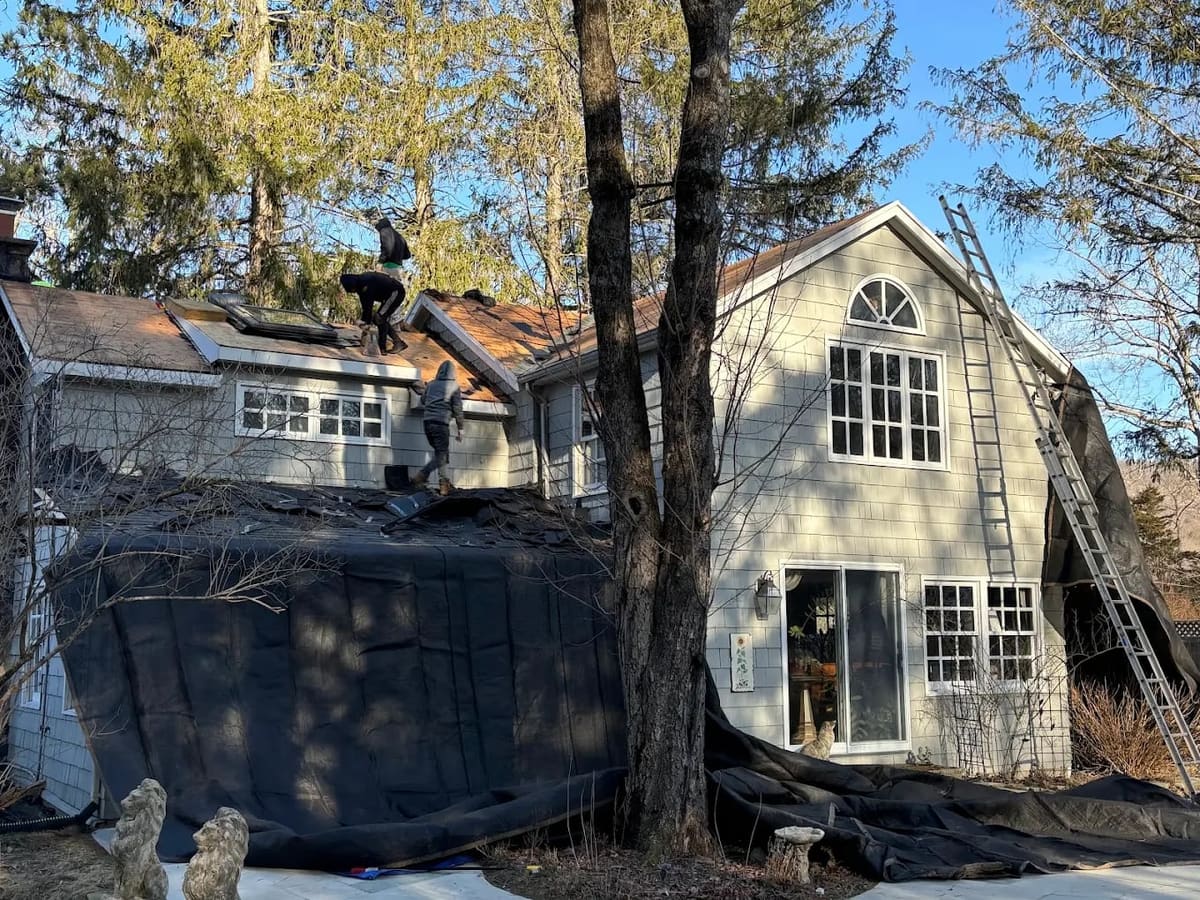
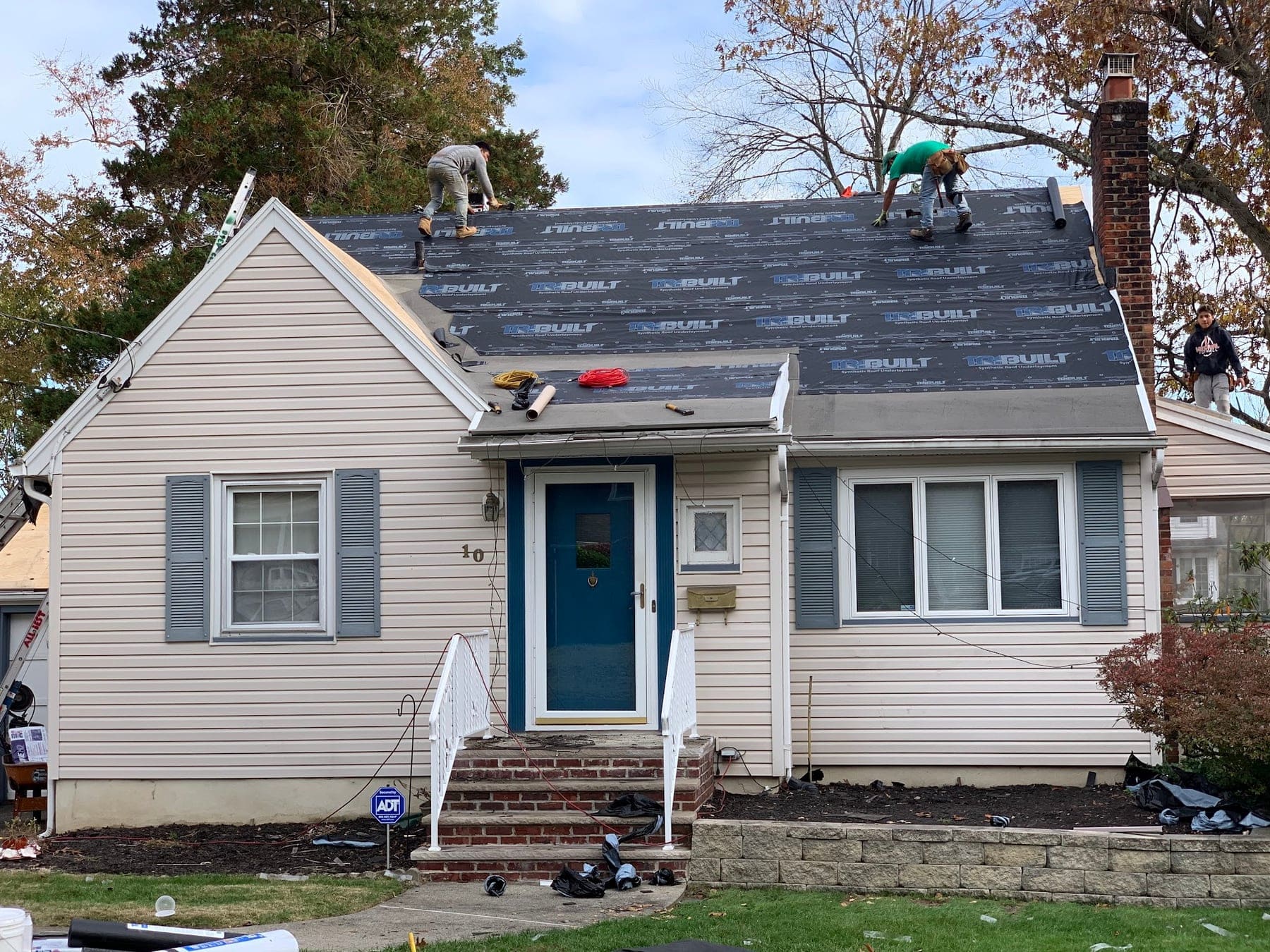
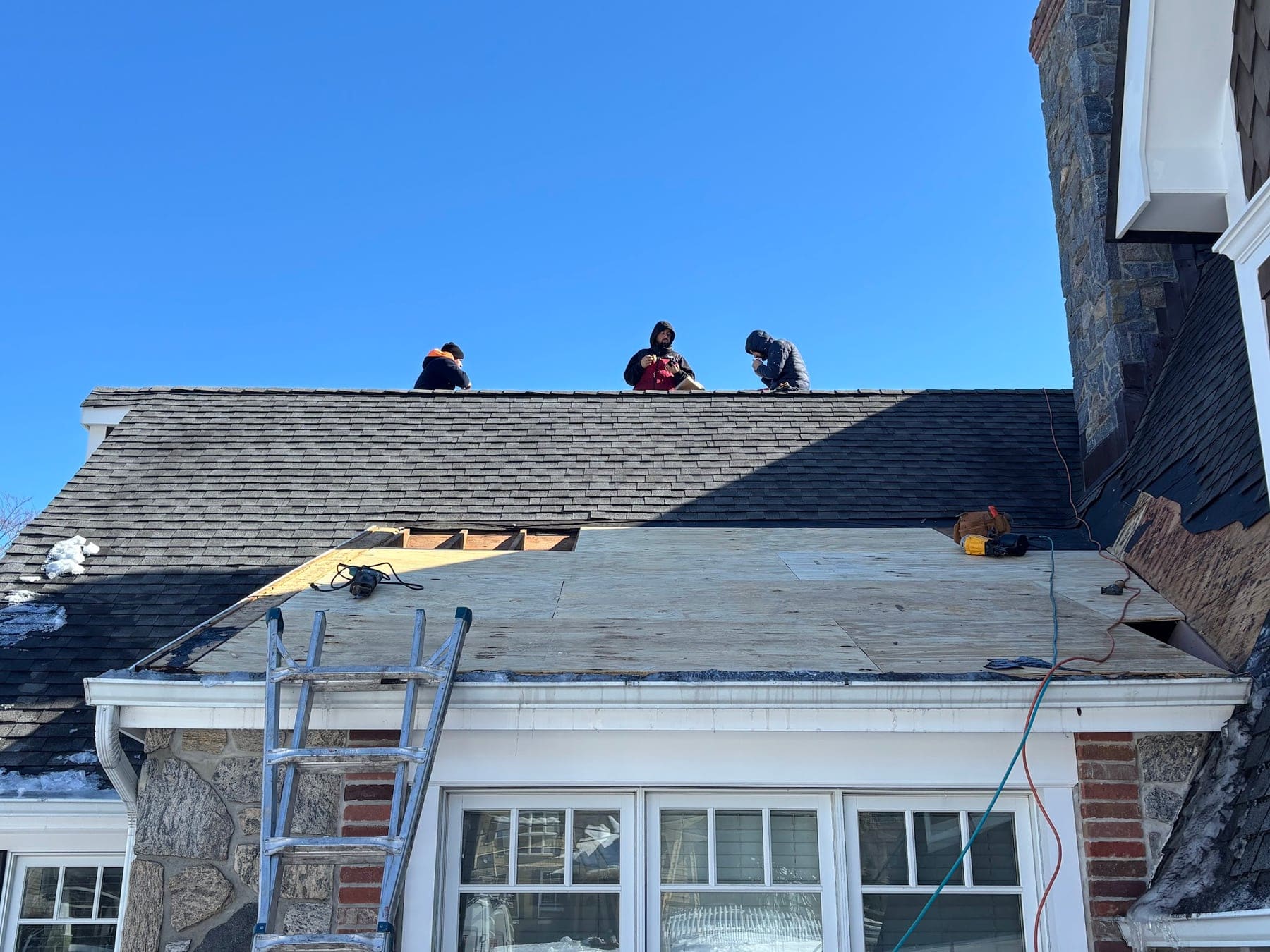
Lake homes that started as seasonal houses bring a different problem: additions and rooflines that were added over time, with low-slope sections, porch tie-ins and changes in pitch where leaks concentrate. We inspect from the roof and the attic, trace the water to its source and repair the detail that is failing. Asset Roofing & Chimney is licensed and insured, estimates are free, and we document storm damage for insurance claims when needed.
Liberty housing
Liberty's housing falls into three broad groups. Around Mountain Lake, homes sit close together on small, often sloping lots, and some began as smaller seasonal houses that were later enlarged or winterized. Across the farmland are older farmhouses with steep roofs and brick chimneys. Scattered along the rural roads are 1970s through 2000s colonials, ranches and contemporaries on wooded lots. Asphalt shingle roofs dominate, and wood heat is common.
Weather & exposure
Jenny Jump Mountain and the surrounding forest put many Liberty homes under dense tree canopy, with shade, falling limbs and heavy leaf and needle debris. Homes around Mountain Lake deal with lake moisture and slow-drying roofs. Open farm fields to the south face wind with little shelter. Winters are cold, with sustained snow and freeze-thaw cycling that works on roofs and masonry.
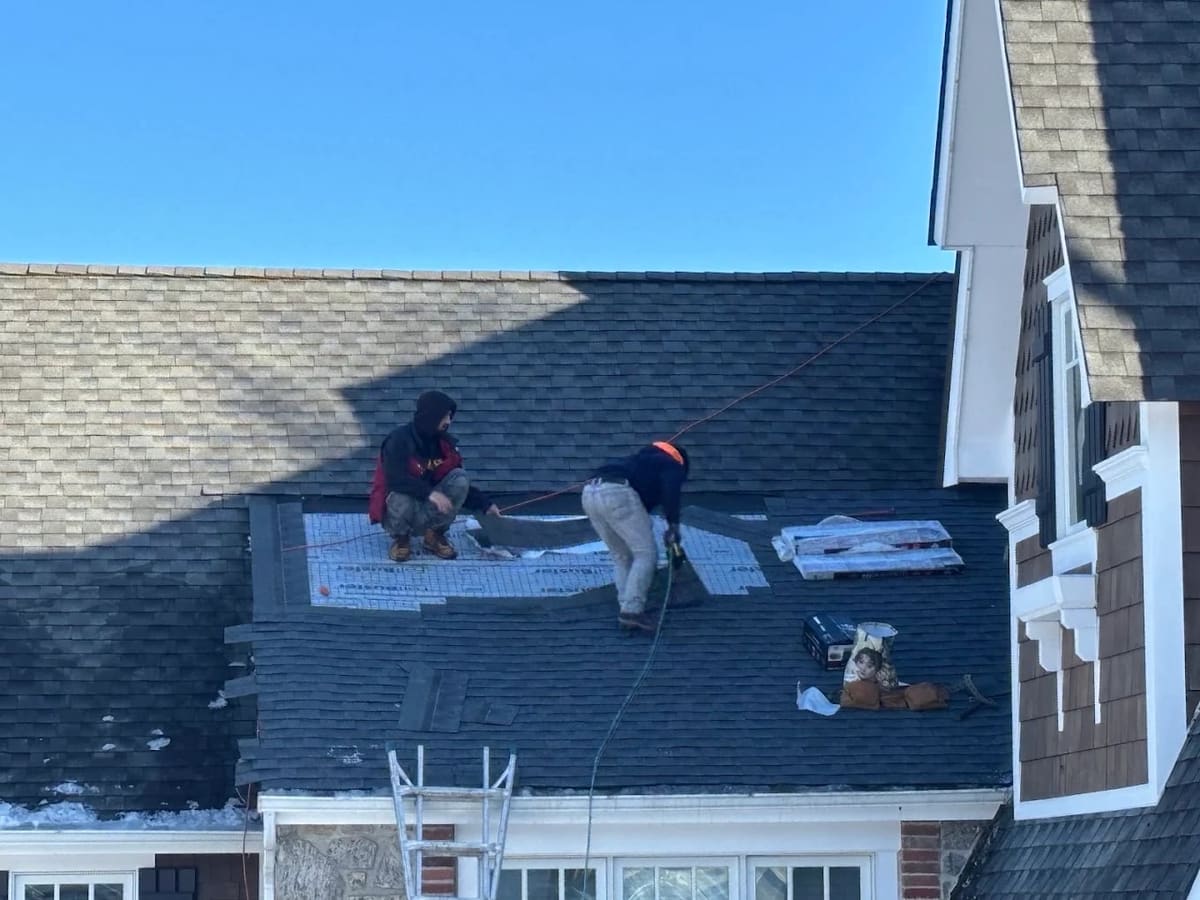
Repair or replace? What we tell Liberty homeowners
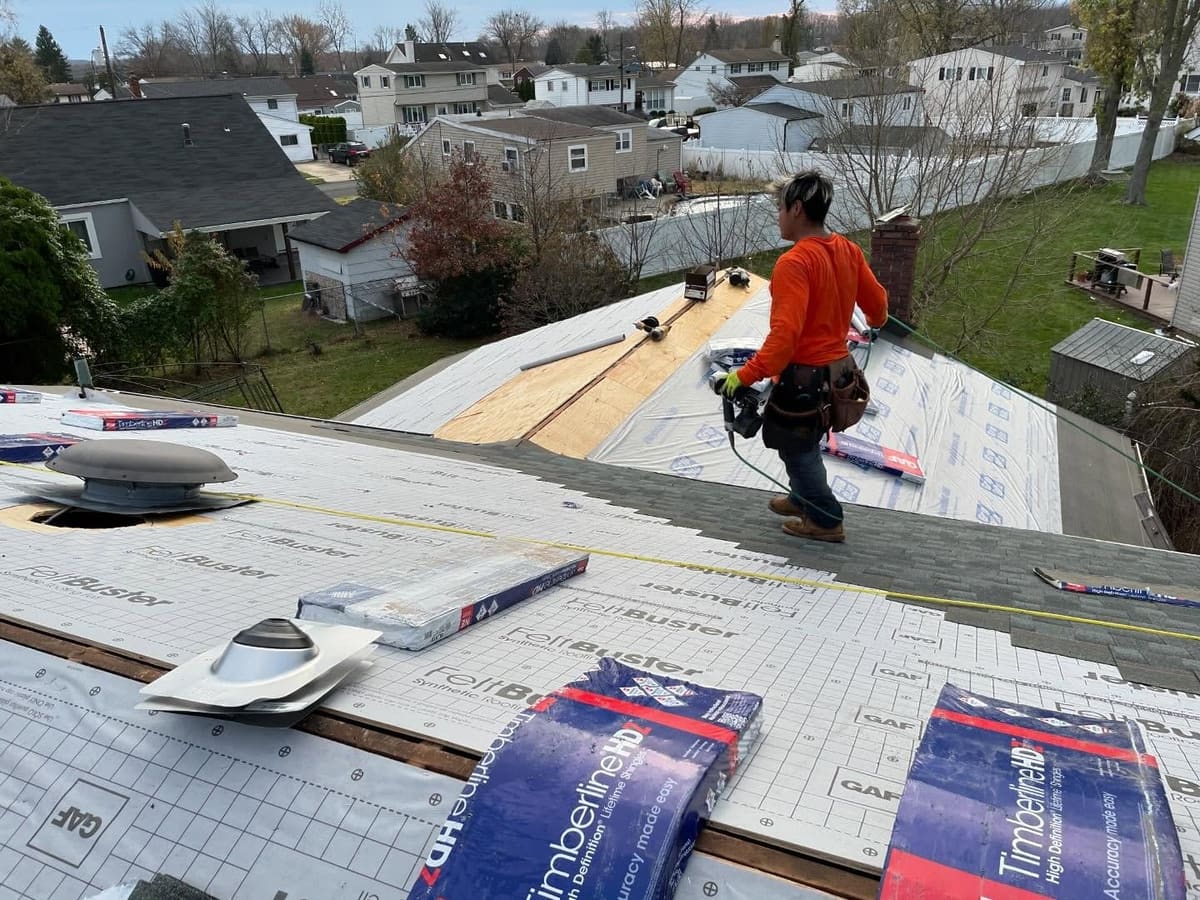
On a Liberty home, the most useful habit is keeping valleys and gutters clear, especially in fall. Many of the repairs we see on wooded lots start with debris that held water against the roof. When a leak does appear, a repair makes sense if the shingles are still flexible and the problem traces to a valley, tie-in, flashing or impact point.
On lake houses with several generations of roof, we look at how the sections meet before recommending anything. Sometimes rebuilding one tie-in solves a long-running leak; other times a low-slope porch section needs a proper membrane rather than shingles that were never meant for that pitch. We explain what we find and what it will take.