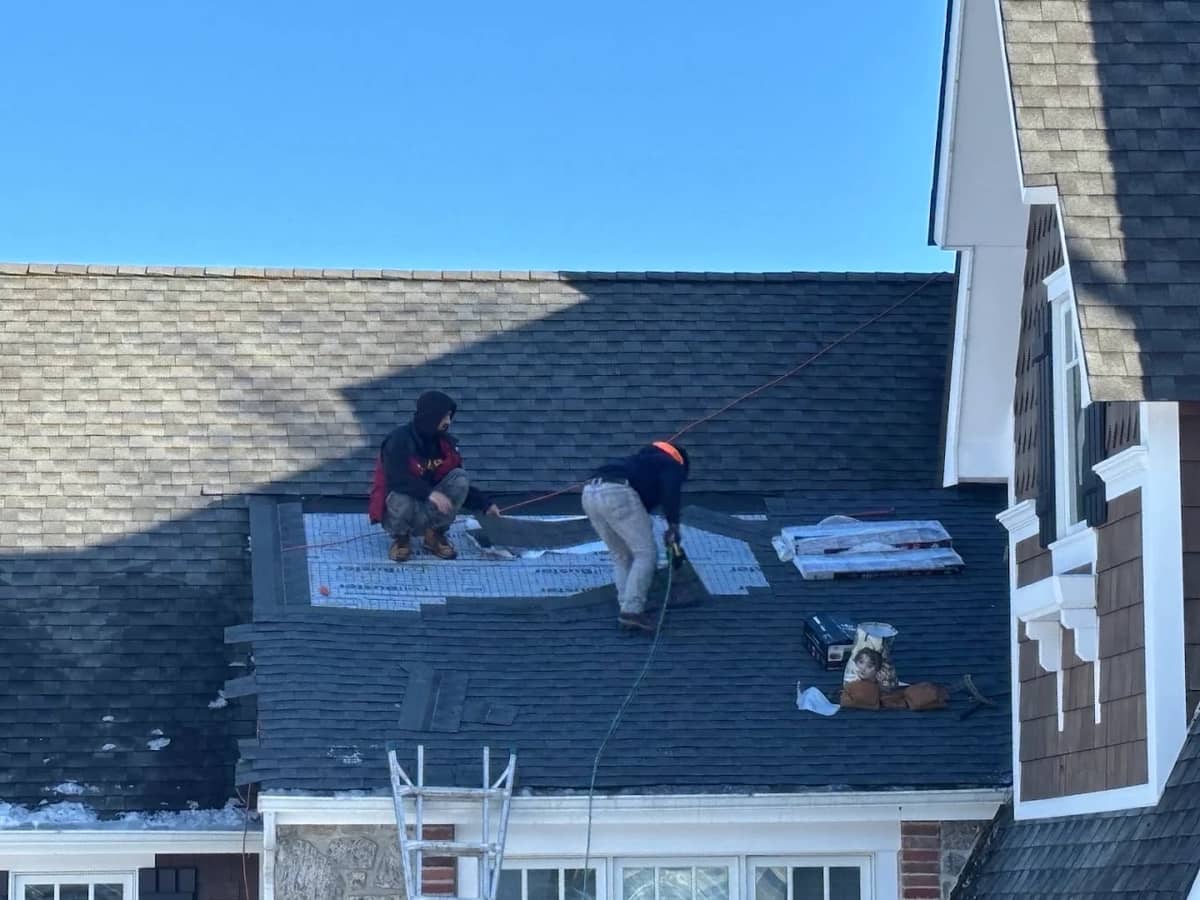
Roof Repair for Oxford homes and buildings
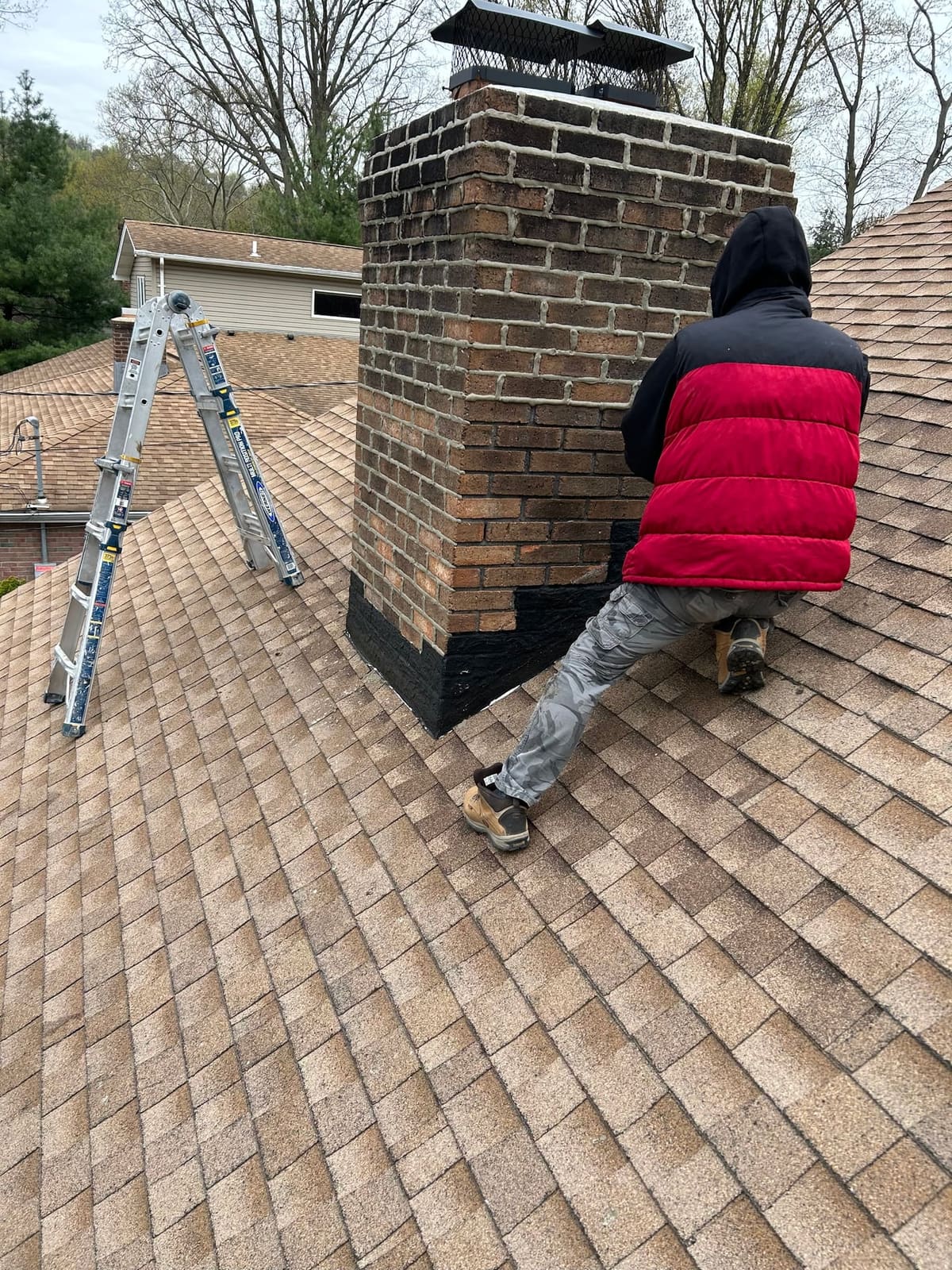
Roof repair in Oxford is mostly work on older, modest homes. The village's 1800s and early-1900s frame houses have small, steep main roofs with porch roofs, shed additions and chimneys tied in along the way, and decades of repairs and re-roofing have left many of them with layered shingles and flashing that has been caulked more than replaced. Leaks tend to start at the porch tie-in, the chimney or a low-slope addition rather than on the main slopes.
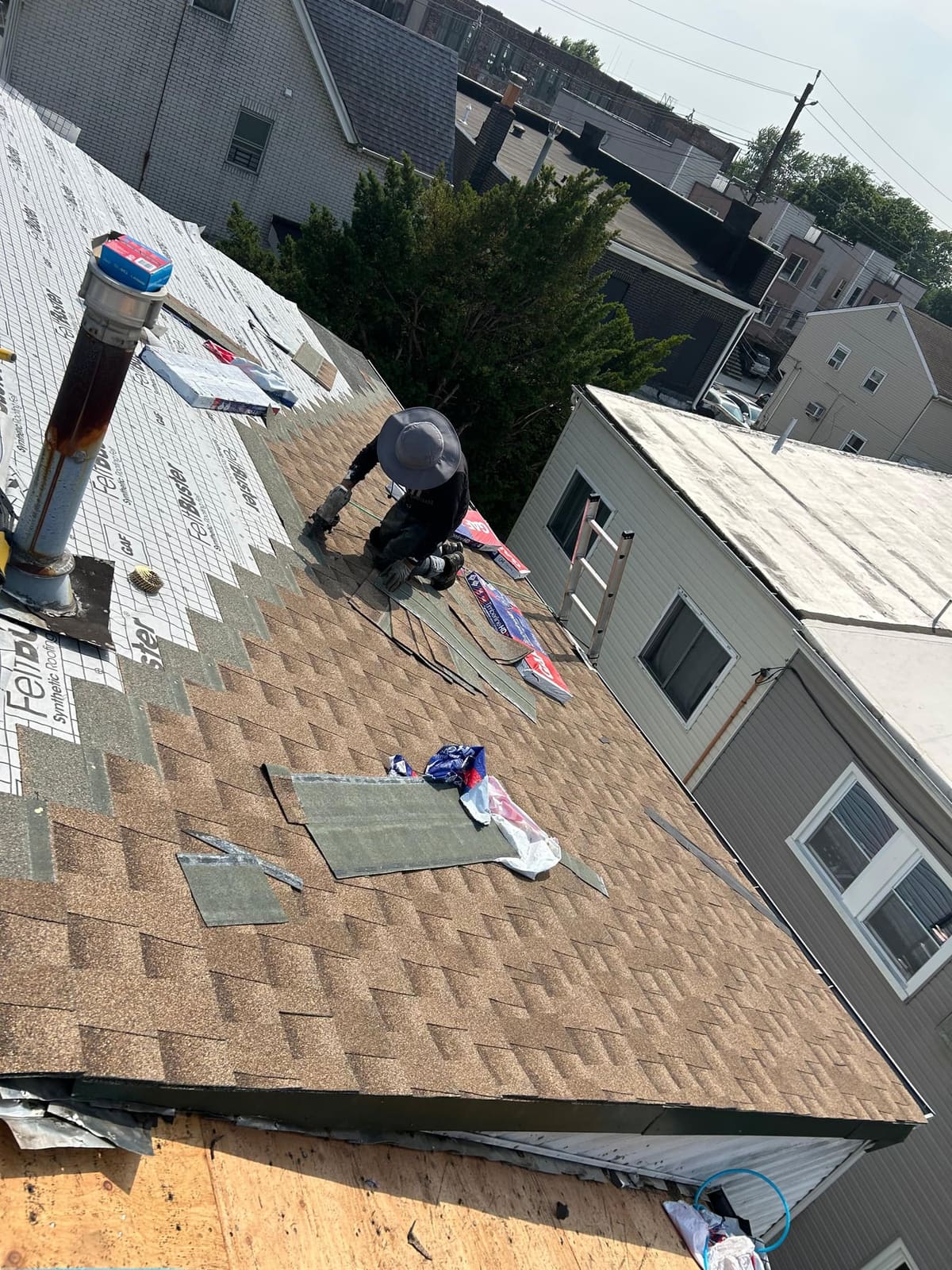
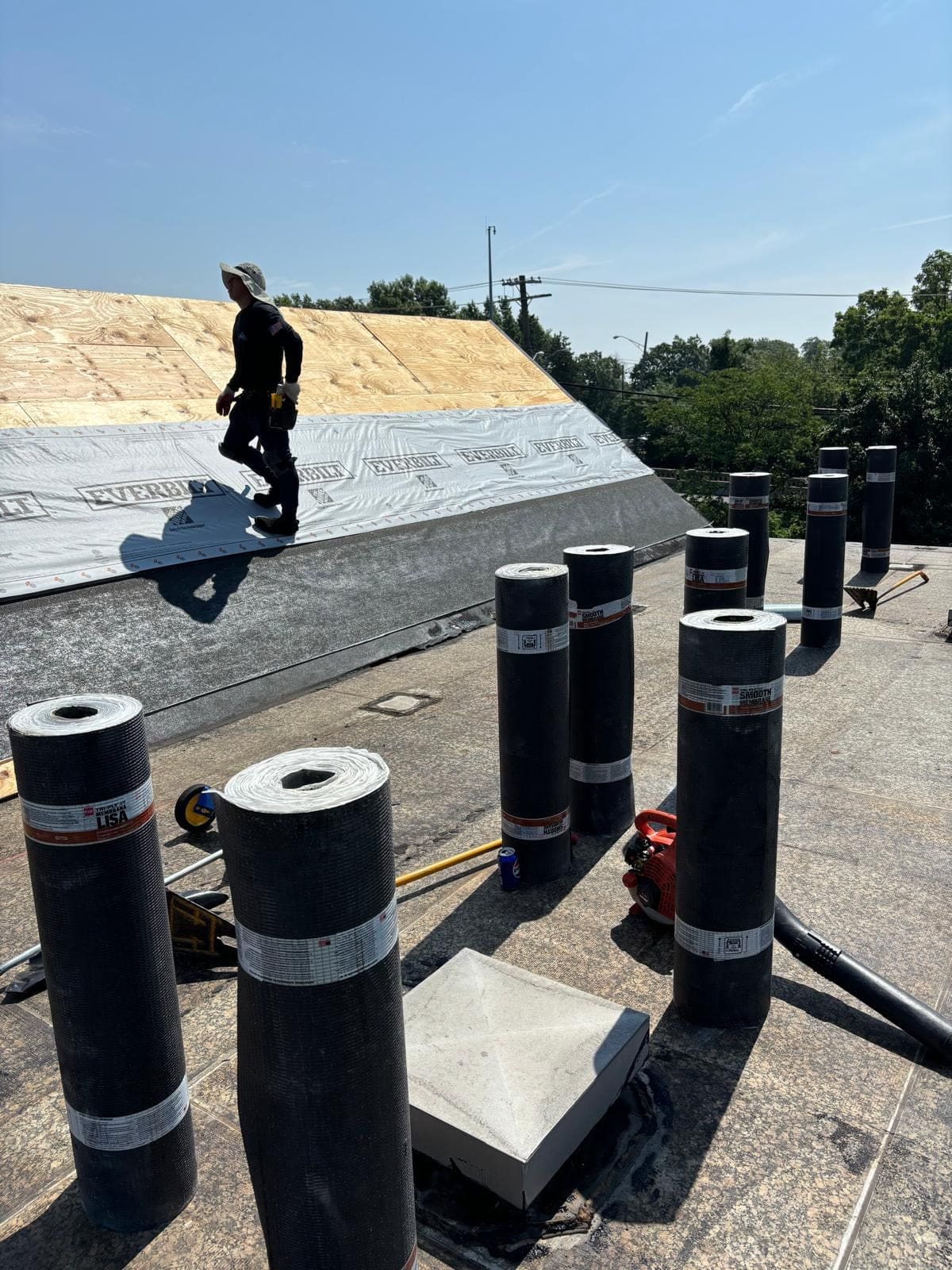
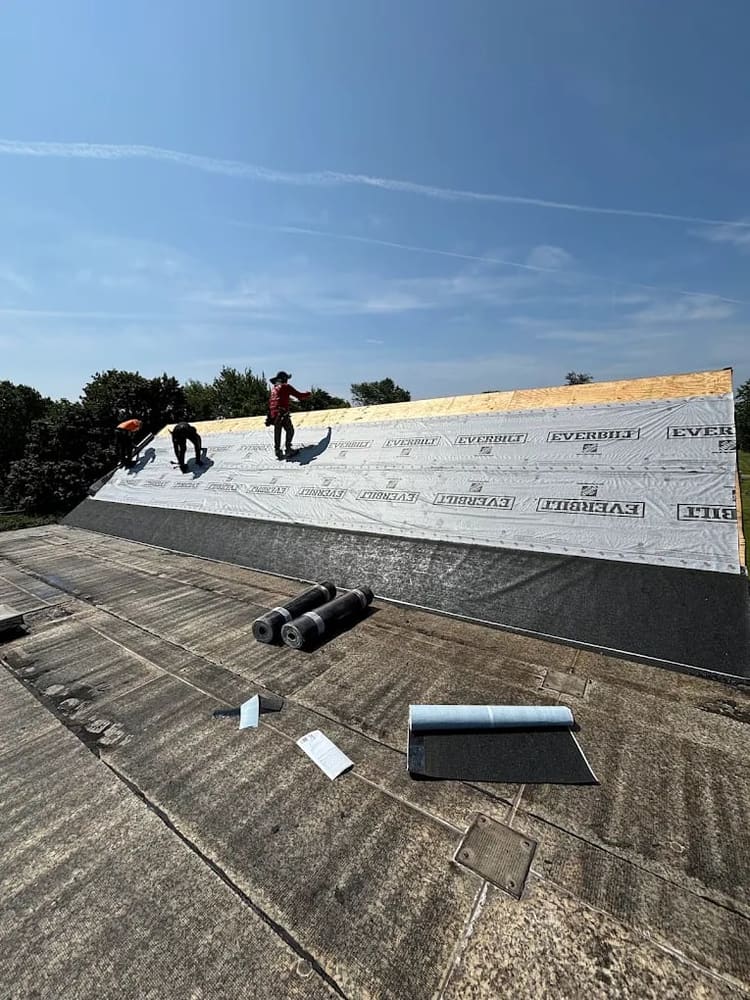
We inspect from the roof and the attic, trace the leak to its source and repair the failing detail properly, with new metal flashing and membrane rather than another layer of sealant. On attached or two-family homes, we look at how the roofs connect. Asset Roofing & Chimney is licensed and insured, estimates are free, and we document storm damage for insurance claims when needed.
Oxford housing
Much of Oxford's village housing consists of modest frame homes from the 1800s and early 1900s, closely spaced along the streets, many with porches, small additions and brick chimneys. Some are attached or two-family. Around Furnace Lake and on the rural roads are mid-century and later homes, and newer houses on larger lots appear toward the township's edges. Asphalt shingle is the dominant roofing, often laid over earlier roofs on the oldest homes.
Weather & exposure
The village sits in a hollow below the wooded slopes of Scotts Mountain, which gives some shelter from wind but brings shade, damp air and tree debris. Homes near Furnace Lake see added moisture. Higher homes on the hillsides take more wind and hold snow longer. Winters are cold, with freeze-thaw cycles that are hard on old brick and on roofs that have been layered over time.
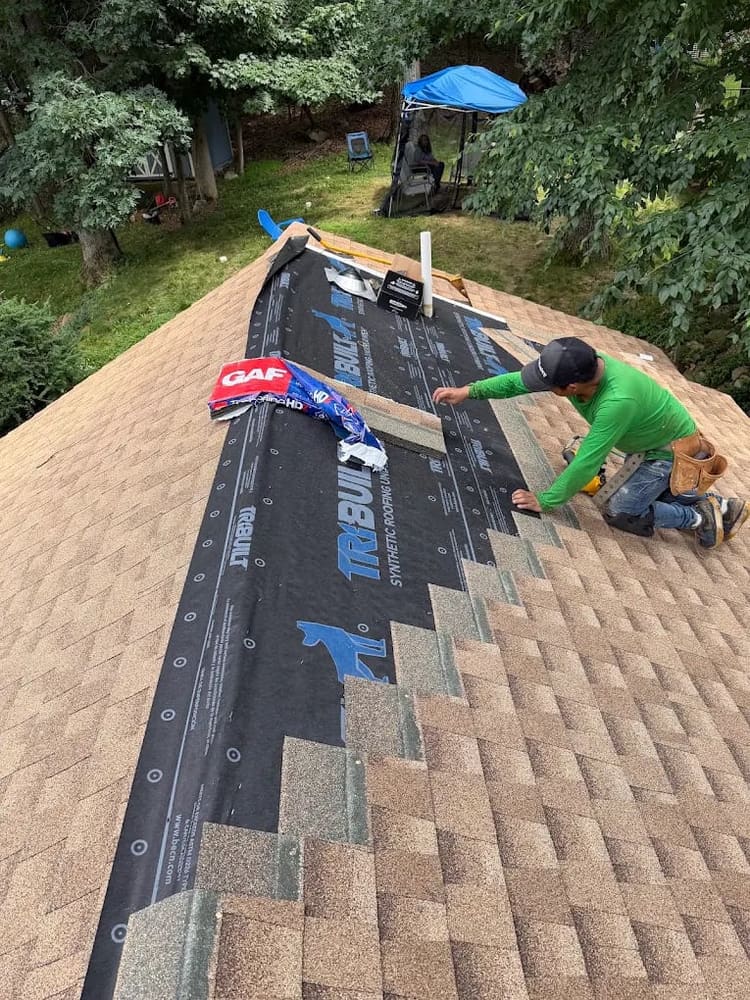
Repair or replace? What we tell Oxford homeowners
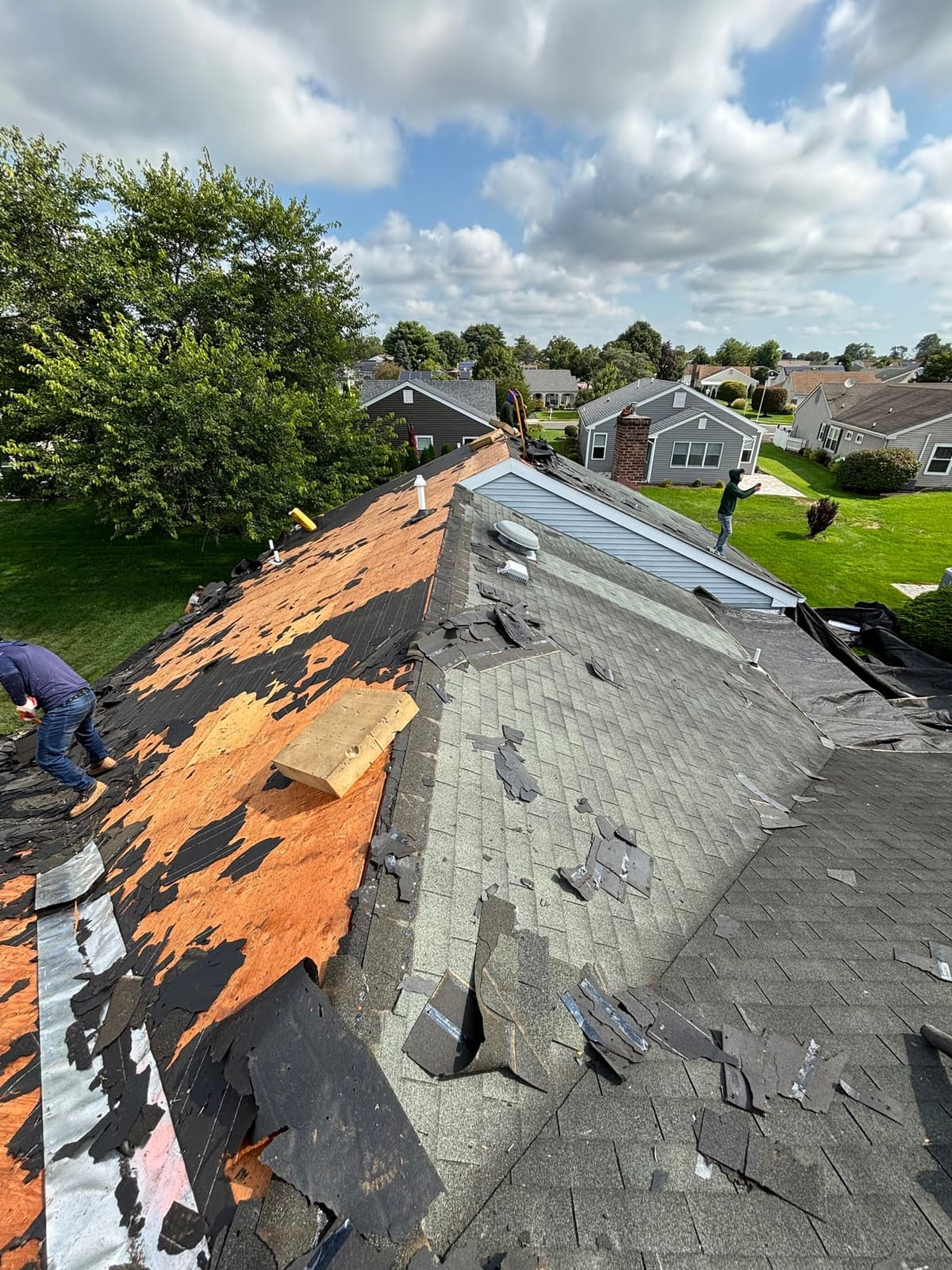
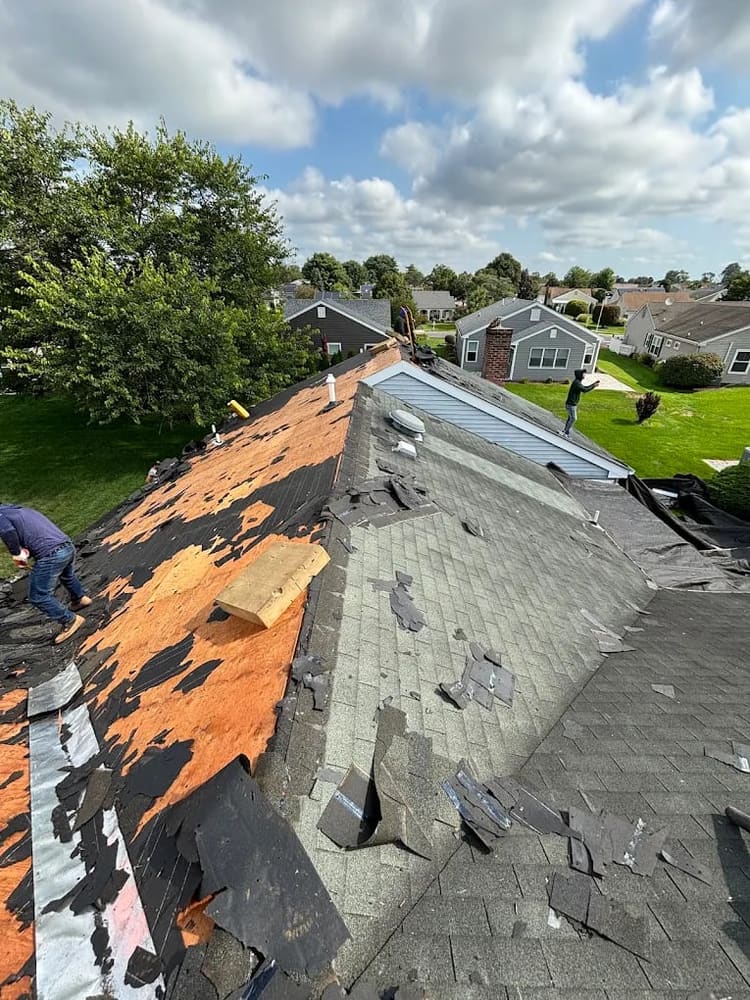
On an older Oxford home, a repair is often the right choice when the leak traces to a porch tie-in, chimney flashing or an addition, and the main roof is otherwise holding up. If the roof has two or more layers and the leaks keep returning in different places, it usually means the roof as a whole has reached the end, and we will tell you that rather than keep patching.
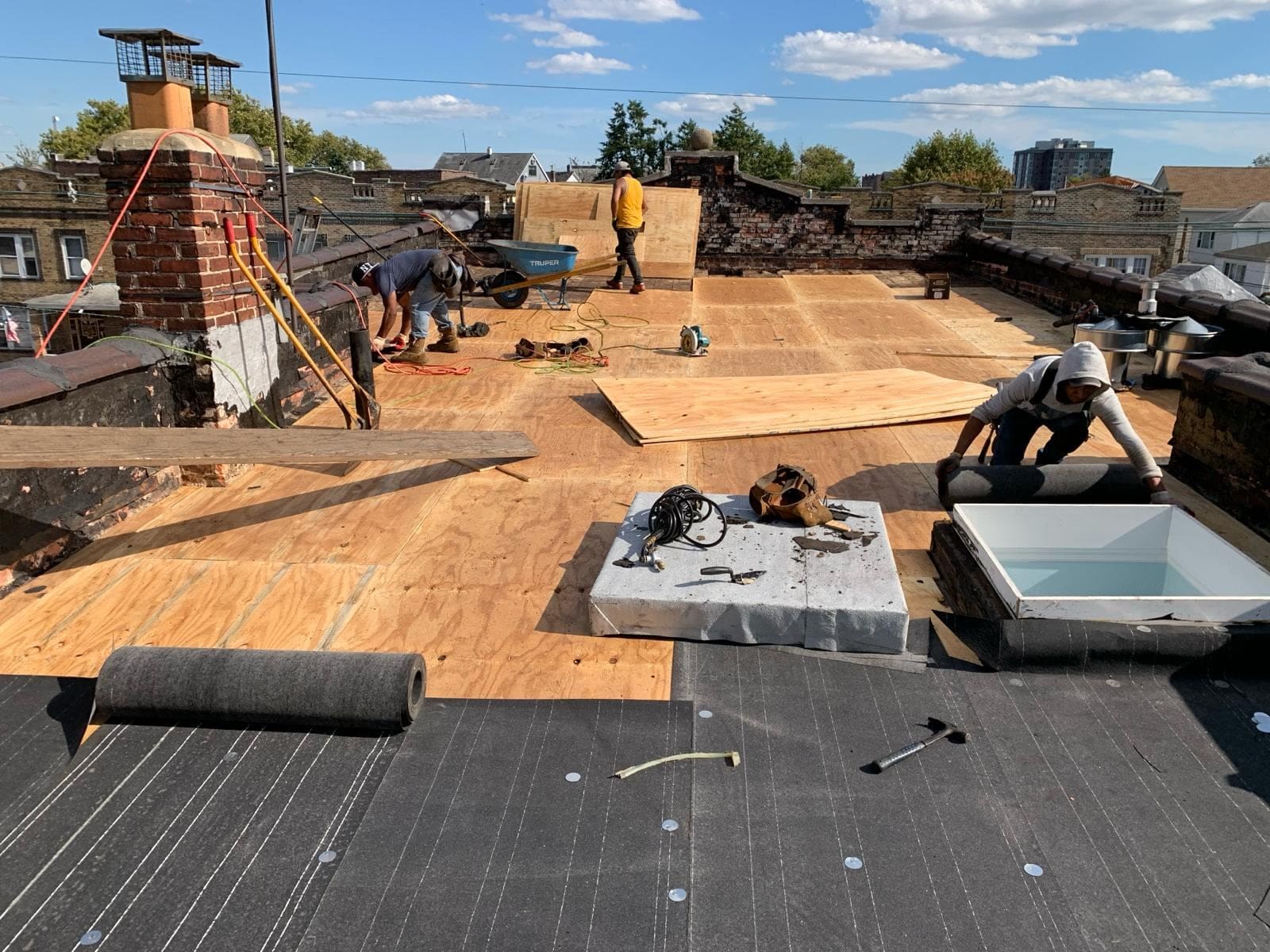
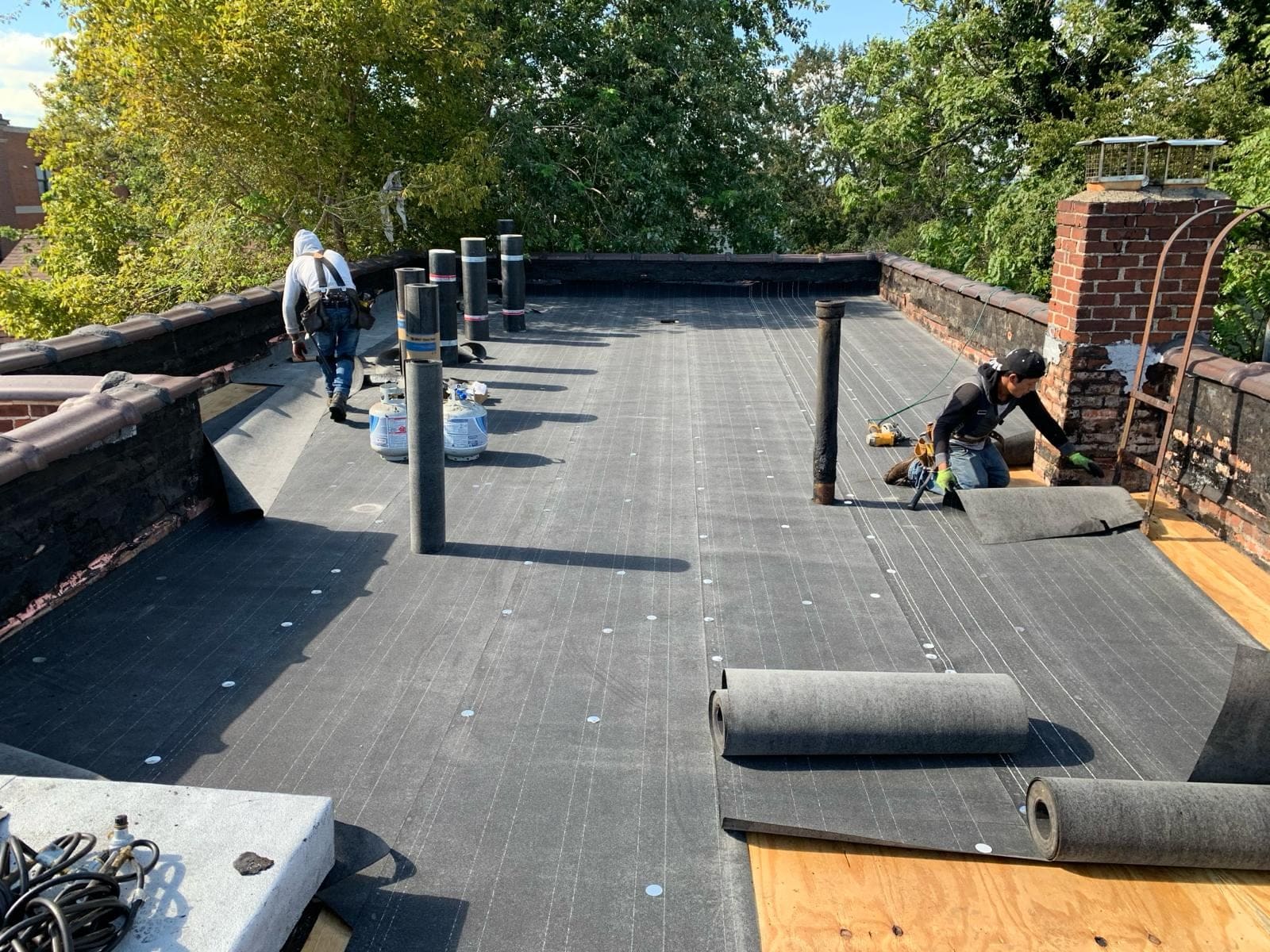
For low-slope additions and porch roofs, we recommend replacing shingles that are on too low a pitch with a proper flat-roof membrane, which is one of our two specialties. On attached and two-family homes, we explain where the roofs connect and what may involve the neighboring owner.