Roof Replacement for New Milford homes and buildings
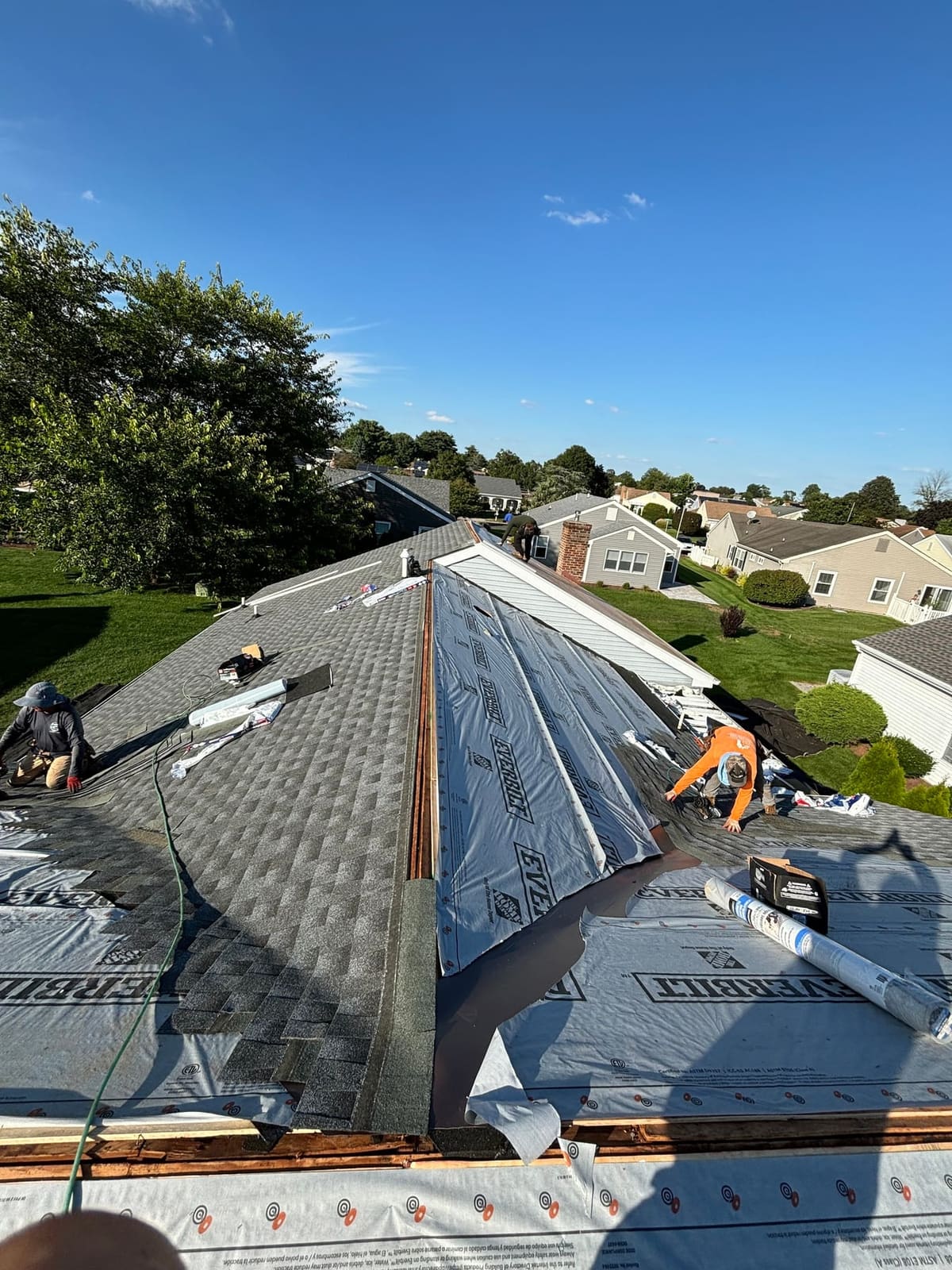
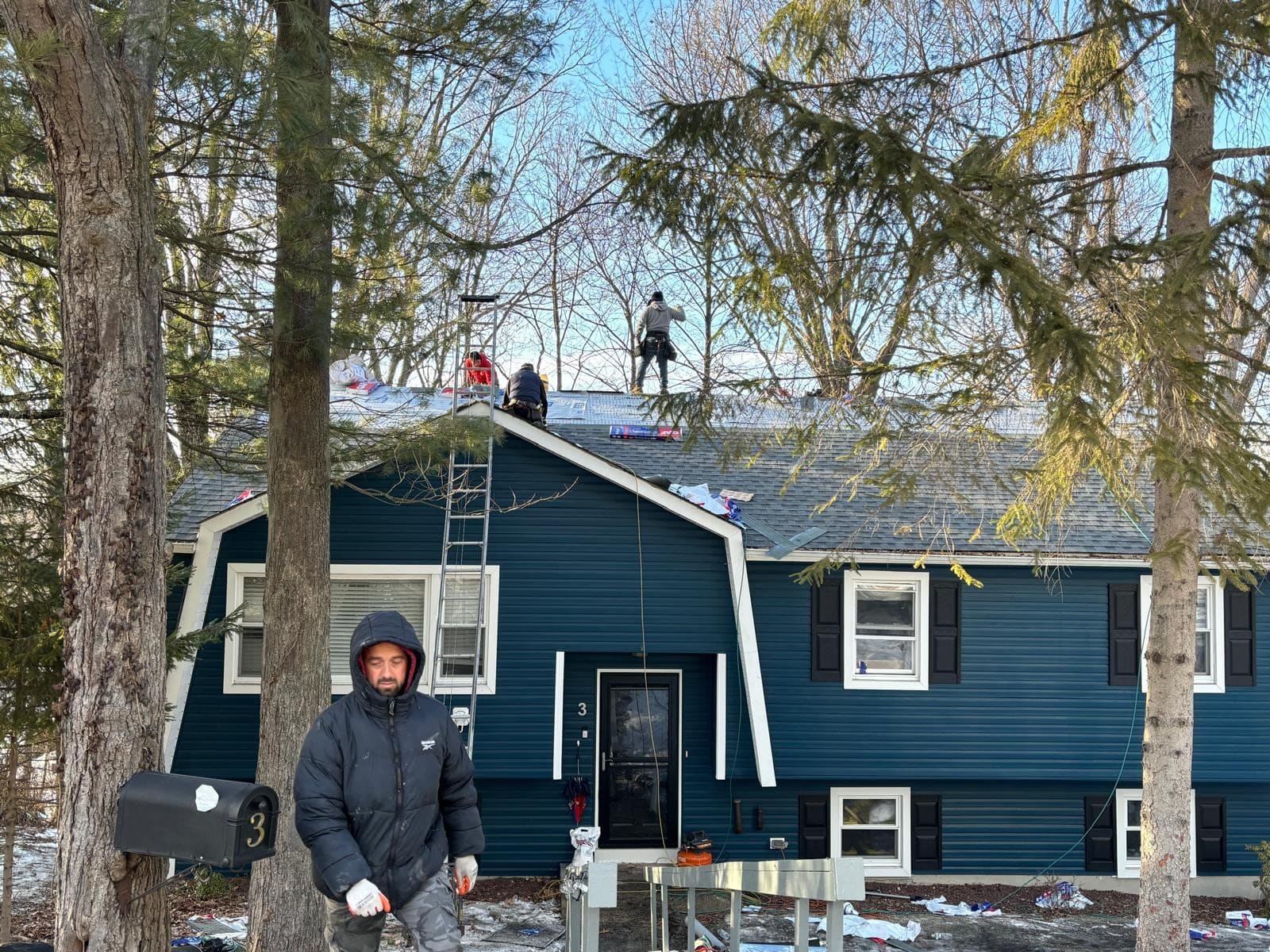
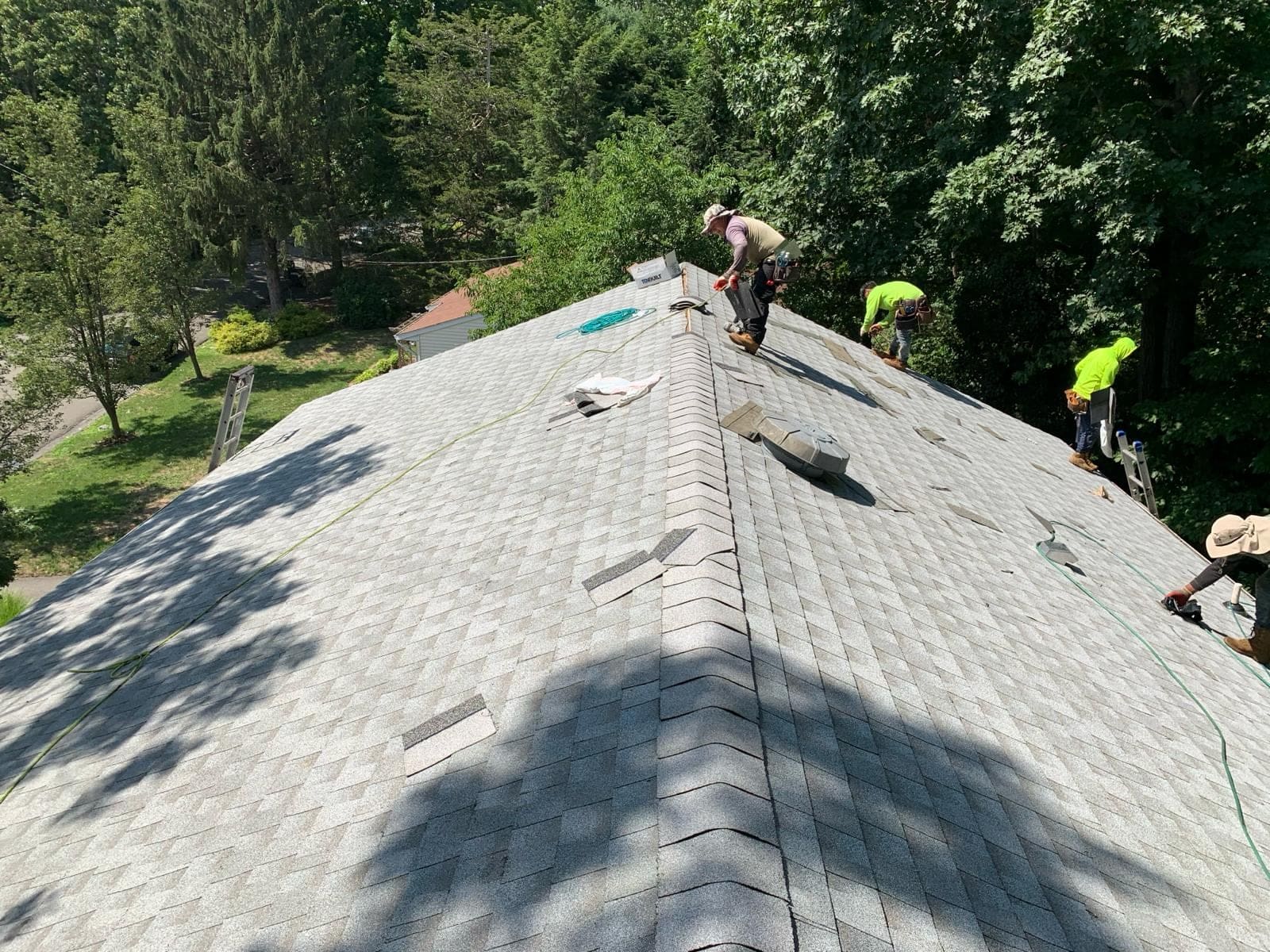
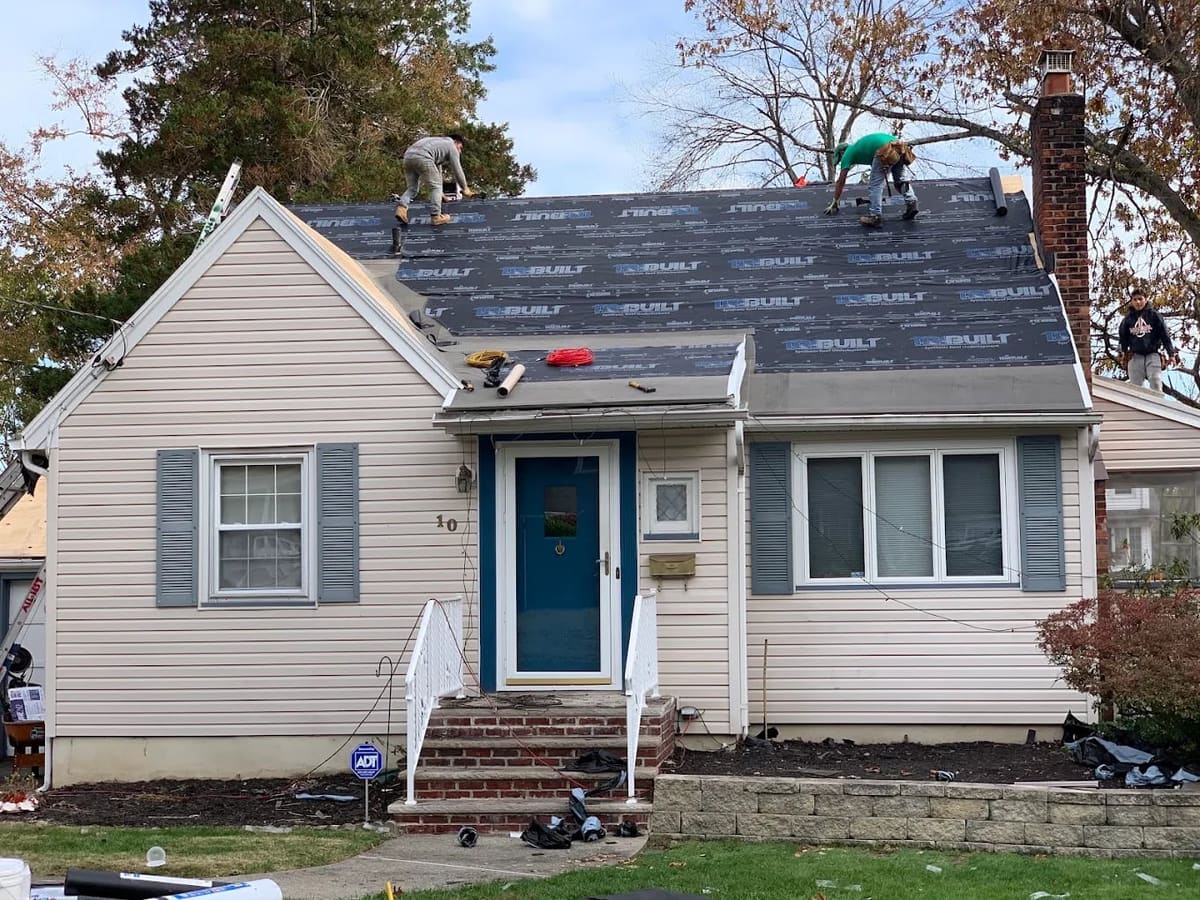
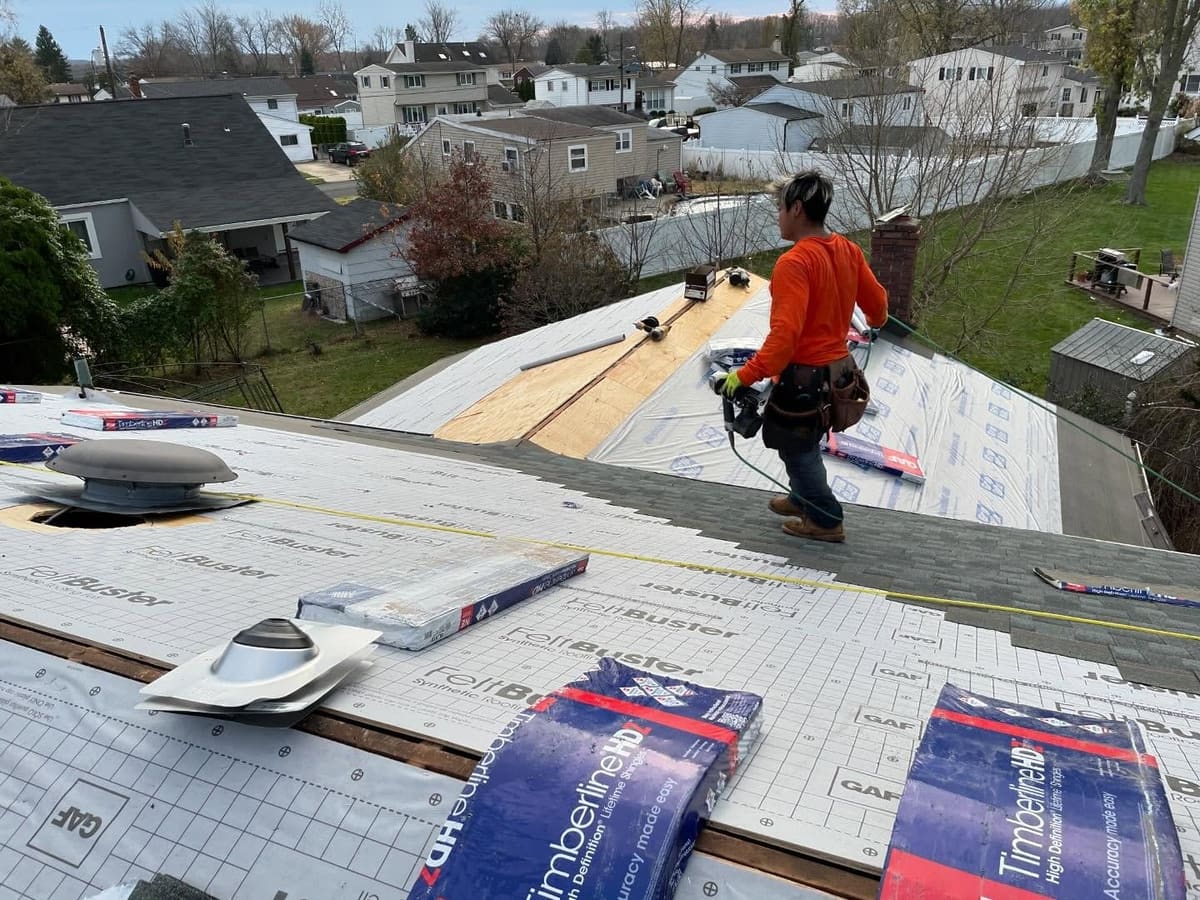
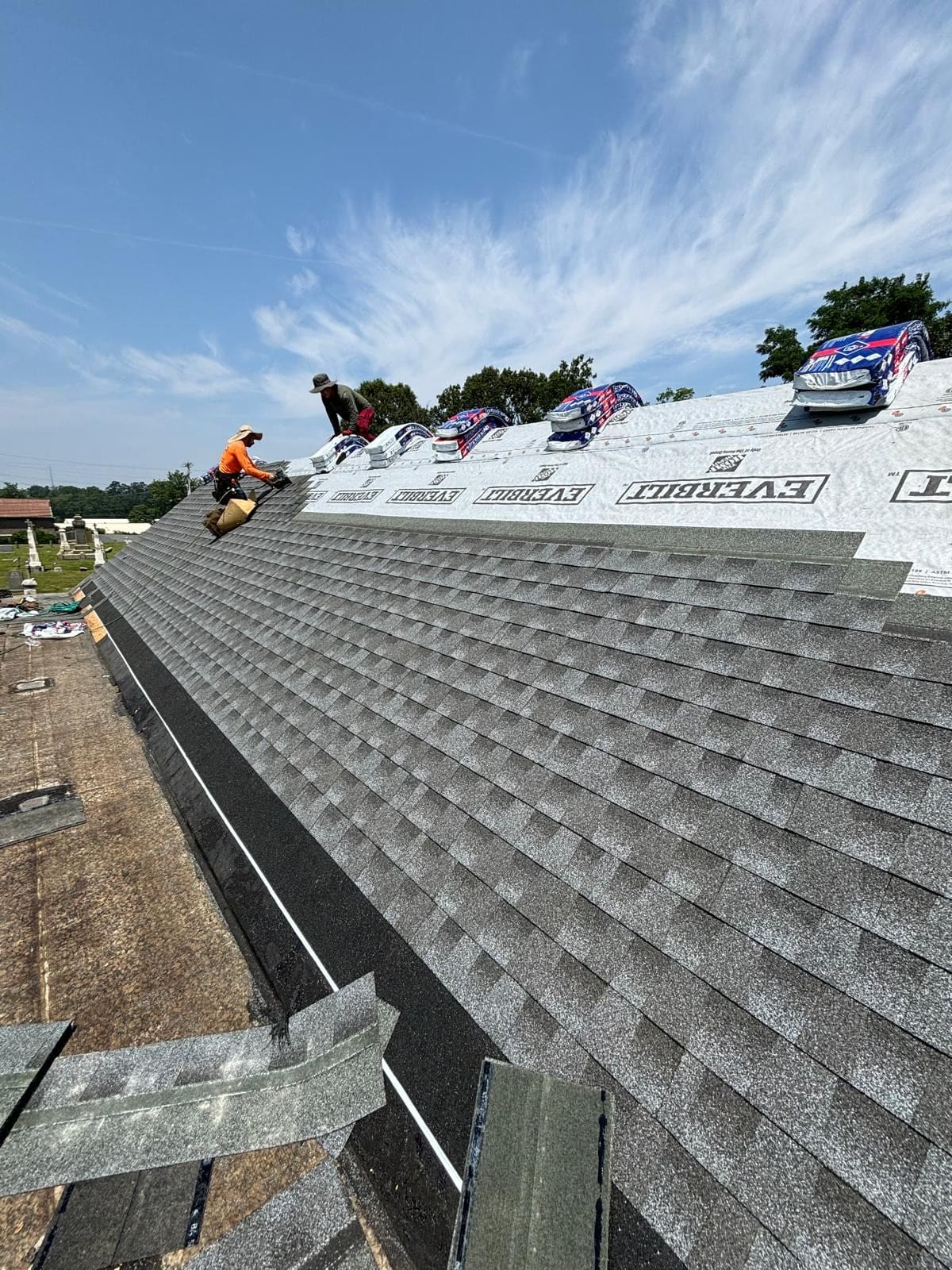
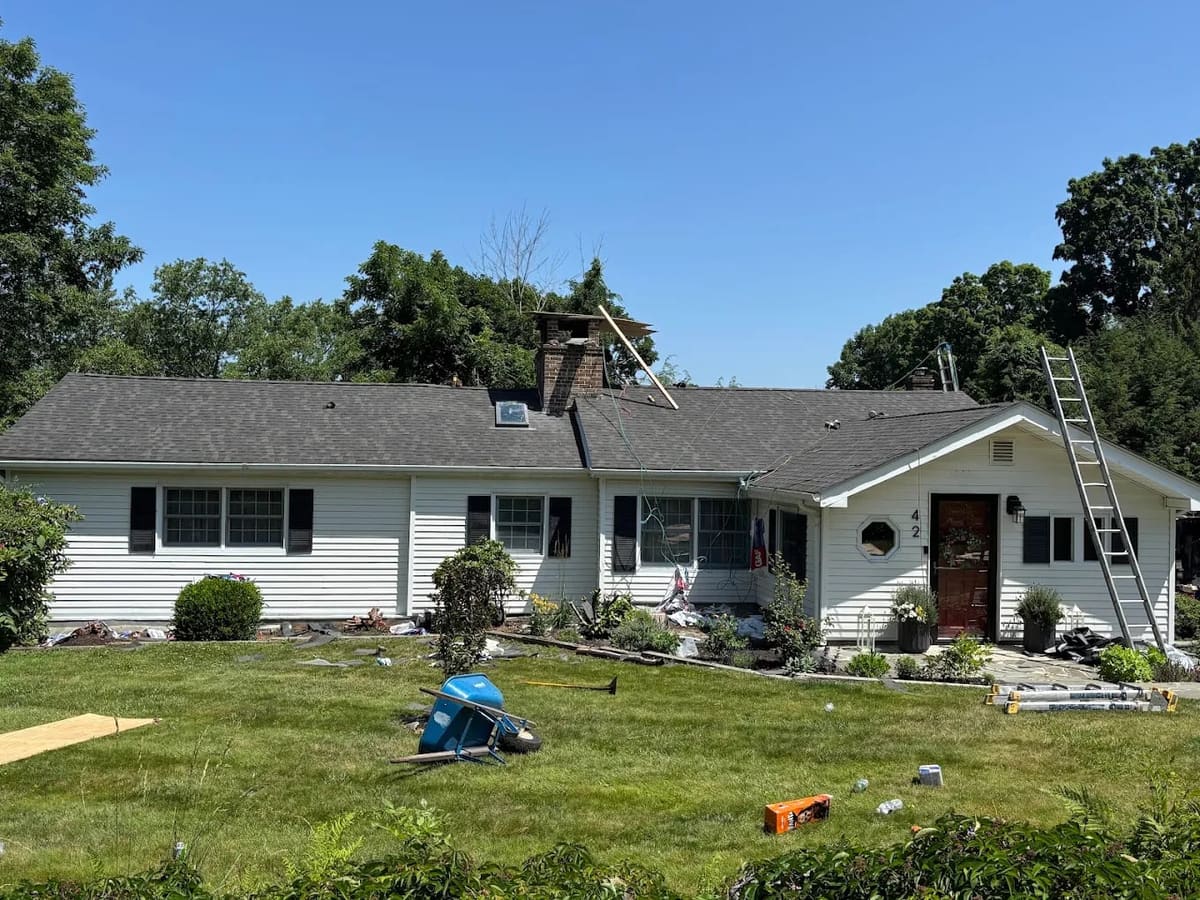
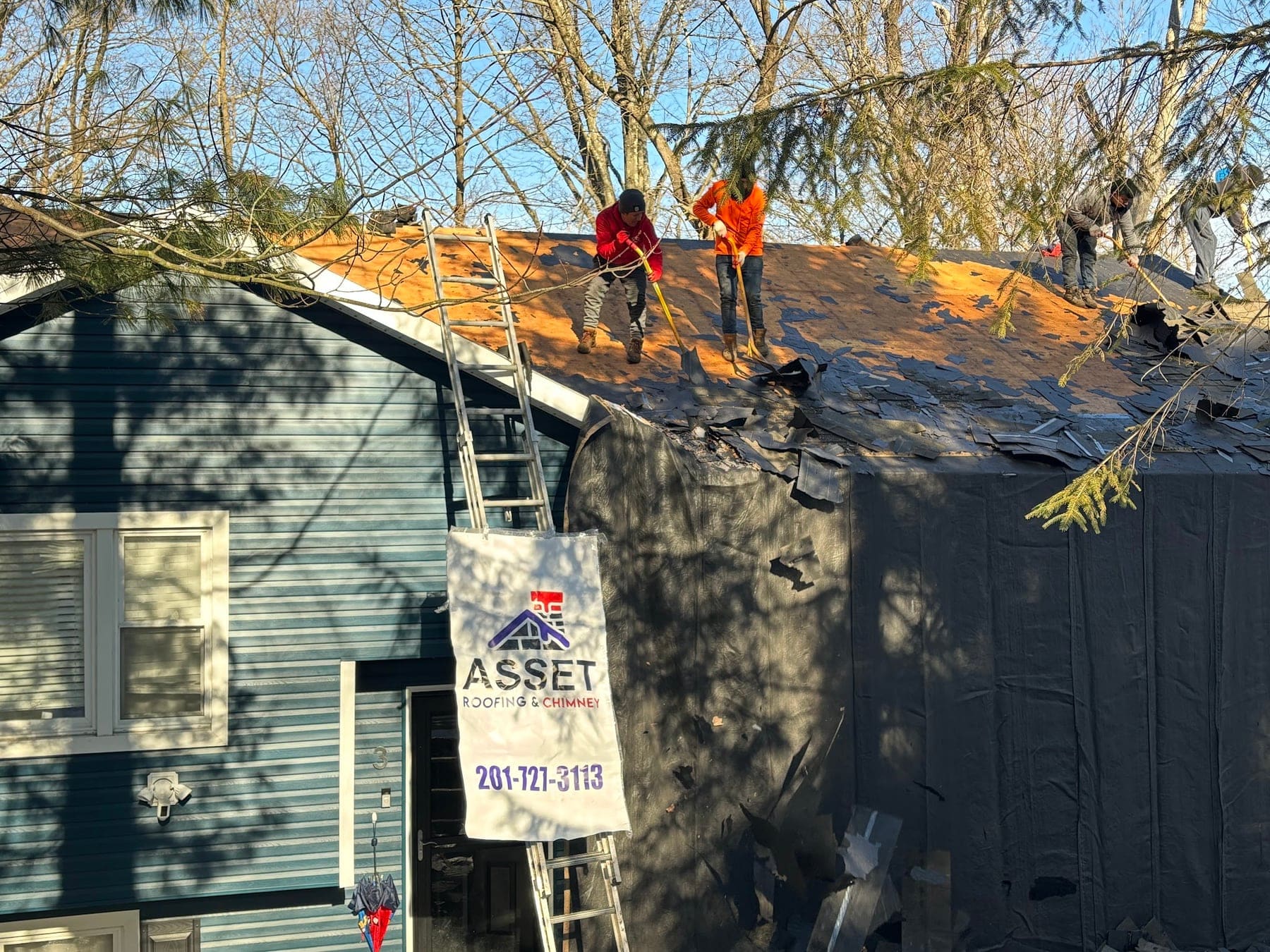
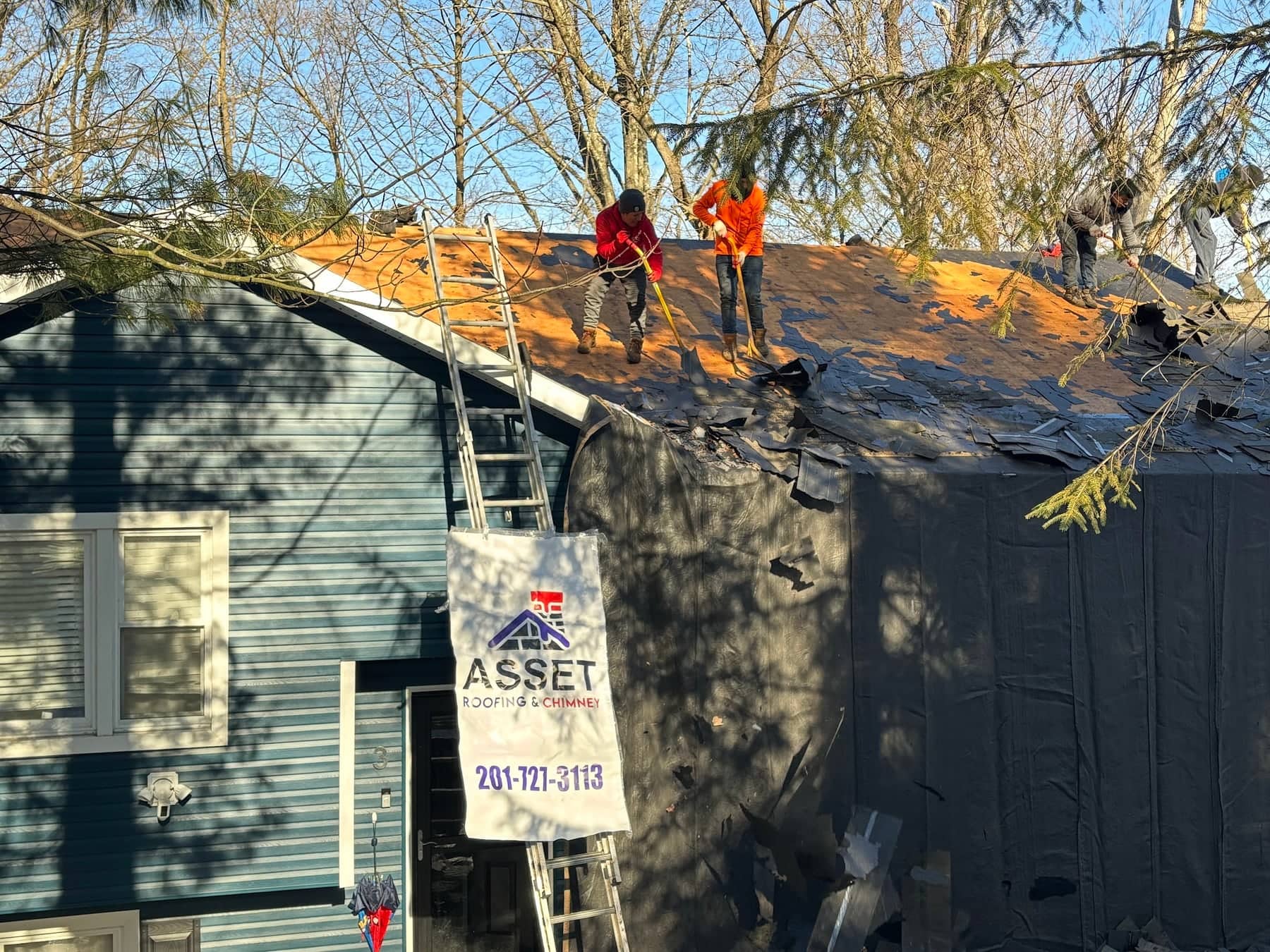
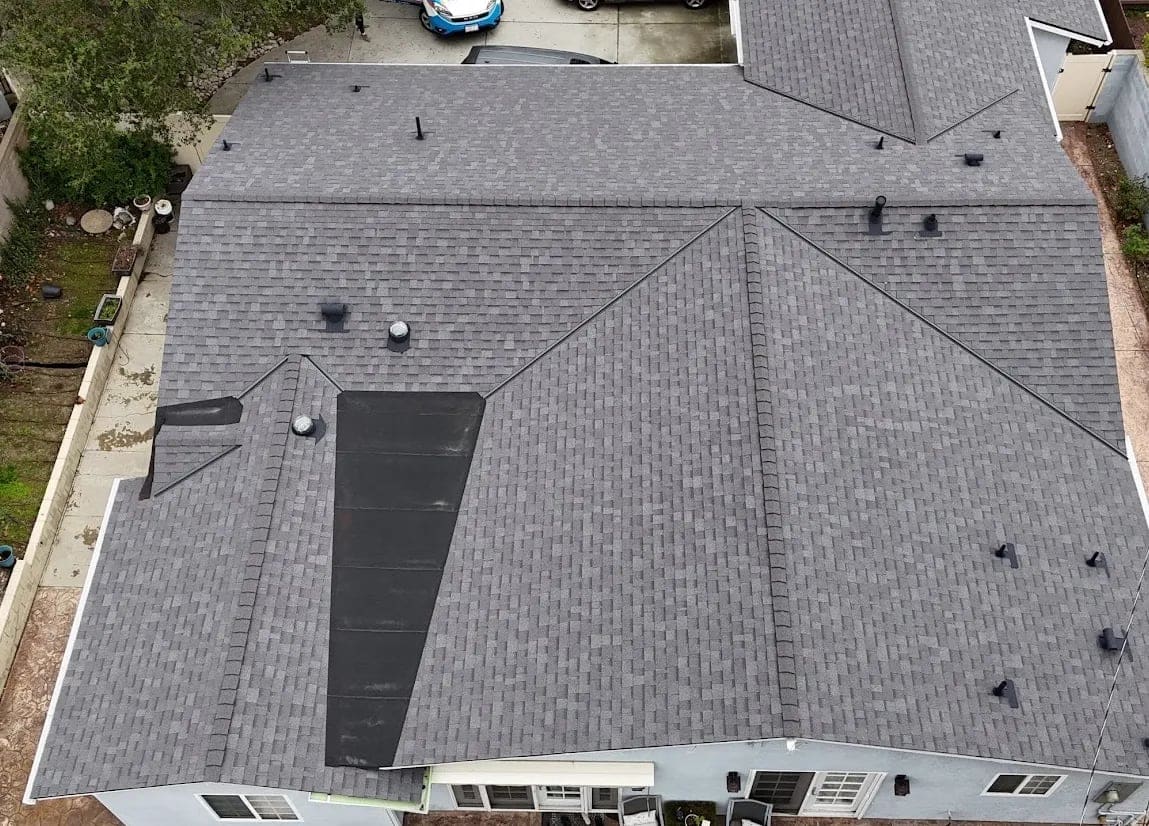
On an expanded New Milford house, a roof replacement is the chance to make the original and the addition into one consistent roof. We tear off every section to the deck, repair the sheathing, which may be plank on the original part and plywood on the addition, then install ice-and-water barrier at eaves, valleys and every transition, synthetic underlayment, new flashing throughout and one set of architectural shingles across the whole house.
Where an addition created awkward slopes or unplanned valleys, replacement lets us correct the details as far as the framing allows. We also look at ventilation, which on expanded houses is often inconsistent between the original attic and the new space.
Permits are typically required for a full replacement; check with the borough building department, and we can advise on what is usually needed.
New Milford housing
New Milford is largely post-war single-family housing: Cape Cods, ranches, split-levels and colonials from the 1940s through the 1960s, with some older homes. Many houses have been expanded with second-story additions, rear extensions and dormers. Commercial buildings with flat roofs line the main roads, and there are some garden apartments.
Weather & exposure
The Hackensack River runs along the western side of the borough, and low-lying areas near it have a history of flooding in heavy rain. Away from the river, the ground is gently rolling and moderately sheltered. Mature trees planted after the war now shade many roofs and fill gutters each fall. Freeze-thaw and ice dams on cape eaves are the main winter concerns.
When replacement is the right call in New Milford
A New Milford roof is ready for replacement when the original shingles are brittle across the surface, leaks recur at multiple transitions, or there are two layers on the original section. If the addition is newer, we may still recommend replacing everything for a consistent roof, and we explain why.
Architectural asphalt shingles are the standard choice. We discuss ventilation and flashing details before work begins.