Roof Replacement for West Caldwell homes and buildings
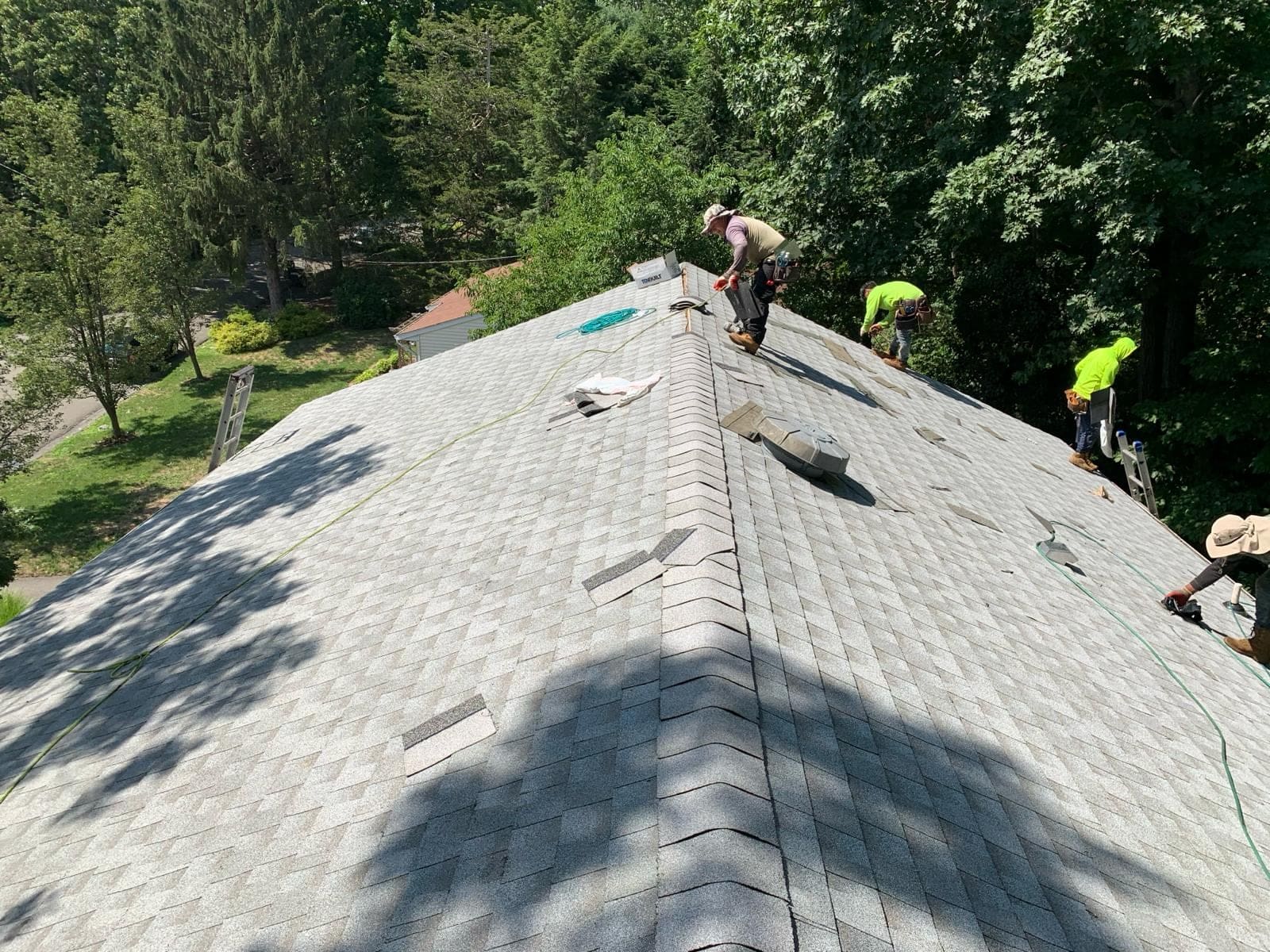
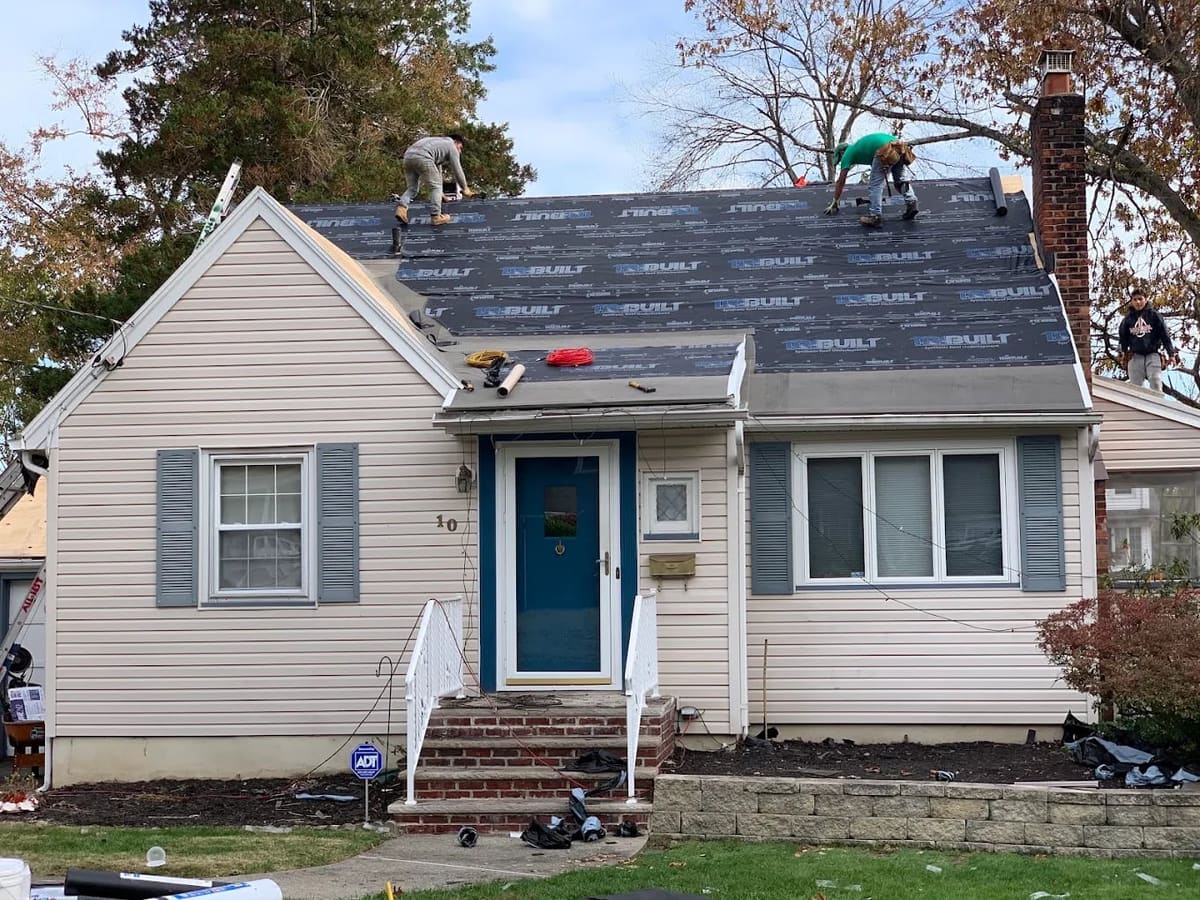
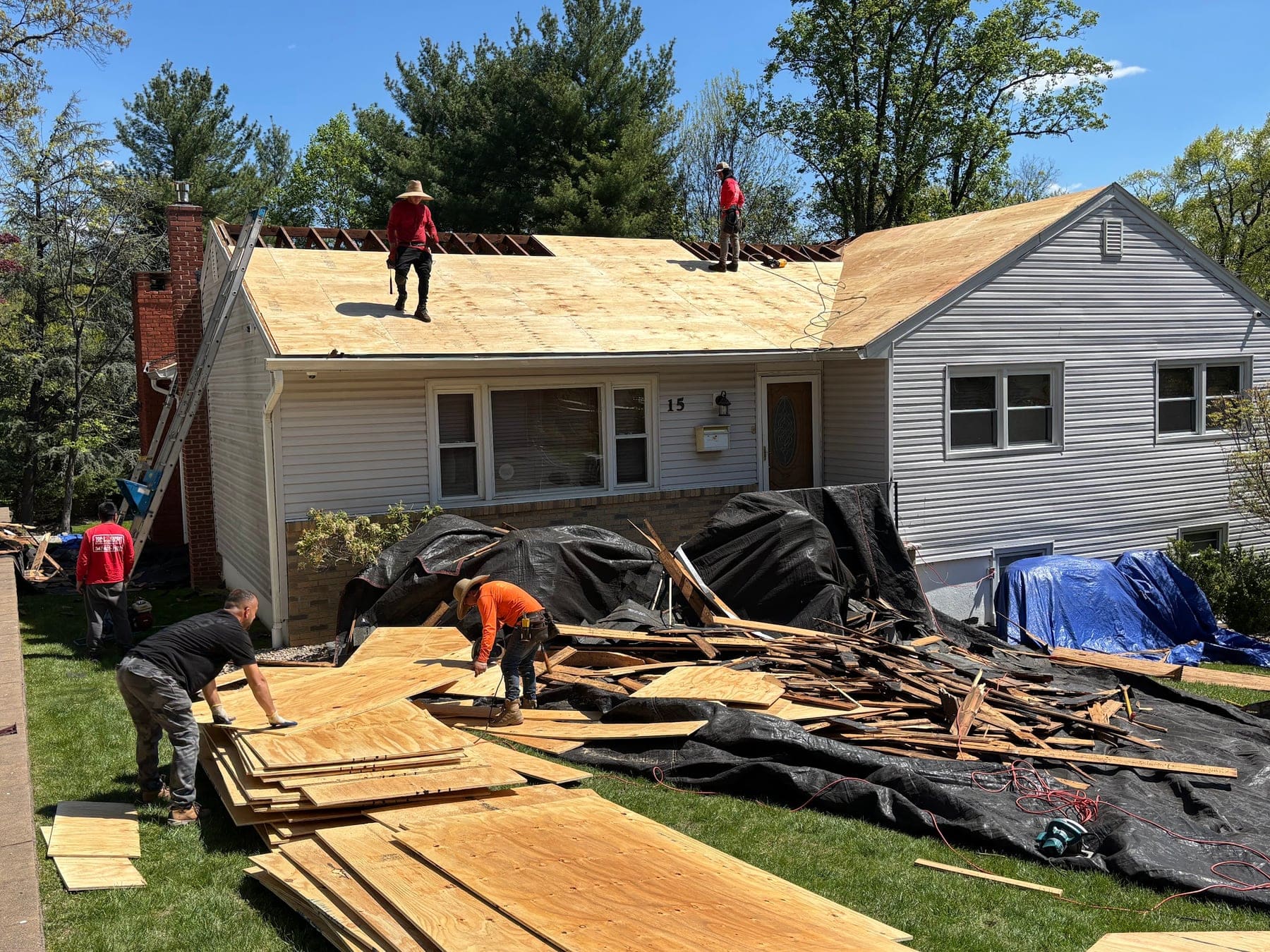
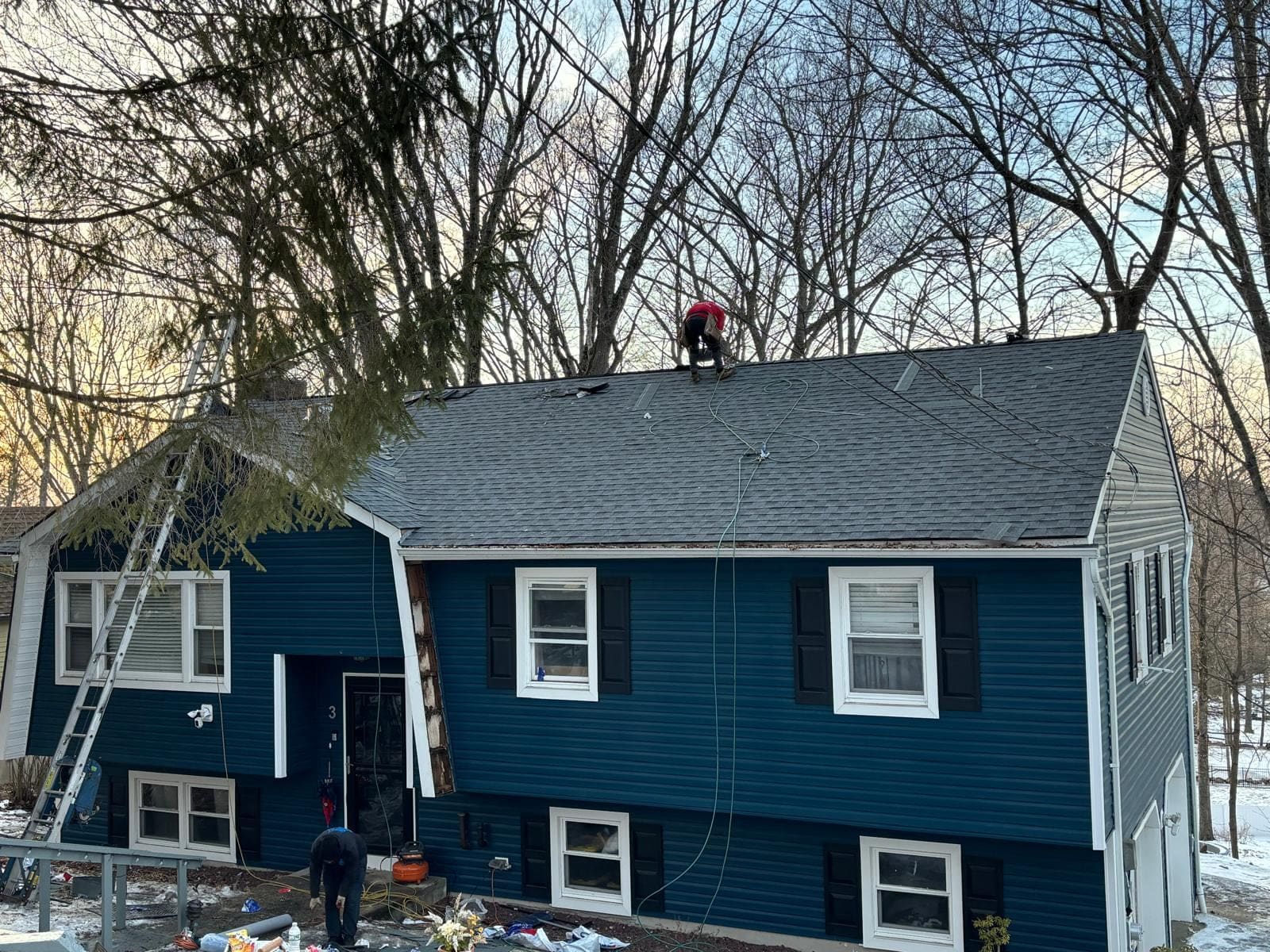
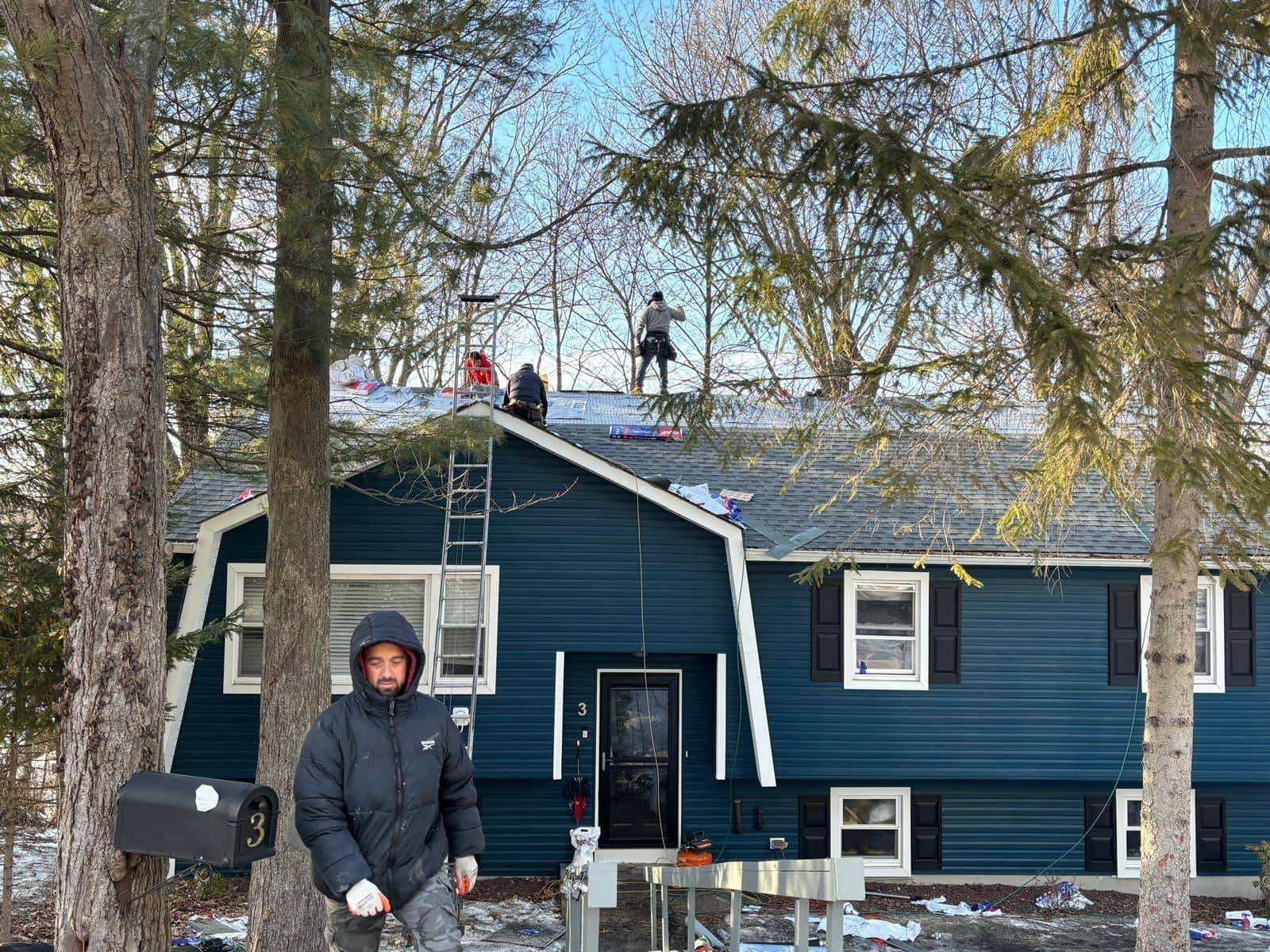
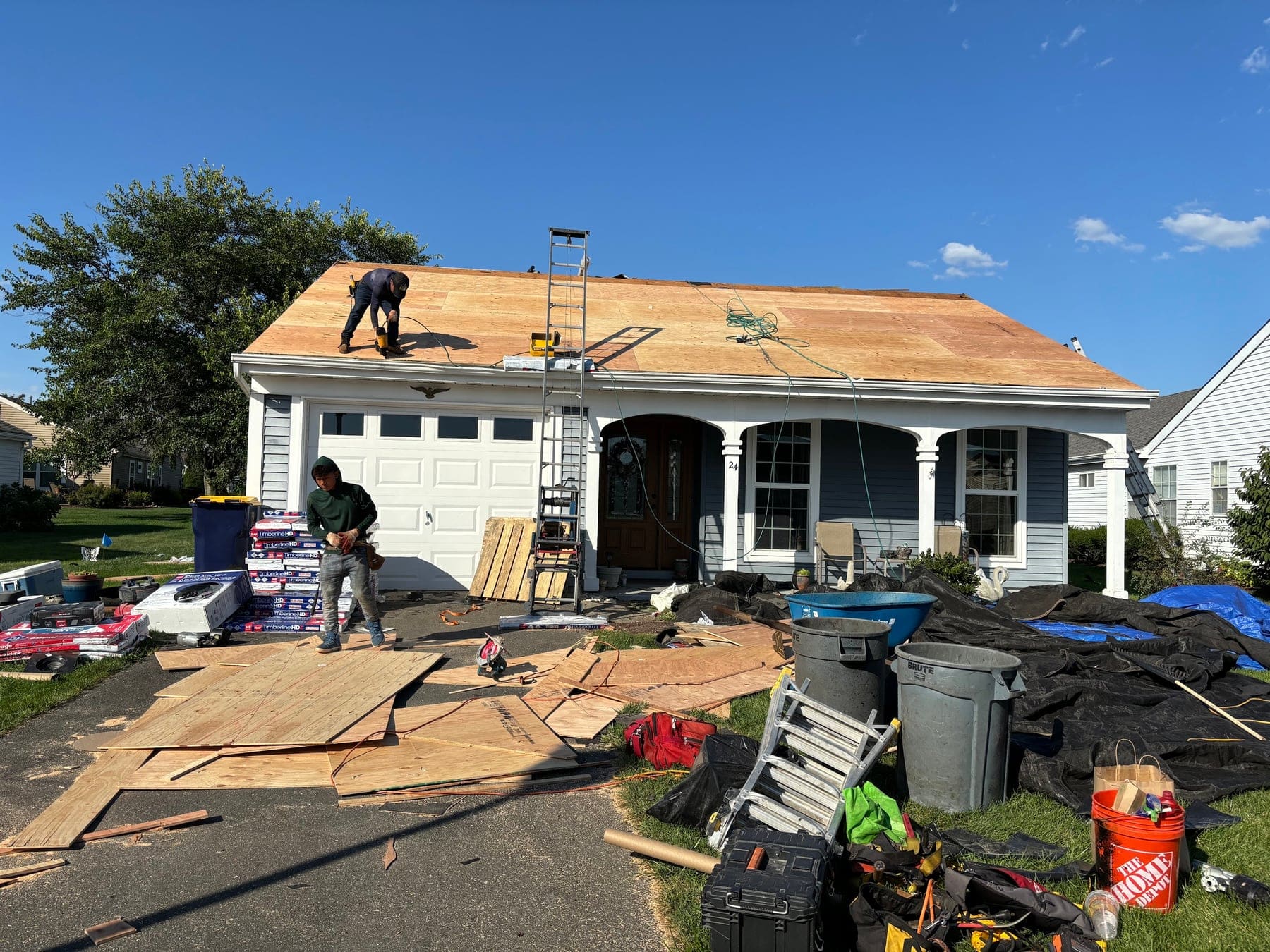
Many West Caldwell homes from the 1950s and 1960s are on roofs that were last replaced a generation ago, and some still carry a second layer installed over the first. Replacement is the point to strip everything off, repair the deck, add ice and water protection along the eaves and correct the low-slope sections that have leaked for years.
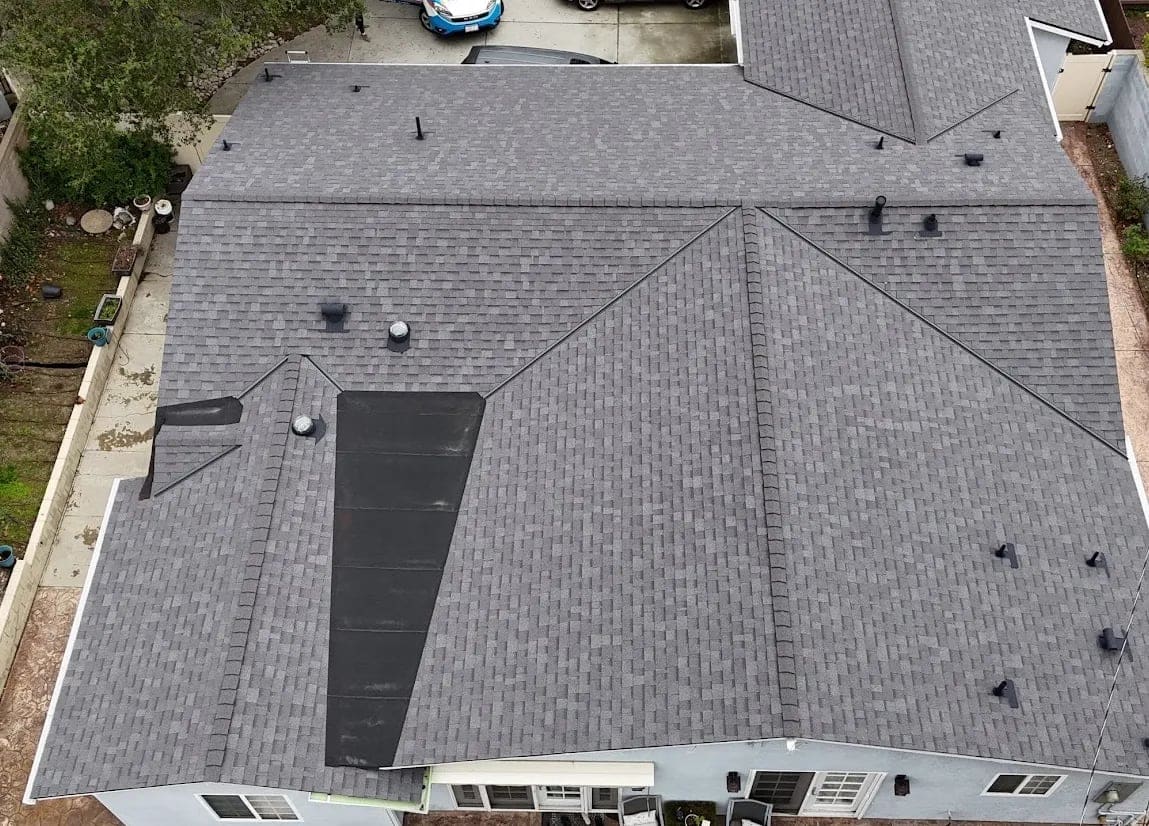
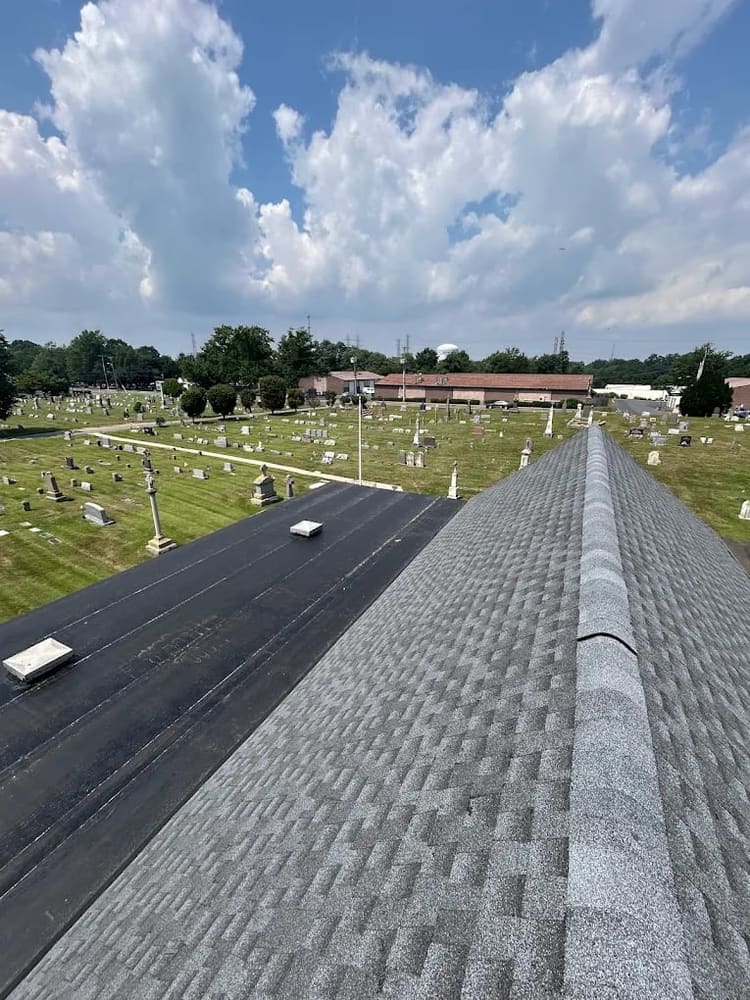
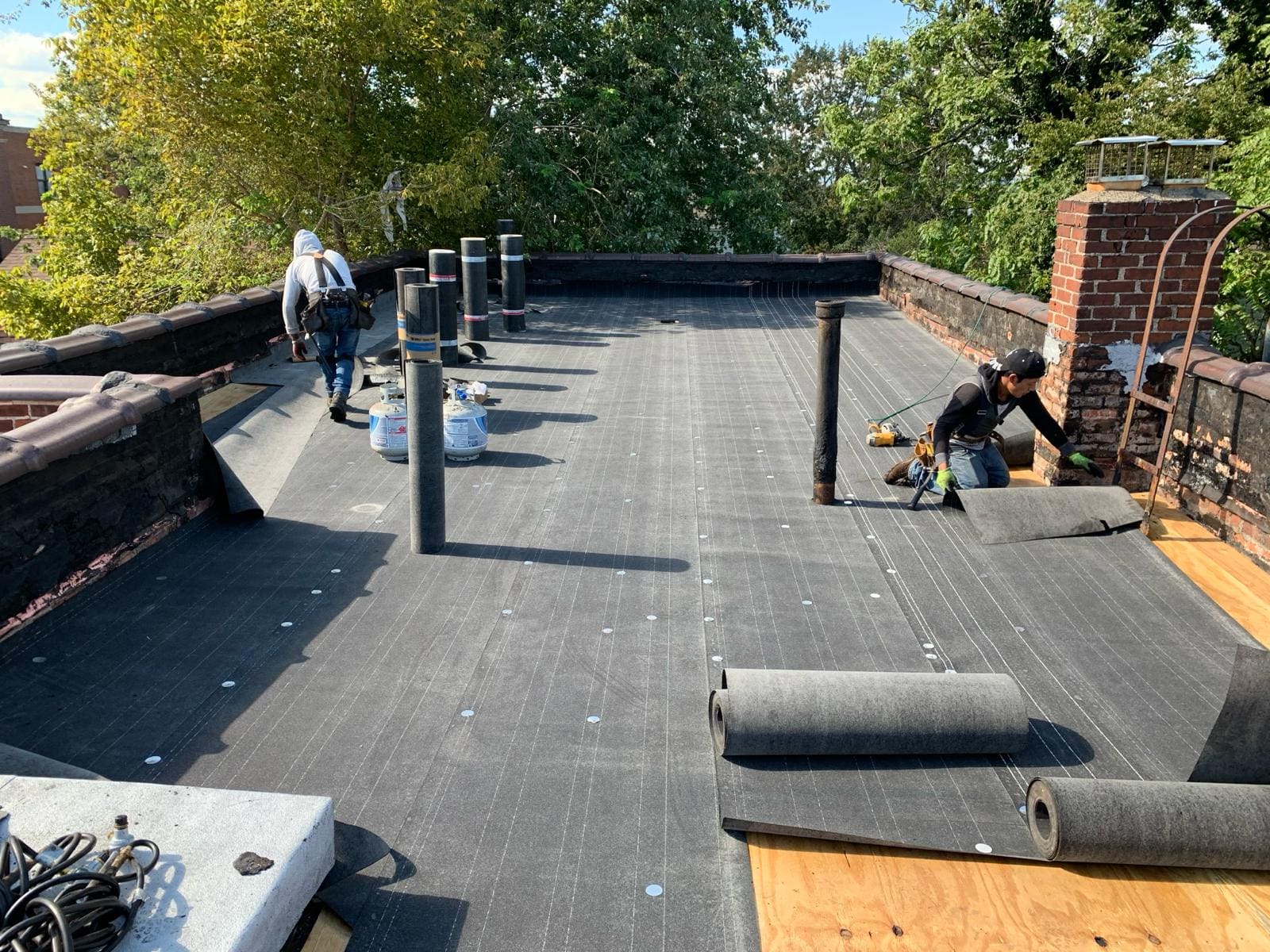
We install architectural asphalt shingles on sloped roofs and single-ply membrane on flat and low-slope roofs, including garages, additions and the township's commercial and industrial buildings. Every replacement includes full tear-off, deck repair, new flashing at walls and chimneys, and a ventilation plan suited to the house.
For industrial and office buildings, replacement is planned around operations. Large roofs are done in sections so the building stays watertight, and drainage, equipment curbs, skylights and roof hatches are addressed as part of the scope rather than left for later.
West Caldwell housing
West Caldwell's homes are dominated by 1950s and 1960s ranches, split-levels, capes and colonials, many now on their second or third roof, with some newer homes and large additions mixed in. A single brick chimney serving a fireplace and the furnace is typical, often with two flues in one stack. The township's light industrial and office buildings are low, wide structures with flat membrane or built-up roofs, rooftop units and skylights, and some have metal roofs.
Weather & exposure
West Caldwell is relatively level, so wind exposure is moderate, but mature trees on most residential streets shade roofs and fill gutters and valleys with leaves. Long ranch eaves with shallow attics are prone to ice dams in cold stretches. On the industrial side, large flat roofs collect windblown debris at drains and scuppers, and heavy summer rain tests drainage that may already be marginal on wide, nearly level roofs.
When replacement is the right call in West Caldwell
Replacement makes sense when shingles curl or crack, granules collect in gutters or leaks recur in different places. On commercial roofs, a core sample or a few test openings show whether the insulation under the membrane is wet, which often decides between repair and replacement.
If you are planning chimney work, new gutters or skylight changes, coordinate them with the roof replacement so all the flashing is new and the work is done in one mobilization.