Roof Replacement for Montgomery homes and buildings
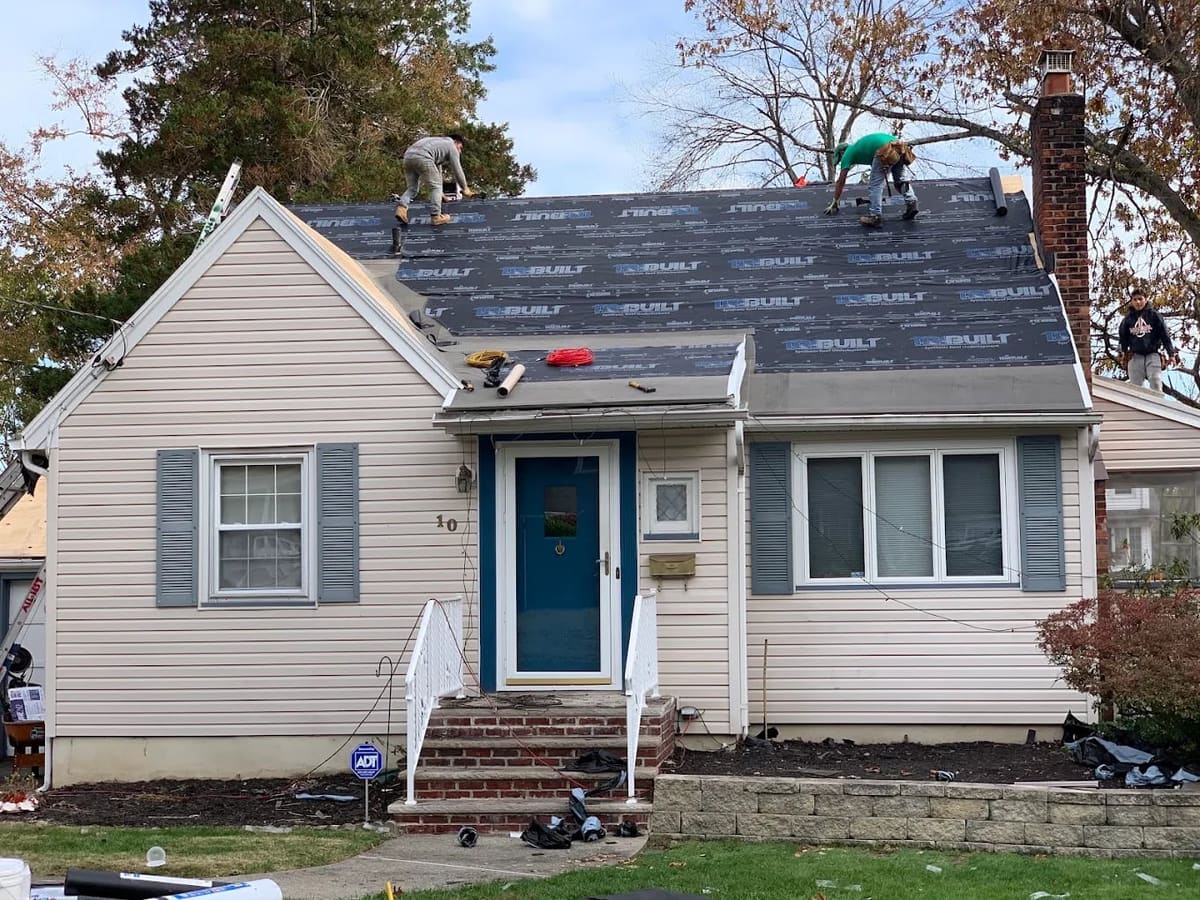
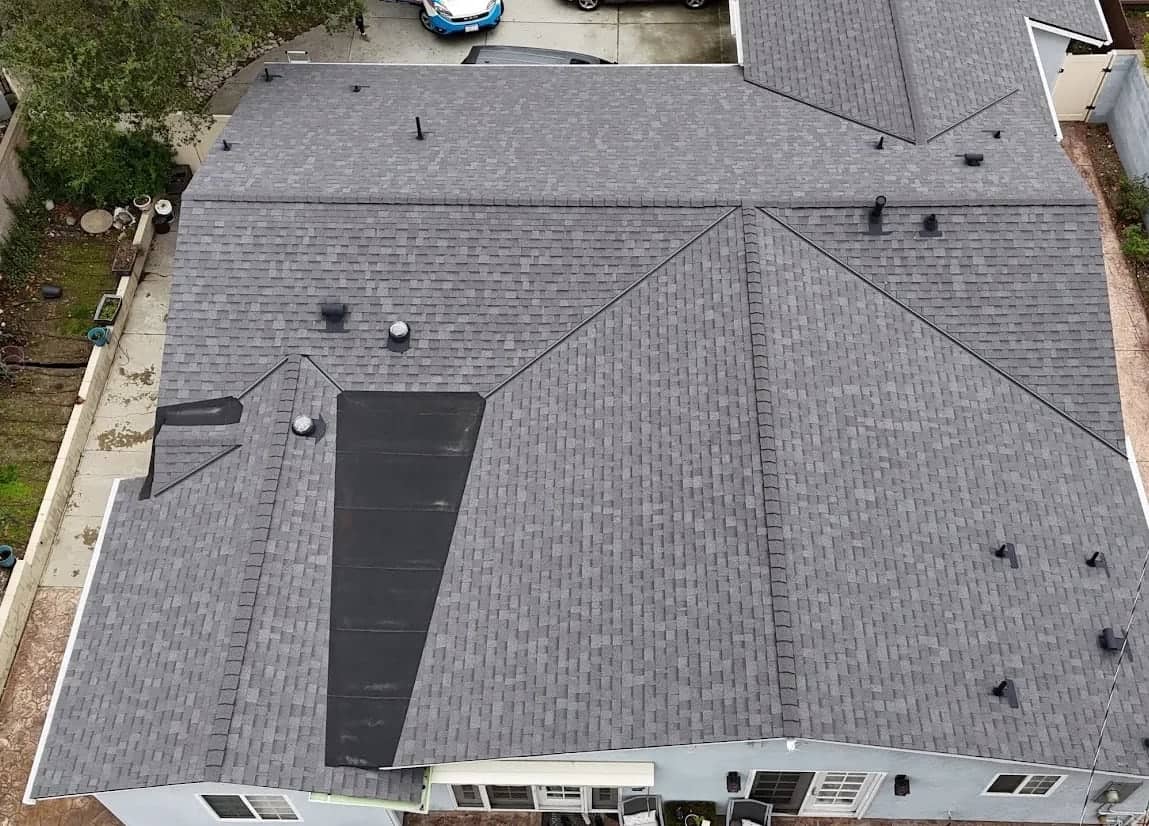
Much of Montgomery's housing went up in the 1980s, 1990s and early 2000s, and many of those original or second roofs are now at the point where repair no longer makes sense. These are often large, complicated roofs, with multiple gables, hips and valleys, skylights and sidewalls, so a replacement is as much a flashing project as a shingle project. Doing it before a failure avoids interior damage to finished ceilings and vaulted rooms.
Asset Roofing & Chimney tailors replacements to the setting. On shaded mountain lots we specify algae-resistant architectural shingles and extended ice-and-water protection where snow lingers; on open lots we focus on high-wind fastening and sealed edges. We also replace flat and low-slope roofs on additions and porches and on commercial buildings along the Route 206 corridor, along with skylights and roof hatches.
Montgomery housing
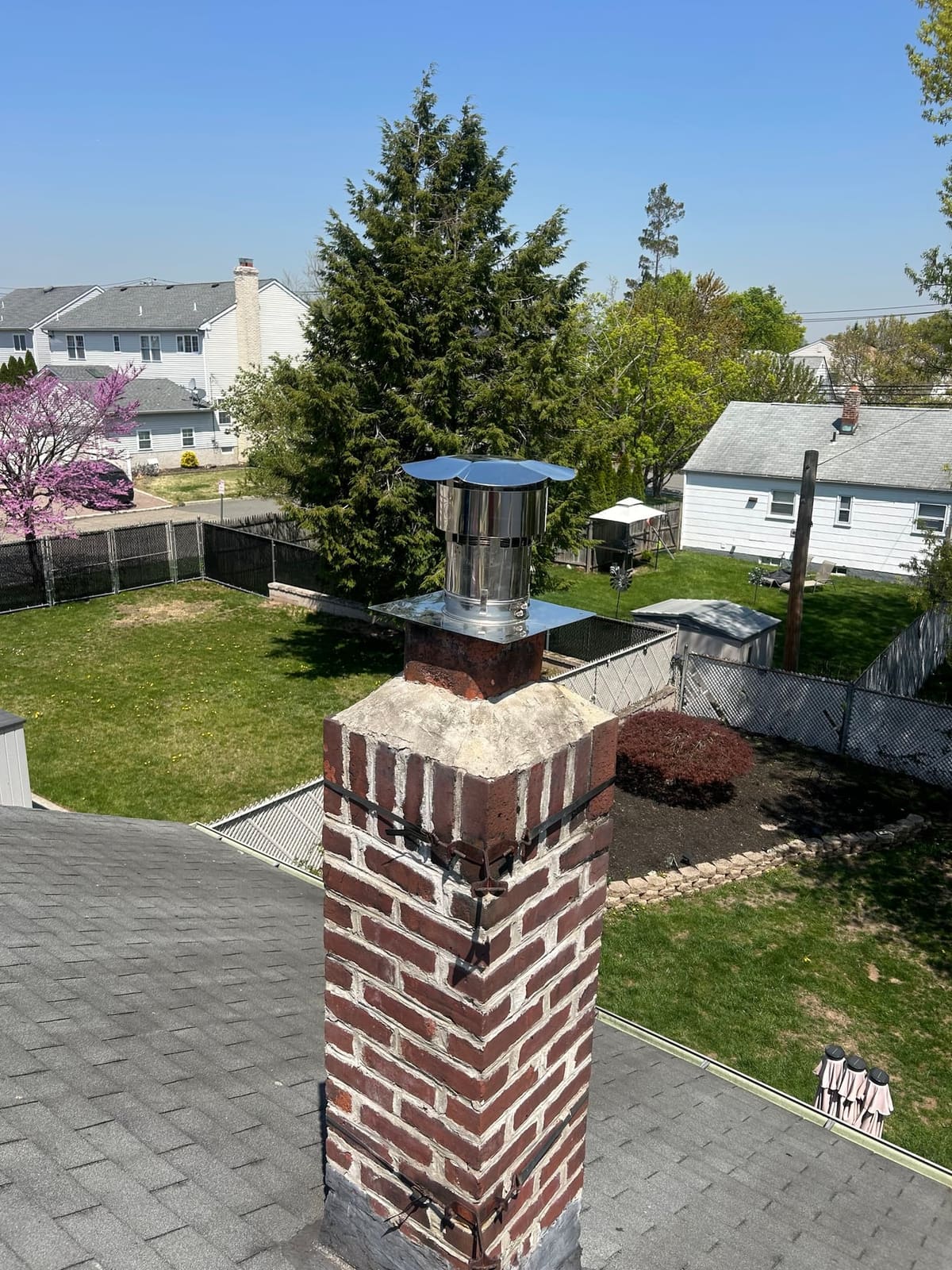
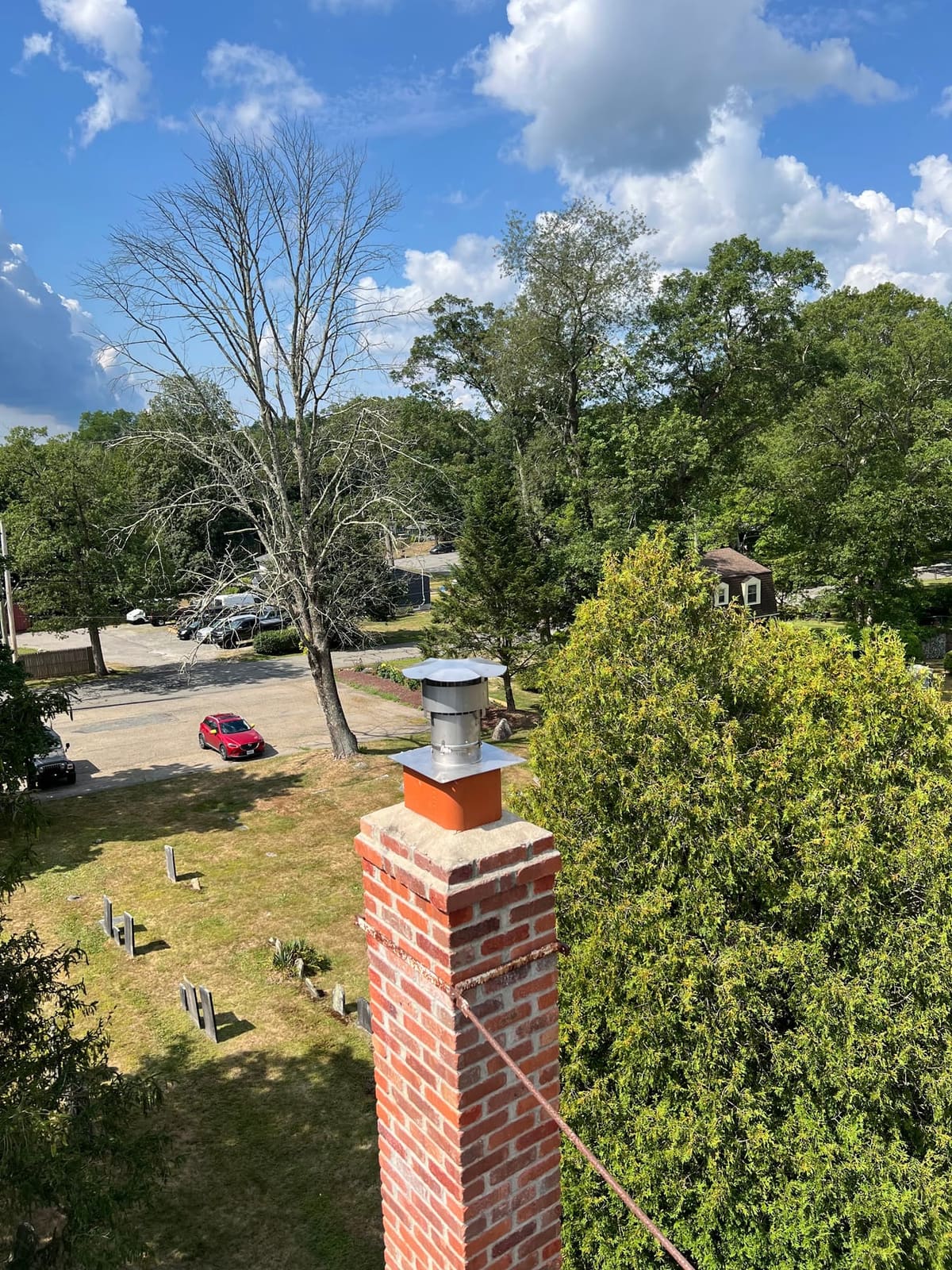
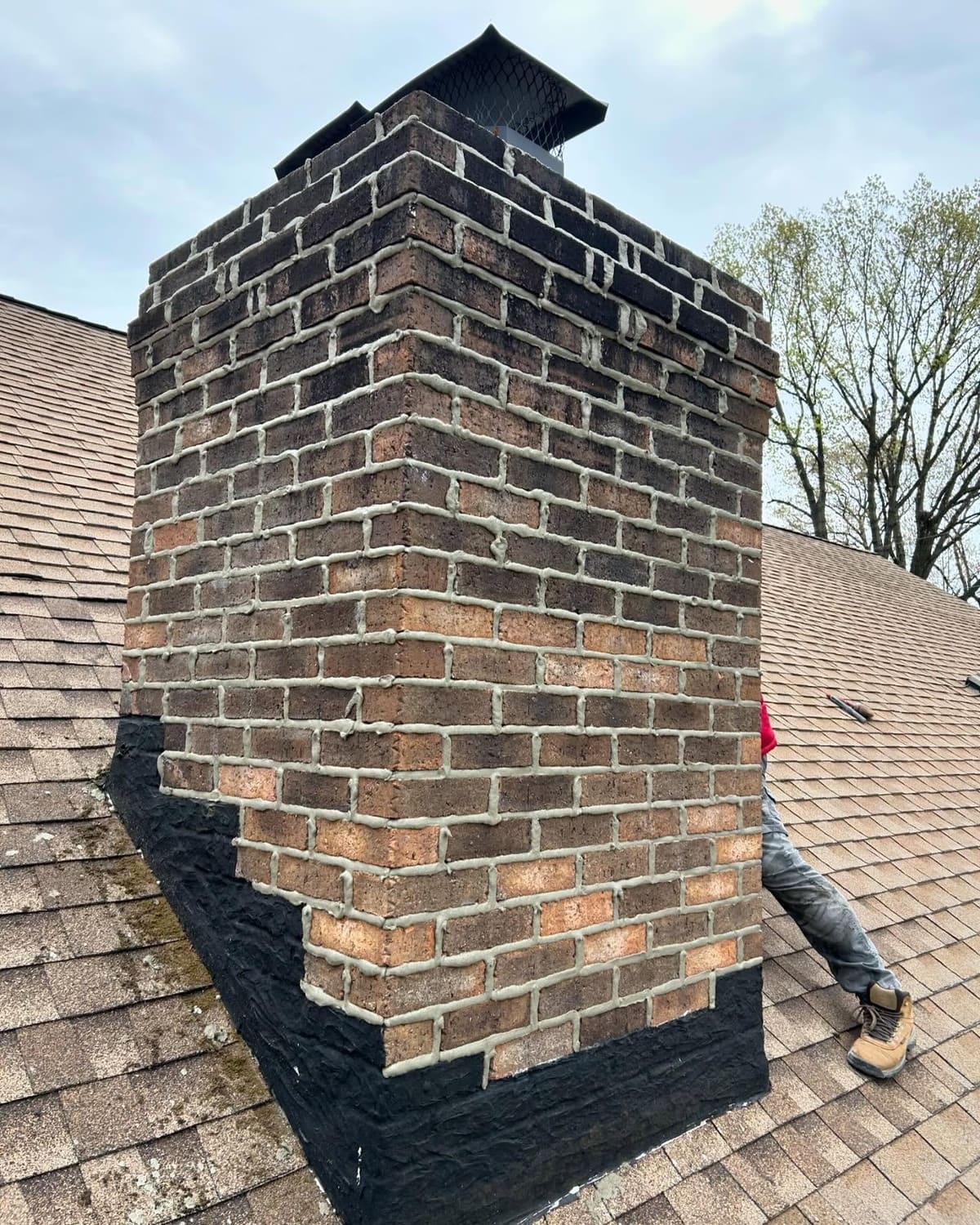
Most of Montgomery's housing is single-family construction from the 1970s through the 2000s: large two-story colonials and contemporary homes in planned developments, many with multiple gables, skylights, attached garages and either a masonry or prefabricated fireplace, along with townhouse communities. Farmhouses and barns from the township's agricultural past remain along the older roads, and the Sourland Mountain side has larger homes on wooded acreage. Asphalt shingle is the dominant roof covering, with some slate, cedar and metal on older houses and outbuildings.
Weather & exposure
Montgomery has two distinct exposures. On the Sourland Mountain, dense forest drops limbs and debris, keeps roofs shaded and damp, and holds snow on north slopes well after it has melted elsewhere. On the open former farmland in the center and east of the township, roofs take sustained wind with little to break it. Ground near the Millstone River is lower and more humid. Winters bring regular freeze-thaw cycles, and summer thunderstorms bring downpours and occasional hail.
When replacement is the right call in Montgomery
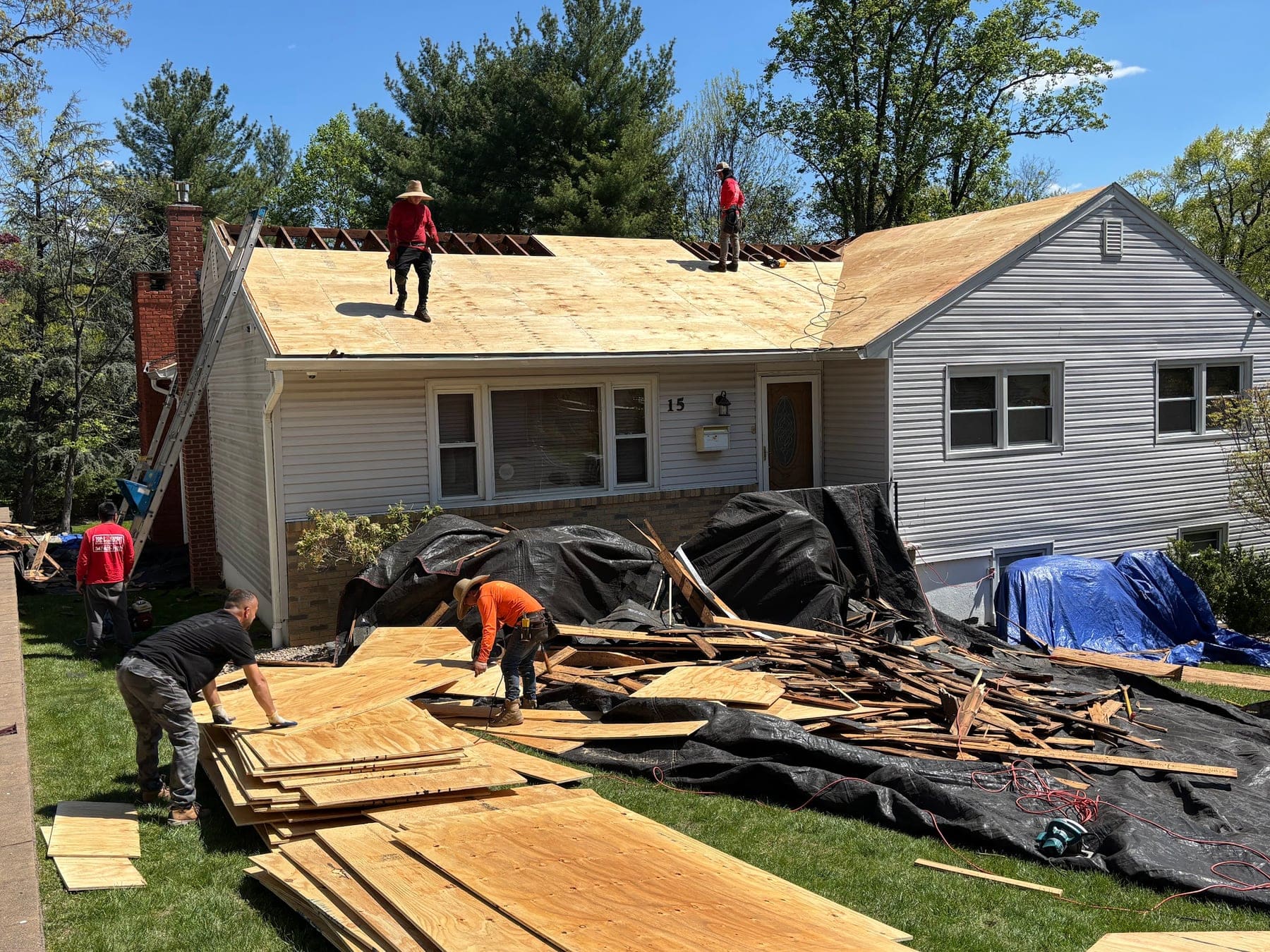
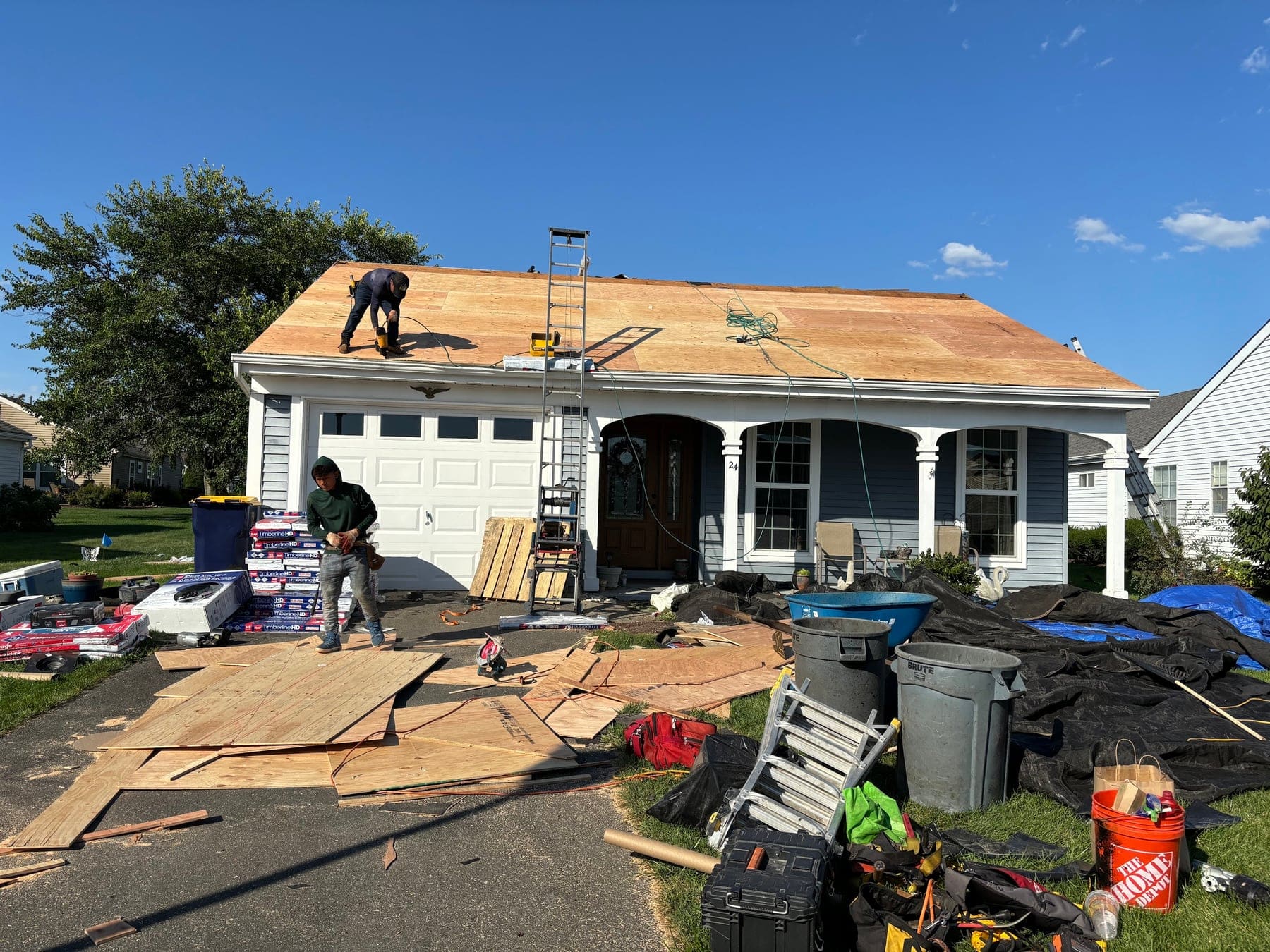
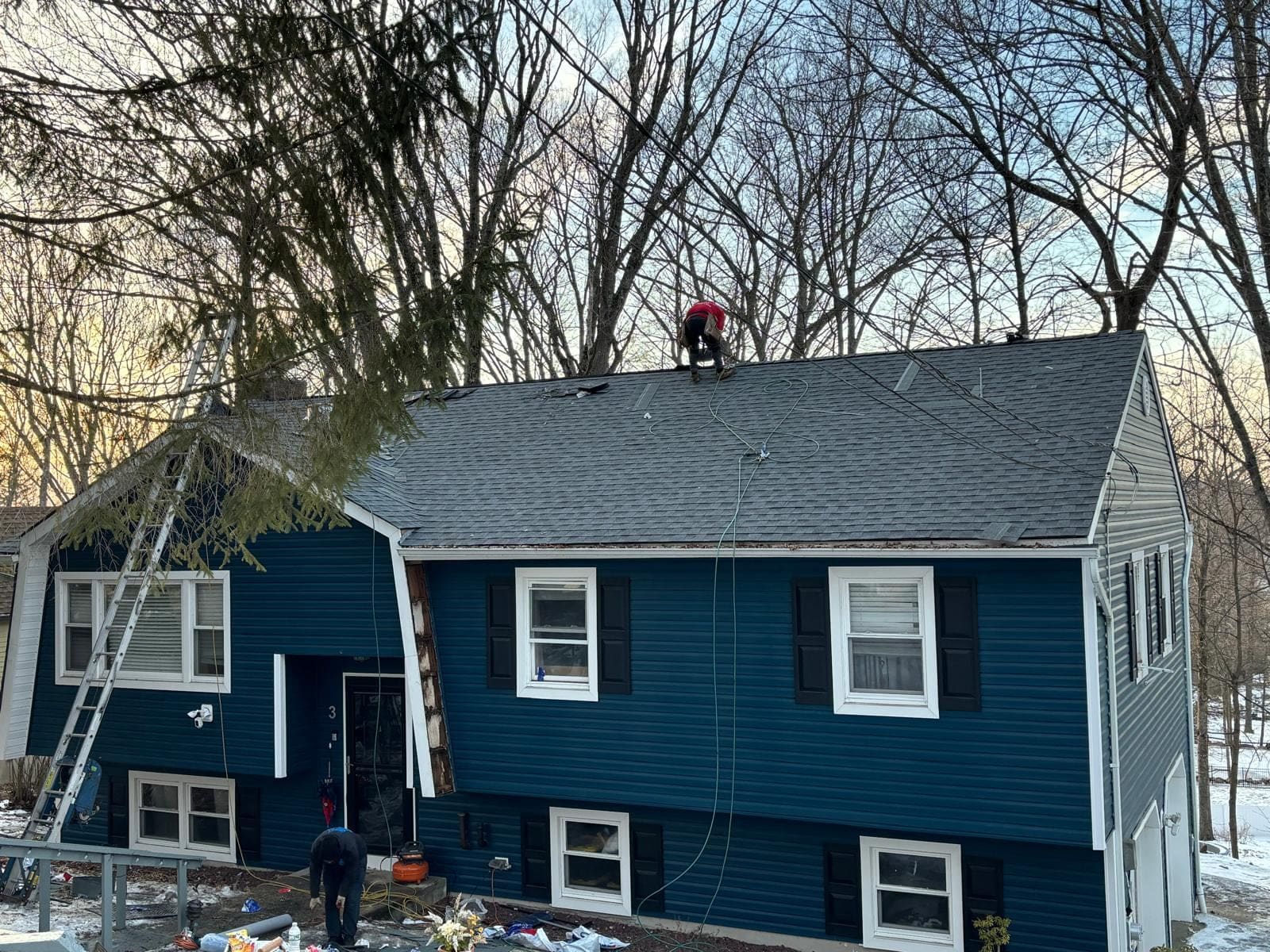
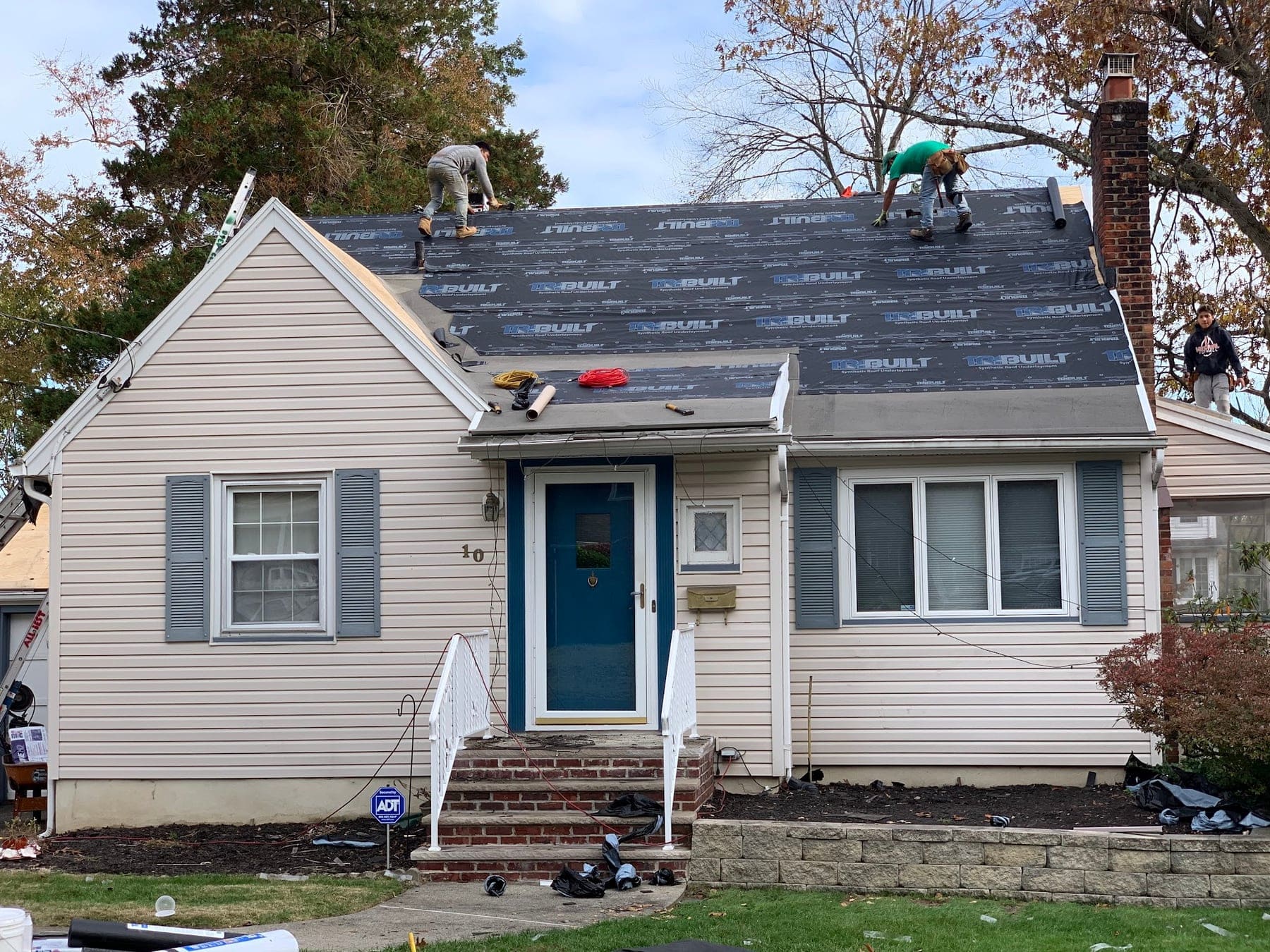
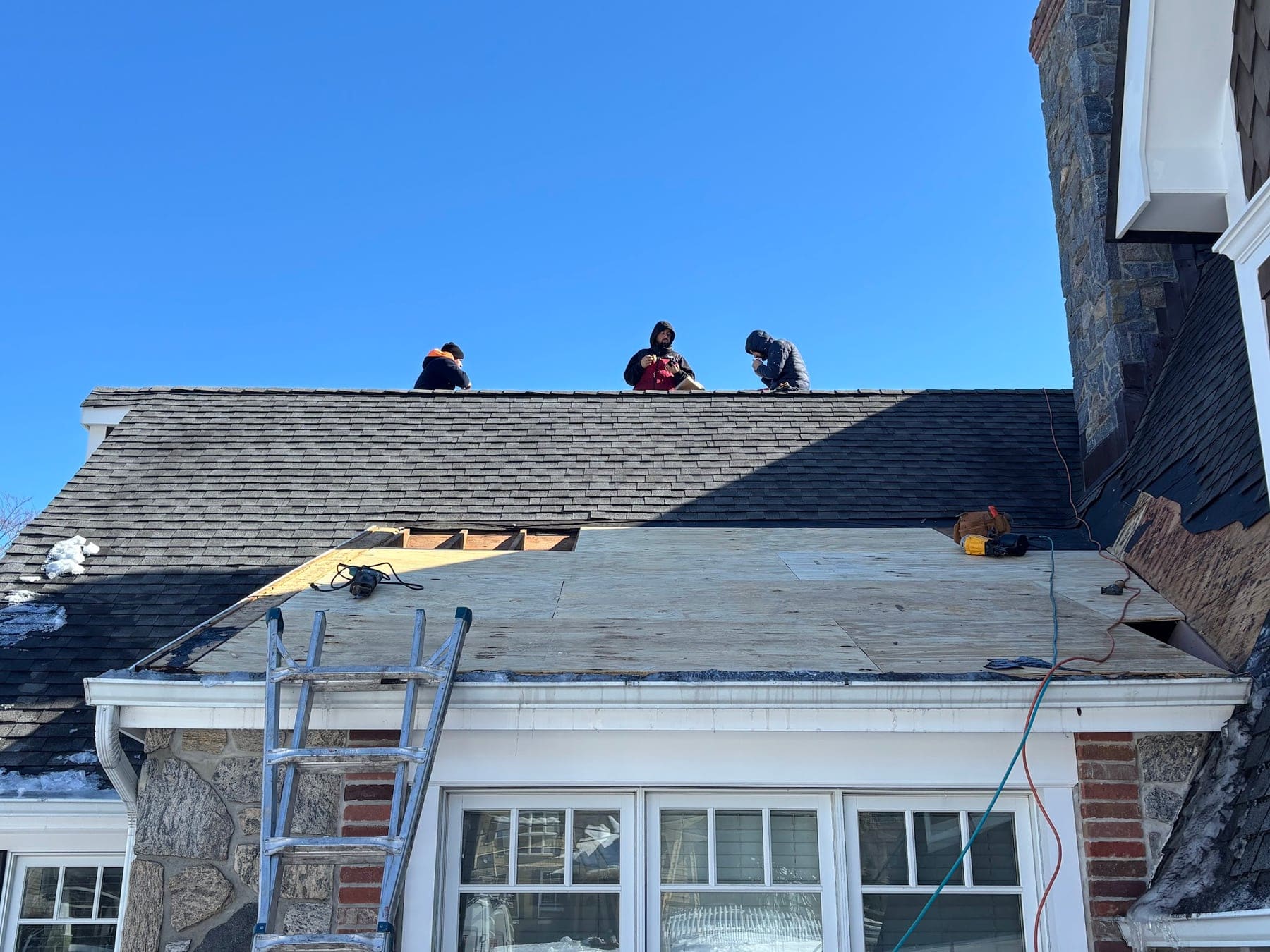
Replacement makes sense when shingles are curling, brittle or shedding granules across the roof, when leaks appear in several places, or when storm damage is too widespread to repair. On a large Montgomery home the work takes several days: tear-off to the deck, sheathing repair, ice-and-water protection at eaves, valleys and walls, synthetic underlayment, new step and counter-flashing, new skylight flashing or units, architectural shingles and ridge ventilation.
On wooded properties we plan access and debris protection around mature trees and landscaping. On commercial roofs we test for wet insulation and evaluate drainage before recommending a membrane system, and we sequence the work so the building is watertight at the end of each day.