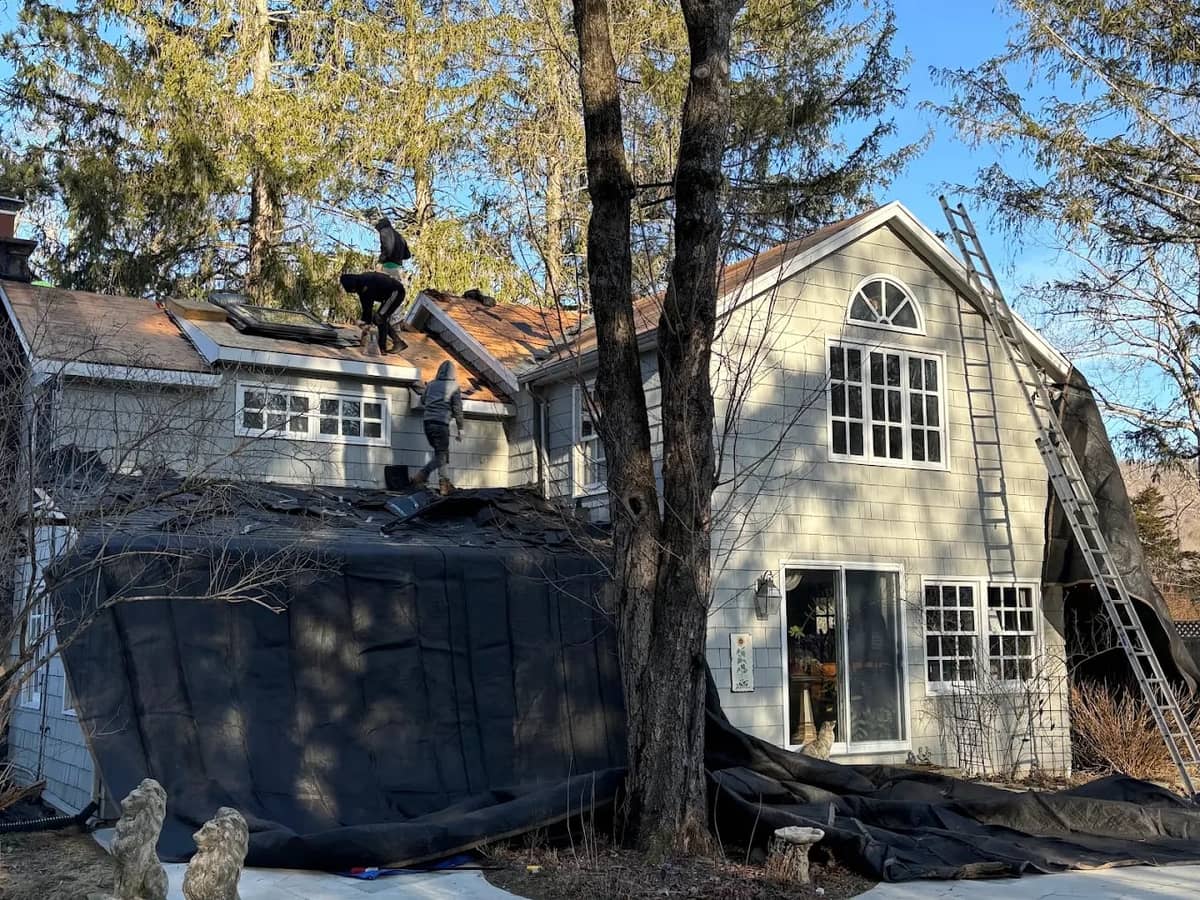
Roof Repair for Cranford homes and buildings
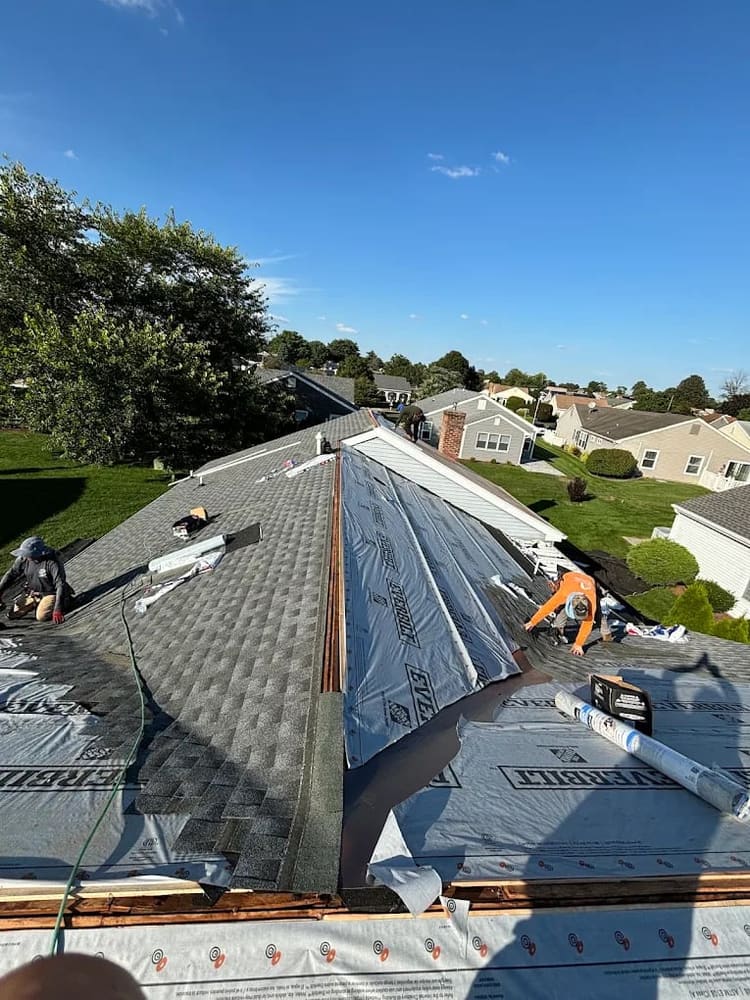
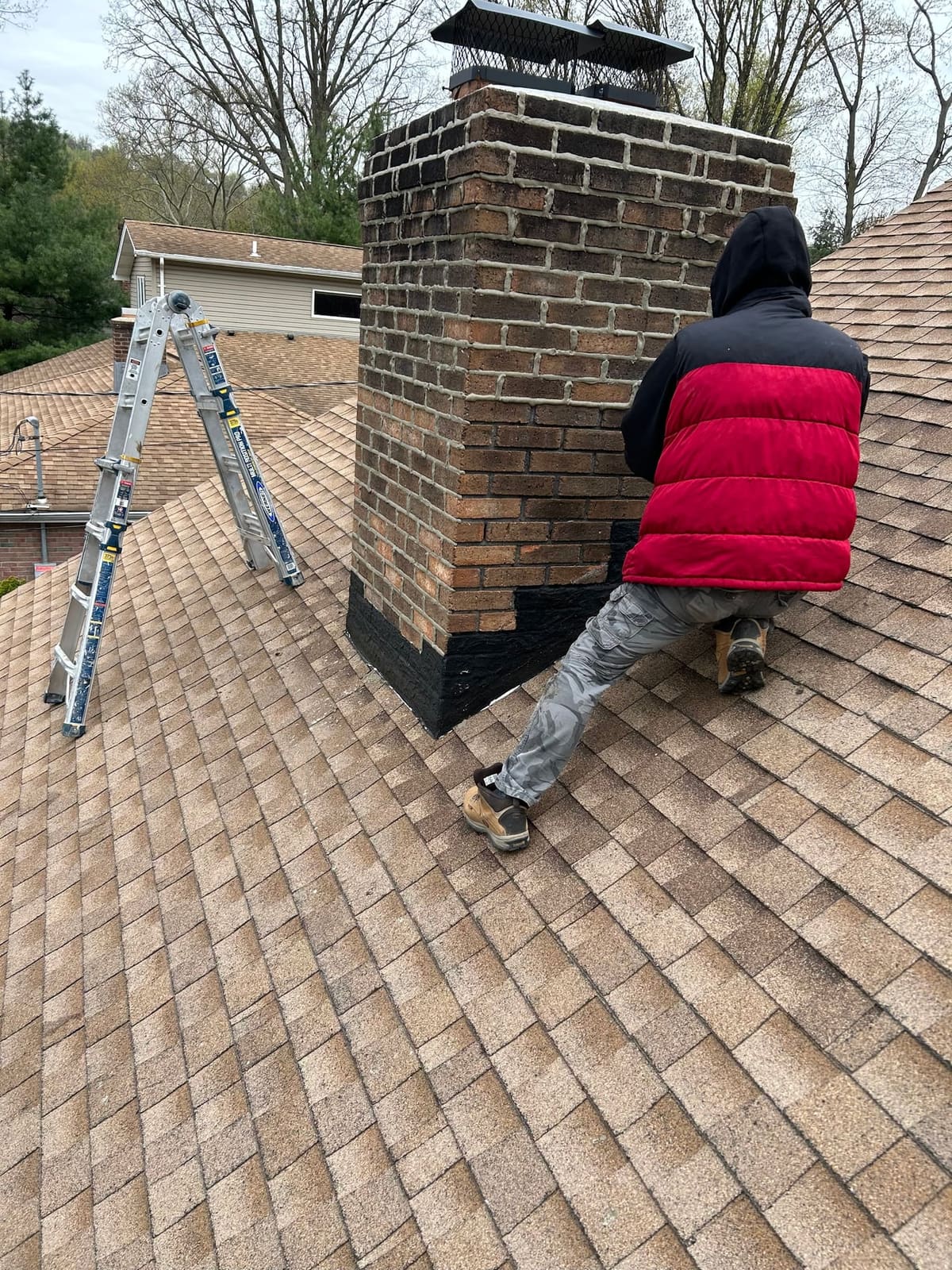
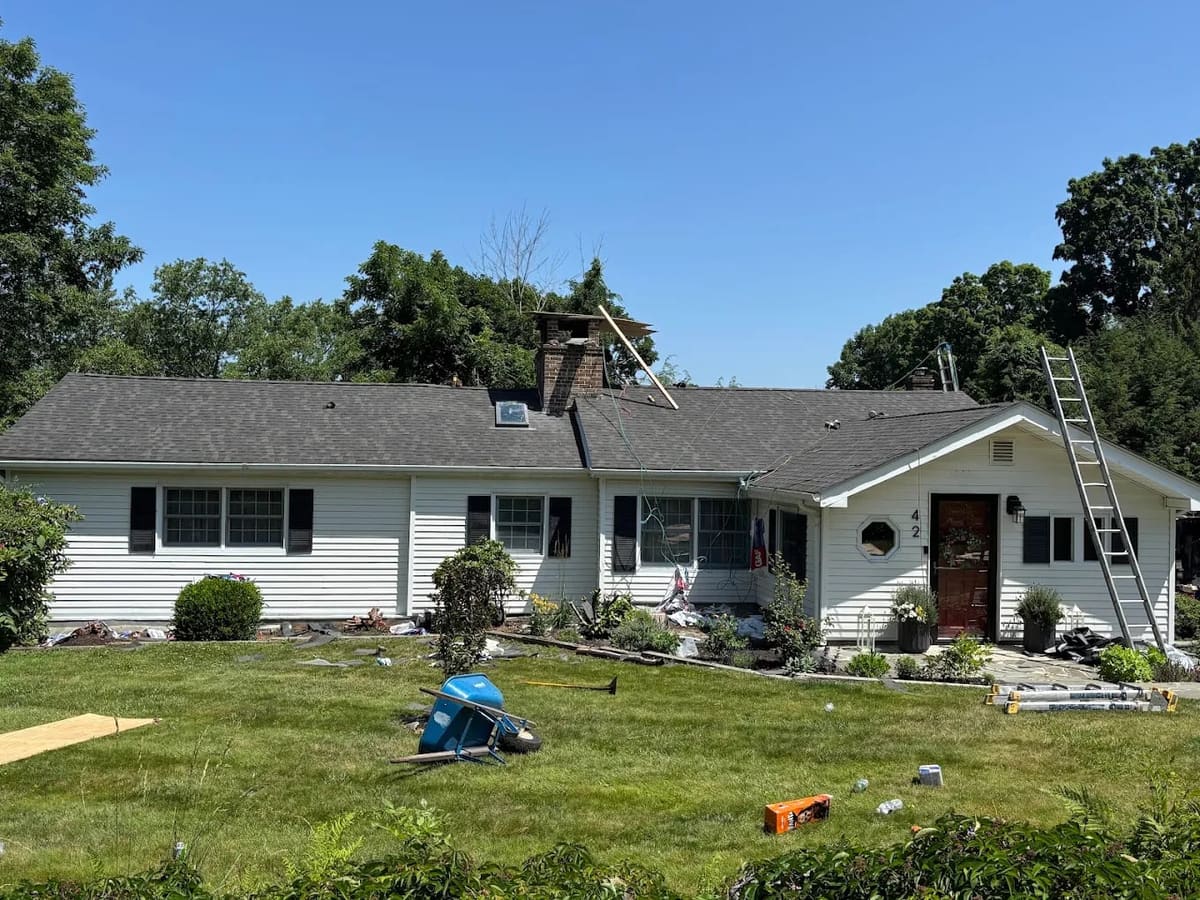
Roof repair in Cranford mostly means older homes with shingle roofs that have been replaced more than once, where the weak points are the details: chimney flashing troweled with roof cement, dormer sidewalls with worn step flashing, rusted valley metal on Dutch colonial gambrels and low-slope porch roofs that were shingled when they should not have been.
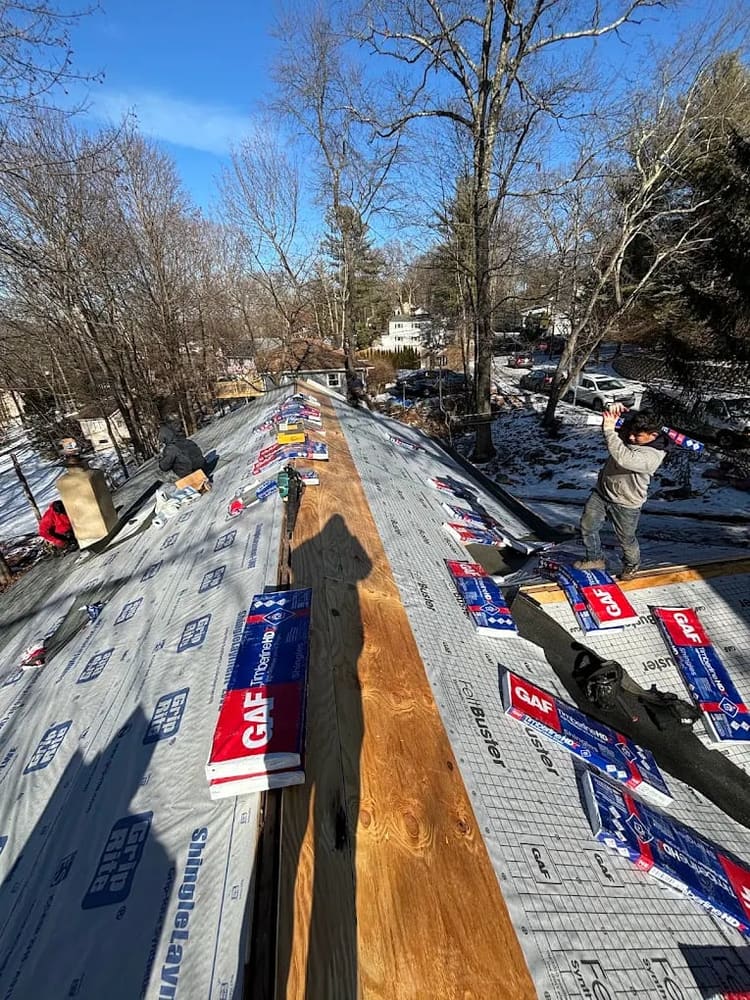
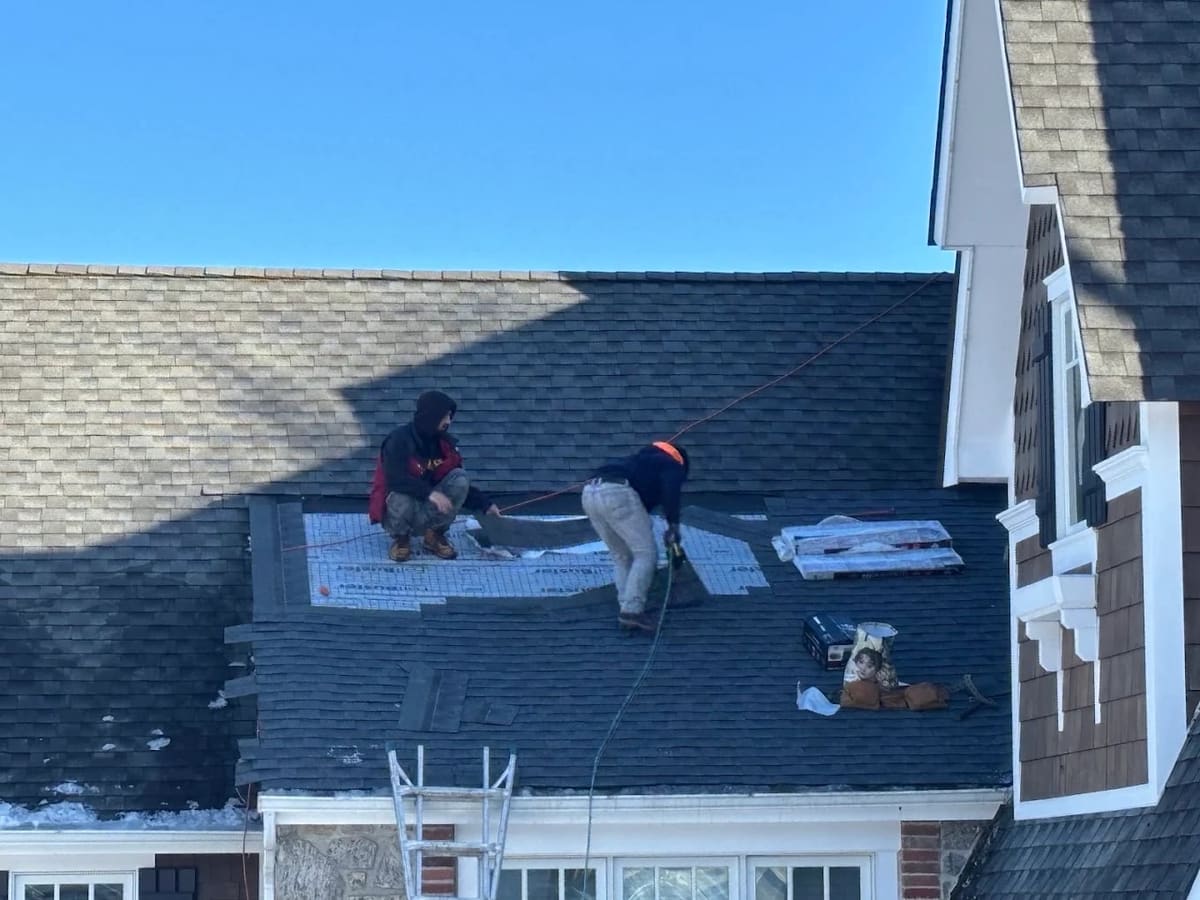
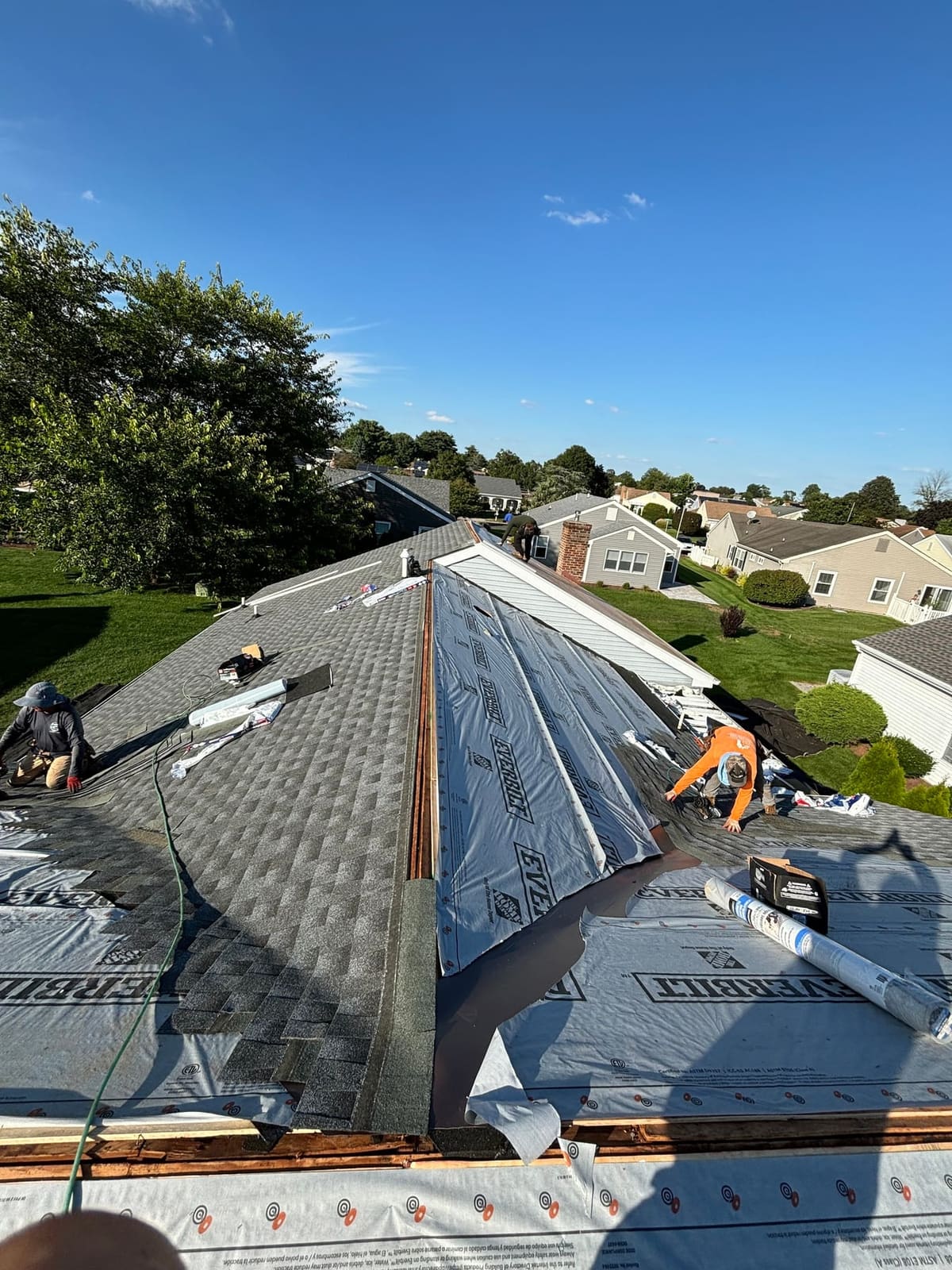
We repair asphalt shingle roofs, flat roofs on porches, additions and downtown buildings, and the flashing at chimneys, dormers and walls. On Cranford's bungalows, the wide, low-pitched roofs with broad overhangs have their own issues, including ice dam damage at the eaves and leaks where porch roofs meet the main structure.
We inspect the entire roof and trace leaks from the attic where there is access, then show you photos of the source. Under Cranford's tree canopy, debris in valleys and gutters is often a contributing factor, and we clear it as part of the repair.
Cranford housing
Cranford's housing stock is largely 1900s to 1950s colonials, capes, bungalows and Dutch colonials on modest lots, with two-families near downtown and ranches and splits in the post-war sections. Asphalt shingle roofs predominate, many on their third or fourth covering over plank decking. Brick chimneys from the coal and oil era are nearly universal. Downtown buildings and rear additions carry flat and low-slope roofs.
Weather & exposure
Cranford is low and flat with a heavy mature tree canopy. Shade, debris and moss are constant roof issues, and north-facing eaves form ice dams in cold stretches. Nor'easters bring wind-driven rain that tests old flashing. The Rahway River floods low sections after heavy rain; that affects basements and lower levels rather than roofs, though repeated saturation can deteriorate the base of a chimney.
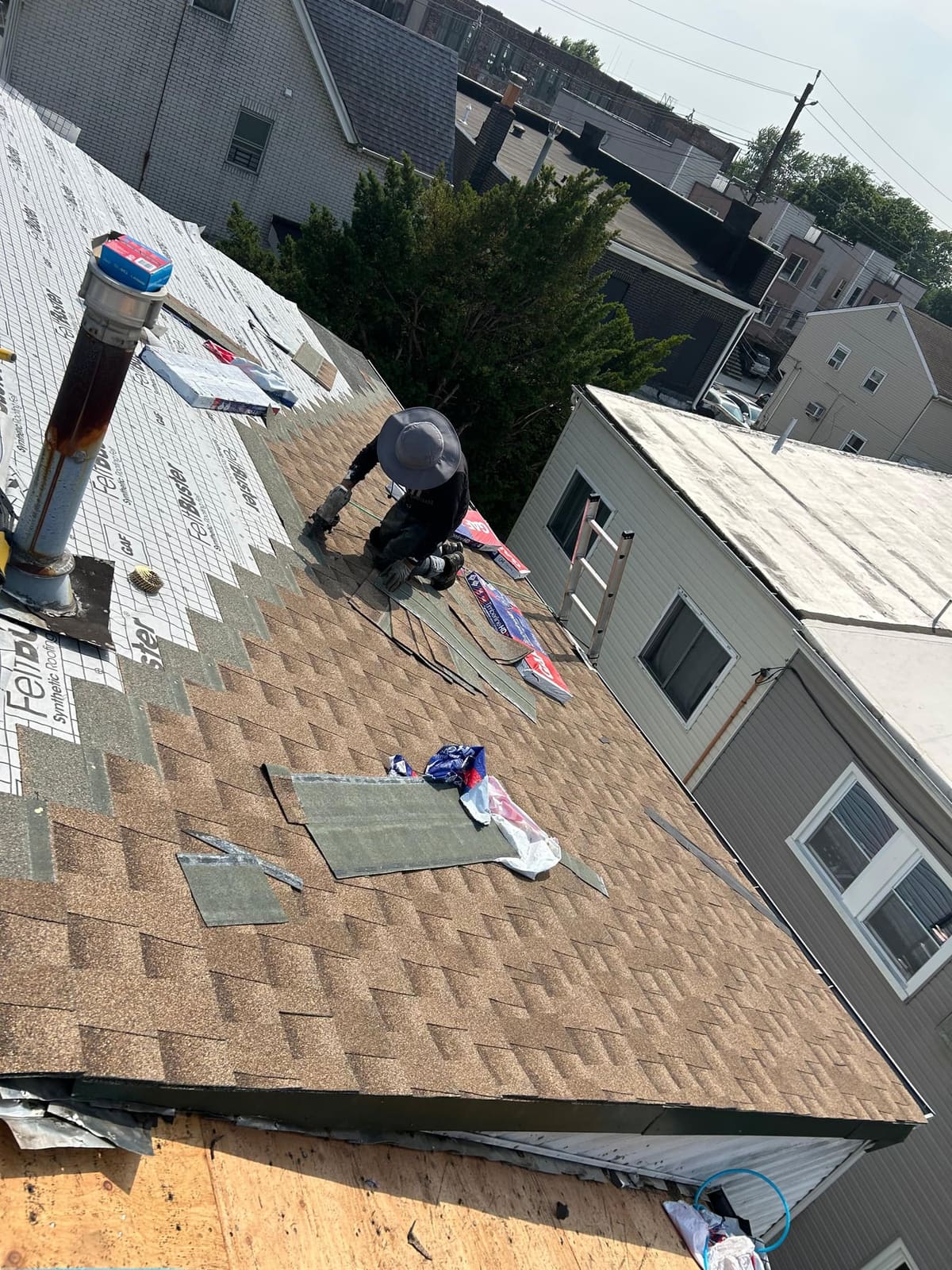
Repair or replace? What we tell Cranford homeowners
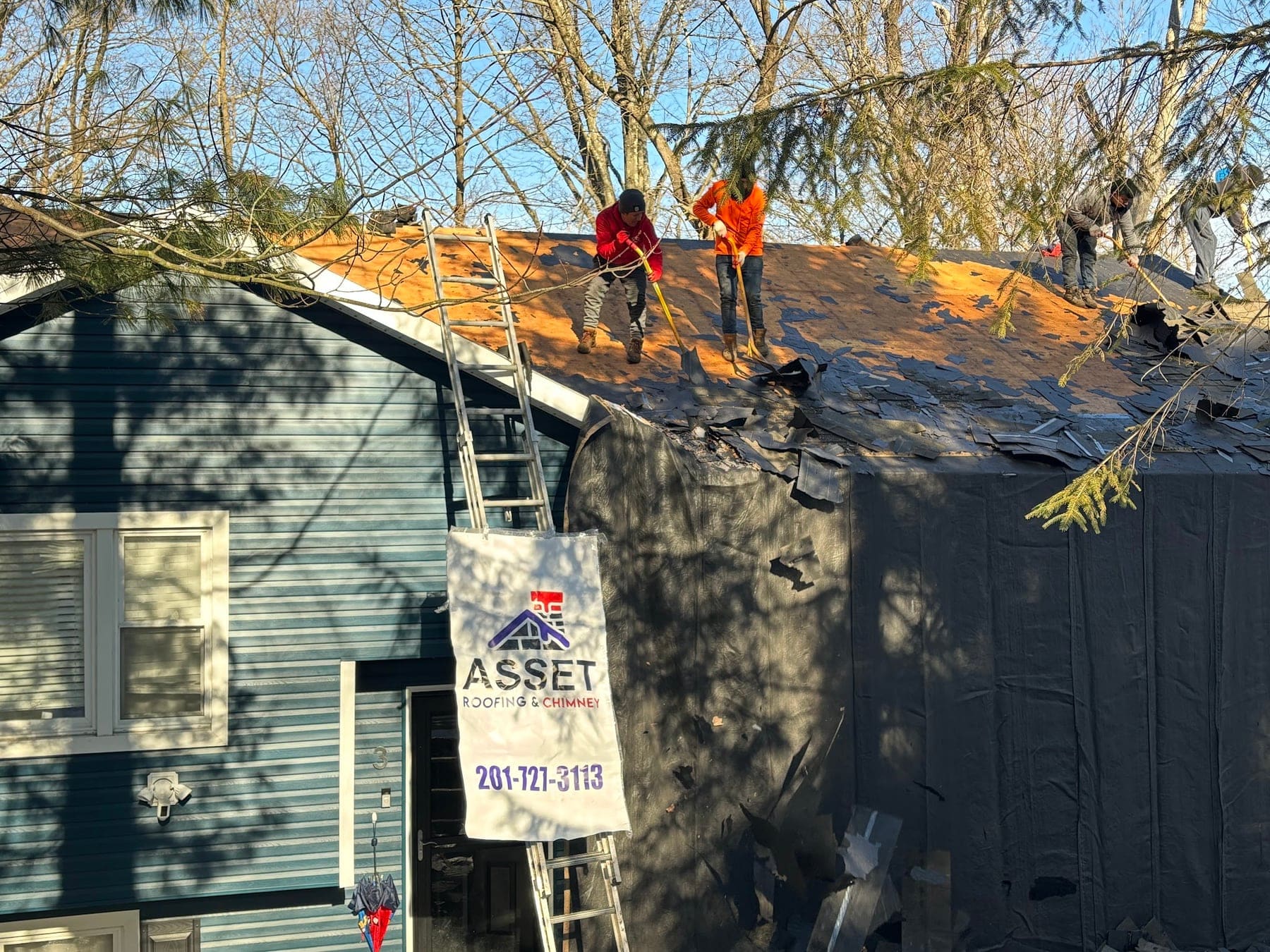
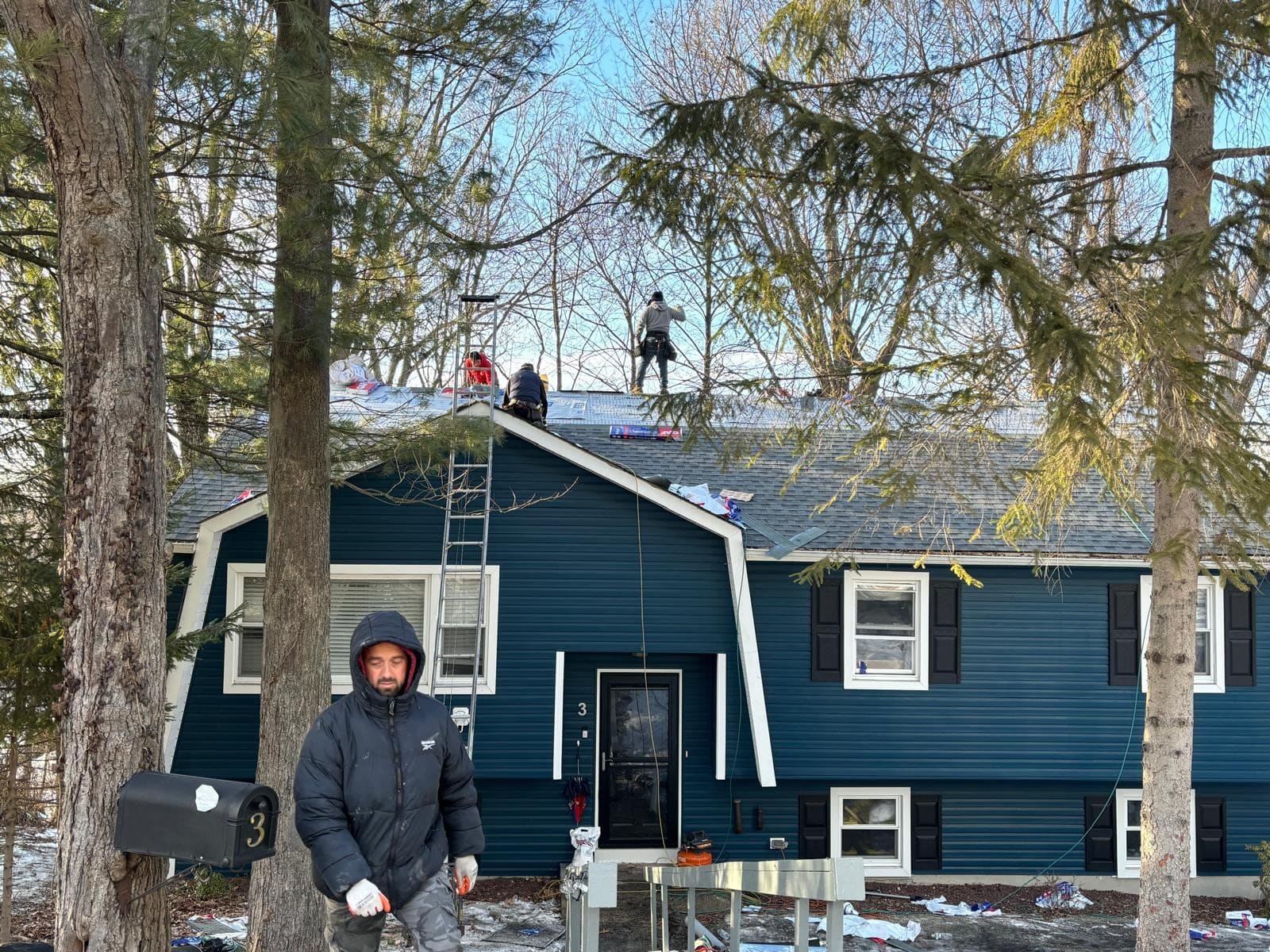
A targeted repair is right when the roof is otherwise sound. Ask for photos of the problem and the fix. If shingles are brittle or balding, the roof has multiple layers or leaks keep appearing in new places, replacement is better value. We give a straight assessment and a free estimate either way.
After a storm, photograph visible damage from the ground before cleanup and call us. We document wind and limb damage with photos and a written assessment to support an insurance claim.