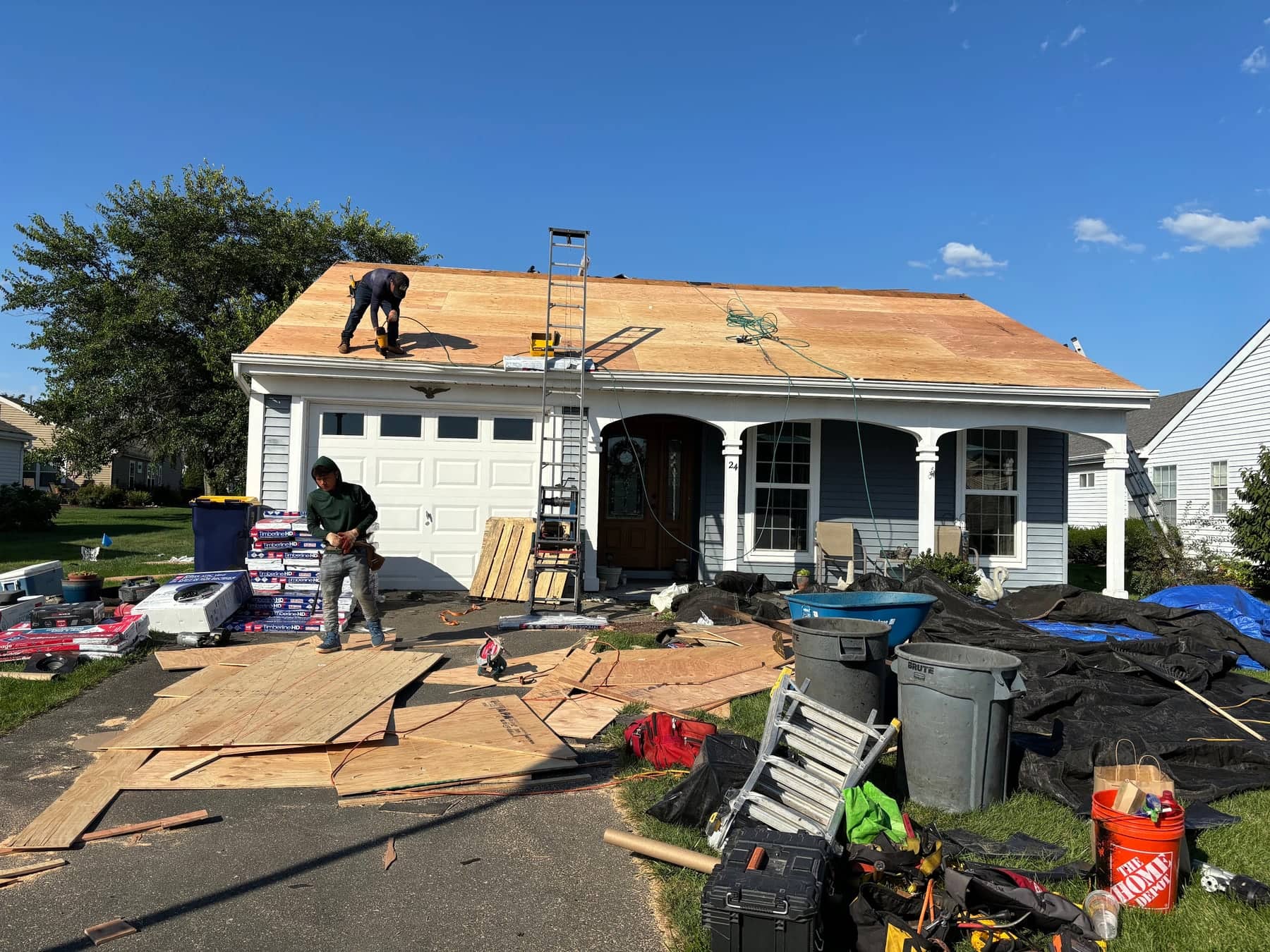
Roof Replacement for Kenilworth homes and buildings
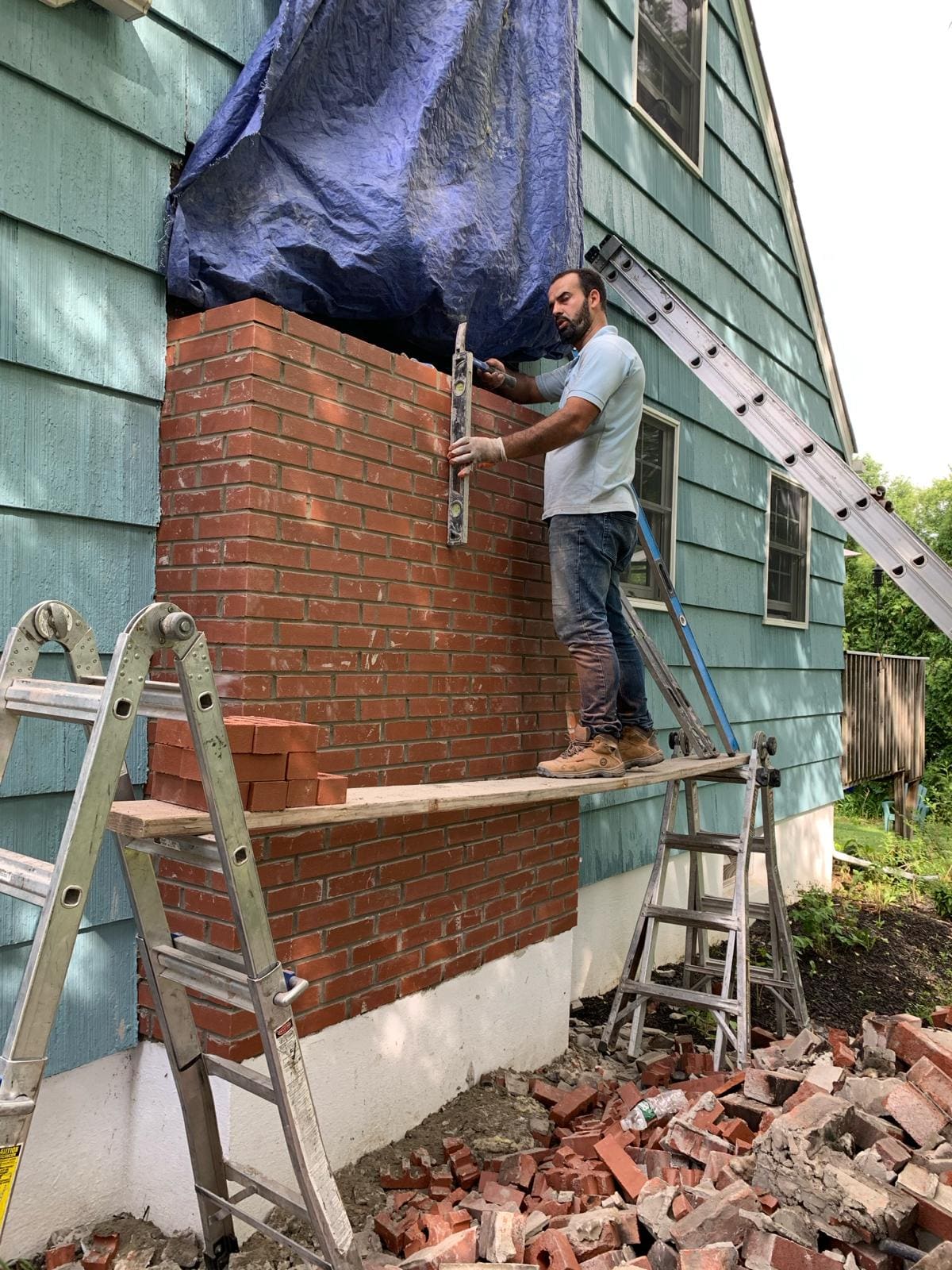
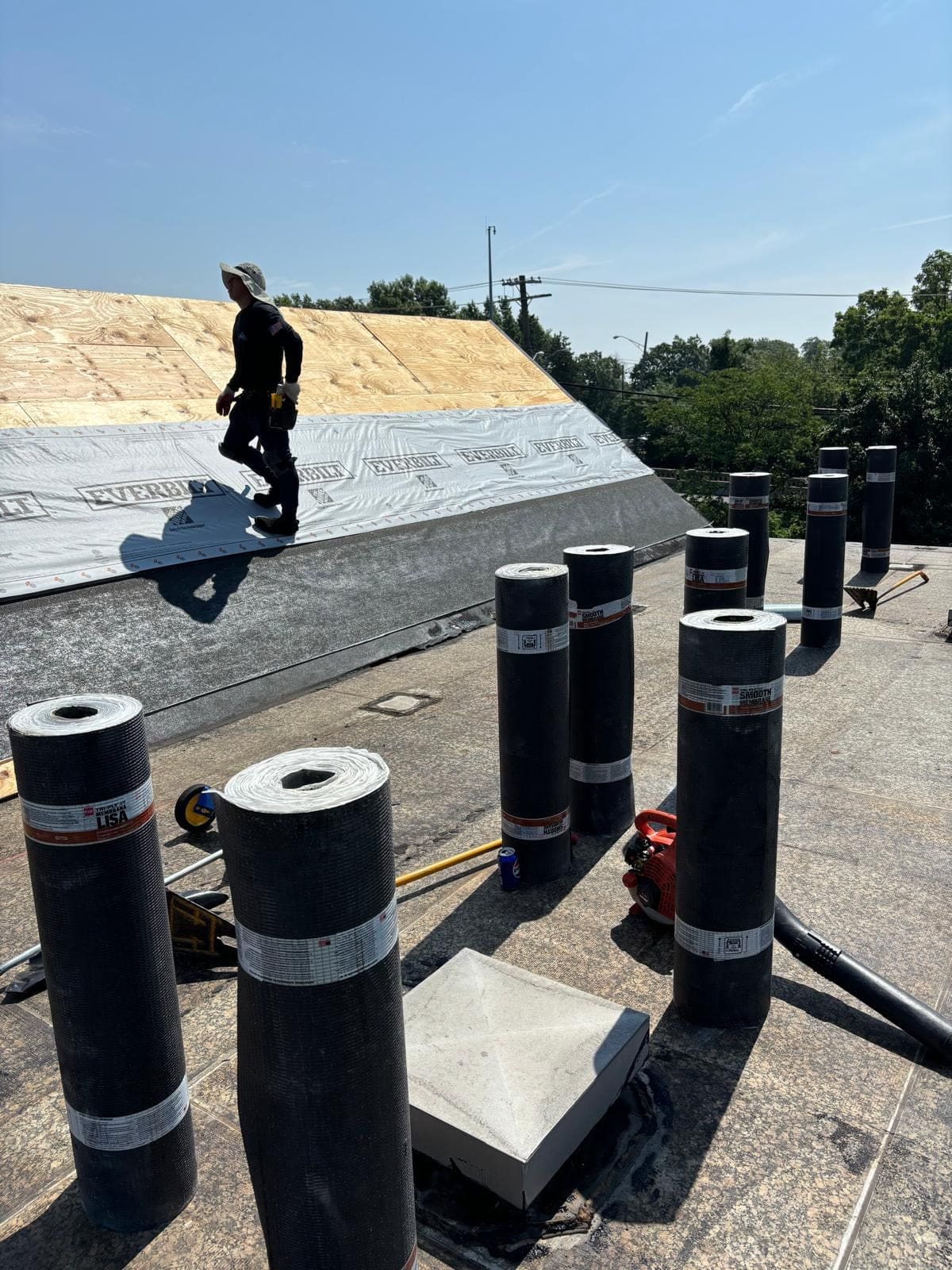
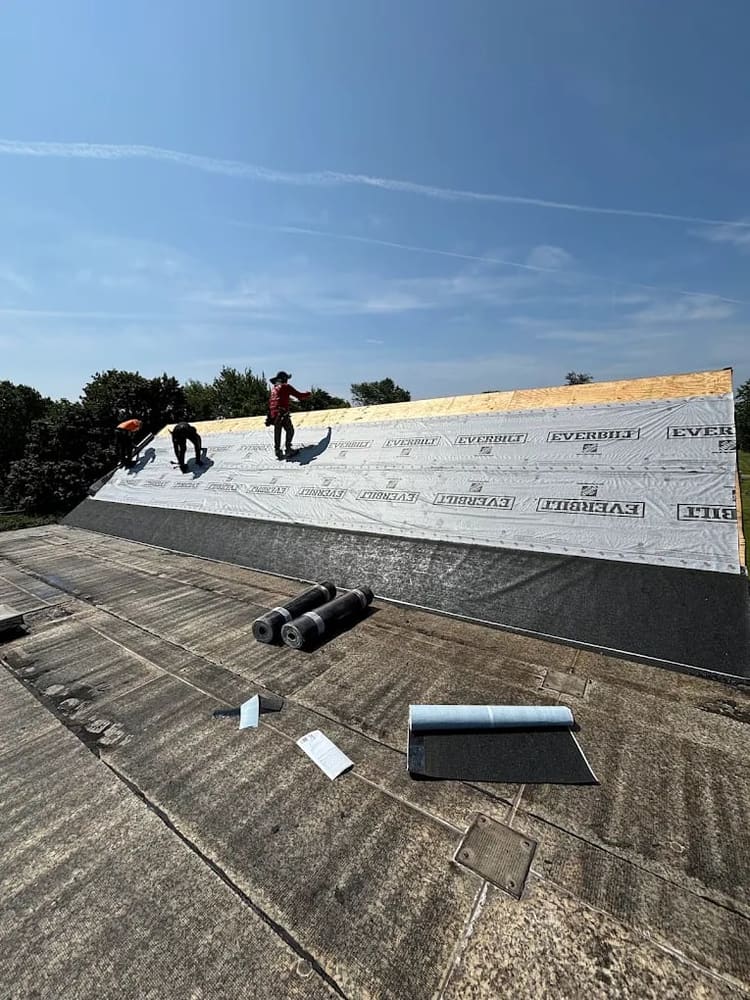
Kenilworth's post-war homes are now on their second or third roof, and many have grown with dormers and additions since the last one was installed. Replacement is the time to bring those pieces together under one well-detailed system: shingles on the main slopes, membrane on shallow dormers and rear sections, new flashing at every wall and proper ventilation.
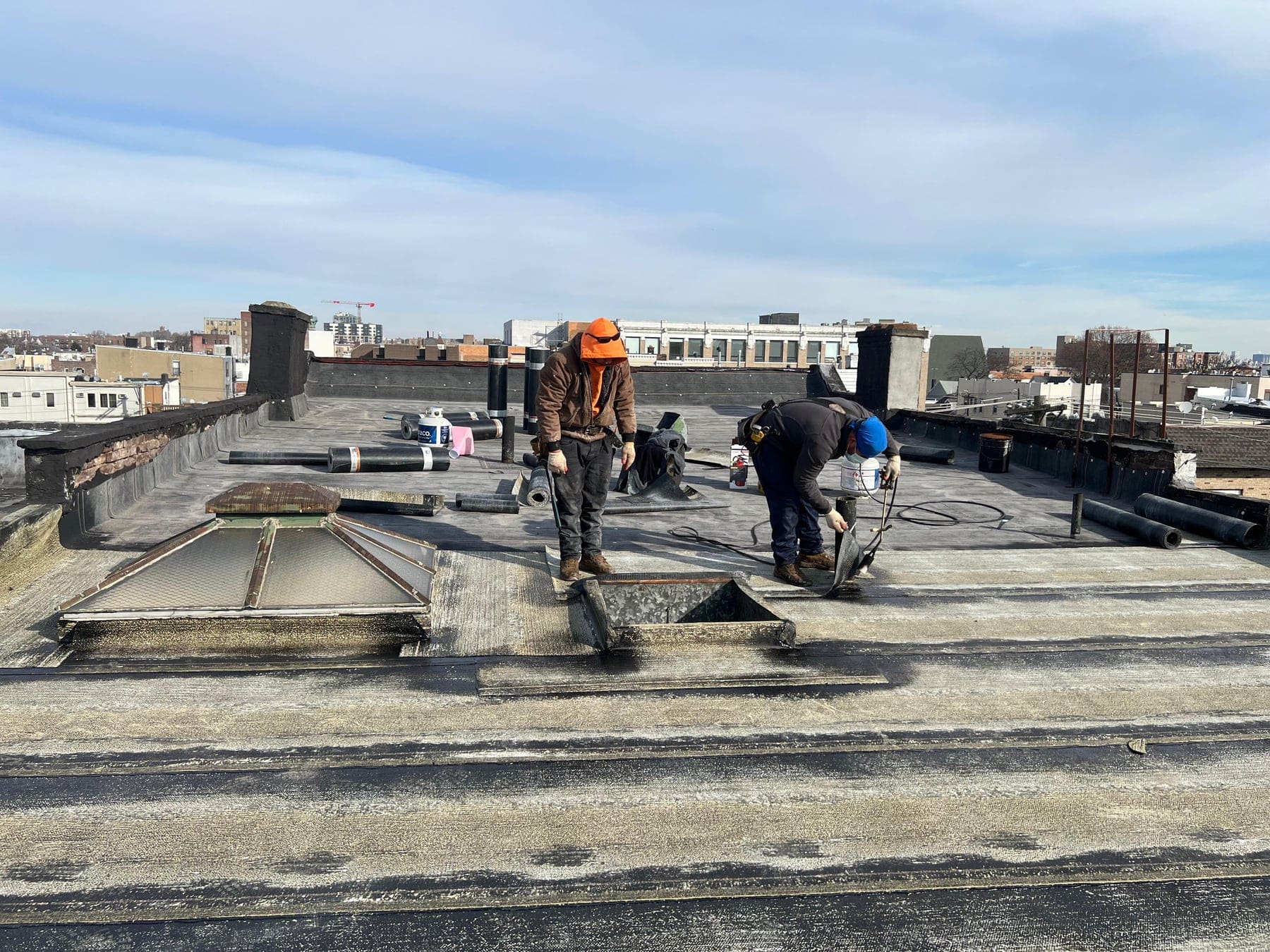
We install architectural asphalt shingles and single-ply membrane on homes, and replace flat roofs on commercial, laboratory and industrial buildings. On commercial roofs we plan around rooftop equipment, operations and access, and use replacement to correct drainage and upgrade insulation.
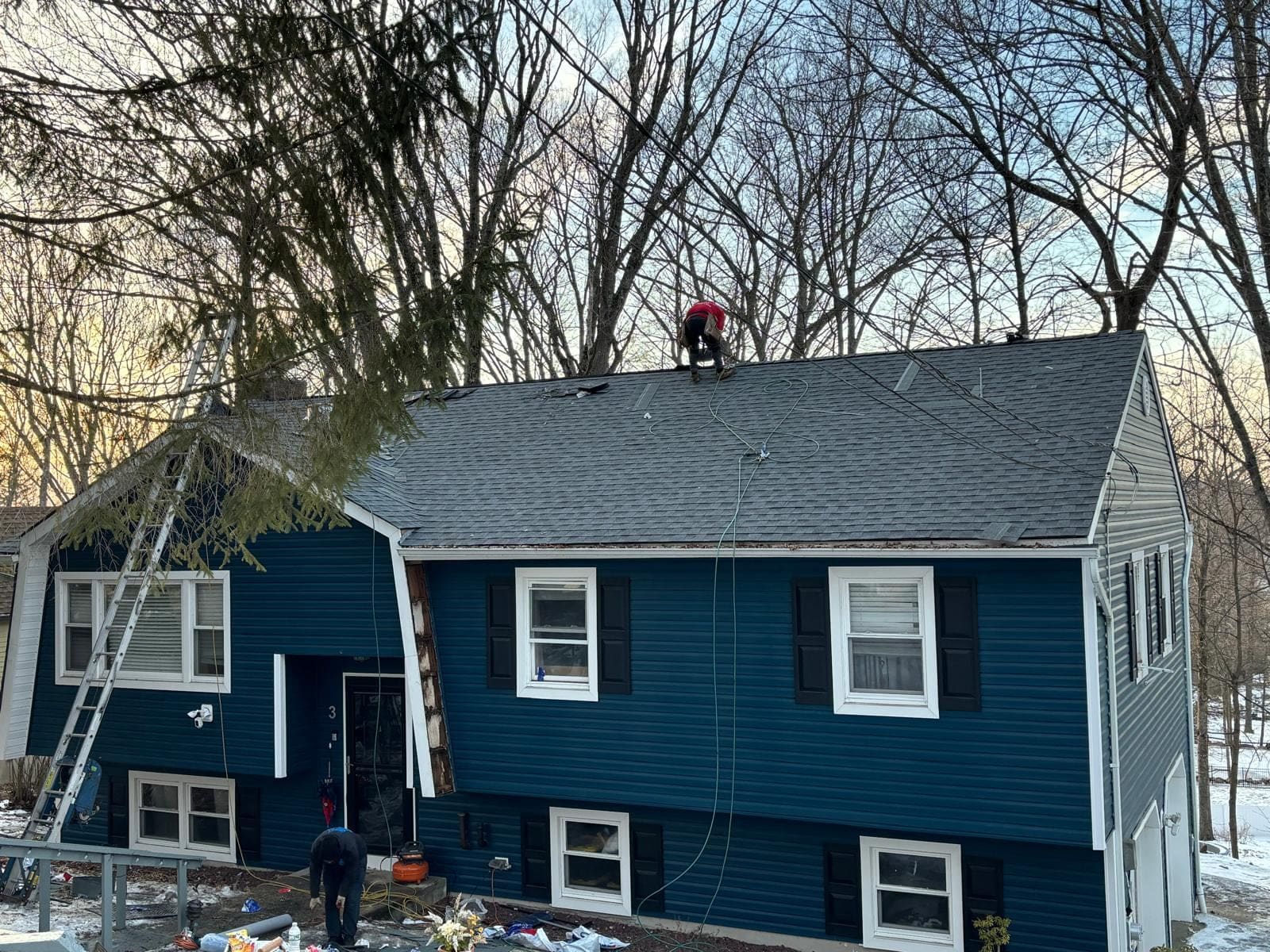
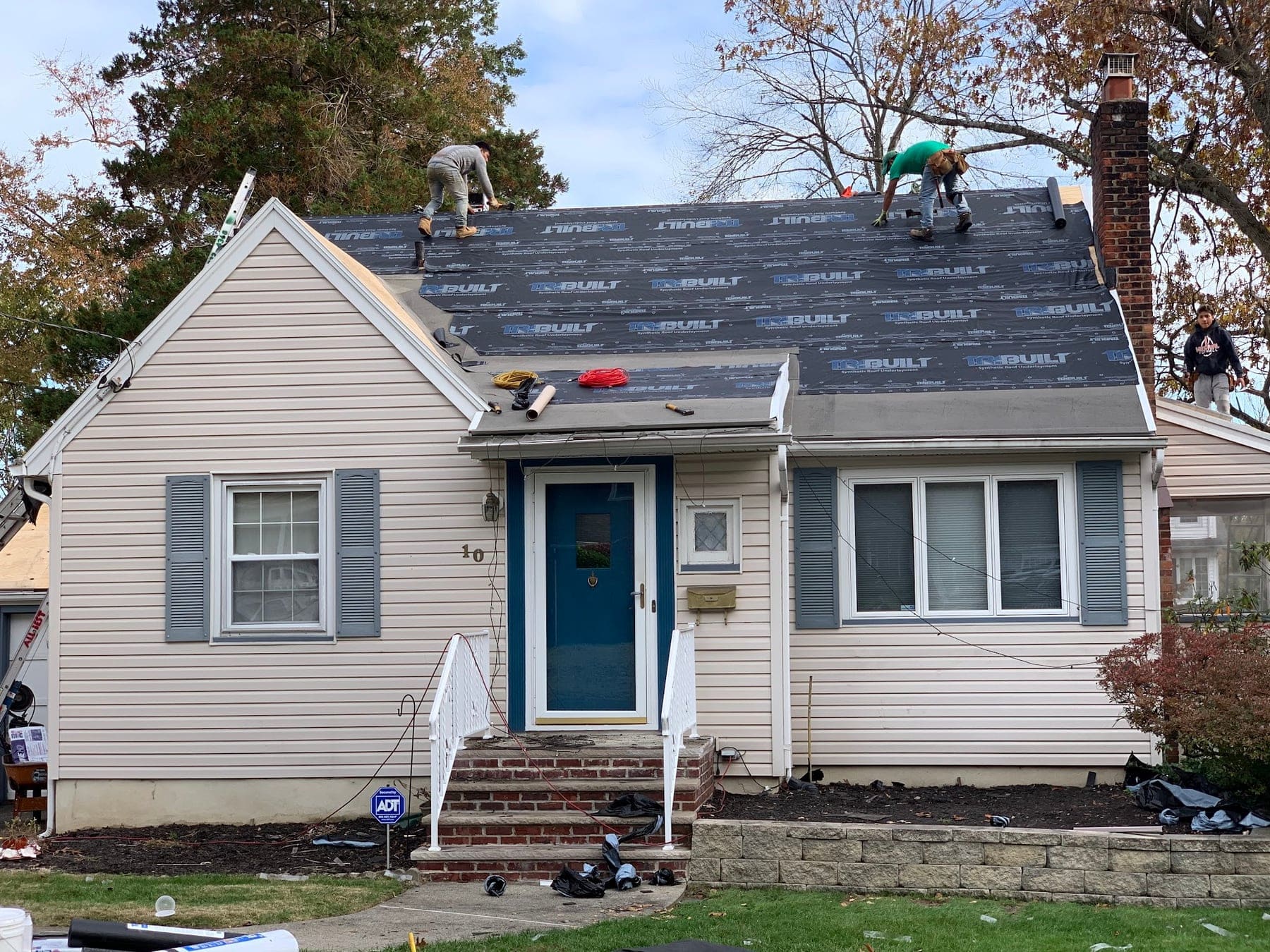
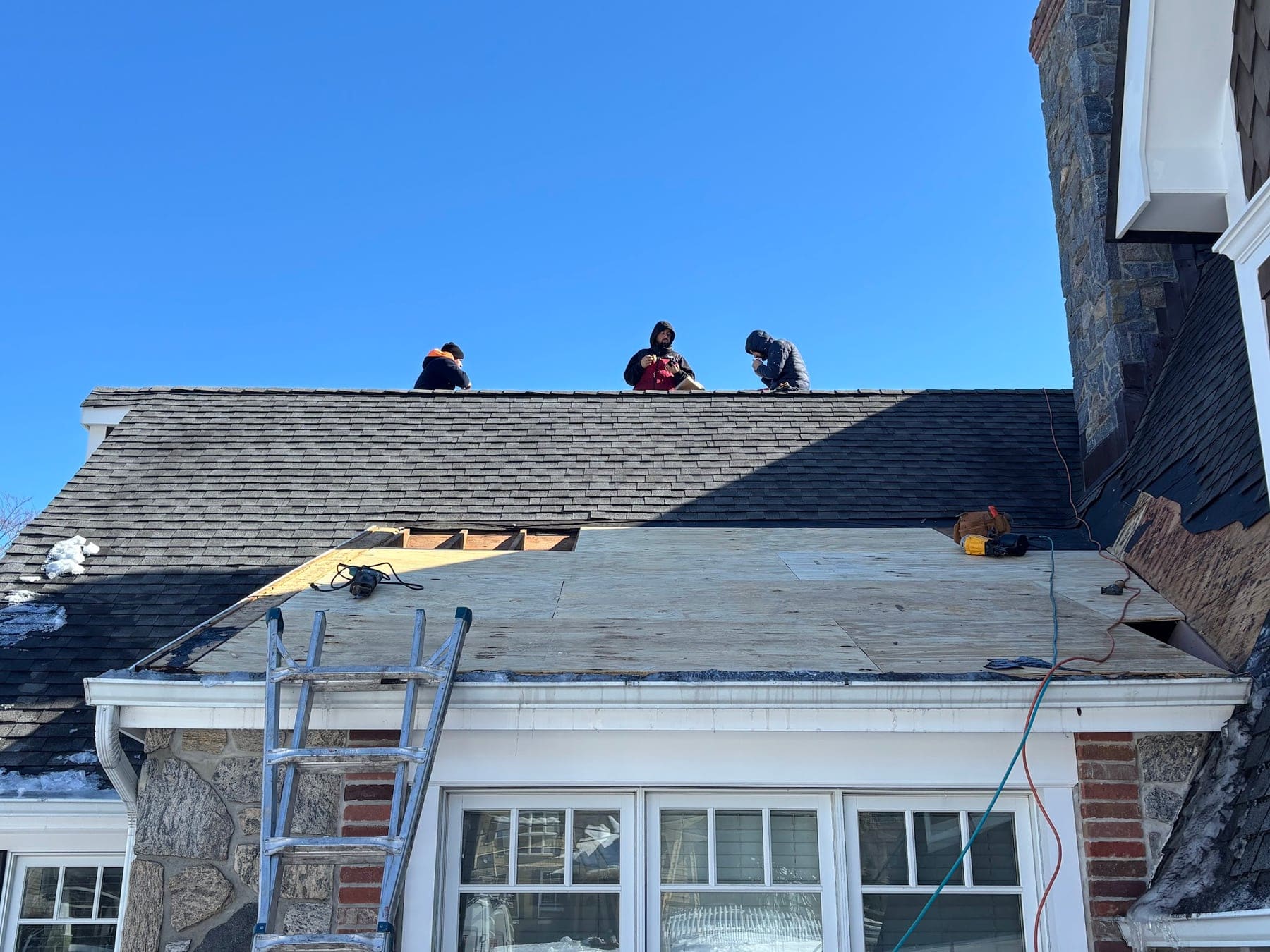
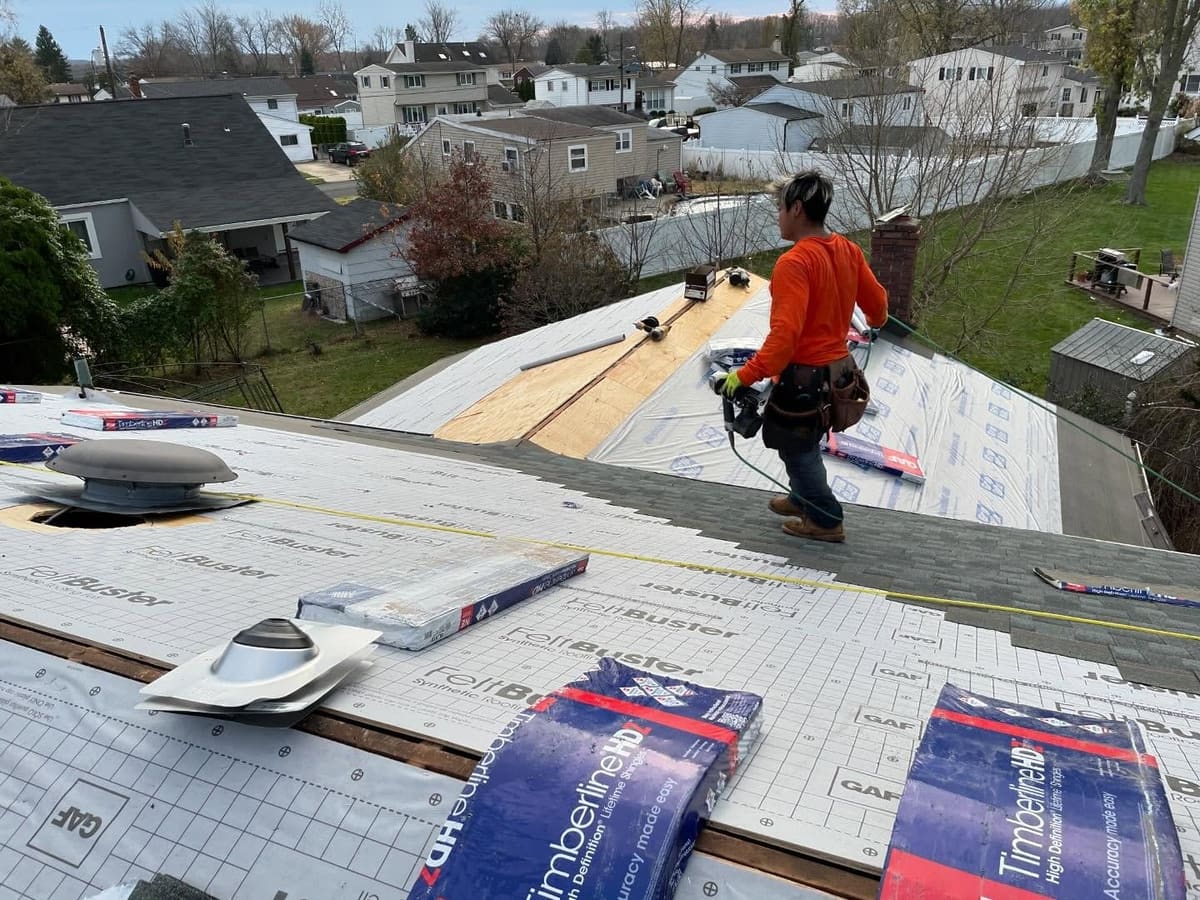
Every residential job includes full tear-off, deck repair, ice and water protection, new flashing and a ventilation plan. We protect driveways and plantings on tight lots and clean up thoroughly.
Kenilworth housing
Kenilworth's homes are mostly modest capes, ranches, colonials and split-levels from the 1940s through the 1960s, with some earlier houses and two-families, many expanded with dormers, second stories and rear additions. Asphalt shingle roofs predominate. A significant share of the borough's land is commercial and industrial, with office, laboratory, warehouse and light manufacturing buildings carrying large flat roofs and rooftop mechanical equipment.
Weather & exposure
Kenilworth is flat with moderate street-tree cover, so wind exposure is moderate and debris is lighter than in the heavily wooded towns. Open areas around the golf course and the larger commercial sites give wind a clear run across flat roofs. Nor'easters and summer thunderstorms bring wind-driven rain, and low-pitched post-war roofs form ice dams at the eaves in cold stretches.
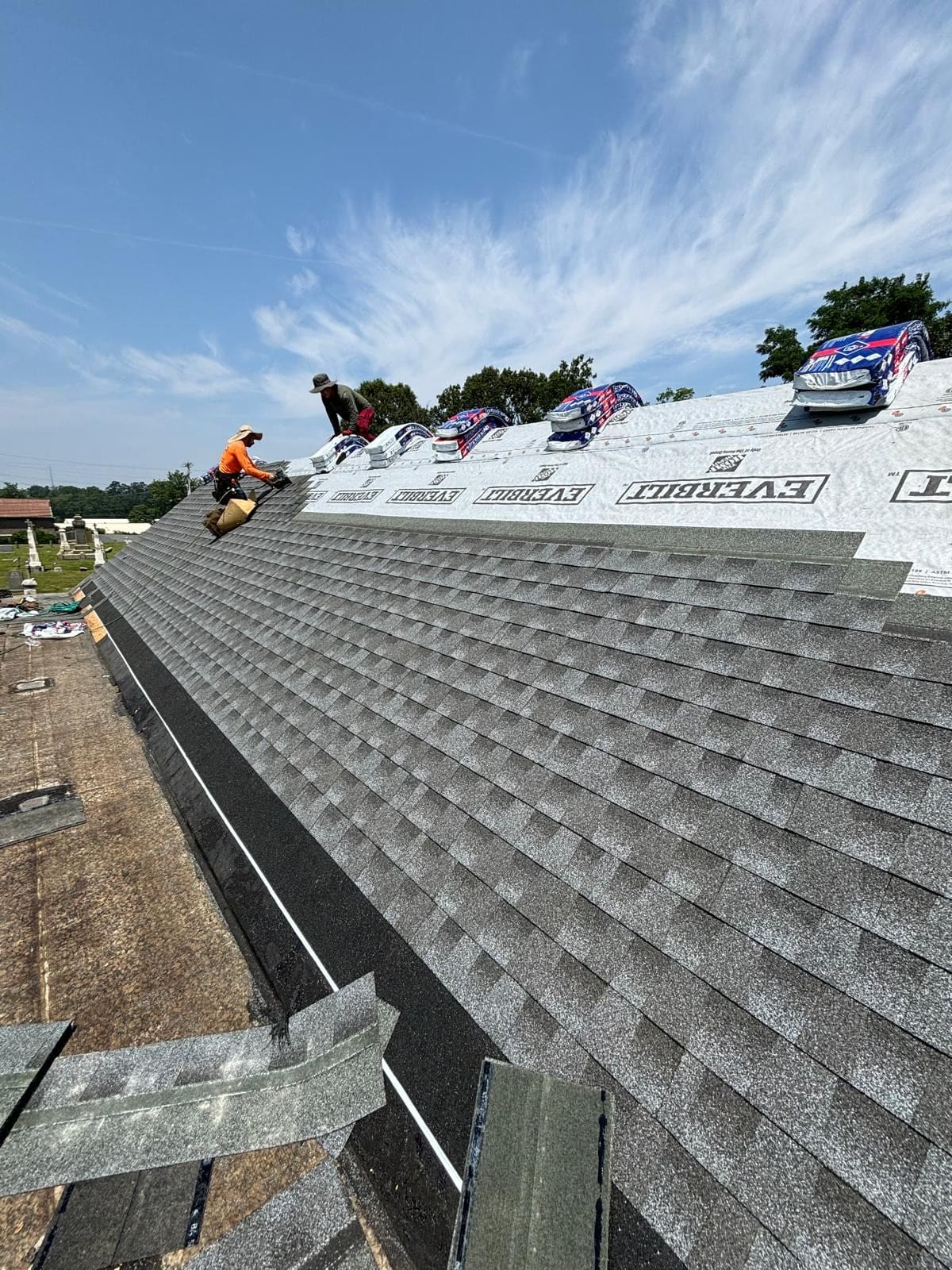
When replacement is the right call in Kenilworth
Replace when shingles are curling or bald, leaks are recurring or there are multiple layers. Include dormer and addition roofs so the whole house is on one system.
For commercial roofs, plan replacement around equipment replacement schedules where possible, so curbs and flashing are built once.