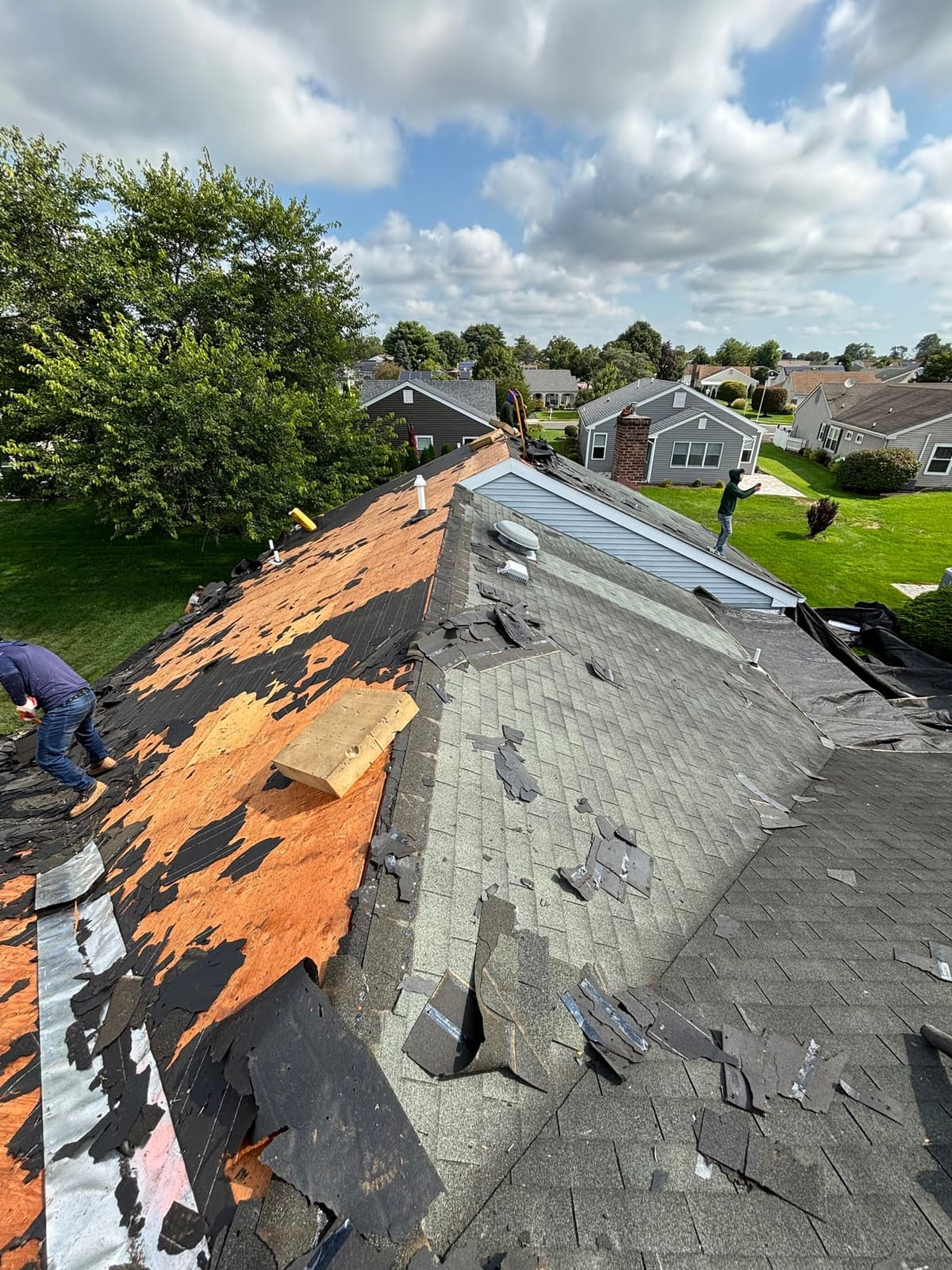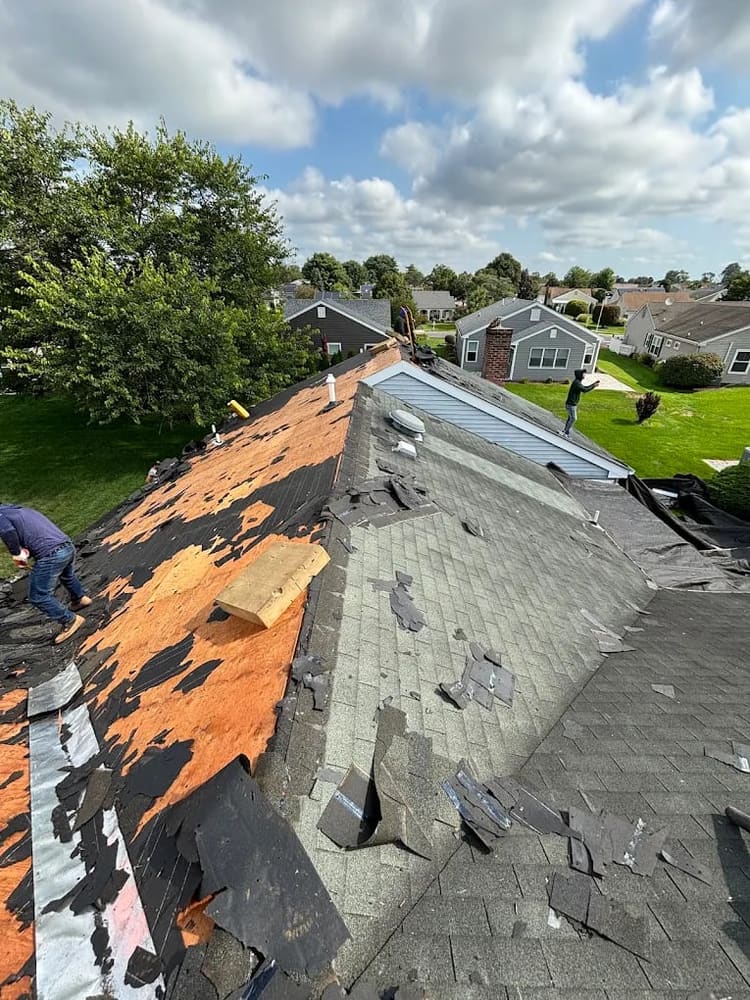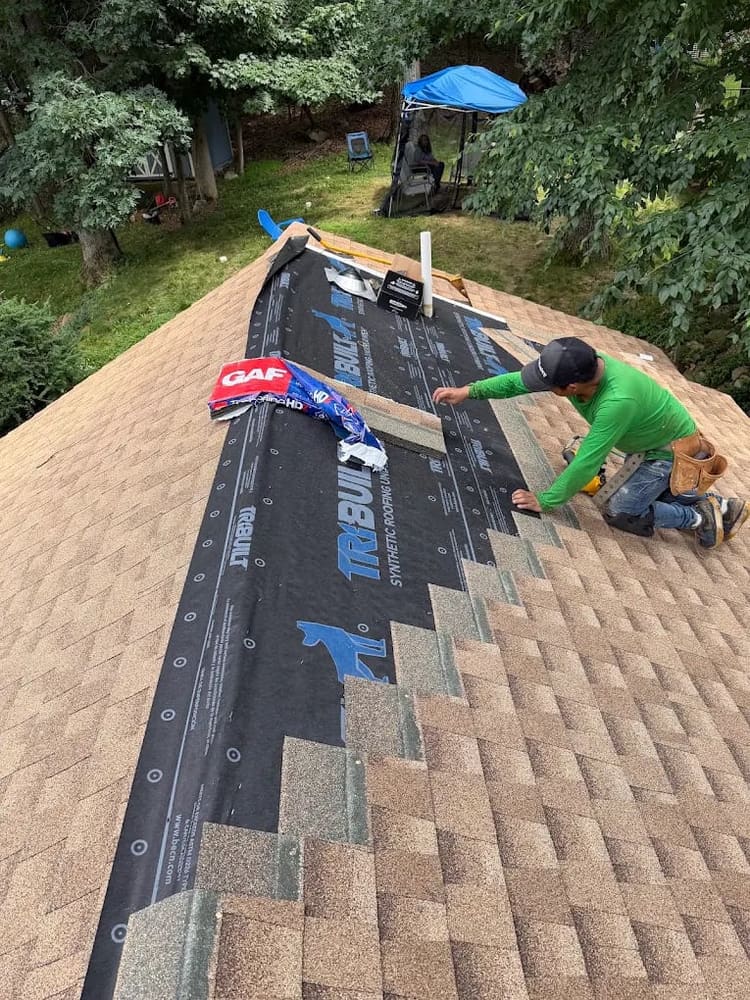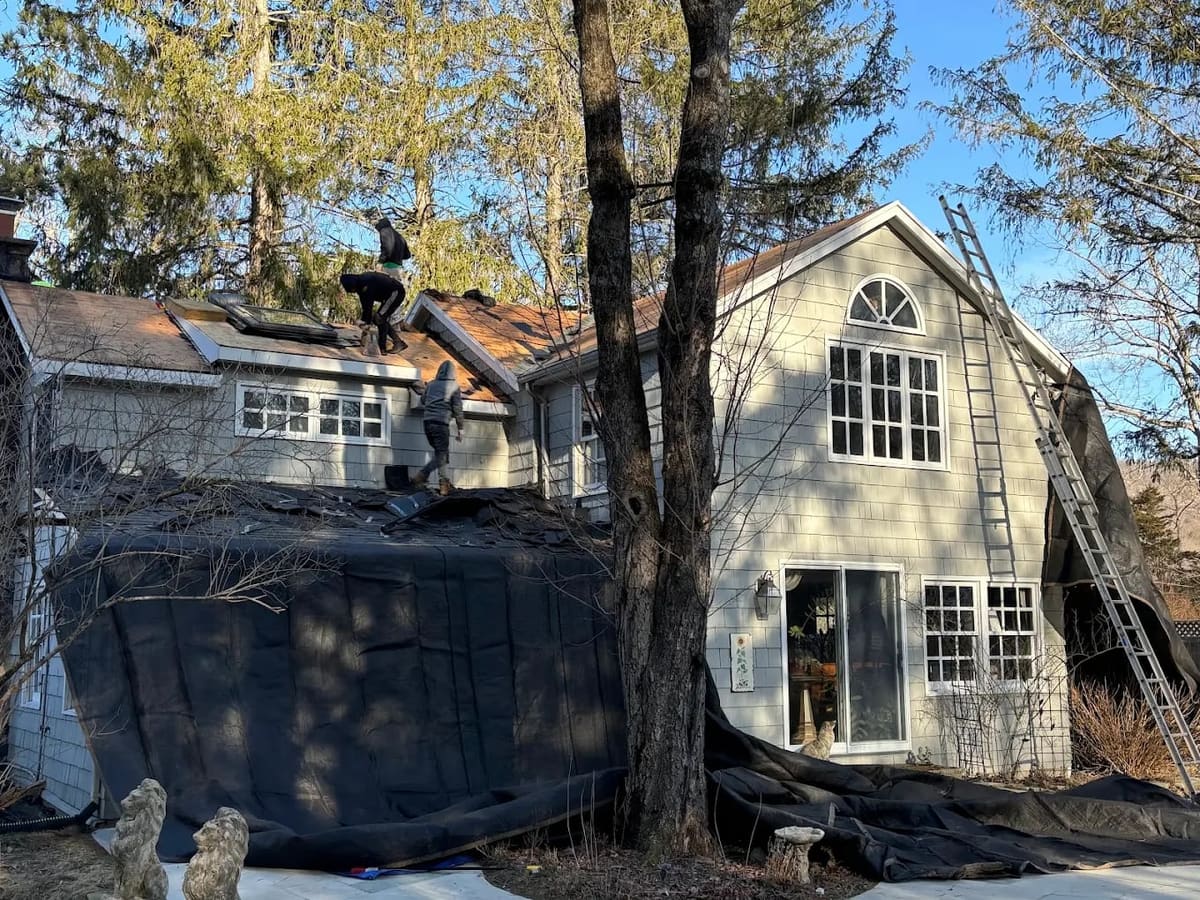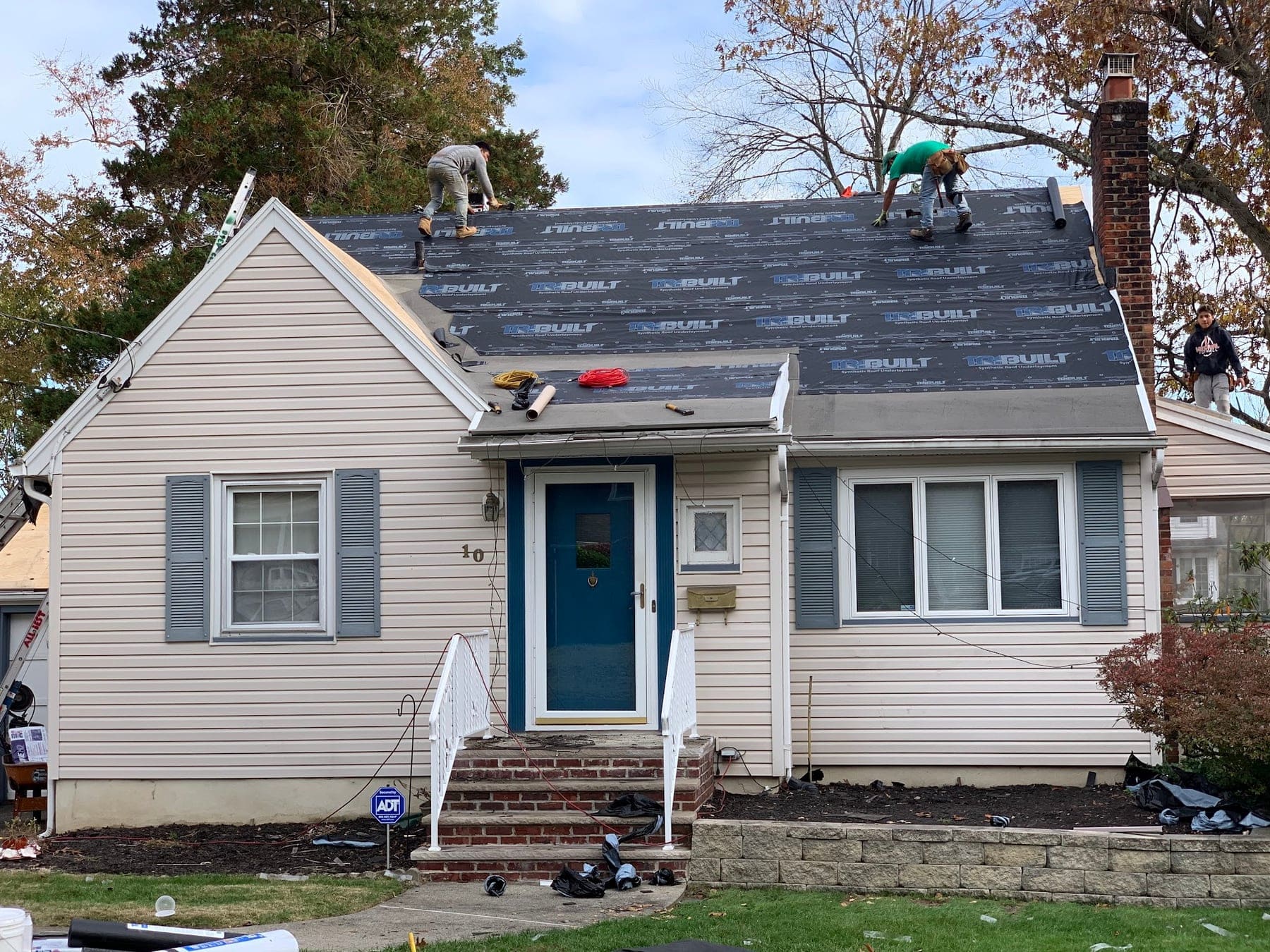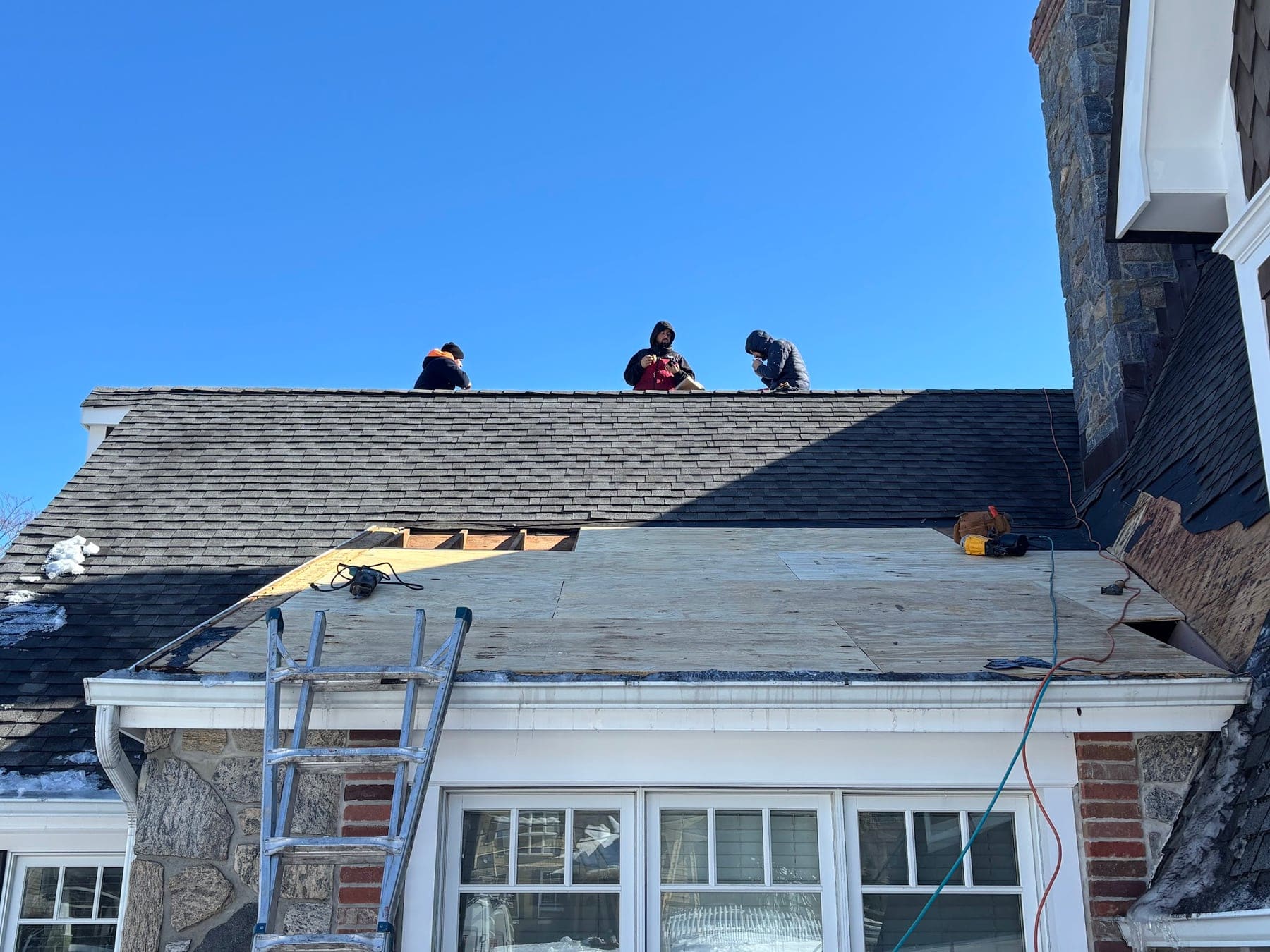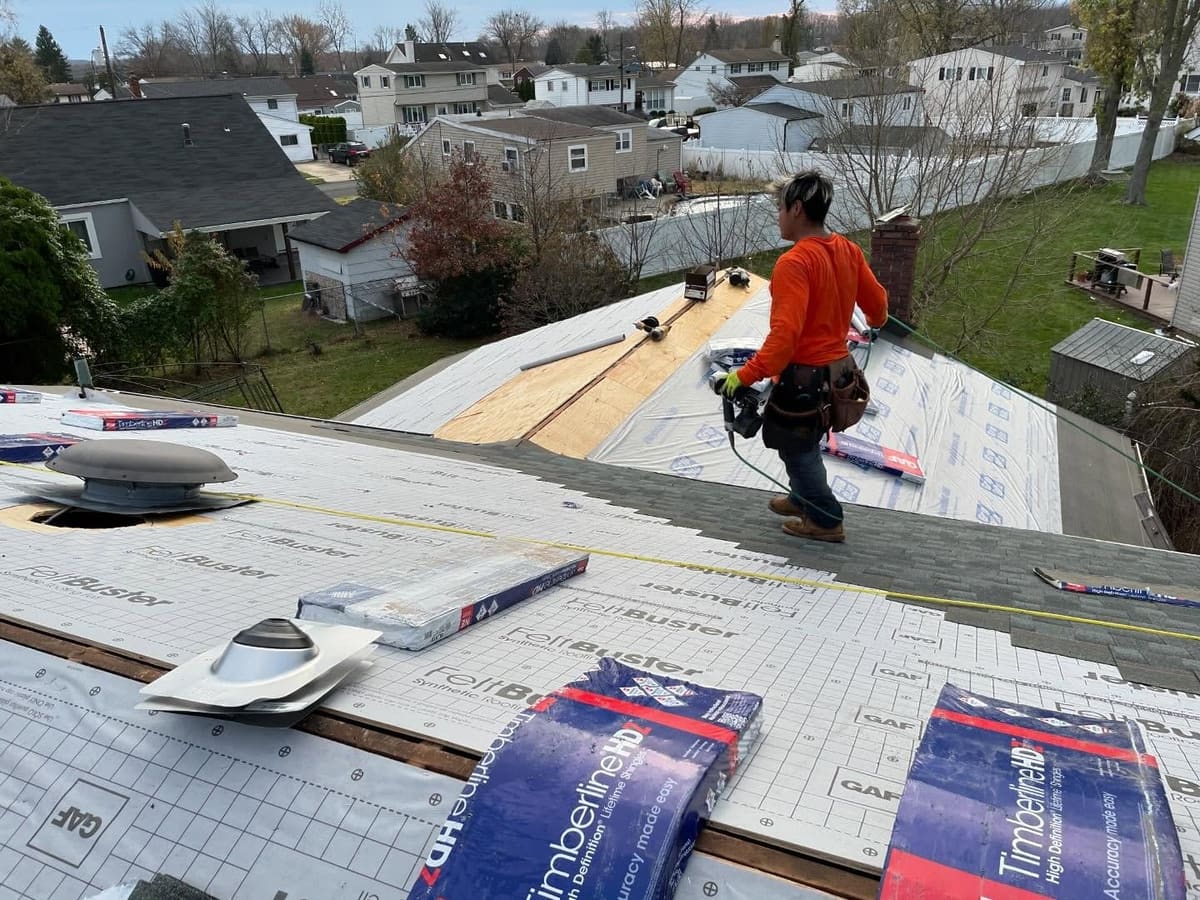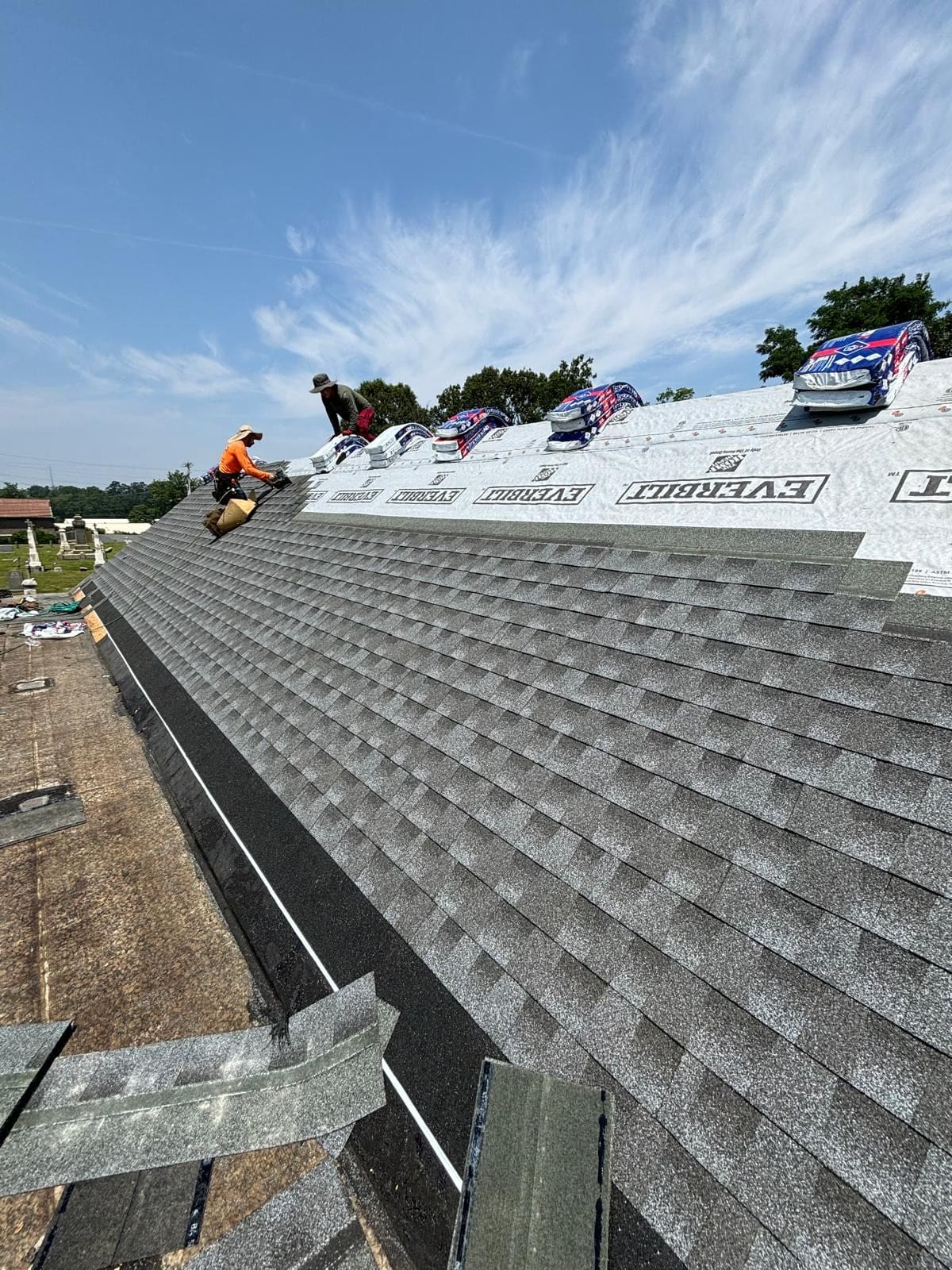
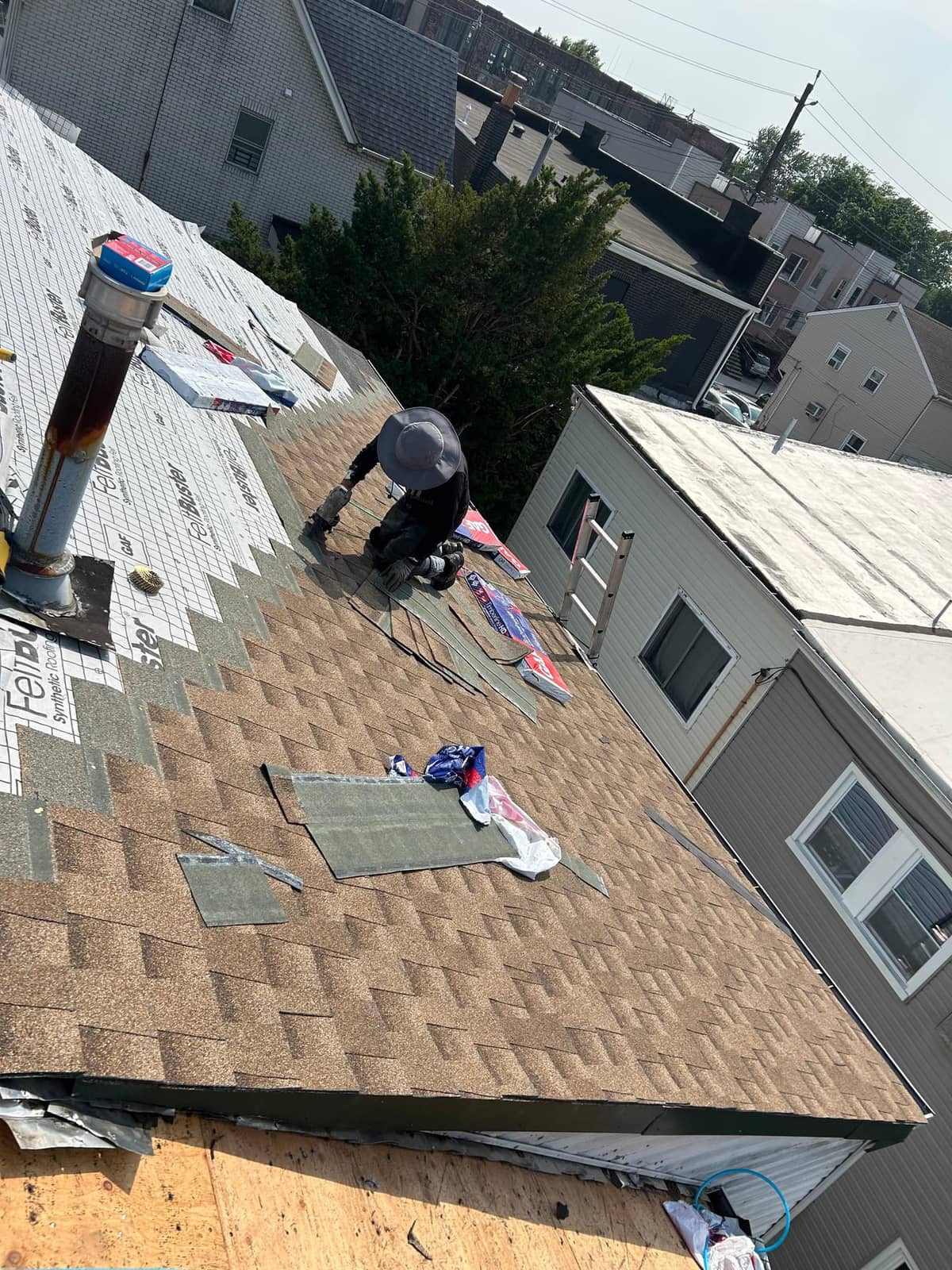
Roof Repair for Greenwich homes and buildings
Roof repair in Greenwich's subdivisions centers on the details of newer construction. Homes with many gables, valleys and dormers have more places for water to get in, and builder-grade installations sometimes skimped on flashing at walls and around fireplace chases. As these roofs age, wind-lifted shingles on open lots, cracked pipe boots and leaks at chase flashing become common.
We trace leaks to their source and fix the underlying detail, not just the symptom. That might mean adding missing kick-out flashing, rebuilding step flashing at a wall or resealing a chase. On commercial buildings we repair flat-roof seams, drains and rooftop equipment curbs. Asset Roofing & Chimney is licensed and insured, estimates are free, and we document storm damage for insurance claims.
Greenwich housing
Most of Greenwich's homes are relatively recent: two-story colonials and similar single-family houses in subdivisions built from the late twentieth century onward, with complex rooflines, multiple gables, prefab gas or wood fireplaces in framed chases and builder-grade shingles. Stewartsville and the rural roads hold older village homes and farmhouses. Retail and commercial buildings along the highway corridor have large flat or low-slope roofs.
Weather & exposure
Many subdivisions were built on former farmland with young trees, so roofs take open wind and full sun. Hillside streets catch gusts from storms moving through the Delaware valley, and winters bring snow, ice and freeze-thaw. Large commercial roofs collect snow load and meltwater that must drain quickly.
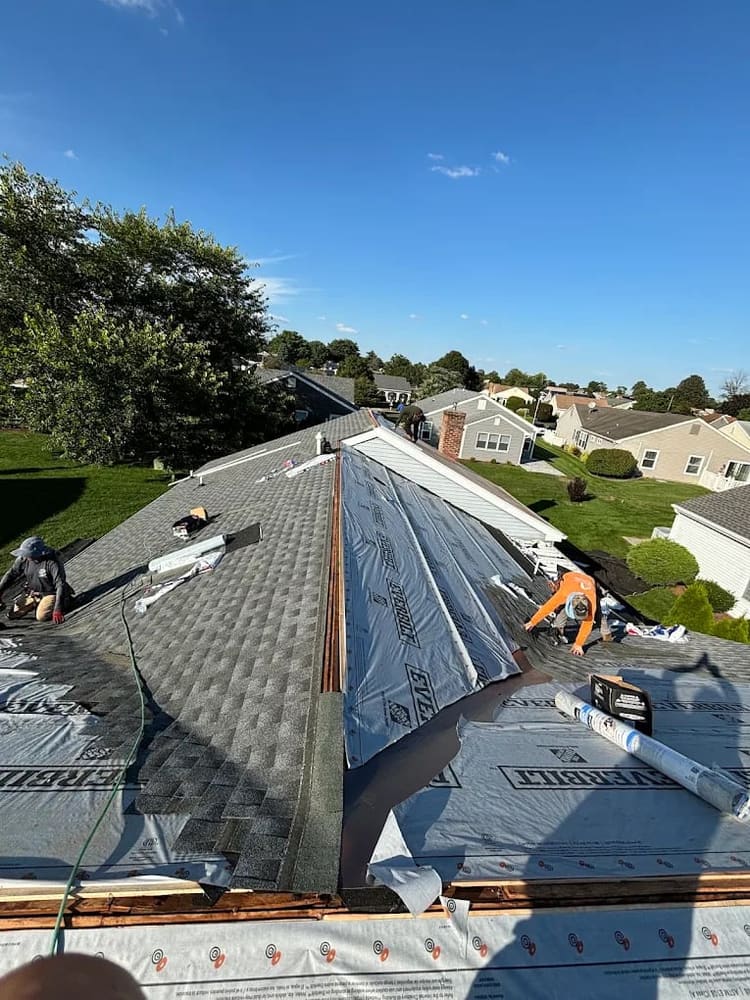
Repair or replace? What we tell Greenwich homeowners
On a newer home, a well-targeted repair can solve a leak caused by a missing or poorly installed detail, and the rest of the roof may have years of life left. If you see staining on siding or soft spots below a roof-wall intersection, have it checked; that is often a kick-out flashing problem.
For commercial owners, routine inspection of seams, drains and equipment curbs is the most cost-effective protection. If a flat roof has widespread ponding or saturated insulation, we will explain when replacement is the better value.