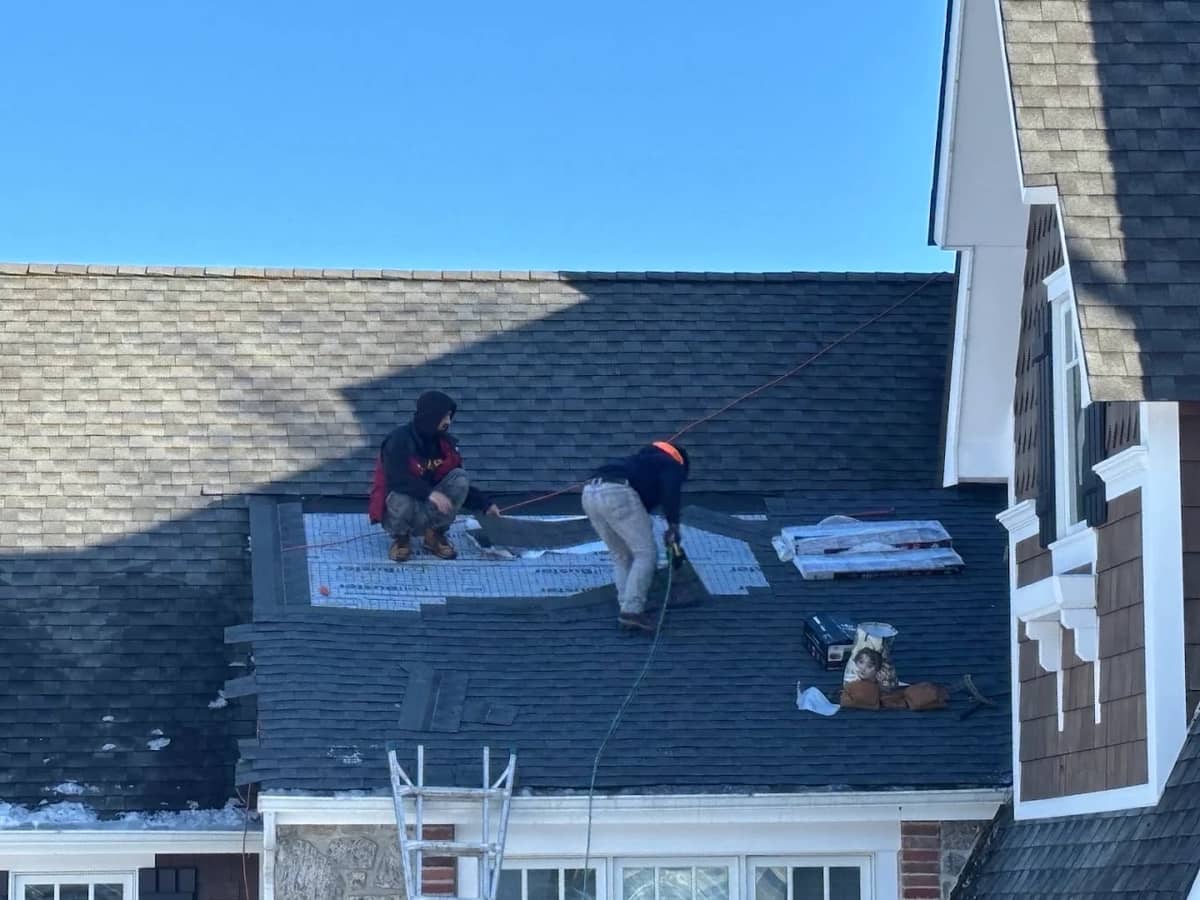
Roof Repair for Lopatcong homes and buildings
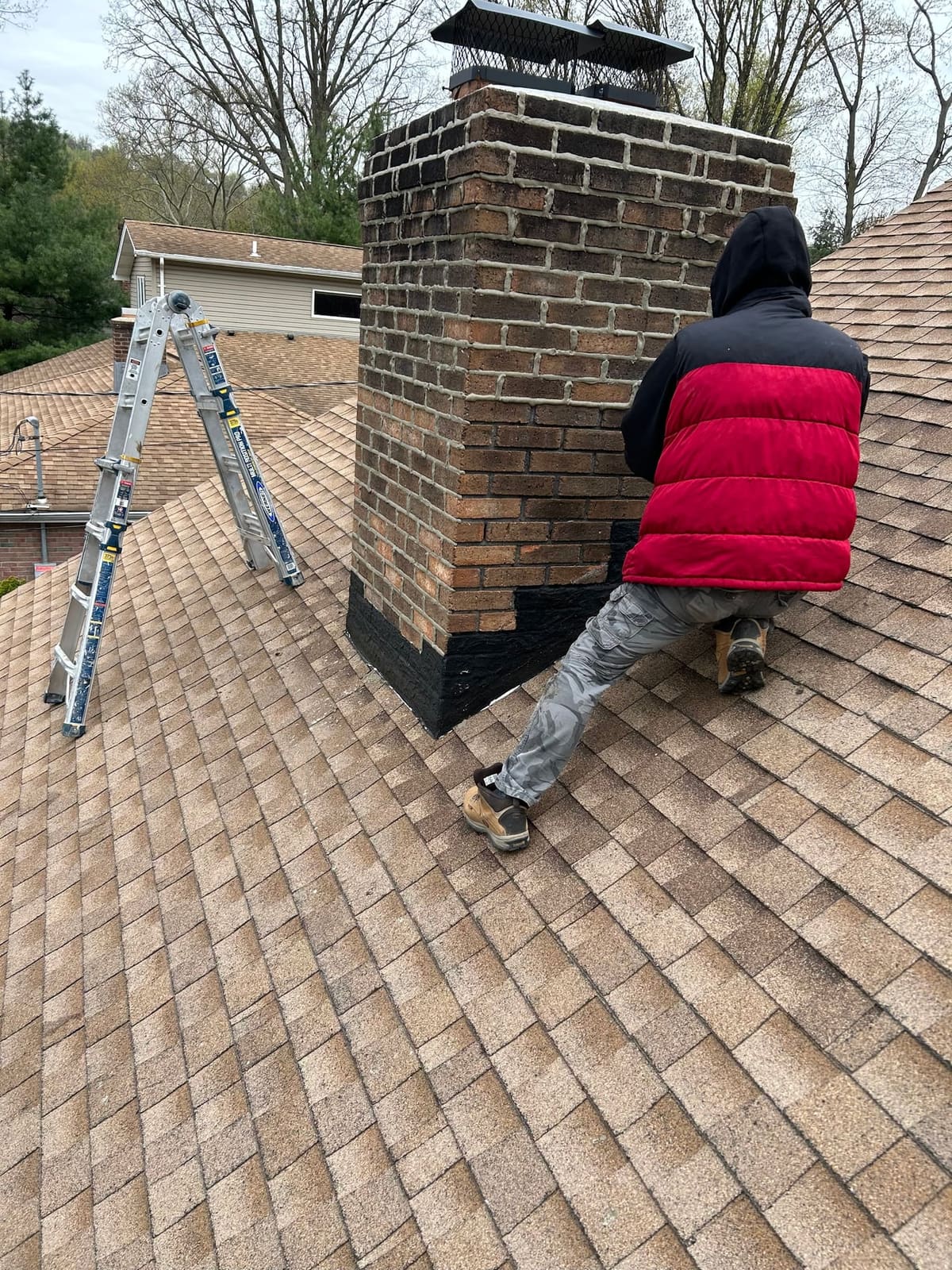
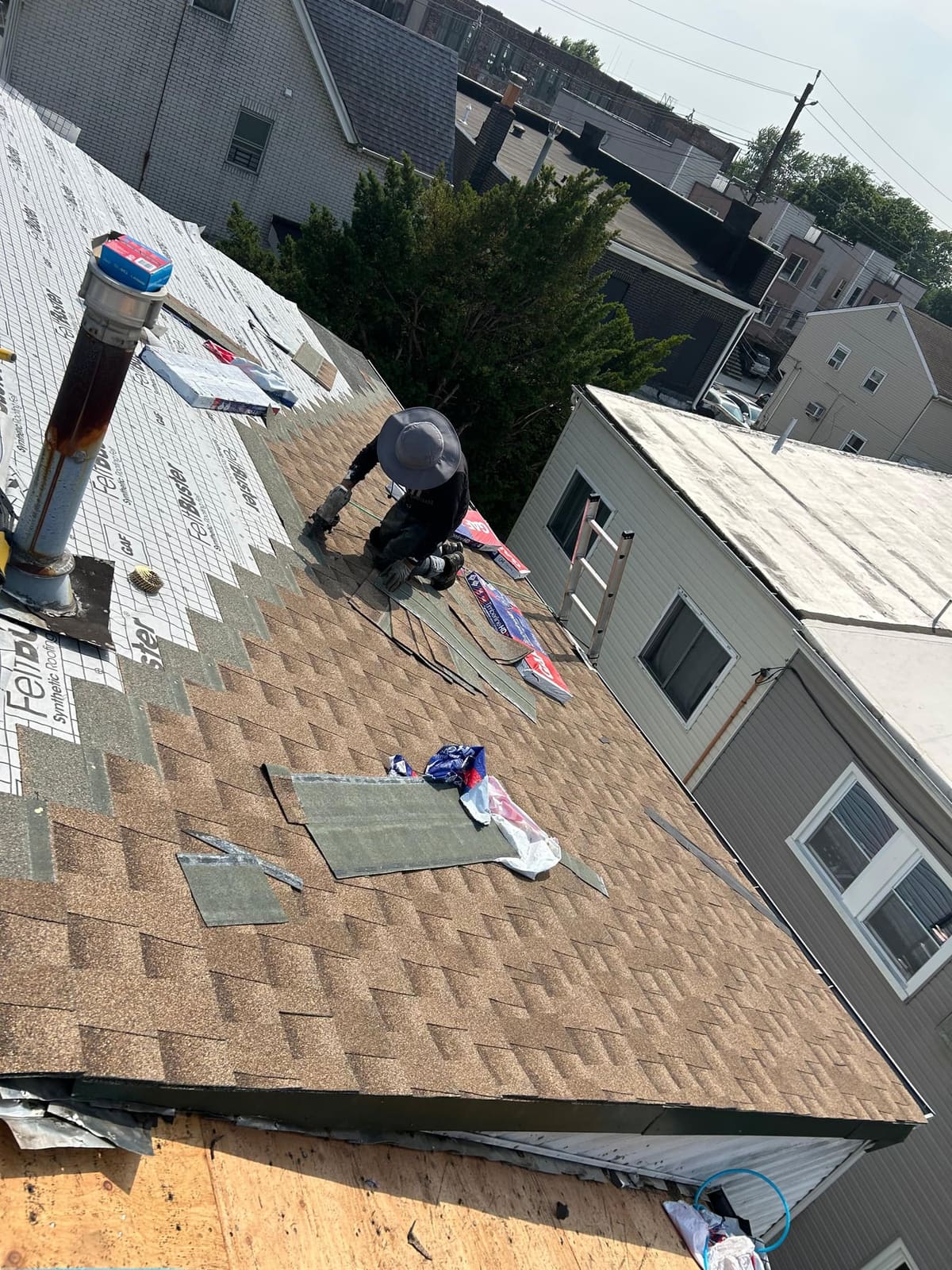
Roof repair in Lopatcong mostly involves homes built in the past few decades, and the problems follow the age of the roof. Rubber pipe boots crack, nails back out, ridge vents loosen and shingles on open, windy lots lose their seal and lift. Prefab fireplace chases leak at the flashing and at the chase cover. On townhouses, leaks often start where one unit's roof meets the next or at a shared wall.
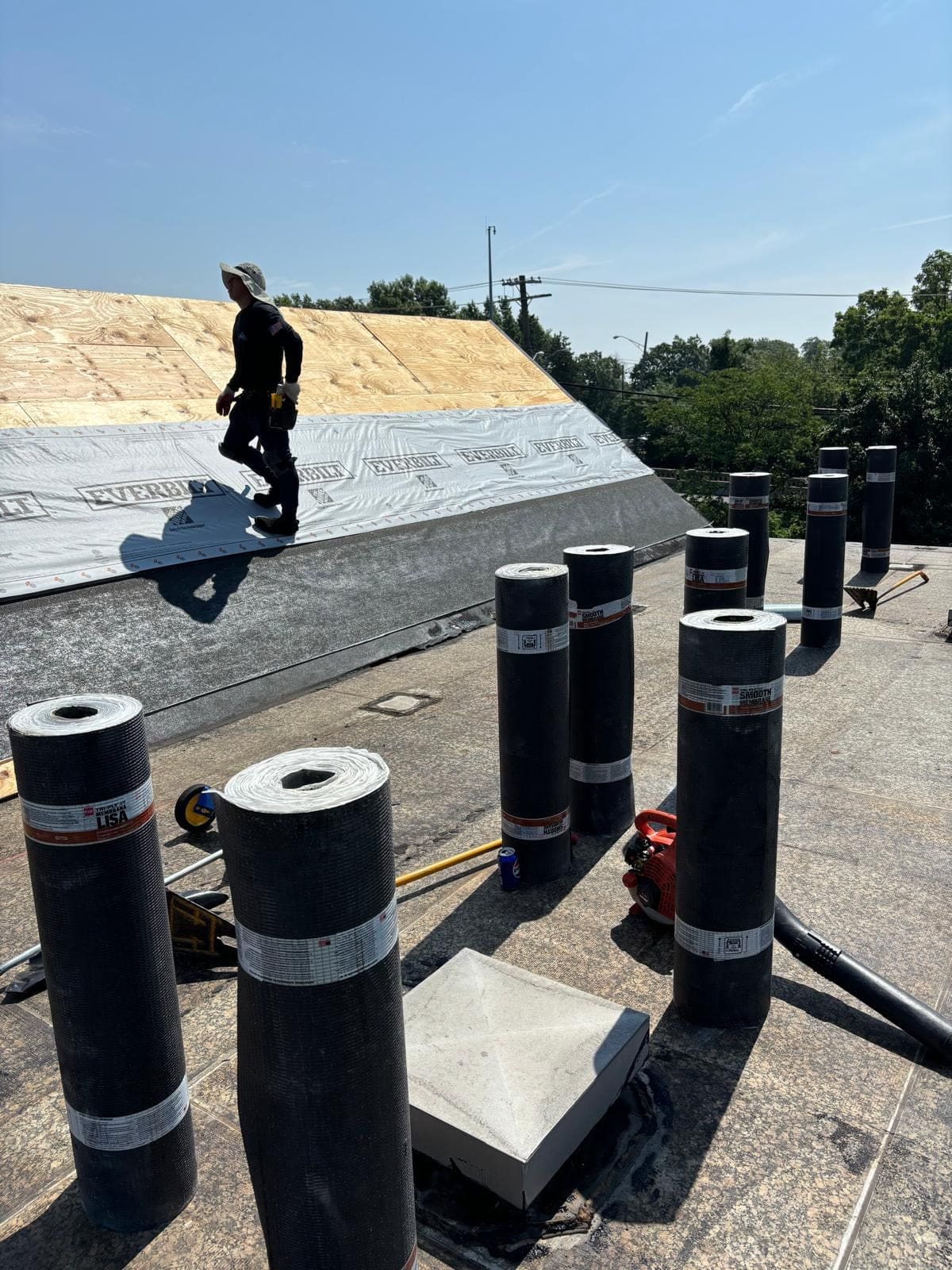
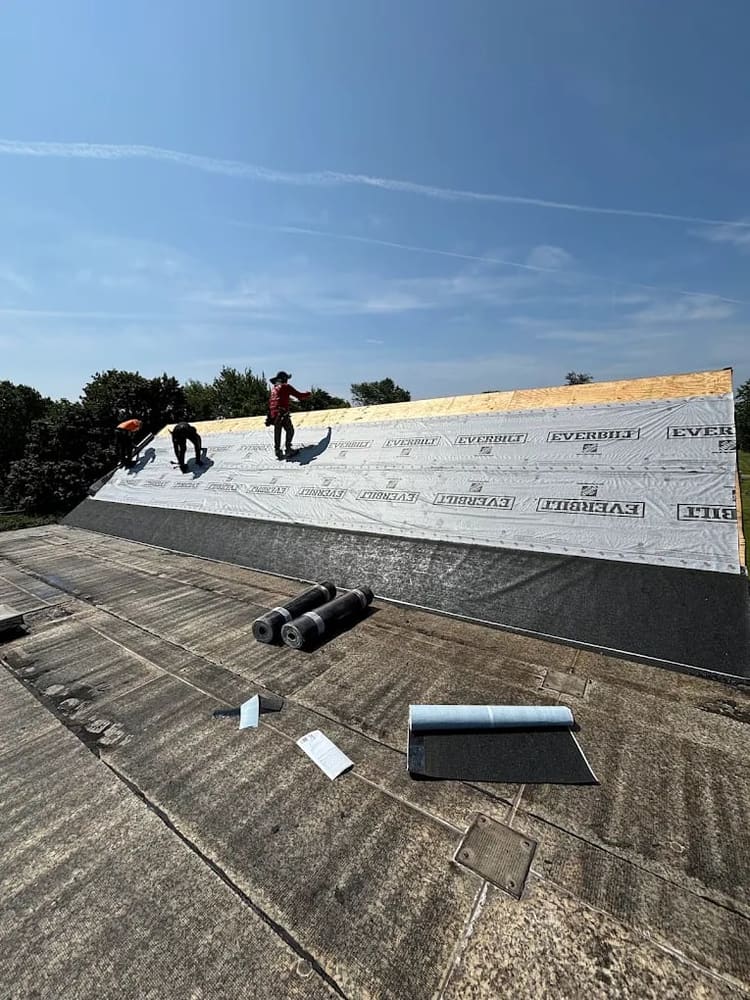
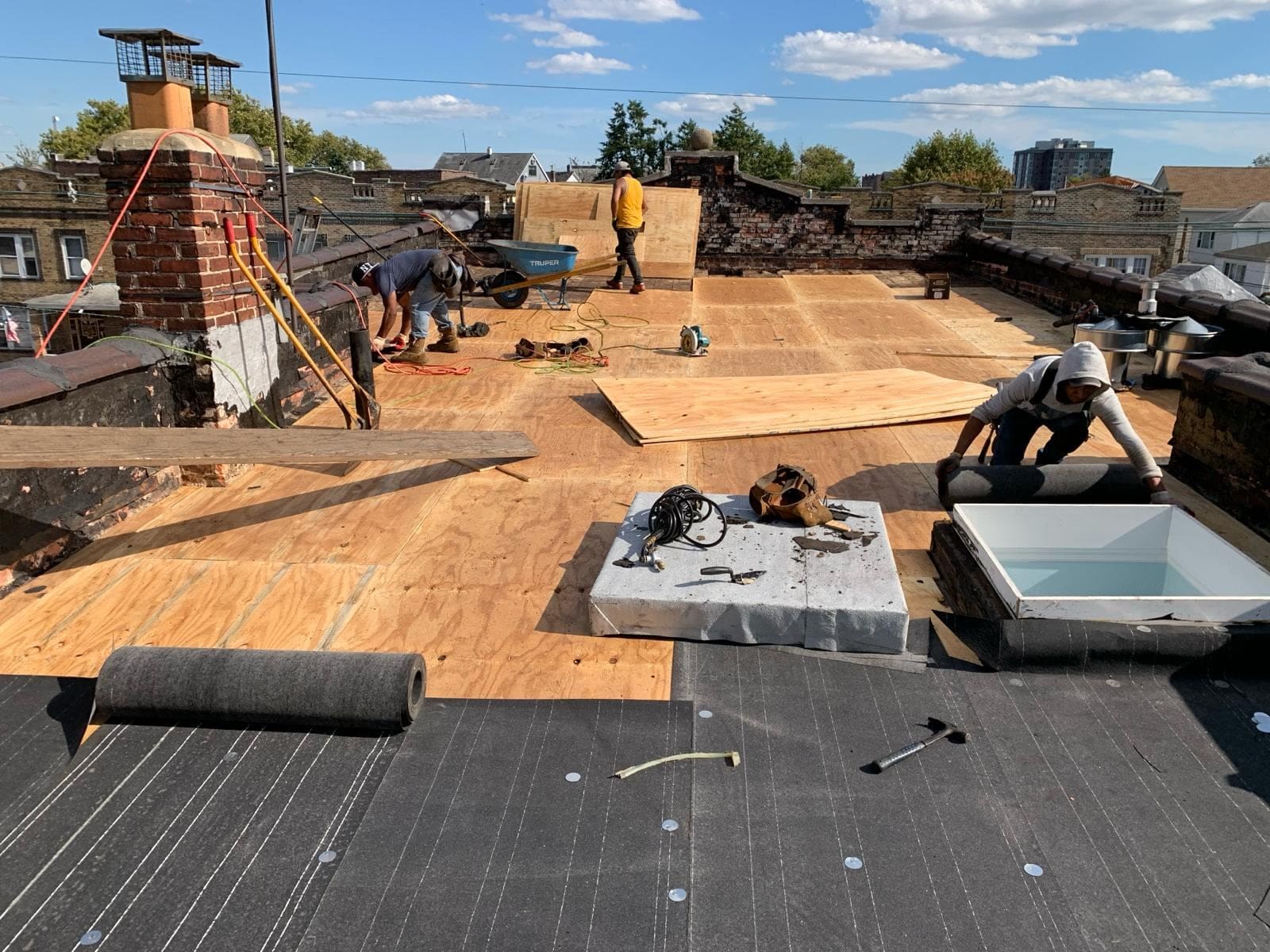
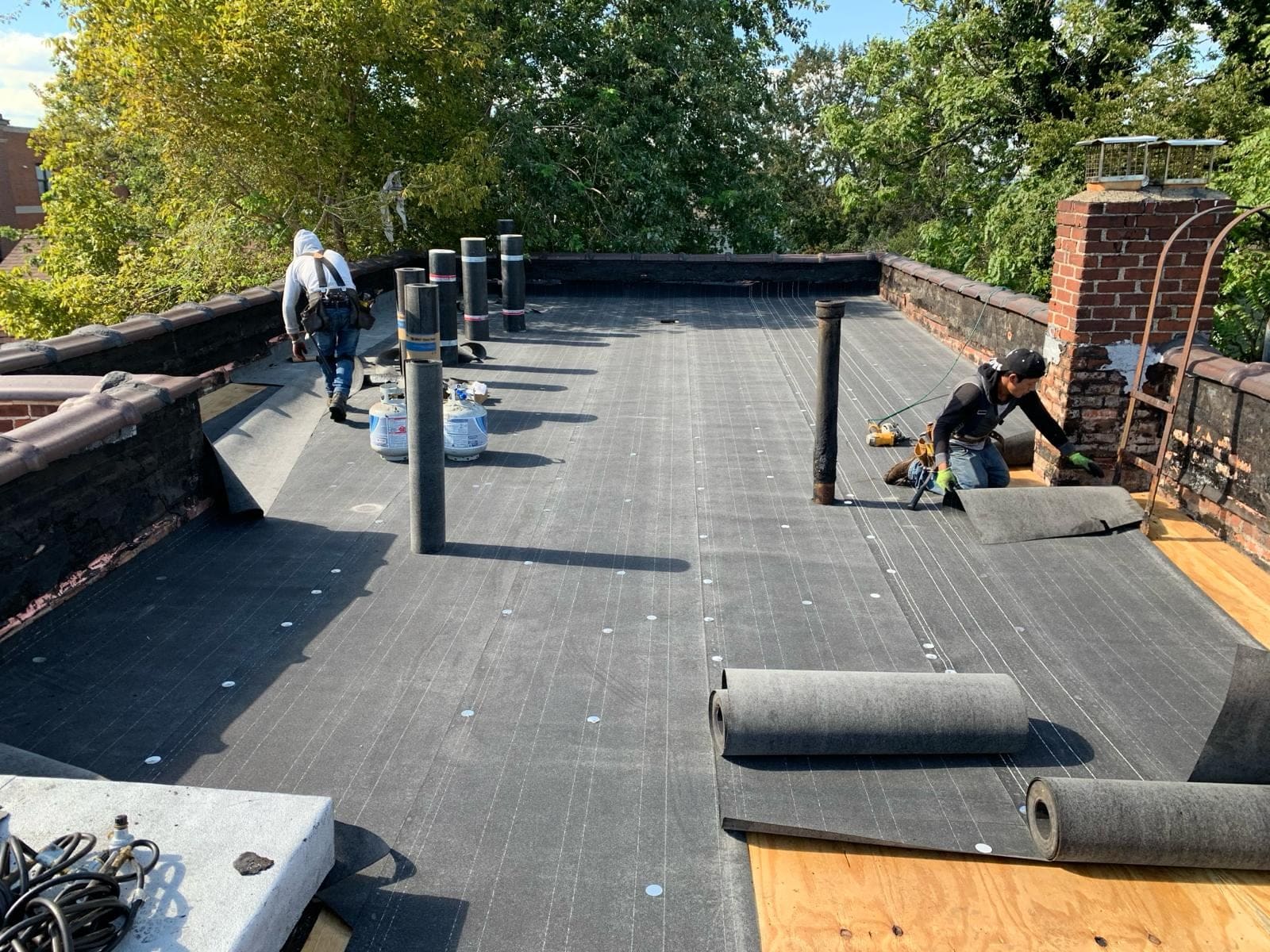
Commercial and light-industrial buildings in the township add flat-roof repairs: seams, drains, rooftop equipment curbs and flashing at walls and penetrations. We inspect the roof and, where possible, the attic or underside, find the detail that is actually failing and repair it with compatible materials. Asset Roofing & Chimney is licensed and insured, estimates are free, and we document storm damage for insurance claims when needed.
Lopatcong housing
Most of Lopatcong's homes were built in the second half of the 20th century and after, with a large share of colonials, split-levels and ranches in subdivisions and attached townhouses in planned communities. Older farmhouses and early-1900s homes remain in scattered spots near Phillipsburg and along the rural roads. Asphalt shingle is the norm on residential roofs, prefab fireplaces in framed chases are common, and commercial buildings carry flat or low-slope roofs.
Weather & exposure
Much of Lopatcong sits on open, rolling ground above the Delaware valley, where subdivision homes with young or sparse trees take wind with little to slow it. Cold winters bring snow and freeze-thaw cycling. Large flat commercial roofs collect snow and meltwater, and the river valley below sends fog and damp air up the slopes on cool mornings.
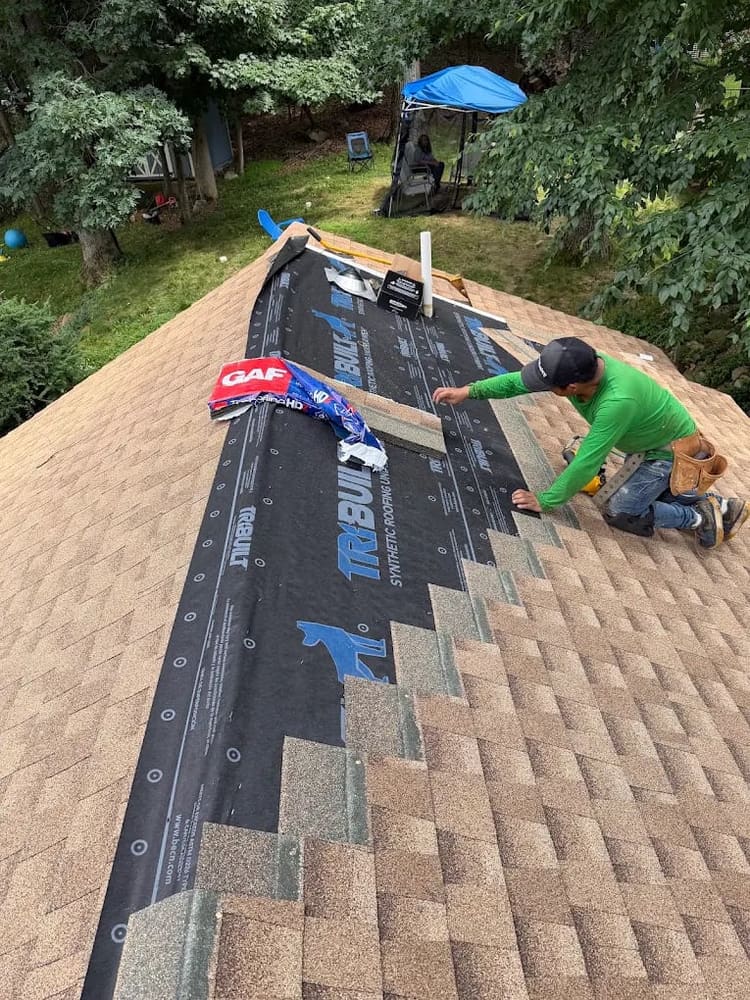
Repair or replace? What we tell Lopatcong homeowners
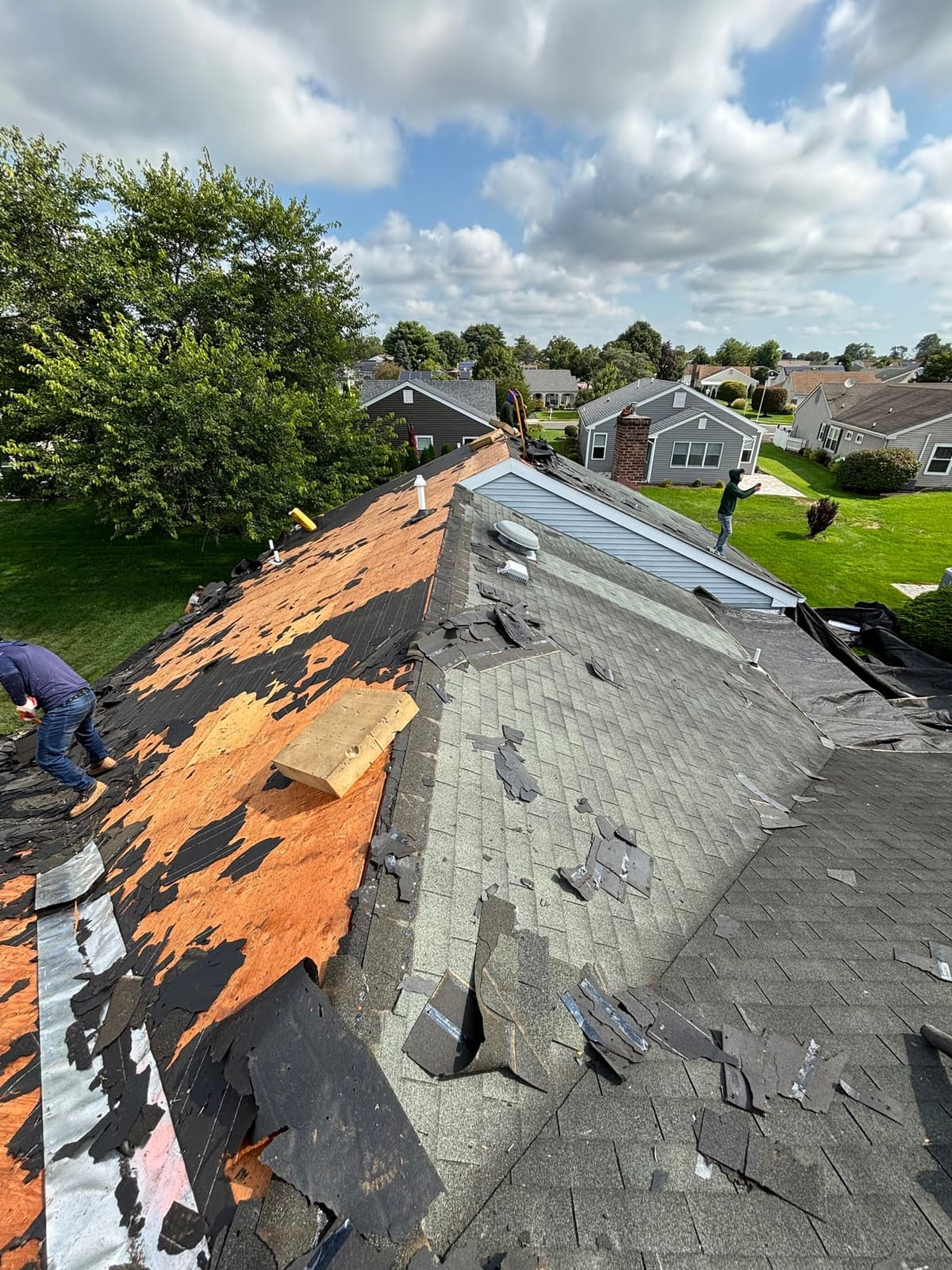
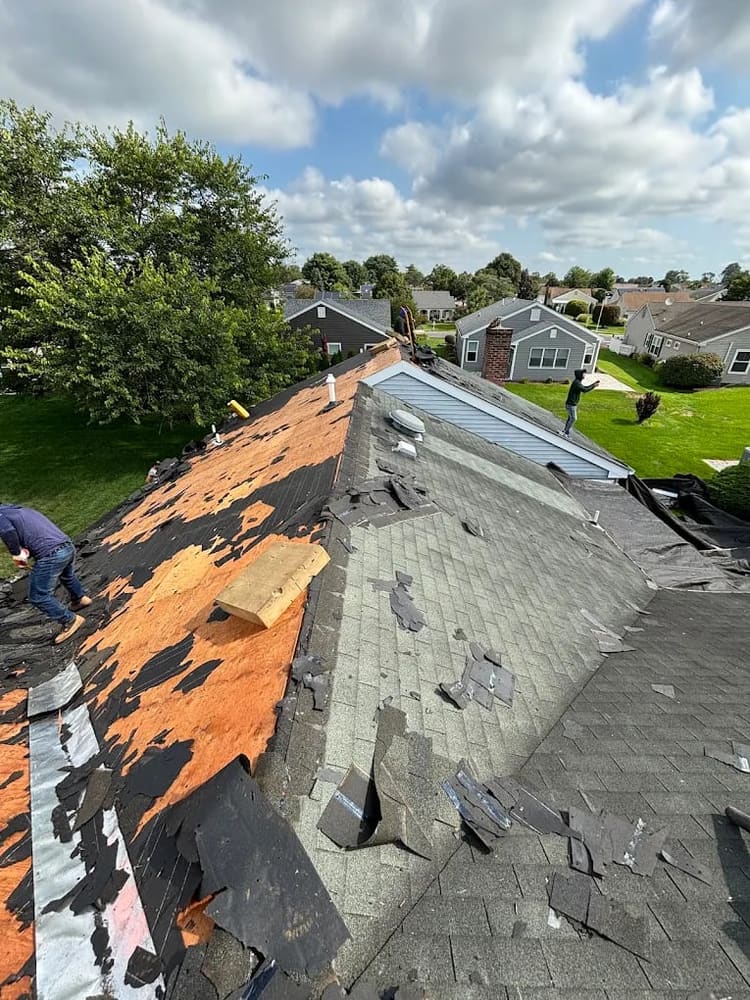
Most Lopatcong roof leaks are repairable when caught early, because the homes are relatively young and the problems are specific: a boot, a flashing joint, a section of wind-lifted shingles. Once a roof reaches the point where shingles are brittle, granules are piling in the gutters and leaks appear in several places, we will tell you plainly that repairs will not hold.
For townhouse owners, the first question is often who is responsible for the roof: the owner or the association. We can inspect, document what we find with photos and provide a scope that works for either. For commercial owners, a flat-roof inspection before winter, with drains cleared and seams and curbs checked, prevents most mid-season leaks.