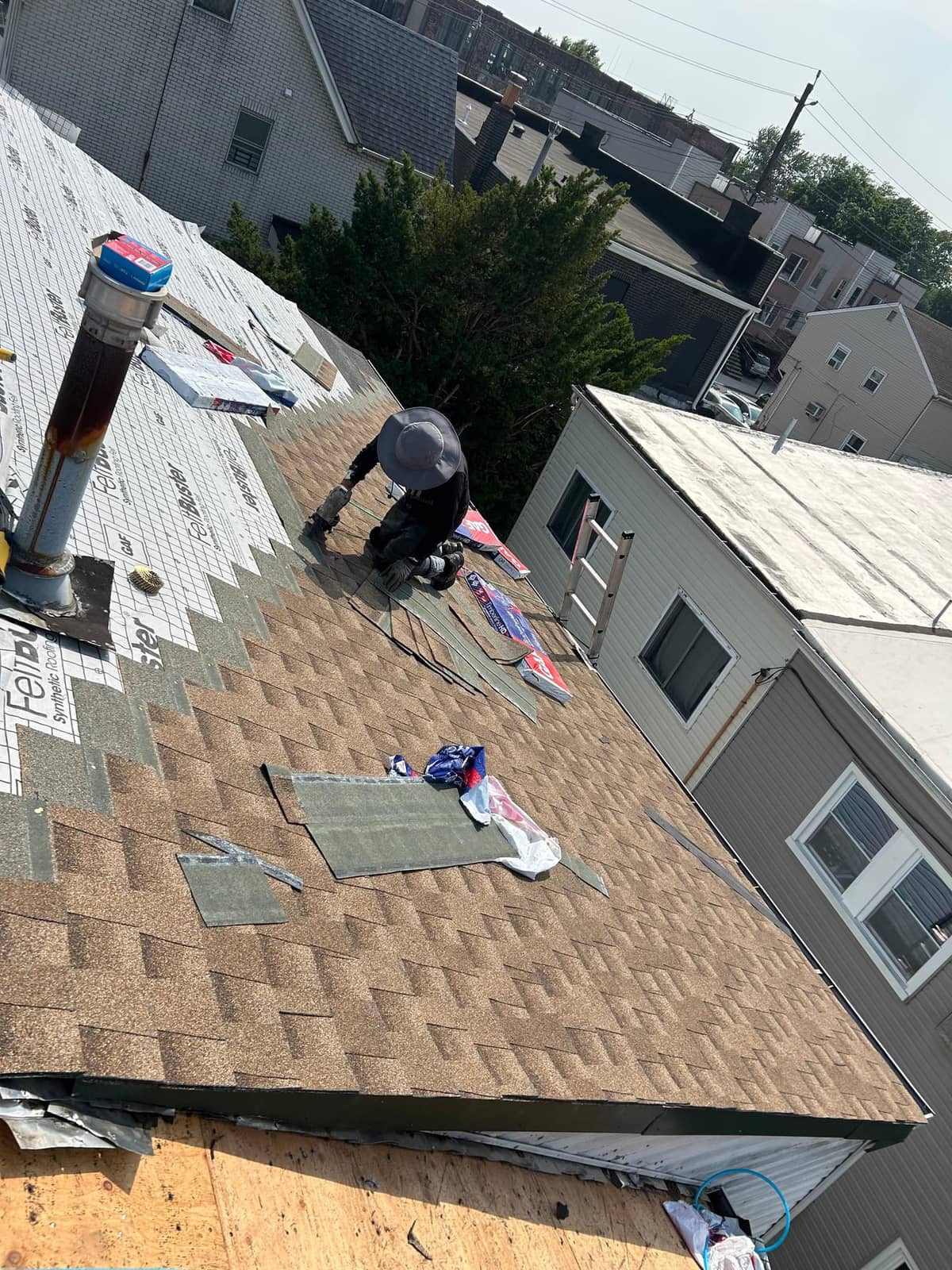
Roof Repair for Pohatcong homes and buildings
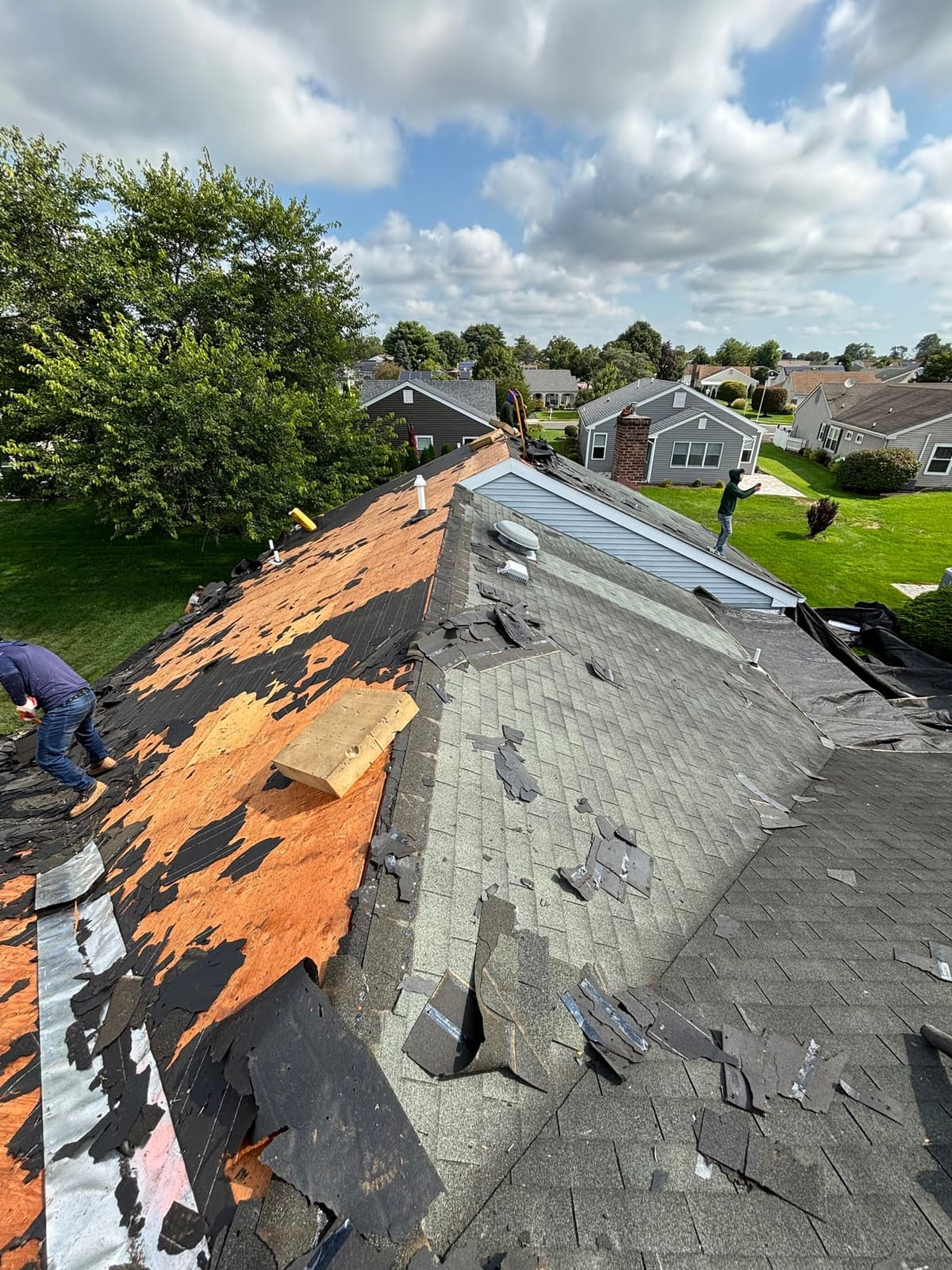
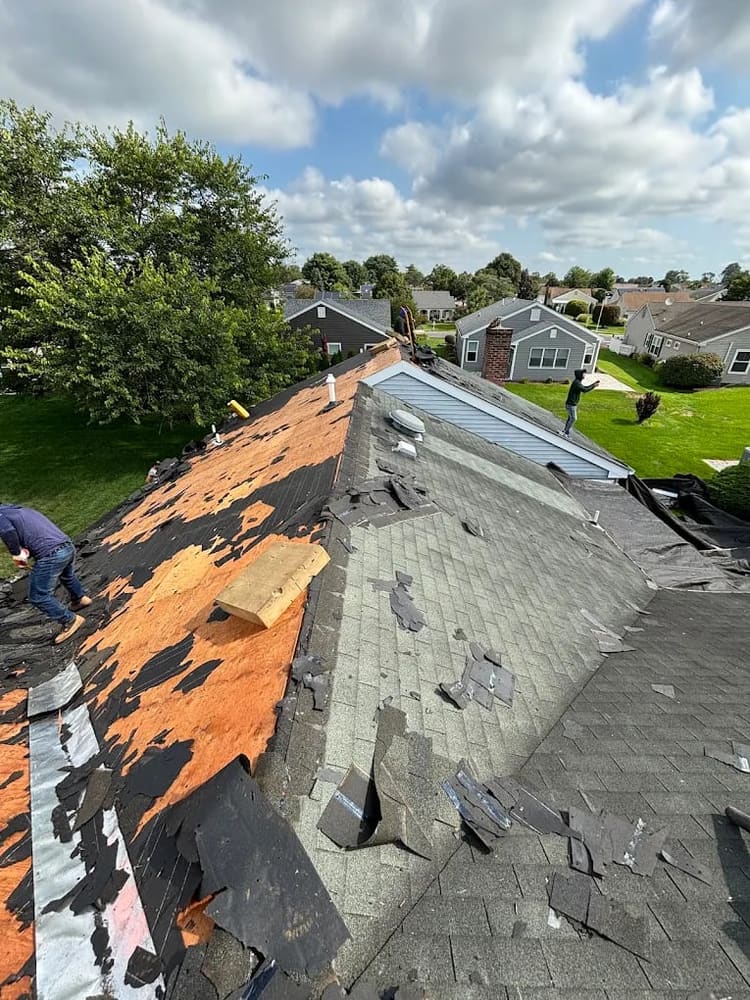
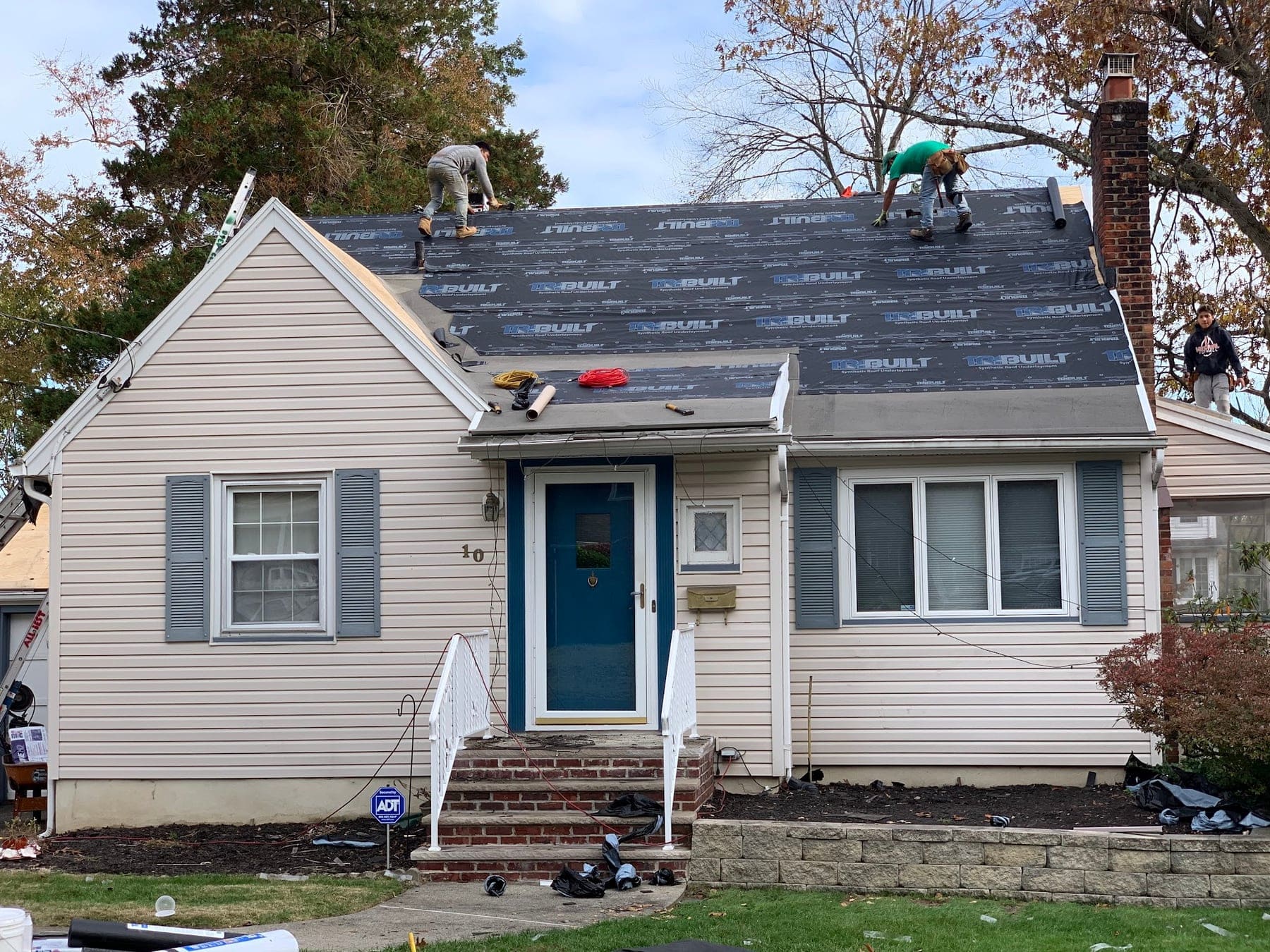
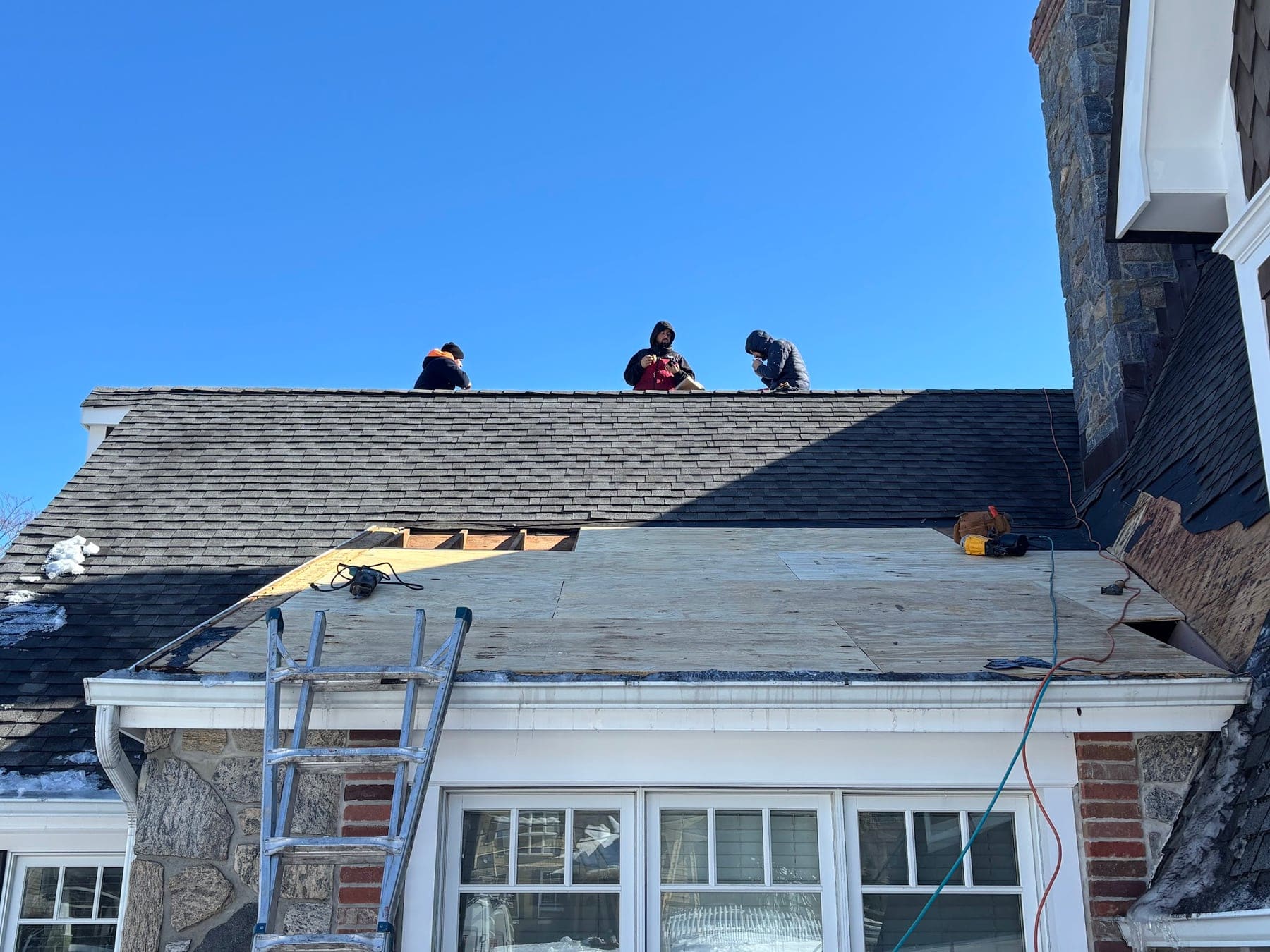
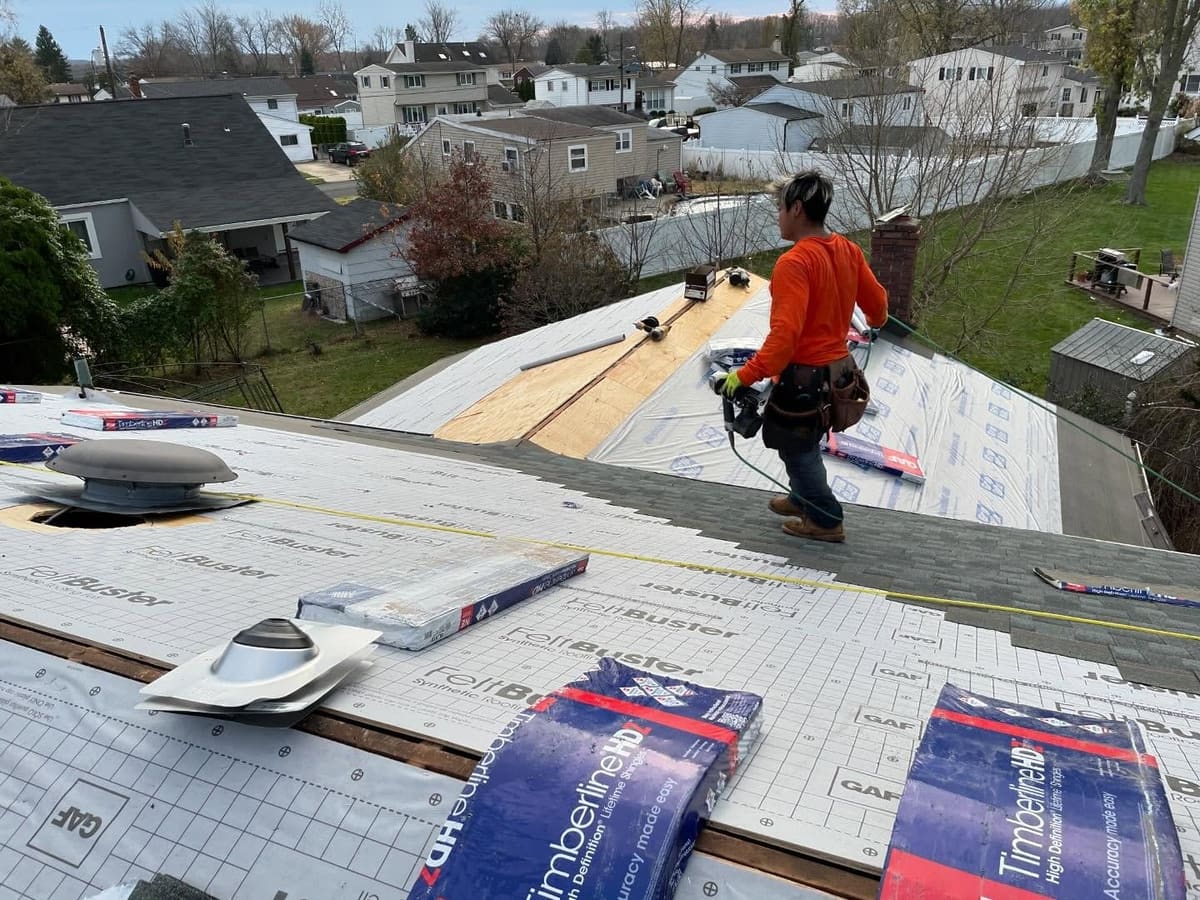
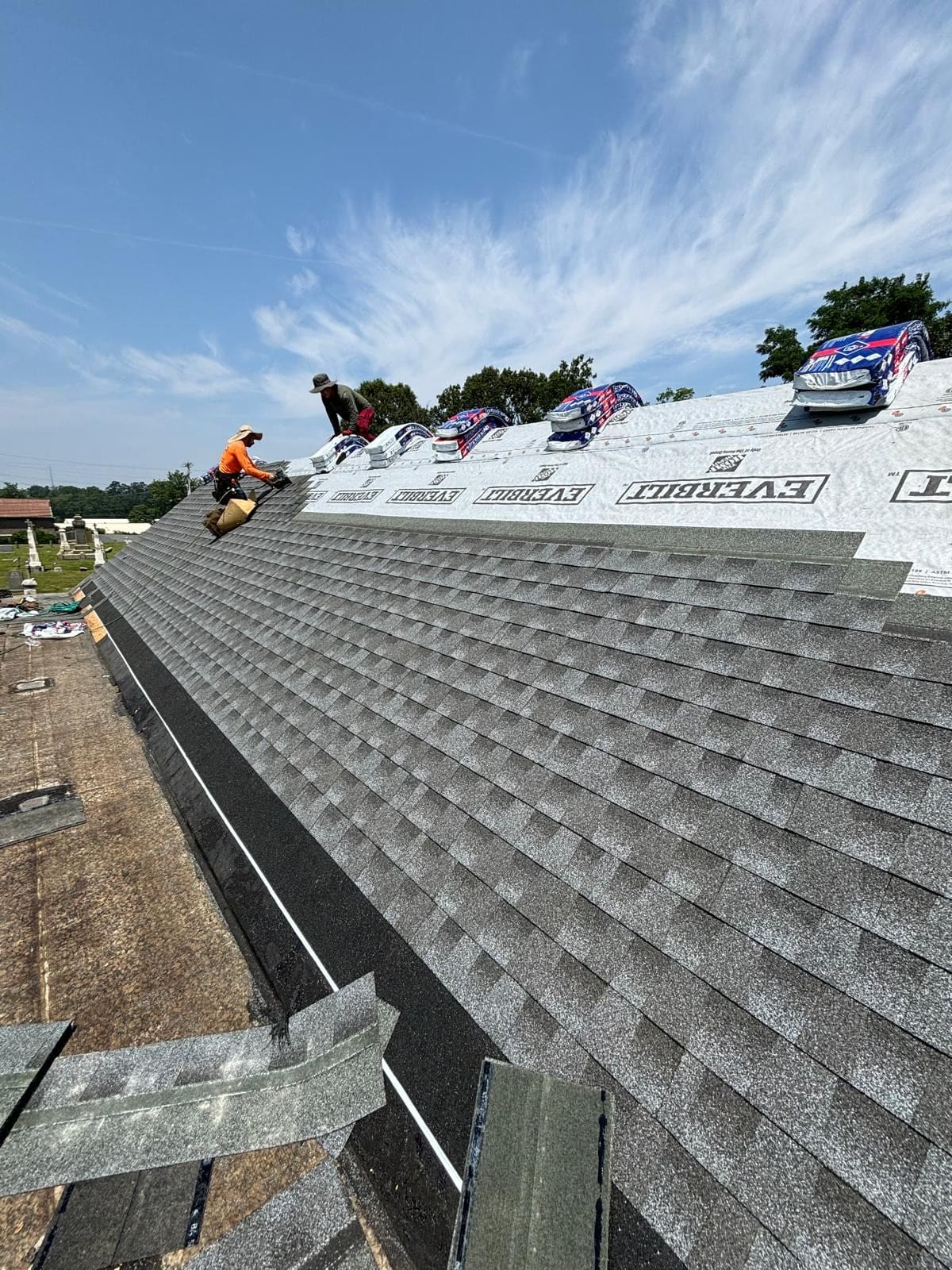
Roof repair in Pohatcong falls into two very different kinds of work. On homes, the issues depend on location: older houses in the river hamlets deal with damp air, moss and aging flashing, while houses on the open, higher ground take wind that lifts shingles at the edges. On the commercial buildings along Route 22, the work is flat-roof repair on large membranes with drains, rooftop units and long perimeter edges.
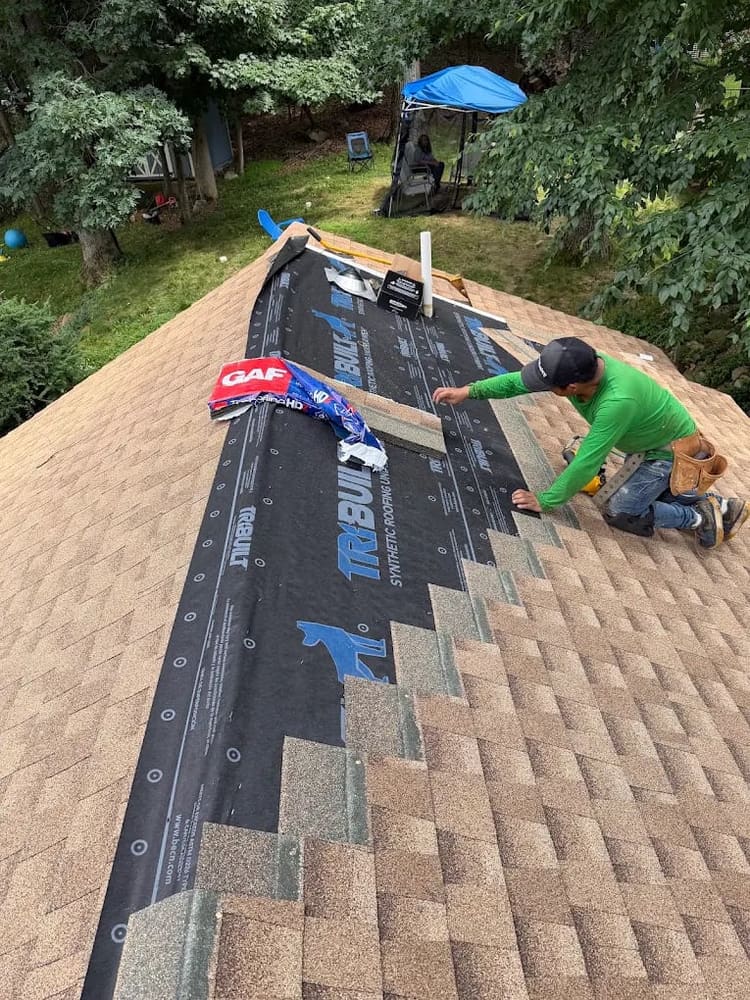
In both cases we find the entry point before repairing anything. On homes we check the roof and attic and repair with matching shingles, new metal flashing and membrane. On commercial roofs we inspect seams, drains, curbs and edges, and repair with materials compatible with the existing membrane. Asset Roofing & Chimney is licensed and insured, estimates are free, and we document storm damage for insurance claims when needed.
Pohatcong housing
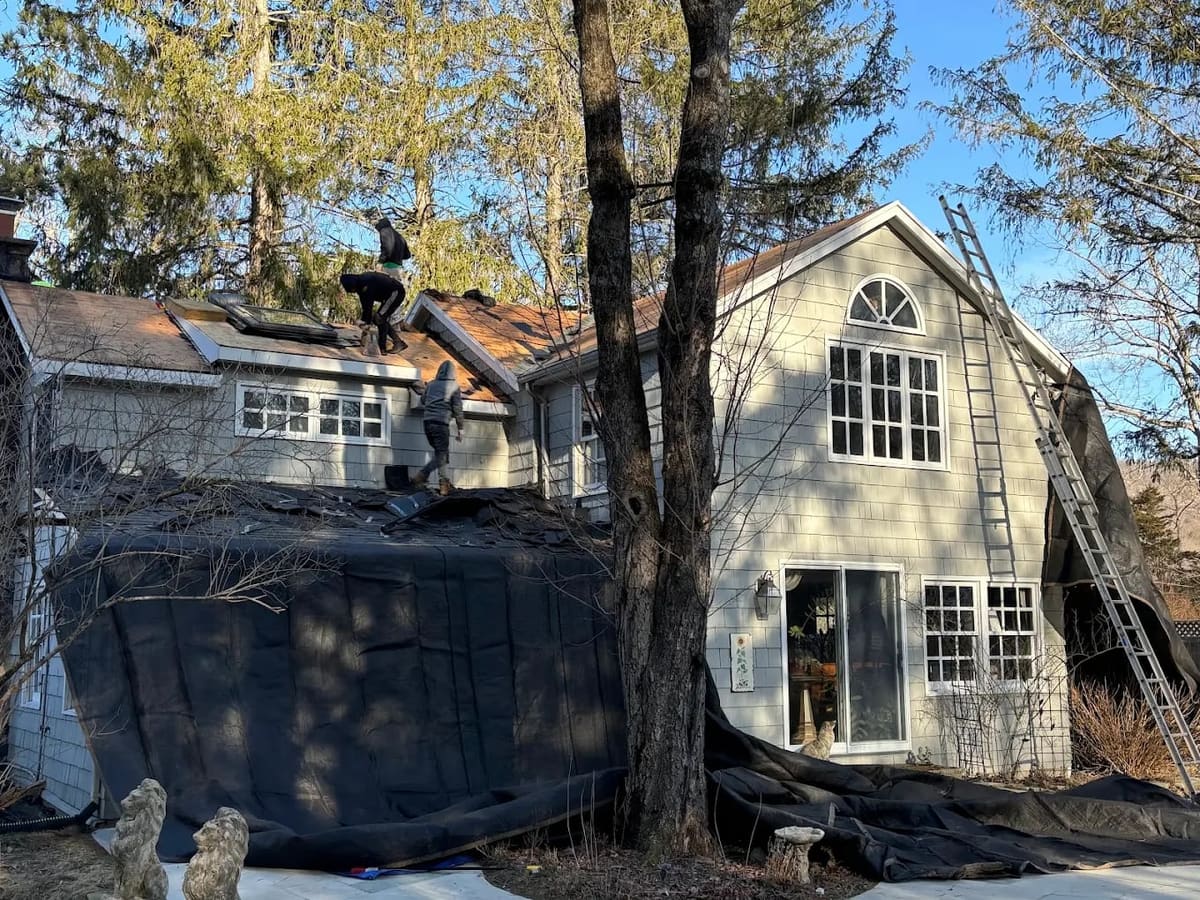
Pohatcong's homes include older farmhouses and 1800s and early-1900s houses in the river hamlets and along the old roads, mid-century capes and ranches near the Phillipsburg and Alpha borders, and later subdivisions on the higher ground. Commercial buildings along Route 22 carry large flat or low-slope roofs. Asphalt shingle dominates on homes, and older houses have brick chimneys, some serving wood stoves.
Weather & exposure
Low ground along the Delaware and Musconetcong is damp and foggy, and river valley air keeps roofs and masonry wet longer. Open farmland and the higher slopes take wind with little shelter. Large commercial flat roofs collect snow and meltwater through cold winters, and freeze-thaw cycling works on roof seams and old brick alike.
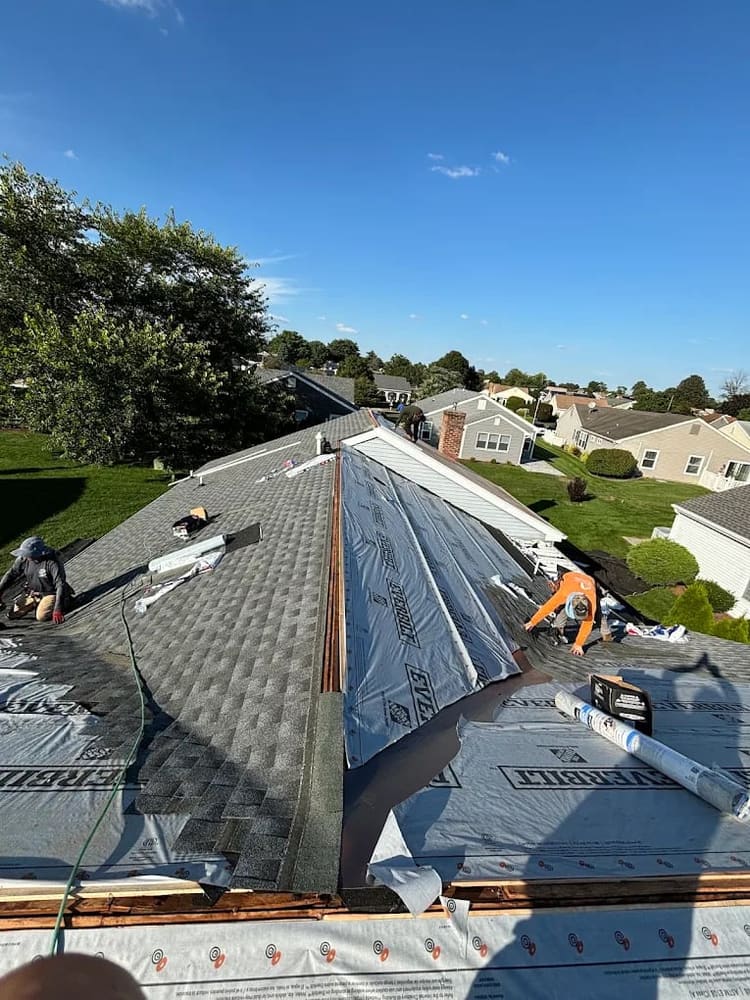
Repair or replace? What we tell Pohatcong homeowners
For homes, a repair is the right choice when the shingles are still flexible and the leak traces to a specific flashing, edge or penetration. On damp riverside lots, it is worth checking the eaves and fascia during any repair, since rot there is easy to miss from the ground. If wear is spread across the roof, we will tell you honestly that replacement is better value.
For commercial owners, the best protection is a scheduled inspection, ideally in the fall, with drains and scuppers cleared and seams, curbs and edges checked before snow load. Small seam and flashing repairs cost far less than wet insulation and interior damage. If a membrane has widespread failure, we explain when replacement makes more sense.