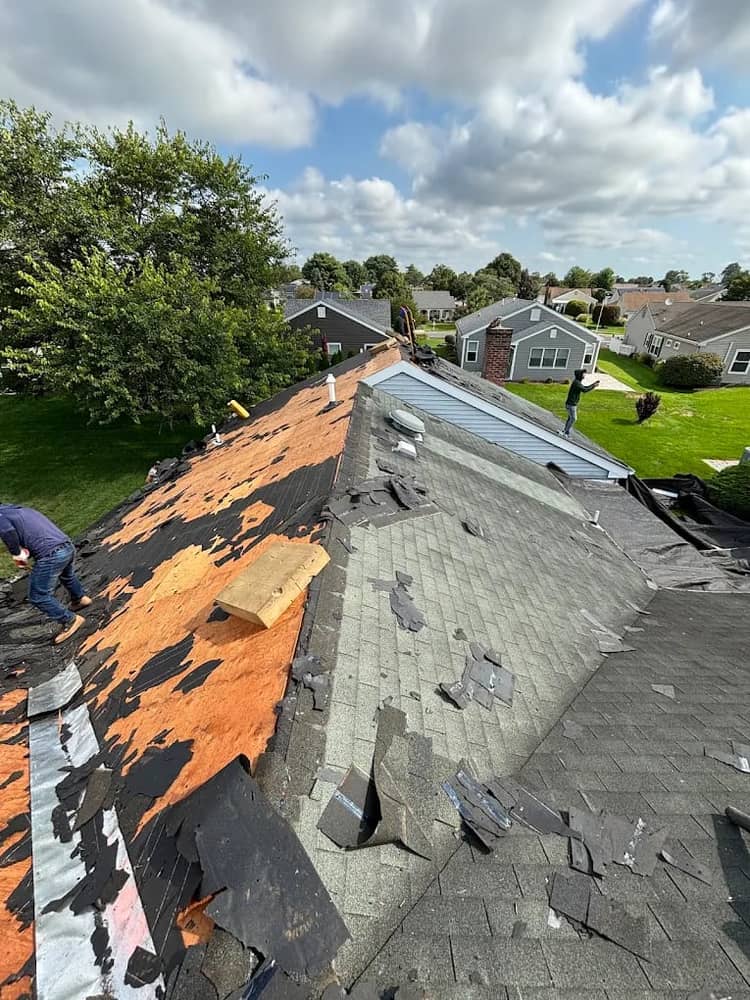
Roof Repair for Washington Township homes and buildings
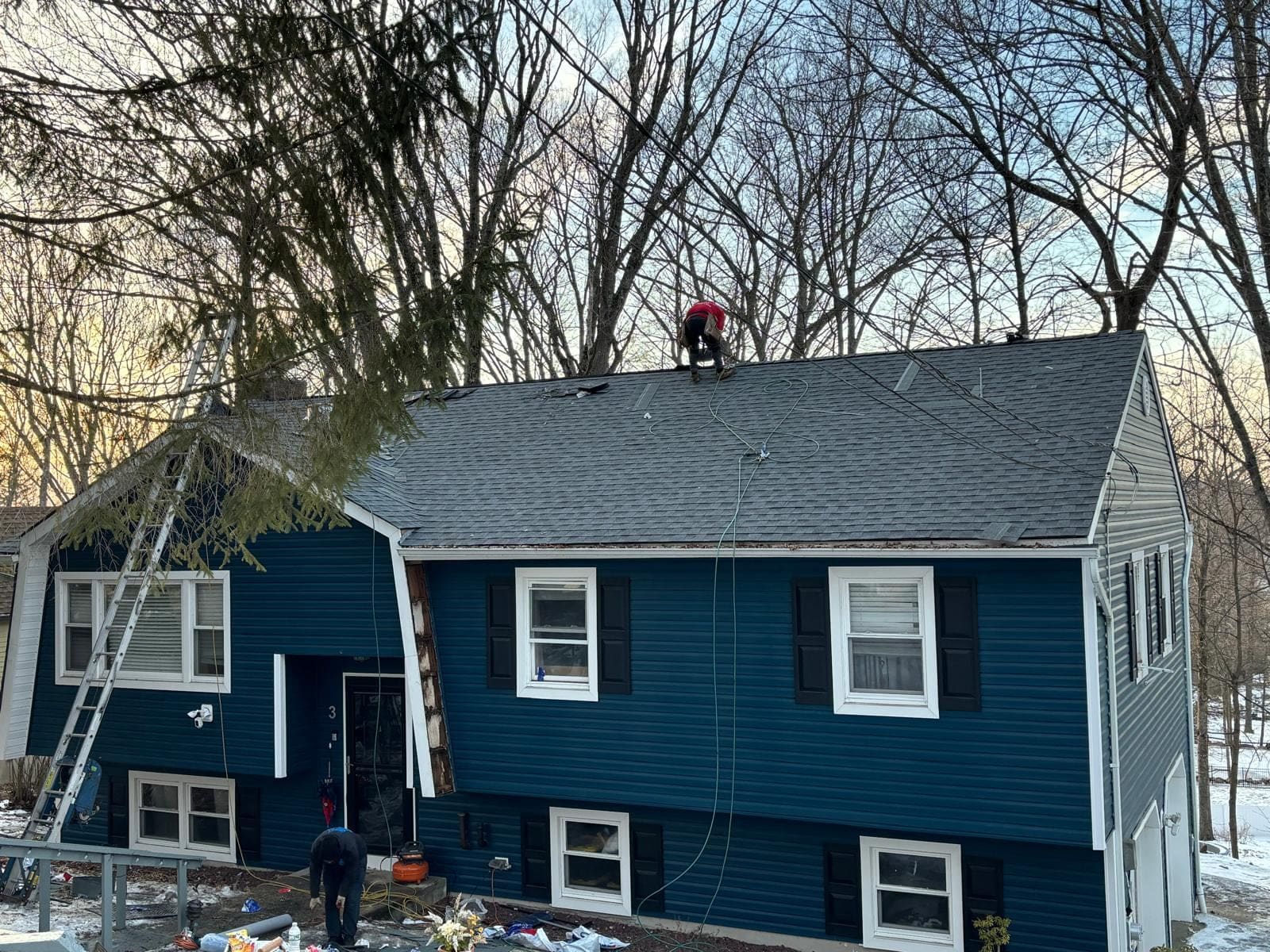
Roof repair in Washington Township is dominated by homes from the 1960s through the 1990s, and the most common problems come with them: split-level and bi-level rooflines with low-slope transitions, cracked pipe boots, nail pops, loose ridge vents and aging flashing at masonry fireplace chimneys. Homes on the ridge slopes add wind damage at the edges, while wooded lots add debris and limb strikes.
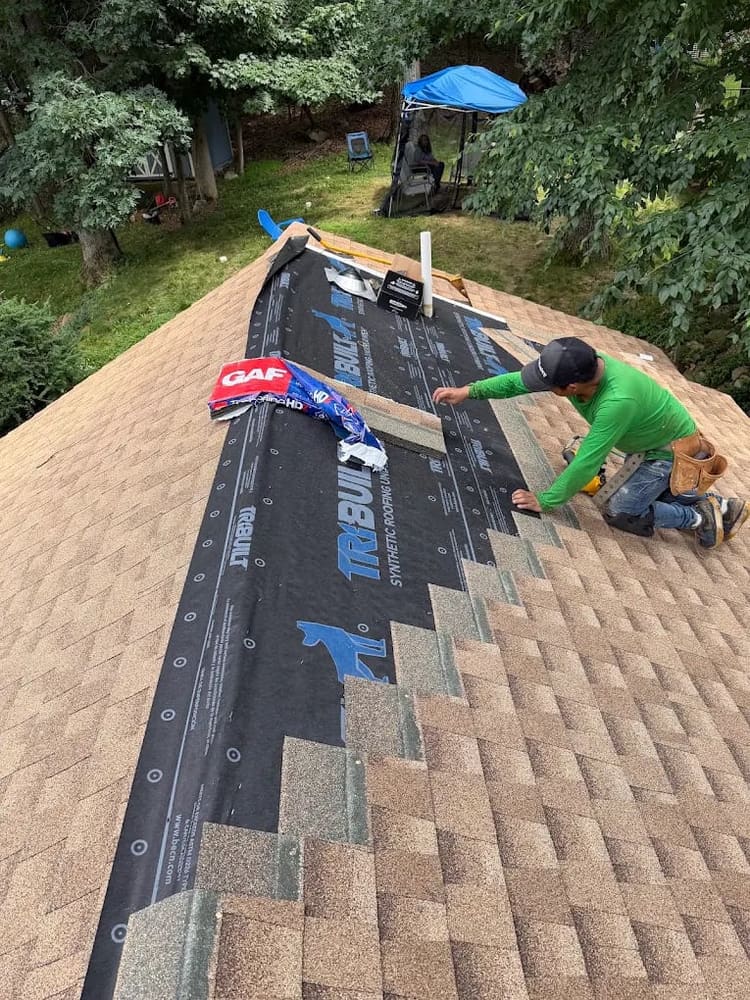
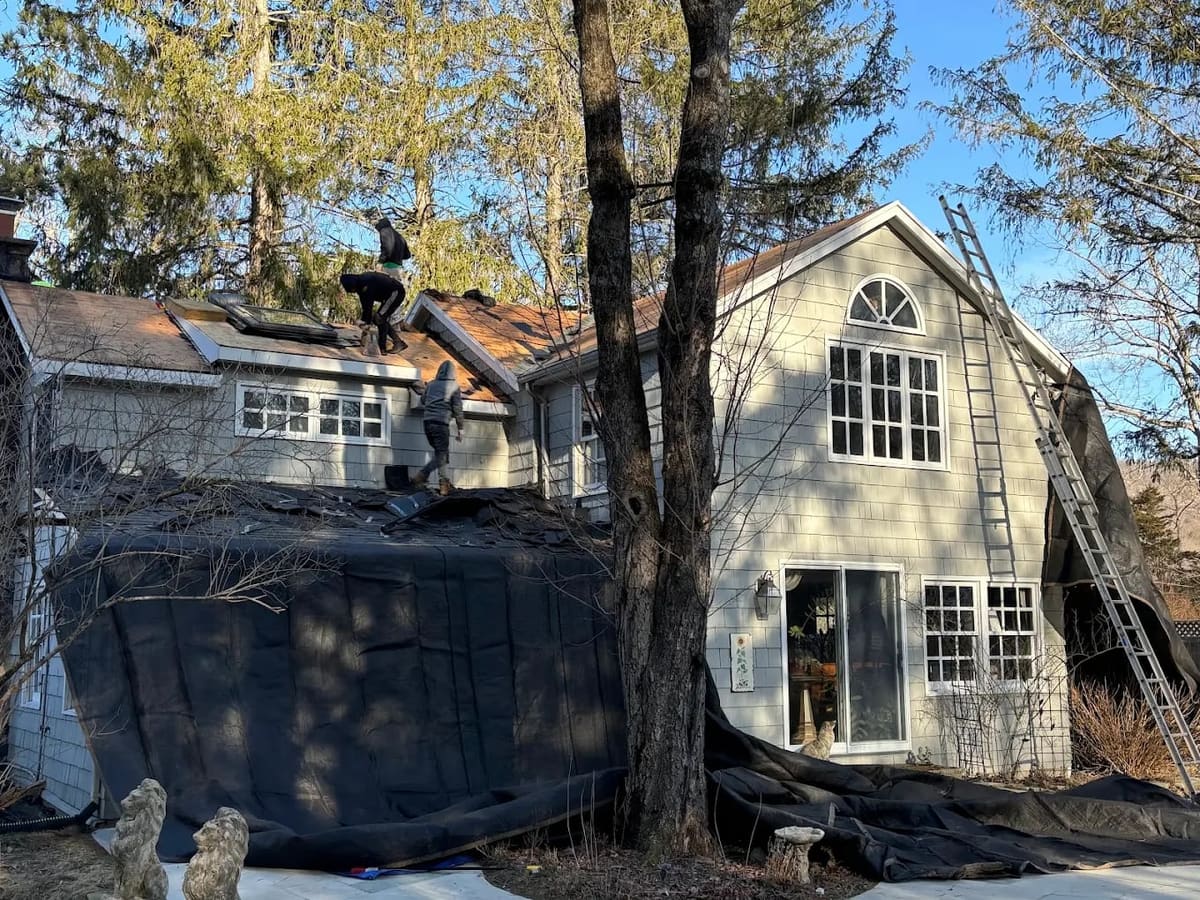
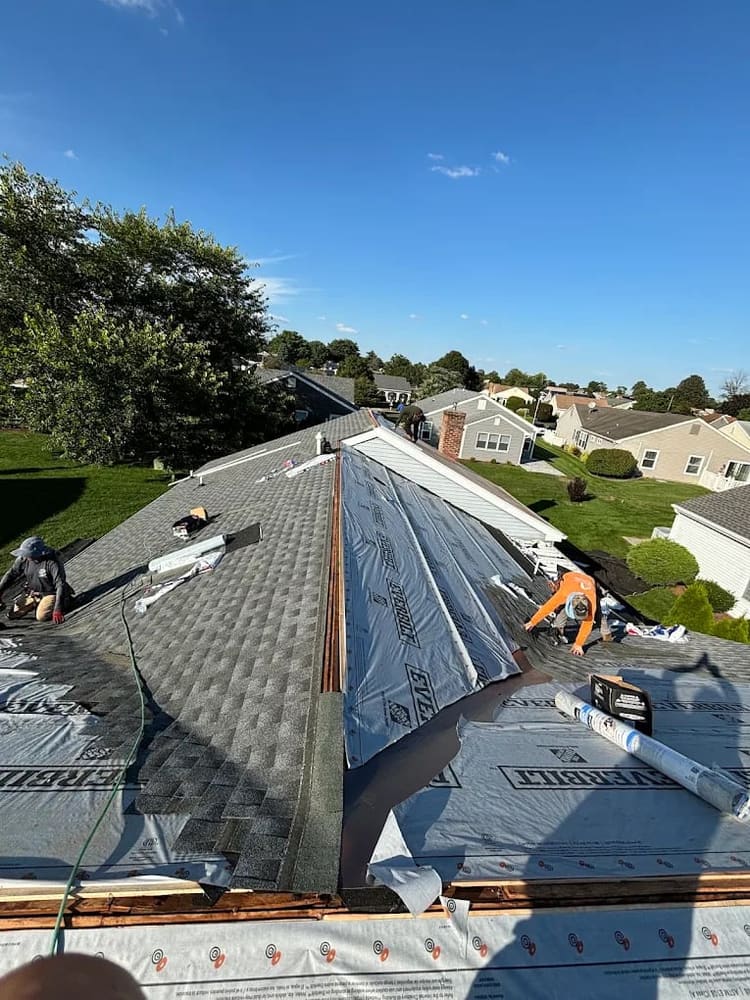
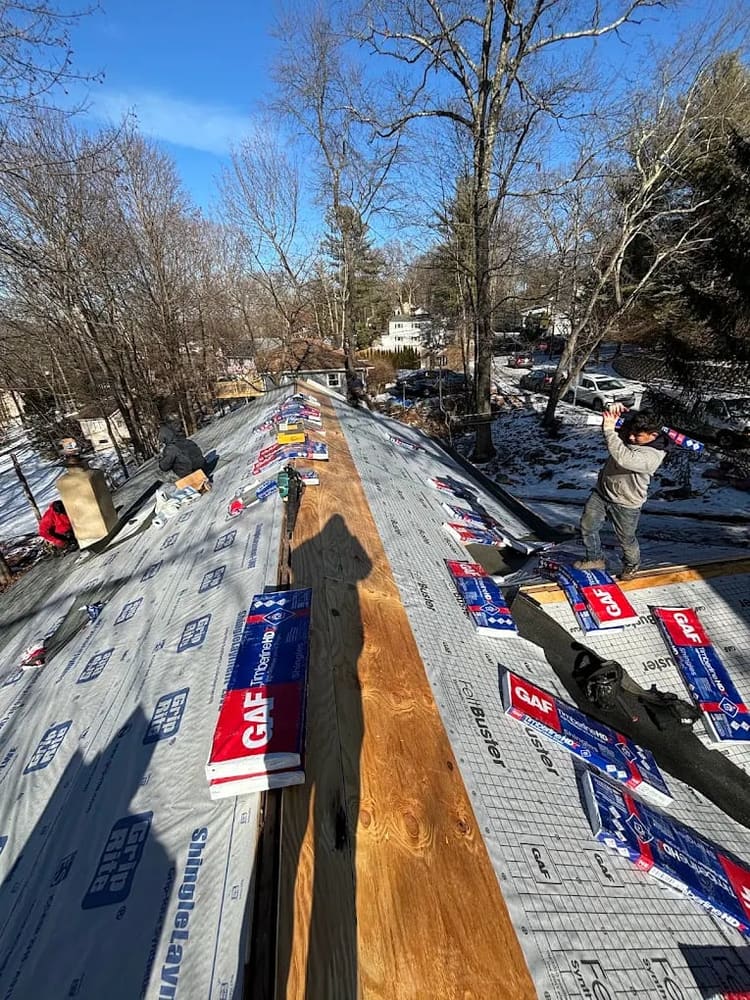
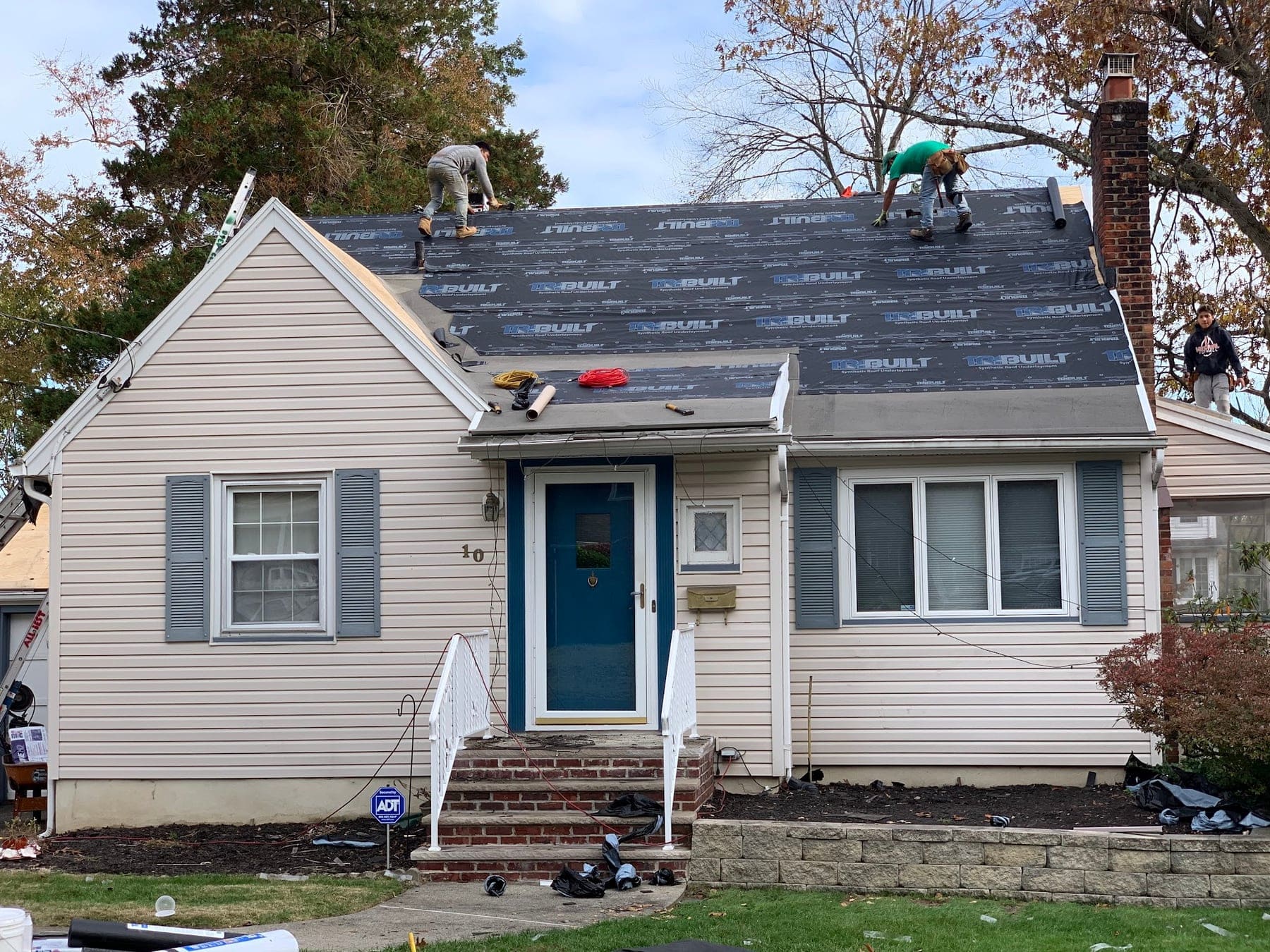
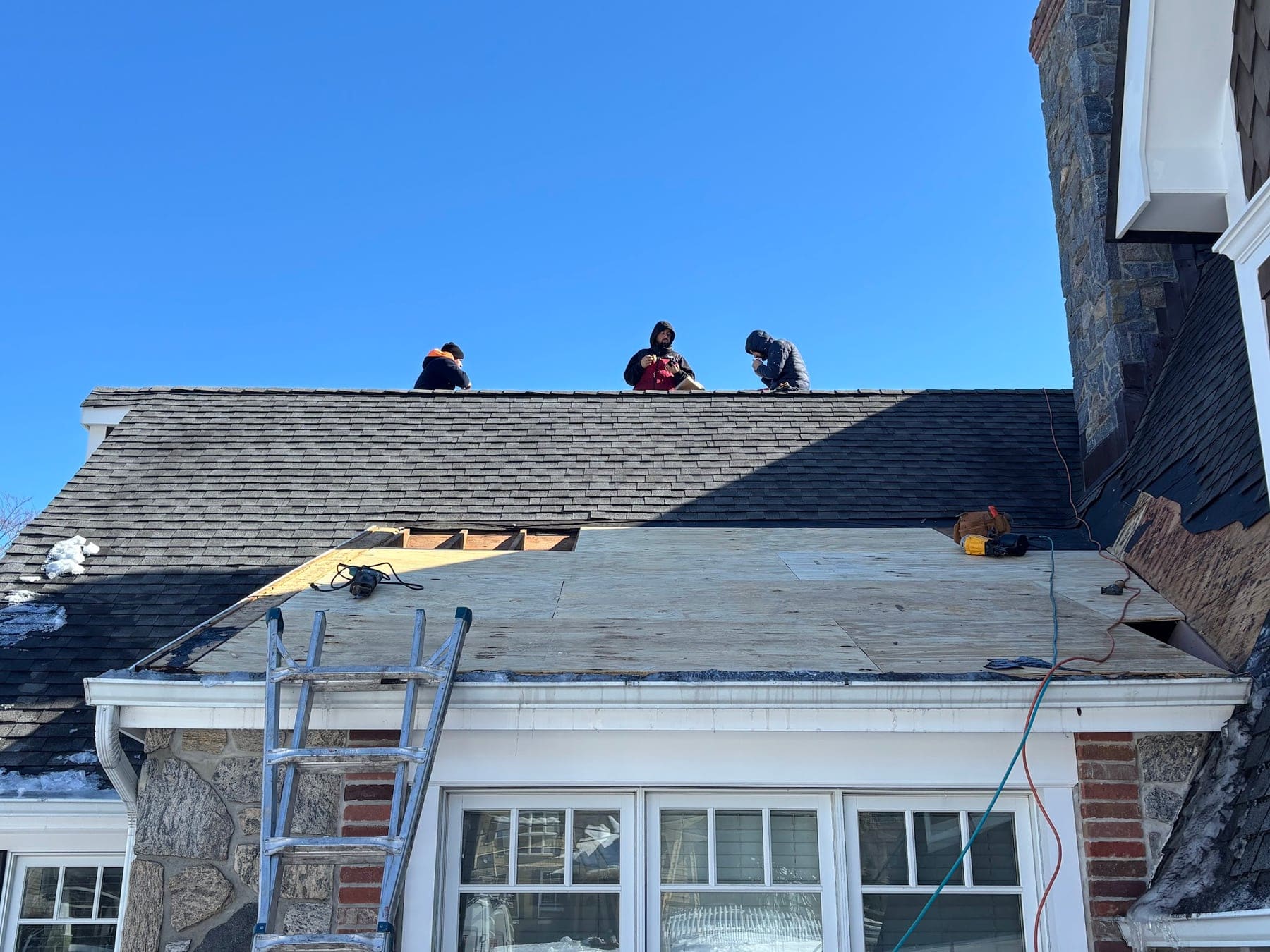
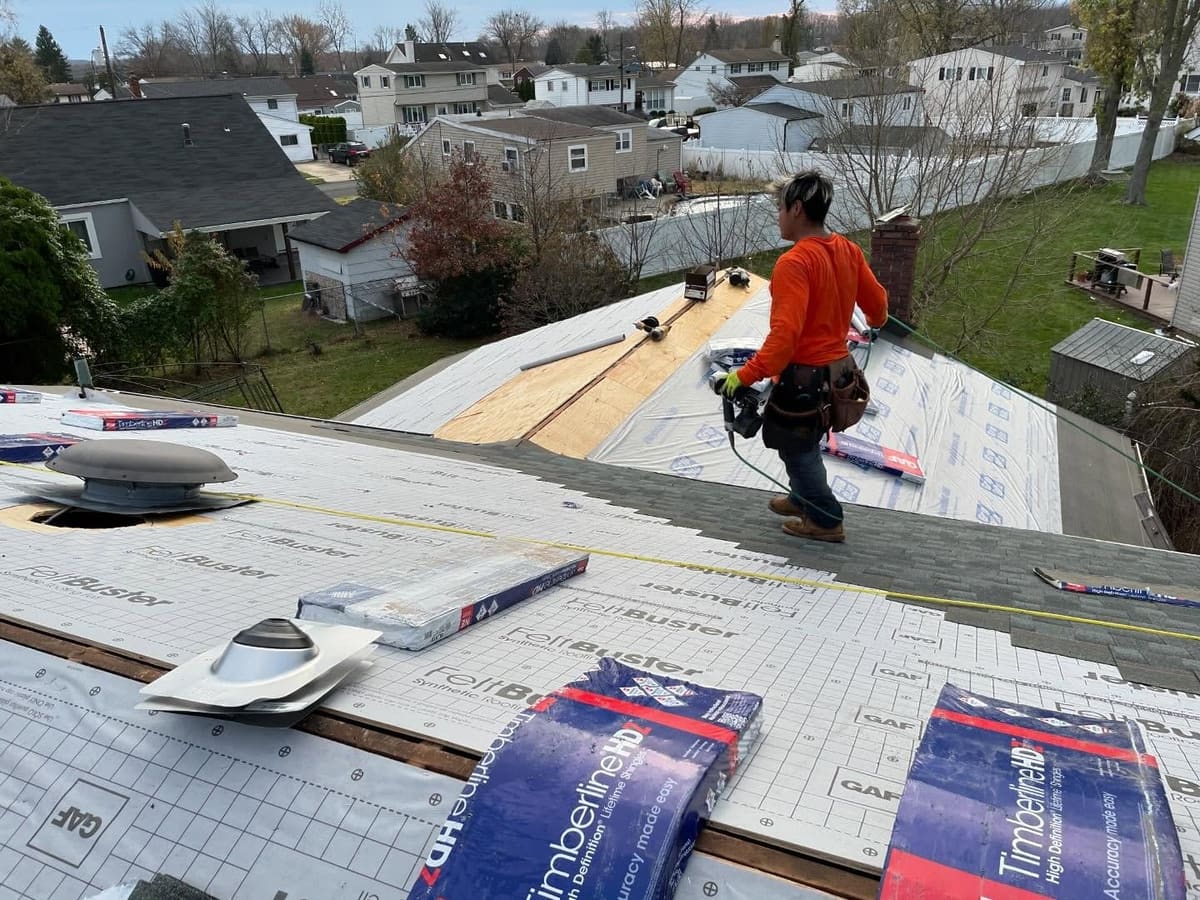
We find the source before we repair. That means inspecting the roof and attic, checking every penetration and junction, and tracing stains back to where water actually enters. We then repair with matching shingles, new metal flashing and membrane. Asset Roofing & Chimney is licensed and insured, estimates are free, and we document storm damage for insurance claims when needed.
Washington Township housing
Most of Washington Township's homes were built from the 1960s onward: split-levels, ranches, bi-levels and colonials in subdivisions, with larger homes on wooded hillside lots. Older farmhouses and 1800s homes remain in the valley and in the old canal settlements. Asphalt shingle is the standard roof, masonry fireplaces are common on the 1960s and 1970s homes, and prefab fireplaces in framed chases appear in later construction.
Weather & exposure
The township spans valley floor and ridge slopes, so conditions change with elevation. Hillside homes take wind and hold snow longer, while valley homes sit in cold, damp air with frost and fog. Wooded lots on the slopes bring shade, debris and limbs from summer storms and winter ice, and sustained freeze-thaw affects roofs and masonry everywhere.
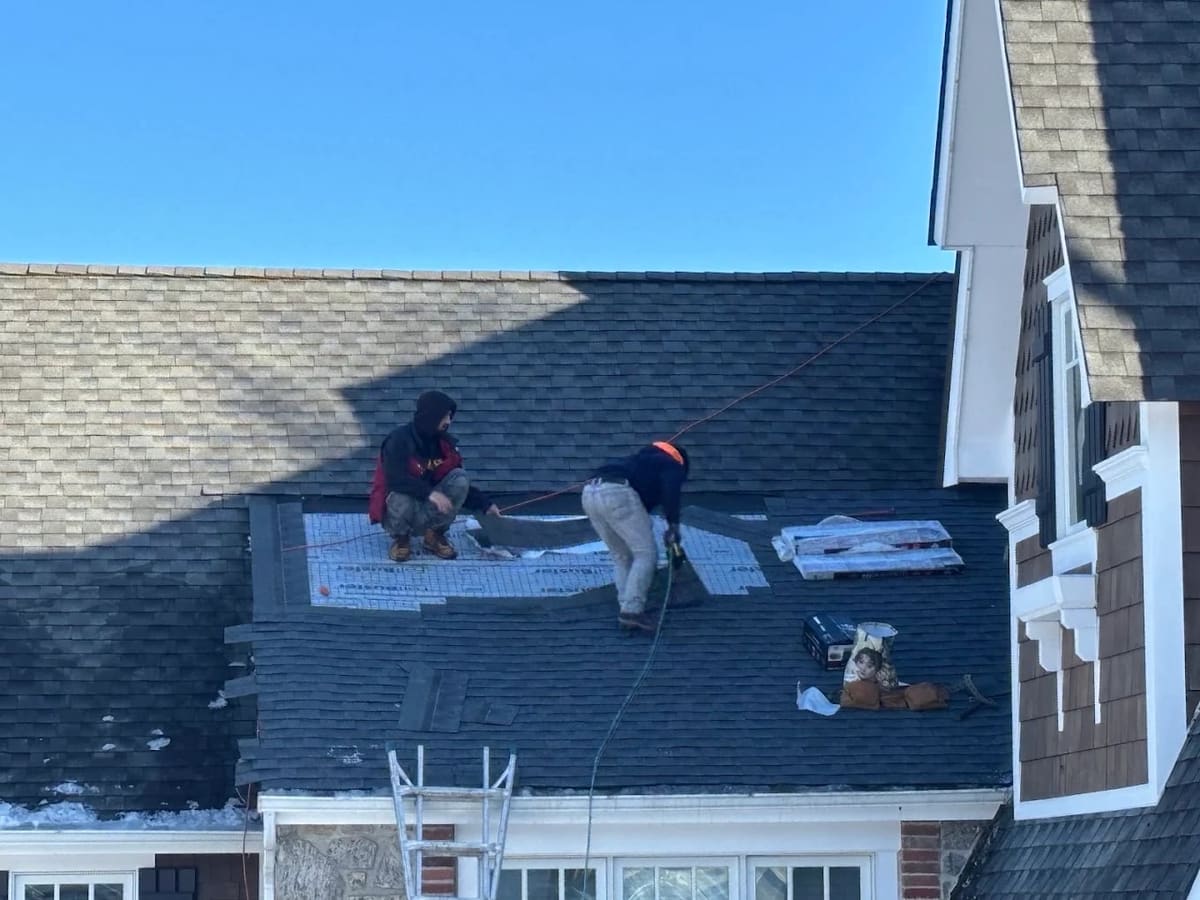
Repair or replace? What we tell Washington Township homeowners
On most Washington Township homes, a repair is worthwhile when the shingles are still flexible and the problem is specific: a sidewall junction, a chimney, a boot or a storm-damaged area. Many of these roofs are on their second shingle layer or their second roof, and once the shingles are brittle and leaks are appearing in several places, we will tell you honestly that replacement is the better value.
On wooded lots, keeping valleys and gutters clear and trimming limbs that hang over the roof prevent many of the leaks we see. After a strong wind, it is worth checking the edges and ridge from the ground for lifted or missing shingles.